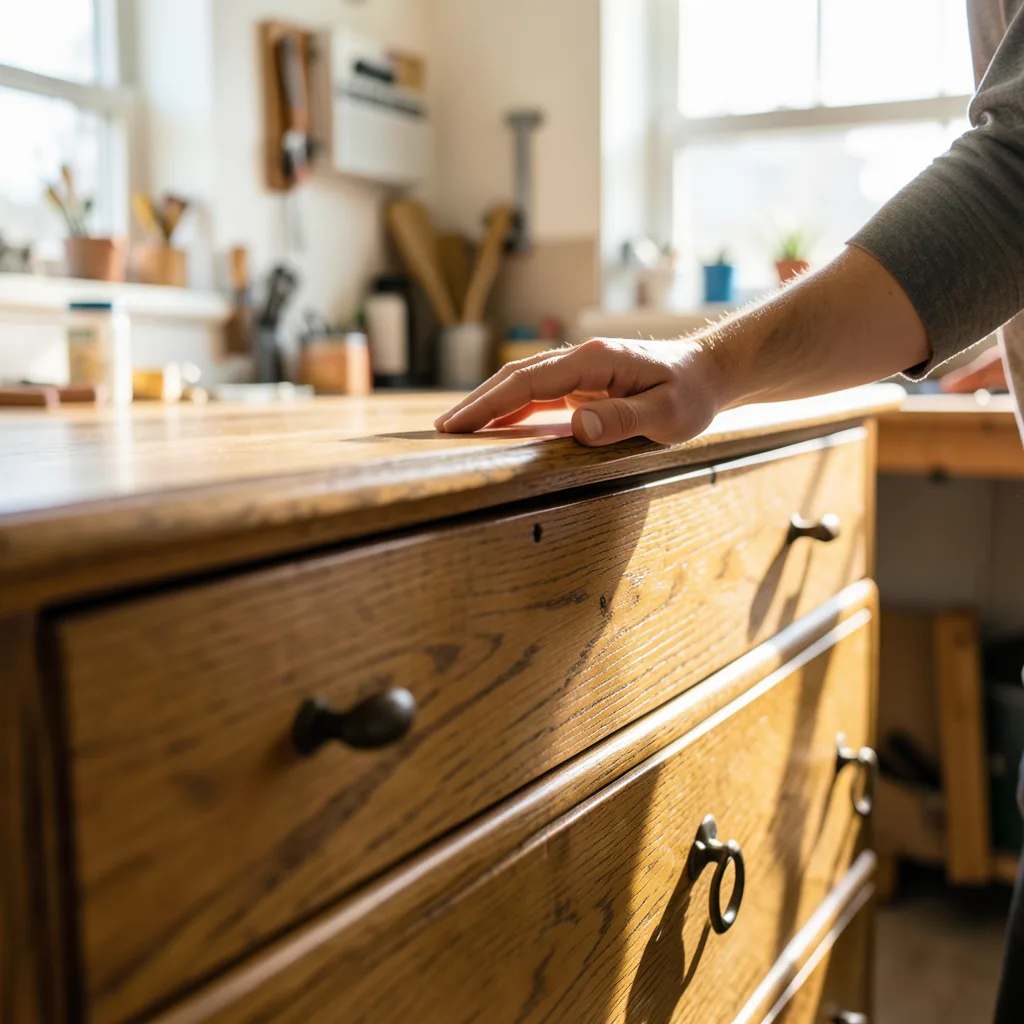
Finding a piece of furniture that fits your style, budget, and space can feel like searching for a needle in a haystack—especially when you’re hunting for secondhand gems. The good news is that with a systematic approach, you can turn thrift stores, online marketplaces, and estate sales into treasure troves of quality furniture that lasts for years. This guide walks you through every step of the process, from clarifying what you truly need to inspecting the hidden details that separate a sturdy, timeless piece from a fleeting trend. By the end, you’ll feel confident evaluating, negotiating, and transporting secondhand furniture that enhances your home and supports sustainable living.
Key takeaways
- Measure your space and define the item's function before shopping to avoid impulse buys and ensure the piece fits your home.
- Inspect joinery, such as dovetails or dowels, and test for stability to ensure the frame remains sturdy for long-term use.
- Check for signs of water damage, pest activity, or previous repairs to estimate the true cost of potential restoration work.
- Factor in hidden costs like transportation, repair supplies, and professional labor when calculating if a bargain is truly economical.
- Prioritize solid wood, metal, and natural fibers to ensure durability and support sustainable, circular consumption habits.
1. Assess Your Needs and Space
Before you even set foot in a thrift shop, take a moment to define the role the new piece will play in your home. Ask yourself:
- What function does it serve? (e.g., a dining table for family meals, a lounge chair for reading, a storage chest for linens.)
- How much traffic will it endure? High‑use areas demand sturdier construction.
- What are the exact dimensions of the space? Measure width, depth, height, and consider clearance for doors and walkways.
Sketch a simple floor plan or use a free online room planner. When you have a visual reference, you can instantly eliminate pieces that are too large, too small, or mismatched with the flow of the room. This preparation also helps you stay focused while browsing, reducing the temptation to buy on impulse.
2. Research Styles and Materials
Secondhand furniture spans a wide range of eras, from mid‑century modern to farmhouse rustic. Understanding the hallmarks of each style equips you to spot authentic pieces and avoid cheap reproductions.
Mid‑Century Modern (1940‑1960) often features tapered legs, walnut or teak veneers, and clean, geometric lines. Look for solid wood frames rather than particle board.
Industrial pieces showcase metal frames, reclaimed wood, and utilitarian hardware. Check for weld quality and whether the wood shows natural grain rather than a veneer.
Farmhouse style leans on distressed finishes, turned legs, and generous proportions. Authentic farmhouse furniture is typically built from solid pine or oak, not composite materials.
When you know the typical materials—solid hardwood, genuine leather, cast iron—you can quickly assess whether a piece is likely to be durable. Online resources such as furniture style guides, manufacturer archives, and even YouTube restoration channels provide visual references that make identification easier.
3. Inspect Structural Integrity
The backbone of any furniture piece is its frame. A sturdy frame ensures longevity, especially for items that bear weight like sofas, beds, and tables.
- Joinery: Look for dovetail, mortise‑and‑tenon, or dowel joints. These are stronger than staples or nails.
- Legs and Supports: Tap each leg; a solid sound indicates solid wood or metal. Wiggle legs gently—any looseness could signal a broken joint.
- Bottom Panels: For dressers and cabinets, lift the bottom panel slightly. If it sags or creaks, the internal support may be compromised.
Bring a small flashlight or a phone’s torch to illuminate hidden corners. If a piece feels flimsy, it’s better to walk away than to invest time and money in repairs that may never restore full strength.
4. Examine Finish and Hardware
A high‑quality finish not only looks good but also protects the wood from moisture and wear. Here’s what to check:
- Surface Consistency: Run your hand over the surface. A smooth, even finish without bubbles or grain loss suggests professional finishing.
- Wear Patterns: Natural wear, such as a patina on leather or softened edges on wood, can add character. However, deep scratches or gouges that expose raw wood may need refinishing.
- Hardware: Examine drawer pulls, knobs, and hinges. Brass, solid steel, and antique brass are signs of quality. Test each hinge—smooth operation without squeaking indicates proper lubrication and alignment.
If the finish appears flaked or the hardware is corroded, factor in the cost of restoration. In many cases, a simple sanding and re‑staining or a hardware swap can revitalize a piece without breaking the bank.
5. Test Functionality and Comfort
Even the most beautiful piece is useless if it doesn’t serve its purpose comfortably. Spend a few minutes using the item as you would at home.
- Seating: Sit, lean back, and shift weight. The cushion should spring back after pressure, and the frame should remain stable.
- Tables: Place a heavy book or a small plant on the surface. The table should not wobble or creak.
- Storage Units: Open and close each drawer or door several times. Listen for sticking or rattling, which could indicate warped wood or loose hardware.
Take note of any odors—persistent chemical smells may indicate recent refinishing with low‑quality products, which could off‑gas over time. If a piece passes functional tests, you’re one step closer to a confident purchase.
6. Spot Signs of Damage or Repair
All used furniture shows some wear, but distinguishing normal aging from problematic damage is crucial.
- Water Damage: Look for swelling, discoloration, or a musty smell. Check the underside of tables and chairs for soft spots.
- Pest Activity: Small holes or tunnels in wood may signal beetle or termite activity. Tap the wood—if it sounds hollow, it could be compromised.
- Previous Repairs: Glue lines, mismatched wood grain, or uneven filler can reveal past attempts to fix cracks. While not automatically a deal‑breaker, extensive repairs may affect durability.
If you discover minor issues, estimate repair costs. A simple wood filler and re‑stain might be $30‑$50, whereas structural repairs could exceed $150. Compare this to the price of a new piece to decide if the secondhand option remains advantageous.
7. Verify Authenticity and Value
Some vintage pieces, especially those from renowned designers, hold significant resale value. Confirming authenticity protects you from overpaying for a replica.
- Maker’s Marks: Examine the underside or back for stamps, signatures, or labels. Research the maker’s hallmark online.
- Provenance: Ask the seller for any history—original purchase receipt, previous owners, or restoration records.
- Market Comparison: Use platforms like eBay, Chairish, or 1stdibs to gauge current market prices for similar items. Adjust for condition, location, and any restoration work needed.
When a piece is rare or highly sought after, be prepared to negotiate based on documented condition. If the seller cannot provide any provenance, treat the item as a decorative piece rather than an investment.
8. Sustainable and Ethical Buying Tips
Choosing secondhand furniture isn’t just about saving money—it’s a tangible step toward reducing waste and supporting circular economies. Here are a few practices that amplify the environmental impact of your purchase:
- Prioritize Local Sellers: Reducing transport distance cuts carbon emissions and often simplifies pickup logistics.
- Donate or Upcycle Unwanted Items: If you acquire a piece that doesn’t fit your space, consider donating it to a local charity or repurposing it (e.g., turning a dresser into a bathroom vanity).
- Choose Durable Materials: Solid wood, metal, and natural fibers have longer lifespans than particle board or plastic composites.
- Support Ethical Resellers: Some vintage shops employ skilled artisans who restore items responsibly, using low‑VOC finishes and sustainable sourcing for replacement parts.
By integrating these habits, each purchase becomes a win‑win: you enhance your home while contributing to a greener planet.
Budget Planning and Cost‑Benefit Analysis
Before you even set foot on a curbside sale, sit down with a spreadsheet or a budgeting app and map out the total financial commitment a secondhand purchase may entail. The headline price is only the tip of the iceberg; hidden costs such as transportation, restoration, and future maintenance can quickly erode the savings you expect.
1. Establish a ceiling price per category. Break your budget down by furniture type (e.g., sofas, dining tables, bedroom sets). Assign a maximum you’re willing to spend on each, factoring in the average cost of a comparable new item. For instance, if a new solid‑wood dining table runs $1,200, you might cap your secondhand spend at $650, leaving $550 for potential refinishing.
2. Add a contingency buffer. Allocate 10‑15 % of your projected total for unexpected expenses. This buffer protects you from surprise repair quotes or the need for a custom‑size rug to accommodate a slightly larger table than anticipated.
3. Conduct a cost‑benefit matrix. List the pros and cons of each candidate piece alongside an estimated dollar value for each pro (e.g., “authentic mid‑century veneer – $200 value”) and each con (e.g., “needs new legs – $120 cost”). Sum the columns; a positive net value indicates a financially sound choice.
4. Consider opportunity cost. Time spent hunting, negotiating, and restoring is also money. If you have a tight schedule, a slightly higher‑priced piece that requires minimal work may be more economical overall than a bargain that demands dozens of hours of DIY labor.
5. Leverage seasonal sales and bulk discounts. Many estate sales offer “early‑bird” pricing for the first few hours, while thrift stores often discount items on the last day of the month. If you’re buying multiple items from the same seller, propose a bundled price; sellers frequently appreciate moving inventory quickly.
By quantifying every variable, you transform the purchase from a gut‑feel decision into a data‑driven investment, ensuring that the final price truly reflects the value you receive.
Transportation, Moving, and Protective Handling
Even the most meticulously inspected piece can become a liability if it’s mishandled during transport. Proper planning prevents dents, broken joints, and costly injuries.
1. Measure doorways and elevators before you buy. Use a flexible tape to record the width, height, and depth of every entry point between the item’s location and your home. Include the radius of stairwell turns; a large armoire may need to be disassembled or taken apart to navigate a tight corner.
2. Choose the right moving equipment. For heavy items, a furniture dolly with pneumatic wheels reduces strain and protects flooring. When moving up stairs, a stair‑climbing hand truck distributes weight across multiple points, minimizing the risk of dropping a piece.
3. Wrap and cushion strategically. Use moving blankets, bubble wrap, or even old quilts to shield surfaces. For delicate hardware, wrap each knob or handle individually with soft cloth and secure with packing tape. Avoid using plastic wrap alone; it can trap moisture and cause warping in wood.
4. Secure loads inside a vehicle. Place heavier items on the vehicle’s floor to keep the center of gravity low. Use ratchet straps or rope to anchor the piece to anchor points—never rely on bungee cords alone, as they can snap under load.
5. Edge‑case scenarios. If the item is a vintage glass table, consider hiring a professional art mover who provides climate‑controlled trucks. For outdoor furniture made of wrought iron, a rust‑protective spray before transport can prevent chips caused by road debris.
Document the condition with photos before and after the move. This visual record is invaluable should you need to negotiate with the seller about pre‑existing damage or file an insurance claim.
DIY Restoration: Tools, Techniques, and Safety
Restoring a secondhand piece can be rewarding, but it requires a disciplined approach to avoid turning a bargain into a money‑sink.
1. Assemble a core tool kit. A high‑quality set of screwdrivers, a cordless drill with variable speed, a random‑orbit sander, a hand plane, a block plane, a set of chisels, and a rubber mallet cover most projects. Add specialty items such as a veneer scraper, a leather repair kit, or a fabric steamer depending on the material you’ll be working with.
2. Surface preparation hierarchy. Always start with a thorough cleaning—use a mild soap solution for wood, a degreaser for metal, and a fabric‑safe upholstery cleaner for textiles. Follow with sanding: coarse grit (80‑100) to remove old finish, medium grit (120‑150) to smooth, and fine grit (220‑320) for a final smoothness before staining or painting.
3. Staining versus painting. Stain showcases natural grain and is ideal for solid hardwoods. Test stain on an inconspicuous scrap piece; let it dry for 24 hours to see the true color shift. Paint hides imperfections and works well on metal frames or MDF. Use a high‑quality primer to ensure adhesion, especially on surfaces previously coated with oil‑based finishes.
4. Re‑upholstering basics. For a sofa with worn fabric, remove the old upholstery by pulling out staples with a staple remover. Preserve the original foam if it’s still firm; otherwise, replace it with a high‑density foam core. Cut new fabric with a 2‑inch seam allowance, tack it in place, and re‑staple using a pneumatic staple gun for even pressure.
5. Safety protocols. Always wear a dust mask or respirator when sanding or spraying finishes. Use ear protection with power tools and keep a fire extinguisher nearby when working with flammable solvents. Ensure proper ventilation—open windows, run exhaust fans, or work outdoors when possible.
6. Edge‑case restoration examples. If you encounter a cracked veneer, glue the crack with a wood‑compatible epoxy, clamp tightly, and sand flush before applying a matching veneer touch‑up marker. For a metal table with rust, start with a wire brush, then apply a rust converter, followed by a rust‑inhibiting primer and a durable enamel topcoat.
Document each step with photos; a visual journal helps you troubleshoot mid‑project and provides a portfolio if you later decide to sell the restored piece.
Design Integration: Mixing Eras, Colors, and Textures
Secondhand furniture shines when it becomes a focal point that ties together disparate design elements. Successful integration hinges on balance, contrast, and a unifying narrative.
1. Establish a visual anchor. Choose one statement piece—perhaps a 1960s teak sideboard or a reclaimed barn door table—and build the surrounding décor around it. The anchor dictates the dominant material palette (e.g., warm woods) and informs complementary colors.
2. Use the 60‑30‑10 rule. Allocate 60 % of the room’s color to a neutral base (walls, large rugs), 30 % to secondary hues (curtains, secondary furniture), and 10 % to accent tones (throw pillows, artwork). A vintage teal armchair can serve as the 10 % pop that injects personality without overwhelming the space.
3. Blend eras through proportion. Pair a sleek mid‑century modern coffee table with a plush, over‑sized contemporary sofa. The contrast in scale creates visual tension that feels intentional rather than chaotic.
4. Texture layering. Combine smooth leather, rough reclaimed wood, and soft linen to add depth. For example, a leather club chair next to a woven jute rug and a linen‑covered ottoman creates a tactile conversation that invites interaction.
5. Color‑matching hardware. When integrating a vintage metal chest with a modern bedroom, match the hardware finish (e.g., brushed brass) with other fixtures like lamp bases or curtain rods. Consistency in metal tones unifies the look across time periods.
6. Edge‑case styling dilemmas. If you acquire a bold patterned sofa that clashes with existing patterns, neutralize the room with solid‑color accessories and limit additional patterns to a 1‑in‑5 rule (no more than 20 % patterned items). Conversely, a minimalist space can be enlivened by a single, richly textured vintage armchair, allowing the piece to serve as the room’s story‑teller.
Remember that secondhand pieces often carry a story; let that narrative inform your design choices rather than forcing them into a rigid aesthetic.
Legal, Ethical, and Safety Checks Before Purchase
Acquiring a secondhand item is not just a transaction; it carries responsibilities to ensure the piece is lawful, ethically sourced, and safe for household use.
1. Verify provenance beyond maker’s marks. Ask the seller for any documentation—old receipts, appraisal letters, or estate inventories. If the piece is claimed to be an heirloom, request a brief family history to confirm authenticity and avoid potential disputes.
2. Screen for stolen or illegally exported goods. Conduct a reverse image search using the piece’s distinctive features; if identical images appear on police or heritage‑protection websites, proceed with caution. In some jurisdictions, certain antiques require export permits; ensure the seller complies with local regulations.
3. Check for hazardous materials. Older furniture may contain lead‑based paint, asbestos insulation, or formaldehyde‑laden foam. Use a lead test kit on painted surfaces older than 1978, and inquire about the age of foam cushions. If the piece contains hazardous substances, factor in professional abatement costs or consider passing on the item.
4. Assess fire safety. Upholstered furniture should meet flammability standards (e.g., California TB 117‑2013). Look for a compliance label on the underside. If none is present, treat the piece as non‑compliant and either apply a fire‑retardant spray or avoid using it in high‑risk areas such as near a fireplace.
5. Ethical sourcing considerations. Some vintage shops source items from demolition sites or salvage yards. Ask about the origin; purchasing reclaimed wood that would otherwise be landfill waste is environmentally positive, whereas acquiring items looted from cultural heritage sites is not.
6. Edge‑case legal scenarios. If you discover that a piece was originally part of a protected historic building, you may need a heritage clearance before moving it. Similarly, certain community donation programs restrict resale of items that were originally donated to charities; selling such pieces could violate donation agreements.
By performing these due‑diligence steps, you protect yourself from legal entanglements, safeguard your family’s health, and uphold ethical standards in the secondhand market.
Long‑Term Care, Preservation, and Resale Value
Purchasing a quality secondhand piece is an investment that can appreciate if you nurture it properly. Ongoing care not only prolongs its life but also maintains or enhances its resale potential.
1. Establish a maintenance schedule. For wood furniture, dust weekly with a microfiber cloth and apply a natural oil or wax quarterly to replenish moisture. Metal pieces benefit from a light coat of oil every six months to prevent rust.
2. Rotate and reposition. Sunlight can fade fabrics and cause wood to dry unevenly. Rotate cushions and shift rugs every few months to ensure even wear.
3. Protect high‑traffic surfaces. Use felt pads under table legs, coasters under glasses, and chair mats in office spaces. These simple barriers prevent scratches and dents that diminish aesthetic value.
4. Document condition over time. Keep a log with dated photos of each piece, noting any repairs or refinishing performed. This record becomes a valuable asset when you decide to sell, as buyers appreciate transparency.
5. Plan for future resale. When restoring, choose reversible methods whenever possible—e.g., using a water‑based stain that can be removed rather than a permanent oil‑based one. Retain original hardware; even if you replace it temporarily, store the originals for potential future buyers who value authenticity.
6. Edge‑case preservation challenges. For antique upholstery made from natural fibers like horsehair, maintain a low‑humidity environment (40‑50 %) to prevent mold. If you own a vintage leather sofa, condition it with a pH‑balanced leather balm every 6‑12 months and avoid placing it near heating vents.
By treating your secondhand acquisitions as living assets rather than one‑off purchases, you cultivate a collection that grows in character and monetary worth, turning each piece into a lasting legacy within your home.
Frequently Asked Questions
1. How can I tell if a wooden piece is solid wood or veneer?
Solid wood will feel heavier, have a consistent grain that runs through the thickness, and often shows natural variations like knots. Veneer is a thin layer of real wood glued over a less expensive substrate (often particle board). Look at the edges; if you see a thin slice of wood with a different grain pattern or a visible glue line, it’s likely veneer.
2. Is it worth buying a secondhand sofa with worn fabric?
Yes, if the frame is solid and the springs are in good condition. Upholstery can be re‑upholstered at a fraction of the cost of a new sofa, especially if you choose a durable fabric like linen or performance blends. Get a quote from a local upholsterer before deciding.
3. What tools should I bring when inspecting furniture at a thrift store?
Carry a small flashlight, a screwdriver (flat‑head and Phillips), a measuring tape, and a hand‑held level. These tools let you check hidden screws, confirm dimensions, and ensure surfaces are level—critical for items like bookshelves.
4. How do I negotiate price without offending the seller?
Start by expressing genuine interest and mentioning any minor flaws you’ve identified. Offer a specific, lower amount based on your repair cost estimate, and be prepared to walk away if the seller isn’t flexible. Polite, fact‑based negotiation often leads to a win‑win.
5. Can I safely buy secondhand furniture online without seeing it in person?
Online purchases carry risk, but you can mitigate it by requesting high‑resolution photos from multiple angles, asking for close‑up shots of joints and hardware, and confirming the seller’s return policy. If possible, arrange a video call where the seller walks you through the piece in real time.
Related posts:
 Bottega-Style Boots on a Budget
 Memorial Day Patio Furniture Deals
 Open Concept Done Right: Design Tips for Spacious Living
 How to Properly Care for Your Wooden Kitchenware
 Master the Art of Vintage Shopping Online Like a Pro
 Investment Worthy: Apartment Furniture That Goes the Distance
 Best-Selling Activewear Brands on Resale Sites
 Etsy’s Natural Beauty Finds