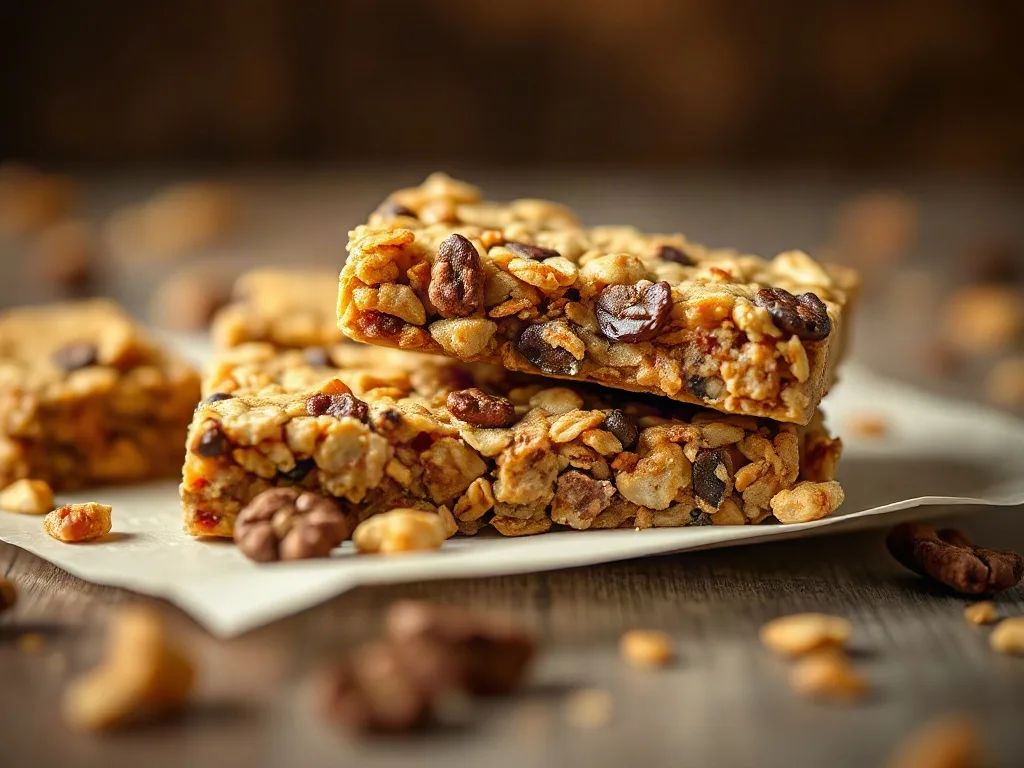
Granola bars have become a staple in modern diets, marketed as convenient, nutritious snacks that fit seamlessly into busy lifestyles. Walk down any grocery store aisle and you’ll find hundreds of options, each claiming to be healthier than the last. Yet the reality is more complicated. Many granola bars contain as much sugar as a dessert, hidden oils, and ingredient lists that read like a chemistry experiment. Choosing a truly healthy granola bar requires understanding what to look for, what to avoid, and how to evaluate marketing claims that often obscure the actual nutritional content.
Understanding Granola Bar Labels and Nutrition Facts
The first step in selecting a healthy granola bar is learning to read and interpret nutrition labels accurately. Most people focus solely on calories or fat content, but this narrow view misses the bigger picture. A granola bar with 150 calories might be worse for you than one with 180 calories if the former is loaded with refined sugar and the latter contains whole grains and fiber.
Start by examining the “Nutrition Facts” panel. Look at serving size first—many granola bars are deceptively packaged so the serving size is smaller than you’d actually eat. Check total carbohydrates, then immediately look at dietary fiber and sugar. A healthy granola bar should have at least 3 grams of fiber and ideally no more than 10 grams of sugar per bar. Some people aim for a ratio where sugar doesn’t exceed twice the grams of fiber, though individual needs vary.
Protein content matters more than many realize. Granola bars with 5 or more grams of protein tend to keep you fuller longer and prevent blood sugar spikes. Fat content should come primarily from unsaturated sources, and you should see fats listed below 10 grams per bar for most options. Sodium is often overlooked; look for bars with less than 200 mg per serving, as granola bars can contribute significantly to daily sodium intake if you eat them regularly.
Decoding the Ingredient List
The ingredient list reveals what’s actually in your granola bar, listed by weight from most to least. This is where marketing claims meet reality. A bar labeled “natural” might still contain problematic ingredients because the term isn’t regulated by the FDA.
Whole grains should appear early in the ingredient list. Look for “whole oats,” “whole wheat,” or “whole grain” before refined versions. If you see “enriched wheat flour” or just “oats” without the “whole” descriptor, you’re getting refined grains that lack fiber and nutrients. Nuts and seeds are excellent additions and should appear in the top ingredients.
Sugar appears under many names. Beyond regular sugar, watch for high-fructose corn syrup, agave nectar, honey, maple syrup, brown rice syrup, and other sweeteners. Having multiple sweeteners listed means manufacturers are using different ones to keep any single type from appearing first on the ingredient list—a practice sometimes called “splitting sugars.” Ideally, sweeteners should be minimal and identifiable, not numerous.
Binding agents like chicory root fiber, inulin, or polydextrose are often added to increase fiber content artificially. While fiber is beneficial, excessive added fiber can cause digestive discomfort and these additives are less nutritious than whole food fiber sources. Palm oil and hydrogenated oils are red flags; they’re high in saturated fat and environmentally problematic. Choose bars with oils like coconut, sunflower, or almond instead.
Chemical additives like artificial flavors, colors, and preservatives deserve scrutiny. While not inherently dangerous, they indicate a processed product. Look for bars with minimal additives or those using natural preservation methods. Certified organic labels provide some assurance, though they don’t automatically mean the bar is healthy.
Comparing Sugar Content to Real Alternatives
Sugar is the primary culprit in unhealthy granola bars. To put sugar content in perspective, a granola bar with 15 grams of sugar contains about 3.75 teaspoons of sugar. A chocolate chip cookie typically contains similar amounts. The problem is that granola bars feel like health food, so people consume them without the mental acknowledgment that they’re eating something with dessert-level sugar.
Compare granola bars to their true alternatives. A handful of raw almonds contains about 6 grams of carbohydrates and virtually no sugar, plus healthy fats and protein. Greek yogurt with berries provides protein, probiotics, and natural sugars balanced with fiber. A piece of whole grain toast with almond butter delivers complex carbs, protein, and satisfaction. These options aren’t as convenient as unwrapping a bar, but they’re genuinely more nutritious.
Some granola bars use sugar alcohols like xylitol, sorbitol, or erythritol as sweeteners. These have minimal impact on blood sugar and fewer calories than sugar, making them better for some people. However, sugar alcohols can cause digestive issues in sensitive individuals, and research on long-term consumption is ongoing. They’re a reasonable option but not necessarily superior to whole food alternatives.
Identifying Marketing Gimmicks and False Health Claims
Granola bar marketing is sophisticated and often misleading. Understanding common tactics helps you see through them. “Made with whole grains” sounds healthy but says nothing about whether whole grains are the primary ingredient. “Low fat” might mean high sugar to compensate for flavor. “Natural” has no legal definition and appears on products containing high-fructose corn syrup. “Gluten free” is irrelevant unless you have celiac disease or gluten sensitivity.
“Superfood” is purely marketing. Terms like “antioxidant-rich,” “energy-boosting,” and “metabolism-enhancing” appear on labels but often aren’t substantiated. “No artificial ingredients” might still mean highly processed with many additives. “High in fiber” requires at least 5 grams per serving to be legally claimed; some bars barely meet this threshold.
Colorful packaging with pictures of fruits, nuts, and grains doesn’t reflect actual ingredient proportions. A bar displaying almonds on the package might contain minimal almonds and mostly other ingredients. Check the ingredient list to verify what’s actually prominent.
Price and health claims don’t correlate perfectly. Expensive, “premium” granola bars sometimes contain similar sugar levels and processing as cheaper options. Don’t assume that paying more guarantees better nutrition.
Specific Granola Bar Categories and What to Prioritize
Different granola bar types serve different purposes, and your priority criteria should adjust accordingly. Meal replacement bars should have 10+ grams of protein, adequate calories (200-300), and balanced macronutrients. Post-workout bars should contain carbs for glycogen replenishment and protein for muscle recovery, ideally a 3-to-1 or 4-to-1 carb-to-protein ratio. Simple snack bars should be portion-controlled with balanced nutrition—roughly equal parts carbs, protein, and fat by calories.
Protein bars often contain whey protein isolate, casein, or plant-based proteins. Quality matters here; whey protein concentrate is more processed than isolate, and some bars use protein from questionable sources. Plant-based protein bars should list identifiable sources like pea, hemp, or rice protein rather than ambiguous “vegetable protein blend.”
Kids’ granola bars deserve special attention because children are more vulnerable to excessive sugar and marketing appeals. Bars marketed for children often contain more sugar and artificial ingredients than adult versions. Choose options with less than 8 grams of sugar and recognize that these should supplement, not replace, whole food snacks.
Making Your Own Granola Bars at Home
Homemade granola bars put complete control in your hands. The basic formula combines a base of whole grains (rolled oats are ideal), a binder (nut butters or mashed banana), a mix-in (nuts, seeds, dried fruit), and a sweetener (honey or maple syrup used sparingly). This simple combination eliminates preservatives, allows you to control sugar, and costs significantly less than commercial options.
A reliable homemade recipe might include 2 cups rolled oats, 1 cup natural peanut butter, 1/3 cup honey, 1 cup mixed nuts and seeds, and 1/2 cup unsweetened dried fruit. Mix thoroughly, press into a parchment-lined pan, bake at 350°F for 15-20 minutes, cool completely, and cut into bars. The result contains real ingredients you recognize, no mysterious additives, and a fraction of the sugar found in commercial bars.
Variations are endless. Substitute almond butter for peanut butter, add cocoa powder and dark chocolate chips, incorporate coconut flakes, or mix in ground flaxseed for omega-3s. Many homemade recipes freeze well, making it easy to prepare a batch that lasts weeks. This approach is particularly valuable for people with specific dietary restrictions or preferences that commercial options don’t accommodate.
Practical Tips for Smart Granola Bar Selection
When you must buy commercial granola bars, adopt specific decision-making criteria. First, identify your actual nutritional needs. Are you looking for a quick breakfast? A post-workout snack? An afternoon energy boost? This determines whether you prioritize protein, carbohydrates, or sustained-release energy. Second, set your personal limits. Decide your maximum acceptable sugar (perhaps 8 grams), minimum fiber (3 grams), and minimum protein (5 grams). Third, read labels for your top three candidates before buying; don’t rely on packaging design.
Buy from brands with transparent supply chains and minimal added ingredients. Smaller companies often list real food ingredients and omit unnecessary additives. Price per serving helps compare value; an expensive organic bar isn’t worth premium pricing if it contains similar nutrition to a cheaper alternative. Consider buying in bulk once you identify bars meeting your criteria; this reduces per-unit cost and ensures you have healthy options available.
Store granola bars properly to maintain freshness. Pantry storage works fine for most, but heat and humidity degrade them faster. Refrigerating or freezing extends shelf life and some people prefer the texture of cold bars. Always check the expiration date; expired bars may develop off-flavors or texture changes.
Integrating Granola Bars Into a Balanced Diet
Even perfectly chosen granola bars shouldn’t form your dietary foundation. They’re best used as occasional convenience snacks within an overall diet built on whole foods. Relying on granola bars for breakfast daily, for example, means missing the micronutrients, fiber quality, and satiation that whole grain toast with eggs or oatmeal with fruit provide.
A balanced approach treats granola bars as tools for specific situations: traveling, busy mornings when cooking isn’t possible, or pre-planned snacks during active days. Between these occasions, prioritize whole foods. For regular snacking, alternate between granola bars, nuts, fruit, yogurt, cheese, and other minimally processed options.
Pay attention to how different granola bars affect your energy and hunger. Some people experience afternoon crashes after high-sugar bars; others feel satisfied for hours after bars with adequate protein and fiber. Individual response varies based on metabolism, activity level, and other dietary factors. Track which options leave you feeling best and gravitate toward those, regardless of marketing claims.
Reading Beyond Labels: Researching Brands and Production Standards
Brand reputation provides additional context beyond nutrition labels. Companies producing granola bars vary dramatically in their sourcing, production practices, and commitment to transparent nutrition. Research whether a brand independently tests for contaminants, sources organic ingredients when feasible, and maintains facilities meeting food safety standards. Brands willing to answer detailed questions about ingredient sourcing and production methods generally have better practices than those offering vague responses.
Third-party certifications offer some assurance but shouldn’t be your only criteria. USDA Organic, Non-GMO Verified, and Fair Trade certifications indicate certain standards were met, but many excellent granola bars lack these labels simply because obtaining certification is expensive. Conversely, some certified products still contain suboptimal ingredients. Use certifications as one data point among several.
Check if a brand publishes their ingredient sources. Do they use honey from known suppliers? Where do their nuts come from? Are their grains from specific regions? Transparency here suggests overall quality commitment. Social media, company websites, and direct customer service interactions often reveal whether a brand prioritizes health or merely profits from health-conscious marketing.
Nutritional Timing and Granola Bars in Different Life Contexts
The same granola bar performs differently depending on when and why you eat it. Understanding these contexts helps you match bars to actual use cases rather than selecting based on general “healthiness.” A bar perfect for post-workout recovery might cause afternoon energy crashes when eaten at 3 p.m., while one ideal for a quick breakfast could leave you hungry by mid-morning if consumed as a standalone snack.
Pre-workout timing (30-60 minutes before exercise) calls for bars with readily available carbohydrates and minimal fat or fiber, which can cause digestive discomfort during activity. A bar with 30-35 grams of carbs, 5-8 grams of protein, and under 5 grams of fat works well here. Post-workout (within 2 hours), your priorities flip—you want carbs for glycogen replenishment paired with protein for muscle repair. A 3:1 or 4:1 carb-to-protein ratio optimizes recovery. For this window, higher sugar is actually beneficial because it triggers insulin response that shuttles nutrients into muscle cells.
Mid-afternoon snacking (2-4 hours before dinner) requires different chemistry. Here you want sustained energy without spiking blood sugar, which would cause a subsequent crash before dinner. Bars with 20+ grams of protein, at least 3 grams of fiber, and under 8 grams of sugar prevent that dinner-time ravenousness that leads to overeating. Travel scenarios—especially long flights or road trips—benefit from bars with higher fat content (nuts and seeds) that provide psychological satisfaction despite limited portions, plus protein and fiber to maintain fullness over hours without access to fresh food.
Breakfast granola bars, when eaten with other foods like yogurt or milk, can work fine with slightly higher sugar since the accompanying protein and fat moderate blood sugar response. Eaten alone as breakfast, the same bar might cause a spike-and-crash cycle by 10 a.m. Individual digestive systems also matter—some people tolerate bars with inulin or chicory root fiber fine, while others experience significant bloating. Experiment within similar nutritional parameters to find which bars your body tolerates best at specific times.
Decoding Protein Sources and Quality Variations
Protein bars dominate the granola bar market, yet protein quality varies dramatically even among bars with identical macronutrient profiles. Understanding these differences prevents paying premium prices for inferior products or accidentally consuming something your digestive system rejects.
Whey protein comes in three forms: concentrate (70-80% protein), isolate (90%+ protein), and hydrolysate (pre-broken-down protein). Whey protein concentrate is more affordable but contains more lactose and fat, potentially causing digestive issues for sensitive individuals. Isolate costs more but suits people with lactose intolerance better. Hydrolysate absorbs faster post-workout but tastes more bitter and costs significantly more. Casein protein digests slowly, making it ideal for sustained-release bars, but it’s heavier and less suitable for pre-workout consumption. Egg white protein appears occasionally; it’s complete and hypoallergenic but rarely used in bars due to texture and processing challenges.
Plant-based proteins include pea, hemp, rice, soy, and blends thereof. Pea protein is common in modern bars because it’s affordable, complete in amino acids, and generally well-tolerated. Hemp protein is more expensive and nutrient-dense but has an earthy flavor some people dislike. Rice protein is mild-tasting but incomplete in amino acids; bars using rice protein should combine it with other sources. Soy protein is complete but controversial—some people avoid it due to isoflavone content, though research on this concern is mixed. When a bar lists “plant-based protein blend” without specifying sources, it often contains lower-quality proteins bulked with starches or fillers.
Beyond the protein type, pay attention to additives in protein bars. Bars requiring refrigeration typically contain fewer preservatives and fillers than shelf-stable versions, though they’re less convenient. Some bars use sugar alcohols (maltitol, sorbitol) that aren’t listed as sugar but still impact blood sugar and can cause digestive issues. Others use sugar-free syrups (isomalt) that provide sweetness and mouthfeel without sugar’s glycemic impact. These are legitimate alternatives, but some people experience digestive sensitivity to specific sugar alcohol types—another reason to test individual bars rather than buying in bulk without sampling.
Environmental and Ethical Considerations Beyond Nutrition
Choosing the healthiest granola bar extends beyond personal nutrition to environmental and ethical dimensions that influence long-term sustainability of your food choices. Bars requiring extensive packaging, produced by companies with poor environmental records, or sourced from suppliers with questionable labor practices carry hidden costs that nutritional labels don’t reflect.
Palm oil appears in many granola bars as a cheap binding agent and source of saturated fat. While palm oil itself isn’t inherently unhealthy nutritionally, its production drives rainforest deforestation, threatens orangutan populations, and contributes to climate change. Bars using “sustainable” palm oil are marginally better, but avoiding palm oil entirely when alternatives exist aligns personal health with environmental responsibility. Similarly, cocoa and chocolate in granola bars often come from sources with documented labor exploitation and child labor in West Africa. Fair Trade certification provides some assurance, though the certification market itself has complexities.
Nuts in granola bars present water-use considerations. Almonds, for instance, require significant water in water-scarce regions; this doesn’t mean avoid almond bars, but understand the trade-offs. Local or regionally-appropriate nuts have lower environmental impact than importing exotic varieties. Packaging materials matter too—bars in recyclable cardboard are preferable to those in non-recyclable plastic or multi-layer composites. Some brands use compostable wrappers, a significant improvement for environmentally-conscious consumers.
Consider whether supporting smaller, local brands aligns with your values, even if nutritional differences from major manufacturers are minimal. Smaller companies typically have more transparent supply chains, closer relationships with suppliers, and genuine commitment to quality rather than market share optimization. However, don’t romanticize small brands—some use questionable practices while maintaining appearance of integrity. Researching specific claims (organic certification, direct trade relationships, local production) requires effort but matters if environmental and ethical dimensions influence your purchasing.
Digestive Response and Food Sensitivity Patterns
Even nutritionally optimal granola bars can cause digestive distress if they contain ingredients triggering individual sensitivities. People often blame specific ingredients without realizing the culprit may be something unexpected, leading to unnecessary dietary restrictions.
High fiber content causes bloating or cramping in people unaccustomed to it, especially when consumed quickly without adequate water. If you experience gas after eating a high-fiber bar, the bar itself isn’t problematic—your digestive system simply needs gradual adaptation. Increase intake slowly over weeks, drink adequate water, and symptoms typically resolve. However, excessive artificial fiber from chicory root or inulin sometimes triggers symptoms that don’t improve; in these cases, switching to bars with whole food fiber sources usually solves the problem.
Sugar alcohols cause digestive distress in many people, ranging from bloating to loose stools. Sensitivity varies by specific alcohol type—someone tolerating erythritol fine might have issues with sorbitol. Trial-and-error is necessary to identify personal triggers. If sugar alcohols consistently cause problems, simply avoiding bars sweetened with them is the practical solution; you don’t need to avoid sugar alcohols universally, only those triggering your specific response.
Certain sweeteners and thickeners interact poorly with specific medications or conditions. People taking certain diabetes medications, for instance, may experience unexpected side effects from sugar alcohols affecting carbohydrate absorption. Those with IBS benefit from lower FODMAP ingredients that some granola bars lack. Nut allergies are obvious, but sensitivities to less common ingredients (sesame, sunflower seed) also deserve attention. Read ingredient lists carefully if you have any known sensitivities, and maintain a food diary if mysterious digestive issues emerge after starting new granola bars; this reveals patterns your doctor can help interpret.
Price-to-Nutrition Analysis and Budget-Conscious Selection
Premium granola bars cost 2-4 times more than conventional options, yet price doesn’t correlate cleanly with nutritional quality. Developing systematic price-to-nutrition analysis prevents overpaying for marketing rather than actual superiority.
Start by calculating cost per serving and cost per key nutrient. A $3 bar with 10 grams of protein costs $0.30 per gram of protein. A $1 bar with 5 grams of protein costs $0.20 per gram. Despite lower absolute protein, the cheaper option delivers better value. Calculate similarly for fiber, calories, and your specific priorities. Spreadsheet comparison of your top candidates quickly reveals which offers genuine value versus which relies on premium branding.
Bulk purchasing of bars meeting your criteria reduces per-unit cost significantly. Buying a full box (12-15 bars) from brands you’ve verified often costs 30-40% less per bar than single-bar purchases. However, verify expiration dates on bulk purchases; you need time to consume them before they expire. Warehouse stores like Costco often offer better bulk pricing than typical retailers, though selection is more limited.
Store brands and private label granola bars deserve consideration; many are manufactured by the same facilities as name brands, with formulation differences primarily in marketing and packaging. Reading labels reveals nutritional equivalence; if a store-brand bar matches your criteria at half the price, nutritional quality is identical regardless of branding. This is especially true for basic granola bars; premium positioning of some brands reflects marketing investment more than ingredient superiority.
Seasonal sales present opportunities to stock up on bars meeting your criteria at reduced prices. Granola bars purchased in bulk during post-holiday sales (when people abandon New Year’s resolutions and suppliers overstocked) can be stored for months. Freezer storage extends shelf life significantly, allowing you to take advantage of sales without worrying about expiration. If you identify 2-3 bars consistently meeting your needs, watch for sales and purchase larger quantities, storing extras until needed.
Customizing Bars for Specific Health Conditions and Dietary Goals
Different health conditions and dietary goals require bar specifications beyond standard “healthy” criteria. Someone managing diabetes faces different priorities than an endurance athlete, who differs from someone seeking weight management.
Diabetics or those managing blood sugar should prioritize bars with low glycemic index (GI) or at minimum low glycemic load. Look for bars with minimal sugar (under 5 grams), substantial fiber (5+ grams), and adequate protein (10+ grams). The ratio of sugar to fiber matters significantly—if a bar has 15 grams of carbs total with 8 grams of fiber, only 7 grams are available sugar, dramatically reducing blood sugar impact compared to a bar with 15 grams of simple sugar. Specific ingredients matter too; bars with steel-cut oats, nuts, and seeds have lower GI than those with refined grains and honey.
Weight management goals benefit from bars maximizing satiation per calorie. Protein and fiber both increase fullness; a 180-calorie bar with 12 grams of protein and 4 grams of fiber will satisfy hunger longer than a 150-calorie bar with 3 grams of protein and 1 gram of fiber. Higher-fat bars using nuts and seeds provide psychological satisfaction despite smaller portions. Some people do better with lower calorie bars eaten more frequently; others prefer higher-calorie bars satisfying hunger completely. Experiment with different approaches, tracking which keeps hunger at bay without creating cravings.
Athletic performance and recovery goals vary by sport type and training phase. Distance athletes (runners, cyclists) benefit from higher carbohydrate bars during training periods. Strength athletes need higher protein bars supporting muscle recovery. Endurance athletes during competition need easily-digestible carbs with minimal fiber. Off-season bars can be higher in protein supporting body composition goals. Performance athletes should test bars during training, never during competition; an untested bar causing digestive issues mid-race ruins performance regardless of theoretical nutritional benefits.
Vegan or vegetarian diets require verifying protein sources are plant-based. Some bars labeled “vegan” still contain whey protein—reading labels prevents this mistake. Vegan athletes specifically need plant-based bars with complete amino acid profiles (containing all nine essential amino acids). Soy, quinoa, and protein blends combining different plant sources reliably provide complete profiles; single-source plant proteins (rice alone, pea alone) lack completeness.
Gluten-free needs go beyond celiac disease; non-celiac gluten sensitivity and wheat allergy also require vigilance. Check for certified gluten-free labels or ingredient verification; “made in a facility with wheat” warnings mean cross-contamination risks exist. Gluten-free bars may use alternative grains (quinoa, amaranth) or grain-free bases (seeds, nuts) to achieve similar nutritional profiles to wheat-based bars.
Testing and Rotating Granola Bars for Sustained Satisfaction
Nutritional optimization means little if you don’t actually eat the bars you choose. Taste fatigue is real—even the “perfect” granola bar becomes unappealing after eating it daily for weeks. Strategic rotation maintains enjoyment while ensuring nutritional consistency.
Identify 3-5 bars meeting your nutritional criteria but with distinct flavors or textures. Rotate through them weekly—Monday’s almond bar, Tuesday’s cranberry-coconut, Wednesday’s chocolate-peanut, Thursday’s vanilla, Friday’s back to almond. This variety prevents taste fatigue while ensuring you’re eating nutritionally-similar options. The psychological effect of variety improves compliance; people stick with rotational eating plans better than eating identical items repeatedly.
Consider seasonal variation. Summer months might feature lighter, fruited bars; winter months shift toward richer chocolate or peanut butter options. Seasonal availability also affects pricing—bars with summer fruits might cost more in winter, making seasonal selection economically sensible. This natural rotation prevents staleness that develops from buying identical bars year-round.
Pay attention to texture preferences and how they interact with your eating context. Crunchy bars satisfy oral fixation better for some people; softer bars appeal to others. Crumbly bars suited for eating over a plate don’t work during commutes; denser bars traveling well should be your commute choice. Matching bar texture to eating situation improves the experience and prevents wasting bars you dislike eating under specific circumstances.
Use a simple tracking system to identify which bars consistently leave you feeling satisfied versus which cause afternoon crashes, digestive issues, or cravings. Note the bar name, time eaten, accompanying foods, energy level 30 minutes later, hunger level 2 hours later, and any digestive symptoms. After tracking 2-3 weeks, patterns emerge revealing which bars genuinely work for your body versus which merely satisfy criteria on paper. Rotate toward bars consistently delivering good results; eliminate those consistently causing problems, regardless of their theoretical nutritional profile.
Frequently Asked Questions
Can a granola bar realistically be a meal replacement? Yes, but it requires specific composition. A true meal replacement bar needs at least 250 calories, 10-15 grams of protein, substantial fiber (5+ grams), and balanced macronutrients. Occasional meal replacement with such a bar works fine, but using granola bars as daily meal substitutes means missing whole food nutrients. Bars designed as meal replacements are intentionally fortified and more comprehensive than typical snack bars, so check that a bar specifically claims this function before treating it as a meal.
Are protein granola bars better than regular granola bars? Protein bars serve specific purposes better. If your goal is sustained satiation or post-workout recovery, yes, the added protein helps. If you simply want an afternoon snack and already consume adequate protein, a regular bar with balanced nutrition works fine. The distinction is purpose-driven, not inherent quality. A protein bar with 20 grams of sugar isn’t automatically healthier than a regular bar with 8 grams of sugar.
Should I avoid granola bars entirely and stick only to whole foods? Whole foods are nutritionally superior, but granola bars serve legitimate convenience functions. The real question is whether convenience comes at acceptable nutritional trade-offs. For occasional use—traveling, extremely busy days, specific athletic training—a well-chosen granola bar is reasonable. For daily use or as your primary snack, whole foods should be prioritized. Balance convenience with nutritional quality rather than adopting absolutes.
How do I know if a granola bar’s fiber content is from whole foods or artificial additives? Check the ingredient list. Whole grain oats, nuts, seeds, and dried fruits contain natural fiber. Chicory root fiber, inulin, polydextrose, and “dietary fiber blend” are isolated additives. Bars featuring the latter appear healthy based on fiber numbers but are more processed. Neither is inherently harmful, but whole food fiber sources are nutritionally superior and generally better tolerated digestively.
What’s the best time to eat a granola bar? Timing depends on your bar’s composition. A bar with high protein and low sugar works well mid-afternoon to prevent dinner overeating or before a workout for sustained energy. A bar higher in carbs suits post-workout recovery when your body can efficiently use quick carbohydrate replenishment. Breakfast works fine with any well-formulated bar, though eating something more substantial like oatmeal is nutritionally preferable. Avoid eating granola bars late at night when high sugar disrupts sleep, unless you’re using one as an intentional pre-bedtime snack with protein to prevent hunger-related wakefulness.
Related posts:
 Outdoor Voices Launches Snack Line for Active Lifestyles
 This Natural Self-Tanning Bar Might Replace Your Fake Tan Forever
 Post-Run Nutrition Guide
 Managing Fiber Intake with IBS
 NYC’s Healthiest Bakeries
 High-Protein Foods That Pack a Serious Nutritional Punch
 Foods That Help You Poop
 Grain-Free Granola Perfect for Whole30 and Keto Diets