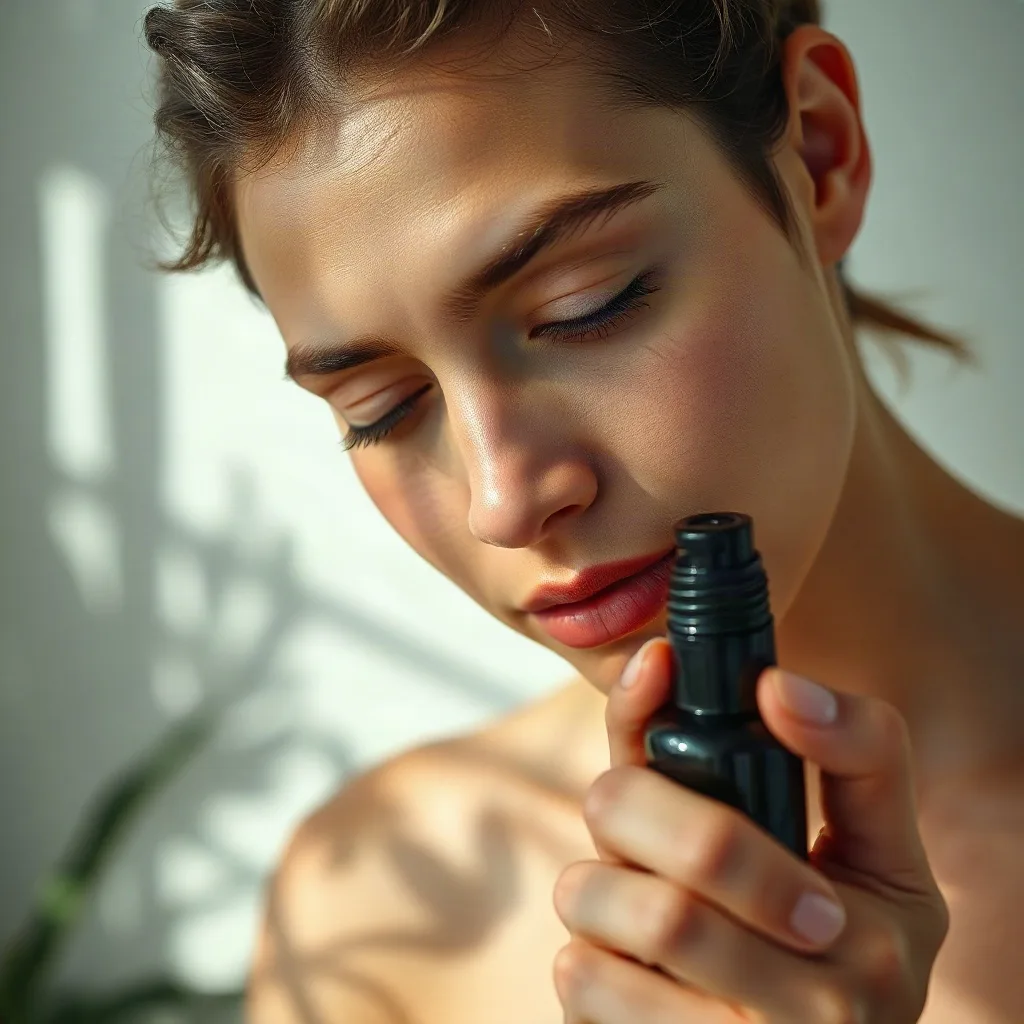
Raw facial oils have moved from niche apothecary shelves to mainstream beauty counters, promising a single‑ingredient potency that many synthetic blends cannot match. When every drop matters, understanding what makes an oil truly raw, how it interacts with your unique skin chemistry, and how to weave it into a daily ritual becomes essential. This guide walks you through the science, the selection process, and the practical steps to make a raw facial oil the cornerstone of a clean, effective skincare routine.
Understanding Raw Facial Oils
Raw facial oils are extracted without heat, chemical solvents, or refining steps that strip away delicate phytochemicals. Cold‑pressing or CO₂ extraction preserves fatty acids, antioxidants, vitamins, and volatile aromatic compounds that contribute to barrier repair, inflammation reduction, and microbiome support. Because the oil remains in its native state, its color, scent, and texture can vary batch to batch — a sign of authenticity rather than inconsistency.
When evaluating a product, look for language such as “unrefined,” “cold‑pressed,” “virgin,” or “raw” on the label. Certifications like USDA Organic, Ecocert, or COSMOS provide an extra layer of assurance that the source material was grown and harvested without synthetic pesticides or fertilizers. However, certification alone does not guarantee raw processing; always verify the extraction method described by the brand.
Key Ingredients to Look For
Each raw oil brings a distinct fatty‑acid profile that determines its feel and function. Oils rich in linoleic acid — such as rosehip seed, grapeseed, and hemp seed — are lightweight, absorb quickly, and help regulate sebum production, making them ideal for oily or acne‑prone skin. Oleic‑acid‑dominant oils like argan, marula, and avocado create a richer occlusive layer, suiting dry, mature, or compromised barriers.
Antioxidant content is another deciding factor. Vitamin E (tocopherols) protects the oil itself from oxidation and delivers skin‑level free‑radical scavenging. Carotenoids in sea buckthorn and rosehip give a natural orange hue and support UV‑induced damage repair. Polyphenols in pomegranate seed and raspberry seed oils add anti‑inflammatory benefits. When a single oil cannot cover all needs, a thoughtfully blended raw formula can combine complementary profiles without diluting potency.
Matching Oil to Skin Type
Start by identifying your skin’s baseline behavior: does it feel tight after cleansing, become shiny by midday, or react with redness to new products? For balanced to combination skin, a 1:1 blend of a linoleic‑rich oil (rosehip) and an oleic‑rich oil (argan) offers both hydration and barrier reinforcement. Pure jojoba, technically a liquid wax, mimics human sebum and works across most types, especially for those new to facial oils.
Sensitive or rosacea‑prone skin benefits from oils with high anti‑inflammatory compounds — calendula‑infused jojoba, chamomile‑infused sunflower, or pure squalane derived from olives. Avoid highly aromatic oils like undiluted essential‑oil‑laden blends, as the volatile constituents can trigger irritation. For mature skin, prioritize oils with proven collagen‑supporting nutrients: rosehip (trans‑retinoic acid), marula (high oleic acid and vitamin C), and pomegranate seed (ellagic acid).
Reading Labels: Purity and Processing
A transparent label lists the botanical name, country of origin, extraction method, and any additional ingredients. Beware of vague terms like “natural fragrance” or “proprietary blend” that hide synthetic additives. The ingredient list should be short — ideally a single oil or a handful of oils — and free from preservatives such as phenoxyethanol, parabens, or synthetic antioxidants like BHT.
Packaging matters as much as the formula. Dark amber or cobalt glass bottles with airtight pumps limit light and oxygen exposure, preserving the oil’s integrity. Plastic dropper bottles can leach chemicals over time and allow air ingress, accelerating rancidity. If a brand uses clear glass, ensure the product is stored in a secondary opaque box or that the oil is formulated with a high natural antioxidant load to compensate.
Incorporating Facial Oil into Your Routine
Raw facial oils are versatile: they can replace a moisturizer, serve as a serum booster, or act as a final sealant. A simple morning sequence might be: cleanse, tone, apply a water‑based serum (hyaluronic acid or niacinamide), then press 2‑3 drops of oil onto damp skin to lock in hydration. In the evening, after any treatment actives (retinoids, acids), apply oil as the last step to support barrier recovery overnight.
For those who prefer a lighter feel, mix a drop of oil with your moisturizer in the palm before application. This emulsifies the oil, reducing greasiness while delivering the same lipid benefit. When layering multiple oils, start with the thinnest (high linoleic) and finish with the richest (high oleic) to maximize penetration.
Common Mistakes and How to Avoid Them
One frequent error is applying oil to completely dry skin, which can leave a surface film rather than integrating into the lipid barrier. Always apply to slightly damp skin or after a hydrating mist. Another mistake is over‑using — more than 4‑5 drops for the face and neck can clog pores, especially with oleic‑heavy oils. Start with 1‑2 drops and observe how your skin responds over a week.
Ignoring shelf life leads to rancid oil that generates free radicals instead of neutralizing them. Most raw oils stay fresh 6‑12 months after opening if stored cool, dark, and tightly sealed. Mark the opening date on the bottle with a permanent marker. Finally, skipping patch testing on the inner forearm for 24 hours can result in unexpected allergic reactions, particularly with nut‑derived oils like almond or macadamia.
DIY Blends for Targeted Concerns
Creating a custom blend lets you address specific goals while keeping the ingredient list minimal. For brightening, combine 10 ml rosehip seed oil, 5 ml sea buckthorn oil, and 5 ml pomegranate seed oil — each contributes vitamin C precursors, carotenoids, and ellagic acid respectively. For barrier repair, blend 12 ml jojoba, 6 ml squalane, and 2 ml calendula‑infused oil; the wax esters in jojoba and the biomimetic squalane reinforce the lipid matrix.
When mixing, use a clean glass dropper bottle, add oils in order of lightest to heaviest, and shake gently. Label the blend with date and purpose. Store in the refrigerator if the blend contains highly polyunsaturated oils (e.g., rosehip) to extend freshness. Always test a small area before full‑face application.
Storing and Extending Shelf Life
Temperature fluctuations accelerate oxidation. Keep oils in a drawer away from radiators, windows, and bathroom humidity. If you live in a warm climate, a mini fridge dedicated to skincare can double the usable life. Avoid contaminating the bottle with fingers; use the pump or a clean spatula. Adding a few drops of vitamin E oil (tocopherol) at 0.5 % concentration can act as a natural antioxidant booster without compromising the raw status.
Monitor sensory changes: a shift from a fresh, nutty aroma to a crayon‑like or metallic smell signals rancidity. Color darkening beyond the oil’s natural hue is another red flag. When in doubt, discard — using oxidized oil can irritate and negate the benefits you seek.
Seasonal and Climate Adaptation of Raw Facial Oils
Raw facial oils behave differently when temperature and humidity shift, so a single bottle may feel too heavy in July and too light in January. In hot, humid climates the skin’s natural lipid production rises, making high‑oleic oils such as marula or avocado feel occlusive and potentially trigger breakouts. Switch to a linoleic‑dominant oil — rosehip, grapeseed, or hemp seed — and reduce the dose to one drop pressed onto damp skin after a lightweight hydrosol. In cold, dry environments the barrier loses water rapidly; layering a richer oleic oil over a humectant serum (hyaluronic acid or glycerin) creates a semi‑occlusive film that slows transepidermal water loss without clogging pores. A practical rule: keep two small bottles on hand — one light, one rich — and rotate based on the daily UV index and indoor heating level. For transitional weeks, blend 70 % light oil with 30 % rich oil in a clean dropper; the mixture stays stable for two weeks if stored in amber glass at room temperature.
Edge case: travelers moving from a desert climate to a tropical one within 48 hours often experience a sudden surge in sebum. Carry a 5 ml travel‑size of a high‑linoleic oil and a 5 ml of a barrier‑repair blend (jojoba + squalane). Apply the light oil in the morning, the repair blend at night. This prevents the “oil‑slick” feeling while still delivering antioxidants.
Integrating Raw Oils with Advanced Treatment Modalities
Professional procedures such as microneedling, fractional laser, LED therapy, and medium‑depth chemical peels temporarily disrupt the stratum corneum. Raw oils can accelerate recovery if chosen and timed correctly. Immediately post‑procedure (first 24 hours) the skin is highly permeable; a pure, low‑oxidation squalane or a calendula‑infused jojoba provides a biomimetic lipid layer without introducing potential allergens. Avoid oils high in polyunsaturated fatty acids (rosehip, evening primrose) during this window because they oxidize quickly on compromised tissue and may sting.
From day two to day seven, introduce a blended oil containing both linoleic and oleic acids — e.g., 60 % rosehip, 30 % argan, 10 % sea buckthorn — to supply anti‑inflammatory carotenoids and barrier‑building ceramides. Apply after a soothing peptide serum, using a gentle pressing motion with clean fingertips. For LED sessions, a few drops of a vitamin E‑enhanced oil (0.5 % tocopherol) applied before light exposure can improve photon penetration by reducing surface reflection, but wipe excess before the device contacts skin.
Edge case: patients on isotretinoin or high‑dose retinoids have a thinned lipid barrier. In this scenario, limit oil use to a single drop of squalane at night, and skip any oil on mornings when a topical retinoid is applied. Monitor for increased erythema; if it appears, pause oil for 48 hours and resume at half the previous volume.
Oil Cleansing Method: Deep Cleansing Without Stripping
The oil cleansing method (OCM) leverages the principle “like dissolves like” to remove sunscreen, makeup, and sebum while preserving the acid mantle. Choose a raw oil with a balanced fatty‑acid profile — jojoba or a 1:1 blend of grapeseed and apricot kernel — because they emulsify well with water yet remain non‑comedogenic. Massage 2–3 ml onto dry skin for 60–90 seconds, allowing the oil to bind to lipid‑based residues. Add a splash of lukewarm water to create a milky emulsion, then rinse thoroughly. Follow with a gentle, pH‑balanced cleanser if a second cleanse is desired, but many users find the single OCM step sufficient.
Practical tip: warm the oil between palms before application; this lowers viscosity and improves spreadability, especially for thicker oils like avocado. For waterproof mascara, pre‑soak a cotton pad with a few drops of the same oil, hold over lashes for 10 seconds, then wipe gently. Edge case: individuals with fungal acne (Malassezia) should avoid oils high in oleic acid, as the yeast thrives on it. Instead, use a 100 % squalane or a caprylic/capric triglyceride derived from coconut, which are fatty‑acid‑free and non‑feeding.
Targeted Protocols for Specific Dermatologic Conditions
Eczema (atopic dermatitis) benefits from oils rich in gamma‑linolenic acid (GLA) — evening primrose, borage, or black currant seed — because GLA converts to anti‑inflammatory prostaglandins. Apply a 5 % GLA oil blend (90 % jojoba, 10 % evening primrose) to damp skin twice daily, layering over a ceramide‑containing moisturizer. For psoriasis plaques, a combination of squalane (barrier mimic) and a low‑dose coal‑tar‑infused oil (prescribed) can reduce scaling; however, raw oils alone cannot replace medical therapy.
Rosacea patients often react to essential‑oil constituents; stick to single‑ingredient, fragrance‑free oils such as pure squalane, camellia seed, or a chamomile‑infused sunflower oil prepared by cold maceration (no heat). Apply after a calming niacinamide serum, using a cool jade roller to minimize vascular flare. Perioral dermatitis, frequently triggered by fluorinated toothpaste or heavy occlusives, responds well to a minimalist routine: cleanse with a syndet bar, pat dry, then press 1 drop of high‑linoleic rosehip onto the affected perimeter. Avoid any oil on the central face until inflammation subsides.
Edge case: pregnant or lactating individuals should verify that any botanical oil lacks known uterotonic compounds. Most raw carrier oils are safe, but avoid high‑concentration rosehip (contains trans‑retinoic acid) and essential‑oil‑laden blends. Consult a dermatologist for personalized guidance.
Sustainable Sourcing, Ethical Certification, and Price‑Performance Analysis
Raw oil quality correlates strongly with agricultural practices. Cold‑pressed oils from small‑holder cooperatives in Morocco (argan), Kenya (marula), or Chile (rosehip) often carry Fair‑Trade or Rainforest Alliance seals, guaranteeing fair wages and biodiversity protection. When evaluating cost per milliliter, factor in yield: argan kernels produce ~30 % oil by weight, while rosehip seeds yield ~15 %. A higher price tag may reflect lower yield rather than superior chemistry. Calculate “active‑ingredient cost” by dividing price by the percentage of target fatty acid (e.g., linoleic acid 70 % in grapeseed vs 10 % in avocado). This metric reveals that a $30 / 30 ml grapeseed oil delivers more linoleic acid per dollar than a $45 / 30 ml avocado oil.
Packaging sustainability also matters. Brands offering refillable amber glass with a pump reduce single‑use plastic by ~80 % over a year. Look for carbon‑neutral shipping claims backed by third‑party verification (e.g., ClimatePartner). Edge case: some “organic” certifications permit hexane‑free but heat‑assisted extraction; verify the brand’s technical sheet for “cold‑pressed ≤ 40 °C” to ensure true raw status.
Travel, Storage Hacks, and Multi‑Use Strategies
Frequent flyers face temperature swings, low cabin humidity, and TSA liquid limits. Decant 5 ml of each core oil into silicone travel tubes (leak‑proof, flexible) and label with a waterproof marker. Store tubes in an insulated pouch with a reusable gel pack (kept at 4 °C) to mimic refrigeration during long haul flights. Upon arrival, let the oils equilibrate to room temperature for 10 minutes before use to avoid condensation inside the bottle.
Multi‑use extends value: a few drops of rosehip on split ends before bedtime adds shine and reduces breakage; a dab of jojoba on cuticles after hand‑washing prevents hangnails; a thin layer of squalane on elbows and knees overnight softens rough patches. For scalp health, massage 2 ml of a 1:1 blend of hemp seed and argan into the roots twice weekly, leave 20 minutes, then shampoo. This delivers linoleic acid to regulate sebum and oleic acid to condition hair shafts.
Edge case: if a bottle develops a faint metallic scent but the color remains unchanged, the oil may have undergone early peroxidation. Add 0.2 % vitamin E (tocopherol) from a pharmaceutical‑grade source, shake, and re‑evaluate after 24 hours. If odor persists, discard — the cost of a new bottle outweighs the risk of barrier damage.
Advanced Blending Mathematics: Ratios, Oxidative Stability, and Sensory Profiling
Creating a stable, efficacious blend requires balancing three variables: fatty‑acid ratio, oxidative stability index (OSI), and sensory weight. Assign each oil a “linoleic score” (percentage of linoleic acid) and an “oleic score.” For a target 55 % linoleic / 35 % oleic profile, solve a linear equation: 0.70x + 0.10y = 0.55 (where x = fraction of grapeseed, y = fraction of argan). The solution yields x ≈ 0.71, y ≈ 0.29. Add a 5 % antioxidant oil (pomegranate seed, OSI = 120 h) to push the blend’s overall OSI above 80 h, the threshold for 12‑month shelf life at 20 °C.
Sensory profiling: rate each oil on a 1–5 scale for “greasiness,” “absorption speed,” and “aroma intensity.” Weight the scores by the blend fraction to predict final feel. Example: grapeseed (greasiness 1, absorption 5, aroma 1) + argan (greasiness 3, absorption 3, aroma 2) + pomegranate (greasiness 2, absorption 4, aroma 3) yields a composite greasiness ≈ 1.6 — light enough for daytime wear. Document each batch in a lab notebook: date, batch numbers, exact weights, OSI test result (if available), and sensory notes. This data enables reproducibility and troubleshooting when a new harvest shifts the fatty‑acid profile by ± 3 %.
Edge case: incorporating a highly polyunsaturated oil (e.g., evening primrose, 70 % GLA) dramatically lowers OSI. Counteract by adding 1 % rosemary CO₂ extract (natural antioxidant) and storing the final blend in a nitrogen‑flushed amber bottle. Test peroxide value at 0, 30, and 90 days; if it exceeds 10 meq/kg, reformulate with a lower GLA proportion.
Frequently Asked Questions
Can I use a raw facial oil if I have oily, acne‑prone skin?
Yes. Choose oils high in linoleic acid such as rosehip, grapeseed, or hemp seed. These oils are lightweight, non‑comedogenic, and help regulate sebum production. Apply only 1‑2 drops on damp skin after a gentle cleanser and a water‑based serum.
How do I know if an oil is truly raw and not just marketed as such?
Check for explicit extraction terminology — cold‑pressed, CO₂ extracted, or virgin — and verify the brand’s transparency about sourcing. Third‑party certifications (USDA Organic, COSMOS) add credibility, but the most reliable indicator is a short ingredient list with the botanical name and no added preservatives or fragrance.
Is it safe to layer a raw facial oil over a retinoid or acid treatment?
Generally, yes. Apply the active treatment first, allow it to absorb, then seal with the oil. The oil’s occlusive nature can reduce irritation and support barrier recovery. However, if you experience excessive stinging, reduce the oil amount or skip it on nights you use strong actives.
What is the best way to incorporate facial oil into a minimalist routine?
A three‑step routine works well: cleanse, hydrate with a lightweight toner or essence, then press 2‑3 drops of raw oil onto damp skin. This eliminates the need for a separate moisturizer while delivering lipids, antioxidants, and barrier support in one step.
How long does an opened bottle of raw facial oil remain effective?
Most raw oils stay potent for 6‑12 months after opening when stored in dark glass, away from heat and light. Mark the opening date, watch for aroma or color changes, and consider refrigeration for highly polyunsaturated oils to maximize shelf life.
Related posts:
 Guide to Using Essential Oils for Relaxation
 The Key Differences Between Serums, Oils, Moisturizers, and Balms
 1. This Latina-Owned Beauty Brand Makes the Most Luxurious Face Oil
 Tea Seed Oil: The Skincare Secret You Need to Know
 Chloë Grace Moretz’s Olive Oil Cleansing Method
 Rose Oil vs Rosehip Oil vs Rosewater
 The Slow Beauty Movement’s Secret Hydration Recipes
 Linoleic Acid Benefits