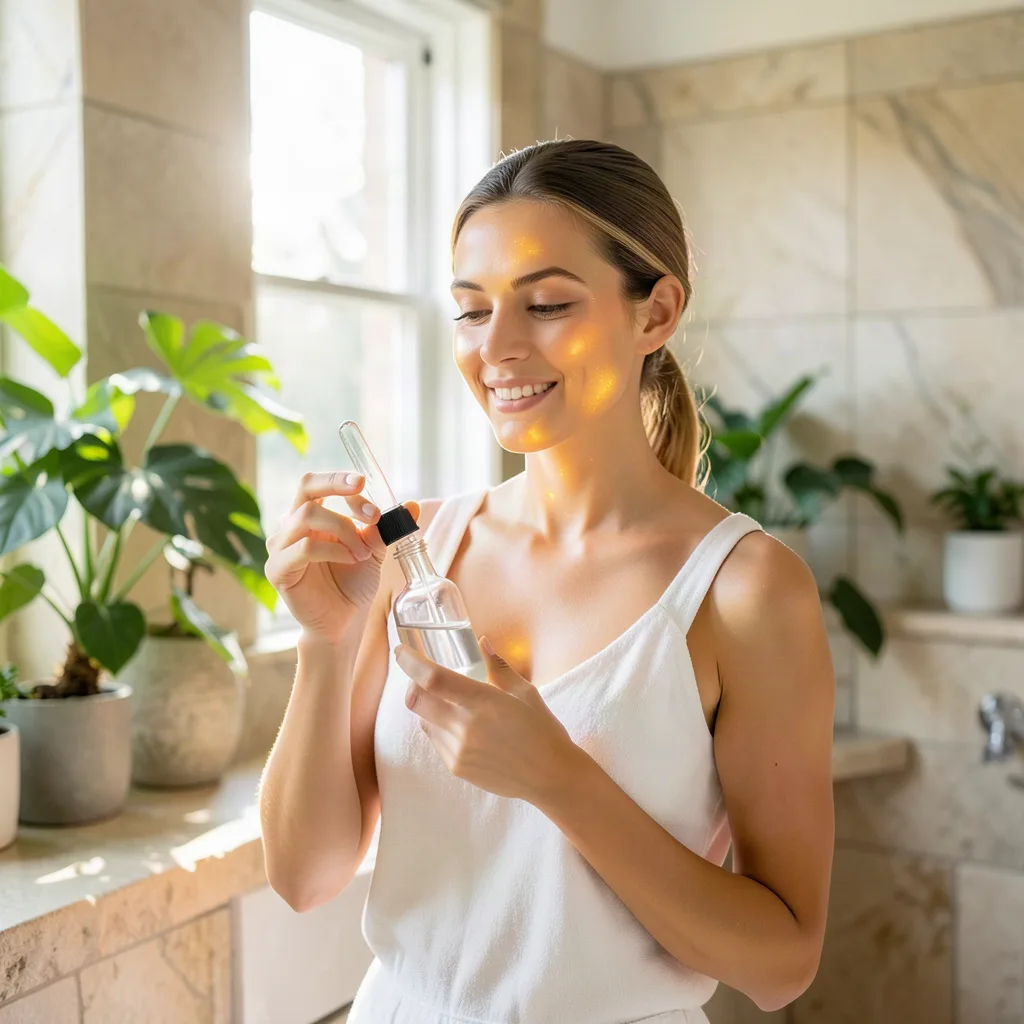
Building a clean skincare routine doesn’t require overhauling everything at once. The most effective approach is swapping out problematic products one at a time, replacing them with cleaner alternatives that deliver real results. This methodical strategy helps you identify what works for your skin while reducing the overwhelming feeling of starting fresh.
Key takeaways
- Replace sulfate-based cleansers with sulfate-free options using decyl glucoside or coco-glucoside to avoid stripping natural oils.
- Switch from chemical to mineral sunscreens containing zinc oxide or titanium dioxide to reduce sensitivity and UV damage.
- Read the first five ingredients on labels to identify the highest concentrations of silicones, sulfates, or synthetic fragrances.
- Allow two to three weeks for skin to adjust to new products, as temporary purging is common during the transition.
- Swap alcohol-based toners for hydrating formulas containing glycerin or hyaluronic acid to maintain pH balance and moisture.
Many conventional skincare products contain ingredients that can irritate sensitive skin, clog pores, or accumulate in your body over time. By making intentional swaps, you’re not just changing products—you’re reclaiming control over what touches your largest organ. The transition to clean skincare is a personal journey, and understanding which swaps matter most helps you prioritize where to begin.
Ditch Sulfate Cleansers for Gentle Alternatives
Sulfates are surfactants that create the satisfying lather in many cleansers, but they strip away your skin’s natural oils more aggressively than necessary. This leaves your skin feeling tight and can trigger overproduction of sebum as your skin tries to compensate. If you’ve experienced dryness, irritation, or an acne flare-up after cleansing, sulfates might be the culprit.
Sulfate-free cleansers use gentler surfactants derived from plants like coconut or sugar. These alternatives still effectively remove dirt and makeup while maintaining your skin’s protective barrier. Look for cleansers with ingredients like decyl glucoside or coco-glucoside, which are derived from natural sources and perform similarly to sulfates without the harsh aftermath.
When switching, you might notice your skin feels less squeaky-clean initially. This is actually a positive sign—your skin is no longer stripped. After a week or two of adjustment, most people report softer, more comfortable skin. This foundational swap often improves other skincare concerns naturally, from reduced sensitivity to clearer complexion.
Replace Silicone-Heavy Products with Breathable Alternatives
Silicones are synthetic polymers used in primers, moisturizers, and foundations to create a smooth, blurred appearance. While they feel luxurious and work quickly, silicones can build up on your skin over time, trapping bacteria and preventing your skin from breathing. This buildup is particularly problematic if you’re prone to congestion or acne.
Clean alternatives include plant-based powders and natural emollients like plant oils, butters, and waxes. Cyclopentasiloxane and dimethicone are common silicones to avoid; instead, seek products using ingredients like jojoba oil, argan oil, or plant-derived glycerin. These create a protective layer without the occlusive buildup.
The transition from silicone to silicone-free products takes patience. Your skin has adapted to the smoothing effect, so initially products might feel less refined or primer might not blur imperfections as dramatically. However, after two to three weeks, many users report improved skin texture, smaller pores, and easier product absorption. Your skin breathes better, and your other active ingredients work more effectively.
Swap Fragrance and Essential Oils for Unscented Formulas
Fragrance, whether synthetic or from essential oils, is a leading cause of skin irritation and sensitivity. Even natural essential oils can be problematic in skincare because they’re highly concentrated and volatile. Many people assume fragrance-free means unscented, but fragrance-free products still work effectively—they simply omit the irritating ingredient.
If you love scented products, unscented doesn’t mean boring. Many clean skincare brands use ingredient aromas naturally present in their formulations without adding extra fragrance compounds. A chamomile extract or aloe vera will have subtle, gentle scents without the irritation.
For sensitive skin, rosacea, or acne-prone complexions, this swap often produces visible improvements within weeks. Redness decreases, sensitivity diminishes, and your skin feels calmer. This change is particularly important if you’re using multiple products; even small amounts of fragrance across a routine compound skin irritation.
Replace Phthalates and Parabens with Preservative Alternatives
Phthalates are chemicals used to make fragrances last longer and adhere to skin, while parabens preserve product shelf life. Both have raised concerns regarding hormonal disruption and allergic reactions. While regulatory bodies debate their safety, many people prefer avoiding them entirely.
Clean brands use alternative preservatives like phenoxyethanol (naturally derived), potassium sorbate, or sodium benzoate, which are effective at preventing bacterial and mold growth without the controversy. Some brands use fermentation-derived preservatives or rely on shorter shelf lives and airless packaging to reduce preservation needs.
When switching away from paraben-heavy products, check expiration dates more carefully and store products in cool places. Some clean products have shorter shelf lives, which is intentional rather than a product flaw. Many users find the trade-off worthwhile for peace of mind about what they’re applying to their skin daily.
Transition from Synthetic Sunscreen to Mineral Options
Chemical sunscreens contain ingredients like oxybenzone and avobenzone that absorb UV rays and convert them to heat. While effective, these ingredients can irritate sensitive skin or cause photosensitivity reactions. Mineral sunscreens use zinc oxide or titanium dioxide to physically reflect UV rays, creating a barrier on your skin’s surface.
Mineral sunscreens have a reputation for leaving white cast, but modern formulations have improved dramatically. Many now blend seamlessly into skin, particularly in lighter shades. The trade-off is that mineral options might feel slightly thicker initially, but this protects your skin barrier while preventing UV damage.
The switch to mineral sunscreen is crucial if you’re experiencing sensitivity, breakouts from your current sunscreen, or using prescription acne treatments that increase photosensitivity. Titanium dioxide and zinc oxide are less likely to irritate or clog pores, making them ideal for acne-prone or sensitive skin.
Replace Alcohol-Based Toners with Hydrating Formulas
Traditional toners often contain denatured alcohol, which rapidly evaporates and can over-dry skin. This drying effect triggers increased oil production and barrier damage, counteracting any benefits from your cleanser. If your toner leaves your skin feeling tight, alcohol is likely the cause.
Modern clean toners skip alcohol entirely, instead using hydrating ingredients like glycerin, hyaluronic acid, or rose water. These toners prepare your skin to better absorb serums and moisturizers while maintaining hydration and pH balance. They’re gentler and often more effective than their alcohol-laden predecessors.
When making this swap, expect your skin to feel softer and more plump immediately after applying the new toner. Over several weeks, your oil production typically normalizes, sensitivity decreases, and your skin feels more balanced overall. This single change often surprises people with how much it improves their skin’s general health.
Switch from Synthetic Fragrances to Natural Botanical Blends
Beyond fragrance additives, some skincare routines include products marketed as having specific scents through synthetic compounds. While pleasant, these can aggravate skin barrier issues. Some clean brands use hydrosols (flower or plant waters) and diluted essential oils, but these should be minimal in concentration.
Truly clean alternatives focus on the natural aromas from beneficial ingredients rather than added fragrance at all. A hyaluronic acid serum doesn’t need rose fragrance if it contains rose extract; the subtle botanical scent comes naturally without irritation. This approach is particularly smart for anyone with reactive or compromised skin barriers.
This swap might seem subtle, but it contributes significantly to overall skin health when combined with other changes. Your skin experiences less irritant load, allowing it to focus on repair and balance rather than defending against irritation.
Replace Talc-Based Powders with Clean Mineral Alternatives
Talc has been controversial for decades, with concerns about contamination and health effects. Talc-based powders can also be drying and may clog pores. Clean mineral powders use alternatives like mica, arrowroot powder, or kaolin clay, which absorb oil without the baggage.
Arrowroot and kaolin provide excellent absorption and mattifying effects without the texture issues or pore-clogging potential of talc. These powders feel lighter and more breathable, particularly beneficial for combination or oily skin. They also blend more seamlessly with modern foundations.
The switch to talc-free powder is straightforward and immediately noticeable. Your skin feels cleaner, powders blend more smoothly, and you avoid ongoing concerns about talc exposure. This is one of the easiest clean swaps to implement with measurable benefits.
Transition from Conventional Moisturizers to Plant-Based Versions
Many conventional moisturizers rely on petrolatum, mineral oil, or heavy silicones to trap moisture. While effective, these ingredients can feel greasy and sometimes worsen acne. Clean moisturizers use plant oils, butters, and humectants like glycerin and hyaluronic acid to hydrate and seal moisture without heaviness.
Ingredients like squalane (derived from plants rather than shark liver oil), jojoba oil, and shea butter provide deep hydration and skin-nourishing benefits. These absorb better than petrolatum-based products and often improve skin texture alongside hydration. For acne-prone skin, plant-based moisturizers are typically non-comedogenic.
When transitioning, lighter formulas might require adjustment time. Your skin may feel less instantly occlusive, but after a week or two, hydration stabilizes at a healthier level. Many users report clearer skin and less congestion after this switch, particularly if they were prone to breakouts from heavy conventional moisturizers.
Understanding Your Skin’s Adjustment Period and Purging vs. Irritation
One of the most confusing aspects of transitioning to clean skincare is distinguishing between normal skin adjustment and an actual adverse reaction. When you introduce gentler products, your skin often goes through a temporary adjustment phase that can look like breakouts or increased sensitivity. This process, commonly called “purging,” occurs because your skin barrier is no longer being stripped by harsh surfactants or occluded by silicones, allowing it to shed dead skin cells and surface impurities more efficiently.
Purging typically manifests as small breakouts concentrated in areas where you’re already prone to congestion, appearing within the first one to two weeks of product introduction. These breakouts are usually smaller and more uniform than typical blemishes, and they progress through their lifecycle faster. The key distinction is that purging happens in predictable locations and resolves within two to three weeks as your skin stabilizes. True irritation, by contrast, causes redness, burning sensations, itching, or hives that spread across areas normally unaffected by breakouts. Irritation typically worsens rather than improves over time and may be accompanied by visible inflammation or swelling.
During this adjustment window, resist the urge to layer additional active ingredients or revert to your old routine immediately. Your skin is recalibrating its natural oil production and barrier function, processes that require stability rather than constant formula changes. If you introduce a new clean cleanser, commit to it for at least three weeks before deciding it’s not working. Many people abandon genuinely good products during this crucial adjustment phase, missing out on the benefits they would have experienced with patience. Keep a simple routine during transition periods: cleanser, moisturizer, and sunscreen. Avoid introducing serums, treatments, or new actives until your baseline has stabilized with the core swaps.
Environmental factors also influence how quickly your skin adapts. Seasonal changes, stress levels, hormonal cycles, and weather conditions can amplify apparent irritation or slow the adjustment process. If you’re making clean skincare swaps during high-stress periods, your skin may take longer to stabilize. Similarly, winter transitions to clean products may feel slower than summer transitions due to increased barrier sensitivity during cold months. Planning your major swaps during stable periods—when your stress is manageable and weather isn’t extreme—can facilitate smoother transitions and clearer results.
Reading Labels Like an Expert: Decoding Clean Skincare Claims
The skincare industry uses numerous marketing terms that sound meaningful but carry no standardized regulatory definition. Terms like “natural,” “clean,” “pure,” and “gentle” appear on product labels without legal requirements for what they actually mean. A product labeled “natural” might contain only one natural ingredient alongside numerous synthetic compounds. Understanding how to decode ingredient lists independently of marketing language is essential for making genuinely informed swaps.
Start by looking at ingredient lists in descending order by concentration; the first five ingredients comprise the bulk of the product’s formula. A “clean” moisturizer that lists water first, followed by silicone as the second ingredient, is still heavily silicone-based regardless of marketing claims. Check for the specific ingredients you’re trying to avoid: dimethicone, cyclopentasiloxane, sodium lauryl sulfate, sodium laureth sulfate, methylparaben, propylparaben, and oxybenzone. These appear frequently in conventional products and should be your primary targets when making swaps. However, recognize that some controversial ingredients appear in genuinely effective clean formulas—phenoxyethanol is often vilified but remains a safe, commonly used preservative in legitimate clean skincare brands.
Watch for “greenwashing,” where brands highlight one or two natural ingredients while obscuring problematic ones. A cleanser advertising “rose water” prominently might still contain sulfates and synthetic fragrance; you need to read the full ingredient list. Similarly, brands marketing products as “hypoallergenic” or “dermatologist-tested” haven’t necessarily removed irritating ingredients—these terms reflect marketing claims rather than guaranteed safety. Cross-reference ingredient lists across multiple products you’re considering to identify which brands consistently formulate with your priorities in mind. Some brands use cleaner preservative systems, others prioritize silicone-free formulas, and still others focus on natural or organic certification. Aligning with brands whose values match your skincare goals makes future product selection easier.
Third-party certifications provide objective verification when available. Look for ECOCERT, USDA Organic, Leaping Bunny, or similar certifications from recognized organizations. These verify specific claims rather than relying on brand interpretation. However, recognize that not all clean products carry certifications; some excellent formulations exist from smaller brands that haven’t pursued formal certification. The absence of certification doesn’t indicate lower quality, merely that the brand hasn’t pursued that verification process. Read reviews from other users with similar skin concerns and types to yours—someone’s experience with a product’s texture or performance on oily, acne-prone skin differs significantly from someone with dry, sensitive skin using the same formula.
Navigating the Financial Reality of Clean Skincare Transitions
The perception that clean skincare requires premium spending often deters people from making the transition. While luxury clean brands do command high prices, genuinely effective clean skincare exists across all price points. Understanding where to invest and where you can save helps build an affordable clean routine that doesn’t strain your budget.
Your most important investment is typically a good cleanser, as you use it twice daily and it directly impacts your skin’s baseline health. A quality sulfate-free cleanser from brands like CeraVe, La Roche-Posay, or similar mid-range options delivers real benefits without luxury pricing. Spending $12-18 on a cleanser that genuinely suits your skin beats spending $40 on a trendy brand that leaves you with irritation. After cleanser, prioritize sunscreen; mineral sunscreen formulations from drugstore brands often perform comparably to luxury versions, and protection efficacy matters more than brand prestige.
Areas where budget flexibility matters less include moisturizers and treatments. Many drugstore moisturizers from established dermatological brands offer clean formulations at a fraction of luxury prices. Generic hyaluronic acid serums from brands like The Ordinary deliver similar benefits to serums costing ten times more. However, some ingredients genuinely improve with higher-quality sourcing—plant oils and butters vary significantly in purity and effectiveness based on sourcing and processing methods. A moderately priced argan oil from a reputable brand outperforms a cheap version, but luxury branding doesn’t always correlate with superior sourcing.
Cost-saving strategies for clean skincare include buying during sales at retailers like Ulta or Sephora, using loyalty programs that provide points toward future purchases, and purchasing larger sizes when you’ve confirmed a product works well for you. Many clean brands offer subscription or auto-delivery options that reduce per-unit costs. However, avoid buying excessive quantities before confirming long-term compatibility; a great product at 30% off is a poor deal if you develop sensitivity after a few weeks of use.
Consider the hidden cost of constant switching. If you make expensive product purchases based on trendy recommendations rather than genuine ingredient evaluation, you’ll waste money replacing ineffective products. Building your clean routine slowly with strategic purchases costs less than experimenting across multiple brands simultaneously. Identify brands whose formulation philosophy aligns with your needs—whether that’s minimal ingredients, specific certifications, or particular active ingredients—then explore their product range rather than constantly trying random new options.
Addressing Specific Skin Concerns During the Clean Skincare Transition
Different skin concerns respond differently to clean skincare swaps, and understanding your specific challenges helps prioritize which transitions matter most for your situation. For acne-prone skin, eliminating silicones and pore-clogging ingredients typically produces the most dramatic improvements. Acne-prone individuals often experience significant clearing within four to six weeks of removing silicone-heavy primers and foundations, even without introducing active acne treatments. Pairing these removals with a gentle, sulfate-free cleanser and oil-free moisturizer creates an environment where acne medications work more effectively. However, acne-prone skin doesn’t always mean you need oil-free products; many people with acne benefit tremendously from lightweight plant oils that reduce inflammation without clogging pores. Understanding your specific acne triggers—whether they’re dehydration-induced, congestion-based, or inflammatory—guides which clean swaps will help most.
Sensitive and rosacea-prone skin responds most dramatically to fragrance and alcohol elimination. People with these conditions often notice visible redness reduction within days of switching to fragrance-free, alcohol-free toners and moisturizers. For rosacea specifically, chemical sunscreen swaps to mineral options provide additional benefits beyond general sensitivity reduction; the heat generated by chemical sunscreen absorption can trigger rosacea flares in susceptible individuals. Barrier-strengthening ingredients like ceramides and centella asiatica become more effective once harsh ingredients are eliminated, allowing your skin to repair underlying sensitivity. Many people with sensitive skin discover that their “sensitivity” was actually a response to problematic ingredients rather than an inherent skin condition; once triggers are removed, their skin stabilizes dramatically.
Dry skin benefits most from eliminating alcohol-based toners and heavy silicones, then introducing hydrating alternatives. Counterintuitively, heavy silicone products often worsen dry skin by creating an occlusive layer that prevents your skin’s natural hydration mechanisms from functioning properly. Once silicones are removed, lightweight hydrating products with glycerin and hyaluronic acid absorb better and hydrate more effectively. Dry skin benefits from the adjustment to plant-based moisturizers because they typically absorb faster than petrolatum-based products while delivering comparable occlusion. The key for dry skin is patience during transition; the initial adjustment period may feel drier than expected as your skin recalibrates, but improvements typically emerge within three weeks.
Combination and oily skin benefits from cleaner formulations in different ways than other skin types. These individuals often discover that aggressive cleansing with sulfates triggered overproduction of sebum; switching to gentle alternatives frequently reduces oiliness significantly. Talc-free, mineral powders perform better than talc alternatives for oil control in these skin types because they absorb excess sebum without clogging pores. Lightweight, non-comedogenic moisturizers prevent the dehydration that triggers oil overproduction while maintaining appropriate hydration balance. Many people with oily skin assume they don’t need moisturizer; in reality, insufficient hydration causes compensatory sebum production, creating the appearance of excessive oiliness that intensifies rather than resolves with drying products.
Creating a Realistic Timeline for Complete Routine Transformation
Transitioning your entire skincare routine to clean alternatives is a marathon, not a sprint, and building a realistic timeline prevents frustration and abandonment. Most dermatologists recommend introducing no more than one new product every two weeks, though this assumes you’re also testing tolerability carefully. If you’re specifically making “swaps” rather than introducing entirely new product categories, you can move slightly faster because you’re replacing products you already know your skin tolerates in terms of basic compatibility.
Month one typically focuses on cleanser and moisturizer swaps, your routine’s foundation. These changes often produce noticeable effects relatively quickly because you’re using them twice daily and they directly influence skin barrier health. Many people see improvements in sensitivity, irritation, or congestion within two to three weeks of cleanser changes alone. Once your cleanser and moisturizer feel stable and your skin has adjusted, introduce your next swap—often sunscreen if you haven’t already addressed that, or a toner replacement.
Month two can introduce sunscreen changes and toner alternatives. By this point, your skin has adjusted to gentler daily cleansing and moisturizing, providing a stable baseline for evaluating new products. If you use additional treatments like serums or targeted acne products, don’t introduce clean alternatives to these until months three or four; your skin needs time to stabilize basic care before evaluating more specialized products.
Months three through six focus on secondary products: makeup primers, foundations, powders, and any targeted treatments you use regularly. These products matter for overall skin health, but their impact is less dramatic than core routine changes. By this point in your transition, you understand how your skin responds to clean formulations, making it easier to identify whether reactions to newer swaps reflect genuine incompatibility or normal adjustment.
This timeline assumes consistent product availability and no skin reactions requiring extended pauses. Real transitions often take longer due to seasonal effects, formula availability changes, or unexpected sensitivities. Don’t panic if your transition extends to eight or nine months; this simply reflects the reality of careful, methodical improvement. The goal is building a sustainable clean routine that works for your specific skin, not achieving complete transformation instantly. Many people discover that full transition benefits take six to eight months to fully manifest; patience through this period pays dividends in genuinely improved skin health rather than temporary improvements from single-product changes.
Managing Ingredient Overlap and Beneficial “Controversial” Chemicals
Not all chemicals widely available in conventional products should be automatically eliminated from your clean routine. Some ingredients carry reputations based on older research or concern about potential issues without conclusive evidence of harm at product-use concentrations. Understanding which ingredients warrant elimination versus which can remain in clean formulations prevents unnecessarily restrictive routines that limit your product options.
Phenoxyethanol frequently appears in clean skincare despite being frequently cited as problematic. This ingredient serves as a preservative and antimicrobial agent; it’s commonly used in safe concentrations in legitimate clean brands. The concern about phenoxyethanol stems partly from precautionary principle thinking and partly from older studies; current research indicates it’s safe at concentrations used in skincare products. Many genuinely clean brands use phenoxyethanol as their primary preservative system because it’s effective and represents a clear improvement over paraben combinations. If you’re avoiding phenoxyethanol specifically, verify you’re doing so based on current evidence rather than outdated concerns or internet rumors.
Potassium sorbate and sodium benzoate, natural preservatives derived from sorbic and benzoic acids respectively, appear frequently in clean formulas as paraben alternatives. These are genuinely gentler options that work well for less-stable formulas or those using natural ingredient bases. However, they’re less shelf-stable than parabens, meaning products using these preservatives may degrade faster or require stricter storage conditions. Understanding this trade-off prevents frustration when your clean moisturizer separates or degrades faster than the conventional version you previously used.
Some beneficial ingredients appear in both conventional and clean products but may be processed or sourced differently. Glycerin, hyaluronic acid, and plant oils exist in conventional formulations but often work more effectively in clean products because they’re not competing with silicones or heavy occlusives for skin penetration. Identifying beneficial ingredients you want to prioritize, rather than just avoiding “bad” ones, creates more targeted swaps. If you benefit tremendously from niacinamide, for example, prioritize finding clean products containing it rather than assuming all clean alternatives eliminate this helpful ingredient.
This nuanced approach to ingredient evaluation prevents clean skincare from becoming unnecessarily restrictive or based on fear rather than evidence. Your goal is building a routine using ingredients you trust and that work effectively for your skin, not achieving some abstract “purity” that limits your options unnecessarily.
FAQ
Q: Can I make all these swaps simultaneously, or should I transition gradually?
A: Gradual transitions are ideal for identifying which changes affect your skin most significantly. If you swap everything at once and experience a reaction, you won’t know which product caused it. Start with your cleanser, wait two weeks, then introduce your next swap. This methodical approach also allows your skin to adjust without shocking your barrier through multiple changes simultaneously.
Q: Will clean skincare products cost more than conventional options?
A: Not necessarily. While some premium clean brands charge more, many clean options are competitively priced or even cheaper than conventional products. The key is reading ingredient lists carefully rather than relying on marketing. Some drugstore brands offer genuinely clean products without premium pricing, though you may need to compare formulations across brands to find them.
Q: What if my skin reacts negatively during the transition to clean products?
A: Negative reactions during transition can occur for several reasons. Sometimes skin purges as it adjusts to gentler products—this typically lasts one to two weeks. Other times, a specific ingredient in the new product causes irritation. If reaction persists beyond two weeks, discontinue the product and return to your previous option. Wait two weeks for your skin to stabilize, then try a different clean product with a different formula.
Q: Are clean skincare products automatically safer or more effective than conventional ones?
A: Clean doesn’t automatically mean better or more effective. Clean skincare prioritizes ingredient transparency and avoiding potentially irritating or controversial ingredients, but effectiveness depends on individual skin type and specific formulations. Some clean products outperform conventional options, while others underperform. The benefit of clean skincare is confidence in what you’re using and often better tolerability for sensitive skin, not guaranteed superior results for all skin types.
Q: How long should I wait to see results after making these swaps?
A: Most people notice changes within two to three weeks, particularly with cleansing and moisturizer swaps. However, improvements in acne, sensitivity, or texture can take four to six weeks as your skin barrier repairs and normalizes. Some changes, like reduced congestion from eliminating silicones, might take eight weeks to fully manifest. Patience is essential; your skin needs time to adjust to gentler formulations and respond to improved barrier health.
Related posts:
 DIY Natural Acne Treatment
 Garnier’s Clean Beauty Line
 The Best Drugstore Body Products Worth Your Money
 The Best Toners for Acne-Prone Skin That Won’t Strip Your Face
 When To Splurge on Expensive Skincare
 Foundation’s Impact on Skin
 Top Beauty Brands of 2019
 Why SCOBY Might Be the Secret Ingredient Your Skincare Routine Needs