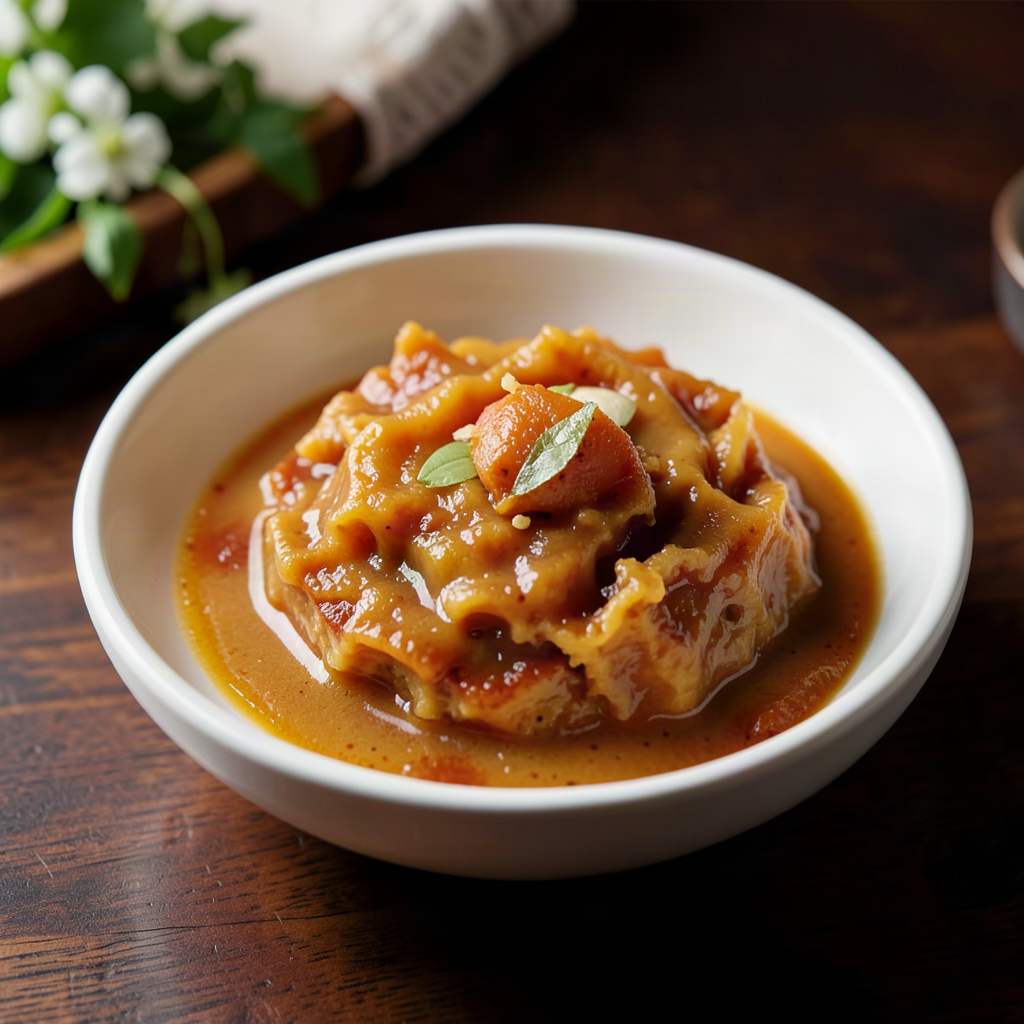
There’s something almost magical about a dessert that satisfies your sweet tooth while quietly delivering genuine nutrition. Coconut pudding has been gaining popularity precisely because it bridges this gap—offering the creamy, indulgent experience of a traditional pudding without the sugar crash, empty calories, or artificial ingredients that typically accompany dessert-like treats. Whether you’re looking to reduce refined sugar, increase healthy fats, or simply enjoy something that feels decadent while nourishing your body, this coconut pudding delivers on all fronts.
What Makes Coconut Pudding Different from Traditional Desserts
Conventional puddings typically rely on a combination of refined sugar, cornstarch or flour thickeners, and dairy milk as their foundation. While delicious, these ingredients offer minimal nutritional value and can cause rapid blood sugar spikes followed by energy crashes. Coconut pudding flips this paradigm by using whole-food ingredients that provide sustained energy and genuine health benefits.
The base of coconut pudding—coconut milk or coconut cream—contains medium-chain triglycerides (MCTs), a type of fat that your body metabolizes differently than long-chain fatty acids. MCTs are transported directly to the liver, where they can be used as an immediate energy source rather than being stored as fat. This makes coconut pudding particularly satisfying and potentially beneficial for those following lower-carbohydrate eating patterns.
Beyond the healthy fat content, coconut pudding can be naturally sweetened with dates, maple syrup, or simply the natural sweetness of coconut itself. The thickening comes from chia seeds, which add fiber and omega-3 fatty acids, or from the natural reduction of coconut cream. This transformation from empty-calorie dessert to nutrient-dense food is what makes coconut pudding genuinely different.
The Nutritional Profile That Supports Your Health
A serving of coconut pudding made with quality ingredients offers a surprisingly robust nutritional profile. Coconut milk provides manganese, copper, selenium, and iron—minerals essential for bone health, energy production, and immune function. When you use chia seeds as a thickener, you add calcium, phosphorus, and plant-based protein to the mix.
A typical serving (approximately 1/2 cup) of coconut chia pudding contains roughly 150-200 calories, depending on the sweetness level and additional ingredients. The fat content, while higher than conventional pudding, comes primarily from beneficial MCTs. The fiber content—especially when using chia seeds—helps slow digestion and promotes stable blood sugar, making this a genuinely filling option rather than an empty snack that leaves you hungry an hour later.
Unlike traditional desserts that can trigger inflammation through refined sugars and processed ingredients, coconut pudding contains lauric acid, a fatty acid with antimicrobial and anti-inflammatory properties. This doesn’t mean coconut pudding is a health cure, but it does mean you’re choosing a dessert that works with your body rather than against it.
Core Ingredients for the Perfect Coconut Pudding
The quality of your coconut pudding depends almost entirely on the ingredients you choose. Starting with the right foundation ensures the final result tastes luxurious while maintaining its nutritional integrity.
Coconut Milk or Coconut Cream: Full-fat canned coconut milk produces the creamiest result. Look for brands that contain only coconut and water, avoiding those with added gums or preservatives. Coconut cream has an even higher fat content and creates an exceptionally rich pudding. Refrigerate the can overnight and scoop out the solid cream that separates to the top for the thickest possible base.
Natural Sweeteners: Medjool dates, when blended into the coconut milk, provide sweetness along with fiber, potassium, and magnesium. Maple syrup offers a more neutral sweetness with trace minerals. Honey works well if you’re not strictly vegan. You can also use stevia or monk fruit for a zero-calorie option, though the flavor profile will differ slightly.
Thickening Agents: Chia seeds are the most popular thickener, absorbing up to 12 times their weight in liquid and creating a tapioca-like texture. For those who prefer a smooth pudding, arrowroot powder or tapioca starch can be used, though these refined starches don’t offer the same fiber benefits. Some recipes use gelatin or agar-agar for a more traditional pudding texture.
Flavor Enhancers: Pure vanilla extract, a pinch of sea salt, and cinnamon can elevate the flavor significantly without adding calories. Fresh or dried coconut flakes add texture, while cacao nibs or berries provide contrasting flavors and additional antioxidants.
How to Make Coconut Pudding Step by Step
Creating coconut pudding requires minimal effort but benefits from understanding a few key techniques. The basic method works for both chia-based and cooked versions.
For Chia Coconut Pudding: Combine 1 cup of full-fat coconut milk with 3-4 tablespoons of chia seeds and your chosen sweetener in a jar or bowl. Whisk thoroughly to prevent clumping, then whisk again after 5 minutes to ensure even distribution. Cover and refrigerate for at least 4 hours, preferably overnight. The seeds will absorb the liquid and create a thick, creamy pudding. Before serving, stir well and add any toppings.
For Cooked Coconut Pudding: Whisk 2 tablespoons of arrowroot powder or tapioca starch into 1/4 cup of coconut milk until completely smooth. Heat the remaining 1 3/4 cups of coconut milk in a saucepan over medium heat until steaming but not boiling. Add your sweetener and a pinch of salt. Slowly whisk in the starch mixture, then cook for 2-3 minutes, whisking constantly, until thickened. Remove from heat, stir in vanilla, and pour into serving dishes. Refrigerate until set, about 2-3 hours.
For Coconut Cream Pudding: Refrigerate a can of coconut cream overnight. Scoop out the solid cream (save the liquid for smoothies). Whip the cream with a hand mixer until fluffy, then fold in vanilla and sweetener. This creates a mousse-like dessert that’s incredibly rich and satisfying.
The key to success with any version lies in tasting and adjusting sweetness before the pudding sets. Coconut milk can vary in natural sweetness depending on the brand and season, so trust your palate rather than strictly following measurements.
Creative Variations to Keep It Interesting
Once you’ve mastered the basic coconut pudding, the variations become almost endless. These adaptations maintain the nutritional benefits while offering completely different flavor experiences.
Chocolate Coconut Pudding: Add 2-3 tablespoons of unsweetened cacao powder to the base mixture. Cacao provides flavonoids and antioxidants while creating a rich chocolate dessert. For a more intense chocolate experience, melt dark chocolate (70% or higher) and fold it into the finished pudding.
Tropical Coconut Pudding: Fold in diced mango, pineapple, or papaya before serving. Toasted coconut flakes add a pleasant crunch, while a squeeze of lime juice brightens the overall flavor. This version feels like dessert on a beach vacation.
Matcha Coconut Pudding: Whisk 1-2 teaspoons of ceremonial-grade matcha powder into the coconut milk before adding chia seeds. The earthy, slightly bitter matcha balances the coconut’s natural sweetness while providing a gentle caffeine boost and concentrated antioxidants.
Spiced Coconut Pudding: Add warming spices like cardamom, ginger, nutmeg, or turmeric to create an anti-inflammatory dessert perfect for cooler weather. Turmeric pairs beautifully with black pepper, which enhances curcumin absorption.
Berry Coconut Pudding: Layer the pudding with fresh or frozen berries, or swirl in berry compote made by simmering berries with a touch of maple syrup until thickened. The tartness of berries provides a lovely contrast to the creamy coconut.
Practical Ways to Incorporate Coconut Pudding Into Your Routine
Coconut pudding shines as a versatile option that works across multiple eating occasions. Understanding how to fit it into your routine maximizes both its convenience and health benefits.
As a Breakfast Option: Prepare chia coconut pudding the night before for a grab-and-go breakfast that’s genuinely satisfying. The combination of healthy fats and fiber keeps hunger at bay for hours. Add toppings like nuts, seeds, or fresh fruit for additional texture and nutrients. This works particularly well for busy mornings when cooking isn’t feasible.
As a Post-Workout Refuel: The MCTs in coconut milk provide readily available energy, making this pudding a good option after moderate exercise. Add a scoop of collagen peptides or a tablespoon of nut butter to increase the protein content if needed for recovery.
As a Healthy Dessert Alternative: Serve coconut pudding in attractive glass dishes with thoughtful toppings—fresh berries, a drizzle of almond butter, or a sprinkle of cacao nibs. Presenting it beautifully helps satisfy the psychological aspect of dessert while the nutritional content satisfies your body’s actual needs.
As a Travel Snack: Coconut pudding travels well when stored in a sealed container. Pack it for road trips, flights, or long days when healthy options might be scarce. The stability of the chia-based version makes it particularly portable.
Meal prepping coconut pudding simplifies weekly eating. A single batch made on Sunday provides portions for several days, and the flavor often improves after 24 hours in the refrigerator as the ingredients meld together.
Common Mistakes to Avoid
Even simple recipes can go wrong with a few missteps. Understanding common pitfalls helps ensure consistently good results.
Using Low-Fat Coconut Milk: The richness and creaminess of coconut pudding depends on fat content. Light coconut milk produces a thin, watery result that lacks the luxurious texture that makes this dessert satisfying. If calories are a concern, reduce your portion size rather than compromising on quality.
Skipping the Stir: Chia seeds tend to clump together when they hit liquid. The initial whisking and a second whisk after 5 minutes prevents this. Without adequate stirring, you’ll end up with gelatinous clumps rather than a smooth, consistent pudding.
Not Adjusting Sweetener: Coconut milk varies naturally in sweetness, and individual preferences differ widely. Start with less sweetener than the recipe suggests, taste, and adjust. You can always add more, but you can’t remove it once incorporated.
Improper Storage: Coconut pudding absorbs flavors from other foods in your refrigerator. Store it in an airtight container, and consume it within 4-5 days for best quality. The healthy fats can oxidize over time, so don’t keep it indefinitely.
Overlooking Texture: The texture of chia pudding bothers some people initially. If you prefer complete smoothness, blend the finished pudding before serving, or opt for the arrowroot-thickened version instead. There’s no wrong choice—it’s about finding what works for your preferences.
The Science Behind Why Coconut Pudding Satisfies Without the Sugar Crash
The satisfaction you feel after eating coconut pudding isn’t just psychological—there’s legitimate biochemistry at work. When you consume traditional desserts high in refined sugar, your blood glucose spikes rapidly, triggering a surge of insulin that quickly clears glucose from your bloodstream. This rapid drop leaves you tired, hungry, and craving more sugar. Coconut pudding avoids this cycle through a fundamentally different metabolic pathway.
The medium-chain triglycerides in coconut milk bypass the typical fat digestion process. Unlike long-chain fatty acids, which must be packaged into chylomicrons and transported through the lymphatic system before reaching the bloodstream, MCTs pass directly from the digestive tract to the liver via the portal vein. There, they’re converted into ketones—alternative fuel molecules that provide steady energy without triggering the same insulin response as carbohydrates. This metabolic difference explains why a small portion of coconut pudding can feel satisfying for hours, while a conventional pudding leaves you reaching for another snack within an hour.
The fiber content from chia seeds adds another layer of satiety. Soluble fiber forms a gel-like substance in your digestive tract that slows gastric emptying—the rate at which food leaves your stomach. This prolonged digestion time means nutrients enter your bloodstream gradually rather than all at once, preventing the rapid glucose fluctuations that drive hunger. Additionally, fiber fermentation in your large intestine produces short-chain fatty acids like butyrate, which may influence appetite-regulating hormones and support gut health.
Texture also plays a surprisingly significant role in satiety perception. Research in sensory-specific satiety shows that creamy, thick textures trigger greater fullness signals than thin liquids. The mouthfeel of coconut pudding—achieved through the natural thickness of coconut fat and the gel-forming properties of chia seeds—engages your sensory system in ways that signal satisfaction to your brain before you’ve even finished eating. This is why taking time to savor each bite matters: the sensory experience itself contributes to feeling satisfied with a smaller portion.
Selecting and Storing Coconut Products for Optimal Results
The quality of your coconut pudding hinges on the coconut products you choose, and understanding labeling differences helps you make informed decisions. Coconut milk and coconut cream aren’t standardized terms across all brands, which can lead to inconsistent results if you don’t know what to look for.
Coconut Milk: Canned coconut milk typically contains 60-70% coconut extract and 30-40% water, though ratios vary by brand. The highest-quality options list only coconut and water as ingredients. Some manufacturers add guar gum or xanthan gum as stabilizers, which aren’t inherently problematic but can affect texture. Guar gum helps prevent separation, but if you’re aiming for the purest coconut flavor, brands without additives often taste cleaner. For pudding making, full-fat coconut milk with 18-21% fat content produces the creamiest results. Light or reduced-fat coconut milk has been diluted with additional water and sometimes contains added thickeners to compensate for the removed fat—neither ideal for a rich pudding.
Coconut Cream: This is essentially concentrated coconut milk, typically containing 24-28% fat. Some brands sell specifically labeled coconut cream, while others sell coconut milk that separates into cream and water in the can. If you can’t find dedicated coconut cream, refrigerating full-fat coconut milk overnight causes natural separation—scoop the solid cream from the top and use the remaining liquid for smoothies or curries. Coconut cream creates an almost mousse-like pudding without requiring additional thickeners.
Carton Coconut Milk: The refrigerated coconut milk sold in cartons for drinking is not interchangeable with canned coconut milk for pudding. These products are heavily diluted with water and often contain added vitamins, flavors, and thickeners designed to mimic dairy milk. Using carton coconut milk will result in a thin, watery pudding that doesn’t set properly.
Storage Considerations: Unopened canned coconut milk keeps for 2-5 years in a cool, dry location, though the fat content may gradually decline over extended storage. Once opened, transfer unused coconut milk to an airtight container and refrigerate for up to 5 days. The fat may separate and solidify on top—simply warm gently and whisk to recombine. For longer storage, coconut milk freezes well for up to 3 months; portion it into ice cube trays for convenient single-serving amounts.
Coconut products contain natural enzymes that can cause slight fermentation if left at room temperature too long after opening. If your coconut milk smells sour or fizzy, has developed pink or gray discoloration, or the can is bulging, discard it immediately. These signs indicate bacterial growth that could cause foodborne illness.
Adapting Coconut Pudding for Specific Dietary Needs
One of coconut pudding’s strengths is its adaptability to various dietary frameworks without sacrificing satisfaction. Understanding how to modify the base recipe ensures everyone at your table can enjoy it.
Keto and Low-Carb Adaptations: The standard chia coconut pudding already fits well within ketogenic parameters, but you can enhance its fat content further for those following strict keto ratios. Add a tablespoon of MCT oil or coconut oil to the mixture before refrigerating. For sweetener, stick with monk fruit, erythritol, or stevia—all have negligible impact on blood sugar. Avoid maple syrup and honey, which contribute carbohydrates. Adding nut butters or a scoop of collagen peptides increases the protein content without significantly affecting carb count. A keto-friendly version typically contains 3-5 grams of net carbohydrates per serving while delivering 20-25 grams of fat.
AIP (Autoimmune Protocol) Compliance: The autoimmune protocol eliminates chia seeds, as all seeds are excluded during the elimination phase. Replace chia with arrowroot powder or gelatin for thickening. Use only coconut milk, arrowroot, maple syrup or honey, and vanilla—avoiding cacao, nuts, and seeds as toppings. This creates a gentle, soothing dessert appropriate for those working to reduce inflammation and heal gut permeability. Turmeric and ginger make excellent anti-inflammatory flavor additions that align with AIP guidelines.
FODMAP Considerations: Coconut milk contains small amounts of fermentable oligosaccharides, but a typical 1/2 cup serving generally falls within safe limits for most people with IBS or FODMAP sensitivities. However, portion size matters—larger servings may trigger symptoms in sensitive individuals. Maple syrup contains excess fructose and should be used sparingly or replaced with rice malt syrup, which is low-FODMAP. Chia seeds are low-FODMAP in typical serving sizes, making them a suitable thickener. Avoid high-FODMAP toppings like agave nectar, dried fruits in quantity, or certain nuts like cashews and pistachios.
Nut-Free Requirements: While coconut is botanically a fruit (specifically a drupe) and not classified as a tree nut by the FDA, some people with tree nut allergies also react to coconut. If you’re serving someone with both coconut and nut allergies, substitute the coconut milk with hemp milk or seed-based milks, though you’ll need additional thickeners to achieve a pudding consistency. Alternatively, use sunflower seed butter blended with water as a base for a completely different but equally satisfying seed-based pudding.
Dairy-Free and Vegan: The standard recipe is inherently dairy-free and vegan when using maple syrup or dates as sweetener. If you prefer a more traditional pudding texture reminiscent of dairy-based puddings, use agar-agar instead of gelatin for a vegan setting agent. Agar-agar, derived from red algae, creates a firmer set than gelatin and requires boiling to activate, so it works best with the cooked pudding method rather than the no-cook chia version.
Texture Troubleshooting: Fixing Common Consistency Problems
Even experienced cooks encounter texture issues with coconut pudding. Understanding why problems occur helps you fix them and prevent recurrence.
Problem: Pudding Too Thin or Won’t Set
If your chia pudding remains liquid after overnight refrigeration, several factors may be at play. First, check your chia-to-liquid ratio—3 tablespoons per cup of liquid produces a thick pudding, but 4 tablespoons creates an almost solid consistency. If you’ve used the correct ratio, your chia seeds may be old or improperly stored. Chia seeds remain viable for 2-4 years when kept cool and dry, but expired seeds lose their gelling ability. Test suspect seeds by soaking a teaspoon in water; they should form a gel within 30 minutes.
For cooked puddings that won’t thicken, the arrowroot or tapioca may not have reached its activation temperature. These starches gelatinize between 140-160°F and need sustained heat to fully activate. Bring your mixture to a gentle bubble—not a rolling boil—and maintain it while whisking constantly for 2-3 minutes. Under-whisking also causes thinness; the starch granules need agitation to properly disperse and absorb liquid.
Problem: Pudding Too Thick or Rubbery
An overly firm chia pudding usually means too many seeds or too little liquid. The easy fix is stirring in additional coconut milk, almond milk, or even water until you reach the desired consistency. For cooked puddings, overcooking or using too much starch causes rubberiness. Arrowroot creates a more delicate texture than cornstarch, but using more than 2 tablespoons per cup of liquid produces a gelatinous result. If you’ve over-thickened a cooked pudding, whisk in warm coconut milk gradually until it loosens.
Problem: Grainy or Chalky Texture
Graininess in cooked coconut pudding typically comes from undissolved starch clumps. Always whisk starch with a small amount of cool liquid before adding it to warm coconut milk—this creates a slurry that disperses evenly. Adding dry starch directly to hot liquid causes instant gelatinization on the outer layer of each clump, preventing the interior from hydrating properly. If your pudding is already grainy, vigorous whisking or a quick blend with an immersion blender can smooth it out, though the texture won’t be quite as silky as a properly made version.
In chia puddings, graininess usually indicates inadequate stirring during the first 10 minutes. Chia seeds gel on contact with liquid, and without immediate whisking, they form clusters that become increasingly difficult to break apart. If your pudding has chia clumps, you can blend the entire mixture for a completely smooth result, or pass it through a sieve to remove the largest clusters.
Problem: Separation or Water Layer
Separation occurs when the coconut fat rises to the top or when liquid weeps out of the gel matrix. This is most common with coconut cream puddings that haven’t been properly emulsified. If you’re making whipped coconut cream pudding, ensure the coconut cream is thoroughly chilled before whipping—warm cream doesn’t hold air as well and separates quickly. For chia puddings that develop a liquid layer, simply stir everything back together before serving. The separation doesn’t indicate spoilage or quality issues.
Seasonal Adaptations That Keep Coconut Pudding Fresh Year-Round
While coconut pudding makes a refreshing warm-weather dessert, thoughtful seasonal adaptations transform it into a year-round staple that never feels repetitive.
Spring Variations: As fresh fruits return to markets, incorporate delicate flavors that complement coconut’s richness without overwhelming it. Fold in fresh strawberries macerated with a touch of balsamic vinegar—the acidity cuts through the fat while the balsamic enhances the berries’ natural sweetness. Lilac or lavender-infused coconut milk creates a distinctly spring pudding; simply steep dried culinary lavender in warm coconut milk for 15 minutes, strain, and proceed with your recipe. Rhubarb compote—cooked with minimal sweetener to preserve its tartness—provides a stunning pink contrast swirled through white coconut pudding.
Summer Adaptations: Heat calls for lighter, more refreshing approaches. Freeze coconut pudding in popsicle molds for a grab-and-go frozen treat that’s far more nutritious than commercial ice cream bars. Fresh stone fruits—peaches, nectarines, cherries—pair beautifully with coconut; try grilling peaches before dicing them into the pudding for a caramelized depth. Cooling herbs like mint and basil add unexpected freshness; chiffonade fresh basil and fold it into mango coconut pudding for a sophisticated warm-weather dessert. For a truly cooling effect, add a quarter teaspoon of peppermint extract and serve the pudding partially frozen.
Autumn Transformations: As temperatures drop, shift toward warming spices and heartier flavors. Pumpkin puree blended into coconut pudding with cinnamon, ginger, and cloves creates a dairy-free pumpkin pie experience. Use 1/2 cup pumpkin puree per cup of coconut milk, and increase your sweetener slightly to balance pumpkin’s earthiness. Poached pears with star anise and cinnamon make an elegant topping—the gentle spices infuse both the pears and their poaching liquid, which can be reduced to a syrup for drizzling. Fig season brings another opportunity; fresh figs halved and lightly broiled with a touch of honey create a caramelized topping that looks and tastes like a restaurant dessert.
Winter Comfort Versions: Cold weather invites richer, more substantial adaptations. Melt dark chocolate into warm coconut milk before adding chia seeds for a decadent chocolate version that feels like a winter indulgence. Candy-cane-inspired peppermint coconut pudding—using peppermint extract and crushed candy canes as a garnish—works beautifully for holiday meals. Spiced versions become more warming with the addition of cayenne pepper; a tiny pinch added to chocolate coconut pudding creates a mole-like depth that warms you from within. Eggnog-inspired coconut pudding combines nutmeg, cinnamon, and a touch of rum extract for a festive dessert that’s far lighter than traditional eggnog but captures the same holiday spirit.
Professional Presentation Techniques That Elevate the Experience
How you present coconut pudding significantly influences how satisfying it feels. Taking cues from restaurant plating transforms a simple health food into an elegant dessert that satisfies the eye as much as the palate.
Layered Parfaits: Building vertical layers creates visual interest and delivers multiple flavors and textures in each spoonful. Start with a base layer of coconut pudding, add a thin layer of fruit compote or jam, follow with another pudding layer, and top with contrasting textures like toasted coconut flakes, chopped nuts, or cacao nibs. Clear glass containers showcase the layers; thrifted teacups, mason jars, or stemless wine glasses all work beautifully. The key is contrast—creamy pudding against tart fruit against crunchy topping creates a complete sensory experience.
Saucing and Swirling: Rather than mixing flavors throughout, create concentrated pockets of intense flavor that you discover while eating. Spoon a thin layer of fruit coulis, chocolate ganache, or nut butter into the bottom of your serving vessel, then layer coconut pudding on top. The diner discovers the sauce at the end, creating a moment of surprise and delight. Alternatively, drizzle sauce over the top and swirl it gently with a toothpick for a marbled effect that looks professional but requires minimal effort.
Temperature Contrasts: Serving coconut pudding with a hot element creates textural drama that elevates the entire experience. Warm berry compote poured over cold coconut pudding creates steam and temperature variation that makes the dessert feel freshly prepared. A warm salted caramel drizzle—made with coconut sugar and coconut cream—hardens slightly on contact with the cold pudding, creating a shell that shatters when you break through. These temperature plays are simple to execute but create the impression of a carefully constructed dessert.
Garnish Strategy: Thoughtful garnishes do more than look pretty—they provide textural contrast and concentrated flavor bursts that complement the mild coconut base. Edible flowers add unexpected beauty and conversation value; violas, pansies, and nasturtiums work well and are easy to grow. A tiny pinch of flaky sea salt enhances coconut’s natural sweetness without adding more sugar. Microgreens might seem unusual for dessert, but sweet varieties like shiso or basil microgreens add fresh flavor and sophisticated appearance. For chocolate versions, a single curl of high-quality dark chocolate creates visual interest without requiring you to melt and temper chocolate.
Portion Psychology: Serving coconut pudding in smaller vessels makes a moderate portion feel abundant. A 1/2 cup serving looks generous in a small ramekin but skimpy in a large bowl. This matters because visual cues significantly influence satisfaction; research shows that people report greater fullness when the same portion is served on a smaller plate. For dinner parties, consider serving coconut pudding in shot glasses as a light dessert—guests appreciate a sweet ending without feeling overstuffed.
Understanding Batch Preparation and Shelf Life Optimization
Coconut pudding lends itself beautifully to meal prep, but maximizing its shelf life while maintaining quality requires understanding how the ingredients behave over time.
Flavor Development Timeline: Coconut pudding’s flavor improves significantly during the first 24-48 hours as the ingredients meld and any added flavors fully infuse. Vanilla, cinnamon, and other spices become more pronounced. However, this improvement has limits—after 3-4 days, flavors can become muddy, and coconut’s delicate freshness begins to fade. For the best balance of convenience and quality, prepare a 3-4 day supply rather than trying to stretch it to a full week.
Textural Changes Over Time: Chia pudding continues thickening for the first 24 hours as the seeds reach their maximum absorption. After that, the texture stabilizes but can become denser as moisture slowly evaporates through imperfect container seals. To refresh thickened pudding, simply stir in a tablespoon of any milk. Cooked puddings made with arrowroot or tapioca tend to thin slightly over several days as the starch network relaxes; this is normal and doesn’t indicate spoilage.
Storage Container Selection: Airtight containers are non-negotiable for coconut pudding storage. Glass containers with silicone-seal lids prevent flavor transfer from other refrigerator contents and don’t absorb odors or stains. Avoid storing coconut pudding in metal containers; coconut’s slight acidity can interact with certain metals over extended storage, causing off-flavors. Wide-mouth containers make stirring and scooping easier than narrow jars.
Oxidation Awareness: The healthy fats in coconut milk can oxidize over time, especially if the pudding is frequently exposed to air. Each time you open the container and stir the pudding, you introduce oxygen that gradually degrades the fats. This is why smaller individual-portion containers often maintain quality better than one large container you repeatedly access. If you notice any rancid smell—distinct from coconut’s natural richness—the fats have oxidized and the pudding should be discarded.
Freezing Considerations: While you can freeze coconut pudding, the texture changes upon thawing. Chia pudding becomes slightly more watery as ice crystals disrupt the gel structure; stirring vigorously after thawing helps recombine it. Cooked puddings may separate slightly. If you plan to freeze, consider leaving out the chia seeds and adding them after thawing instead. Frozen coconut pudding keeps for 2-3 months; label containers with the date so you know when quality begins to decline. Thaw in the refrigerator rather than at room temperature to prevent bacterial growth and texture degradation.
Frequently Asked Questions About Coconut Pudding
Is coconut pudding suitable for people with diabetes?
Coconut pudding can be a reasonable dessert option for people managing diabetes because it’s low in carbohydrates when made without added sugars or with minimal natural sweeteners. The healthy fats and fiber help slow glucose absorption. However, individual responses vary, and anyone with diabetes should monitor their blood sugar response and consult their healthcare provider about incorporating it into their eating plan.
Can I make coconut pudding without chia seeds?
Absolutely. While chia seeds offer nutritional benefits, you can thicken coconut pudding using arrowroot powder, tapioca starch, gelatin, or agar-agar. Each creates a slightly different texture. Arrowroot produces a glossy, traditional pudding texture. Gelatin creates a firmer set. Agar-agar works well for vegan versions and sets more firmly than gelatin.
How long does homemade coconut pudding last?
Properly stored in an airtight container in the refrigerator, coconut pudding keeps for 4-5 days. The flavor often improves after the first day as the ingredients meld together. If you notice any off smells, mold, or separation that doesn’t resolve with stirring, discard the pudding. The high fat content means it can go rancid over time, so don’t extend storage beyond a week.
Can children eat coconut pudding?
Yes, coconut pudding is generally appropriate for children over one year of age. It provides healthy fats important for brain development and can be a good way to introduce coconut as an ingredient. Adjust the sweetener to your preference—many children enjoy the natural sweetness of coconut without additional sugar. Be mindful of any coconut allergies, which are less common than tree nut allergies but still possible.
Will coconut pudding help with weight loss?
Coconut pudding isn’t a weight loss miracle, but it can fit into a weight management plan as a satisfying alternative to more processed desserts. The combination of healthy fats and fiber promotes satiety, which may help reduce overall calorie intake by preventing hunger-driven snacking. Portion control remains important—while nutritious, coconut pudding is calorie-dense due to its fat content. Enjoying it as part of a balanced eating pattern, rather than as an unrestricted addition, supports sustainable weight management.
Related posts:
 Coconut Cult Just Dropped New Products That Will Revolutionize Your Gut Health
 Meet Quark: The European Superfood America Is Finally Discovering
 The Sweet Science: Why Honey in Your Coffee Is a Game-Changer
 This Cozy Pumpkin Chia Seed Pudding Is Perfect for Breakfast
 Simple Vegan Ice Cream Recipe
 Guilt-Free Cinnamon Roll Recipe
 Portion vs Serving Size Guide
 7 Breakfast Puddings That Will Make You Love Monday Mornings