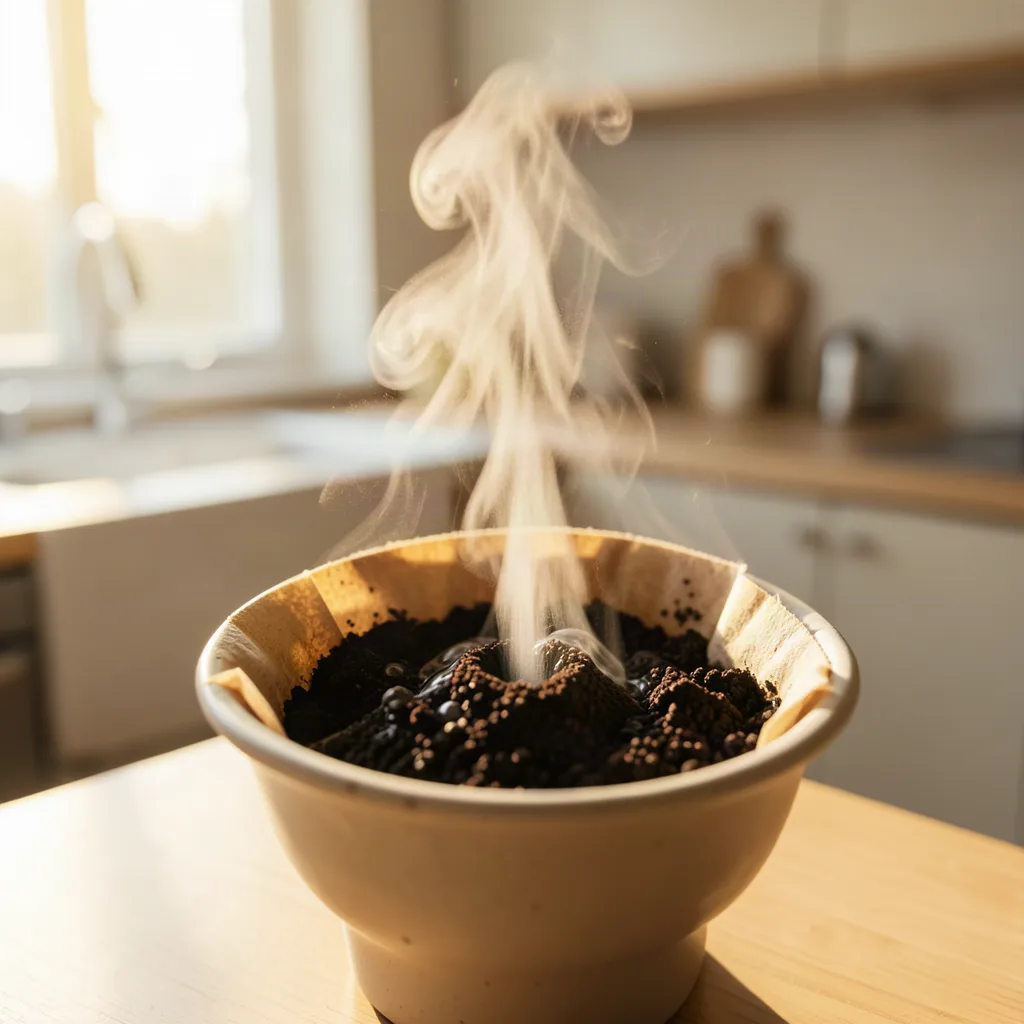
For millions of people, the day does not truly begin until the first cup of coffee is poured. Beyond its role as a morning ritual, coffee is a complex beverage influenced by chemistry, physics, and agricultural history. Understanding how to brew the perfect cup—and knowing how caffeine actually interacts with your biology—can transform your relationship with this daily habit, moving it from a mindless routine to an intentional sensory experience.
Key takeaways
- Maintain water temperature between 195°F and 205°F to ensure balanced extraction and avoid sour or bitter flavors.
- Stop caffeine consumption eight to ten hours before bedtime to prevent its half-life from disrupting deep sleep.
- Use a digital scale to measure coffee and water by weight rather than volume for consistent flavor results.
- Store beans in an opaque, airtight container at room temperature instead of the refrigerator to prevent moisture damage.
- Invest in a burr grinder to achieve a uniform particle size, which prevents uneven extraction and harsh tastes.
The Science of Extraction and Flavor Profiles
Brewing coffee is essentially a process of solvent extraction. Hot water acts as the solvent, pulling soluble compounds—oils, acids, sugars, and caffeine—out of the ground coffee beans. The goal of any brewing method is to achieve a balanced extraction. Under-extraction occurs when the water passes through the grounds too quickly or at too low a temperature, resulting in a sour, thin, or salty cup. Over-extraction, conversely, happens when the coffee is left in contact with water for too long or ground too fine, leading to an acrid, bitter, or astringent taste that masks the bean’s nuanced notes.
To manage extraction, focus on the “Big Three” variables: grind size, water temperature, and brew time. A coarse grind, like sea salt, is ideal for immersion methods like a French Press, where the grounds steep for several minutes. A fine grind, like table salt or sand, is necessary for espresso or moka pots, where water is forced through the coffee under high pressure. If your coffee tastes consistently bitter, try a slightly coarser grind or a shorter brew time. If it tastes sour, try a finer grind or a slightly higher water temperature, ideally between 195°F and 205°F.
Understanding Caffeine Metabolism and Timing
Caffeine is a central nervous system stimulant that works by blocking adenosine receptors in the brain. Adenosine is a neurotransmitter that builds up throughout the day, signaling to your body that it is time to wind down and sleep. When caffeine occupies those receptors, it prevents that sleepy signal from being received, effectively masking fatigue. However, understanding your own personal metabolism is key to avoiding jitters or sleep disruption.
The half-life of caffeine is typically between three to five hours for the average adult. This means that if you consume 200mg of caffeine at 2:00 PM, you may still have 100mg circulating in your system by 7:00 PM. For many, this lingering caffeine is enough to delay the onset of deep sleep, even if they feel they can fall asleep easily. A general rule of thumb for optimal sleep hygiene is to cut off caffeine intake at least eight to ten hours before your intended bedtime.
The Impact of Bean Origin and Roast Level
The flavor of your coffee begins long before it reaches your kitchen. Coffee grown at higher altitudes often develops denser beans with more complex sugars and acidic profiles, while lower-altitude beans tend to be earthier and more mellow. When selecting beans, look for the roast date rather than the expiration date; coffee is a perishable agricultural product that peaks in flavor within two to four weeks after roasting.
There is a common misconception that dark roasts contain more caffeine than light roasts. In reality, caffeine is quite stable during the roasting process. Because dark roast beans lose more mass and moisture during the roasting process, they are less dense. If you measure your coffee by the scoop rather than by weight, a scoop of light roast beans will actually contain more coffee mass—and therefore slightly more caffeine—than a scoop of dark roast beans. For the most consistent results, invest in a digital kitchen scale to measure your coffee-to-water ratio by weight.
Mastering the Pour-Over Method
The pour-over method is favored by enthusiasts for its ability to highlight the clarity and subtle flavor notes of single-origin beans. To master this technique, start by thoroughly rinsing your paper filter with hot water; this removes any “papery” taste and preheats your brewing vessel. Add your coffee, then pour just enough water to wet the grounds, allowing them to “bloom” for 30 to 45 seconds. This bloom releases carbon dioxide trapped during the roasting process, which would otherwise interfere with the extraction.
After the bloom, pour the remaining water in slow, circular motions, starting from the center and moving outward. Avoid pouring directly onto the sides of the filter, as this allows water to bypass the coffee grounds entirely, resulting in a weak cup. A steady, controlled pour ensures that the water remains in contact with the grounds evenly, yielding a clean, vibrant brew that showcases the bean’s true character.
The French Press: Immersion Brewing Simplified
If you prefer a full-bodied, rich cup of coffee, the French Press is your best option. Because it uses a metal mesh filter rather than paper, the natural oils and fine micro-particles of the coffee remain in the final brew, creating a heavier mouthfeel. To get the best results, use a coarse, even grind. Add your coffee to the carafe, pour in hot water, and stir gently to ensure all grounds are saturated.
Place the lid on top to keep the heat in, but do not plunge immediately. Let the coffee steep for four minutes. After the timer goes off, give the top layer of grounds a quick stir, which will cause most of them to sink to the bottom. Use a spoon to skim off any remaining foam or floating grounds, then plunge slowly and serve immediately. Leaving coffee in a French Press after brewing will continue the extraction process, quickly turning a delicious cup into a bitter one.
Water Quality and Its Role in Extraction
Water makes up approximately 98% to 99% of your cup of coffee, yet it is often the most overlooked variable. If your tap water has a strong chlorine taste or a high mineral content, it will inevitably impact the final flavor. Ideally, use filtered or bottled spring water that has a neutral pH. Avoid distilled water, as it lacks the necessary minerals to properly interact with the coffee compounds, resulting in a flat, dull, and lifeless cup.
Temperature also plays a critical role. Boiling water (212°F) can scorch the coffee, leading to harsh, burnt flavors. If you do not have a temperature-controlled kettle, simply let your boiling water sit for 30 to 60 seconds before pouring. This simple adjustment ensures the water is in the “sweet spot” of 195°F to 205°F, allowing for optimal extraction of the coffee’s delicate volatile oils.
The Importance of Consistent Grinding
If you only upgrade one piece of equipment, make it your grinder. A blade grinder chops beans unevenly, producing a mixture of boulders and dust. This inconsistency is the enemy of good coffee, as the dust over-extracts (adding bitterness) while the boulders under-extract (adding sourness). A burr grinder, by contrast, crushes beans between two abrasive surfaces, resulting in a uniform particle size.
Consistent particle size allows the water to pass through the coffee at a predictable rate, which is essential for achieving a balanced cup. Whether you are using a manual hand grinder or an electric model, look for a burr set that offers a wide range of settings. Keeping your grinder clean is equally important; old coffee oils can go rancid and impart off-flavors to your fresh beans. A quick brush or vacuum once a week will keep your equipment functioning at its best.
Storage and Preservation Tips
Coffee is sensitive to four main enemies: oxygen, moisture, heat, and light. Once roasted, coffee beans begin to lose their aromatic compounds. To preserve freshness, store your coffee in an opaque, airtight container at room temperature. Avoid keeping coffee in the refrigerator or freezer, as the fluctuations in temperature can cause condensation to form inside the bag, introducing moisture that ruins the flavor profile and leads to stale, moldy-tasting beans.
Buy your coffee in smaller quantities that you can consume within two weeks. If you must buy in bulk, store the extra sealed bags in a cool, dark pantry. By treating your coffee like a fresh produce item rather than a pantry staple, you ensure that every cup you brew tastes as vibrant and aromatic as the day it was roasted.
The Chemistry of Coffee Acidity and pH Balance
While many home brewers focus on the perceived bitterness of coffee, understanding the role of pH and organic acids is vital for dialing in the perfect cup. Coffee naturally contains a variety of acids, including chlorogenic, citric, malic, and acetic acids. These compounds contribute to the bright, fruity, or wine-like characteristics found in high-quality Arabica beans. When your coffee tastes “sour,” it is often an indicator that you have extracted the lighter, more acidic compounds while missing out on the heavier, sweeter sugars that balance them out. Conversely, if your coffee lacks “sparkle,” you may be over-extracting, which can mask these delicate acids with heavy bitter notes. If you find your coffee consistently harsh, consider testing your water pH; if your local water supply is highly alkaline, it may neutralize these desirable acids before you even begin the brewing process.
Evaluating Coffee-to-Water Ratios for Precision
The golden ratio is the foundation of consistency, yet it is often ignored by casual drinkers. The Specialty Coffee Association (SCA) suggests a ratio of 1:15 to 1:18, meaning one gram of coffee for every 15 to 18 grams of water. Starting at 1:16 is a safe middle ground for most brewing methods. To calculate this, place your carafe on a digital scale and zero it out. If you are using 20 grams of coffee, aim for 320 grams of water. By measuring by weight rather than volume (scoops), you eliminate the variables caused by bean density, roast level, and grind size. This mathematical approach allows you to adjust your strength systematically: if the cup is too weak, decrease the water; if it is too intense or bitter, increase the water. Keeping a simple brewing log for a week will reveal exactly which ratio suits your palate best.
The Role of Agitation in Immersion Brewing
Agitation is the physical movement of water and grounds, and it acts as a turbo-boost for extraction. In methods like the French Press or the AeroPress, how you stir the slurry significantly impacts the final result. If you simply pour water over the grounds and let them sit, the extraction will be uneven, as the grounds at the top of the vessel may not be fully saturated. A gentle “crust break”—stirring the surface of the coffee after about one minute of steeping—ensures all grounds are submerged and uniformly extracted. However, be cautious: excessive or vigorous stirring can lead to over-extraction and a “muddy” texture, especially if your grinder produces a high amount of fine particles. A few slow, deliberate circles with a wooden spoon are sufficient to achieve a uniform extraction without introducing harshness.
Navigating the World of Coffee Filters
The filter you choose acts as the final gatekeeper for your coffee’s texture and clarity. Paper filters are excellent for removing diterpenes (natural coffee oils that some individuals find increase cholesterol levels) and micro-fines, resulting in a cleaner, tea-like cup that highlights bright acidity. Metal filters, by contrast, allow those oils and fine particles to pass through, resulting in a heavier, more viscous mouthfeel that many find comforting. If you are using paper filters, always rinse them thoroughly with hot water before adding coffee to remove any residual paper dust or factory-applied bleaching agents. For those who find paper filters too restrictive but metal ones too gritty, cloth filters offer a middle ground, providing a clean cup with a richer body. Remember that cloth filters require diligent maintenance; they must be rinsed and stored in water in the refrigerator to prevent the oils from turning rancid.
The Impact of Brewing Altitude on Extraction
For those living at higher elevations, the rules of brewing change slightly due to the physics of water. At higher altitudes, the boiling point of water is lower than 212°F. If you live at 5,000 feet, your water may boil at approximately 203°F. This is actually a benefit for coffee brewing, as it puts your water naturally within the ideal extraction range. However, if you are using a standard kettle that relies on a thermostat to reach a boil, you may find your water is never quite hot enough to extract the full potential of high-density, light-roast beans. In this case, you may need to increase your brew time or use a slightly finer grind to compensate for the lower temperature. Understanding your local environment allows you to stop fighting your equipment and start adjusting your technique to match the physical realities of your home.
Cleaning and Maintenance: The Hidden Variable
Coffee oils are volatile and degrade rapidly. When they coat the walls of your carafe, the basket of your brewer, or the burrs of your grinder, they begin to oxidize, turning into a rancid, bitter-tasting residue that will taint every subsequent brew. Daily cleaning is essential. After every use, discard the grounds and rinse your equipment with hot water. Once a week, perform a deep clean using a specialized coffee equipment detergent or a dilute vinegar-and-water solution, followed by a thorough rinse. For grinders, use a stiff brush to clear away the “dust” that accumulates in the chute, as this trapped powder is often the first thing to stale. By treating your brewing tools with the same respect as your cooking pans, you ensure that your coffee tastes like the beans you bought, not like the remnants of last month’s pot.
Frequently Asked Questions
Q: How much caffeine is actually in a standard cup of coffee? A: A typical 8-ounce cup of brewed coffee contains between 95 and 150 milligrams of caffeine. However, this varies significantly based on the bean variety, the ratio of coffee to water, and the brewing method. Espresso, while more concentrated, has less caffeine per serving than a full mug of drip coffee.
Q: Does adding milk or cream change the caffeine content? A: No, adding milk, cream, or sugar does not alter the amount of caffeine in your cup. It only changes the caloric content and flavor profile. However, dairy or plant-based fats can change how the coffee feels in your mouth and may slightly alter the rate at which caffeine is absorbed into your bloodstream.
Q: Can I reuse coffee grounds for a second brew? A: It is not recommended. Once coffee grounds have been brewed, the majority of the soluble compounds, oils, and caffeine have already been extracted. A second brew will primarily consist of bitter, astringent compounds that were not released in the initial extraction, resulting in a very unpleasant, harsh taste.
Q: Why does my coffee taste bitter even when I follow the instructions? A: Bitterness is usually a sign of over-extraction. This can happen if your grind is too fine, your water is too hot, or your brew time is too long. Try coarsening your grind slightly or reducing your brew time by 30 seconds to see if the flavor improves.
Q: Is it safe to drink coffee on an empty stomach? A: For most people, coffee is well-tolerated on an empty stomach. However, because coffee is acidic and stimulates the production of gastric acid, some individuals may experience heartburn or stomach discomfort. If you are sensitive, eating a small piece of food with your coffee can help buffer the acidity.
Related posts:
 The Best Cold Brew Coffee Makers for a Refreshing Drink
 The Benefits of Coffee
 Cold Brew Wine Innovation
 Caffeine Gum: The New Energy Booster
 Healthiest Coffee Orders
 The Sweet Science: Why Honey in Your Coffee Is a Game-Changer
 The Best Coffee Grinders for Every Brewing Method
 The Best Time to Drink Coffee in the Morning