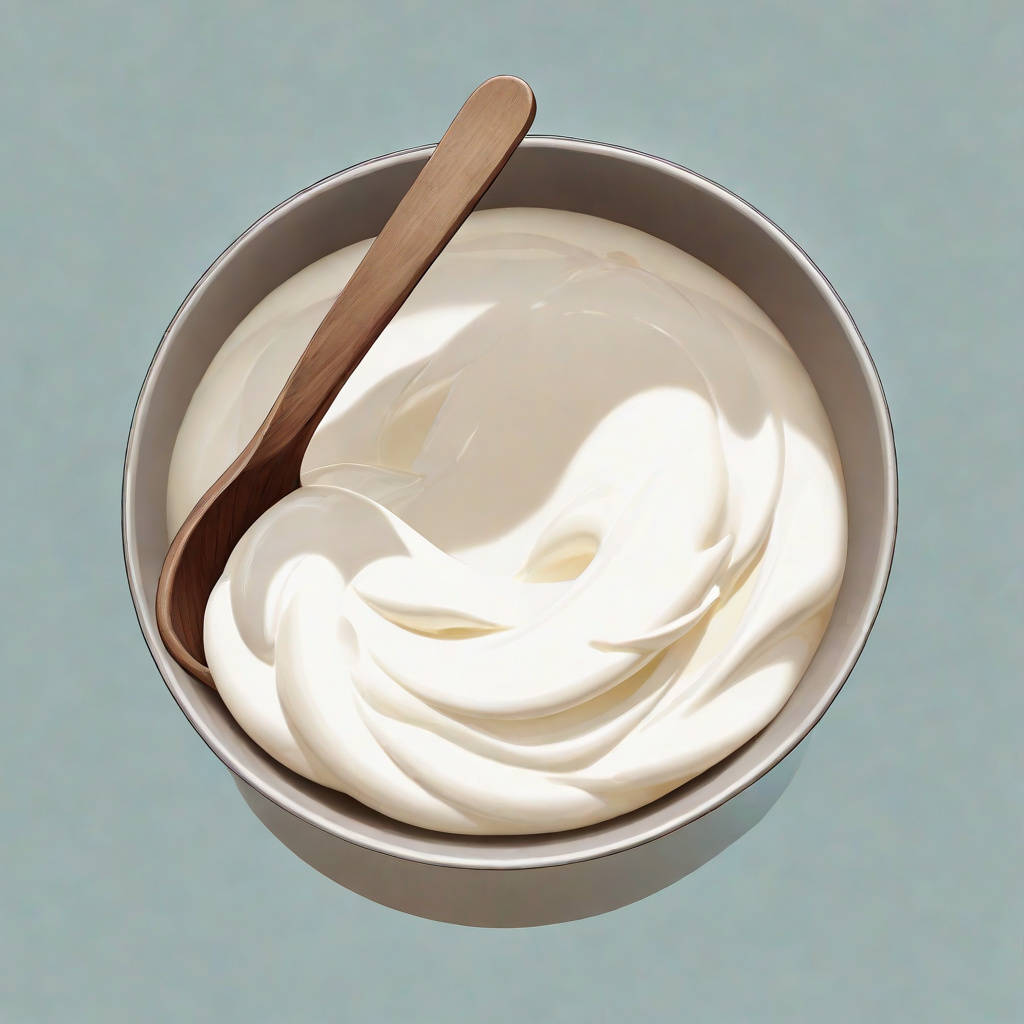
Remember opening your grandmother’s medicine cabinet and seeing that simple, heavy jar? That was cold cream. For decades, it was the beauty secret passed down through generations—a humble, multi-tasking staple for removing makeup, cleansing skin, and providing a layer of protection against the elements. Then, it vanished. Pushed aside by foaming cleansers, micellar waters, and complex 10-step routines, cold cream became a relic, something you might find in a vintage store, not a modern skincare aisle.
Key takeaways
- Apply to dry skin and massage for 60 seconds to dissolve makeup, sunscreen, and daily pollutants effectively.
- Use a warm, damp, soft cloth to gently wipe away the cream, ensuring all residue is removed without harsh scrubbing.
- Choose formulations based on your skin type, opting for non-comedogenic oils like safflower or grapeseed for acne-prone skin.
- Incorporate cold cream as a first-step cleanser to melt away stubborn products before following with a water-based wash.
- Avoid storing jars in steamy showers to prevent the emulsion from degrading over time.
But now, it’s back. Not as a nostalgic novelty, but as a cornerstone of a mindful, effective, and surprisingly sophisticated skincare philosophy. This cold cream revival isn’t about going backward; it’s about reclaiming a timeless, proven formula and understanding why it works so well for our skin today. It represents a shift toward simplicity, ingredient transparency, and skin-first thinking in a world of overwrought beauty marketing.
What Cold Cream Actually Is (And Isn’t)
First, let’s demystify the name. “Cold cream” has nothing to do with temperature. The name comes from the cooling sensation it creates on the skin as the water within the formula evaporates. At its core, traditional cold cream is a simple emulsion of water suspended in oil (specifically, a water-in-oil emulsion). This is the opposite of most modern lotions, which are oil-in-water.
This structure is its superpower. The external oil phase acts as a magnet, gently dissolving and lifting away oil-based impurities—makeup, sunscreen, sebum, and pollution—without harsh scrubbing or stripping. The contained water phase then provides light hydration. Classic formulations are famously minimalist: rosewater, beeswax or another emulsifying wax, and a nourishing oil like almond, mineral, or olive oil. There are no surfactants (the detergents that create foam), which are often the culprits behind disrupted skin barriers and dryness.
The Science Behind the Simplicity: Why It Works for Modern Skin
Our modern skincare challenges—sensitized skin, compromised moisture barriers from over-exfoliation, constant environmental stress—are precisely where cold cream shines. Its efficacy is rooted in gentle, physiologically-friendly action.
1. The Principle of “Like Dissolves Like”: Oil-based makeup, waterproof sunscreen, and your skin’s own sebum are all lipophilic (fat-loving). A water-based cleanser struggles with these, often requiring aggressive rubbing or strong surfactants. The oil-rich base of cold cream bonds with these impurities effortlessly, dissolving them so they can be wiped away.
2. Preservation of the Skin Barrier: The lipid matrix of our skin’s outermost layer (the stratum corneum) is essential for holding in moisture and keeping irritants out. Harsh cleansers can dissolve these essential lipids. Cold cream, by cleansing with oils and waxes similar to our skin’s own, cleanses while supporting this barrier, leaving a protective, non-occlusive film.
3. The Shift from “Squeaky Clean” to “Balanced Clean”: The dermatological consensus has moved away from the desire for that tight, squeaky-clean feeling, which signals stripped skin. The goal is now a cleansed but balanced, supple feel—exactly what a proper cold cream application delivers.
How to Use Cold Cream Correctly: A Step-by-Step Guide
Using cold cream wrong can lead to a greasy, unsatisfying experience. Doing it right is a ritual that feels both luxurious and profoundly effective.
- Start with Dry Hands and a Dry Face: Do not wet your skin first. Scoop a small, nickel-sized amount of cream with dry fingers.
- Warm and Apply: Gently massage the cream between your palms for a moment to soften it, then apply it evenly over your dry face, neck, and eye area. There’s no need to avoid the eye area—it’s brilliant at removing mascara.
- Massage Gently: Using gentle, circular motions, massage the cream over your skin for 30-60 seconds. You’ll feel makeup and impurities dissolving.
- The Removal: This is the critical step. Take a soft, damp washcloth soaked in warm (not hot) water. Wring it out well. Place it over your face for a few seconds to let the steam and warmth soften the cream further. Then, gently wipe away the cream, rinsing the cloth as needed. Avoid harsh rubbing.
- The Finish: Pat your face dry. Your skin should feel clean, soft, and hydrated—not tight, not greasy. Some formulations may leave a very slight emollient film; if you prefer a completely “clean” feel, you can follow with a quick splash of lukewarm water or a toner on a cotton pad.
Cold Cream vs. Your Current Routine: Where It Fits
You don’t need to throw out your entire routine. Think of cold cream as a powerful tool, not a mandatory replacement.
- As a First Cleanse (The Gold Standard): This is its most popular modern use. Use cold cream as the first step in a double-cleansing routine to melt away the day. Follow with a gentle, water-based cleanser if you feel you need it, though many find the cold cream alone is sufficient.
- As a Morning Cleanser: For dry or sensitive skin, using cold cream in the morning is a perfect, non-stripping way to refresh your face without compromising your barrier before applying daytime products.
- As a Makeup Remover: It is arguably one of the most effective and gentle makeup removers available, especially for heavy or waterproof products.
- As a Leave-On Moisturizer/Mask: A thin layer left on for 10-15 minutes can act as a hydrating mask. For very dry patches (elbows, heels), a dab of cold cream can be an intense overnight treatment.
Choosing Your Jar: Decoding Modern Formulations
The revival has spawned two paths: faithful, vintage-style reproductions and modern, ingredient-conscious reinterpretations.
The Classics (Pond’s, Albolene, Noxzema): These are widely available, affordable, and time-tested. They typically use mineral oil and petroleum-derived ingredients. While perfectly safe and effective for many, those preferring plant-based or more natural ingredient decks may look elsewhere.
The Modern Artisans: A new wave of brands has reimagined cold cream with organic oils (jojoba, sunflower, apricot kernel), skin-soothing botanicals (calendula, chamomile), and luxe additions like ceramides or peptides. These often forgo synthetic fragrance and focus on sustainable sourcing.
What to Look For: Read the ingredient list. Prioritize simple formulas. If you have nut allergies, avoid those with almond oil. For acne-prone skin, look for non-comedogenic oils like safflower or grapeseed. Avoid jars with a long list of unrecognizable chemicals—that defeats the purpose of simplicity.
Tailoring Cold Cream to Your Skin Type
Contrary to myth, cold cream isn’t just for dry skin. Its versatility can be adapted.
- Dry/Sensitive Skin: This is cold cream’s sweet spot. Use it as your primary cleanser. The residual film is a benefit, providing a protective layer before your moisturizer.
- Oily/Combination Skin: Yes, you can use it. The key is thorough removal with the warm cloth. It can help balance oil production by cleaning effectively without triggering your skin to over-produce oil in response to being stripped. Use it as a first cleanse, and follow with a gel cleanser if desired.
- Acne-Prone Skin: Proceed with caution but don’t rule it out. Choose a modern formulation with lighter, non-comedogenic oils. The gentle cleansing can reduce irritation that exacerbates breakouts. Always do a patch test behind your ear for a few days first.
- Mature Skin: An excellent choice. The gentle massage promotes light circulation, and the rich emollience helps plump fine lines without pulling delicate skin.
The Ritual Beyond the Cleanse: Embracing Slowness
The cold cream revival is part of a larger movement toward mindful self-care. Using it forces you to slow down. There’s no quick pump and rinse. It’s a tactile experience: the cool weight of the jar, the scent, the act of massaging, the warmth of the cloth. This two-minute ritual becomes a moment of connection with yourself, a deliberate pause at the start or end of the day. In a world of instant everything, that intentional slowness is itself a form of skincare.
Common Mistakes and How to Avoid Them
To ensure success, steer clear of these pitfalls:
- Using Too Much: A little goes a very long way. Start with a small amount.
- Not Removing It Thoroughly: Skipping the warm washcloth step and just splashing with water will leave a greasy residue. The cloth is essential.
- Using a Rough Cloth: A soft muslin, cotton, or bamboo cloth is ideal. Avoid rough terrycloth or exfoliating towels.
- Expecting a Lather: It will not foam. Embrace the silky, oily texture as a sign it’s working.
- Storing It in the Shower: The constant heat and humidity can degrade the emulsion. Keep it on your vanity.
The Formulation Matrix: Deciphering Emulsifiers, Oils, and Active Additions
To truly master the cold cream revival, one must move beyond brand names and examine the formulation matrix—the specific interplay of emulsifiers, oils, and optional actives that determines a cream’s behavior on your skin. Traditional cold creams relied on beeswax or borax as primary emulsifiers, creating stable water-in-oil emulsions with a characteristic stiff, waxy texture. Modern alternatives employ cetearyl alcohol, glyceryl stearate, or vegetable-derived emulsifying waxes, which can yield a softer, more spreadable consistency while maintaining the essential oil-external structure. The choice of emulsifier affects not only texture but also the “break point”—how readily the cream releases its oil phase during massage. A beeswax-based formula provides a slower, more controlled release, ideal for extended massage sessions, while a modern emulsifier might break faster, suiting those who prefer quicker cleansing.
The oil phase warrants particular scrutiny. Mineral oil, a petroleum derivative, remains common in classic formulas for its stability, hypoallergenic properties, and excellent occlusive abilities. However, plant oils bring additional benefits: sunflower oil is rich in linoleic acid, which can help repair compromised skin barriers; jojoba oil closely mimics human sebum, making it exceptionally balancing; and squalane (derived from olives or sugarcane) offers lightweight hydration without greasiness. For those incorporating cold cream into an anti-aging regimen, look for formulations that include oils high in antioxidants, like sea buckthorn or raspberry seed oil, which provide passive protection against environmental free radicals during the cleansing process.
Advanced modern iterations may include “active” additions beyond the base emulsion. These are not mere marketing gimmicks but thoughtful integrations that enhance function. Low percentages of niacinamide (2-5%) can help regulate sebum production and improve skin texture, making a cream more suitable for combination skin. Panthenol (provitamin B5) adds humectant properties, drawing water into the skin during cleansing. Ceramides, the lipids naturally found in the skin’s barrier, can be incorporated to provide direct barrier support with each use. However, caution is warranted with exfoliating acids (like salicylic or glycolic) in cold cream formulations; their efficacy in a brief, wiped-off product is limited, and they may cause unnecessary irritation without proper rinse-off. The most sophisticated modern cold creams use their emulsion structure to deliver lipid-soluble antioxidants (like vitamin E) or calming phytosterols directly into the upper layers of the stratum corneum during the massage phase, offering benefits that persist after removal.
The Dermatologist’s Perspective: Clinical Applications and Contraindications
From a clinical standpoint, cold cream represents a return to physiologically sound cleansing. Dermatologists often recommend it for patients undergoing procedures that compromise the skin barrier, such as after laser resurfacing, chemical peels, or while on high-dose retinoids like isotretinoin. Its non-foaming, surfactant-free nature minimizes stinging and irritation on compromised skin. In cases of perioral dermatitis or eczema flares around the eyes and mouth, where traditional cleansers can exacerbate inflammation, cold cream provides a safe method for removing topical medications and debris without friction.
However, professional guidance highlights specific contraindications. For individuals with seborrheic dermatitis, a condition driven by the yeast Malassezia that feeds on certain lipids, the rich oil base of many cold creams can potentially fuel flare-ups. In these cases, a formulation built with caprylic/capric triglycerides (derived from coconut oil but fractionated to remove the longer-chain triglycerides that feed yeast) may be tolerated, but patch testing is crucial. Similarly, for those with true, diagnosed acne vulgaris (not just occasional breakouts), the risk of comedogenicity must be carefully managed. While the “like dissolves like” principle helps clear pores, residual film from imperfect removal can trap dead skin cells. Dermatologists suggest that acne-prone patients who wish to try cold cream should opt for formulations with high linoleic acid content oils (safflower, grapeseed) and follow immediately with a second cleanse using a beta-hydroxy acid (BHA) or benzoyl peroxide wash to ensure pore clearance.
The method of removal also receives clinical attention. The recommended warm cloth technique serves a therapeutic purpose beyond residue removal: the mild hyperthermia (warming of the skin) causes temporary vasodilation, increasing blood flow to the facial skin. This can enhance the delivery of oxygen and nutrients to skin cells, promoting a healthy glow. However, dermatologists warn against using water that is too hot, which can strip the skin of natural oils and cause telangiectasias (broken capillaries) over time, especially in those with rosacea-prone or fair, thin skin. The ideal temperature is “comfortably warm”—test it on the inside of your wrist first.
Beyond the Face: Unconventional Uses in Body and Hair Care
The cold cream principle of oil-based, gentle cleansing finds powerful applications beyond the facial routine. For the body, it serves as a superior pre-shave treatment for legs and underarms. Applied to dry skin before shaving, the oil-rich layer allows the razor to glide smoothly, reducing nicks, cuts, and razor burn while simultaneously softening hairs. It provides a protective buffer that water alone or foam-based shaving creams cannot match. Post-shave, any residual film left after a light wipe-down soothes skin and prevents the tight, dry feeling that often follows hair removal.
On rough, callused areas like heels, elbows, and knees, cold cream transforms into an intensive overnight reparative treatment. After bathing, while the skin is still slightly damp, apply a thick layer to the affected area and cover with cotton socks or gloves. The occlusive nature of the cream creates a localized humid environment, enhancing penetration of the emollients and aiding in the natural exfoliation process. Used consistently, this can soften severe dryness and cracking more effectively than many specialized foot creams. For gardeners, mechanics, or anyone who deals with ground-in grime, cold cream acts as a gentle yet potent hand cleanser. Massage it into dry hands to dissolve grease, soil, and paint before following with the warm cloth removal. It is often gentler on the skin than harsh, industrial soaps.
In hair care, cold cream offers a solution for scalp buildup and pre-shampoo conditioning. Those suffering from a dry, flaky scalp or product accumulation (from dry shampoos, styling gels, etc.) can massage a small amount of cold cream directly onto the dry scalp before showering. Focus on the roots and let it sit for 5-10 minutes. The oils dissolve the buildup, while the water phase provides hydration. Follow with your regular shampoo routine—you may find you need less shampoo, and it will lather more effectively. As a pre-wash treatment for dry, brittle, or chemically processed hair, applying cold cream to the mid-lengths and ends (avoiding the roots) 30 minutes before washing can prevent the stripping of natural oils during shampooing, leaving hair softer and more manageable. This use requires thorough shampooing to avoid oily residue.
The Preservation and Stability Challenge: Keeping Your Jar Fresh
Unlike many modern cleansers in pump bottles, cold cream typically lives in a jar, exposed to air, light, and potential contaminants with each use. Understanding how to preserve its integrity is key to a safe, effective experience. The emulsion itself is a delicate balance. Repeated dipping with fingers introduces bacteria and fungi, while temperature fluctuations can cause “breaking”—where the oil and water phases separate. If your cream develops a watery layer on top or bottom, or an unpleasant, rancid odor (often described as crayon-like or sour), it has oxidized or become contaminated and should be discarded. To maximize shelf life, always use a clean, dry spatula or scoop instead of fingers. Store the jar in a cool, dark place like a medicine cabinet, never in a steamy bathroom or on a sunny windowsill.
Manufacturers preserve cold creams through a combination of formulation science and packaging. Traditional formulas relied on the inherent antimicrobial properties of rosewater or the high pH from borax. Modern versions may include broad-spectrum preservatives like phenoxyethanol or potassium sorbate at very low concentrations to prevent microbial growth. While some consumers seek “preservative-free” versions, these have a drastically shorter shelf life (often requiring refrigeration and use within weeks) and carry a higher risk of harboring harmful microbes. A properly dosed, broad-spectrum preservative system in a water-containing product like cold cream is a critical safety feature, not a drawback. When evaluating a new brand, check the product’s PAO (Period After Opening) symbol—the open jar icon with a number indicating months of safe use—and respect it.
For the DIY enthusiast making cold cream at home, preservation is the primary challenge. Even with meticulous sterilization of equipment and ingredients, homemade emulsions are highly susceptible to bacterial growth. Without laboratory-grade preservatives and stability testing, homemade creams should be made in very small batches, stored in the refrigerator, and used within one to two weeks. Adding natural antioxidants like rosemary oleoresin or vitamin E (tocopherol) can slow oil rancidity but will not prevent microbial contamination. This reality underscores the value of professionally manufactured products within the revival movement—they deliver the traditional experience with modern safety assurances.
Integrating with Advanced Skincare: Serums, Actives, and Layering Logic
Successfully weaving cold cream into a sophisticated skincare regimen requires understanding its impact on product layering and active ingredient efficacy. Its primary role as a cleanser or first cleanse means it sets the stage for everything that follows. The slight emollient film some formulas leave is often beneficial, acting as a buffer that can mitigate the potential irritation of strong actives applied afterward. For example, when using prescription retinoids like tretinoin, cleansing with a gentle cold cream rather than a foaming wash can reduce dryness and peeling by preserving more of the skin’s natural lipids.
However, this same film can theoretically create a barrier that impedes the penetration of water-based treatments like vitamin C serums or hyaluronic acid. The solution lies in the finishing step. If your skin feels like it has a noticeable residue after the warm cloth removal, a quick pass with a toner-soaked cotton pad (using an alcohol-free formula with mild exfoliating acids like lactic or mandelic, or a simple hydrating toner) will remove the last traces of oil and reset the skin’s pH to an optimal level for serum absorption. This creates a clean, slightly damp canvas—ideal for applying humectant serums. Think of it as a three-step reset: cold cream (dissolves oil-soluble impurities), warm cloth (removes emulsion and debris), toner pad (final cleanse, pH balance, hydration prep).
The timing of your routine also matters. Using cold cream in the morning provides a different foundation than using it at night. A morning cleanse leaves a pristine, balanced base for vitamin C antioxidants and sunscreen application, with no risk of leftover film interfering with sunscreen adherence. An evening cleanse, particularly as part of double cleansing, ensures all pollutants and makeup are thoroughly removed, allowing night-time reparative actives like retinols, peptides, and growth factors to work on truly clean skin. For those using exfoliating toners (AHAs/BHAs), apply them after the cold cream and any second cleanse, but before heavier treatments. The gentle nature of cold cream cleansing means your skin is less likely to be sensitized, allowing you to use your actives as intended without over-stripping.
The Economic and Environmental Calculus of the Revival
The cold cream revival presents a compelling value proposition that extends beyond skincare results. Economically, it champions cost-per-use efficiency. A single jar, used daily as a first cleanse, can last three to six months, dramatically reducing the frequency of purchase compared to liquid cleansers or disposable wipes. This efficiency counters the initial perception of a “luxury” price tag on some artisan brands. When calculated over time, even a high-end cold cream often proves cheaper than continuously replenishing micellar water, makeup wipes, and a separate cleanser. Furthermore, its multi-purpose nature—serving as makeup remover, cleanser, and occasional mask—consolidates product spending, aligning with a minimalist, “skin wardrobe” approach to beauty.
Environmentally, the format offers significant advantages, but with important nuances. The classic glass or heavy plastic jar, while reusable or recyclable, has a higher initial material footprint than a lightweight plastic pump bottle. However, this is offset by the sheer longevity of the product inside and the elimination of multiple single-use products, especially cotton rounds and makeup wipes. The most significant ecological benefit lies in formulation: cold creams are typically water-free in their external phase, meaning they require less preservative and are more concentrated, reducing the water transportation weight and the need for plastic water bottles in the supply chain. Brands committed to the revival’s ethos often pair simple formulations with sustainable sourcing, recycled packaging, and refill programs.
Yet, the environmental calculus must include the removal process. The recommended use of a washcloth creates laundry. Using a fresh cloth every day (ideal for hygiene) increases water and energy consumption. To mitigate this, many adopt a system of using soft, reusable cotton rounds that can be laundered in bulk with other towels, or dedicate a set of seven muslin cloths, using one per day and washing the batch weekly. This is still preferable to the constant waste generated by disposable cotton pads or wipes. The revival, therefore, encourages a systemic view: it’s not just about a “green” product, but about adopting a slower, more resource-conscious ritual overall—buying less, wasting less, and valuing durability over disposability.
The Sensory Experience: How Texture, Scent, and Ritual Impact Efficacy
The cold cream revival is deeply rooted in sensorial engagement, a facet often overlooked in clinical evaluations but critical to consistent use and satisfaction. The texture journey—from the firm scoop in the jar, to the melting warmth between the fingers, to the slick glide across the skin—provides proprioceptive feedback that signals care. This tactile richness can have a tangible calming effect, lowering cortisol levels through mindful touch, which in turn can reduce skin inflammation and reactivity. Brands understand this: a formula that is too hard or too runny breaks the ritual. The ideal texture offers a slight resistance upon scooping, then yields completely to body heat, transforming into a silky oil without greasiness.
Scent plays a controversial but powerful role. Traditionalists associate cold cream with the distinct, clean fragrance of rosewater or a faintly medicinal, “barbershop” aroma. Modern brands may opt for unscented versions to appeal to sensitive skin, or introduce subtle, natural aromas from essential oils like lavender, chamomile, or bitter orange. The key is subtlety; the scent should be a background note during application, not a lingering perfume. From a neurological perspective, a consistent, pleasant scent used as part of a nightly ritual can become a conditioned cue for relaxation, helping to transition the mind and body into a restful state—a benefit that indirectly supports skin’s overnight repair processes.
Finally, the ritual itself—the deliberate, unhurried sequence of steps—imposes a cadence that modern, rushed routines lack. This enforced slowness is not inefficient; it is the mechanism through which the product works optimally. The 60-second massage isn’t just for product distribution; it stimulates the facial muscles, encourages lymphatic drainage to reduce morning puffiness, and allows the oil phase adequate time to solvate and lift impurities. The pause with the warm cloth on the face is a moment of steam-free steaming, hydrating and softening the skin. By designing a product that cannot be used hastily, cold cream reintroduces the concept of duration as an active ingredient. The revival, therefore, is as much about reclaiming time and attention for oneself as it is about reclaiming a formula. In a world of instant gratification, it posits that the most profound results for skin and well-being come not from speed, but from intentional, sustained care.
Frequently Asked Questions (FAQ)
Q: Won’t cold cream clog my pores?
A: Not if used and removed correctly. Its composition allows it to dissolve pore-clogging impurities rather than depositing them. The key is choosing a formula with oils suitable for your skin and ensuring you remove it thoroughly with a warm, damp cloth. For those with highly reactive skin, patch testing is advised.
Q: Is cold cream suitable for removing waterproof eye makeup?
A: It is exceptionally effective for this purpose. Apply a small amount directly to closed eyelids and lashes, massage very gently for 20 seconds, and then let the warm washcloth sit over your eyes for a few moments before gently wiping away. It often removes stubborn mascara with less rubbing than dedicated eye makeup removers.
Q: Can I use cold cream if I have rosacea or extremely sensitive skin?
A: It can be an excellent option, as it minimizes friction and avoids common irritants like sulfates and fragrance. Opt for a modern, fragrance-free formulation with calming ingredients like oat oil or calendula. Always consult with your dermatologist if you have a diagnosed skin condition, but many find it less irritating than traditional cleansers.
Q: How does cold cream differ from cleansing balm?
A: They are close cousins. Both are oil-based first cleansers. Cleansing balms are typically softer, designed to transform from a balm to an oil upon application, and often rinse off with water (emulsify). Traditional cold cream has a thicker, waxier consistency and is designed to be wiped away, not rinsed. The experience is slightly different, but the principle is the same.
Q: Do I need to moisturize after using cold cream?
A: This depends on your skin type and the cream. Cold cream cleanses and provides light hydration, but it is not a replacement for a dedicated moisturizer, especially one containing humectants (like hyaluronic acid) and occlusives. Most people will benefit from applying their regular serum and moisturizer after cleansing with cold cream, as it preps the skin beautifully for absorption.
The cold cream revival is more than a trend; it’s a recalibration. It asks us to value proven results over flashy marketing, gentleness over aggression, and ritual over routine. In that simple jar lies a powerful reminder: sometimes, the best way forward is to reconnect with the wisdom of the past. Your skin, in its search for balance and health, might just thank you for opening that jar again.
Related posts:
 Second Life Magic: Turn Finished Candles Into Morning Coffee Companions
 Proper Order of Skincare Application
 Foundation’s Impact on Skin
 Gentle Cleansing Tips for Sensitive Skin Types
 Eco-Friendly Makeup Removal
 You’ve Been Washing Your Face Wrong This Entire Time
 The Slow Beauty Movement’s Secret Hydration Recipes
 Too Clean for Comfort: Why Being Squeaky Clean Might Be Bad for Your Skin