
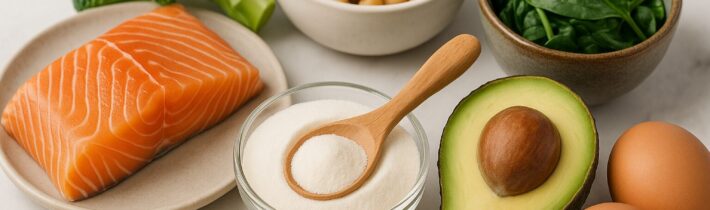
Collagen has become one of the most popular supplements in the wellness world, touted for its potential to support skin elasticity, joint health, and overall vitality. But did you know that how you consume collagen—and what you pair it with—can make a significant difference in how effectively your body uses it? Understanding the science of collagen absorption and knowing which foods complement your supplement routine can help you maximize the benefits of this powerhouse protein. In this comprehensive guide, we’ll explore the best foods to pair with your collagen supplements, why these combinations work, and how you can incorporate them easily into your daily life.
Understanding Collagen and Its Role in the Body
Collagen is the most abundant protein in the human body, forming a critical component of skin, bones, ligaments, tendons, and even blood vessels. Its unique structure provides strength and elasticity, supporting everything from youthful skin to flexible joints. As we age, natural collagen production declines, which is why many people turn to supplements to help maintain these essential functions.
Collagen supplements are typically derived from animal sources such as bovine (cow), marine (fish), or chicken, and are most often hydrolyzed (broken down into smaller peptides) for easier absorption. However, simply taking a supplement isn’t always enough—your body needs the right nutritional environment to make the most of it.
Why Pairing Matters: Enhancing Collagen Absorption
For your body to effectively absorb and utilize collagen peptides, it relies on an array of supporting nutrients. Certain vitamins and minerals act as cofactors, helping to convert collagen peptides into usable forms and to stimulate your own natural collagen synthesis. By pairing collagen with the right foods, you create an ideal environment for absorption and benefit.
The Power of Vitamin C: Collagen’s Best Friend
Vitamin C is perhaps the most important nutrient when it comes to collagen synthesis. It acts as a cofactor for prolyl and lysyl hydroxylase, enzymes that stabilize and cross-link collagen molecules. Without adequate vitamin C, your body simply can’t build or repair collagen effectively.
Best Food Pairings:
- Citrus Fruits: Oranges, grapefruits, lemons, and limes
- Berries: Strawberries, blueberries, blackberries, and raspberries
- Bell Peppers: Especially red and yellow varieties
- Kiwi, Guava, and Papaya
- Broccoli and Brussels Sprouts
How to Pair: Add a scoop of collagen powder to a berry smoothie, or stir it into orange juice or a vitamin C-rich green salad for a powerful synergy.
The Role of Amino Acids: Building Blocks for Collagen
Collagen itself is made up of amino acids, particularly glycine, proline, and hydroxyproline. Consuming foods rich in these amino acids alongside your supplement can provide additional raw materials for your body’s collagen production.
Best Food Pairings:
- Egg Whites: High in proline and glycine
- Chicken Skin and Cartilage
- Bone Broth: Naturally rich in collagen and amino acids
- Fish (with skin)
- Gelatin-based dishes
How to Pair: Enjoy a bowl of bone broth with your collagen supplement, or add collagen powder to scrambled eggs for a double dose of building blocks.
Copper and Zinc: Mineral Support for Collagen Formation
Copper and zinc are essential minerals involved in collagen cross-linking and tissue repair. Copper activates an enzyme called lysyl oxidase, which helps bind collagen fibers, while zinc supports cell growth and immune function, both vital for healthy skin and connective tissue.
Best Food Pairings:
- Shellfish: Oysters and crab are especially high in zinc and copper
- Nuts and Seeds: Pumpkin seeds, cashews, and almonds
- Dark Chocolate: A good source of copper
- Leafy Greens: Spinach and kale contain both minerals
How to Pair: Add collagen powder to your morning smoothie with spinach and seeds, or enjoy a piece of dark chocolate as a post-collagen treat.
Vitamin A: Supporting Skin and Collagen Health
Vitamin A is crucial for skin health and the repair of epithelial tissues. It also helps regulate the genes involved in collagen synthesis, making it a valuable nutrient to pair with collagen supplements.
Best Food Pairings:
- Sweet Potatoes and Carrots: Rich in beta-carotene, a precursor to vitamin A
- Liver: One of the most concentrated sources of vitamin A
- Egg Yolks
- Dark Leafy Greens
How to Pair: Mix collagen into mashed sweet potatoes or blend into a carrot and orange smoothie for a skin-loving boost.
Antioxidants: Protecting Collagen from Damage
Environmental stressors—like UV rays, pollution, and smoking—can break down collagen. Antioxidant-rich foods help protect existing collagen and support the effectiveness of your supplements by neutralizing free radicals.
Best Food Pairings:
- Berries and Cherries
- Green Tea and Matcha
- Pomegranates
- Dark Leafy Greens
How to Pair: Stir collagen into green tea or add to a berry and pomegranate parfait for a potent antioxidant combination.
Healthy Fats: Enhancing Nutrient Absorption
Some nutrients that support collagen production, such as vitamin A and E, are fat-soluble, meaning they require dietary fat for optimal absorption. Including healthy fats with your collagen-rich meals ensures you’re making the most of these nutrients.
Best Food Pairings:
- Avocado
- Olive Oil
- Nuts and Seeds
- Fatty Fish: Salmon, mackerel, and sardines
How to Pair: Drizzle olive oil over a salad with collagen-enriched dressing, or add collagen to a creamy avocado smoothie.
Silicon-Rich Foods: Supporting Collagen Structure
Silicon is a trace mineral that supports the formation of glycosaminoglycans, which help maintain collagen’s structural integrity. Increasing your dietary silicon can complement the effects of your collagen supplementation.
Best Food Pairings:
- Bananas
- Oats
- Brown Rice
- Green Beans
How to Pair: Add collagen to your morning oatmeal or blend into a banana smoothie for silicon support.
Sulfur-Containing Foods: Aiding Collagen Synthesis
Sulfur is necessary for synthesizing collagen and other connective tissue proteins. Foods high in sulfur can help your body create and maintain healthy collagen fibers.
Best Food Pairings:
- Garlic and Onions
- Cruciferous Vegetables: Broccoli, cauliflower, Brussels sprouts
- Eggs
- Asparagus
How to Pair: Add collagen powder to a savory veggie soup or sprinkle into an omelet with garlic and onions.
Hydration: The Foundation for Collagen Function
Collagen’s structure and function depend heavily on water. Staying adequately hydrated keeps your skin supple, joints lubricated, and helps transport nutrients throughout your body—including those critical for collagen synthesis.
Best Practices: Drink plenty of water throughout the day, and consider hydrating foods like watermelon, cucumber, and oranges. Adding collagen powder to your morning water or herbal tea is a simple way to start the day hydrated and nourished.
Timing Your Collagen Intake for Maximum Effect
The timing of your collagen supplement may also affect its absorption and synergy with other foods. Consuming collagen with a meal that contains the cofactors listed above can enhance its bioavailability. Some people prefer taking collagen in the morning for a beauty boost, while others find post-workout or before bed helpful for muscle and tissue repair.
Tips for Best Results:
- Pair collagen with vitamin C-rich foods at breakfast
- Combine with protein and amino acid-rich foods after exercise
- Enjoy with a balanced dinner for overnight repair
Easy Collagen Pairing Recipes to Try
Incorporating collagen and its perfect partners into your meals can be both delicious and simple. Here are three easy recipes to get started:
1. Berry Collagen Smoothie
- 1 scoop hydrolyzed collagen powder
- 1 cup mixed berries (strawberries, blueberries, raspberries)
- 1/2 banana
- 1 cup spinach
- 1/2 cup orange juice (freshly squeezed)
- 1 tablespoon chia seeds
- 1 cup water or almond milk
Blend all ingredients until smooth. This smoothie delivers vitamin C, antioxidants, amino acids, and healthy fats for optimal collagen absorption.
2. Collagen-Boosted Veggie Soup
- 1 scoop unflavored collagen powder
- 2 cups bone broth
- 1 cup chopped broccoli and cauliflower
- 1/2 cup chopped onions and garlic
- 1/2 cup spinach
- 1 tablespoon olive oil
- Salt, pepper, and herbs to taste
Saute onions and garlic in olive oil, add veggies and bone broth, simmer until tender. Stir in collagen powder just before serving.
3. Citrus Collagen Salad
- 1 scoop collagen powder (unflavored)
- 2 cups mixed greens (spinach, kale)
- 1/2 cup orange segments
- 1/2 cup sliced strawberries
- 1/4 cup pumpkin seeds
- 1/4 avocado, sliced
- Drizzle of olive oil and lemon juice
Whisk collagen into the dressing and toss with salad ingredients for a refreshing, nutrient-rich meal.
Foods to Avoid When Taking Collagen Supplements
While pairing collagen with supportive foods can enhance absorption, certain dietary habits may inhibit its effectiveness. Excessive sugar and highly processed foods can trigger glycation, a process that damages collagen fibers. Additionally, too much alcohol or caffeine may dehydrate the body and slow tissue repair.
Tips:
- Limit added sugars and refined carbohydrates
- Drink alcohol in moderation
- Balance caffeine intake with plenty of water
Focus on whole, nutrient-dense foods alongside your collagen regimen for the best results.
Combining Collagen with a Balanced Lifestyle
Supplementing with collagen and pairing it with the right foods is just one part of a holistic approach to health. Adequate sleep, regular exercise, stress management, and sun protection all play important roles in preserving your body’s natural collagen and maximizing the benefits of supplementation.
Developing a consistent daily routine that includes diverse, colorful meals, hydration, and mindful self-care will help you feel and look your best—inside and out.
Collagen Pairing: Sample Daily Meal Plan
Here’s an example of a collagen-friendly day:
- Breakfast: Collagen powder blended into a berry and spinach smoothie with a handful of pumpkin seeds
- Lunch: Citrus salad with mixed greens, orange slices, avocado, and a collagen-infused vinaigrette
- Snack: Greek yogurt with sliced kiwi and a sprinkle of chia seeds
- Dinner: Grilled salmon with roasted sweet potatoes and broccoli, side of brown rice
- Hydration: Plenty of water, herbal tea, and hydrating fruits throughout the day
This plan ensures you’re getting vitamin C, amino acids, antioxidants, healthy fats, and minerals to support your supplement and your body’s own collagen production.
Collagen Supplement Forms and How to Use Them
Collagen supplements are available as powders, capsules, gummies, and liquid shots. Hydrolyzed collagen (collagen peptides) is the most common form, as it’s easily dissolved in hot or cold beverages and more readily absorbed. Marine collagen is favored for skin support, while bovine and chicken collagen provide a broader range of collagen types.
Tips for Use:
- Mix powder into smoothies, coffee, oatmeal, or soup
- Take capsules or gummies with a meal containing vitamin C and healthy fats
- Check ingredient lists for unnecessary additives or sugars
Choose a high-quality, reputable brand, and consult your healthcare provider if you have dietary concerns or allergies.
Frequently Asked Questions
- Can I take collagen supplements with any type of food?
- While collagen supplements are generally safe to take with most foods, pairing them with nutrient-rich foods—especially those high in vitamin C, amino acids, and minerals—can improve absorption and effectiveness. Avoiding excessive sugar and processed foods will also help support your body’s natural collagen.
- How long does it take to see results from collagen supplementation?
- Results can vary from person to person and depend on factors like age, diet, lifestyle, and consistency. Some people notice changes in skin hydration or joint comfort within a few weeks, while others may take two to three months of regular use. Pairing collagen with the right foods and habits can help support your results.
- Are there any risks or side effects from combining collagen with certain foods?
- Collagen is generally well-tolerated and has a low risk of side effects when taken as directed. However, if you have food allergies (such as fish or eggs), be mindful of the source of your collagen and any foods you pair it with. Always read labels and consult a healthcare professional if you have concerns.
- What’s the best time of day to take collagen supplements?
- There’s no universally “best” time; it depends on your routine. Many people take collagen in the morning with breakfast, after workouts, or before bed. For optimal absorption, take it with a meal that includes vitamin C and healthy fats.
- Can a vegetarian or vegan diet support collagen production?
- Collagen supplements are typically animal-derived, but plant-based diets can still support your body’s natural collagen production through vitamin C-rich fruits and vegetables, nuts, seeds, and legumes. While vegan collagen supplements made from genetically engineered yeast or bacteria exist, their availability and research are still emerging.
By thoughtfully pairing your collagen supplement with supportive, nutrient-dense foods, you can create the perfect environment for your body to thrive. Whether your goal is radiant skin, resilient joints, or simply better overall wellness, these pairing strategies will help you get the most out of every scoop.
Related posts:
 Nutrafol Collagen Infusion Review
 Lifestyle Habits Breaking Down Collagen
 Algenist Unveils a Game-Changing Line of Vegan Collagen Skin Care
 Jessica Alba’s Skin-Clearing Smoothie
 Beauty Pie Skin Supplements Guide
 Turmeric Green Tea Smoothie
 Sanitas Collagen Duo Review
 Nithya Collagen: Transforming Skincare with Cutting Edge Technology