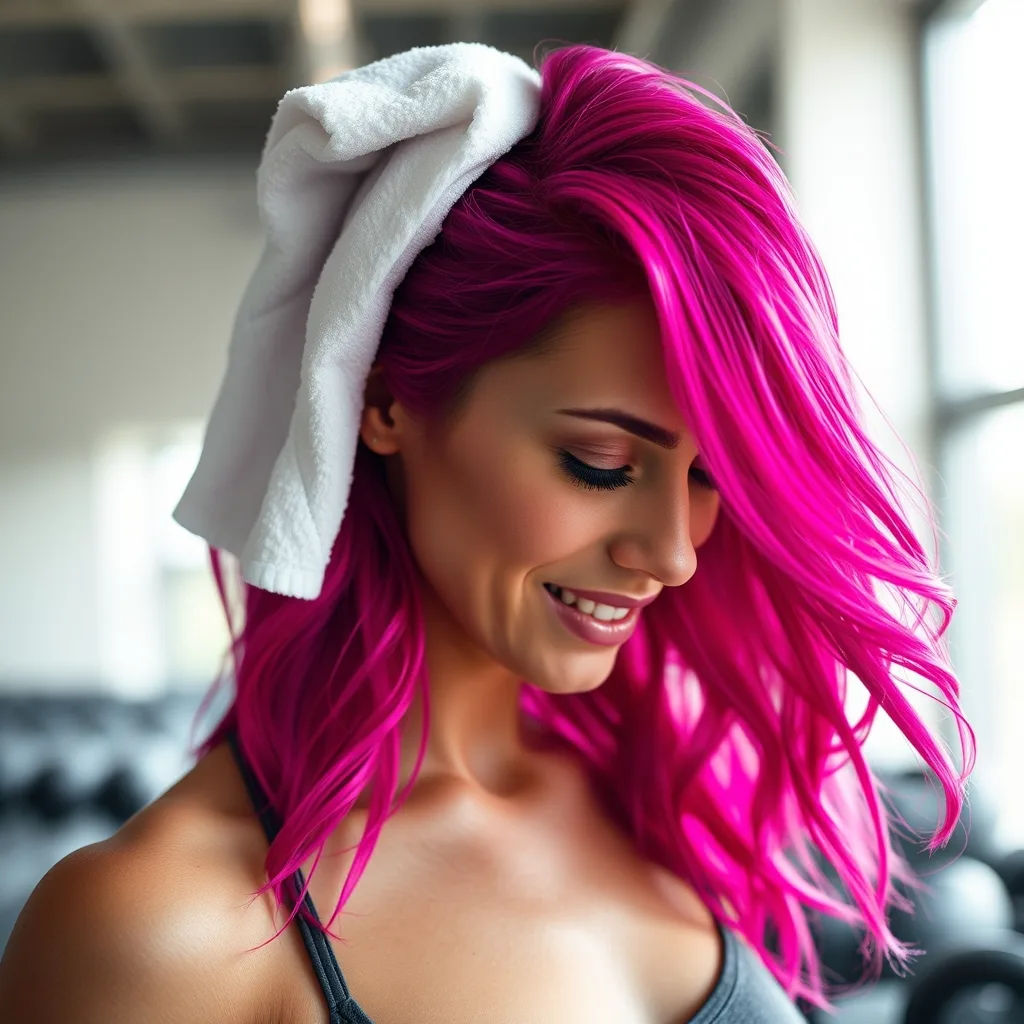
Exercise is good for you, and color-treated hair deserves a routine that keeps up. Sweat, friction, humidity, and repeated washing can all make color look less vibrant than it did on day one. The goal is not to avoid movement or to treat your hair like a museum piece. It is to build a few practical habits that help your color stay fresh while you live an active life. This guide covers what happens during a workout, how to prepare, what to do afterward, and how to choose products that support color without adding unnecessary buildup. You do not need a perfect routine. You need a repeatable one that fits your schedule, hair texture, and color service.
Key takeaways
- Use soft fabric ties or loose braids to minimize friction and mechanical stress during workouts.
- Rinse hair with cool or lukewarm water instead of hot water to prevent pigment from stripping.
- Blot the scalp and hairline with a soft towel rather than rubbing to protect the hair cuticle.
- Apply shampoo primarily to the scalp and use conditioner on the mid-lengths and ends to avoid dryness.
- Limit dry shampoo use to the roots to prevent product buildup from making hair color look dull.
Why Sweat Sessions Can Challenge Color
Color-treated hair is already in a maintenance phase. The cuticle may be more porous, and the pigment can shift with washing, heat, sun, and friction. During exercise, several factors can converge. Sweat itself is mostly water and salts, but it can leave residue on the scalp and hair. A cotton headband or hat can create friction at the hairline. A towel can roughen the cuticle if you rub instead of blot. Humidity can make hair swell and look dull. Outdoor workouts add sun exposure. None of these factors alone means your color is doomed. Together, they can speed up the look of fading, especially for pastel, silver, red, or vivid shades. The practical response is to reduce friction, avoid over-washing, and protect hair from heat and sun when you can. Think of it as lowering the number of small stresses your hair faces in a week, not eliminating every possible cause of fade.
Know Your Color Type and Fade Pattern
Not all color fades the same way. Permanent color often needs root maintenance and can look warmer as it washes out. Demi-permanent color sits closer to the surface and may fade gradually. Vivid and pastel colors usually require more attentive care because the pigment is more delicate. Before you build a routine, look at your last few washes. Does your color fade evenly, or does it turn brassy, green, or dull at the ends? Do you notice dryness after cardio, or buildup after using dry shampoo? These clues help you choose the right response. For example, if your red turns orange quickly, you may need a color-depositing conditioner and cooler water. If your pastel blue looks muddy after workouts, you may need to reduce friction and avoid heavy styling products. If your scalp feels tight after exercise, focus on gentle cleansing and hydration rather than adding more product. A colorist can help you map a realistic maintenance schedule based on your formula and hair condition. Keep notes after each wash so you can spot patterns instead of guessing.
Pre-Workout Prep: A Gentle Routine
Preparation can make post-workout care easier. If you are washing before exercise, use a gentle color-safe shampoo and a lightweight conditioner. Avoid heavy oils or thick creams at the roots if you plan to sweat, because they can attract buildup and make your scalp feel weighed down. Apply a small amount of leave-in conditioner to the mid-lengths and ends if your hair is dry. For long hair, a loose braid or bun can reduce friction. Choose a soft scrunchie or a fabric-covered tie instead of a tight elastic. If you wear a headband, pick one that is smooth and not too tight. If you use a hat, consider a breathable option and avoid wearing it for hours without a break. These small choices do not stop sweat, but they can reduce the mechanical stress that makes color look rough. Keep a clean towel nearby so you can blot rather than rub. If you know you will be outdoors, a loose hat can help with sun exposure, and a small travel-size leave-in can be applied to the ends before you head out.
During Exercise: Protect, Don’t Overdo
During a workout, the priority is comfort and hair protection, not a perfect style. If you are doing a short session, you may not need to do anything special beyond keeping hair off your face. If you are doing a long run, spin class, or outdoor hike, secure hair in a soft style and avoid touching it repeatedly. Resist the urge to run your fingers through sweaty hair, because friction can disturb the cuticle. If you use a gym towel, pat your hairline and neck instead of scrubbing. If you wear a helmet, make sure it fits properly and does not drag across your hair. For outdoor sessions, a hat can help with sun exposure, but choose a loose fit and remove it when you can. If your hair gets very sweaty, you do not have to wash it immediately. Let it air-dry if possible, then refresh it later. The goal is to avoid unnecessary washing and friction while still feeling comfortable. If you are in a hot class, bring a soft towel and a tie that does not snag, and keep your hair off your neck so sweat does not sit against the scalp for hours.
Post-Workout Rinse and Care
After exercise, start with a cool or lukewarm rinse if your hair is sweaty. Hot water can make color fade faster and can leave hair feeling dry. If you only need to refresh your scalp, a quick rinse with a gentle cleanser may be enough. If you use dry shampoo, apply it sparingly and only to the roots, then brush it through. Too much dry shampoo can leave a dull film that makes color look flat. Follow with a lightweight conditioner on the ends. If your hair is color-treated and dry, use a color-safe mask once a week rather than every day. Blot hair with a soft towel instead of rubbing. If you heat style, use a heat protectant and keep the temperature moderate. For vivid colors, a color-depositing conditioner can help refresh tone, but patch test first and follow the directions. If your scalp feels irritated after workouts, avoid harsh scrubs and seek advice from a qualified professional if irritation persists. A quick post-workout routine should take only a few minutes, so it is easier to keep consistent.
Washing Smarter Without Stripping Color
Washing frequency is personal. Some people can go several days between washes; others need to cleanse more often because of sweat or scalp comfort. The key is to wash as often as you need without making every wash a full color-depleting event. Use lukewarm water, a gentle shampoo, and a conditioner that supports color. Focus shampoo on the scalp and let the lather rinse through the lengths. If your ends are dry, apply conditioner to the mid-lengths and ends before you shampoo, then rinse and cleanse the scalp gently. Avoid clarifying shampoo unless you need it; if you do, follow with a color-safe conditioner. Avoid washing with very hot water. If you swim, wet hair with clean water first and use a swim cap; after swimming, rinse promptly and use a gentle cleanser. These habits help color last longer without asking you to skip showers. If you notice buildup, try a gentle balancing shampoo rather than a harsh clarifying product, and pay attention to how your color looks after the next few washes.
Product Choices That Support Color
Look for products labeled color-safe, sulfate-free, or gentle cleansing, and choose formulas that match your hair texture. A color-depositing conditioner can help refresh tone between salon visits, but it is not a replacement for professional color correction. Use it according to the directions and patch test if you have a sensitive scalp. A lightweight leave-in conditioner can help with dryness after workouts. A soft microfiber towel or cotton T-shirt can reduce friction. A wide-tooth comb can help detangle without pulling. Avoid products with heavy waxes or strong hold if you exercise often, because they can be harder to wash out and may dull color. Keep a small kit in your gym bag: a soft hair tie, a clean towel, a travel-size gentle cleanser, and a lightweight conditioner. This makes it easier to care for your hair without adding a complicated routine. If you use a hat or helmet, choose one that fits well and does not rub the same spot repeatedly. Product choices should simplify your routine, not turn it into a second job.
Building a Sustainable Color-Care Habit
The best routine is the one you can repeat. Start with one or two changes, such as blotting instead of rubbing and using lukewarm water. Add a weekly color-safe mask if your hair feels dry. Schedule salon visits based on your color type and your budget, not on a perfect timeline. Keep a simple log of what makes your color look best: which shampoo, how often you wash, and whether heat or sun makes a difference. If you notice persistent scalp irritation, unusual breakage, or a color change you do not like, talk to a qualified stylist or healthcare professional. Color-treated hair can look vibrant through an active life. The goal is not to make exercise impossible. It is to make care manageable, so you can move, sweat, and still feel good about your hair. Build the routine around your real week, not an ideal one. A few consistent habits will usually do more than a complicated set of products you only use once in a while.
FAQ: Color and Sweat Questions
Does sweat actually remove hair dye?
Sweat alone is mostly water and salts, but it can contribute to buildup and friction. The bigger factors are often washing frequency, water temperature, sun exposure, and how you handle wet hair. If you notice fading after workouts, look at your whole routine rather than blaming one workout.
How often should I wash color-treated hair after exercise?
Wash as often as you need for scalp comfort and hygiene. If you sweat heavily, a gentle cleanse may be necessary. If you do not sweat much, a rinse or dry shampoo may be enough. Avoid washing with very hot water, and always follow with conditioner on the ends.
Can I use dry shampoo on color-treated hair?
Yes, but use it sparingly and only at the roots. Too much can leave residue that makes color look dull. Brush it through and avoid piling on product. If your hair feels heavy, a gentle wash is better than adding more dry shampoo.
Will a swim cap protect my color?
A swim cap can reduce direct contact with pool water, but it may not keep all water out. Rinse your hair with clean water before and after swimming, and use a gentle cleanser afterward. For regular swimmers, a color-safe routine and a professional color plan can help.
What should I do if my scalp feels irritated after workouts?
Stop using harsh scrubs or strong products, and rinse sweat promptly with lukewarm water. If irritation persists, or if you notice redness, pain, or unusual flaking, seek advice from a qualified healthcare professional. Do not try to treat persistent scalp symptoms with more color products.
Related posts:
 The Game-Changing Air-Dry Shampoo That’s Taking Over Social Media
 Hair Accessory Hygiene: The Gross Truth About Dirty Hair Ties
 Best Scalp Scrubs Review
 Perfect Curly Hair Routine
 Removing Scalp Buildup
 Should You Wash Your Hair After Every Gym Session?
 Reducing Hair Wash Frequency
 Living Proof Scalp Treatment Review