
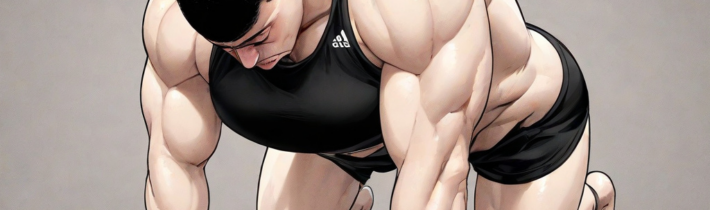
Burpees are a full-body, high-intensity exercise that combines strength and cardio. However, many people perform them incorrectly, risking injury or reducing their effectiveness. This article explores the most common burpee mistakes and provides actionable solutions to help you maximize results while minimizing harm.
Mistake 1: Skipping the Squat Depth
One of the most frequent errors is not lowering into a full squat during the burpee. This often happens when individuals rush or prioritize speed over form. A shallow squat limits muscle engagement and reduces the exercise’s cardiovascular benefits.
For example, if you only bend your knees slightly while performing a burpee, you skip activating your quads and glutes effectively. Over time, this can lead to imbalanced muscle development or strain in the lower back.
To correct this, focus on descending until your thighs are parallel to the ground. Place your hands on the floor between your feet during the squat phase to ensure proper depth. Practice controlled movements to build muscle memory.
Mistake 2: Rushing Through the Movement
Burpees are often done too quickly, especially by beginners. This compromises form and reduces the workout’s intensity. Speed can cause you to neglect key components, like proper push-off or landing.
For instance, if you blast through the jump at the end of a burpee without engaging your legs, you miss out on explosive power. Similarly, landing with bent knees instead of absorbing impact can strain your joints.
Solution: Start with a slower tempo. Perform each phase of the burpee—squat, push-up, jump—deliberately. Gradually increase speed as your form improves. Use a metronome to maintain rhythm without sacrificing technique.
Mistake 3: Incorrect Foot Placement
Placing your feet too wide or too close during the squat phase disrupts balance and stability. A common error is spreading feet beyond shoulder width, which can lead to wobbling or falling.
Consider a scenario where someone’s feet are too narrow. This forces them to lean forward excessively, increasing the risk of neck or shoulder strain. Conversely, feet too wide make it harder to transition into a push-up.
Fix this by positioning your feet hip-width apart. Keep your knees tracking over your toes during the squat. This alignment promotes even weight distribution and safer movement.
Mistake 4: Neglecting Core Engagement
Failing to brace the core during a burpee is a silent but dangerous mistake. Without core activation, the lower back bears excessive load, increasing injury risk.
For example, if you arch your lower back while doing a burpee, you may experience discomfort or pain. This often happens when people focus solely on the arms or legs.
To avoid this, engage your abdominal muscles before starting. Imagine pulling your belly button toward your spine. Maintain this tension throughout the exercise, especially during the squat and push-up phases.
Mistake 5: Improper Hand Placement During Push-Ups
Placing hands too wide or too narrow during the push-up portion of a burpee can strain the shoulders or reduce effectiveness. A common issue is splaying the hands outward, which shifts weight away from the chest.
Imagine someone doing push-ups with hands wider than their shoulders. This can lead to shoulder impingement over time. Similarly, hands too close may overload the triceps.
Solution: Keep hands shoulder-width apart. Align them with your chest during the push-up. This ensures proper shoulder engagement and reduces joint stress.
Mistake 6: Poor Breathing Technique
Many people hold their breath or inhale incorrectly during burpees. This disrupts oxygen flow and can cause dizziness or fatigue.
For example, if you exhale during the jump phase, you may not have enough air to power the movement. Conversely, holding your breath during the squat can lead to lightheadedness.
Practice rhythmic breathing: inhale during the squat and exhale during the push-up and jump. This coordination enhances endurance and prevents strain.
Mistake 7: Overlooking Landing Technique
Landing flat-footed or stiff-legged at the end of a burpee can jar the knees and ankles. This mistake is common when people focus only on the upward motion.
Consider a scenario where someone lands with locked knees. This increases impact and injury risk, especially for beginners. Similarly, landing on the heels can strain the calves.
To correct this, aim for a soft, controlled landing. Bend your knees slightly and distribute weight evenly across your feet. This reduces shock and improves joint health.
Mistake 8: Not Scaling the Exercise
Attempting full burpees without proper conditioning is a frequent error. This leads to poor form and potential injuries.
For instance, a beginner might try to do 20 burpees in a row without adapting the movement. This can result in collapsing during the squat or failing to engage muscles properly.
Solution: Modify the exercise as needed. Remove the jump, perform step-backs instead of jumps, or do wall burpees. Gradually build up to full burpees as strength and endurance improve.
Mistake 9: Ignoring Rest and Recovery
Overdoing burpees without adequate recovery is a hidden mistake. This can lead to overtraining, muscle fatigue, or joint issues.
Imagine someone doing burpees daily without rest. Their muscles may not recover, leading to decreased performance or injury. Similarly, skipping warm-ups or cool-downs exacerbates the problem.
Solution: Allow at least 48 hours between intense burpee sessions. Incorporate rest days or lower-intensity workouts. Include dynamic stretches before and static stretches after to promote recovery.
Mistake 10: Misjudging the Push-Up Position
The push-up phase of a burpee is where many exercisers compromise their entire movement pattern. A common error involves performing the push-up from an unstable position, often by dropping the hips or allowing the body to sag. This misalignment places unnecessary stress on the shoulders and lower back while reducing the exercise’s upper-body strengthening benefits.
For instance, when transitioning from the squat to the plank position, some individuals fail to keep their feet planted firmly. This creates a gap between their hands and feet, making the push-up disproportionately difficult and increasing the risk of wrist strain. Additionally, if the hips drop during the push-up, the core becomes disengaged, negating one of the burpee’s key full-body benefits.
To correct this, focus on maintaining a straight line from head to heels throughout the push-up. Your feet should remain close to your hands, and your core should stay tight to prevent sagging. If standard push-ups prove challenging, begin with incline variations—placing your hands on a sturdy bench or wall—to build strength progressively. Over time, you can decrease the incline until you master the floor version.
Mistake 11: Inconsistent Foot Contact During Transition
The transition from the plank back to the standing position is often rushed, leading to inconsistent foot contact with the ground. This mistake occurs when individuals jump their feet forward without first ensuring both feet are flat and stable. Poor foot placement during this phase can disrupt balance and reduce the explosive power of the final jump.
Consider an example where someone kicks their leading foot forward while the trailing foot remains airborne. This uneven movement pattern forces the body to compensate, potentially straining the hip flexors or lower back. It also diminishes the cardiovascular and plyometric effects of the burpee.
A practical solution involves treating the foot return as a deliberate step rather than a jump. Bring your feet forward one at a time, ensuring each foot makes solid contact with the floor before initiating the jump. This controlled approach builds momentum and coordination, making the final vertical leap more powerful and controlled.
Mistake 12: Overthinking the Movement
While proper form is essential, overanalyzing each component of the burpee can paradoxically lead to worse performance. Some individuals become so focused on individual segments—squat depth, hand placement, breathing—that they lose the fluidity necessary for an effective burpee. This mental interference often results in choppy, inefficient movements that fatigue muscles prematurely.
For example, a person might pause excessively between phases, turning a continuous motion into a series of disconnected steps. This not only reduces the exercise’s intensity but also breaks the rhythm needed for endurance training.
To maintain flow, practice the burpee as one cohesive motion with clear mental cues rather than rigid technical instructions. Use simple reminders like ‘sink, push, explode’ to guide your movement. Over time, muscle memory will take over, allowing you to execute burpees with both precision and efficiency.
Mistake 13: Neglecting Joint Mobility
Limited mobility in key joints—particularly the ankles, hips, and shoulders—can severely impact burpee performance and increase injury risk. When ankle dorsiflexion is restricted, for example, the squat depth naturally decreases, forcing the knees to compensate. Similarly, tight hip flexors can prevent proper knee drive during the jump phase, while shoulder inflexibility hampers the push-up range of motion.
Imagine attempting a burpee with stiff ankles: you may find yourself leaning forward excessively to reach the ground, which strains the lower back and shoulders. Over time, this compensatory pattern can lead to chronic discomfort or muscle imbalances.
Address mobility limitations through targeted stretching and mobility drills. Perform ankle circles, hip flexor stretches, and shoulder dislocates before burpee sessions. Consider incorporating foam rolling into your routine to release muscle tension. Improving joint mobility will enhance your range of motion, reduce injury risk, and make each burpee feel more natural and controlled.
Mistake 14: Poor Progression Planning
Many individuals attempt to jump directly into high-repetition burpees without a structured progression plan. This all-or-nothing approach often leads to burnout, poor form, or injury. Effective burpee training requires a gradual build-up of strength, endurance, and neuromuscular coordination.
For instance, a beginner might start with 20 consecutive burpees and find themselves unable to complete the set with proper form. This frustration can discourage continued practice and lead to abandonment of the exercise entirely.
Create a progressive plan that starts with modified versions and short sets. Begin with 3–5 burpees using step-backs instead of jumps, then gradually increase repetitions by one or two each week. Once you can perform 15–20 clean reps, introduce the jump phase. Track your progress and adjust intensity based on recovery and form maintenance. This methodical approach ensures sustainable improvement and long-term adherence.
Mistake 15: Ignoring Individual Biomechanics
Each person has unique biomechanical characteristics—limb length, joint structure, muscle imbalances—that influence how burpees should be performed. Ignoring these factors and applying a one-size-fits-all approach can lead to inefficiencies and injury. For example, someone with longer femurs may struggle with standard squat depth, while a person with hypermobile joints might need to limit their range of motion to protect vulnerable areas.
Consider an individual with weak posterior chain muscles (glutes and hamstrings). Performing traditional burpees without addressing this weakness could exacerbate lower back pain. Similarly, someone with limited thoracic spine mobility may need to modify their push-up position to avoid shoulder strain.
To optimize your burpee technique, assess your body’s strengths and limitations. Work with a qualified trainer if possible, or use video analysis to identify form breakdowns. Adjust foot placement, hand position, or range of motion based on your anatomy. The goal is not to perform the ‘perfect’ burpee but the most sustainable and effective version for your body.
Mistake 16: Underestimating the Mental Component
Burpees are as much a mental challenge as they are physical. Many people underestimate the psychological demands of this exercise, leading to premature fatigue or mental burnout during workouts. The combination of full-body exertion, repetitive motion, and perceived exertion can trigger negative thought patterns that undermine performance.
For example, during a high-rep burpee set, some individuals begin to think, ‘I can’t do this,’ or ‘This is too hard,’ which accelerates fatigue and causes form to deteriorate. This mental resistance often leads to early termination of the set or avoidance of future burpee sessions.
Develop mental resilience through strategic preparation. Practice positive self-talk before and during workouts: replace ‘This is exhausting’ with ‘I’m building strength.’ Use pacing techniques to manage effort levels, and break large sets into smaller, more manageable chunks mentally. Visualization—imagining yourself completing burpees with good form—can also reduce perceived difficulty and enhance confidence.
Mistake 17: Failing to Integrate Breathing with Effort
While basic breathing patterns were covered earlier, the relationship between breathing and workout intensity deserves deeper exploration. Many exercisers fail to adjust their breathing according to the phase of the burpee, leading to inefficient oxygen delivery and premature fatigue. The exhale should coincide with exertion, while the inhale should occur during recovery phases.
For instance, exhaling during the push-up and jump maximizes intra-abdominal pressure and power output. Conversely, inhaling during the squat phase allows for better oxygen intake when the diaphragm is expanded. Holding breath at any point disrupts this rhythm and can cause dangerous spikes in blood pressure, especially in individuals with cardiovascular concerns.
Practice controlled breathing using the ‘power breath’ technique: inhale deeply through the nose during the squat, then forcefully exhale through the mouth during the push-up and jump. This not only enhances performance but also helps maintain focus and calm under physical stress.
Mistake 18: Not Accounting for Fatigue Accumulation
During longer burpee sessions or circuits, fatigue accumulates rapidly due to the exercise’s demanding nature. Many people fail to recognize how fatigue affects movement quality and instead push through with compromised form, increasing injury risk. As muscles tire, stabilization becomes more difficult, and compensation patterns emerge.
Consider a circuit that includes burpees after planks or jump squats: the added fatigue from previous exercises can drastically alter your burpee mechanics. Your knees may cave during the squat, or your lower back may arch during the push-up. These subtle changes are often unnoticed but can lead to injury over time.
Monitor your form constantly, especially in later sets. If you notice breakdown, take a brief pause to reset your posture before continuing. Alternatively, reduce the number of repetitions or substitute with a less fatiguing variation. Prioritizing form over volume ensures long-term progress without setbacks.
Mistake 19: Overlooking Post-Exercise Assessment
Many individuals complete their burpee workout and move on without assessing how their body responded. This oversight prevents valuable learning opportunities and can lead to repeated mistakes. Paying attention to how you feel after burpees—what muscles were targeted, where you felt strain, and how your breathing pattern held up—can inform future training decisions.
For example, if you consistently feel soreness in your lower back after burpees, it may indicate inadequate core engagement or hip mobility limitations. Similarly, excessive fatigue in the quads could suggest overemphasis on the squat phase without proper recovery between sessions.
After each workout, spend 2–3 minutes reflecting: Did my form hold up? Which phases felt strongest or weakest? How was my breathing? Use this insight to adjust your next session—whether that means adding mobility work, modifying reps, or incorporating complementary exercises like glute bridges or plank variations.
Mistake 20: Neglecting Complementary Strengthening
Burpees alone cannot address all muscular imbalances or strengthen every muscle group necessary for optimal performance. Some individuals rely solely on burpees for fitness, which can lead to overuse injuries or underdeveloped areas. Specific weaknesses in the shoulders, hips, or core will limit burpee efficiency and increase injury risk over time.
For instance, weak rotator cuff muscles can cause shoulder impingement during the push-up phase. Limited glute activation reduces power during the jump, while poor thoracic mobility restricts upper-body extension. These deficiencies compound with repeated burpee practice, creating a cycle of compensation and injury.
Incorporate targeted strengthening exercises into your routine. Add rotator cuff endurance work, glute activation drills, and thoracic extension stretches. Exercises like band pull-aparts, single-leg glute bridges, and cat-cow stretches complement burpee training by addressing common weaknesses. This holistic approach ensures balanced development and maximizes the benefits of your burpee practice.
Frequently Asked Questions
1. How many burpees should I do per session?
Start with 5-10 burpees and increase gradually. Focus on quality over quantity to avoid burnout or injury.
2. Can burpees help with weight loss?
Yes, burpees are effective for burning calories. However, combine them with a balanced diet and other exercises for optimal results.
3. Are burpees safe for beginners?
With proper form and modifications, yes. Start with step-back burpees or reduce the range of motion to build strength first.
4. Why do my knees hurt after burpees?
Knee pain often results from poor landing technique or weak quadriceps. Ensure you land softly and strengthen your legs with targeted exercises.
5. Should I do burpees every day?
No, daily burpees increase injury risk. Aim for 2-3 times per week with rest days in between to allow muscles to recover.
Related posts:
 Perfect Your Jump Lunge Technique
 Perfect Your Squat Form
 Perfect Your Jump Lunge Technique
 The full-body strength workout to master the front squat, from pelvic floor to shoulders
 Mastering the Reverse Burpee
 Beginner’s Jump Rope Workout
 Perfect Your Knee-to-Squat Jump
 46. Bala Jump Rope: The Ultimate Review