Introduction
Cooking is an art, but it can become a disaster if not done correctly. Even experienced cooks can make mistakes that affect the taste, texture, and appearance of their dishes. In this article, we will explore some common cooking mistakes and provide tips on how to avoid them, ensuring your culinary creations are always a success.
1. Overcrowding the Pan
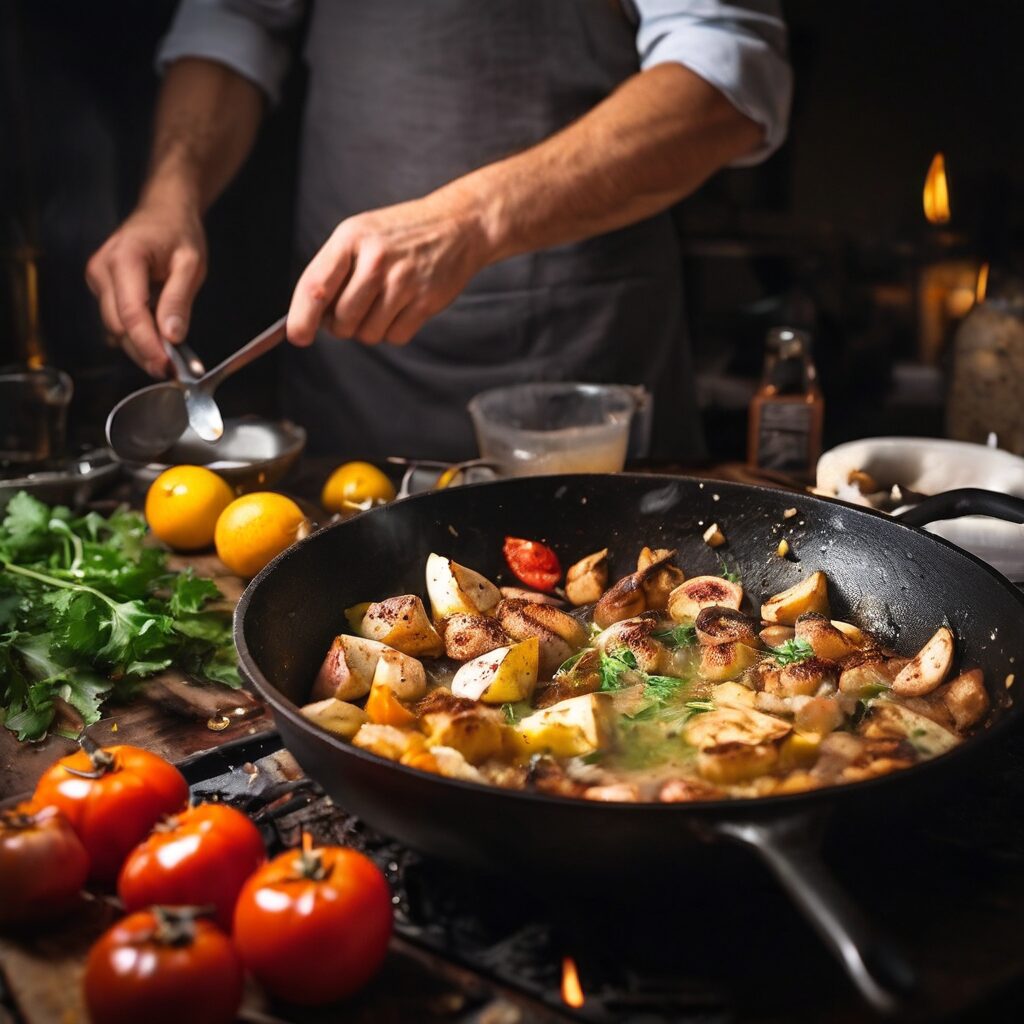
One of the most frequent mistakes cooks make is overcrowding the pan. When you put too much food in a pan, the temperature drops, causing the food to steam rather than sear. This results in a lack of browning and a soggy texture.
Solution: Cook in batches. Give each piece of food enough space to ensure proper browning and caramelization. This not only enhances the flavor but also improves the texture of your dish.
2. Not Preheating the Pan
Skipping the preheating step can lead to uneven cooking and sticking. A cold pan causes food to absorb oil, leading to greasy and unevenly cooked meals.
Solution: Take the time to preheat your pan before adding any ingredients. A properly preheated pan will sear the food quickly, locking in flavors and preventing sticking.
3. Using Dull Knives
Using a dull knife is not only frustrating but also dangerous. It requires more force to cut through food, increasing the risk of slipping and cutting yourself. Moreover, it can damage delicate ingredients.
Solution: Regularly sharpen your knives and invest in a good-quality knife sharpener. Sharp knives make your prep work faster, safer, and more efficient.
4. Measuring Ingredients Incorrectly
Inaccurate measurements can ruin a recipe, especially in baking where precision is crucial. Using the wrong measuring tools or not leveling off ingredients can lead to disastrous results.
Solution: Use the correct measuring tools for the job. Dry ingredients should be measured with dry measuring cups and spoons, while liquids should be measured with liquid measuring cups. Always level off your measurements for accuracy.
5. Ignoring Resting Times
Many recipes require resting times for doughs, meats, and other ingredients. Ignoring these instructions can affect the texture and flavor of the final dish.
Solution: Follow the recipe and allow ingredients to rest as specified. Resting times are crucial for allowing flavors to meld and for achieving the desired texture.
6. Mismanaging Heat: The Difference Between Simmering and Boiling
One of the most nuanced yet impactful mistakes in the kitchen is failing to distinguish between a simmer and a boil. Many home cooks treat these as interchangeable, but the difference in temperature—roughly 185°F to 205°F for a simmer versus 212°F for a boil—can make or break the texture of your proteins and the clarity of your stocks. When you boil a stew or a braise, the aggressive agitation of the water physically tears apart delicate muscle fibers, leading to meat that is stringy and dry rather than melt-in-your-mouth tender. High heat also causes proteins to contract rapidly, squeezing out moisture like a wrung-out sponge.
To avoid this, look for “lazy bubbles.” A true simmer should show small bubbles breaking the surface occasionally, perhaps every second or two, rather than the violent, rolling eruption of a full boil. This is particularly critical when working with dairy-based sauces; boiling a cream or milk-based liquid often causes it to “break” or curdle, as the high heat destabilizes the emulsion of fats and proteins. If you see your sauce beginning to foam or rise rapidly, immediately reduce the heat or move the pan to a cool burner to stabilize the temperature. Mastering the art of the low-and-slow simmer is the secret to rich, velvety textures in everything from Bolognese to chicken soup.
7. Under-Seasoning and the Timing of Salt
While the existing article touches on measurement, the *timing* and *layering* of seasoning are even more vital. A common error is adding salt only at the very end of the cooking process. When you salt at the finish line, the salt sits on the surface of the food, providing a sharp, salty hit that doesn’t actually enhance the internal flavors of the ingredients. To achieve a deep, rounded flavor profile, you must season in layers. This means salting your onions as they sauté to draw out moisture, salting your meat before it hits the pan to allow the crystals to penetrate the fibers, and salting your pasta water until it “tastes like the sea.”
Edge cases exist, however. For instance, salting mushrooms too early can prevent them from browning because the salt draws out water immediately, causing them to steam in their own juices. In that specific scenario, you should wait until the mushrooms have browned before adding salt. Furthermore, many cooks forget the “acid” component of seasoning. If a dish tastes flat or “heavy” even after you’ve added salt, the mistake isn’t a lack of sodium—it’s a lack of acidity. A squeeze of lemon juice or a teaspoon of apple cider vinegar can brighten a dull lentil soup or a fatty roast, acting as a chemical highlighter for the flavors already present. Always taste your food at every stage; if it doesn’t taste good mid-way through, it likely won’t taste good at the end.
8. Cooking Meat Straight from the Refrigerator
Thermal shock is a real phenomenon that ruins many expensive cuts of meat. A frequent mistake is taking a steak, chicken breast, or pork chop directly from the 38°F environment of the refrigerator and dropping it into a 400°F pan. The result is a classic “bullseye” effect: the outside of the meat becomes overcooked and charred by the time the icy center reaches a safe internal temperature. This leads to a tough, rubbery outer ring and a center that may still be dangerously underdone or lacking the desired texture.
The solution is “tempering” your meat. For smaller cuts like steaks or chops, take them out of the fridge 30 to 45 minutes before cooking. For larger roasts or a whole turkey, this might require one to two hours. Allowing the protein to approach room temperature ensures that the heat from the pan can penetrate the center more efficiently, resulting in even cooking from edge to edge. While you wait, this is also the perfect time to pat the meat dry with paper towels. Any surface moisture will turn into steam the moment it hits the pan, preventing the Maillard reaction (the chemical process that creates that delicious brown crust). A dry, room-temperature steak is the only way to achieve a professional-grade sear.
9. Choosing the Wrong Oil for the Heat Level
Not all fats are created equal, and using a delicate fat for a high-heat task is a recipe for acrid, bitter food and a smoky kitchen. Every oil has a “smoke point”—the temperature at which it begins to break down and release carcinogenic smoke and unpleasant flavors. A common mistake is using extra virgin olive oil (EVOO) for high-heat searing or stir-frying. EVOO has a relatively low smoke point (around 325°F-375°F) and contains volatile compounds that burn easily. When these oils smoke, they undergo a chemical change that imparts a scorched, metallic taste to your food.
For high-heat applications like searing steak or roasting vegetables at 425°F, opt for neutral oils with high smoke points, such as avocado oil, grapeseed oil, or refined canola oil. Save the expensive, flavorful extra virgin olive oils and nut oils (like walnut or toasted sesame oil) for finishing dishes, making salad dressings, or low-heat sautéing. Another nuance is the use of butter. While butter provides incredible flavor, its milk solids burn quickly. If you want the flavor of butter with the heat tolerance of oil, try using ghee (clarified butter) or a 50/50 mix of butter and a high-smoke-point oil to buffer the temperature and prevent the milk solids from turning black and bitter.
10. Over-Stirring and Constant Agitation
There is a common psychological urge to constantly move food around in the pan, but this “fidgety cooking” is often the enemy of flavor development. Whether you are searing scallops, browning ground beef, or sautéing potatoes, the food needs prolonged, uninterrupted contact with the hot surface to develop a crust. Every time you lift a piece of meat to check it or stir a pan of vegetables, you drop the surface temperature and interrupt the caramelization process. This often leads to food that looks grey and boiled rather than golden and crisp.
Learn the power of patience. When you place a protein in a hot pan, it will often “stick” initially. This is a natural part of the process. Once the proteins have properly seared and formed a crust, the food will naturally “release” from the pan. If you try to flip a piece of fish and it feels stuck, it’s usually the kitchen’s way of telling you it’s not ready yet. Give it another minute. The only exceptions to this rule are dishes like risotto or certain custards, where constant agitation is required to release starches or ensure even thickening. For almost everything else—especially proteins and roasted vegetables—less is more. Set it, forget it for a few minutes, and let the heat do the work.
11. Misunderstanding the Order of Aromatics
The foundation of many great dishes starts with “aromatics”—onions, garlic, ginger, and celery. However, a very common mistake is tossing them all into the pan at the same time. Garlic, in particular, contains very little moisture and is sliced or minced much smaller than onions. If you sauté garlic and onions together from the start, the garlic will likely burn and turn bitter long before the onions have even become translucent. Burnt garlic is one of the hardest flavors to mask; it permeates the entire dish with a sharp, acrid quality that can’t be fixed.
The correct approach is a staggered entry. Start with the heartier vegetables that require more time to soften and release their sugars, such as onions, carrots, and bell peppers. Once these are nearly finished, create a small well in the center of the pan and add your more delicate aromatics like minced garlic, ginger, or fresh chili. These usually only need 30 to 60 seconds of heat to become fragrant and release their essential oils. This “blooming” technique ensures you get the maximum aromatic impact without the risk of carbonizing the smaller pieces. The same rule applies to dried spices; adding them to the oil for a brief moment before adding liquids (like stock or crushed tomatoes) allows their fat-soluble flavors to wake up and distribute evenly throughout the dish.
12. Using the Wrong Material for the Job
Cookware isn’t just about size; it’s about material properties. A major mistake is using a non-stick skillet for tasks that require high heat and searing. Non-stick coatings are designed for delicate items like eggs, crepes, or fish, but they are poor conductors of high heat and can actually degrade or release toxic fumes if heated to the temperatures required for a proper sear. Furthermore, because the surface is so slick, it prevents the formation of “fond”—those little brown bits stuck to the bottom of the pan that form the base of a great pan sauce.
For searing meat or charring vegetables, reach for cast iron or stainless steel. Cast iron has incredible thermal mass, meaning it stays hot even when you drop a cold steak onto it, ensuring a consistent crust. Stainless steel is excellent for heat distribution and for creating that necessary fond. On the flip side, avoid using reactive metals like aluminum or unlined copper when cooking acidic foods like tomato sauce or lemon-based dishes. The acid can react with the metal, leaching a tinny, metallic taste into your food and discoloring the sauce. Understanding the “why” behind your choice of pan is just as important as the recipe itself; matching the material to the technique is a hallmark of an advanced cook.
FAQ
What happens if you overcrowd the pan?
Overcrowding the pan lowers the temperature, causing food to steam instead of sear. This results in soggy, unevenly cooked food.
How can I avoid using a dull knife?
Regularly sharpen your knives and invest in a quality knife sharpener. Sharp knives are safer and more efficient.
Why is preheating the pan important?
Preheating the pan ensures even cooking and prevents food from sticking. It helps in searing food quickly, locking in flavors.
What is the correct way to measure ingredients?
Use dry measuring cups for dry ingredients and liquid measuring cups for liquids. Always level off your measurements for accuracy.
Why are resting times important in recipes?
Resting times allow flavors to meld and help achieve the desired texture in the final dish. Ignoring them can affect the outcome of your recipe.
Conclusion
Avoiding these common cooking mistakes can significantly improve your culinary skills. By paying attention to details and following these tips, you can create delicious, well-cooked meals every time. Happy cooking!
Related posts:
 Beyond Breakfast: The Plant-Based Sausage That’s Changing the Morning Game
 Delicious Ground Chicken Recipes
 Understanding Meat Extenders
 The Meat Blend Trend That’s Taking Over Grocery Stores
 HexClad: Gordon Ramsay’s Choice
 Perfect Scrambled Eggs Tutorial
 15-Minute Dairy-Free Dinner Ideas
 One Pan Wonder: The Fried Rice Recipe That Will Change Your Meal Prep Game