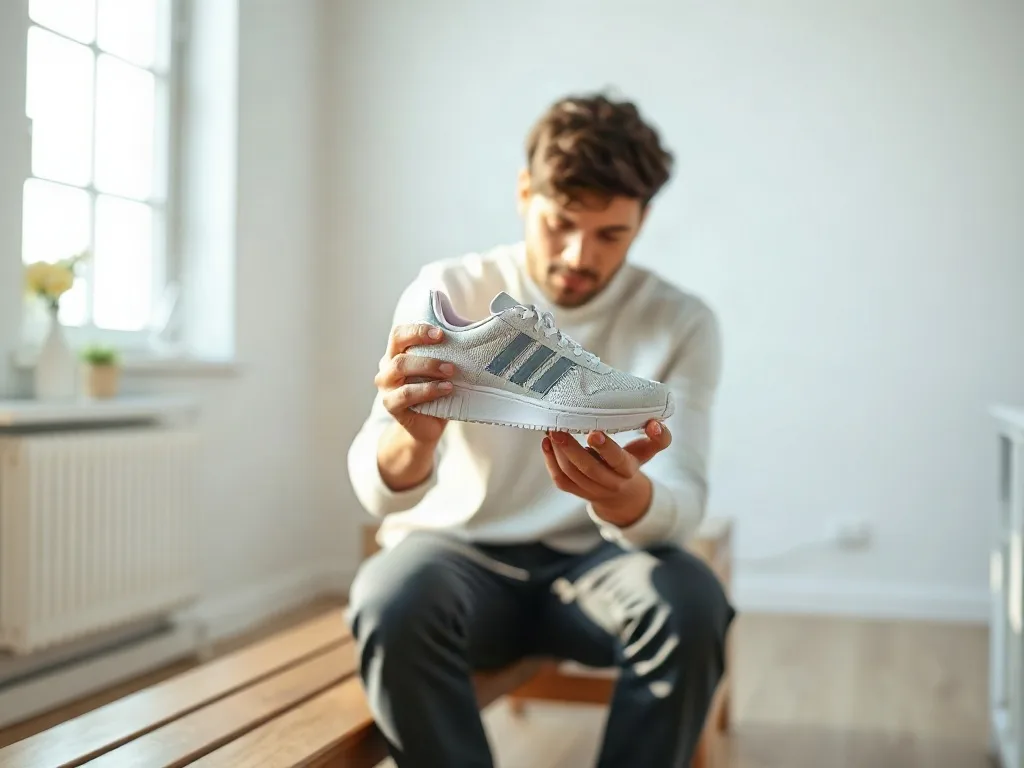
Whether you’re a seasoned runner, a casual walker, or someone who just loves a comfortable pair of shoes, sneakers are a staple in nearly every wardrobe. But with so many options, technologies, and terms floating around, it’s easy to feel overwhelmed. From deciphering the difference between stability and cushioning to figuring out when it’s truly time for a new pair, we all have questions. This guide tackles the most common sneaker questions head-on, providing clear, actionable answers to help you make informed choices and get the most out of your footwear.
Key takeaways
- Match shoes to your activity; running shoes handle high impact while walking shoes support a heel-to-toe rolling motion.
- Replace running shoes every 300-500 miles and walking shoes every 500-700 miles to maintain proper cushioning and support.
- Performance sneakers should feel comfortable immediately; if they pinch or cause hot spots, they are the wrong fit.
- Shop for shoes in the late afternoon when feet are largest and ensure a thumbnail’s width of toe space.
- Clean sneakers by hand using mild soap and air dry them; avoid washing machines and dryers to prevent damage.
What’s the Real Difference Between Running Shoes and Walking Shoes?
This is one of the most frequent points of confusion. While they may look similar, running and walking shoes are engineered for different biomechanics. The key distinction lies in the gait cycle.
When you run, you have a “flight phase” where both feet are off the ground. You land with significantly more force—often 2-3 times your body weight—typically on your midfoot or forefoot. Running shoes are built to absorb this vertical impact and provide responsive cushioning to propel you forward into the next stride. They often have more flexible forefoot areas to facilitate the toe-off motion.
Walking, however, is a continuous, heel-to-toe motion with one foot always on the ground. The impact is lower but more repetitive. Walking shoes prioritize stability and support through a smoother heel-to-toe transition (known as the “rollbar” or rocker design). They usually have a stiffer forefoot and a beveled or rounded heel to encourage a natural rolling motion and reduce strain on shins and Achilles tendons.
Practical Takeaway: You can technically walk in running shoes and vice versa, but for optimal comfort and injury prevention, match the shoe to the primary activity. If you do a mix, a versatile “cross-training” shoe designed for gym work and lateral movement can be a good middle ground.
How Do I Know If I Need Stability, Neutral, or Motion Control Shoes?
This relates to your foot’s pronation—the natural inward roll of your foot after heel strike. Identifying your type is crucial for comfort.
- Neutral Pronation: Your foot rolls inward about 15%, optimally distributing impact. Look for neutral shoes with balanced cushioning and flexibility.
- Overpronation: Your foot rolls inward excessively. This can lead to issues like shin splints or plantar fasciitis. Stability shoes feature firmer foam on the inner edge (medial post) or guided support rails to prevent the ankle from rolling too far.
- Underpronation (Supination): Your foot doesn’t roll inward enough, placing pressure on the outer edge. You need highly cushioned, flexible neutral shoes that absorb shock on the lateral side. True “motion control” shoes are for severe overpronators with high body weight and are very rigid.
The Wet Foot Test: A simple home method. Wet the bottom of your foot and step onto a piece of cardboard or paper towel. A full, wide imprint suggests a low arch (often linked to overpronation). A print with a narrow band connecting heel and forefoot indicates a high arch (often linked to underpronation). A clear curve along the inside shows a neutral arch. For the most accurate assessment, visit a specialty running store for a gait analysis.
How Often Should I Replace My Sneakers?
Forget the strict “every 6 months” rule. Replacement is based on mileage, not time. The midsole foam—the part that provides cushioning—compresses and loses its resiliency with use, long before the outsole tread wears out.
General Guidelines:
- Running Shoes: Every 300-500 miles. If you run 20 miles a week, that’s every 4-6 months.
- Walking Shoes: Every 500-700 miles.
- Casual/Gym Shoes: Every 6-12 months with regular use.
Signs It’s Time:
- Loss of Comfort: Your legs feel more fatigued, or you notice new aches in your knees, shins, or feet.
- Visible Wear: While outsole wear is normal, severe uneven wear patterns or compressed, wrinkled midsoles are red flags.
- Fold Test: Try to fold the shoe in half. A new shoe will resist. If it folds easily, the midsole is dead.
Rotating between two pairs can extend the life of each by allowing the foam to fully decompress between uses.
Should I “Break In” New Sneakers?
This is a persistent myth. Modern performance sneakers, especially running shoes, should feel comfortable immediately. The materials are engineered to perform right out of the box. The concept of “breaking in” often comes from leather dress shoes that need to mold to your foot.
If new sneakers feel stiff, pinch, or cause hot spots, they are likely not the right fit or model for your foot. Don’t suffer through blisters hoping they’ll get better; they probably won’t. Instead, use your first few wears for short, easy walks around the house to ensure there are no pressure points before committing to a long walk or run.
The only valid exception might be some minimalist or barefoot-style shoes, which require your feet and lower legs to adapt gradually to the new movement patterns over weeks, not because the shoe itself changes.
How Should Sneakers Actually Fit?
A proper fit is non-negotiable. Most people wear their sneakers too small.
- Toe Box: You should have about a thumbnail’s width (roughly ½ inch) of space between your longest toe (which isn’t always the big toe) and the end of the shoe. Your toes should be able to wiggle freely without touching the sides or top.
- Width: The shoe should feel snug but not tight across the widest part of your foot (the ball). You shouldn’t feel any pinching or have your foot spilling over the side of the footbed.
- Heel: Your heel should be held firmly without slipping. A slight amount of movement is normal, but excessive slippage can cause blisters. Use the “runner’s loop” lacing technique to lock the heel in place if needed.
- Timing: Shop for shoes in the late afternoon or after a workout, when your feet are naturally at their largest due to swelling.
- Socks Matter: Try shoes on with the type of socks you plan to wear with them (e.g., running socks are often thinner than cotton crew socks).
Can I Wash My Sneakers in the Washing Machine?
The short answer: it’s a risk. While many modern sneakers with synthetic uppers and glued construction can survive a gentle, cold machine cycle, it’s not recommended as a regular practice. The agitation can degrade adhesives, damage cushioning foams, and misshape the shoe.
A Safer, Step-by-Step Cleaning Method:
- Remove Laces & Insoles: Wash these separately by hand or in a laundry bag.
- Dry Brush: Use a soft brush (old toothbrush works) to remove loose dirt and mud.
- Create a Mild Solution: Mix a small amount of mild detergent (like dish soap) with cool water.
- Spot Clean: Dip your brush in the solution and gently scrub the upper, midsole, and outsole. Avoid soaking the shoe.
- Rinse: Wipe with a cloth dampened with clean water to remove soap residue.
- Dry: Stuff the shoes with paper towels or a dry cloth to absorb moisture and help them retain shape. Air dry at room temperature, away from direct heat or sunlight. Never put shoes in the dryer.
For stubborn stains on white midsoles, a paste of baking soda and hydrogen peroxide can be applied carefully.
What Do All These Shoe Technologies Actually Mean?
Marketing terms can be confusing. Here’s a plain-language decoder:
- EVA (Ethylene-Vinyl Acetate): The traditional, lightweight foam used in midsoles for basic cushioning. It compresses over time.
- PU (Polyurethane): A denser, more durable foam than EVA, often used in stability posts or trail shoes. It’s heavier but longer-lasting.
- TPU (Thermoplastic Polyurethane) & Pebax®: Used in advanced “energy-return” foams (like Adidas Boost, Nike ZoomX, PWRRUN PB). These materials are designed to be both soft and responsive, compressing on impact and springing back to propel you forward.
- Air Units, Gel, Wave Plates: These are embedded components for targeted cushioning or stability. Nike Air is pressurized gas, Asics Gel is a silicone-based cushioning pod, and Mizuno Wave is a plastic plate that provides stability.
- Carbon Fiber Plates: Rigid plates embedded in the midsole of super shoes. They don’t provide spring themselves but act as a lever, increasing the efficiency of the high-tech foam and reducing calf muscle strain, which can improve running economy.
- Upper Materials: Look for terms like “engineered mesh” (lightweight, breathable zones), “Knit” (flexible, sock-like fit), and “TPU overlays” (reinforced areas for structure and support).
The best technology is the one you don’t notice—it simply makes the shoe work better for your specific foot and activity.
Are Expensive Sneakers Worth the Money?
Price doesn’t always equal perfect fit, but it often correlates with advanced materials, research, and construction quality. A $60 shoe will likely use basic EVA foam and simpler construction. A $160+ running shoe will typically feature premium, durable energy-return foams, sophisticated stability systems, and lighter, more breathable uppers.
When to Invest:
- You’re logging high weekly mileage for running or walking.
- You have specific biomechanical needs (e.g., need for high stability).
- You’re recovering from or prone to injury.
- You value long-term durability and performance consistency.
When You Can Save:
- You need shoes primarily for casual, everyday wear.
- Your activity level is low to moderate.
- You find a previous season’s model (which often has the same core tech) on sale.
The best shoe for you is the one that fits well, feels comfortable, and suits your budget and activity level. Don’t feel pressured to buy the most expensive model; a well-fitted mid-range shoe is far better than a poorly fitted top-tier one.
How Do I Choose the Right Sneaker for My Specific Activity?
Match the tool to the task. Here’s a quick guide:
- Road Running: Focus on cushioning, weight, and your pronation type. Look for dedicated road running shoes.
- Trail Running/Hiking: Prioritize grip (aggressive lug pattern), protection (rock plates), durability, and often some waterproofing (e.g., Gore-Tex). They have stiffer, more stable platforms.
- Gym & Cross-Training: You need a flat, stable base for weightlifting (minimal cushioning) but also flexibility for agility work. Cross-training shoes offer a compromise with lateral support and a firmer heel.
- Walking: Look for flexible forefoot, good heel cushioning, and a rocker sole design. Breathability is key for comfort.
- Everyday/Casual: Comfort and style merge here. Look for supportive insoles and cushioned midsoles from brands known for comfort (e.g., some styles from New Balance, Brooks, Hoka).
- Court Sports (Tennis, Basketball): These require ankle support, stiff lateral support to prevent rolling, and soles designed for specific court surfaces.
Understanding and Troubleshooting Sneaker Discomfort: Beyond the Wrong Size
Even with a seemingly proper fit, sneakers can cause specific, localized pain that isn’t immediately attributable to size. Identifying the source requires a systematic approach. Arch discomfort often stems from a mismatch between the shoe’s built-in arch support and your foot’s natural contour. A support that’s too pronounced can create a pressure point, while insufficient support can lead to a fatiguing, collapsing sensation. The solution may be as simple as replacing the stock insole with a flat, neutral one or a more supportive aftermarket orthotic tailored to your arch height.
Toe-related issues like numbness, “hot spots,” or a bruised feeling under the toenails (common in runners) frequently point to a volume problem, not just length. If your foot is too high or wide for the shoe’s toe box profile, lacing can compress the top of your foot, impinging nerves and blood vessels. Try the “window lacing” technique: unlace the eyelets directly over the pressure point, creating a gap that relieves tension across the top of your foot while maintaining heel and midfoot security. For a bruised toenail sensation, ensure your thumbnail’s width of space accounts for foot swelling during activity and that you’re using a secure heel-lock lace to prevent your foot from sliding forward with each step.
Heel slippage and blisters at the back of the heel are a common frustration that can sabotage an otherwise good fit. Before giving up on a pair, master the “runner’s loop” or “heel-lock” lacing method. Instead of lacing straight across for the top two eyelets, run each lace end up the inside of the opposite eyelet, creating a loop. Then, cross the ends and thread them through these loops before tying. This creates a cradle that pulls the heel collar down and in, dramatically reducing movement. Persistent rubbing on the Achilles tendon can sometimes be solved by switching to a tab-less sock or applying a thin strip of moleskin to the inside of the shoe’s collar.
Decoding Wear Patterns: What Your Soles Are Telling You
The pattern of abrasion on your sneaker’s outsole is a direct readout of your biomechanics, offering clues that can prevent injury and guide your next purchase. A wear pattern concentrated on the outer edge of the heel is the most common and generally indicates a healthy, neutral strike. However, if that wear is severe and rapid, it might suggest you’re a heavy heel-striker who could benefit from shoes with additional heel cushioning or a rocker geometry to smooth your transition.
Excessive wear on the inner edge of the forefoot and big toe area strongly suggests overpronation. Your foot is rolling inward too far and pushing off primarily from the inside. This pattern validates the need for a stability shoe with a medial post or dual-density midsole. Conversely, wear predominantly on the outer edge from heel to little toe signals underpronation (supination). Shock isn’t being distributed effectively, placing stress on the lateral side of your leg. Your priority should be neutral shoes with ample, resilient cushioning, particularly on the outer edge, and high flexibility to encourage natural motion.
Uneven wear isn’t just about pronation. Asymmetric wear between your left and right shoes is surprisingly common and can indicate a leg length discrepancy, a past injury that altered your gait, or simply a dominant side. If one shoe’s outsole is significantly more worn, it’s a signal to pay attention to imbalances in your strength and mobility work. Finally, bald spots or extreme wear in the ball of the foot, especially in runners, can point to a stiff-soled shoe that isn’t allowing adequate toe-off flexibility, or it may indicate a gait that relies heavily on forefoot push. In this case, seek out models known for forefoot flexibility or a pronounced rocker design.
The Science of Cushioning: From Impact Absorption to Energy Return
Modern sneaker cushioning is a sophisticated balance of two often competing properties: softness (impact absorption) and responsiveness (energy return). Traditional EVA foam prioritizes softness; it compresses easily to dampen shock but returns little energy, feeling “dead” or “mushy” over time. Advanced foams like TPU-based Boost or Pebax-based ZoomX aim to solve this by using materials with a higher “elastic recovery.” These foams compress under load to absorb impact but have a molecular structure that springs back more completely, translating into a sensation of propulsion or “bounce.”
However, the feel of cushioning is highly subjective and situational. A maximalist, ultra-soft shoe like a Hoka Bondi provides exceptional shock absorption, ideal for recovery runs, long days on your feet, or those with joint sensitivities. The trade-off can be a less stable, “platform” feel and potentially reduced ground feedback. A firmer, responsive shoe like many Adidas models with Lightstrike Pro or a Saucony Endorphin Speed offers a snappier, faster ride that can feel more efficient for tempo runs or races, but may be less forgiving over very long distances for some athletes.
Plate technology, particularly carbon fiber plates, changes the equation further. The plate itself isn’t cushioning; it’s a rigid lever. When embedded within a thick, responsive foam midsole, it reduces the bending of the shoe and the strain on the calf and Achilles tendon during toe-off. This can improve “running economy”—the energy cost of maintaining a pace. It’s crucial to understand that these “super shoes” are optimized for forward motion at faster speeds. Their stiffness and geometry can feel awkward or unstable for walking, casual wear, or slow running. The performance benefit is real, but it’s specific to the context of efficient, straight-ahead running.
Navigating the World of Widths and Last Shapes
Length is only one dimension of fit; width and volume are equally critical and often overlooked. Brands use different “lasts”—the foot-shaped mold around which a shoe is built—which determine its fundamental shape. Some brands (like Altra) are known for foot-shaped lasts with exceptionally wide toe boxes. Others (like many Asics models) have a more tapered, performance-oriented fit. Knowing a brand’s or even a specific model’s last characteristic is key.
Standard width sizing (D for men, B for women) is just a starting point. If you feel the sides of your foot pressing against the upper or notice “muffin topping”—where your foot spills over the footbed—you likely need a wide version (2E, 4E). Conversely, if you have a narrow foot and must cinch the laces extremely tight to eliminate slippage, a narrow width might provide a more secure, glove-like fit. Don’t assume all models from a brand fit the same; a brand’s stability shoe often has a different, sometimes wider, last than its neutral counterpart to accommodate orthotics or different foot structures.
Volume refers to the total interior space of the shoe. A high-volume foot has a high instep or is generally thick from sole to top. A low-volume foot is flatter. You can adjust for volume through lacing: skip eyelets over a high instep or use a parallel lacing pattern to reduce pressure. For severe mismatches, seek out brands with known volume options—some New Balance and Brooks models, for instance, are available in different width and volume combinations. The goal is a secure hold without any points of excessive pressure or empty space that allows your foot to slide around.
Specialized Footwear for Common Medical and Lifestyle Considerations
Certain conditions demand specific sneaker features beyond basic pronation control. For individuals managing plantar fasciitis, a combination of firm heel counter stability, excellent arch support (often via a removable insole that can be swapped for a custom orthotic), and a moderate to high heel-to-toe drop (8-12mm) is recommended. The higher drop reduces tension on the plantar fascia ligament. Brands like Brooks, Asics (specifically the GT-2000 or Kayano lines), and Hoka (Arahi or Gaviota) often have models that hit these notes.
Those with bunions or hallux rigidus (stiff big toe) require a shoe with a soft, accommodating, and high-volume toe box to avoid pressure on the joint. Look for engineered mesh or knit uppers that can stretch, seamless interiors, and a flexible forefoot. Avoid shoes with stiff thermoplastic overlays that run over the bunion area. Models built on a “straight last” (where the big toe area is straighter, not curved inward) can also provide more room. Altra’s foot-shaped toe box is a prime example, as are certain wide-width models from New Balance.
For standing all day occupations, cushioning is important, but support and a rocker sole are paramount. A rocker geometry—where the sole is rounded to promote a smooth heel-to-toe roll—reduces the work required by your calf and shin muscles to move forward, combating fatigue. Combine this with a stable, not overly soft, platform. Nursing clogs from brands like Dansko or Sanita are built on this principle, but many sneaker brands incorporate it into their walking and “all-day comfort” lines. Look for terms like “rocker,” “rollbar,” or “rolling motion” in the product description.
The Environmental and Ethical Landscape of Sneaker Production
As consumers become more conscious, understanding a sneaker’s lifecycle impact is an emerging consideration. The environmental footprint is significant, stemming from virgin petroleum-based materials (polyester, synthetic rubber, plastic foams), energy-intensive manufacturing, and global shipping. In response, many brands are developing initiatives, though their depth varies. Recycled materials are now common, with uppers made from recycled polyester (often from plastic bottles) and midsoles incorporating recycled manufacturing scrap. While this reduces virgin plastic use, it doesn’t address end-of-life disposal.
Biological and biodegradable materials represent a more frontier approach. Some brands are experimenting with uppers made from algae-based foam, pineapple leaf fibers (Piñatex), or mycelium (mushroom leather), and midsoles from castor bean oil or natural rubber. The challenge is scaling these materials to meet performance and durability standards equivalent to synthetics. Furthermore, “biodegradable” is only meaningful in specific industrial composting conditions; a shoe tossed in a landfill likely won’t break down efficiently.
True circularity—where old shoes are collected, broken down, and the materials used to make new ones—is the holy grail but remains in its infancy due to the complexity of separating glued, multi-material composites. Brands like Nike (with Grind) and Adidas have take-back programs, but the output is often “downcycled” into playground surfaces or carpet padding, not new high-performance shoes. As a consumer, you can prioritize brands with transparent sustainability reports, look for high percentages of recycled content, and extend the life of your shoes through proper care and finding them a second life (like donating for casual wear) before disposal.
Advanced Care, Maintenance, and Long-Term Storage Strategies
Proper maintenance extends a sneaker’s functional life and preserves its appearance. For performance shoes, post-activity care is critical. After a run or workout, remove the insoles and loosen the laces to maximize airflow. If the shoes are damp, stuff them with crumpled newspaper or silica gel packs—never place them near a direct heat source like a radiator, which can warp the shape and degrade adhesives. Rotating between multiple pairs ensures each has at least 24-48 hours to fully dry and for the midsole foam to rebound, slowing compression fatigue.
For material-specific cleaning, go beyond basic soap. Knit uppers (like Flyknit or Primeknit) are prone to snagging; use a soft-bristle brush and avoid abrasive scrubbing. For suede or nubuck, use a specialized dry brush or eraser block first, and only use minimal water with a dedicated cleaner to avoid staining and hardening the material. Leather sneakers benefit from a damp cloth wipe-down and occasional conditioning with a product designed for athletic leather to prevent cracking.
Long-term storage for seasonal or collectible sneakers requires forethought. Clean them thoroughly first to remove salts and acids from sweat that can degrade materials over time. Stuff them with acid-free tissue paper (not newspaper, which can transfer ink) to maintain shape. Store them in a cool, dark, dry place inside a breathable cloth or cardboard box—avoid sealed plastic containers, which can trap moisture and lead to mold or material degradation. For sneakers with translucent rubber or icy outsoles, which are prone to yellowing from oxidation, some collectors use zip-lock bags with the air pressed out to limit exposure to UV light and air, though this must be balanced with moisture concerns.
Frequently Asked Questions
Is it bad to wear the same sneakers every day?
Wearing the same pair daily accelerates the breakdown of the cushioning materials because they don’t have time to fully rebound. It can also lead to moisture buildup, promoting odors and bacteria. For both shoe longevity and foot health, it’s ideal to rotate between at least two pairs, allowing each 24 hours to air out and decompress.
Why do my new sneakers squeak, and how do I stop it?
Squeaking is usually caused by friction between the insole and the midsole, or between the outsole and a smooth floor surface. Try these fixes: 1) Remove the insoles, lightly powder the shoe bed underneath with baby powder or foot powder, and replace the insoles. 2) For outsole squeak on floors, gently scuff the soles on concrete to slightly roughen the surface. The squeak often diminishes with wear.
Can I use my old running shoes for gardening or lawn work?
Absolutely! This is a perfect second life for retired running shoes. They still have structural integrity and can provide comfort for standing. Just be aware that the cushioning is diminished, so they’re not ideal for long walks anymore. Designating them as “yard shoes” also keeps dirt out of your newer pairs.
What does “drop” or “heel-to-toe offset” mean?
The drop is the difference in height between the heel and the forefoot of the shoe, measured in millimeters. A traditional running shoe might have a 10-12mm drop, placing the heel higher. A low-drop shoe (4-6mm) or zero-drop shoe encourages a more natural, midfoot strike and can engage calf and Achilles muscles more. Transition to low-drop shoes very gradually to avoid injury.
How can I tell if my child needs new sneakers?
Children’s feet grow quickly. Check fit every 2-3 months. Signs they need new shoes: toes are at or near the end, you can’t press a thumb’s width of space at the toe, they complain of foot pain, or you notice uneven wear patterns on the sole. Never have a child “grow into” oversized shoes, as this can cause tripping and affect gait development.
Navigating the world of sneakers doesn’t have to be complicated. By understanding the basics of fit, function, and wear, you can move beyond trends and marketing to find the shoes that genuinely support your movement and lifestyle. Listen to your feet—they’re the best experts you have.
Related posts:
 Meghan Markle’s High Heel Hack
 Guide to HOKA Sneakers
 Step Into Compassion: The Best Vegan Shoe Brands Making Waves
 Stretches to Relieve Foot Pain
 Can You Really Wear Street Sneakers at the Gym?
 Smart Shoe Shopping Tips Everyone Should Know
 Spring Step-Up: The Season’s Freshest Sneakers for Every Workout and Lifestyle
 White Sneaker Cleaning Hack