The Fascinating World of Superstitions
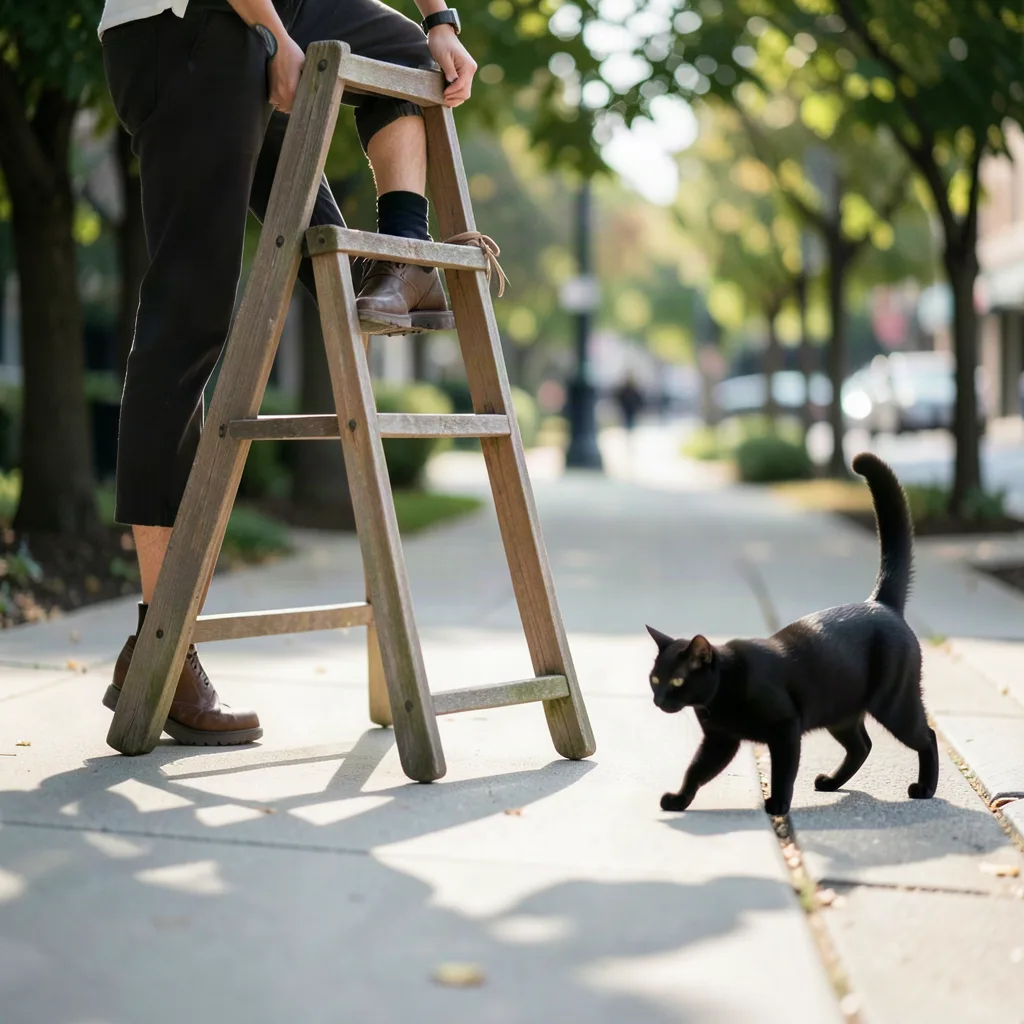
Superstitions have been a part of human culture for thousands of years, shaping our beliefs, behaviors, and even our sense of luck. While many of us may not consider ourselves superstitious, it’s surprising how often these age-old beliefs sneak into our daily lives. From avoiding walking under ladders to knocking on wood, superstitions continue to influence us in subtle ways. In this article, we’ll explore some common superstitions, their origins, and how they impact our wellbeing and sense of connection to others.
The Psychology Behind Superstitions
Superstitions often arise from our innate desire to find meaning and patterns in the world around us. They can provide a sense of control in uncertain situations and offer comfort during challenging times. While some may view superstitions as irrational, they can serve important psychological functions:
- Reducing anxiety and stress
- Boosting confidence and performance
- Creating a sense of community and shared beliefs
- Providing a framework for understanding the unexplainable
Understanding the role superstitions play in our lives can help us approach them with compassion and curiosity, rather than judgment.
Common Superstitions and Their Origins
Let’s explore some widespread superstitions and their fascinating origins:
1. Breaking a Mirror
The belief that breaking a mirror brings seven years of bad luck dates back to ancient Rome. Romans believed that life renewed itself every seven years, and damaging a mirror – thought to be a reflection of one’s soul – would disrupt this cycle.
2. Black Cats
While some cultures consider black cats lucky, others view them as harbingers of misfortune. This superstition likely originated in medieval Europe during witch hunts, when black cats were associated with witchcraft.
3. Knocking on Wood
This common practice is believed to ward off bad luck after making a positive statement. Its origins may lie in ancient pagan beliefs that trees housed protective spirits.
4. Friday the 13th
The fear of Friday the 13th, known as paraskevidekatriaphobia, combines two separate superstitions: the unlucky number 13 and the belief that Fridays are unlucky days.
The Impact of Superstitions on Wellbeing
While some superstitions may seem harmless, others can significantly impact our mental health and overall wellbeing. It’s essential to approach superstitions with a balanced perspective:
Positive Effects
- Providing a sense of control and comfort
- Fostering social connections through shared beliefs
- Enhancing performance through increased confidence
Potential Negative Effects
- Increased anxiety and stress when superstitions aren’t followed
- Limiting personal growth and decision-making
- Reinforcing irrational fears
By understanding both the benefits and drawbacks of superstitions, we can make informed choices about which beliefs serve us and which may be holding us back.
Embracing Cultural Diversity Through Superstitions
Superstitions offer a unique window into different cultures and traditions. By learning about and respecting diverse beliefs, we can foster greater understanding and compassion for others. Some ways to embrace cultural diversity through superstitions include:
- Researching superstitions from various cultures
- Sharing personal or family superstitions with friends
- Attending cultural events that showcase traditional beliefs
- Practicing open-mindedness when encountering unfamiliar superstitions
By approaching superstitions with curiosity and respect, we can build bridges between cultures and promote a more inclusive society.
Finding Balance: Superstitions and Personal Growth
While superstitions can provide comfort and connection, it’s essential to strike a balance between honoring traditions and fostering personal growth. Here are some tips for maintaining a healthy relationship with superstitions:
- Reflect on the origins and meanings of your personal superstitions
- Consider which beliefs serve you and which may be limiting
- Practice mindfulness to reduce reliance on superstitious behaviors
- Seek professional help if superstitions are causing significant anxiety or interfering with daily life
By approaching superstitions with self-awareness and compassion, we can honor cultural traditions while continuing to grow and evolve as individuals.
FAQ: Common Questions About Superstitions
Q1: Are superstitions the same across all cultures?
A1: No, superstitions can vary widely between cultures. What’s considered lucky in one culture may be viewed as unlucky in another. For example, the number 13 is considered unlucky in many Western cultures, while in some Asian cultures, the number 4 is associated with bad luck.
Q2: Can superstitions actually affect outcomes?
A2: While superstitions don’t have a direct causal effect on events, they can influence behavior and perception. For instance, believing in a “lucky charm” may boost confidence and improve performance in certain situations.
Q3: How can I stop being superstitious?
A3: Overcoming superstitious beliefs takes time and effort. Start by questioning the logic behind your superstitions, gradually expose yourself to situations that trigger superstitious thoughts, and practice mindfulness to reduce anxiety associated with these beliefs.
Q4: Are there any benefits to being superstitious?
A4: Some studies suggest that superstitions can have psychological benefits, such as reducing anxiety, boosting confidence, and providing a sense of control in uncertain situations. However, it’s important to maintain a balanced perspective and not let superstitions dictate your life choices.
Q5: How can I respect others’ superstitions without adopting them myself?
A5: Respecting others’ superstitions is about cultural sensitivity and understanding. You can show respect by learning about the origins of their beliefs, avoiding dismissive language, and accommodating their practices when possible without compromising your own values or beliefs.
In conclusion, superstitions are a fascinating aspect of human culture that continue to influence our lives in various ways. By approaching them with compassion, curiosity, and a balanced perspective, we can use superstitions as a tool for personal growth, cultural understanding, and connection with others. Whether you’re a firm believer in lucky charms or a skeptic of all things superstitious, there’s no denying the impact these age-old beliefs have on our shared human experience.