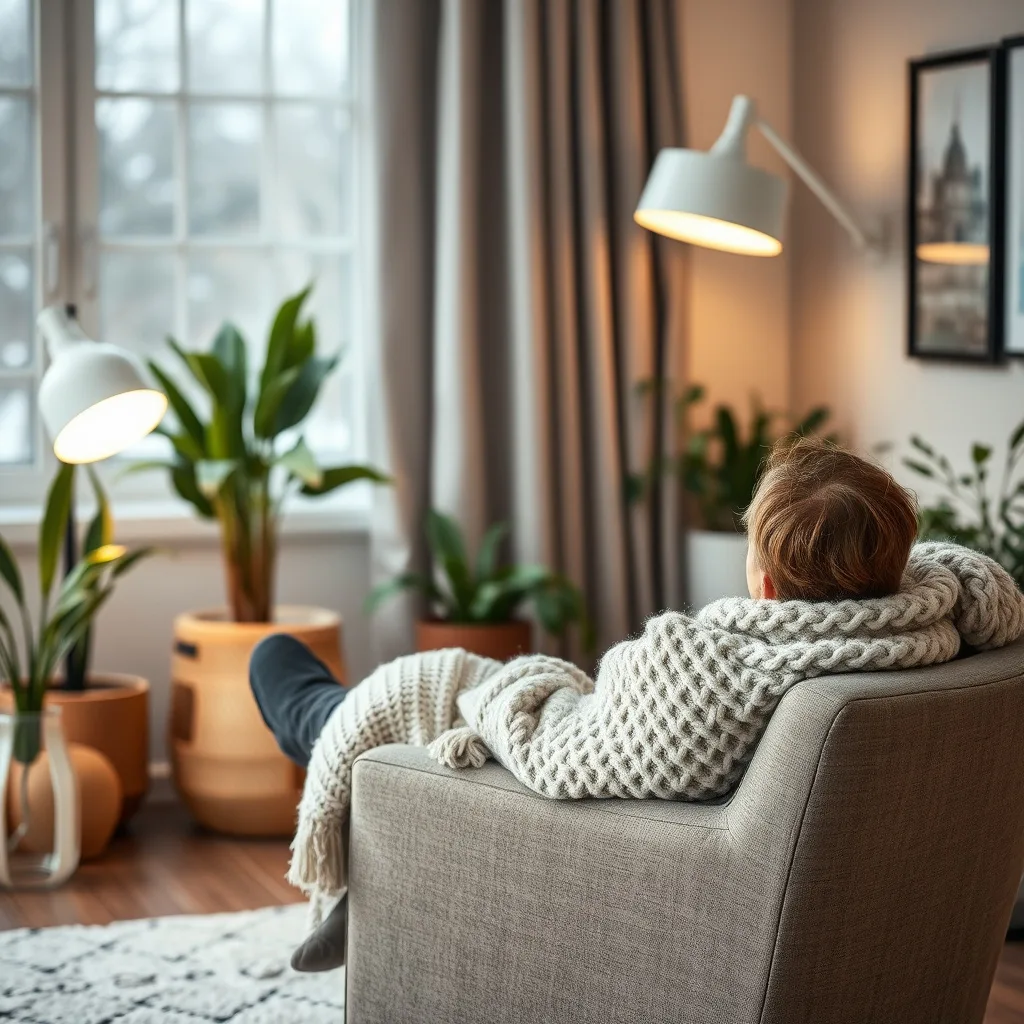
Seasonal Affective Disorder (SAD) is a mood pattern that typically emerges during the shorter, darker days of fall and winter. While it is not a clinical diagnosis for everyone who feels a little “winter blues,” for many people the change in daylight triggers a noticeable dip in energy, motivation, and overall well‑being. This article offers a comprehensive, evidence‑informed guide to coping with SAD, covering what the condition looks like, why light matters, and practical steps you can take today to protect your mental health.
Key takeaways
- Use a 10,000-lux light box for 20-30 minutes each morning to help regulate circadian rhythms and improve mood.
- Incorporate omega-3 fatty acids and vitamin D into your diet to support neurotransmitter function and stabilize seasonal energy levels.
- Maintain a consistent sleep schedule and implement a digital curfew to protect melatonin production during shorter winter days.
- Use smart LED lighting to mimic natural sunrise cycles and schedule outdoor walks to maximize exposure to natural daylight.
- Seek professional support such as cognitive-behavioral therapy if seasonal symptoms interfere with your daily functioning or work productivity.
Understanding Seasonal Affective Disorder (SAD)
Scientists believe that SAD is linked to the body’s internal clock, or circadian rhythm, which relies heavily on light cues to regulate hormones such as melatonin and serotonin. When daylight hours shrink, melatonin production can increase, leading to feelings of sleepiness, while serotonin – a neurotransmitter tied to mood – may dip, contributing to low mood and reduced motivation. Although genetics, geography, and personal history all play a role, the core mechanism is the same: a mismatch between environmental light and the brain’s expectations.
It is important to note that SAD is considered a subtype of major depressive disorder in the Diagnostic and Statistical Manual of Mental Disorders (DSM‑5). However, the seasonal pattern distinguishes it from other depressive episodes, and many people experience relief once the days grow longer again.
Recognizing the Signs and Symptoms
Identifying SAD early can make coping strategies more effective. Common signs include:
- Persistent low mood that begins in late fall and improves in spring.
- Loss of interest in activities once enjoyed.
- Changes in appetite, often craving carbohydrates.
- Weight gain or loss.
- Increased sleepiness, especially after waking.
- Feelings of lethargy or “brain fog.”
- Social withdrawal and reduced motivation to work or study.
If these symptoms appear for at least two consecutive seasons and interfere with daily life, consider tracking them in a journal. Note the date symptoms start, their intensity (on a 1‑10 scale), and any environmental triggers. This record can be valuable when discussing your experience with a health professional.
Light Therapy: How and When to Use It
Light therapy is the most researched, first‑line treatment for SAD. The principle is simple: expose yourself to a bright, full‑spectrum light that mimics natural sunlight, thereby resetting the circadian rhythm.
Choosing a light box
- Intensity: Look for a device that emits 10,000 lux at a comfortable distance (usually 12‑24 inches).
- UV filter: Ensure the box filters out ultraviolet light to protect skin and eyes.
- Size: A larger surface area allows you to sit farther back while still receiving the needed intensity.
How to use it
- Start your day with 20‑30 minutes of exposure. Sit with the light angled toward your eyes, but do not stare directly at it.
- Maintain consistency – use the box daily throughout the season, even on weekends.
- Adjust timing if you feel more alert in the evening; some people benefit from a second, shorter session later in the day.
If you experience eye strain, headache, or irritability, reduce the session length by 5‑10 minutes and increase the distance slightly. Consult an eye‑care professional before beginning if you have a history of eye conditions or take photosensitizing medications.
Lifestyle Adjustments for Mood Stability
Beyond light therapy, everyday habits can buffer the seasonal dip. Below are three pillars that research consistently supports:
- Consistent sleep schedule: Go to bed and wake up at the same times each day, aiming for 7‑9 hours of sleep. Use a dark‑room blackout curtain in the evening to protect against late‑night light exposure, which can shift melatonin production.
- Structured daily routine: Plan at least one purposeful activity each morning—whether it’s a brief walk, a creative project, or a work task. Predictable structure reduces the sense of “time loss” that often accompanies shorter days.
- Social connection: Schedule regular check‑ins with friends or family, even if it’s a brief phone call. Social interaction releases oxytocin, which can counteract the low‑serotonin state linked to SAD.
These adjustments are most effective when they become habits rather than occasional efforts.
Nutrition and Supplements That May Help
While food is not a cure, certain nutrients support neurotransmitter function and can lessen the severity of seasonal mood changes.
- Omega‑3 fatty acids: Found in fatty fish (salmon, mackerel), walnuts, and flaxseeds, omega‑3s are associated with improved mood regulation. Aim for two servings of fish per week or consider a high‑quality supplement (EPA/DHA ratio of 2:1).
- Vitamin D: Reduced sunlight often leads to lower vitamin D levels, which correlate with depressive symptoms. A blood test can determine if you are deficient. If levels are low, a daily supplement of 1,000‑2,000 IU is commonly recommended, but follow your clinician’s guidance.
- Complex carbohydrates: Whole grains, legumes, and starchy vegetables provide a steady release of glucose, supporting serotonin synthesis. Pair them with protein to avoid spikes and crashes.
- Magnesium: This mineral plays a role in nervous system function. Incorporate leafy greens, nuts, seeds, and beans, or consider a magnesium glycinate supplement if you experience muscle tension or restless sleep.
Keep a simple food diary for two weeks during the winter months. Note mood ratings alongside meals; patterns may reveal specific triggers or beneficial foods.
Physical Activity and Outdoor Exposure
Exercise is a proven mood booster because it releases endorphins, improves circulation, and can increase exposure to natural light.
Design a realistic activity plan
- Morning movement: A 20‑minute brisk walk outside, even on cloudy days, delivers up to 1,000 lux of natural light—far less than a light box but still beneficial.
- Strength training: Two to three sessions per week (bodyweight, resistance bands, or light weights) support overall energy and confidence.
- Enjoyable movement: Choose activities you look forward to—dance classes, indoor cycling, or yoga. Consistency matters more than intensity.
If weather limits outdoor time, create a “bright corner” at home with a full‑spectrum lamp and perform a short workout there. Even a 10‑minute session can shift your mood positively.
Managing Stress and Sleep Patterns
Stress amplifies SAD symptoms, while poor sleep can create a feedback loop that deepens low mood.
Stress‑reduction techniques
- Progressive muscle relaxation: Spend 5‑10 minutes before bedtime tensing and releasing each muscle group, starting with the feet and moving upward.
- Mindful breathing: Practice the 4‑7‑8 breath (inhale 4 seconds, hold 7, exhale 8) three times in a row whenever anxiety spikes.
- Digital curfew: Turn off screens at least one hour before sleep; the blue light suppresses melatonin production.
Optimizing sleep hygiene
- Keep the bedroom cool (around 65°F/18°C) and quiet.
- Use a white‑noise machine or earplugs if external sounds disturb you.
- Reserve the bed for sleep and intimacy only; avoid working or eating in it.
Track your sleep with a simple app or journal. If you notice frequent awakenings or early‑morning fatigue, adjust your evening routine by reducing caffeine after 2 p.m. and incorporating a calming activity such as reading or gentle stretching.
Seeking Professional Support
When symptoms interfere with work, relationships, or daily functioning, professional help is essential. Mental‑health providers can offer:
- Psychotherapy, especially cognitive‑behavioral therapy (CBT) tailored for seasonal depression.
- Medication evaluation, such as selective serotonin reuptake inhibitors (SSRIs), if the severity warrants pharmacological support.
- Guidance on integrating light therapy safely with other treatments.
Many therapists now provide telehealth sessions, making it easier to maintain consistent care during inclement weather. When you book an appointment, bring your symptom journal, light‑box usage log, and any recent lab results (e.g., vitamin D levels). This information speeds up assessment and creates a collaborative treatment plan.
Building a Personal Coping Plan
Putting the pieces together into a personalized plan increases adherence and gives you a clear roadmap for the darker months.
Step‑by‑step template
- Set a start date: Choose the first day you notice shorter daylight (often late October) and commit to beginning light therapy that morning.
- Schedule daily “bright time”: Block 20 minutes on your calendar for light box use and a 10‑minute walk outside.
- Plan meals: Draft a weekly menu that includes at least two omega‑3‑rich meals and a vitamin‑D source.
- Choose exercise days: Mark three days for structured workouts and two days for short outdoor movement.
- Identify stress‑relief moments: Write down three activities (e.g., journaling, knitting, short meditation) you will practice when you feel the “winter slump” approaching.
- Check‑in weekly: Review your symptom scores, sleep log, and mood journal every Sunday. Adjust any component that feels overwhelming.
Having a tangible plan reduces decision fatigue and creates a sense of agency, which itself is a protective factor against depressive symptoms.
Smart Lighting and Color Therapy at Home
Modern lighting technology can fill the gap left by natural daylight without the need for a dedicated light‑box. Smart LED fixtures that mimic the sunrise‑sunset cycle are especially useful for people who struggle to get up early enough for a traditional light‑therapy session. Set the bulbs to a cool, blue‑rich spectrum (6500 K) for 30‑45 minutes after waking, then transition to a warmer, amber hue (2700 K) in the evening to cue melatonin release. Most systems allow you to program the intensity gradually, which reduces eye strain and makes the experience feel more natural.
Practical steps to implement a smart‑lighting routine
- Choose a hub‑compatible LED strip or bulb that offers at least 10,000 lux at a 12‑inch distance. Brands that integrate with voice assistants (e.g., Alexa, Google Home) simplify scheduling.
- Program a “morning boost” scene: start at 200 lux and increase by 200 lux every five minutes until you reach the therapeutic level. Keep the light angled toward your desk or kitchen counter rather than directly into the eyes.
- In the evening, switch to a “wind‑down” scene with dimmed amber light. Pair this with a low‑frequency soundscape (rain, white noise) to reinforce relaxation.
Edge cases to watch for include people with bipolar disorder, who may become overly energized by bright light. In those cases, limit exposure to 15‑20 minutes and monitor mood swings closely. If you have a history of migraines, start with a lower intensity and increase slowly; many users report that a gradual ramp‑up reduces headache risk.
Beyond brightness, color therapy (chromotherapy) can complement the regimen. Studies suggest that blue light enhances alertness, while green can promote a sense of calm. A simple way to experiment is to place a small RGB lamp on a work desk and alternate colors based on task demand: blue for analytical work, green for creative brainstorming, and amber for winding down.
Workplace and Academic Strategies for Dark‑Season Success
Professional and school environments often amplify SAD triggers: long indoor hours, artificial lighting, and limited breaks. Tailoring your environment and schedule can mitigate these effects without demanding major policy changes.
Lighting adjustments at the desk
- Position a portable, 10,000‑lux light box on your left side (for right‑handed users) so you can glance at it while checking email.
- If your office has adjustable overhead fixtures, set them to the highest cool‑white setting during the first two hours of the workday.
- Request a window seat or a desk near a source of natural light; even a view of a tree line can boost mood.
Scheduling tactics
- Block a 15‑minute “bright‑break” in your calendar between 9 a.m. and 11 a.m. Use this time for a quick walk outside or a standing‑desk session under a bright lamp.
- Plan high‑cognitive‑load tasks (presentations, report writing) for the early part of the day when your circadian alertness peaks.
- Reserve the late afternoon for low‑energy activities (sorting emails, routine admin) to avoid the natural dip that occurs after lunch.
For students, integrating “bright study sessions” before classes can improve retention. A 20‑minute exposure to a light box right before a lecture has been shown to increase attentional focus for up to two hours. If campus resources are limited, create a “study nook” in a library corner equipped with a portable lamp and a comfortable chair.
When negotiating accommodations, frame your request around productivity gains rather than illness. For example, say, “I’ve found that a brief morning light exposure improves my concentration, which helps me meet deadlines more reliably.” Most HR departments are receptive to evidence‑based proposals.
Digital Tools: Apps, Wearables, and Data‑Driven Mood Management
Technology offers a quantifiable lens on the otherwise subjective experience of SAD. By pairing subjective mood entries with objective metrics (light exposure, sleep stages, activity levels), you can identify patterns that inform precise interventions.
Choosing the right app
- Light‑trackers: Apps like Sunrise Alarm or Light Therapy Tracker let you log daily lux exposure and send reminders for consistency.
- Mood journals: Platforms such as Daylio or Moodpath let you rate mood on a 1‑10 scale, tag activities, and generate weekly heat maps.
- Integrated health suites: Apple Health, Google Fit, or Fitbit combine sleep, activity, and heart‑rate variability (HRV) data, which can be correlated with self‑reported mood.
How to set up a feedback loop
- Every morning, record your light exposure (lux, duration) and rate your anticipated energy level.
- At bedtime, log actual sleep duration, HRV, and a post‑sleep mood score.
- Review the weekly summary; look for days where low lux coincided with low HRV and a dip in mood. Those are candidates for an additional light session or a brief outdoor walk.
Edge cases include users who become overly data‑focused, which can increase anxiety. To avoid this, set a limit of three data points per day and schedule a “review‑only” session on Sundays, rather than checking continuously.
For those with limited budgets, free open‑source tools like Journals by OpenMIND can be self‑hosted, ensuring privacy while still providing analytics. If privacy is a concern, choose apps that store data locally rather than in the cloud.
Creative and Expressive Therapies: Art, Music, and Writing
While the original guide mentions structured activity, it does not delve into the therapeutic power of creative expression. Engaging the right brain can bypass the serotonin‑depleted pathways that dominate during winter, providing an alternative route to mood elevation.
Art therapy at home
- Set up a “creative corner” with a small table, watercolor set, and a sketchpad. The act of choosing colors can stimulate dopamine release.
- Follow a 10‑minute “guided doodle” routine: draw a simple shape, then repeat it with variations. This repetitive motion induces a meditative state similar to mindfulness.
- If you feel stuck, try a “color‑mood” exercise: select a hue that matches your current feeling, then paint a canvas that transitions toward a brighter shade over the session.
Music interventions
- Curate a “morning uplift” playlist with songs in a major key, tempo 120‑130 BPM, and lyrical positivity. Listening while preparing breakfast can synchronize brainwave activity to a higher arousal level.
- In the evening, switch to ambient or classical pieces with slower tempos (60‑80 BPM) to support relaxation and melatonin production.
- For those who play an instrument, allocate 15 minutes daily to practice scales. Motor learning has been shown to increase brain‑derived neurotrophic factor (BDNF), which can counteract depressive neurochemistry.
Writing as emotional processing
- Adopt a “gratitude journal” habit: each night write three specific things you appreciated that day, no matter how small. This re‑frames attention toward positive stimuli.
- Try “future‑self scripting”: imagine a winter‑free version of yourself six months ahead, describe the day in vivid detail, and read it aloud weekly. The visualization activates goal‑directed neural pathways.
Edge cases include individuals who feel self‑conscious about artistic ability. Emphasize that the process, not the product, matters. Even simple coloring books for adults can provide the same neurochemical benefits without the pressure of originality.
Social and Community Support Networks
Isolation is a common amplifier of SAD, yet many people underestimate the power of intentional community building. Structured social engagement creates external cues that reinforce routine and provides emotional scaffolding.
Forming a seasonal support circle
- Identify 3‑5 friends, coworkers, or neighbors who also experience winter mood changes. Create a private chat group titled “Winter Wellness.”
- Schedule a weekly virtual coffee or a 30‑minute “bright‑walk” meetup. Consistency is key; the appointment itself becomes a cue for light exposure.
- Rotate the role of “host” each week, allowing members to suggest activities (e.g., indoor board‑game night, group yoga, recipe swap). Shared responsibility increases commitment.
Leveraging community resources
- Many public libraries host free “light‑therapy evenings” where a communal light box is available. Check local calendars and sign up early.
- Community centers often offer winter‑specific fitness classes (indoor cycling, Nordic walking). Participating provides both exercise and peer interaction.
- Volunteer opportunities—such as assisting at a soup kitchen or mentoring youth—create purpose, which counters the helplessness that can accompany SAD.
Special consideration for caregivers: if you are supporting a loved one with SAD, set boundaries to avoid burnout. Use the same scheduling principles for yourself, and enlist another family member to share caregiving duties on alternating weeks.
For individuals living in remote or rural areas where in‑person groups are scarce, online forums (e.g., Reddit’s r/SAD, dedicated Facebook groups) can serve as a surrogate community. When joining, look for groups that emphasize evidence‑based coping rather than anecdotal “quick fixes.”
Travel, Relocation, and Seasonal Planning
Many people consider escaping to sunnier climes as a remedy, but relocation can introduce new stressors that offset the benefits of increased daylight. A strategic approach allows you to enjoy the advantages of travel while maintaining the coping structures you’ve built.
Pre‑trip preparation
- Pack a portable light box (compact models under 2 lb) and schedule daily sessions according to the destination’s sunrise time.
- Adjust your sleep schedule a week before departure to align with the new time zone. A gradual 15‑minute shift each night reduces circadian shock.
- Research local outdoor activities (hiking, city tours) that guarantee at least 30 minutes of natural light each day.
During the stay
- Maintain your meal plan by seeking out local foods rich in omega‑3s and vitamin D (e.g., sardines in Mediterranean markets).
- Use the “travel journal” method: note mood fluctuations alongside environmental variables such as temperature, humidity, and daylight hours.
- If you’re staying in a hotel, request a room with a balcony or large window. If unavailable, set up a bright corner with a full‑spectrum lamp.
Post‑trip reintegration
- Gradually re‑introduce your home‑based routine over three days to avoid a sudden drop in light exposure.
- Reflect on what aspects of the trip helped mood (e.g., increased activity, novelty) and incorporate those elements into your regular schedule.
- Consider a “reverse‑light” protocol if you return to a darker region: start light‑box sessions earlier (by 15‑30 minutes) to compensate for the reduced natural light.
Edge cases include frequent business travelers who experience jet lag and irregular light exposure. For them, a wearable light‑therapy visor that can be used on planes can stabilize circadian rhythms during long flights.
Alternative and Complementary Approaches: CBT, Mindfulness, and Beyond
While the core article mentions cognitive‑behavioral therapy (CBT) in passing, a deeper dive reveals specific techniques that align with the seasonal pattern of SAD.
Seasonal CBT (S‑CBT) protocols
- Behavioral activation: Create a “winter activity menu” with at least five pleasurable tasks (e.g., baking a new recipe, joining a book club). Schedule one each week, tracking completion in a checklist.
- Cognitive restructuring: Identify recurring negative thoughts linked to winter (e.g., “I’ll never feel motivated”). Write evidence for and against each thought, then formulate a balanced alternative (“I may feel low, but I have tools that work”).
- Goal‑setting hierarchy: Set a primary seasonal goal (e.g., finish a certification) and break it into micro‑steps that can be completed in 15‑minute blocks, making progress feel attainable despite low energy.
Mindfulness and Acceptance‑Based Practices
- Practice a “5‑minute winter breath”: inhale while visualizing a bright sunrise, exhale picturing the darkness receding. Repeat for five cycles, ideally near a window.
- Engage in “body scan” meditations focusing on areas where tension accumulates during winter (shoulders, jaw). Releasing physical tightness can lessen the mental perception of heaviness.
- Use a gratitude mantra during cold evenings: silently repeat, “I am safe, I am warm, I am capable,” to counteract rumination.
Complementary modalities
- Acupuncture: Some clinics report reduced depressive scores after a series of 6‑8 sessions targeting points associated with serotonin regulation. Choose a licensed practitioner and discuss any blood‑thinning medications beforehand.
- Infrared sauna: Brief (10‑15 minute) sessions can increase endorphin release and improve circulation, offering a temporary mood lift. Hydrate well and avoid use on days when you feel unusually fatigued.
- Herbal adjuncts: St. John’s wort has shown modest efficacy for mild‑to‑moderate depression, but it interacts with many prescription drugs. Consult a pharmacist before adding it to your regimen.
When integrating these alternatives, adopt a “one‑change‑at‑a‑time” philosophy. Introduce a single new practice for three weeks, monitor its impact using your mood‑tracking app, and then decide whether to keep, modify, or replace it. This systematic approach prevents overwhelm and provides clear data on what truly works for your seasonal mood profile.
Frequently Asked Questions
1. Can I rely solely on light therapy without other lifestyle changes?
Light therapy is highly effective for many people, but it works best when combined with regular sleep, nutrition, and activity habits. Using light alone may improve mood, yet persistent low energy or social withdrawal often signals that additional strategies are needed.
2. How long does it take to notice improvements from a light box?
Some individuals feel a lift in mood within a few days, while others may need 1‑2 weeks of consistent use. If you see no change after three weeks, consider adjusting the timing (earlier in the morning) or consulting a clinician to review the dosage and placement.
3. Is it safe to use a light box while taking antidepressants?
Generally, light therapy is compatible with most antidepressants. However, certain medications (e.g., photosensitizing drugs) can increase light sensitivity. Always discuss new treatments with your prescribing physician.
4. What if I live in a region with limited daylight even in summer?
Even in summer, some people experience low mood due to other factors (e.g., high humidity, work stress). The same coping toolbox—light exposure, routine, nutrition, and exercise—remains useful. You might also explore indoor light therapy during particularly gloomy days.
5. Can children develop SAD, and how should parents address it?
Yes, children and adolescents can experience seasonal mood shifts. Parents should monitor changes in school performance, appetite, and sleep. Encourage outdoor play after school, maintain regular family meals, and discuss feelings openly. If symptoms persist for more than two weeks, seek evaluation from a pediatric mental‑health professional.
Related posts:
 Do You Really Need Less Sleep as You Age?
 Seasonal Affective Disorder vs Winter Blues: How to Tell the Difference
 Three Scientific Reasons to Become a Morning Person
 Using SAD Lamps for Better Mood
 Natural Light Lamps for Winter Wellness
 Winter Wellbeing: Self-Care Strategies for Managing Seasonal Affective Disorder
 Seasonal Affective Disorder: How It Impacts Sleep and What to Do About It
 Optimal Bedtime Guide