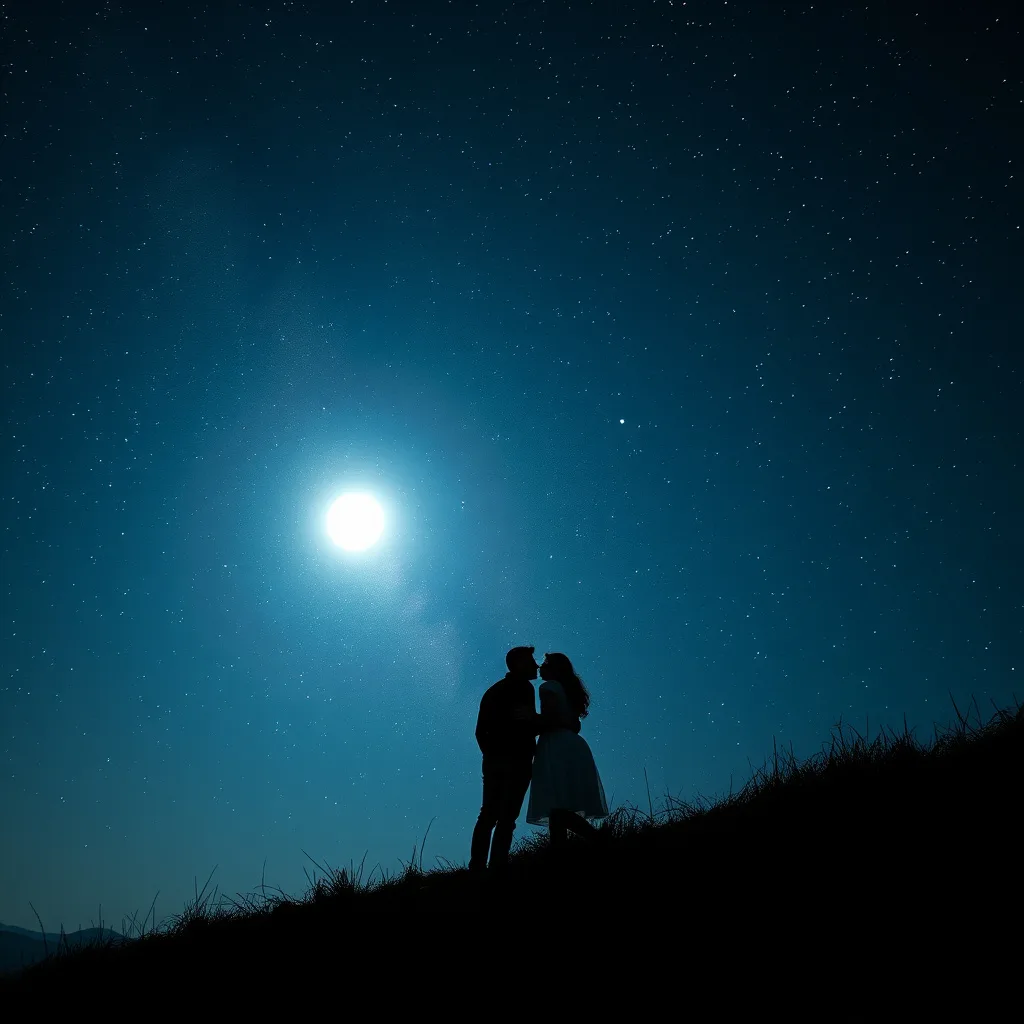
Love is often described as a mystery, a whirlwind of emotion that arrives unannounced. However, for those who look toward the heavens, romance isn’t just a matter of chance—it is a dance of celestial timing. The concept of a “cosmic love calendar” is not about predicting a specific date when a soulmate will knock on your door, but rather about understanding the energetic tides that influence our emotions, our desires, and our capacity for connection. By aligning our romantic intentions with the movements of the planets and the phases of the moon, we can navigate the complexities of dating and partnership with greater grace and awareness.
Key takeaways
- Balance your romantic life by tracking Venus for attraction and Mars for drive, ensuring both tenderness and momentum are present.
- Use New Moons to set intentions for personal growth and Full Moons to practice emotional release and reflection.
- Treat Venus and Mercury retrograde periods as times for internal recalibration and clear communication rather than launching new initiatives.
- Coordinate your calendar with a partner to reduce conflict by acknowledging how different celestial transits impact your respective moods.
Astrology provides a map of the psyche, and when applied to romance, it helps us identify periods of high passion, times for quiet reflection, and windows of opportunity for deep emotional healing. Whether you are currently single and searching, in the early stages of a new flame, or nurturing a long-term partnership, understanding the cosmic weather allows you to work with the flow of the universe rather than against it. This guide will walk you through the primary astrological drivers of love and provide a practical framework for building your own cosmic love calendar.
The Architects of Affection: Venus and Mars
To understand a cosmic love calendar, one must first understand the two primary drivers of romantic energy: Venus and Mars. In astrology, Venus represents how we love, what we value, and how we attract others. It governs harmony, beauty, and the softer side of affection. When Venus is well-aspected or moving through a favorable sign, we often feel more confident, magnetic, and open to the romantic gestures of others. It is the planet of the “honeymoon phase,” focusing on the pleasure and aesthetic appeal of a new connection.
Mars, conversely, is the planet of passion, drive, and desire. While Venus is the invitation, Mars is the action. It governs our libido, our assertiveness, and the spark of physical attraction. A healthy romantic connection requires a balance between these two energies. Too much Venus without Mars can lead to a relationship that is sweet but lacks momentum or excitement. Too much Mars without Venus can result in a connection that is high-intensity but lacks the tenderness and stability needed for longevity.
To incorporate these into your love calendar, track where Venus and Mars are residing. For example, when Venus enters a sign like Libra or Taurus (signs it naturally rules), the general atmosphere often shifts toward a desire for partnership and luxury. When Mars moves through a fire sign like Aries or Leo, the collective energy becomes more flirtatious and bold. By recognizing these shifts, you can choose the right time to make a first move or plan a romantic getaway.
Navigating the Turbulence of Venus Retrograde
One of the most significant events in any cosmic love calendar is Venus Retrograde. Occurring roughly every 18 months, this period is often misunderstood as a time of romantic disaster. In reality, the word “retrograde” simply means “to go back.” When Venus stations retrograde, the energy of love, value, and beauty turns inward. This is not a time for launching new relationships or making impulsive commitments, but rather a season for review and recalibration.
During a Venus Retrograde, it is incredibly common for “ghosts from the past” to reappear. Ex-partners may send a sudden text or pop up in your social media feed. This happens because the universe is asking you to resolve unfinished business. The goal isn’t necessarily to get back together, but to understand what that relationship taught you about your needs and values. If you find yourself yearning for an old flame, ask yourself: “Do I miss the person, or do I miss the version of myself I was when I was with them?”
For those in established relationships, Venus Retrograde can bring old grievances to the surface. Instead of reacting with frustration, use this time for “relationship maintenance.” Discuss the things you’ve been avoiding, re-evaluate your boundaries, and rediscover what makes your partner special. The key to surviving and thriving during this transit is patience. Avoid making permanent decisions about your love life until Venus stations direct and begins its forward motion again.
The Lunar Cycle: Planting Seeds and Harvesting Emotions
The moon governs our emotional inner world, and its 29.5-day cycle provides a perfect rhythm for a monthly love calendar. The New Moon and the Full Moon represent the two most potent points of this cycle, each offering different opportunities for romantic growth.
The New Moon: The Time for Intention. The New Moon is a period of darkness and beginnings. In the context of romance, this is the ideal time to set intentions. If you are single, instead of focusing on “finding someone,” focus on the qualities you wish to cultivate within yourself to attract a healthy partner. Write a list of the emotional values you seek in a relationship—such as trust, intellectual curiosity, or kindness. If you are in a relationship, use the New Moon to set a joint goal, such as starting a new hobby together or planning a future trip. This is the “planting” phase; you are sowing the seeds of what you want your love life to become.
The Full Moon: The Time of Culmination. The Full Moon brings things to light. It is a time of emotional intensity, climax, and sometimes conflict. In your love calendar, mark the Full Moon as a time for release and revelation. This is when secrets often come out or when a relationship reaches a turning point—either moving toward a deeper commitment or realizing that the connection has run its course. Because emotions run high, the Full Moon is a great time for passionate connection, but a risky time for heavy arguments. Practice active listening and give your partner space to express their feelings without judgment.
Mercury Retrograde and the Art of Communication
While Venus governs the heart, Mercury governs the mind and the message. Mercury Retrograde occurs three to four times a year and is notorious for causing technological glitches and misunderstandings. In romance, these “glitches” often manifest as misread texts, forgotten dates, or arguments sparked by a simple misunderstanding.
The romantic challenge of Mercury Retrograde is the gap between intention and perception. You might say something meant to be supportive, but your partner hears it as critical. To navigate this, the cosmic love calendar suggests a shift toward “over-communication.” Instead of assuming you know what your partner is thinking, ask clarifying questions. Use phrases like, “What I hear you saying is… is that correct?” or “I want to make sure I understand your perspective.”
Interestingly, Mercury Retrograde is also a prime time for “re-connecting.” If you’ve had a falling out with someone you care about, this transit provides a window to apologize and clear the air. The energy is conducive to revisiting old conversations and finding a middle ground that was previously unreachable. The secret is to approach these conversations with humility rather than a desire to be “right.”
Seasonal Shifts and the Rhythms of Desire
Beyond the planets and the moon, the seasonal solstices and equinoxes influence our romantic energy by syncing us with the natural world. Our biological and emotional drives often mirror the environment around us.
Spring Equinox: Renewal and Flirtation. As nature awakens, there is a collective surge of hope and curiosity. This is the peak time for “spring cleaning” your romantic life—letting go of outdated beliefs about love and opening yourself up to new experiences. It is a season of lightness and flirtation, making it the perfect time for first dates and playful energy.
Summer Solstice: Passion and Visibility. The longest day of the year brings high energy and a desire for expression. Summer is often the most outward-facing season of romance. It’s a time for public displays of affection, adventurous dates, and exploring the physical side of attraction. The heat of the season often mirrors the heat of passion.
Autumn Equinox: Balance and Harvest. As the days shorten, the energy shifts toward stability and partnership. Autumn is a time to evaluate the “harvest” of your relationships. Are the connections you’ve nurtured throughout the year providing sustenance? This is an excellent season for deepening bonds, introducing partners to family, and establishing a sense of security.
Winter Solstice: Introspection and Intimacy. The darkest time of the year invites us inward. Romance in winter is less about the chase and more about the sanctuary. It is the season of “nesting,” where the focus shifts to emotional intimacy, deep conversations by the fire, and the comfort of knowing someone truly sees you. This is the time to strengthen the emotional foundation of your relationship.
Creating Your Personal Cosmic Love Calendar
Now that you understand the celestial drivers, it’s time to put them into practice. Creating a cosmic love calendar isn’t about following a rigid set of rules, but about creating a mindful awareness of the energies surrounding you. Here is a step-by-step guide to building your own:
Step 1: Track the Lunar Cycle. Use a moon tracking app or a physical calendar to mark every New Moon and Full Moon. Label the New Moons as “Intention Days” and the Full Moons as “Release/Reflection Days.”
Step 2: Note the Retrogrades. Mark the start and end dates of Venus and Mercury retrogrades. During these windows, add a reminder to “Practice Patience” and “Reflect Before Reacting.”
Step 3: Identify Your Personal Transits. If you know your birth chart, look for when transiting planets hit your 5th house (romance and pleasure) or 7th house (partnership). When Jupiter (the planet of expansion) enters these houses, it often signals a period of growth and new opportunities in love.
Step 4: Sync with Your Partner. If you are in a relationship, share your calendar. You might find that one partner is more sensitive to Full Moons while the other feels the drag of Mercury Retrograde more acutely. Acknowledging these patterns can reduce conflict, as you can say, “I’m feeling a bit overwhelmed by the Full Moon energy; I need an hour of quiet before we talk about this,” rather than letting the tension boil over.
Practical Rituals for Enhancing Connection
To truly align with the cosmic calendar, integrate small, intentional rituals into your romantic life based on the four elements. Depending on the current astrological energy, you can choose a ritual that balances or enhances your mood.
Fire Energy (Passion & Drive): When Mars is prominent or during the Summer Solstice, engage in activities that spark excitement. Try a dance class, visit a comedy club, or cook a spicy meal together. The goal is to stimulate the senses and embrace the heat of the moment.
Earth Energy (Stability & Sensuality): When Venus is in Taurus or Virgo, or during the Autumn Equinox, focus on grounding. Take a nature walk, visit a botanical garden, or enjoy a slow, multi-course dinner with high-quality ingredients. Focus on the physical sensation of touch and the comfort of presence.
Air Energy (Intellect & Communication): During Mercury-led transits or the Spring Equinox, prioritize mental connection. Visit a museum, attend a lecture, or spend an evening playing a strategic board game. Use this time to have deep, philosophical discussions about your dreams and beliefs.
Water Energy (Emotion & Intuition): During the Full Moon or when the moon is in a water sign (Cancer, Scorpio, Pisces), lean into emotional depth. Take a bath together, listen to evocative music, or spend an evening sharing your fears and vulnerabilities. The goal is to create a safe harbor for emotional expression.
The Heavy Hitters: Balancing Jupiter’s Expansion and Saturn’s Structure
While Venus and Mars provide the spark and the attraction, the long-term trajectory of a relationship is often shaped by the slower-moving giants: Jupiter and Saturn. In a cosmic love calendar, these two planets act as the growth accelerator and the quality control officer, respectively. Understanding their influence prevents the frustration of pushing for growth when the universe is demanding a lesson in patience.
Jupiter is the planet of abundance, optimism, and expansion. When Jupiter forms a positive aspect to your Venus or moves through your romantic houses, it creates a “window of luck.” These are periods where you may feel an unusual surge of confidence, meet someone who expands your worldview, or experience a sudden upgrade in the quality of your partnership. For example, a Jupiter-Venus conjunction often signals a time of generosity and pleasure, making it the ideal window for proposing, moving in together, or planning an extravagant romantic celebration. The risk with Jupiter, however, is over-extension. In the pursuit of “more,” you might overlook red flags or commit to a partner based on an idealized version of them rather than their reality.
Saturn, conversely, represents discipline, boundaries, and time. While Jupiter is the party, Saturn is the mortgage. In the context of romance, Saturn is often feared because it brings restriction and challenges. However, Saturn is actually the glue of a lasting relationship. When Saturn influences your love calendar, it is a time for “the great pruning.” It forces you to ask: “Is this connection built on a solid foundation, or is it merely a house of cards?” A Saturn transit may manifest as a period of emotional distance or a series of tests that challenge the couple’s compatibility. For those in a new relationship, a Saturn influence can feel like a cooling-off period, but if the bond survives, it usually transitions from a fleeting romance into a committed, lifelong partnership.
The edge case occurs when Jupiter and Saturn act simultaneously. You might find yourself in a paradoxical state where you feel an intense desire to expand (Jupiter) but are simultaneously blocked by external responsibilities or internal fears (Saturn). The practical solution is to use Jupiter’s optimism to envision the goal and Saturn’s discipline to create the step-by-step plan to get there. Instead of rushing into a marriage because the “vibe” is right, use this energy to discuss financial goals and boundary-setting, ensuring the expansion is sustainable.
Decoding the Houses: The 5th and 7th House Dynamics
To move beyond general planetary movements, a sophisticated cosmic love calendar must account for the “Houses” of the zodiac. While planets tell us what the energy is, the houses tell us where that energy is playing out. For romance, the 5th and 7th houses are the primary arenas, but they govern entirely different types of love.
The 5th House is the realm of romance, flirting, pleasure, and creative expression. It is the house of the “crush.” When you see transiting planets like Mars or Venus entering your 5th house, the energy is geared toward the thrill of the chase. This is the time for first dates, playful banter, and exploring the physical chemistry of a new connection. If your calendar shows a cluster of activity in the 5th house, lean into your spontaneity. It is a period for “dating for fun” rather than “dating for a spouse.” A common mistake is trying to force a 5th-house connection into a 7th-house commitment too quickly, which can stifle the playful energy that attracted the partners in the first place.
The 7th House, however, is the house of partnership, marriage, and committed contracts. It governs the “other” in a formal sense. When Jupiter or the Sun move through your 7th house, the focus shifts from the excitement of the new to the stability of the known. This is the ideal window for resolving long-term conflicts, signing legal partnership documents, or deepening the commitment in an existing relationship. While the 5th house is about the “I love the way you make me feel,” the 7th house is about “I value who you are as a person and how we function as a unit.”
A practical application of this is to track which house is currently “activated” by the moon or transiting planets. If you are single and your 5th house is active, go to a social event or try a dating app; the energy is conducive to meeting people. If your 7th house is active, it is a better time to have the “where is this going?” conversation with someone you’ve been seeing. By distinguishing between the house of pleasure and the house of partnership, you can align your expectations with the actual energetic current of your life.
The Art of Synastry: Merging Two Cosmic Calendars
One of the most complex challenges in romantic astrology is when two partners have conflicting cosmic calendars. You might be in a high-energy Mars phase, feeling bold and adventurous, while your partner is navigating a Saturn-heavy period of introspection and withdrawal. Without awareness, this is often interpreted as a loss of interest or a personal slight, leading to unnecessary conflict.
Synastry is the study of how two birth charts interact, but “Dynamic Synastry” is the practice of comparing your current transits in real-time. To do this, create a shared cosmic calendar. When you notice a mismatch, instead of reacting emotionally, label the energy. For example, if you are experiencing a Full Moon peak (high emotion) while your partner is in a Mercury Retrograde fog (communication glitches), the conversation should be: “I am feeling very emotionally charged right now, and I know you’re struggling to find the right words. Let’s take a break and revisit this tomorrow.” This externalizes the conflict, moving it from “you are doing this to me” to “we are both experiencing different celestial weather.”
Another edge case is the “Karmic Trigger,” where one partner’s transiting planet hits a sensitive point in the other’s birth chart. For instance, if your transiting Pluto crosses your partner’s Venus, you may inadvertently trigger a deep-seated insecurity or a desire for total transformation in them. These moments are often intense and can feel like a crisis, but they are actually catalysts for profound healing. The key is to recognize that the trigger is a cosmic invitation to evolve, not a sign that the relationship is failing.
To synchronize your calendars, schedule “Energetic Check-ins.” Once a month, during the New Moon, look at the coming weeks together. Identify potential “danger zones” (like simultaneous retrogrades) and “golden windows” (like a shared Venus-Jupiter aspect). By planning your high-stakes conversations and romantic getaways around these windows, you reduce friction and maximize the potential for harmony.
The Danger Zone: Navigating Void-of-Course Moons
While most people track the New and Full Moons, the most critical “hidden” detail for a love calendar is the Void-of-Course (VOC) Moon. A moon is considered “void” when it has made its last major aspect to another planet before moving into the next zodiac sign. During this window, the moon is essentially drifting without a clear direction. In terms of romantic timing, VOC periods are the astrological equivalent of a “dead zone.”
The cardinal rule of the VOC Moon is: Do not start anything new that you want to lead to a concrete result. If you have a first date during a VOC Moon, you might find that while the date itself is pleasant, it leads absolutely nowhere. The connection lacks the “energetic momentum” to propel it forward. Similarly, if you initiate a difficult conversation or make a romantic confession during a VOC period, the message often gets lost in translation or is ignored, leaving you feeling unheard and frustrated.
However, the VOC Moon is not all bad; it is actually a wonderful time for activities that are meant to be low-pressure or purely for enjoyment. It is the perfect time for a “no-strings-attached” movie night, a relaxing bath, or a quiet evening of cuddling. Because the energy is not driving toward a specific outcome, it allows you to be fully present in the moment without the anxiety of “where is this going?”
To integrate this into your calendar, use a VOC calculator or app. Mark these windows as “Low-Stakes Zones.” If you see a VOC window coinciding with a planned first date, you don’t necessarily need to cancel, but you should adjust your expectations. Instead of viewing the date as a potential gateway to a lifelong partnership, view it as a pleasant way to spend a Tuesday. By lowering the stakes, you avoid the disappointment that often follows VOC beginnings.
Transformative Love: Uranus, Neptune, and Pluto
Beyond the personal planets lies the realm of the outer planets—Uranus, Neptune, and Pluto. These planets move slowly and affect entire generations, but when they touch your personal love planets, they trigger transformative, often disruptive, romantic events. These are the “wildcards” of the cosmic love calendar.
Uranus is the planet of sudden change, rebellion, and awakening. A Uranus transit to your Venus can bring a “bolt from the blue”—a sudden, unexpected attraction to someone who is completely outside your usual type, or a sudden urge to break free from a restrictive relationship. The energy of Uranus is electric and liberating, but it can also be unstable. If you find yourself in a “Uranian whirlwind,” the challenge is to enjoy the excitement without blowing up your entire life. The lesson here is to embrace novelty while maintaining a tether to reality.
Neptune is the planet of dreams, illusions, and spiritual transcendence. When Neptune influences your love calendar, the boundaries between people blur. This can manifest as a “soulmate” connection that feels predestined and divine. However, Neptune is also the master of the fog. It can lead to “projection,” where you fall in love with the image of a person you’ve created in your head rather than who they actually are. If you feel an overwhelming, intoxicating pull toward someone who seems too good to be true, check your Neptune transits. The practical remedy is to ground yourself in the physical world—focus on the person’s actual habits, their flaws, and their daily actions rather than the romanticized version of them.
Pluto is the planet of death, rebirth, and power. Pluto’s influence on romance is the most intense, often bringing themes of obsession, jealousy, and total psychological transformation. A Pluto transit can lead to a “phoenix” relationship—one that burns everything down to the ground so that something stronger and more authentic can be built from the ashes. If your love calendar is currently under Pluto’s shadow, expect a period of deep emotional purging. This is not the time for superficial dating; it is the time for shadow work and exploring the depths of your desire and fear.
Planetary Dignities: Timing the Perfect Date
To truly master the cosmic love calendar, you can look at “Planetary Dignities”—the concept that planets are more comfortable and effective in certain signs than others. Just as you might feel more confident in your own home than in a stranger’s house, Venus and Mars act differently depending on where they are residing. This allows you to tailor the type of date you plan to the current cosmic energy.
When Venus is in its “Domicile” (Taurus or Libra) or “Exaltation” (Pisces), its energy is at its peak. In Taurus, Venus is sensual and grounded. This is the perfect time for dates involving high-quality food, luxurious fabrics, or nature walks. In Libra, Venus is social and aesthetic. Plan a visit to an art gallery, a sophisticated cocktail lounge, or a dance class. In Pisces, Venus is spiritual and romantic. This is the time for stargazing, poetry, or a quiet evening of deep, soulful music. By aligning the activity with the sign’s strength, you amplify the romantic resonance of the evening.
Conversely, when Venus is in its “Fall” (Virgo) or “Detriment” (Aries), the energy is more awkward or strained. In Virgo, Venus can become overly critical or focused on small flaws. Instead of a high-pressure romantic dinner, plan a date based on “helpful service”—like volunteering together or taking a pottery class where you focus on the technical process. In Aries, Venus can be impulsive and aggressive. Instead of a slow, romantic walk, try something high-energy like axe-throwing, a competitive game night, or a hike. By leaning into the “clumsiness” of the sign, you prevent the energy from turning into frustration.
Frequently Asked Questions About Cosmic Love
Q: Does a cosmic love calendar mean my fate is predetermined?
A: Not at all. Astrology is about energy and tendencies, not destiny. Think of it as a weather forecast. If the forecast says it will rain, you don’t stay inside and give up on your day; you simply bring an umbrella. The cosmic calendar gives you the tools to navigate emotional weather, but you always have the free will to choose how you respond to it.
Q: What should I do if I start a relationship during Venus Retrograde?
A: While it’s generally advised to wait, many lasting relationships begin during retrogrades. The caveat is that these relationships often start with a “karmic” feel or involve someone from the past. If you enter a romance during this time, be extra mindful of communication and avoid rushing into major commitments until the retrograde ends. Use the period to truly get to know the person’s flaws and virtues.
Q: Can I use the New Moon to attract a specific person?
A: It is more effective to focus on the feeling and qualities you desire rather than a specific individual. Focusing on one person can sometimes move into the territory of trying to control another’s free will. Instead, manifest the type of love that person represents. For example, instead of “I want [Name] to love me,” try “I attract a partner who is loyal, supportive, and shares my passion for art.”
Q: How do I handle a partner who doesn’t believe in astrology?
A: You don’t need your partner to believe in the stars for the cosmic calendar to work for you. You can use the insights internally to manage your own reactions and timing. For example, if you know it’s a Full Moon and you feel irritable, you can practice self-care and patience without needing to explain the astrological reason. Often, partners appreciate the resulting calmness and understanding, regardless of the source.
Q: Why do I feel more lonely during certain planetary alignments?
A: Certain transits, particularly those involving Saturn (the planet of restriction and lessons), can bring a sense of isolation or loneliness. This is often a cosmic prompt to cultivate self-love and independence. When the stars create a feeling of void, it is an invitation to fill that void with your own company first, ensuring that when you do seek partnership, it is from a place of wholeness rather than lack.
Related posts:
 Leap Year Babies: The Rare Zodiac Truth About February 29th Birthdays
 How Your Zodiac Sign Matches Up In Relationships
 Venus Retrograde Survival Guide
 Understanding the Wolf Moon
 53. How an Astrologer Prepares for Mercury Retrograde
 Surviving Mercury Retrograde: Expert Tips
 The Full Pink Moon Is Coming and It’s Going to Transform Your Energy
 Venus Retrograde Survival Guide