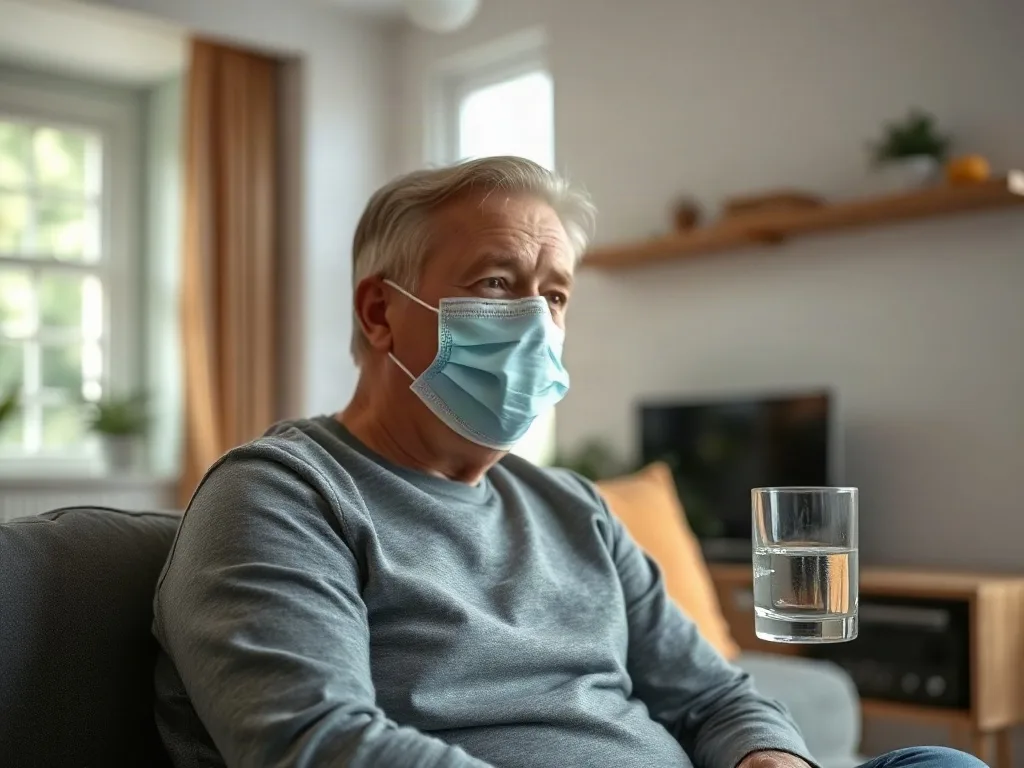
Living with a compromised immune system often feels like navigating the world with an invisible vulnerability. When the COVID-19 pandemic first emerged, the focus was on general population safety, but for those who are immunocompromised, the stakes have always been higher. Whether you are managing an autoimmune disorder, recovering from an organ transplant, undergoing chemotherapy, or living with a primary immunodeficiency, the way your body interacts with SARS-CoV-2 differs significantly from the average person.
Key takeaways
- Wear N95, KN95, or KF94 respirators to ensure a tighter seal and better filtration than cloth or surgical masks.
- Start antiviral treatments like Paxlovid within five days of symptom onset to effectively inhibit viral replication.
- Coordinate vaccine timing with specialists to receive doses when immunosuppressant medication levels are at their lowest.
- Use serial testing every 24 to 48 hours to account for slower viral load buildup and avoid false negatives.
- Improve indoor safety by using HEPA air purifiers and opening windows to increase ventilation and reduce viral load.
The challenge is not just medical; it is emotional and social. Balancing the desire for a normal life with the necessity of rigorous protection requires a strategic approach to health management. This guide provides a comprehensive overview of the risks associated with COVID-19 for immunocompromised individuals, offering actionable strategies for prevention, treatment, and mental well-being.
Understanding the Immunocompromised State
To understand the risk of COVID-19, it is first necessary to define what it means to be immunocompromised. This is a broad term that encompasses any condition where the immune system’s ability to fight infectious diseases and cancer is compromised or entirely absent. This state can be primary (genetic) or secondary (acquired).
Primary Immunodeficiencies: These are typically congenital conditions where a person is born with a defect in their immune system, such as Common Variable Immunodeficiency (CVID) or Severe Combined Immunodeficiency (SCID). In these cases, the body may lack the necessary B-cells or T-cells to recognize and attack the virus.
Secondary Immunodeficiencies: These are more common and result from external factors or other health conditions. Examples include:
- Medical Treatments: Chemotherapy for cancer, corticosteroids (like prednisone) for inflammatory conditions, and biologics used for rheumatoid arthritis or Crohn’s disease.
- Chronic Illnesses: Advanced HIV/AIDS, kidney failure, or liver disease.
- Organ Transplants: The use of immunosuppressant drugs to prevent the body from rejecting a transplanted organ.
The degree of immunosuppression varies. Someone on a low-dose steroid may have a slightly diminished response, while a bone marrow transplant recipient may be profoundly immunocompromised. Understanding your specific level of risk is a conversation that must happen with your specialist, as it dictates the level of precaution required.
Why COVID-19 Poses a Greater Risk
For most people, the immune system identifies the COVID-19 virus, produces antibodies, and clears the infection within a few weeks. However, for those who are immunocompromised, this process is often disrupted in several critical ways.
Delayed Viral Clearance: One of the most significant risks is the inability to clear the virus from the body. While a healthy person might test positive for a few days, an immunocompromised person may experience “prolonged shedding,” meaning the virus remains active in their system for weeks or even months. This increases the window of time during which the virus can cause damage to organs, particularly the lungs.
Increased Severity of Illness: Because the primary defenses are weakened, the virus can spread more easily to the lower respiratory tract, leading to severe pneumonia or Acute Respiratory Distress Syndrome (ARDS) more quickly than in the general population. The lack of a coordinated immune response means the body may struggle to contain the virus to the upper respiratory system.
Higher Risk of Complications: Immunocompromised individuals are more susceptible to secondary bacterial infections. A bout of COVID-19 can leave the lungs vulnerable to bacterial pneumonia, creating a dangerous cycle of infection that is harder to treat.
Ineffective Natural Immunity: Even after recovering from an infection, an immunocompromised person may not develop a robust “memory” of the virus. This means they are at a higher risk of reinfection, sometimes within a very short timeframe, as their body fails to produce the necessary long-term antibodies.
Vaccination Strategies for the Immunocompromised
Vaccines are the most powerful tool for reducing severe outcomes, but the experience of vaccination for the immunocompromised is often different. The primary goal of a vaccine is to teach the immune system to recognize the spike protein of the virus. If the immune system is suppressed, this “lesson” may not be fully learned.
The Challenge of Vaccine Response: Some immunocompromised individuals may not mount a significant antibody response after the standard primary series. This does not mean the vaccine is useless; T-cell responses (which help prevent severe disease) can still occur even if antibody levels remain low. However, the protection is generally shorter-lived.
The Importance of Boosters: For this population, boosters are not just “extra” protection—they are often essential. Repeated doses can help “prime” a sluggish immune system, gradually building up a level of protection that a single or double dose could not achieve. Healthcare providers often recommend an additional dose beyond the standard schedule for high-risk patients.
Timing Your Vaccines: If you are undergoing periodic treatment, such as chemotherapy or cyclical immunosuppressants, timing is critical. Doctors often suggest vaccinating during the “trough” of your medication—the period when the drug concentration in your system is lowest—to maximize the immune response.
Consulting Your Specialist: Always coordinate vaccination with the physician managing your immunosuppression. They can monitor your antibody titers if available and determine the optimal schedule for your specific condition.
Preventative Measures and Layered Protection
When vaccines may provide incomplete protection, the focus must shift to “layered protection.” This is the strategy of using multiple barriers to reduce the probability of the virus ever entering your system.
High-Quality Masking: Cloth masks and simple surgical masks are often insufficient for the highly immunocompromised. N95, KN95, or KF94 respirators are the gold standard. These masks provide a tighter seal and better filtration, blocking the aerosolized particles that carry the virus. Practical Tip: Ensure the mask fits snugly against your cheeks and nose; any gap is a potential entry point for the virus.
Ventilation and Air Filtration: The virus thrives in stagnant, indoor air. Whenever possible, meet people outdoors. If you must be indoors, open windows to create a cross-breeze. For home environments, using a HEPA (High-Efficiency Particulate Air) purifier in the room where you spend the most time can significantly reduce the viral load in the air.
Strategic Social Distancing: This does not mean total isolation, but rather “informed interaction.” Avoid crowded, poorly ventilated spaces like packed elevators, small conference rooms, or crowded public transit during peak hours. If you must attend an event, try to position yourself near an exit or a window.
Hand Hygiene and Surface Awareness: While COVID-19 is primarily airborne, hand hygiene remains a pillar of general infection control. Use alcohol-based hand sanitizers after touching high-contact surfaces in public, such as door handles or credit card machines, to prevent the transfer of pathogens to your face.
Navigating Social Situations and Boundaries
The psychological toll of being immunocompromised is often as heavy as the physical risk. The fear of infection can lead to social isolation, which in turn impacts mental health. Setting boundaries is an act of self-preservation, but it requires clear communication.
Communicating Your Needs: Many people want to be supportive but do not know how. Be explicit about your requirements. Instead of saying “I’m a bit worried about germs,” try: “Because of my health condition, I am at very high risk for severe COVID-19. For me to feel safe visiting, I need everyone to be up-to-date on their boosters and to wear a mask during our visit.”
Handling Pushback: You may encounter people who minimize the risk or feel offended by your precautions. It is important to remember that your health is not a negotiation. You can respond with: “I understand this feels inconvenient, but this is a medical necessity for me. I value our relationship and want to find a way to see each other that doesn’t put my life at risk.”
Creating “Safe Zones”: Establish rules for your home. For example, ask visitors to mask up the moment they enter or to test themselves right before arriving. Having a designated “decontamination” area where guests can leave shoes and coats can also help maintain a controlled environment.
Managing the Anxiety: The constant vigilance required can lead to “health anxiety.” Engaging with support groups for people with similar conditions can provide emotional validation and practical tips for coping with the stress of living in a post-pandemic world that has largely “moved on.”
Recognizing Symptoms and When to Seek Care
For an immunocompromised person, the window for effective treatment is often very narrow. Early detection is the key to preventing hospitalization.
Atypical Presentations: Be aware that your symptoms might not look like the “classic” COVID-19 profile. While fever and cough are common, you might experience extreme fatigue, muscle aches, or a mild sore throat. Because your immune response is dampened, you may not run a high fever even if the infection is serious.
Monitoring Tools: Consider keeping a pulse oximeter at home. This small device measures the oxygen saturation in your blood. A drop in oxygen levels (typically below 94-92%) can be an early warning sign of pneumonia, even before you feel significantly short of breath.
The “Red Flags”: Seek immediate medical attention if you experience:
- Difficulty breathing or shortness of breath during minimal activity.
- Persistent chest pain or pressure.
- Confusion or a sudden change in mental status.
- Bluish tint to the lips or face.
Telehealth Integration: Establish a telehealth relationship with your primary doctor. Being able to describe symptoms via video call allows for a quick assessment without risking further exposure in a waiting room.
Treatment Options and Medical Interventions
If you do test positive, the goal is to stop the virus from replicating as quickly as possible. For the immunocompromised, the standard “wait and see” approach is rarely appropriate.
Antiviral Medications: Drugs like Paxlovid (nirmatrelvir/ritonavir) are designed to inhibit the virus’s ability to replicate. These are most effective when started within five days of symptom onset. Because you are at higher risk, you may be a candidate for these treatments even if your symptoms are mild.
The Role of Monoclonal Antibodies: While the effectiveness of monoclonal antibodies changes as the virus evolves (new variants may evade older antibodies), they have historically been vital for those who cannot mount their own immune response. Always ask your doctor about the most current, variant-specific treatments available.
Coordination of Care: It is vital that your infectious disease specialist and the doctor managing your immunosuppression (e.g., your oncologist or rheumatologist) are in communication. Some COVID-19 treatments can interact with immunosuppressant drugs, or your doctor may decide to temporarily adjust your medication dosage to allow your immune system to fight the virus more effectively.
Hospitalization Protocols: If hospitalization becomes necessary, ensure the medical team knows exactly what medications you are taking. Immunocompromised patients may require different oxygenation strategies or a more aggressive approach to secondary infection prevention.
Managing Long COVID in Immunocompromised Populations
Long COVID—the persistence of symptoms after the acute phase of infection—can be particularly challenging for those whose systems are already taxed.
The Overlap of Symptoms: Many immunocompromised people already deal with chronic fatigue, brain fog, or joint pain. Distinguishing between a flare-up of an underlying condition and Long COVID requires careful clinical tracking. Keep a symptom diary to help your doctor identify patterns.
Pacing and Energy Management: The “push-crash” cycle is common in Long COVID. Instead of trying to force your way back to your previous level of activity, practice “pacing.” This involves breaking tasks into small chunks and resting before you feel exhausted. For those with compromised immunity, the recovery timeline is often slower and requires more patience.
Rehabilitative Care: Pulmonary rehabilitation or physical therapy tailored for the immunocompromised can help restore lung function and muscle strength without overtaxing the body. Ensure any exercise program is cleared by your physician to avoid triggering a systemic inflammatory response.
Optimizing Testing Strategies for the Immunocompromised
For the general population, a negative rapid antigen test often provides a sense of security. However, for those with compromised immune systems, testing is more nuanced and requires a strategic approach. Because the viral load may build up more slowly or persist much longer, a single test result can be misleading.
The Limitation of Rapid Antigen Tests: Rapid tests detect proteins from the virus. In immunocompromised individuals, the concentration of these proteins may remain below the detection threshold for several days, even while the virus is actively replicating. This can lead to a “false negative” during the early, critical window when antiviral treatments are most effective. To mitigate this, a “serial testing” strategy is often recommended: testing every 24 to 48 hours upon the first sign of a symptom or after a known exposure, rather than relying on a single result.
The Role of PCR and CT Values: Polymerase Chain Reaction (PCR) tests are significantly more sensitive because they amplify the viral genetic material. For those experiencing prolonged shedding—where the virus remains detectable for weeks—the Cycle Threshold (CT) value becomes a vital piece of data. The CT value indicates how many cycles it took for the machine to detect the virus; a low CT value typically suggests a high viral load, while a high CT value suggests a low viral load. While a positive PCR test alone doesn’t always mean a person is infectious, tracking the CT value over time can help physicians determine if the virus is actually clearing or if the patient is experiencing a persistent, active infection.
Timing and Frequency: When managing a high-risk status, testing should be viewed as a monitoring tool rather than a binary “yes/no” answer. For example, if you are visiting a high-risk area or attending a necessary medical appointment, testing immediately before and 48 hours after the event can help catch breakthrough infections that might otherwise go unnoticed until they become severe.
Navigating High-Risk Environments: A Practical Field Guide
While general distancing is helpful, the immunocompromised need a more granular approach to environmental risk. The goal is to identify “high-load” zones and implement specific behavioral modifications to minimize exposure.
The Medical Office Paradox: One of the most stressful environments for an immunocompromised person is the doctor’s office—the very place they go for care. To reduce risk, request the first appointment of the morning to ensure the waiting room is at its cleanest. Ask the clinic if you can wait in your car until the provider is ready to see you. Additionally, communicate with your specialist about “clustering” appointments to minimize the number of trips to the clinic.
Workplace Accommodations and Advocacy: In a professional setting, the shift toward “returning to office” can be daunting. Beyond requesting remote work, consider advocating for environmental upgrades. This might include requesting a desk positioned near a window or a door, or asking the company to install a high-grade HEPA filter in your immediate vicinity. If you must attend meetings in small conference rooms, be the first to enter to open windows or the last to enter to ensure you have a clear path to the exit.
Public Transit and High-Traffic Hubs: Airports, train stations, and buses are high-risk due to the volume of people and often poor ventilation. When using public transit, avoid “dead air” spots, such as the middle of a crowded subway car; instead, move toward the ends or near ventilation vents. If you must travel, the “mask-up” period should begin before you enter the station and continue until you are in a well-ventilated or private space. For those with profound immunosuppression, scheduling travel during off-peak hours can significantly reduce the density of the crowd and the associated risk.
Advanced Preventative Therapies and Pre-Exposure Prophylaxis
For some individuals, vaccines and masking are not enough. In these cases, medical science offers more direct interventions designed to provide a “synthetic” immune response where the body’s own system fails.
The Concept of Passive Immunity: While vaccines stimulate active immunity (teaching the body to make its own antibodies), some immunocompromised patients require passive immunity. This involves the administration of monoclonal antibodies—laboratory-made proteins that mimic the antibodies the immune system should produce. These can be used as pre-exposure prophylaxis (PrEP) to provide an immediate shield against the virus, acting as a first line of defense that does not rely on the patient’s own B-cell or T-cell function.
Managing the “Protection Gap”: There is often a gap between the waning of a vaccine’s effectiveness and the availability of new boosters. During these windows, your specialist may discuss the use of prophylactic treatments. It is important to note that the effectiveness of these treatments varies by variant; a therapy that worked against Delta may be less effective against Omicron subvariants. This requires a dynamic relationship with your provider to ensure you are using the most current, variant-matched therapy available.
Coordination with Medication Cycles: For those on cyclical immunosuppressants, the timing of preventative therapies is crucial. Your doctor may synchronize the administration of prophylactic antibodies with the period of your lowest neutrophil count (the “nadir”), ensuring that your protection is highest when your natural defenses are at their lowest. This level of precision requires a shared calendar between the patient and the medical team.
Creating a Personalized “Exposure Response Plan”
An exposure event can trigger significant anxiety. Having a pre-written, step-by-step “Exposure Response Plan” removes the guesswork and ensures that life-saving treatments are administered within the narrow window of efficacy.
Step 1: Immediate Notification and Triage: The moment you learn you have been exposed, notify your primary specialist. Do not wait for symptoms. Provide them with the details of the exposure: the duration of contact, the ventilation of the space, and whether the other person was masked. This allows the doctor to categorize the risk as low, medium, or high.
Step 2: The Testing Cadence: Rather than one test, implement a 5-day testing window. For example, test on Day 2, Day 4, and Day 6 post-exposure. This accounts for the delayed viral load buildup common in immunocompromised patients. Use a PCR test for the final check to ensure no low-level infection was missed.
Step 3: Pre-emptive Treatment Discussion: In some high-risk cases, doctors may prescribe antivirals like Paxlovid before a positive test result is returned, especially if the exposure was high-risk and the patient is profoundly immunosuppressed. Discuss this “pre-emptive strike” strategy with your physician in advance so you know if you qualify.
Step 4: Environmental Lockdown: If you live with others, establish a temporary “bubble” protocol. This may include wearing masks within the home for a few days or using separate bathrooms until your testing window is clear. This prevents the virus from cycling through the household, which would increase your total viral exposure.
Healthcare Advocacy and Emergency Room Navigation
In an emergency setting, the fast pace of a hospital can lead to critical information being overlooked. For an immunocompromised person, the failure to communicate their status can lead to inappropriate treatment or unnecessary exposure to other sick patients.
The “Medical Alert” Strategy: Do not rely on the hospital’s intake forms alone. Carry a physical “Medical Alert Card” or a digital note on your phone’s lock screen that explicitly states: “I am severely immunocompromised due to [Condition/Medication]. I am at high risk for severe COVID-19 and may not present with a fever. Please prioritize rapid testing and antiviral assessment.” This ensures that any nurse or resident who sees you is immediately aware of your vulnerability.
Advocating for “Clean” Spaces: If you are admitted to a hospital, you have the right to ask about your room placement. Request a private room rather than a semi-private one to avoid exposure to a roommate’s unknown pathogens. Ask the staff to ensure that all visitors and healthcare workers are adhering to strict masking and hand-hygiene protocols when entering your room.
The Role of the Hospitalist: When hospitalized, your care is often managed by a “hospitalist.” It is vital to ensure the hospitalist is in direct communication with your home specialist (e.g., your oncologist or transplant surgeon). The medications used to treat COVID-19 in a hospital setting, such as certain steroids, can interfere with your baseline immunosuppressive regimen. Demand a “medication reconciliation” meeting to ensure that the acute treatment for COVID does not cause a flare-up of your underlying condition or lead to organ rejection.
The Intersection of COVID-19 and Specific Immunosuppressive Regimens
Not all immunosuppression is the same. The way COVID-19 interacts with your body depends heavily on which part of the immune system is being suppressed.
B-Cell Depleting Therapies: Medications like Rituximab target B-cells, which are responsible for producing antibodies. If you are on this type of therapy, you may find that vaccines produce very few, if any, antibodies. In this scenario, the focus must shift entirely to T-cell responses and external protection (masks and antivirals). You should not be discouraged by a low antibody titer test; instead, work with your doctor to monitor your T-cell activity.
Corticosteroids and the “Masking” Effect: Long-term use of steroids (like prednisone) can suppress the inflammatory response. This is dangerous because inflammation—including fever—is the body’s way of signaling an infection. Steroids can “mask” the symptoms of COVID-19, meaning you might feel relatively okay while the virus is causing significant damage to your lungs. For steroid users, monitoring oxygen saturation with a pulse oximeter is not optional; it is a critical daily necessity.
Calcineurin Inhibitors and Transplant Patients: For organ transplant recipients taking drugs like Tacrolimus or Cyclosporine, the risk is a delicate balance. Treating COVID-19 with certain antivirals or steroids can alter the levels of these medications in the blood, potentially increasing the risk of organ rejection. This makes blood-level monitoring (trough levels) essential during and after a COVID-19 infection to ensure the transplant remains stable while the infection is being fought.
Holistic Support and Immune Resilience
While no supplement can replace a vaccine or an antiviral, maintaining the overall health of the body can help the compromised immune system function at its maximum possible capacity.
The Danger of “Immune-Boosting” Claims: Be extremely cautious of supplements marketed as “immune boosters.” For someone with an autoimmune disorder, “boosting” the immune system is exactly what you want to avoid, as it can trigger a severe flare-up of the disease. Focus instead on “immune support”—providing the raw materials the body needs to function, rather than trying to force an overactive response.
Strategic Nutrition and Inflammation Control: A diet rich in omega-3 fatty acids and antioxidants can help manage systemic inflammation, which is often exacerbated by COVID-19. Focus on whole foods that support gut health, as a significant portion of the immune system resides in the microbiome. However, avoid extreme dietary changes during an active infection, as your body needs consistent caloric intake to fuel the energy-intensive process of fighting a virus.
Sleep as a Biological Necessity: Sleep is when the immune system produces cytokines and regulates T-cell function. For the immunocompromised, sleep deprivation is not just a matter of fatigue; it is a medical risk. Prioritize a strict sleep hygiene routine, especially during periods of high community transmission, to ensure your body has the recovery time it needs to maintain its diminished defenses.
Low-Impact Movement: While intense exercise can temporarily suppress immune function (the “open window” theory), gentle movement like walking or restorative yoga can improve circulation and lung capacity. This is particularly important for those recovering from COVID-19, as it helps prevent the muscle atrophy and respiratory weakness associated with prolonged bed rest.
Frequently Asked Questions
Q: Can I travel safely if I am immunocompromised?
A: Travel is possible but requires meticulous planning. Choose destinations with lower transmission rates and high vaccination levels. Wear a high-quality N95 mask throughout the flight or transit, use a portable HEPA filter in your hotel room if possible, and avoid crowded tourist attractions. Always carry a supply of your medications and a letter from your doctor explaining your condition for emergency medical staff.
Q: Should the people I live with be more frequently boosted than the general public?
A: Yes. Your household members act as your first line of defense. When they are well-protected, they are less likely to contract the virus and bring it into your safe space. Encouraging your family and housemates to stay current with boosters is a direct way to protect your health.
Q: I had COVID once and recovered. Am I now safe from reinfection?
A: Unfortunately, no. Immunocompromised individuals often fail to develop long-term “memory cells” (B-cells and T-cells) after an infection. This means your natural immunity may wane much faster than it would for others, leaving you susceptible to reinfection, potentially even by the same variant.
Q: Are there specific vitamins or supplements that can help me fight COVID-19?
A: While Vitamin D, Vitamin C, and Zinc support general immune function, they are not a substitute for vaccines or antivirals and cannot prevent or cure COVID-19. Furthermore, some supplements can interact with immunosuppressant medications. Never start a new supplement regimen without consulting your specialist.
Q: What should I do if I am exposed to COVID-19 but have no symptoms?
A: Contact your healthcare provider immediately. Because you are at high risk, your doctor may recommend “pre-emptive” treatment or a very strict testing schedule. Do not wait for symptoms to appear, as the window for the most effective antiviral treatments is very short.
Related posts:
 Swipe Right for Immunity: Why People Are Adding Antibody Results to Dating Profiles
 Understanding COVID-19 Antibody Tests
 COVID-19 Vaccine and Pregnant Women: Weighing the Benefits and Risks
 HPV Test: The New Alternative to Pap Smears
 What We Know So Far About the Different Strains of COVID-19
 Monkeypox Vaccine: What You Need to Know
 Understanding Breakthrough Infections in the Era of COVID-19 Vaccines
 CDC Releases Updated Holiday Guidelines for Safe Celebrations