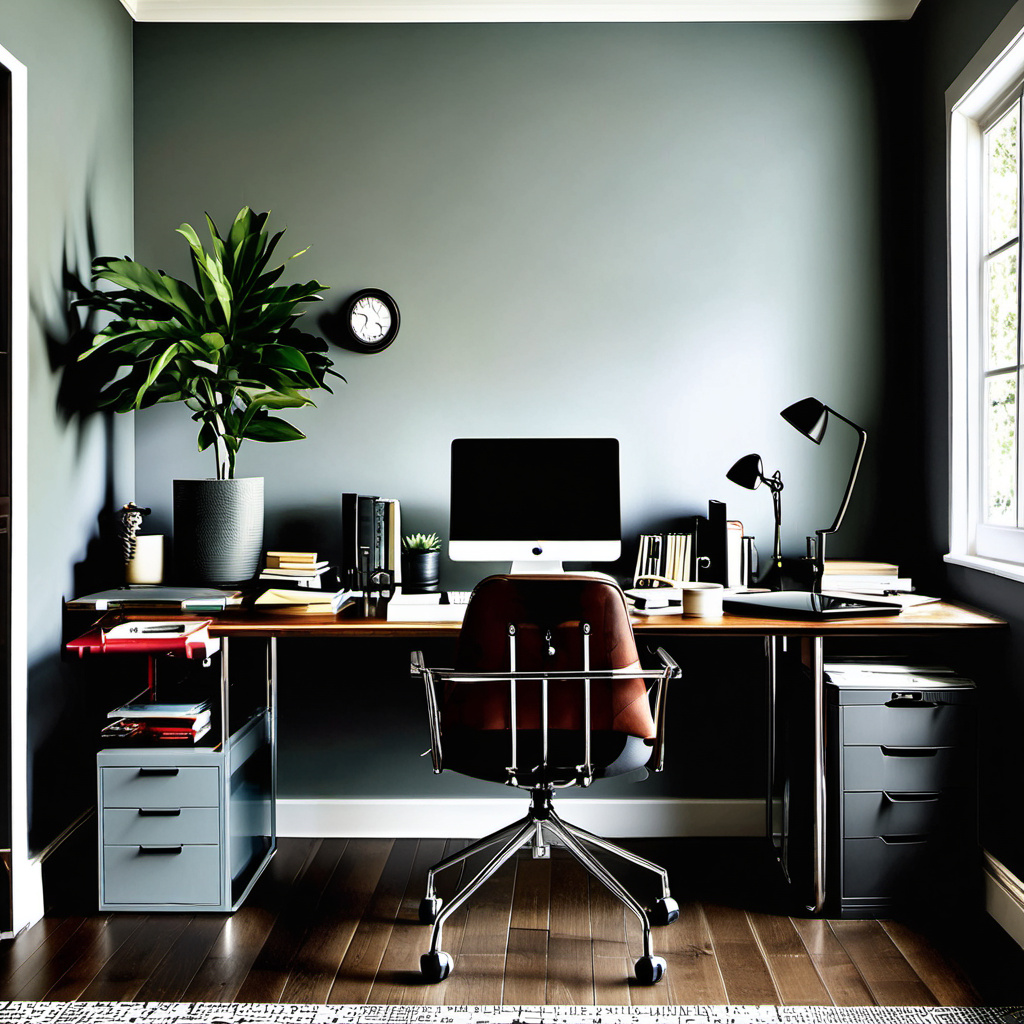
In the modern era of remote work and digital entrepreneurship, the home office has transitioned from a luxury to a necessity. However, a desk is no longer just a flat surface where you place a laptop; it is the cockpit of your productivity, the canvas of your creativity, and a reflection of your personal style. Finding the right creative home office desk ideas can transform a mundane workday into an inspiring experience, helping you maintain focus while nurturing your mental well-being. Whether you are working from a cramped city apartment or a spacious suburban home, the way you curate your workspace dictates the flow of your professional life.
Key takeaways
- Use floating or fold-down desks to maximize floor space in small rooms or shared living areas.
- Repurpose vintage furniture or apply paint and contact paper to create a unique, budget-friendly workspace.
- Improve health and focus by incorporating standing desk converters, ergonomic adjustments, and biophilic design elements.
- Maintain a clutter-free environment using discreet cable management and vertical shelving solutions.
- Designate clear boundaries between professional and personal life by utilizing closet offices or modular desk configurations.
Creating a workspace that feels uniquely yours involves more than just purchasing a catalog-standard piece of furniture. It requires an understanding of ergonomics, aesthetics, and spatial utility. This guide explores a variety of creative home office desk ideas that cater to different needs, from minimalist enthusiasts to those who find beauty in vintage charm. By rethinking the traditional desk, you can optimize your environment for success and comfort.
Transforming Small Spaces: The Floating Desk and the Cloffice
When floor space is at a premium, the most creative solution is often to look upward. Floating desks, which are mounted directly to the wall without legs, provide a sleek and modern aesthetic while keeping the floor area clear. This visual openness makes a small room feel significantly larger. To implement a floating desk effectively, you must ensure it is anchored into wall studs to support the weight of your equipment. A popular DIY approach involves using a thick piece of finished butcher block or a sturdy wooden shelf supported by heavy-duty industrial brackets.
Another ingenious small-space solution is the “cloffice”—a closet converted into an office. By removing the doors or replacing them with curtains, you can tuck a desk, shelving, and lighting into a space that was previously used only for storage. This allows you to “close the door” on your workday, providing a vital psychological boundary between professional and personal life. When designing a cloffice, use vertical space for shelving to house printers and files, and choose a slim-profile chair that can be tucked completely under the desk when not in use.
For those who need even more flexibility, fold-down or “murphy” desks are a game-changer. These desks are mounted to the wall and can be folded flat when the workday is over. This is particularly useful in multi-functional rooms, such as a bedroom or a guest room, where a permanent desk might disrupt the flow of the space. Look for designs that include built-in cubbies for small office supplies, ensuring that everything has a home even when the desk is folded away.
Repurposing Vintage Furniture for a Unique Look
One of the most sustainable and creative home office desk ideas is to repurpose vintage or antique furniture. Not only does this save a piece of history from a landfill, but it also adds a layer of character that modern, mass-produced furniture often lacks. An old dining table, for instance, provides an expansive workspace that is perfect for those who need to spread out blueprints, fabric samples, or multiple monitors. The patina of aged wood brings warmth and a sense of history to your workspace.
Consider looking for unconventional items to serve as a desk base. An antique sewing machine stand with its intricate cast-iron legs can be topped with a piece of glass or reclaimed wood for a stunning, industrial-chic look. Similarly, an old dresser can be converted into a desk by removing the top drawers to create legroom, while the remaining drawers provide ample storage for office supplies. This approach is particularly effective for those who enjoy the “Cottagecore” or “Shabby Chic” aesthetics.
When repurposing vintage furniture, it is important to consider the height. Traditional dining tables or vanity units may be slightly lower or higher than standard desk height (which is typically around 29 to 30 inches). You may need to add risers to the legs or choose an adjustable office chair to ensure your posture remains ergonomic. Sanding down a rough surface and applying a fresh coat of low-VOC paint or a natural wood stain can revitalize a thrift-store find, making it a centerpiece of your home office.
The Minimalist Approach: Clean Lines and Clutter-Free Zones
For many, creativity thrives in a space free from visual noise. The minimalist desk movement focuses on simplicity, functionality, and high-quality materials. A minimalist desk often features a thin profile, hidden cable management, and a lack of ornate detailing. Materials like tempered glass, white-lacquered wood, or polished metal are staples of this style. The goal is to create a “zen” environment where the mind can focus entirely on the task at hand.
To achieve a minimalist look, cable management is paramount. Visible wires are the enemy of minimalism. Use under-desk cable trays, adhesive clips, and wireless peripherals to keep the surface as clean as possible. Many modern minimalist desks come with built-in power strips or wireless charging pads integrated into the surface. If your desk doesn’t have these, you can drill a small hole for a grommet to route cables neatly beneath the surface.
Storage in a minimalist office should be discreet. Instead of bulky filing cabinets, use sleek pedestal drawers that match the desk’s finish or floating shelves that hold only the essentials. The “one-in, one-out” rule is helpful here: for every new item brought onto the desk, one must be removed or filed away. A single, high-quality desk lamp and perhaps one small plant are often the only decorative elements needed to complete this look without cluttering the mind.
Ergonomic Creativity: DIY Standing Desks and Conversions
The health risks of prolonged sitting are well-documented, leading many to seek creative standing desk solutions. While commercial standing desks can be expensive, there are many creative ways to build your own or adapt your current setup. A DIY standing desk can be as simple as placing a sturdy wooden crate or a dedicated laptop riser on top of your existing desk. This allows you to switch between sitting and standing throughout the day, which can improve circulation and reduce back pain.
For a more permanent DIY standing desk, consider using the “IKEA hack” method. By combining a set of tall legs (or kitchen cabinets used as a base) with a standard tabletop, you can create a customized standing height desk that fits your specific measurements. The ideal height for a standing desk is one where your elbows are at a 90-degree angle when typing. Adding an anti-fatigue mat to your workspace is a crucial but often overlooked step that makes standing for long periods much more comfortable.
Another creative option is the treadmill desk. While it requires more space, placing a high-clearance desk over a compact walking treadmill allows you to maintain a slow pace while attending virtual meetings or answering emails. This integration of movement into the workday is a pinnacle of creative health-conscious design. If a full treadmill is too much, under-desk ellipticals or pedal exercisers can offer similar benefits while you remain seated at a standard desk.
Integrated Storage Solutions: The Bookshelf Desk
If you are an avid reader or need to keep a large library of reference materials close at hand, the bookshelf desk is an ideal solution. This design integrates the desk surface directly into a larger shelving unit. Ladder desks are a popular version of this, where the desk surface is one of the lower, deeper shelves of a leaning ladder-style bookcase. This setup utilizes vertical space and provides a built-in backdrop for video calls.
For those who prefer a more robust look, a “wall of books” with an integrated desk can be created using modular shelving systems. By omitting a few shelves in the center, you create a recessed area for your monitor and workspace. This creates a cozy, library-like atmosphere that can be incredibly grounding. It also ensures that everything you need—from reference books to stationery—is within arm’s reach.
When designing a bookshelf desk, lighting is a key consideration. Because the shelves above the desk can cast shadows, it is important to install under-shelf LED strip lighting or a clip-on lamp to illuminate your workspace effectively. This not only improves visibility but also adds a warm, ambient glow to the room. You can also use the surrounding shelves to display personal items, such as awards, photos, or art, to make the space feel more personal and less like a corporate cubicle.
Nature-Inspired Workspaces: Live-Edge Wood and Greenery
Biophilic design—the practice of connecting human environments to the natural world—has been shown to reduce stress and increase productivity. A creative way to bring this into your home office is through a live-edge wood desk. These desks retain the natural curve and bark of the tree on the edges, making each piece entirely unique. The organic shapes and textures of the wood provide a tactile connection to nature that can be very soothing during a high-stress workday.
In addition to the desk itself, incorporating greenery is essential for a nature-inspired workspace. Plants like the Snake Plant, Pothos, or ZZ Plant are excellent choices for home offices because they are low-maintenance and can thrive in indirect light. Instead of just placing a pot on the corner of your desk, get creative with how you display them. Use hanging planters to save desk space, or create a “living wall” behind your desk using a trellis or wall-mounted planters.
To complete the nature-inspired look, consider the color palette of your office. Earth tones like forest green, terracotta, and soft browns complement wooden desks perfectly. Natural materials like jute rugs, linen curtains, and stone coasters further enhance the organic feel. The goal is to create a sanctuary that feels less like an artificial office and more like a natural extension of the world outside, fostering a sense of calm and creative flow.
The Double Desk: Collaborative Spaces for Partners or Siblings
With more households having multiple people working or studying from home, the need for a double desk has grown. A creative double desk setup doesn’t have to mean two separate, mismatched desks pushed together. Instead, you can create a unified, collaborative workspace. A long, single countertop supported by three sets of legs (one on each end and one in the middle) creates a seamless side-by-side workstation for two people. This is an efficient use of a long wall and keeps the room looking organized.
If you prefer more privacy, a back-to-back configuration can work well. Placing two desks in the center of the room, facing away from each other, allows each person to have their own dedicated zone while still sharing the same light source. You can place a low bookshelf or a decorative screen between the desks to provide a visual and acoustic barrier. This is particularly useful if both people are frequently on phone calls or video conferences.
For a truly creative approach, consider a T-shaped desk. This involves one long desk against a wall with a second desk extending perpendicularly from the center. This creates two distinct work areas and a shared “meeting” space in the middle. It’s perfect for partners who need to collaborate on projects or for a parent and child who need to work and do homework simultaneously. Use matching chairs and accessories to create a cohesive look, but allow each person to personalize their specific area with their own decor.
Color and Texture: Using Paint and Fabric to Personalize Your Desk
If you have a functional but boring desk, you don’t need to buy a new one to get a creative look. Color and texture can completely transform a piece of furniture. Painting a desk a bold, unexpected color—like navy blue, emerald green, or even a soft blush—can turn it into a statement piece. Use a high-quality furniture paint and finish with a clear topcoat to ensure the surface can withstand daily use.
Texture can be added through various creative methods. Decoupage is a technique where you apply paper or fabric to the surface of the desk using a specialized adhesive like Mod Podge. You could cover the top of your desk with vintage maps, sheet music, or a beautiful floral fabric. Once sealed with several coats of polyurethane, the surface becomes durable and completely unique. This is a fantastic way to express your personality and interests through your furniture.
Another way to add texture is by using peel-and-stick wallpaper or contact paper. Modern contact papers come in realistic wood grain, marble, and concrete finishes. Applying a marble-effect contact paper to a simple white desk can instantly give it a high-end, luxurious appearance. For the legs, consider using metallic spray paint in gold or copper to add a touch of glamour. These small, inexpensive changes can make a massive difference in how you feel about your workspace, proving that creativity doesn’t always require a large budget.
Actionable Guidance for Designing Your Creative Desk
When implementing these creative home office desk ideas, it is important to follow a structured approach to ensure the final result is both beautiful and functional. Start by assessing your needs: do you require a large surface for physical tasks, or just enough room for a laptop? Once you have defined the function, consider the flow of the room. A desk should be placed where there is adequate light—ideally natural light from a window—but positioned to avoid glare on your screen.
Don’t forget the importance of the “small details.” A creative desk is enhanced by thoughtful organization. Use ceramic bowls for paperclips, a stylish leather desk mat to define your workspace, and a high-quality task light that provides focused illumination. Personalize your space with items that inspire you, such as a vision board, a collection of favorite stones, or a digital photo frame. However, be mindful of over-accessorizing; every item on your desk should either serve a purpose or bring you genuine joy.
Finally, remember that your home office is a work in progress. As your career evolves and your needs change, your desk setup should be flexible enough to adapt. Don’t be afraid to experiment with different layouts or decor styles until you find the one that truly resonates with you. A creative home office is not just about the furniture; it’s about creating an environment that empowers you to do your best work every single day.
Frequently Asked Questions
How do I choose the right desk height for my home office?
The standard height for a desk is approximately 29 to 30 inches (74 to 76 cm). However, the “correct” height depends on your own height and the chair you use. When sitting, your feet should be flat on the floor, and your elbows should be at a 90-degree angle when resting on the desk. If you are using a standing desk, the same 90-degree elbow rule applies. Using an adjustable chair or a footrest can help you achieve the perfect ergonomic alignment if your desk height is fixed.
What are some budget-friendly ways to make a desk look more expensive?
You can elevate a basic desk by replacing standard hardware, such as drawer pulls, with high-quality brass or leather handles. Applying a marble-effect contact paper to the desktop or using a high-gloss paint can also provide a more luxurious feel. Additionally, investing in a single high-end accessory, like a designer desk lamp or a leather desk mat, can draw the eye and make the entire setup look more curated and expensive.
How can I manage cables if my desk doesn’t have built-in storage?
For desks without built-in management, you can use adhesive cable clips to route wires along the underside or the legs of the desk. Under-desk cable management trays or “baskets” can be screwed into the bottom of the desktop to hold power strips and excess cord length. Using braided cable sleeves can also bundle multiple wires together, making them look much tidier. For a completely clean look, consider switching to wireless keyboards, mice, and headphones.
What is the best lighting for a creative home office?
The best lighting is a combination of three types: natural, ambient, and task lighting. Natural light from a window is ideal for mood and alertness, but it should be filtered with sheer curtains to prevent glare. Ambient lighting (like a ceiling fixture) provides general illumination, while task lighting (like a desk lamp) provides focused light for reading or writing. For creative work, look for bulbs with a high Color Rendering Index (CRI) to ensure colors appear accurately.
Can I use a dining table as a desk permanently?
Yes, a dining table can make an excellent desk, especially if you need a large surface area. However, keep in mind that dining tables are often slightly higher than standard desks and lack built-in storage like drawers. You may need to use a taller office chair and add under-desk storage units or desktop organizers to keep your supplies tidy. Ensure the table is sturdy enough to support the weight of monitors and other heavy equipment without wobbling.
Related posts:
 Desk Setup Game-Changer: The Perfect Phone Perch for Productivity
 Memorial Day Patio Furniture Deals
 Mood Makeover: The Office Supplies That Will Transform Your Workday Vibes
 Is Eating While Standing Bad?
 Open Concept Done Right: Design Tips for Spacious Living
 Desk Yoga for Back Pain Relief
 Transform Your Living Room Into a Stretch Studio With These Wall Moves
 Art of Wall Hangings: Maryanne Moodie’s Instagram Guide