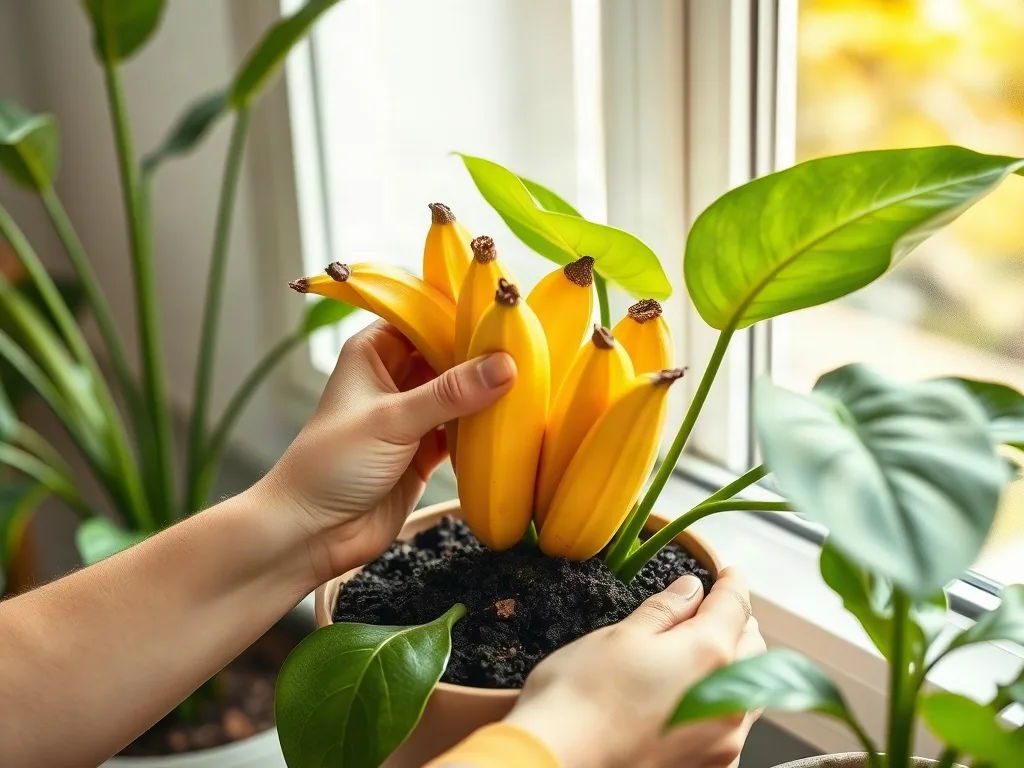
Banana peels are often tossed into the trash without a second thought, yet they hold a surprising amount of value for the home, garden, and personal care routine. By rethinking this common kitchen waste, you can reduce landfill contributions, save money, and discover new ways to nurture plants, skin, and even household surfaces. The following guide walks through nine practical categories, each packed with step‑by‑step ideas you can start using today.
Key takeaways
- Steep chopped peels in water for 48 hours to create a potassium-rich liquid fertilizer for indoor plants.
- Rub the inner side of fresh peels on skin to apply antioxidants and lutein that calm irritation.
- Use the natural oils in the peel to polish silverware and stainless steel surfaces without using harsh chemicals.
- Boil organic peels for ten minutes to soften them before adding to stir-fries, curries, or baked goods.
- Always wash peels thoroughly and perform a patch test before skin application, especially if you have a latex allergy.
Why Banana Peels Deserve a Second Look
Each peel contains potassium, phosphorus, calcium, and trace minerals that plants love. It also carries natural oils and enzymes that can soften skin, polish silver, and tenderize meat. When you divert peels from the bin, you close a small loop in the food‑to‑soil cycle and gain free, non‑toxic resources for everyday tasks. The key is to match the peel’s properties to the right application, whether that’s a slow‑release fertilizer or a quick shine for stainless steel.
Composting and Soil Enrichment
Adding banana peels to a compost pile is the simplest way to recycle them. Chop the peels into one‑inch pieces to accelerate decomposition; the smaller surface area lets microbes work faster. Layer the pieces with dry carbon‑rich material such as shredded newspaper or dried leaves to maintain a balanced carbon‑to‑nitrogen ratio. Within a few weeks the peels break down into dark, crumbly humus that improves soil structure, water retention, and nutrient availability for garden beds and container plants alike.
Natural Fertilizer for Houseplants
For a quick liquid feed, steep a handful of chopped peels in a liter of water for 24‑48 hours. Strain the infusion and dilute it one part tea to ten parts water before watering indoor plants. The potassium boost encourages flowering and fruit set, while the mild acidity helps unlock micronutrients in potting mix. Apply once every two weeks during the growing season, and watch foliage deepen in color and stems strengthen.
DIY Skin Care and Beauty Treatments
The inner side of a fresh peel is rich in antioxidants and lutein, compounds that can calm irritated skin and reduce the appearance of fine lines. Gently rub the moist inner surface over clean face or hands for a minute, then rinse with lukewarm water. For a more intensive mask, blend a peel with a tablespoon of honey and a teaspoon of yogurt, apply for ten minutes, and rinse. Always patch‑test first, especially if you have sensitive skin, and avoid using peels that show mold or excessive browning.
Cooking and Flavor Enhancements
Banana peels are edible when prepared correctly. Boil whole peels for ten minutes to soften the fibers, then slice them into stir‑fries, curries, or chutneys for a subtle sweet‑savory note and a boost of dietary fiber. In baking, puree boiled peels and fold them into banana bread batter; the added moisture reduces the need for extra oil. Remember to use organic bananas if you plan to eat the peel, as conventional fruit may carry pesticide residues on the skin.
Household Cleaning and Deodorizing
The natural oils in banana peels make an effective, chemical‑free polish for silverware and stainless steel. Rub the inner side of a peel over tarnished items, then buff with a soft cloth; the tarnish lifts without scratching. For lingering fridge odors, place a few dried peel strips in a small bowl on a shelf; they absorb smells while releasing a faint, pleasant aroma. Replace the strips weekly for continuous freshness.
Creative Crafts and Upcycling Projects
Dried banana peels can be turned into biodegradable “leather” for small accessories. Lay thin strips on a parchment sheet, brush lightly with a mixture of water and glycerin, and bake at low temperature (around 120 °C) until pliable. The resulting sheets can be cut into bookmarks, jewelry components, or decorative gift tags. This craft not only repurposes waste but also introduces kids to sustainable material science in a hands‑on way.
Animal Feed and Pet Care Tips
Many small livestock such as chickens, rabbits, and goats enjoy banana peels as a treat. Chop the peels into bite‑size pieces and mix them into regular feed for an extra potassium kick. For dogs, a frozen peel slice can serve as a soothing chew during teething or hot weather; supervise to prevent choking. Avoid feeding peels to cats, as their digestive systems are less equipped to handle the fibrous material.
Safety, Storage, and Best Practices
Always wash bananas thoroughly before using the peels, especially if you plan to eat them or apply them to skin. Store fresh peels in an airtight container in the refrigerator for up to three days, or freeze them for longer keeping. Discard any peel that shows black spots, mold, or an off smell. When composting, keep the pile aerated and moist to prevent anaerobic conditions that can produce unpleasant odors.
Banana Peel Mulch and Weed Suppression in Garden Beds
Banana peels make an excellent slow‑release mulch when laid directly on the soil surface. Spread a single layer of fresh or slightly dried peels around the base of vegetables, berries, or ornamental shrubs. As the peels decompose they release potassium and phosphorus, feeding roots while the physical barrier blocks light and reduces weed germination. For best results, overlap the peels slightly and cover them with a thin layer of straw or shredded leaves; this prevents the peels from blowing away and speeds up microbial activity. In hot climates, the mulch can dry out quickly, so water the bed after application to kick‑start decomposition. Edge case: avoid piling peels more than two inches deep around tender seedlings, as the rapid breakdown can generate heat that may scorch young roots.
To create a weed‑suppressing sheet mulch for larger areas, lay whole peels side by side on cardboard or newspaper, then top with compost. The cardboard blocks existing weeds while the peels add nutrients as they break down. This technique works well in no‑dig garden beds and raised planters. Reapply a fresh peel layer every four to six weeks during the growing season to maintain nutrient flow and weed control.
Banana Peel Biochar and Soil Amendment for Long‑Term Fertility
Turning banana peels into biochar locks carbon into a stable form that improves soil structure for years. Start by drying peels thoroughly in a low‑temperature oven (around 120 °C) or a solar dehydrator until they become brittle. Next, place the dried pieces in a metal container with a tight‑fitting lid and heat in a kiln or a controlled burn pit at 400‑500 °C for 30‑45 minutes, limiting oxygen to promote pyrolysis rather than combustion. The resulting black, porous char can be crushed into a coarse powder and mixed into garden soil at a rate of 5‑10 % by volume. Biochar raises cation exchange capacity, helping the soil retain potassium, calcium, and magnesium released from the original peel. It also improves water holding capacity in sandy soils and drainage in heavy clays.
Edge case: if the burn temperature exceeds 600 °C, the char becomes too ash‑like and loses porosity. Monitor temperature with a probe or by observing the color change from brown to deep black. For small‑scale gardeners without a kiln, a simple trench method works: dig a shallow trench, fill with dried peels, cover with soil, and light a controlled fire on top; after the fire dies down, uncover the char. Always wear heat‑resistant gloves and keep a water source nearby.
Fermented Banana Peel Products: Vinegar, Wine, and Probiotic Tonics
Fermentation unlocks additional nutrients and creates versatile kitchen staples. To make banana peel vinegar, fill a clean glass jar three‑quarters full with chopped peels, cover with filtered water, and add a tablespoon of raw sugar per cup of water. Stir, cover with a breathable cloth secured by a rubber band, and let sit at room temperature for two weeks, stirring daily. Strain the liquid, transfer to a second jar, and allow a second fermentation for another two weeks until a vinegar aroma develops. The finished vinegar can be used in salad dressings, marinades, or as a natural cleaning agent.
For a light banana peel wine, combine one kilogram of boiled and mashed peels with three liters of water, two kilograms of sugar, and a packet of wine yeast. Ferment in a demijohn with an airlock for three weeks, then rack off the sediment and age for at least two months. The resulting beverage has a subtle tropical note and a modest alcohol content around 8‑10 %. A probiotic tonic can be made by blending fresh peels with kefir grains and a splash of coconut water; let ferment 24‑48 hours, then strain. The drink delivers live cultures plus the peel’s potassium and antioxidants. Edge case: always use organic peels for fermentation to avoid pesticide residues that can inhibit yeast or bacterial activity.
Natural Hair and Scalp Treatments Using Banana Peels
The inner surface of a banana peel contains silica, lutein, and natural oils that can condition hair and soothe an itchy scalp. For a quick rinse, boil two peels in a liter of water for ten minutes, cool, and strain. After shampooing, pour the infusion over the hair, massage into the scalp, leave for five minutes, then rinse with cool water. The silica helps strengthen strands while the antioxidants calm inflammation.
For a deeper mask, blend a fresh peel with two tablespoons of coconut oil and one tablespoon of aloe vera gel until smooth. Apply to damp hair from roots to ends, cover with a shower cap, and leave for 30 minutes before washing out. This treatment adds moisture, reduces frizz, and can lessen dandruff when used weekly. Edge case: people with latex allergy may react to proteins in the peel; perform a patch test on the inner forearm before full application. Avoid using peels that have turned black or show mold, as they can introduce unwanted microbes to the scalp.
Banana Peel Based Biodegradable Packaging and Craft Materials
Beyond the leather‑like sheets described elsewhere, banana peels can be processed into a flexible film suitable for wrapping small items or making seed‑starting pots. Begin by boiling peels for 15 minutes, then puree with a small amount of glycerin (5 % of peel weight) and a pinch of citric acid to improve plasticity. Spread the mixture thinly on a silicone mat and dehydrate at 60 °C for 6‑8 hours until a translucent, pliable sheet forms. The film can be cut to size, folded, and sealed with a warm iron to create compostable pouches for herbs, spices, or homemade tea bags.
For seed pots, press the wet film into a muffin tin, let dry, then peel out the formed cups. They hold soil, allow root penetration, and decompose directly in the garden, eliminating transplant shock. Edge case: high humidity can cause the film to become sticky; store finished sheets in a sealed container with a silica packet. If the film tears easily, increase glycerin to 8 % or add a small amount of cornstarch for reinforcement.
Banana Peel as a Natural Pest Deterrent and Insect Trap
The strong scent of ripe banana peels attracts certain insects while repelling others, making them useful in integrated pest management. To deter aphids and spider mites, bury small peel pieces 2‑3 cm deep around the base of susceptible plants; the released volatiles interfere with pest feeding cues. For fruit flies and fungus gnats, create a simple trap: place a peel in a jar, add a splash of apple cider vinegar, cover with plastic wrap, and poke tiny holes. Insects enter but cannot escape. Replace the peel every three days for continued efficacy.
In compost bins, a layer of peels on top can discourage rodents by masking food odors, while still feeding beneficial microbes. Edge case: in very wet conditions, peels may become a breeding ground for slugs; combine with diatomaceous earth around the bin perimeter to mitigate. Avoid using peels near pollinator‑friendly flowers if you notice bee activity decreasing, as the scent can sometimes confuse foraging insects.
Educational Science Experiments and STEM Activities with Banana Peels
Banana peels provide a low‑cost, safe material for hands‑on science lessons. One classic experiment demonstrates enzymatic browning: place peel slices in separate dishes, treat one with lemon juice (acid), one with water (control), and one with a pinch of baking soda (alkaline). Observe color change over 30 minutes to discuss polyphenol oxidase activity and pH effects. Another activity measures potassium release: soak equal weights of fresh peel in distilled water for 24 hours, then use a simple flame test (with adult supervision) to compare the intensity of the lilac flame against a known potassium standard.
For a physics‑focused project, students can build a banana peel battery by inserting copper and zinc electrodes into a fresh peel, connecting multiple cells in series to power a low‑voltage LED. This illustrates electrochemical potential of organic matter. Edge case: the voltage per cell is low (around 0.5 V), so at least six cells are needed for a visible LED glow. Ensure all metal electrodes are clean and that the peel remains moist throughout the experiment. These activities reinforce concepts in chemistry, biology, and engineering while promoting waste‑reduction awareness.
Frequently Asked Questions
Can I use banana peels directly on my garden soil without composting?
Yes, you can bury small pieces a few inches deep around plants. They will decompose in situ, releasing nutrients slowly. However, large quantities may attract pests, so moderation and mixing with soil is advisable.
Are there any health risks to eating banana peels?
When sourced from organic bananas and properly cooked, peels are safe for most people. Individuals with latex allergy may experience cross‑reactivity, so consult a healthcare provider if you have known sensitivities.
How long does banana peel tea last once brewed?
Use the liquid fertilizer within 48 hours for maximum potency. After that, microbial growth can reduce nutrient levels and create an off smell.
Will banana peel polish damage delicate surfaces like marble?
The natural oils are gentle, but marble is porous and can stain. Test on an inconspicuous area first, and avoid prolonged contact. For marble, a dedicated stone cleaner is safer.
Can I add banana peels to a worm bin?
Absolutely. Red wigglers love banana peels. Chop them finely and feed in moderation; too much at once can create excess moisture and acidity.
Related posts:
 Orange Peels for Digestion: A Natural Remedy for Gut Health
 Healthy Frozen Banana Desserts
 Essential Tips for Better Garden Health
 Potassium-Rich Foods That Will Boost Your Energy Naturally
 Rose Crystal Garden in NYC
 Vertical Garden Home Guide
 Urban Outfitters’ Faux Plant Collection
 The Best Full-Sun Plants for a Thriving Garden