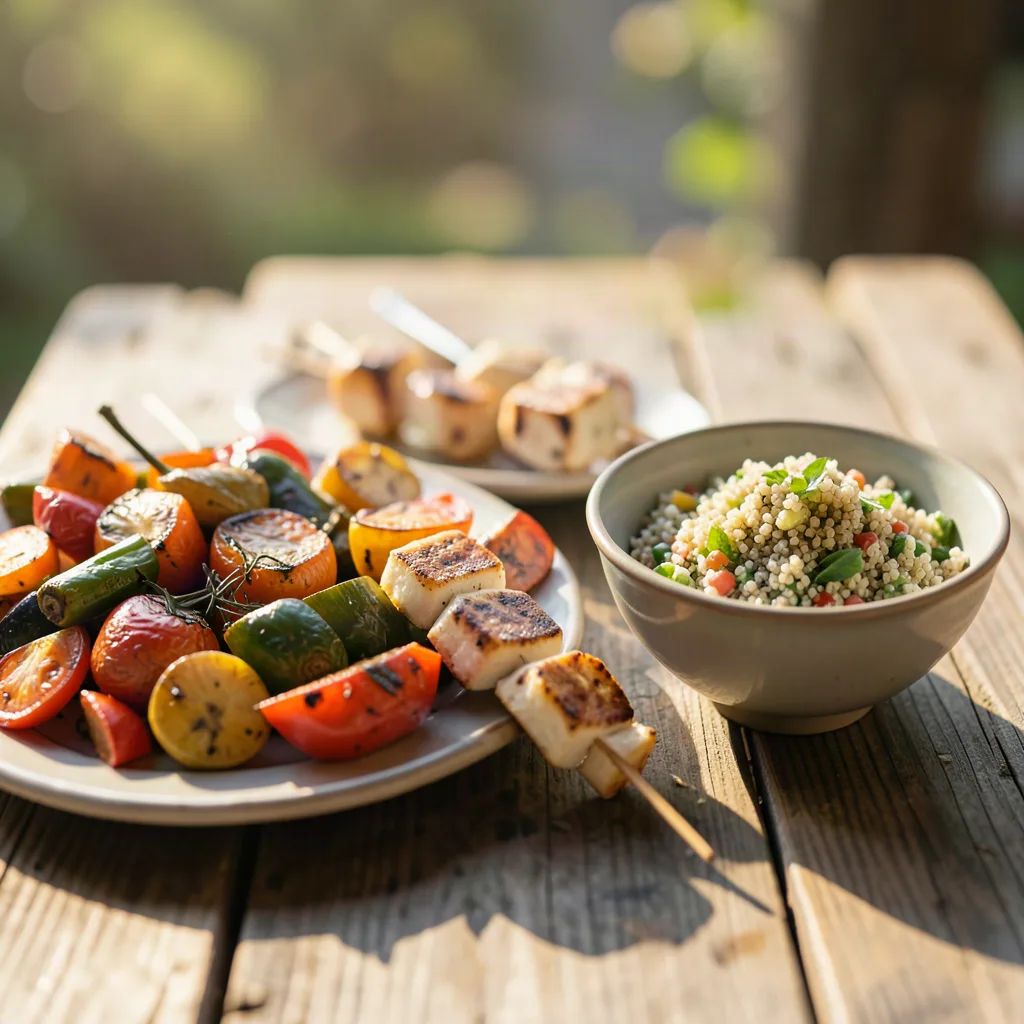
Switching to a plant‑forward kitchen does not mean sacrificing taste or satisfaction. By focusing on umami‑rich ingredients, varied textures, and bold seasoning, you can create meals that rival any meat‑centric dish. This guide walks you through eight core techniques and offers concrete recipes you can start cooking today.
Key takeaways
- Use umami-rich ingredients like dried mushrooms, miso, and nutritional yeast to add savory depth to meatless dishes.
- Press tofu for 30 minutes and pan-fry it to create a satisfying, crunchy texture for stir-fries and salads.
- Batch-cook grains and proteins weekly to simplify meal assembly and prevent decision fatigue during busy workdays.
- Enhance gut health and flavor by incorporating home-fermented vegetables like sauerkraut or kimchi into grain bowls and stews.
- Opt for gluten-free proteins such as lentils, quinoa, and hemp hearts for a diverse, nutrient-dense plant-based diet.
Building Flavor Foundations with Umami
Umami is the savory depth that makes meat memorable, and the plant world offers plenty of sources. Dried mushrooms, tomato paste, miso, nutritional yeast, and fermented sauces such as soy sauce or tamari deliver that mouth‑filling quality. Start a dish by sautéing a handful of finely chopped shiitake or porcini in oil until they release their aroma; the resulting base can replace a beef stock in risottos, stews, or pasta sauces.
Another trick is to toast tomato paste for a minute before adding liquid. The caramelization creates a sweet‑savory backbone that mimics the richness of a slow‑cooked ragu. Stir in a tablespoon of white miso at the end of cooking for a subtle, salty complexity that lingers on the palate. Nutritional yeast sprinkled over finished plates adds a cheesy, nutty note without dairy.
Experiment with a simple umami broth: simmer kombu, dried shiitake, a splash of soy sauce, and a pinch of smoked paprika for twenty minutes. Use this broth as the cooking liquid for grains, beans, or as a soup base. The result is a versatile, meat‑free stock that carries depth without any animal products.
For an extra layer, finish sauces with a dash of fermented black bean paste or a spoonful of sun‑dried tomato puree. Both ingredients amplify savoriness while keeping the dish entirely plant‑based.
Mastering Texture Through Plant Proteins
Texture often decides whether a dish feels substantial. Firm tofu, tempeh, seitan, and legumes each bring a distinct bite. Press tofu for at least thirty minutes, then cube and pan‑fry until golden; the crust provides a satisfying crunch that holds up in stir‑fries and salads. Tempeh’s natural nuttiness shines when steamed first, then marinated in a mixture of maple syrup, soy sauce, and smoked paprika before grilling.
Seitan, made from vital wheat gluten, can be kneaded to a chewy, meat‑like consistency. Shape it into strips, steam, then finish in a hot skillet with a glaze of balsamic reduction and garlic. For a quicker option, roast chickpeas with cumin and olive oil until crisp; they become a crunchy topping for grain bowls or a snack on their own.
Don’t overlook the power of lentils. French green lentils hold their shape and mimic the texture of ground meat in bolognese or shepherd’s pie. Simmer them with onions, carrots, celery, and a splash of red wine, then finish with a spoonful of tomato paste and fresh herbs. The result is a hearty, protein‑packed filling that satisfies even the most devoted carnivores.
Try blending cooked white beans with a touch of olive oil and lemon zest to create a creamy spread that mimics ricotta in stuffed shells or lasagna layers.
Global Inspirations: Mediterranean Mezze
The Mediterranean table is built on vegetables, legumes, and olive oil, making it a natural playground for vegetarian creativity. Start with a classic hummus, but elevate it by blending roasted red pepper, caramelized onion, or white bean for varied color and flavor. Serve with warm pita, raw crudités, and a drizzle of herb‑infused oil.
Stuffed grape leaves (dolmas) become a centerpiece when filled with a mixture of short‑grain rice, pine nuts, currants, dill, and lemon zest. Steam them gently and finish with a yogurt‑cucumber sauce made from plant‑based yogurt, grated cucumber, garlic, and mint. The bright acidity cuts through the richness of the filling.
For a warm dish, try a baked eggplant and tomato stack layered with sliced zucchini, potatoes, and a spiced tomato sauce. Top with a sprinkle of vegan feta made from tofu, lemon juice, and nutritional yeast. The casserole delivers comfort and a parade of textures, perfect for sharing.
Add a side of marinated olives, roasted red peppers, and a handful of toasted pine nuts to round out the mezze spread with minimal effort.
Asian Stir‑Fry Techniques Without Meat
High heat and quick cooking preserve the crunch of vegetables while allowing sauces to cling. Use a wok or a wide skillet, pre‑heat until a drop of water evaporates instantly. Add a neutral oil, then aromatics: ginger, garlic, and sliced scallions. Follow with denser vegetables such as carrots, broccoli, and bell peppers, tossing constantly.
For protein, add cubed tempeh or pressed tofu that has been dusted with cornstarch; the coating creates a light crust. Deglaze with a sauce made from soy sauce, rice vinegar, a touch of maple syrup, sesame oil, and a pinch of chili flakes. Finish with a handful of fresh basil or cilantro and a squeeze of lime.
A versatile stir‑fry base can be turned into a noodle bowl by tossing cooked rice noodles directly in the wok. Add bean sprouts for extra crunch and a soft‑boiled egg alternative made from silken tofu seasoned with kala namak for an eggy flavor. The method scales easily for meal prep.
Experiment with a peanut‑lime sauce by whisking peanut butter, lime juice, soy sauce, garlic, and a splash of water; it coats vegetables and protein alike with a creamy, tangy finish.
Hearty Comfort: Soups and Stews
Slow‑simmered soups develop layers of flavor that rival any meat broth. Begin with a mirepoix of onion, carrot, and celery sautéed in olive oil until translucent. Add diced potatoes, canned tomatoes, and a mix of beans such as cannellini and kidney. Pour in the umami broth from section one and let simmer until the beans are tender.
For a smoky twist, incorporate chipotle in adobo, smoked paprika, and a splash of liquid smoke. Stir in kale or collard greens during the last five minutes for color and nutrition. Serve with a dollop of cashew cream blended from soaked cashews, lemon juice, and garlic.
Another crowd‑pleaser is a French‑style lentil stew. Brown the lentils with onions and garlic, then add vegetable stock, diced tomatoes, carrots, and a bouquet garni of thyme and bay leaf. Finish with a splash of sherry vinegar and fresh parsley. The stew thickens naturally, delivering a satisfying bowl on chilly evenings.
For a creamy variation, blend a portion of the cooked soup with a handful of raw cashews and return it to the pot; the result is a velvety texture without dairy.
Creative Bowls and Grain‑Based Meals
Grain bowls let you combine flavors, textures, and nutrients in one vessel. Choose a base such as quinoa, farro, brown rice, or millet. Cook the grain in the umami broth for extra depth. While the grain cooks, roast a tray of seasonal vegetables—sweet potatoes, Brussels sprouts, cauliflower—tossed with olive oil, cumin, and coriander.
Layer the bowl: grain, roasted veg, a protein component (marinated tempeh, black beans, or a soft‑scrambled tofu), and a vibrant sauce. A tahini‑lemon drizzle thinned with water, garlic, and a pinch of salt works universally. Add pickled onions or quick‑pickled radish for acidity, and finish with toasted seeds or nuts for crunch.
For a breakfast‑style bowl, use warm millet topped with sautéed spinach, sliced avocado, fermented kimchi, and a sprinkle of furikake. The combination delivers probiotics, healthy fats, and a savory start to the day without any animal products.
Rotate grains weekly—try barley, freekeh, or sorghum—to keep the nutrient profile diverse and the palate interested.
Sweet Endings: Desserts That Shine
Vegetarian desserts can be just as indulgent. A classic chocolate mousse becomes plant‑based by blending silken tofu, melted dark chocolate, maple syrup, and vanilla until airy. Chill for an hour and top with fresh berries and a dusting of cocoa powder.
Fruit‑forward crisps showcase seasonal produce. Toss sliced apples or stone fruit with oats, almond flour, coconut oil, cinnamon, and a pinch of salt. Bake until the topping is golden and the fruit bubbles. Serve warm with a scoop of coconut‑milk ice cream.
For a no‑bake option, create energy balls from dates, walnuts, cocoa nibs, and a spoonful of almond butter. Roll in shredded coconut or matcha powder. These bite‑size treats satisfy sweet cravings while delivering fiber and healthy fats.
Try a chia‑seed pudding layered with mango puree and toasted coconut; it sets overnight and makes a ready‑to‑eat dessert or breakfast.
Meal‑Prep Strategies for Busy Weeks
Planning ahead turns creative cooking into a sustainable habit. Dedicate one afternoon to batch‑cook grains, roast a large tray of mixed vegetables, and prepare two protein batches—one tofu, one legume. Store each component in separate airtight containers; they stay fresh for up to five days.
Portion sauces into small jars: tahini‑lemon, miso‑ginger, and a spicy harissa‑tomato blend. When assembling meals, simply reheat the grain and veg, add protein, and drizzle sauce. This modular approach prevents flavor fatigue and reduces daily decision fatigue.
Label containers with dates and intended meal (lunch, dinner, snack). Keep a running list of favorite combos on your phone for quick inspiration. Over time you’ll build a personal library of go‑to vegetarian meals that feel fresh every week.
Invest in a set of stackable glass containers; they’re microwave‑safe, odor‑resistant, and make portion control visual and easy.
Fermentation Fundamentals for Depth and Probiotics
Fermentation adds a living layer of flavor that no spice rack can replicate. Start with a simple lacto‑fermented vegetable: thinly slice cabbage, carrots, and radish, massage with two percent salt by weight, pack tightly into a jar, and weight the mixture below its brine. In three to seven days at room temperature you will have a crisp, tangy kraut that can be folded into grain bowls, stirred into soups, or served as a bright side. The same principle works for quick kimchi; add gochugaru, garlic, ginger, and fish‑sauce‑free umami such as miso or soy‑free tamari for a Korean‑style kick that matures in just forty‑eight hours.
Miso paste can be cultured at home if you have a warm corner and patience. Combine cooked soybeans (or chickpeas for a soy‑free version) with koji‑inoculated rice, salt, and a splash of water, then let the mixture sit in a breathable container for six months. The resulting paste delivers a deep, salty sweetness that enriches dressings, glazes, and the umami broth from the earlier guide. Tempeh follows a similar rhythm: steam hulled soybeans or black beans, inoculate with Rhizopus oligosporus spores, and incubate at thirty degrees Celsius for twenty‑four hours. The cake that forms can be sliced, marinated, and grilled for a nutty, firm protein that holds its shape in sandwiches and stir‑fries.
Edge cases matter. Too little salt encourages spoilage; too much stalls fermentation. Use a kitchen scale for accuracy. Temperature swings above thirty‑five degrees Celsius can produce off‑flavors, while temperatures below fifteen degrees slow the process dramatically. A simple thermometer and a dark cupboard solve most problems. Once fermentation reaches the desired acidity, transfer jars to the refrigerator where activity slows but flavor continues to develop for months.
Incorporate fermented products strategically. A spoonful of kimchi brine brightens a pot of lentil stew, while a dollop of miso whisked into a vinaigrette gives salad dressing a savory backbone. Tempeh crumbles can replace ground meat in a bolognese, and a splash of kombucha vinegar adds acidity to roasted vegetables without any citrus. These living ingredients also seed the gut with beneficial bacteria, supporting digestion and immunity.
Storage tip: keep ferments in airtight glass with a loose lid to allow gas escape. Label each batch with the start date and primary vegetable. Over time you will build a personal library of flavors — spicy kimchi, smoky beet kvass, sweet carrot‑ginger pickles — that can be swapped into any recipe for an instant depth boost.
Gluten‑Free and Soy‑Free Protein Toolkit
Many vegetarians navigate gluten or soy sensitivities, yet the protein landscape remains vast. Legumes form the backbone: red lentils cook in fifteen minutes and dissolve into a creamy base for dals or thick sauces; green and brown lentils hold shape for salads and shepherd’s pie fillings. Chickpeas, whether canned or home‑cooked, provide a neutral canvas for hummus, falafel, or roasted crunchy snacks. Split peas break down quickly for split‑pea soup, while black beans and kidney beans add heft to chili and burrito bowls.
Beyond beans, pseudocereals shine. Quinoa delivers a complete amino‑acid profile and cooks in twelve minutes; toast it first for a nutty aroma. Amaranth and teff, though smaller, pack iron and calcium and can be popped like popcorn for a crunchy topping. Buckwheat groats, despite the name, are gluten‑free and make a hearty porridge or a savory kasha side dish. Millet, already mentioned in grain bowls, also works as a fluffy base for stuffing peppers.
Seeds and nuts contribute protein plus healthy fats. Hemp hearts offer ten grams of protein per three tablespoons and blend smoothly into smoothies or sprinkle over roasted vegetables. Pumpkin seeds, sunflower seeds, and chia seeds each bring unique mineral profiles — zinc, magnesium, omega‑3s — and can be ground into a flour for baking or stirred into oatmeal. Almond flour and hazelnut meal replace wheat flour in many baked goods while adding moisture and richness.
For a quick protein boost, consider pea protein isolate or brown‑rice protein powder. Both dissolve well in plant‑based milks and can be baked into pancakes or energy bars. When using powders, watch for added gums or sweeteners; choose unflavored versions to control the final taste. A tablespoon stirred into a morning oat bowl adds twenty grams of protein without altering texture.
Digestibility improves with proper preparation. Soak beans overnight, discard the soaking water, and cook with a piece of kombu to reduce oligosaccharides that cause gas. Sprouting lentils or chickpeas for twenty‑four hours activates enzymes and raises vitamin C content. Lightly toasting nuts and seeds before use enhances flavor and reduces phytates that can bind minerals.
Recipe idea: a gluten‑free, soy‑free “meatball” combines cooked brown lentils, rolled oats (certified GF), grated carrot, chopped walnuts, nutritional yeast, smoked paprika, and a flax‑egg binder. Form into balls, bake at two hundred degrees Celsius for twenty minutes, then simmer in a tomato‑basil sauce. Serve over quinoa or spiralized zucchini for a complete meal that satisfies both texture and nutrition needs.
World‑Wide Vegetarian Classics Beyond the Mediterranean
Exploring global cuisines reveals vegetarian staples that are naturally plant‑forward. In Latin America, black‑bean enchiladas rolled in corn tortillas and smothered with a roasted tomatillo‑chili sauce deliver comfort without meat. Chiles rellenos can be stuffed with a mixture of queso fresco (or a tofu‑based alternative), corn, epazote, and raisins, then battered in chickpea flour and fried until golden. A side of pickled red onions and a drizzle of crema made from blended cashews, lime, and garlic completes the plate.
West African kitchens celebrate groundnut stew, where peanut butter, tomato, ginger, and Scotch bonnet pepper simmer with sweet potatoes, okra, and kale. Serve over jollof rice — rice cooked in a spiced tomato‑pepper base — for a one‑pot feast. The stew’s richness comes from the peanut butter’s natural oils; a splash of coconut milk adds silkiness without dairy. For a lighter option, try a Senegalese black‑eyed pea salad tossed with diced mango, red onion, cilantro, and a lime‑cumin vinaigrette.
Middle Eastern tables offer mujadara, a humble blend of lentils, rice, and caramelized onions topped with crisp fried shallots. The dish gains depth from a pinch of cinnamon and allspice. Fattoush salad brings crunch through toasted pita chips, cucumber, radish, and purslane, dressed with sumac‑lemon vinaigrette. Both dishes are naturally vegan and scale effortlessly for crowds.
Indian cuisine provides endless vegetarian variety. A simple dal tadka — split yellow lentils cooked with turmeric, then finished with a sizzling tempering of cumin, mustard seeds, garlic, and dried red chilies — pairs with steamed basmati or flatbread. Chana masala, chickpeas simmered in a tomato‑onion gravy spiced with garam masala, amchur, and kasuri methi, showcases how layered spices create meat‑like satisfaction. For a South Indian twist, try a coconut‑based vegetable korma with curry leaves and mustard seeds.
Caribbean callaloo, a stew of amaranth leaves (or spinach), okra, coconut milk, and Scotch bonnet, often includes plantains and breadfruit. The dish is traditionally cooked in a single pot, allowing flavors to meld. Serve with a side of festival — sweet cornmeal dumplings — for a comforting meal that travels well as leftovers.
When adapting these classics, watch for hidden animal products: fish sauce in Southeast Asian recipes, shrimp paste in some sambals, or ghee in Indian cooking. Substitute with seaweed‑based umami, fermented bean paste, or coconut oil respectively. The core techniques — slow‑cooked bases, layered spices, fresh herb finishes — remain unchanged, letting you honor tradition while staying plant‑based.
Modern Cooking Techniques: Smoking, Sous‑Vide, and Pressure Cooking
Smoking vegetables and plant proteins adds a campfire aroma that mimics barbecue without a grill. A stovetop smoker or a simple foil packet with wood chips (apple, hickory, or cherry) placed over low heat for fifteen minutes infuses tofu, tempeh, portobello caps, or even cauliflower steaks with a subtle smoke. For deeper penetration, cold‑smoke the protein for thirty minutes before finishing in a hot pan to develop a crust. Edge case: overly long exposure can impart bitterness; taste after ten minutes and adjust.
Sous‑vide precision cooking guarantees uniform texture for delicate items. Vacuum‑seal marinated tofu cubes with a splash of tamari, maple syrup, and smoked paprika, then cook at sixty‑five degrees Celsius for forty‑five minutes. The result is a custard‑like interior that holds together when seared. Chickpeas benefit from a ninety‑minute bath at eighty‑five degrees Celsius, emerging buttery and ready for a quick fry. The method also works for root vegetables — carrots at eighty‑five degrees for one hour become intensely sweet and tender.
Pressure cooking slashes bean and grain cooking times dramatically. Dry black beans, unsoaked, become creamy in thirty minutes at high pressure with a bay leaf and a strip of kombu. Farro, barley, and wheat berries cook in twenty minutes instead of an hour. For a one‑pot meal, combine rinsed lentils, diced sweet potato, onion, cumin, and vegetable broth; pressure cook for eight minutes, then natural release. The stew thickens naturally, and the flavors meld as if simmered for hours.
Safety note: always follow the manufacturer’s maximum fill line, especially with foaming legumes. Add a teaspoon of oil to the pot to reduce foam. For sous‑vide, ensure bags are fully submerged and the water bath maintains temperature; a circulator with a timer prevents over‑cooking. When smoking indoors, ventilate well and keep a fire‑extinguisher nearby.
Combining techniques multiplies flavor. Smoke tempeh first, then sous‑vide in a miso‑ginger glaze, finally sear for caramelization. Pressure‑cook a batch of brown rice, then spread on a tray and cold‑smoke for a fragrant base for grain bowls. These modern tools expand the vegetarian repertoire far beyond stovetop sauté, letting you achieve textures and aromas traditionally reserved for meat‑centric kitchens.
Nutrient Pairing for Optimal Absorption
Plant‑based nutrition thrives on strategic pairings. Iron from lentils, spinach, and pumpkin seeds absorbs best alongside vitamin C‑rich foods — bell pepper, citrus, strawberry, or a squeeze of lemon over a finished dish. A practical habit: finish every bean‑heavy meal with a fresh herb‑citrus drizzle or a side of raw shredded Brussels sprouts tossed in orange vinaigrette.
Calcium sources such as fortified plant milks, tofu set with calcium sulfate, kale, and almonds need vitamin D for efficient uptake. Since dietary vitamin D is scarce, a daily supplement or regular sun exposure (ten to fifteen minutes on arms and face) bridges the gap. Pair a calcium‑rich breakfast — chia pudding made with fortified oat milk — with a mushroom‑based vitamin D supplement for a synergistic start.
Vitamin B12 does not occur reliably in plants; a sublingual methylcobalamin lozenge (500 µg) three times weekly covers needs. Nutritional yeast fortified with B12 can be sprinkled on popcorn, pasta, or roasted vegetables, but verify the label for adequate dosage. Edge case: some fortified yeasts lose potency over time; store in a cool, dark jar and replace every six months.
Omega‑3 fatty acids (ALA) from flax, chia, hemp, and walnuts convert poorly to EPA/DHA. An algae‑oil supplement (250‑500 mg combined EPA/DHA) provides a direct source without fish. Incorporate ground flax into smoothies, oatmeal, or as an egg replacer in baking; the grinding step is essential — whole seeds pass undigested.
Zinc and phytates compete; soaking, sprouting, or fermenting grains and legumes reduces phytate levels. A quick soak of quinoa for thirty minutes before cooking, or using sprouted lentils in salads, improves mineral bioavailability. Pair zinc‑rich pumpkin seeds with a vitamin C source — perhaps a mango‑lime salsa — to further enhance absorption.
Sample day menu illustrating pairings: breakfast — overnight oats with fortified soy milk, ground flax, sliced kiwi, and a sprinkle of fortified nutritional yeast; lunch — quinoa‑black bean salad with red pepper, cilantro, lime, and pumpkin seeds; snack — almond‑date energy balls rolled in hemp hearts; dinner — tempeh‑broccoli stir‑fry finished with a lemon‑tahini sauce, served over brown rice; supplement — algae oil and B12 lozenge with dinner. This layout ensures each critical nutrient meets its co‑factor, maximizing the benefit of every bite.
Budget‑Smart Batch Cooking and Freezer Strategies
Eating well on a tight budget starts with a master ingredient list. Buy dried beans, lentils, rice, oats, and seasonal root vegetables in bulk; the per‑pound cost drops dramatically versus canned or pre‑cut options. A five‑pound bag of brown lentils yields roughly twenty cups cooked — enough for multiple soups, salads, and veggie burgers across two weeks. Store dry goods in airtight buckets with oxygen absorbers to extend shelf life beyond a year.
Design a weekly “cook‑once, eat‑thrice” cycle. Sunday afternoon: pressure‑cook a large pot of mixed beans (black, kidney, pinto) with onion, garlic, and bay; roast two trays of chopped carrots, sweet potatoes, and cauliflower tossed in oil, cumin, and coriander; simmer a big batch of tomato‑based sauce enriched with miso and nutritional yeast. Portion beans, roasted veg, and sauce into freezer‑safe containers — two cups each — label with date and intended meal (e.g., “taco filling”, “grain bowl base”, “stew starter”).
Freezer‑friendly dishes retain texture when reheated correctly. Grain‑based casseroles (lasagna with lentil‑ricotta, baked ziti with TVP) freeze well assembled but unbaked; bake from frozen at one‑hundred‑eighty degrees Celsius for forty‑five minutes, covered, then uncover for the final ten minutes. Soups and stews benefit from a quick boil after thawing to revive flavors. Avoid freezing high‑water vegetables like cucumber or raw leafy greens; instead, blanch kale or spinach for thirty seconds, shock in ice water, drain, and freeze in portion bags for later sauté.
Reheating strategy matters. Microwave on medium power with a splash of broth or water to prevent drying. For stovetop, add a tablespoon of oil or sauce, stir frequently, and finish with fresh herbs or a squeeze of citrus to brighten. Oven reheating at one‑sixty degrees Celsius for twenty minutes restores crispness to roasted vegetables and baked tofu.
Cost tracking: a spreadsheet with columns for ingredient, quantity, price, servings, and cost per serving reveals hidden savings. Example: a ten‑dollar bag of dried chickpeas yields twelve cups cooked; at three cups per recipe, that’s four meals at roughly eighty‑cents each for the protein component. Pair with a dollar’s worth of seasonal carrots and a fifty‑cent onion, and a hearty chickpea‑carrot stew costs under two dollars per bowl.
Edge case: freezer burn degrades flavor. Use vacuum‑seal bags or press out excess air before sealing. Rotate stock — first in, first out — and keep a running inventory on the freezer door. With a disciplined batch system, you reduce daily decision fatigue, minimize food waste, and keep a diverse, protein‑rich vegetarian menu affordable all year.
Frequently Asked Questions
- Can I get enough protein on a fully vegetarian diet?
- Yes. Combining legumes, tofu, tempeh, seitan, nuts, seeds, and whole grains provides all essential amino acids. Aim for a variety of sources each day.
- How do I prevent tofu from tasting bland?
- Press tofu to remove excess water, then marinate for at least thirty minutes in a flavorful mixture of soy sauce, garlic, ginger, and a touch of sweetness. Pan‑fry or bake until a crust forms.
- What are the best plant‑based substitutes for ground meat in sauces?
- Cooked lentils, finely chopped mushrooms, crumbled tempeh, or textured vegetable protein (TVP) all mimic the texture of ground meat when seasoned well.
- Are there vegetarian recipes that work well for meal prep?
- Grain bowls, soups, stews, and baked casseroles store and reheat beautifully. Keep sauces separate until serving to maintain texture.
- How can I add umami without using soy sauce?
- Use dried mushrooms, tomato paste, miso, nutritional yeast, seaweed (kombu), or fermented bean pastes such as doenjang. Each adds depth in its own way.
Related posts:
 Understanding Meat Extenders
 High-Protein Foods That Pack a Serious Nutritional Punch
 Vegetable-Rich Dinner Ideas
 4 Soy Sauce Substitutes for Cooking
 15-Minute Dairy-Free Dinner Ideas
 Beyond Breakfast: The Plant-Based Sausage That’s Changing the Morning Game
 Best Garlic Press Guide
 Delicious Ground Chicken Recipes