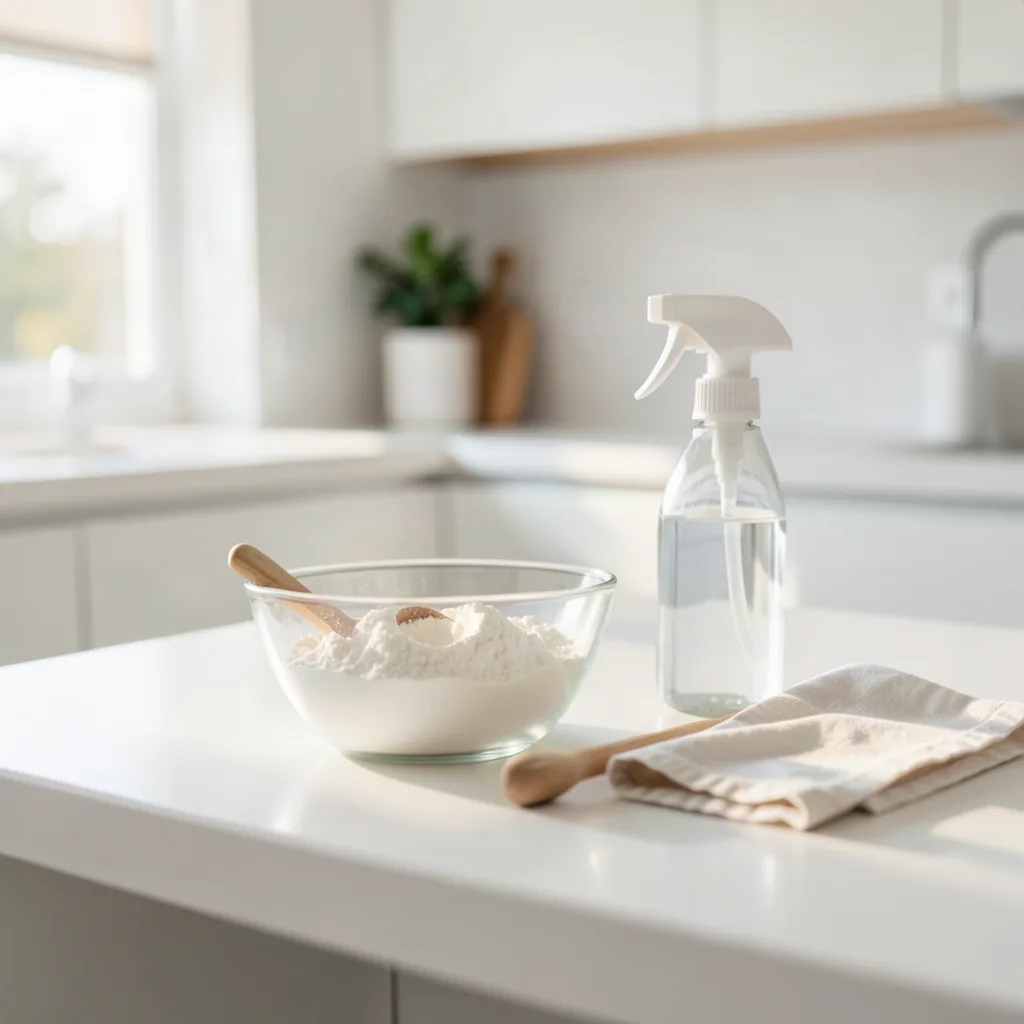
Baking soda, also known as sodium bicarbonate, is a humble white powder that sits in most kitchen cupboards. Its alkaline nature makes it a versatile agent for cooking, cleaning, personal care, and even garden maintenance. Because it is inexpensive, non‑toxic, and readily available, it has earned a reputation as a go‑to solution for countless everyday challenges. This guide explores a wide range of practical applications, offering step‑by‑step instructions and tips to help you get the most out of every box.
Key takeaways
- Use baking soda as a leavening agent or to neutralize acidity in tomato sauces and coffee.
- Create an effective, non-scratch cleaning paste for kitchen and bathroom surfaces using water and baking soda.
- Neutralize odors and boost detergent performance by adding baking soda to your laundry cycles.
- Control garden pests, fungal issues, and soil pH levels with targeted, environmentally friendly baking soda solutions.
Kitchen Essentials: Baking Soda in Cooking and Baking
In the kitchen, baking soda acts as a leavening agent. When combined with an acid such as vinegar, lemon juice, or buttermilk, it releases carbon dioxide, causing batters and doughs to rise. For fluffy pancakes, add one teaspoon per cup of flour. In cookies, a pinch helps spread the dough evenly, creating a tender crumb. Beyond leavening, a small amount can neutralize excess acidity in tomato sauces, reducing the need for sugar. To tenderize tougher cuts of meat, sprinkle a thin layer, let sit for fifteen minutes, then rinse thoroughly before cooking. Baking soda also works as a produce wash: dissolve two tablespoons in a bowl of water, soak fruits and vegetables for a minute, then rinse to remove surface residues.
Natural Cleaning Powerhouse: Household Surfaces
Because it is mildly abrasive and alkaline, baking soda excels at cutting through grease and grime without scratching most surfaces. Create a paste with three parts powder to one part water, apply to stove tops, sinks, or countertops, scrub with a soft cloth, and wipe clean. For oven interiors, spread a thick layer, spray lightly with water, let sit overnight, then scrape away the loosened residue. In the bathroom, sprinkle directly onto a damp sponge to tackle soap scum on tiles and glass doors. A solution of half a cup dissolved in a quart of warm water makes an effective all‑purpose spray for floors, walls, and appliances. Adding a few drops of essential oil such as tea tree or lavender provides a pleasant scent while preserving the cleaning power.
Personal Care: Deodorant, Toothpaste, Skin Soothing
Baking soda’s odor‑neutralizing ability makes it a popular base for homemade deodorant. Mix one part powder with one part cornstarch, add a few drops of coconut oil and essential oil, then press into a small jar. Apply a pea‑sized amount to clean underarms. As a toothpaste alternative, combine two tablespoons with one tablespoon of hydrogen peroxide and a drop of peppermint oil; brush gently to whiten teeth and freshen breath. For minor skin irritations — such as insect bites, mild sunburn, or razor burn — dissolve a teaspoon in a cup of cool water, soak a clean cloth, and apply as a compress. The alkaline solution helps balance skin pH and reduces itching. Always perform a patch test first, and avoid use on broken or highly sensitive skin.
Laundry Booster: Stain Removal and Freshness
Adding half a cup of baking soda to the wash cycle enhances detergent performance, softens water, and brightens whites. For stubborn stains like coffee, wine, or sweat, make a paste with water, rub onto the affected area, let sit for thirty minutes, then launder as usual. To eliminate lingering odors from gym clothes or pet bedding, soak items in a solution of one cup per gallon of warm water for an hour before washing. In the dryer, toss a small sachet filled with baking soda and a few drops of essential oil to keep fabrics smelling fresh between washes. This method also reduces static cling without the need for commercial dryer sheets.
Garden and Outdoor Uses: Pest Control, Soil Amendment
In the garden, a light dusting around the base of plants can deter slugs, ants, and certain beetles. The powder irritates their exoskeletons, encouraging them to move elsewhere. For fungal issues such as powdery mildew, mix one tablespoon with a quart of water and a few drops of liquid soap; spray affected foliage weekly. Baking soda can also raise soil pH slightly, benefiting plants that prefer neutral to alkaline conditions like beans and cabbage. Test soil before applying, and limit use to one tablespoon per square foot to avoid excessive alkalinity. Additionally, sprinkling a thin line across door thresholds helps keep crawling insects from entering the home.
Science Experiments and Educational Activities
Baking soda is a staple for safe, hands‑on science at home or in the classroom. The classic volcano combines vinegar and baking soda to demonstrate an acid‑base reaction, producing a foamy eruption. For a density experiment, dissolve varying amounts in water, then layer the solutions in a clear container to observe stratification. A simple “invisible ink” can be made by writing with a baking‑soda‑water mixture; once dry, heating the paper reveals the message as the powder decomposes. These activities illustrate chemical principles while using inexpensive, non‑hazardous materials.
Safety Tips and Storage Guidelines
While generally safe, baking soda should be kept out of reach of small children and pets. Ingesting large quantities can cause electrolyte imbalance. Store in a cool, dry place in an airtight container to prevent moisture absorption, which reduces effectiveness. When using as a cleaning paste, avoid mixing with strong acids like bleach; the reaction releases chlorine gas. For personal care applications, limit frequency to avoid skin dryness. Always label homemade mixtures clearly, and discard any that develop an off odor or clumping.
Advanced Culinary Techniques with Baking Soda
Baking soda can do far more than lift a pancake batter. A pinch added to the water when boiling dried beans softens their skins and cuts cooking time by up to twenty percent, because the alkaline environment breaks down pectin more quickly. For crispier fried chicken or tempura, whisk a teaspoon into the cold batter; the tiny bubbles created during frying produce a lighter, crunchier crust. When caramelizing onions, a splash of baking soda raises the pH, accelerating the Maillard reaction and turning a thirty‑minute stir into a ten‑minute golden melt. Home bakers who lack commercial baking powder can blend two parts cream of tartar with one part baking soda and a pinch of cornstarch for a reliable double‑acting substitute. In gluten‑free recipes, a quarter teaspoon per cup of flour improves rise and texture by providing extra gas pockets that compensate for the missing gluten network. For pretzels and bagels, a brief boil in a solution of one tablespoon per quart of water gives the signature chewy exterior and deep brown color without the need for lye. A dash in coffee grounds before brewing neutralizes excess acidity, yielding a smoother cup without adding sugar. Finally, when whipping egg whites for meringues, a pinch stabilizes the foam, allowing higher peaks and longer hold.
Deep‑Cleaning Hacks for Hard‑to‑Reach Areas
Microwave interiors often trap splattered sauce; place a microwave‑safe bowl with one cup water and two tablespoons baking soda, heat on high for three minutes, then wipe the softened grime away with a cloth. Dishwasher filters and spray arms benefit from a monthly soak in a solution of half a cup baking soda per gallon warm water, dissolving mineral buildup that reduces cleaning efficiency. Garbage disposals develop odor‑causing biofilm; drop a handful of baking soda followed by a cup of vinegar, let fizz for five minutes, then flush with hot water. Showerheads clogged with limescale regain flow after an overnight soak in a plastic bag filled with equal parts vinegar and baking soda solution, secured with a rubber band. Grout lines between tiles brighten when scrubbed with a paste of three parts baking soda to one part hydrogen peroxide, left ten minutes before rinsing. Stainless steel appliances regain shine when rubbed with a damp cloth sprinkled with baking soda, followed by a wipe of diluted vinegar to neutralize residue. Silverware and jewelry tarnish lift after a gentle bath in a bowl lined with aluminum foil, hot water, and a tablespoon baking soda; the electrochemical reaction pulls sulfur compounds away. Cutting boards, especially wooden ones, absorb odors; a coarse salt and baking soda scrub, left to sit fifteen minutes, then rinsed, removes lingering garlic or fish smells. Refrigerator shelves stay fresh longer when a shallow dish of baking soda is placed on each level, replaced every thirty days. Carpet spot stains from wine or coffee lift when a paste of baking soda and water is applied, allowed to dry, then vacuumed. Upholstery cushions benefit from a light dusting, a fifteen‑minute dwell, and thorough vacuuming to pull out embedded dust and pet dander.
Personal Care Beyond Deodorant and Toothpaste
A simple mouthwash can be made by dissolving half a teaspoon baking soda in a cup of warm water; swishing for thirty seconds neutralizes volatile sulfur compounds that cause bad breath. For tired feet, a basin of warm water with three tablespoons baking soda and a few drops of peppermint oil soothes soreness and reduces odor‑causing bacteria. Hair that feels weighed down by product buildup regains bounce after a rinse of one tablespoon baking soda in two cups water, followed by a conditioner; the alkaline rinse opens cuticles, allowing residue to wash away. Scalp exfoliation benefits from a gentle massage with a paste of baking soda and water, rinsed after two minutes, which lifts dead skin without harsh beads. An acne spot treatment uses a pinch of baking soda mixed with a drop of tea tree oil applied directly to a blemish for ten minutes; the drying effect reduces inflammation, but limit use to once daily to avoid irritation. Bath bombs fizz delightfully when combining one cup baking soda, half a cup citric acid, a quarter cup Epsom salts, and essential oils; press into molds and let dry twenty‑four hours. Dry shampoo for oily roots can be a blend of equal parts baking soda and cornstarch, applied with a makeup brush and brushed out. A hand sanitizer booster adds a teaspoon baking soda to a small bottle of alcohol‑based gel, improving skin feel and reducing dryness. Shaving cream alternative: whisk two tablespoons baking soda into a cup of warm water, add a splash of olive oil, and apply for a slick surface that rinses clean. A facial mask for oily skin blends one tablespoon baking soda, one tablespoon honey, and a teaspoon lemon juice; leave five minutes, then rinse for a tightened feel. Nail brightening soak uses a tablespoon baking soda in a bowl of warm water; soak fingertips five minutes to lift yellow stains from polish.
Laundry Mastery: Tackling Stubborn Issues
Heavily soiled work clothes benefit from a pre‑soak of one cup baking soda in a bathtub of warm water for two hours before the regular cycle; the alkaline soak loosens grease and clay particles. Detergent buildup that leaves fabrics stiff and dull disappears when running an empty hot cycle with half a cup baking soda and a cup of white vinegar; the fizzing action scrubs the drum and hoses. Yellowed whites, especially cotton sheets, regain brightness after an overnight soak in a solution of one cup baking soda per five gallons water, followed by a normal wash. Towels that develop a musty mildew smell revive when washed with a cup of baking soda added to the rinse cycle; the alkaline rinse neutralizes the acidic byproducts of mold. Ink stains on shirts respond to a paste of baking soda and a few drops of rubbing alcohol, dabbed gently, left fifteen minutes, then laundered. Oil splatters on kitchen aprons lift when sprinkled with baking soda, left to absorb for twenty minutes, then brushed off before washing. For delicate colors that bleed, add a quarter cup baking soda to the wash water; it helps set dyes by stabilizing pH. A monthly maintenance wash of the washing machine with two cups baking soda on the hottest setting eliminates biofilm and prevents odor transfer to subsequent loads. Static cling in synthetic fabrics reduces when a tablespoon baking soda is added to the fabric softener dispenser; the ions neutralize charge buildup. Finally, a sachet of baking soda tucked in the dryer drum freshens clothes between cycles without chemical sheets.
Garden Enhancements and Plant Health
Compost piles accelerate decomposition when a thin layer of baking soda is sprinkled every few weeks; the slight alkalinity encourages microbial activity without harming beneficial worms. Weed seedlings in driveway cracks wilt after a targeted spray of one tablespoon baking soda per quart water with a drop of dish soap; the solution desiccates tender foliage while leaving established perennials untouched. Tomato plants prone to blossom‑end rot benefit from a soil drench of one teaspoon baking soda per gallon water applied at fruit set; the calcium‑availability boost reduces the disorder. Seed germination rates for beans and peas improve when seeds are soaked for twelve hours in a solution of half a teaspoon baking soda per cup water; the softened seed coat speeds water uptake. For acid‑loving blueberries, avoid baking soda; instead, test soil pH and apply elemental sulfur if alkalinity rises. Roses battling black spot respond to a weekly spray of one tablespoon baking soda, one teaspoon horticultural oil, and a quart water; the mixture creates an inhospitable surface for spores. Rabbits and deer deterred by a perimeter dusting of baking soda mixed with cayenne pepper; the irritant combo discourages browsing without chemicals. Garden tools cleaned with a paste of baking soda and water resist rust longer; rinse, dry, and oil lightly after each use. Cucumber vines prone to powdery mildew stay healthier with a bi‑weekly spray of one tablespoon baking soda, one teaspoon neem oil, and a quart water. Finally, a light dusting around the base of seedlings protects against damping‑off fungi by creating a dry, alkaline micro‑environment.
Household Hacks, Pet Care, and Automotive Uses
Shoe odor vanishes when a tablespoon baking soda is placed inside each shoe overnight; shake out excess in the morning for fresh scent. Carpet freshening between deep cleans uses a generous sprinkle, a thirty‑minute dwell, then thorough vacuuming; the powder absorbs pet dander and cooking smells. Crayon marks on walls lift with a damp sponge dipped in baking soda; the mild abrasion removes wax without damaging paint. Pet bowls stay slime‑free when scrubbed with a baking soda paste, rinsed well; the alkaline surface discourages bacterial biofilm. Litter boxes stay odor‑controlled with a thin layer of baking soda mixed into the litter; replace weekly for best results. A flea‑repellent powder for pet bedding combines equal parts baking soda and food‑grade diatomaceous earth; dust lightly, let sit an hour, then vacuum. Skunk spray on dog fur neutralizes with a bath of one quart hydrogen peroxide, a quarter cup baking soda, and a teaspoon liquid soap; rinse thoroughly after five minutes. Car battery terminals corroded with white powder clean quickly when brushed with a paste of baking soda and water; the reaction dissolves the corrosion, then rinse and dry. Interior upholstery stains from coffee or mud lift with a spray of one tablespoon baking soda per cup water, blot, then vacuum. Bug splatter on windshields softens after a soak with a baking soda solution, making wiper removal easier. A small open container of baking soda under the driver’s seat absorbs lingering smoke or food odors. For minor rust spots on chrome trim, rub a paste of baking soda and lemon juice, let sit ten minutes, then polish with a microfiber cloth. Finally, a quick hand‑warmup for frozen windshield wipers: sprinkle baking soda on the blades, let sit a minute, then wipe; the granules break ice bonds without scratching glass.
Frequently Asked Questions
Can baking soda replace commercial toothpaste entirely? It can be used occasionally for whitening, but it lacks fluoride, which helps prevent cavities. Use it as a supplement rather than a full replacement.
Is it safe to use baking soda on aluminum cookware? Prolonged contact can cause discoloration. Rinse promptly after cleaning and avoid soaking aluminum items in a baking‑soda solution.
How does baking soda affect septic systems? In moderate amounts it is harmless and can even help maintain pH balance. Avoid dumping large quantities at once.
Can I use baking soda to extinguish a small grease fire? Yes, sprinkling a generous amount can smother flames by releasing carbon dioxide. Never use water on grease fires.
What is the shelf life of an opened box? Properly sealed, it remains effective for up to two years. Test potency by adding a teaspoon to vinegar; vigorous fizzing indicates it is still active.
Related posts:
 Delicious Ground Chicken Recipes
 The Slow Beauty Movement’s Secret Hydration Recipes
 Homemade Turmeric Paste Guide
 White Sneaker Cleaning Hack
 The Salt Spray Secret to Perfect Beach Hair Every Time
 From Wellness Guru to Prison Cell: The Alkaline Diet Creator’s Shocking Downfall
 How to Clean Turmeric Stains from Blenders
 Kitchen Pharmacy: How Baking Soda Fights Inflammation Naturally