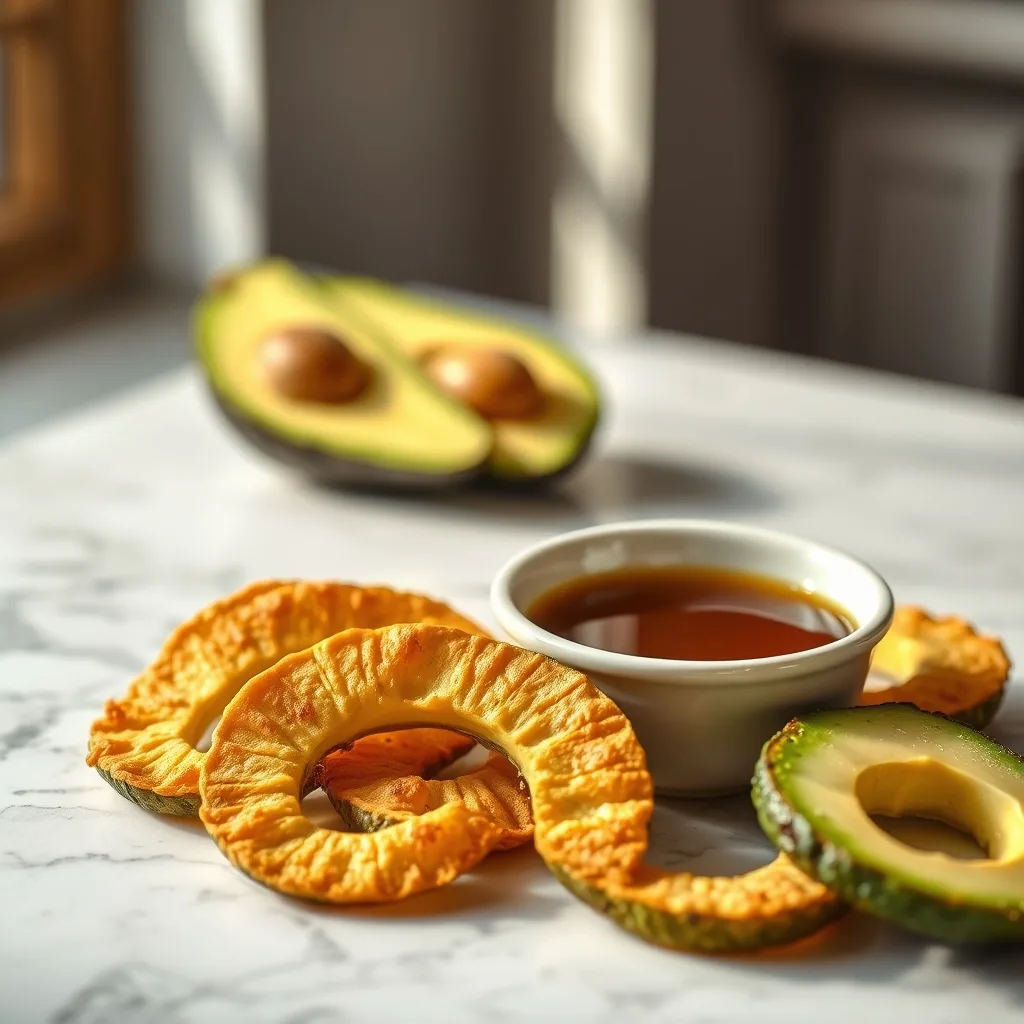
When following a ketogenic lifestyle, the challenge often lies in replicating the satisfying crunch of traditional fried snacks without the heavy carbohydrate load of breadcrumbs or flour. Avocado fries have emerged as a crowd-favorite alternative, offering a rich, creamy texture encased in a golden, crispy exterior. By utilizing keto-friendly binders and a nutrient-dense breading, you can transform the humble avocado into a sophisticated appetizer or snack that fits perfectly within your macros.
Key takeaways
- Use firm, slightly yielding Hass avocados to ensure they hold their shape during the cooking process.
- Create a durable crust by using almond flour, Parmesan cheese, and a three-step breading station with egg wash.
- Balance the richness of fried avocado with an acidic apple cider vinegar dip made with mayonnaise and mustard.
- Place breaded fries on a wire rack or use an air fryer to ensure hot air circulates for maximum crispiness.
The Science of the Perfect Keto Crust
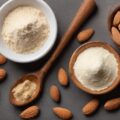
The secret to achieving a satisfying crunch without flour lies in the combination of nut flours and high-quality binders. Almond flour serves as the primary base because it provides a nutty undertone and a texture that browns beautifully in the oven or air fryer. To achieve structural integrity, mixing in grated Parmesan cheese or nutritional yeast adds a savory depth and acts as a glue that prevents the breading from sliding off the slick surface of the avocado slices. For those looking for extra texture, adding crushed pork rinds or flax seeds creates a coarse, authentic crunch that rivals any deep-fried appetizer found in a restaurant.
Selecting the Ideal Avocado for Frying
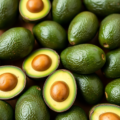
Not every avocado is suitable for the heat of the oven or air fryer. For the best results, choose avocados that are firm but possess a slight give when pressed gently. If the avocado is too ripe or soft, it will lose its shape during the breading process and turn into mush when heated. Look for Hass avocados that are uniformly green or dark purple but free of deep indentations. When slicing, aim for thick, uniform wedges—about half an inch wide—to ensure they hold their structure throughout the cooking process. If you find your avocados are slightly under-ripe, you can leave them on the counter for a day or two, but avoid using them if they are rock-hard, as they will lack the creamy mouthfeel that makes this dish special.
Mastering the Three-Step Breading Station
Efficiency is key when working with delicate ingredients like avocado. Set up a professional-style breading station to keep your workspace clean and your fries perfectly coated. The first step is the dry element: a bowl of almond flour seasoned with sea salt, garlic powder, and smoked paprika. The second step is the binder: a whisked egg or a mixture of egg and heavy cream. The third step is the crispy coating: your blend of almond flour, Parmesan, and spices. Dip the avocado wedge into the flour, then the egg, then the final breading, pressing gently to ensure the crumbs adhere. Placing the coated fries on a parchment-lined tray for ten minutes before cooking helps the coating set and prevents it from falling off during the frying stage.
Why Apple Cider Vinegar Makes the Perfect Dip
Rich, fatty foods require a bright, acidic counterpoint to balance the palate. Avocado fries are extremely dense in healthy fats, which can lead to palate fatigue after a few bites. An apple cider vinegar dip provides the necessary acidity to cut through the richness. By whisking apple cider vinegar with a base of avocado oil mayonnaise, a touch of Dijon mustard, and fresh herbs like chives or dill, you create a tangy, creamy sauce that elevates the entire experience. The acetic acid in the vinegar not only cleanses the palate but also complements the earthy flavor of the avocado, making every bite taste as fresh as the first.
Oven Baking Versus Air Frying Techniques
Both the oven and the air fryer produce excellent results, though they require slightly different approaches. If using an oven, preheat to 400°F (200°C) and place the fries on a wire rack set over a baking sheet. This allows hot air to circulate underneath the fries, ensuring they crisp on all sides rather than steaming on the bottom. If you prefer an air fryer, work in batches to avoid crowding the basket, as air circulation is the primary mechanism for crispness. A light mist of avocado oil spray before cooking helps the breading achieve a deeper golden-brown color and prevents the almond flour from tasting overly dry.
Nutritional Benefits of the Keto Avocado Fry
Beyond their delicious taste, these fries are a powerhouse of nutrition. Avocados are rich in monounsaturated fats, which are essential for heart health and sustained energy levels on a ketogenic diet. They also provide a significant amount of dietary fiber, which is often lacking in standard keto meals. By using almond flour, you are adding protein and vitamin E to your snack, while the apple cider vinegar dip introduces probiotics that support gut health. This dish is a prime example of how keto cooking focuses on nutrient density rather than empty calories, providing satiety that lasts for hours.
Customizing Your Flavor Profile
The beauty of this recipe lies in its versatility. While the base recipe is delicious, you can easily adapt it to suit different cravings. For a Mexican-inspired twist, add chili powder, cumin, and lime zest to the breading, and serve with a side of sugar-free salsa. If you prefer a Mediterranean vibe, mix dried oregano and lemon zest into the almond flour and use feta cheese crumbles in the dip. You can even experiment with heat by adding a pinch of cayenne pepper to the breading or incorporating minced jalapeños into your apple cider vinegar dip for a spicy kick that wakes up your taste buds.
Common Troubleshooting Tips for Keto Breading
If you have struggled with keto breading in the past, you are likely dealing with moisture or heat issues. If your breading is soggy, ensure your avocado slices are completely patted dry with a paper towel before coating. If the breading is burning before the center is warm, your oven temperature may be too high; lower it to 375°F and extend the cooking time by a few minutes. If you find the breading is falling off, ensure you are using a binder like egg whites or a heavy cream wash, and avoid over-handling the fries once they have been coated. Patience during the breading process is the most important factor in achieving a restaurant-quality finish.
Advanced Coating Techniques: The Double-Dredge Method
To achieve a thicker, more substantial crust that mimics the heavy-duty crunch of traditional pub-style appetizers, consider employing a double-dredge technique. While a standard single layer of breading often suffices, a double layer creates a more durable barrier between the creamy avocado and the heat source. After your initial dip in the egg wash and dry mix, return the fry to the egg wash for a secondary, lighter coating before performing a final roll in your seasoned crumb mixture. This process builds a structural “shell” that prevents the avocado from leaking its natural oils into the breading, which is the primary cause of sogginess. For the best adherence during this process, ensure your secondary breading layer is slightly coarser than the first—perhaps by incorporating larger pieces of crushed pork rinds or raw sesame seeds—to add dimension and a more complex mouthfeel.
The Role of Acidic Pre-Treatments
One of the most persistent issues with avocado preparation is oxidation, which can cause the fruit to turn brown before it even reaches the plate. While the high heat of the oven or air fryer eventually masks this, the aesthetic quality is often diminished. To combat this, toss your raw avocado wedges in a light mist of lemon or lime juice immediately after slicing. Not only does the citric acid act as a natural preservative against browning, but it also provides a subtle, bright citrus note that harmonizes beautifully with the later apple cider vinegar dip. Allow the wedges to sit for two minutes after the acid treatment and pat them thoroughly with a paper towel before starting your breading station; this ensures the surface is dry enough for the binder to form an airtight seal.
Handling Avocado Variations and Maturity
While Hass avocados are the gold standard, you may occasionally encounter varieties like Fuerte or Reed, which behave differently under heat. Fuerte avocados, for instance, have a thinner skin and a slightly more fibrous flesh, making them more resilient to high-heat frying. If you are experimenting with larger, water-heavy varieties, compensate by increasing your bake time by 15% and lowering the temperature slightly to allow moisture to evaporate without scorching the coating. Furthermore, if you are working with an avocado that is just on the cusp of being too ripe, try a quick “cold shock”: place the sliced wedges in the freezer for 15 minutes before breading. This firms up the cell walls, providing just enough structural rigidity to survive the breading process without the wedges losing their shape.
Optimizing the Apple Cider Vinegar Dip Emulsion
The success of your dip relies on the emulsification of the vinegar with your lipid base. If you find your dip separates or feels greasy, it is likely that the vinegar and fat were combined too rapidly. Start by whisking your apple cider vinegar with a teaspoon of Dijon mustard and a pinch of salt until the salt dissolves; the mustard acts as a powerful emulsifier. Once this mixture is uniform, begin adding your avocado oil mayonnaise or sour cream one tablespoon at a time, whisking vigorously after each addition. For an even more sophisticated profile, fold in a teaspoon of “mother”-containing raw apple cider vinegar at the very last second; this adds a slight effervescence and a more complex, funky depth that pairs perfectly with the fatty, fried exterior of the avocado.
Strategic Seasoning: Beyond the Basics
To elevate the breading beyond basic salt and pepper, consider incorporating “umami boosters” that don’t add net carbs. Finely grated hard cheeses such as Pecorino Romano or aged Manchego provide a sharper, saltier kick than Parmesan, which can help cut through the richness of the fruit. For those who enjoy an earthy, savory base, a teaspoon of toasted sesame oil mixed into your egg binder adds a nutty aroma that bridges the gap between the avocado and the almond flour. If you prefer a smoky finish, replace standard paprika with smoked pimentón de la Vera; the depth of this spice creates a “barbecue” profile that makes the fries feel more like a hearty main course than a light snack.
Troubleshooting Residual Oil and Moisture
If your avocado fries appear greasy despite using an air fryer, the issue often stems from the breading absorbing the oil rather than crisping it. This usually happens when the breading is too thin or the avocado surface was not properly dried. To rectify this, ensure that your breading is pressed firmly onto the avocado, creating a compact layer. If you use an oil spray, aim for a very fine, light mist from at least 12 inches away rather than a direct, heavy stream. If you notice excess oil pooling on your baking sheet or air fryer tray, your oven temperature may be too low; increasing the temperature by 25°F for the final three minutes of cooking can help “sear” the crust and force out any trapped surface oil, resulting in a drier, more satisfying crunch.
Frequently Asked Questions
Can I make these avocado fries ahead of time?
It is best to consume avocado fries immediately after cooking. Because avocado is a soft fruit with high water content, it will begin to soften and lose its crunch if left to sit or stored in the refrigerator. If you must prep ahead, prepare the breaded, uncooked fries and keep them in the refrigerator, then cook them right before you are ready to serve.
Is there a nut-free alternative for the breading?
Yes, if you have a nut allergy, you can substitute almond flour with a mix of ground sunflower seeds or use a combination of coconut flour and crushed pork rinds. Note that coconut flour is highly absorbent, so you will need to use much less of it—typically about one-third of the amount of almond flour—to avoid a dry, gritty texture.
How do I keep the apple cider vinegar dip from being too sharp?
The key is to balance the vinegar with a fat source. Using an avocado oil mayonnaise or a full-fat sour cream as the base for your dip will mellow the sharpness of the vinegar. You can also add a small amount of sweetener, such as liquid stevia or monk fruit, to round out the flavor profile without adding unnecessary carbohydrates.
Can I use an egg substitute for the binder?
If you are avoiding eggs, you can use a mixture of heavy cream and a tablespoon of ground flaxseed meal, or a commercial egg replacer that is keto-compliant. The goal is to provide a sticky surface for the breading to cling to. A mixture of melted butter and a small amount of Xanthan gum can also act as a very effective, albeit thicker, binder.
What is the best way to reheat leftovers?
Leftover avocado fries are best reheated in an air fryer at 350°F for 3 to 5 minutes. This restores the crispness of the coating without overcooking the avocado inside. Avoid the microwave, as it will cause the avocado to become mushy and make the breading soggy, ruining the texture entirely.
Related posts:
 Avocado Health Guide
 Butternut Squash Fries That Taste Better Than the Real Thing
 Healthy Air Fryer Cooking Guide
 The Hidden Magnesium Power of Avocados Will Blow Your Mind
 Healthy and Easy Air Fryer Dinner Recipes
 Mini Avocados at Trader Joe’s
 Keto Cookies That Actually Taste Like Real Cookies
 Almond Flour or Meal: How to Use It and Where to Get It