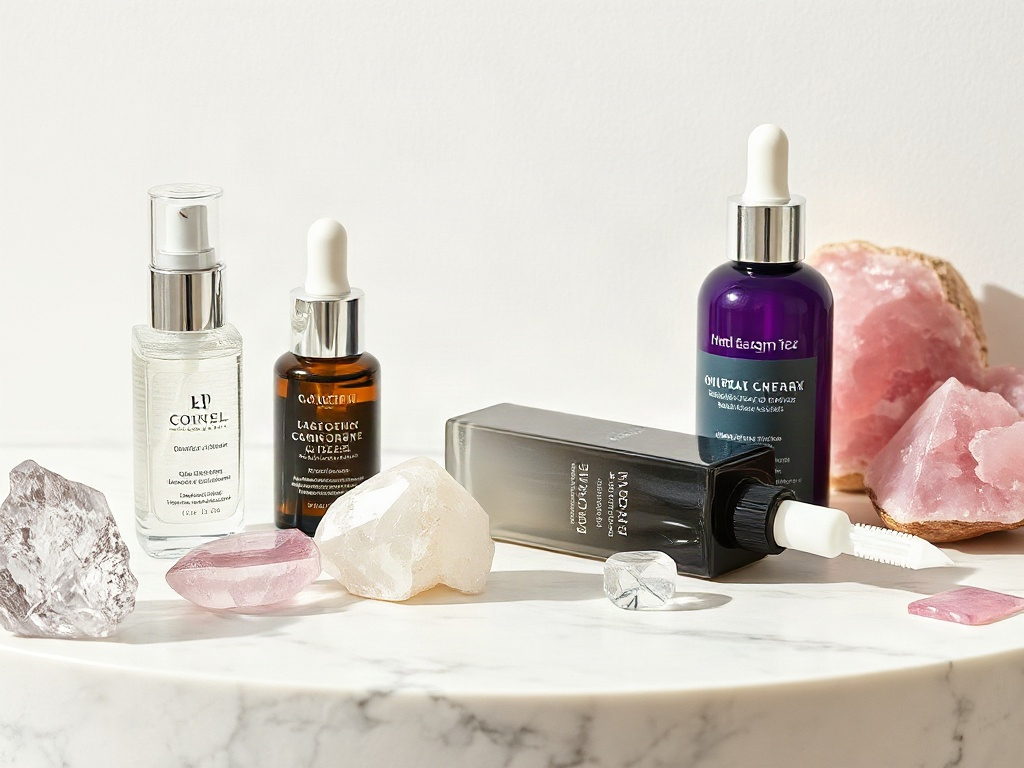
The beauty industry has embraced crystals with enthusiasm, launching serums, face rollers, and masks infused with gemstone powders and energies. While some dismiss these products as pure marketing, others swear by their transformative effects. The truth lies somewhere in between: certain crystal-infused beauty products deliver real benefits through their mineral content and physical properties, while the ritual of using them can enhance your self-care routine in meaningful ways.
Understanding which crystal beauty products offer genuine value requires looking beyond the mystical claims to examine the science of minerals, the mechanics of skincare tools, and the psychological benefits of intentional beauty rituals. This guide explores crystal-infused products that have earned their place in evidence-informed skincare routines.
The Science Behind Crystal-Infused Skincare
Crystals are minerals with specific chemical compositions and structured atomic arrangements. When ground into fine powders or extracts, some crystals contain trace minerals that can interact with skin in beneficial ways. For example, rose quartz contains silicon dioxide, which appears in many skincare formulations for its potential to support collagen production and skin elasticity.
The effectiveness of crystal-infused products depends heavily on particle size, concentration, and formulation. Micronized crystal powders can provide gentle physical exfoliation without the harsh abrasiveness of larger particles. Some minerals also have reflective properties that create a subtle luminous effect on skin, explaining the “glow” some users report.
Beyond the mineral content, the cooling properties of stone tools like jade and rose quartz rollers offer measurable benefits. Cool temperatures can temporarily reduce puffiness by constricting blood vessels and may help calm inflammation. The rolling motion itself promotes lymphatic drainage and can enhance product absorption through gentle massage.
It’s important to distinguish between products where crystals serve a functional purpose and those where they’re primarily decorative or symbolic. A serum containing finely milled crystal powder integrated into an effective formula differs significantly from one that simply has a crystal sitting in the bottle.
Face Rollers and Gua Sha Tools That Deliver Results
Jade and rose quartz face rollers have become skincare staples, and their popularity is supported by practical benefits. The dual-roller design allows you to work across different facial contours, with the larger roller for cheeks and forehead and the smaller one for under-eyes and around the nose.
To use a face roller effectively, start with clean skin and apply your serum or facial oil. Begin at the center of your face and roll outward and upward in gentle strokes, never dragging downward. Use light pressure—you’re encouraging lymphatic movement, not pressing hard into the skin. Store your roller in the refrigerator for enhanced cooling benefits, particularly helpful for morning puffiness.
Gua sha tools, traditionally made from jade or ximenyite, offer more targeted massage capabilities. The various edges and curves allow you to contour along jawlines, cheekbones, and brows with precision. Proper gua sha technique requires using the tool at a 15-degree angle against the skin with a lubricating oil or serum to prevent tugging.
The material choice between jade, rose quartz, or other stones matters less than the quality of the tool itself. Look for smooth, non-porous surfaces without cracks or irregularities. Authentic stone tools feel cool to the touch and warm slowly when held, while plastic or resin imitations warm quickly.
Consistency matters more than the specific crystal type. Using these tools regularly as part of a facial massage routine can improve product absorption, temporarily reduce puffiness, and create a moment of mindful self-care that reduces stress—a known contributor to skin issues.
Crystal-Infused Serums and Essences Worth Considering
Effective crystal-infused serums combine finely ground crystal powders with proven skincare actives. Look for products where crystals complement rather than replace evidence-based ingredients like hyaluronic acid, niacinamide, or antioxidants.
Rose quartz-infused products often feature silicon-rich formulations alongside hydrating ingredients. Silicon plays a role in collagen synthesis, though topical application has limitations compared to ingestion. These serums work best when they prioritize hydration and barrier support, with the crystal element adding mineral content and a sensory dimension.
Amethyst-infused formulations sometimes include manganese and iron, minerals associated with this purple quartz. While these minerals have roles in skin health, their effectiveness in topical application depends entirely on their form, concentration, and the presence of penetration enhancers in the formula.
When evaluating crystal serums, read the ingredient list carefully. The crystal component should appear within the first several ingredients to ensure meaningful concentration. Be wary of products where “crystal energy” is the primary claim without substantive active ingredients to support skin health.
Pay attention to the base formulation quality. A well-formulated serum with stable, effective actives that happens to include crystal extracts will outperform a poorly formulated product relying solely on crystal content. The supporting cast of ingredients determines whether you’re getting genuine skincare or just an expensive placebo.
Exfoliating Products with Crystal Powders
Finely ground crystal powders serve as gentle physical exfoliants in cleansers, masks, and scrubs. Micronized quartz, pearl powder, and diamond dust appear in luxury formulations, offering polishing effects without the micro-tears that harsh scrubs can create.
Pearl powder has been used in Asian skincare for centuries and contains amino acids, calcium, and minerals that may support skin renewal. When incorporated into enzyme masks or gentle polishing cleansers, pearl powder provides mild exfoliation while contributing brightening compounds. The key is particle size—properly micronized pearl powder feels silky, not gritty.
Diamond powder appears in high-end exfoliating products, valued for its extreme hardness that allows for ultra-fine milling. These particles can buff away dead skin cells with minimal friction. However, the concentration matters significantly, and many diamond-infused products contain such small amounts that the effect is negligible.
Quartz powder exfoliants offer a middle ground between gentleness and effectiveness. Silicon dioxide crystals can be processed to specific particle sizes that provide thorough exfoliation without irritation. These work well for sensitive skin types who need regular exfoliation but can’t tolerate stronger chemical exfoliants.
To use crystal-powder exfoliants safely, limit application to 2-3 times weekly for most skin types, and always follow with SPF during daytime. Apply with damp hands using circular motions, focusing on areas with texture concerns but avoiding active breakouts or irritated skin. Rinse thoroughly with lukewarm water.
Eye Treatments and Crystal Wands for Depuffing
The under-eye area responds particularly well to cooling crystal tools and targeted treatments. Crystal eye wands, typically made from rose quartz or jade, combine the benefits of cold therapy, gentle massage, and pressure point stimulation.
To address morning puffiness effectively, store your eye wand in the refrigerator overnight. After applying eye cream or serum, use the wand to massage from the inner corner outward along the orbital bone, then gently sweep under the eye. The cooling effect constricts blood vessels temporarily while the massage encourages fluid drainage.
Crystal-infused eye patches and masks often contain hydrogel bases with mineral extracts. The hydrogel itself provides cooling and occlusive benefits, trapping moisture and active ingredients against the delicate eye area. The crystal component adds mineral content and creates a luxurious sensory experience that encourages you to take the full 15-20 minutes for treatment.
Eye rollers with small crystal roller balls allow for precise application of serums while providing massage benefits. The rolling motion itself matters more than the crystal type—it stimulates circulation and helps reduce fluid accumulation. Apply your eye product first, then use the roller with gentle pressure, always moving toward the temples to follow natural lymphatic drainage patterns.
For dark circles, which stem from various causes including genetics, thinning skin, and vascular show-through, crystal tools provide temporary improvement through reduced puffiness and improved circulation. However, they won’t eliminate genetic dark circles or address underlying causes like sleep deprivation or allergies.
Face Masks and Treatments Featuring Crystal Extracts
Crystal-infused face masks range from clay-based treatments with mineral additions to hydrogel sheets infused with crystal extracts. The most effective versions combine traditional skincare actives with complementary crystal components.
Clay masks containing crushed crystals offer dual benefits: the clay provides purifying and oil-absorbing properties while the crystal powder adds gentle exfoliation and mineral content. Kaolin or bentonite clay masks enhanced with rose quartz or amethyst powder can refine pores and improve skin texture when used weekly.
Sheet masks infused with crystal essences typically feature hydrogel or bio-cellulose materials soaked in serums containing crystal extracts. These work best when the serum formulation includes proven hydrating and brightening ingredients like hyaluronic acid, niacinamide, or botanical extracts, with crystal elements providing additional minerals and ritual significance.
Overnight masks with crystal-infused gel or cream formulations create extended contact time for active ingredients. Look for products that use the overnight period for deep hydration and barrier repair, with crystal components supporting rather than headlining the ingredient list.
Application technique enhances mask effectiveness regardless of crystal content. Cleanse thoroughly before applying, use masks on slightly damp skin for better adhesion, and follow package timing recommendations. Remove gently and pat remaining serum into skin rather than rinsing immediately, allowing maximum absorption.
Body Care Products with Crystal Minerals
Crystal-infused body care extends beyond facial products into bath soaks, body oils, and scrubs. These products leverage larger quantities of minerals and create full-body ritual experiences.
Bath soaks containing crushed crystals or mineral salts from crystal-rich sources combine hydrotherapy benefits with mineral absorption through skin and inhalation. Epsom salt baths, for instance, provide magnesium which may absorb transdermally. Adding crushed rose quartz or amethyst creates visual appeal and introduces trace minerals, though the primary benefits come from the salt base and warm water therapy.
Body scrubs featuring crystal powders offer full-body exfoliation with a luxurious texture. Sugar or salt scrubs enhanced with finely milled crystal powder provide polishing action while the oil base moisturizes. Use these 2-3 times weekly on damp skin, focusing on rough areas like elbows, knees, and heels.
Crystal-infused body oils often feature rose quartz or clear quartz chips in the bottle along with nourishing carrier oils and essential oils. While the crystals steeping in the oil don’t fundamentally change its chemical composition, they create a beautiful presentation and add intention to your moisturizing routine. The carrier oils themselves—like jojoba, sweet almond, or rosehip—provide the actual skincare benefits.
For maximum benefit from body products, apply scrubs before shaving or hair removal for smoother results, use oils on damp skin immediately after showering to lock in moisture, and consider layering products—scrub weekly, oil daily—for comprehensive body care.
Choosing Quality Crystal Beauty Products
Not all crystal-infused products deliver equivalent value. Distinguishing between effective formulations and marketing gimmicks requires examining several factors beyond the crystal component itself.
Ingredient transparency matters most. Reputable brands list all ingredients clearly, with crystal components appearing alongside conventional skincare actives. Avoid products that make vague claims about “crystal energy” without specifying which minerals are included or how they benefit skin.
Particle size affects both safety and efficacy. Crystal powders should be micronized to prevent micro-abrasions. Products should feel smooth, not scratchy, when applied. For tools, examine the surface quality—genuine stone tools have natural variations but should be polished smooth without sharp edges or cracks where bacteria could harbor.
Price should reflect quality ingredients and ethical sourcing, not just novelty. Extremely expensive products aren’t always better, but very cheap crystal products may use synthetic materials or insufficient active ingredients. Research the brand’s reputation and read reviews from users with similar skin concerns.
Packaging matters for product stability. Airless pumps protect ingredient integrity better than jars for serums and treatments. For tools, ensure hygienic storage options are available or included. Crystal tools should come with care instructions and authentication when possible.
Consider your actual skincare needs first. A crystal-infused serum won’t overcome a poorly designed routine lacking cleansing, moisturizing, or sun protection basics. Crystal products work best as enhancements to an already solid skincare foundation.
Integrating Crystal Tools into Your Complete Skincare Routine
The strategic placement of crystal tools and products within your existing skincare regimen determines whether you maximize their benefits or create redundancy. Morning routines benefit most from cooling crystal tools applied after serums but before sunscreen. Use a chilled jade roller or rose quartz wand immediately after your vitamin C serum or hyaluronic acid to enhance absorption through gentle massage while reducing any overnight puffiness.
Evening routines accommodate more intensive crystal treatments. Apply heavier crystal-infused serums after cleansing and toning but before oils or occlusives. This layering sequence allows water-based crystal essences to penetrate before being sealed in by richer products. Follow with gua sha massage to work the products deeper into skin while promoting lymphatic drainage accumulated throughout the day.
Weekly intensive treatments fit best on days when you’re not using strong actives. Schedule crystal-powder exfoliating masks on nights when you skip retinoids or acids to avoid over-treating skin. Similarly, reserve intensive gua sha sessions for mornings before important events rather than daily use, which can overstimulate facial tissues.
Consider seasonal adjustments to crystal product usage. Summer heat may require storing multiple tools in the refrigerator for rotation, ensuring you always have a cold roller ready. Winter dryness calls for pairing crystal massage with richer, more emollient crystal-infused oils rather than lightweight essences. Adjust frequency based on how your skin behaves—increased sensitivity means scaling back, while resilient skin may tolerate more frequent use.
Track your results over 4-6 weeks rather than expecting immediate transformation. Photograph your skin weekly in consistent lighting to notice subtle improvements in texture, puffiness, or radiance that daily observation might miss. Document which products and techniques deliver measurable changes versus those that simply feel pleasant but show no lasting effects.
DIY Crystal-Infused Skincare: What Works and What Doesn’t
Creating your own crystal-infused products appeals to those seeking customization and cost savings, but success requires understanding which applications translate well to home formulation. Crystal-infused oils represent the most straightforward DIY option. Place cleansed rose quartz or amethyst chips in a glass bottle with carrier oils like jojoba or sweet almond, then store in a cool, dark place for 2-4 weeks. While the crystals don’t chemically alter the oil, this creates an intentional product for body or facial massage.
Avoid attempting to create your own crystal powder exfoliants unless you have access to properly micronized minerals. Crushing crystals at home produces irregular particles with sharp edges that can scratch and damage skin rather than gently exfoliate. The pharmaceutical-grade grinding required for safe topical use isn’t achievable with standard kitchen tools or mortars and pestles.
Simple crystal water mists offer a refreshing option that’s truly DIY-friendly. Place cleansed crystals in filtered or distilled water overnight, then transfer the water to a spray bottle. Add a natural preservative like leucidal liquid or optiphen if you plan to keep it longer than a week. Use this as a face mist or mixing liquid for clay masks. The mineral transfer is minimal, but the ritual creates a mindful skincare moment.
Clay mask customization works well for incorporating purchased crystal powders. Buy pre-micronized crystal powders from reputable cosmetic supply companies, then blend small amounts into kaolin or bentonite clay bases. Start with a 5% crystal powder ratio and adjust based on results. Mix only what you’ll use immediately to maintain freshness and prevent contamination.
Preservation presents the biggest challenge in DIY crystal skincare. Water-based formulations require proper preservation to prevent bacterial and fungal growth. If you’re uncomfortable working with preservatives or lack knowledge of proper ratios, stick to oil-based DIY products or single-use water-based applications. Never store unpreserved water-based products for more than 2-3 days, even refrigerated.
Safety testing matters even more with homemade products. Patch test any DIY crystal skincare on your inner forearm for 24-48 hours before facial application. Discontinue immediately if you notice redness, itching, or irritation. Keep detailed notes on formulations that work well for you, including specific crystal types, carrier oils, and ratios.
Crystal Selection Based on Skin Type and Concerns
While the metaphysical associations of crystals remain unproven, the physical and mineral properties of different stones do offer varying practical benefits for specific skin concerns. Understanding these material differences helps you select products most likely to address your particular needs.
For oily and acne-prone skin, tools made from smooth, non-porous stones like jade prove easier to sanitize thoroughly. Jade’s naturally cooling properties help calm inflamed breakouts without introducing additional oils. Avoid crystal-infused products with heavy oil bases; instead, seek lightweight essences or gel formulations containing minerals like sulfur from volcanic crystals, which has demonstrated antimicrobial properties in clinical formulations.
Dry and mature skin types benefit from rose quartz tools paired with crystal-infused products featuring rich, hydrating bases. Rose quartz’s silicon dioxide content appears in formulations alongside ceramides and fatty acids that support barrier repair. Look for products containing pearl powder, which provides amino acids and calcium that may support moisture retention when properly formulated with humectants and occlusives.
Sensitive and reactive skin requires the gentlest crystal applications. Choose smooth, highly polished tools without any surface irregularities. Avoid products with crystal powders unless they’re explicitly labeled as micronized for sensitive skin. Focus on single-mineral formulations rather than complex blends, making it easier to identify any ingredients that trigger reactions. Clear quartz in gel or water-based essences typically causes fewer sensitivities than colored crystals, which may contain trace metals.
Combination skin benefits from targeted application rather than uniform treatment. Use cooling crystal tools on oily zones (T-zone) while applying richer crystal-infused serums to dry areas (cheeks, around eyes). Consider maintaining two different crystal tools—a jade roller for oil-prone areas and rose quartz for drier regions—customizing your approach to your skin’s varying needs.
Hyperpigmentation and uneven tone may respond to products containing finely milled pearl powder or diamond dust, which provide gentle exfoliation that promotes cell turnover without the inflammation that can worsen discoloration. Combine these with proven brightening ingredients like niacinamide, tranexamic acid, or stable vitamin C derivatives. The crystal component should enhance, not replace, these evidence-based actives.
Professional Crystal Facials vs. At-Home Treatments
Professional spa treatments featuring crystals offer different experiences and potential benefits compared to home use. Understanding these distinctions helps you decide whether professional treatments warrant the additional investment or if home care suffices for your goals.
Professional aestheticians use clinical-grade crystal microdermabrasion systems that differ significantly from consumer products. These treatments employ precisely calibrated crystal particle flows to remove dead skin cells more aggressively than home exfoliants. The controlled professional environment allows for stronger treatments with immediate soothing applications to prevent irritation. These sessions typically cost $100-300 and deliver more dramatic exfoliation than any at-home crystal product.
Crystal healing facials incorporate extended massage sequences with multiple stone types, temperatures, and sizes that would be impractical to replicate at home. Therapists use both chilled and room-temperature stones in choreographed sequences targeting specific facial muscles and meridians. The professional touch provides pressure and technique refinement difficult to achieve on yourself. These treatments emphasize relaxation and stress reduction as much as skincare outcomes.
LED light therapy combined with crystal tools represents another professional advantage. Some advanced facial treatments use crystals as conductors while applying specific light wavelengths, claiming enhanced penetration of both light energy and product actives. The evidence for synergistic effects remains limited, but the professional equipment itself—particularly medical-grade LED devices—does offer proven benefits for collagen stimulation and acne reduction that consumer devices can’t match.
Cost-benefit analysis favors home care for maintenance and professional treatments for intensive intervention. Investing $50-150 in quality crystal tools you’ll use multiple times weekly for years provides better value than monthly professional facials for most people. However, quarterly or biannual professional crystal microdermabrasion sessions can deliver exfoliation results that home products can’t achieve, making them worthwhile additions to an otherwise home-based routine.
If you do book professional crystal treatments, communicate clearly about your skin concerns and current routine. Inform your aesthetician about any active ingredients you’re using (retinoids, acids, prescription treatments) so they can adjust treatment intensity accordingly. Ask questions about the specific crystals and minerals being used, their particle sizes for any exfoliation components, and how the treatment integrates with your home care routine.
Sustainability and Ethics in Crystal Beauty Products
The surge in crystal beauty product popularity has created environmental and ethical concerns worth considering before purchasing. Responsible consumers should understand the sourcing implications and seek brands demonstrating genuine commitment to sustainable practices.
Crystal mining, particularly for popular stones like rose quartz and jade, can involve environmentally destructive practices. Large-scale mining operations may contribute to habitat destruction, water pollution, and soil degradation. Some mines operate with minimal environmental oversight, especially in regions with lax regulations. The opacity of supply chains makes it difficult to verify whether crystals were extracted responsibly.
Labor practices in crystal mining raise additional concerns. Some crystal sources rely on dangerous working conditions, inadequate safety equipment, and unfair wages. Child labor has been documented in certain crystal mining regions. Reputable beauty brands should provide transparency about their crystal sources and verification of ethical labor practices throughout their supply chains.
Synthetic and lab-created alternatives offer more sustainable options for certain crystal beauty products. Lab-grown crystals have identical chemical compositions and physical properties to mined versions but with dramatically lower environmental impact. Some consumers prefer natural stones for their uniqueness and connection to earth, while others prioritize the reduced ecological footprint of synthetic options. Neither choice is inherently wrong—what matters is making an informed decision aligned with your values.
Packaging waste compounds the sustainability concerns of crystal beauty products. Many brands use excessive packaging to convey luxury, with multiple layers of boxes, tissue paper, and plastic inserts. Seek brands using recyclable materials, minimal packaging, and refillable options. Some companies offer return programs where you send back empty crystal-infused product containers for cleaning, refilling, and discounted repurchase.
Smaller, independent beauty brands often provide greater transparency about crystal sourcing than large corporations. They may work directly with mines or cooperatives committed to fair labor and environmental practices. Research brands claiming sustainable practices—look for specific details about their supply chains, third-party certifications, and partnerships with ethical mining operations rather than vague marketing language about “conscious sourcing.”
Consider longevity and multi-use potential when purchasing crystal beauty products. A single high-quality crystal face roller used for years has less environmental impact than regularly purchasing disposable crystal-infused sheet masks. Prioritize durable tools and concentrated products that last months over trendy items designed for short-term use and eventual disposal.
Combining Crystal Products with Active Skincare Ingredients
Integrating crystal-infused products with evidence-based active ingredients requires understanding potential interactions, timing considerations, and layering sequences that maximize benefits while minimizing irritation risks. The physical properties of crystal tools and the mineral content of crystal products can complement pharmaceutical-grade actives when used strategically.
Retinoids and crystal tools create a beneficial partnership when properly timed. Apply retinoid products in the evening as directed, allowing 10-15 minutes for absorption. Follow with a crystal facial massage using a clean tool to promote circulation without disrupting the retinoid’s penetration. The mechanical stimulation may enhance product distribution while the cooling properties help mitigate initial retinoid irritation. However, avoid crystal powder exfoliants on nights you use retinoids, as combining physical and chemical exfoliation increases sensitivity dramatically.
Vitamin C serums pair well with crystal-infused hydrating products. Apply vitamin C to clean, dry skin in the morning, then layer a crystal-infused essence or serum containing hyaluronic acid and mineral extracts. The antioxidants in vitamin C formulations may benefit from the additional trace minerals in crystal products, though research specifically examining these combinations remains limited. Use crystal rolling techniques after both products absorb to promote circulation that may enhance the brightening effects of vitamin C.
Chemical exfoliants like AHAs and BHAs should not be combined with crystal powder exfoliants in the same session. Alternate their use—chemical exfoliants 2-3 evenings per week, crystal scrubs 1-2 times weekly on different days. Both methods remove dead skin cells but through different mechanisms, and combining them risks damaging the skin barrier. You can, however, use non-exfoliating crystal tools like face rollers after chemical exfoliant application once the product has fully absorbed.
Prescription treatments including tretinoin, adapalene, or hydroquinone require caution when incorporating crystal products. Consult your dermatologist before adding crystal powder exfoliants to routines containing prescription-strength actives. Non-exfoliating crystal-infused serums and tools generally pose no interaction concerns, but always introduce one new product at a time to monitor how your skin responds to the combination.
Niacinamide works synergistically with many crystal-infused products. This versatile ingredient tolerates layering well and may enhance the barrier-supporting benefits of mineral-rich crystal formulations. Apply niacinamide serums before heavier crystal-infused creams or oils, allowing each layer to absorb before applying the next. The mineral content in crystal products potentially complements niacinamide’s ability to improve skin barrier function, though specific research validating this combination is lacking.
Peptide serums and crystal products create no known conflicts. Apply peptides to clean skin, allow full absorption, then layer crystal-infused products or use crystal massage tools. The collagen-supporting properties attributed to some crystal minerals (particularly silicon from rose quartz) may theoretically complement peptide formulations designed to boost collagen production, though again, specific studies examining these combinations haven’t been conducted.
Recognizing When Crystal Products Aren’t Working
Distinguishing between products that deliver genuine benefits and those that merely feel pleasant requires objective assessment over adequate trial periods. Many users continue with ineffective crystal beauty products because they confuse the enjoyable ritual with actual skincare results, or because they haven’t established clear evaluation criteria before starting.
Set measurable goals before introducing crystal products. Rather than vague aspirations like “better skin,” identify specific concerns: reducing under-eye puffiness by a noticeable degree, smoothing texture on cheeks, or achieving a more even tone. Take detailed photographs in consistent lighting from multiple angles before starting any new crystal product. Review these images after 4, 8, and 12 weeks of consistent use to identify whether visible changes have occurred.
Track both positive and negative indicators in a skincare journal. Note any improvements in concerns you’re targeting, but also document new issues like increased sensitivity, breakouts, or irritation. Sometimes the pleasant sensory experience of crystal products masks subtle negative effects that accumulate over time. If your skin barrier shows signs of compromise—increased redness, stinging with previously tolerated products, or excessive dryness—the crystal product may be contributing to over-treatment.
Distinguish between immediate temporary effects and lasting improvements. Crystal facial tools often provide instant depuffing and a “glow” from increased circulation, but these effects dissipate within hours. True improvement means your baseline skin condition enhances over weeks of use—pores appearing refined even before your morning routine, or texture remaining smooth throughout the day rather than only immediately after product application.
Consider cost-effectiveness relative to results. Calculate the per-use cost of crystal products and compare outcomes to less expensive alternatives. If a $60 crystal-infused serum produces identical results to a $20 standard hydrating serum, the crystal element isn’t adding functional value, only expense. Conversely, if a $100 crystal facial tool eliminates the need for monthly professional lymphatic drainage facials, it justifies its cost through long-term savings.
Watch for marketing language that should trigger skepticism. Claims about “energy,” “vibrations,” or “frequencies” without any mention of the physical or chemical properties providing benefits suggest a product relies on placebo effect rather than active mechanisms. Effective crystal products can explain how they work through mineral content, physical properties, or mechanical action—not just mystical assertions.
Perform elimination trials if you’re using multiple crystal products simultaneously and can’t determine which, if any, are contributing to perceived improvements. Remove one crystal product for 2-3 weeks while maintaining the rest of your routine, then reintroduce it and eliminate a different one. This systematic approach helps identify which products deliver value versus those you can remove without losing benefits.
Frequently Asked Questions
Do crystal-infused skincare products work better than regular products?
Crystal-infused products work when they contain effective skincare actives alongside crystal components. The minerals from crystals can provide trace nutrients and gentle exfoliation, while crystal tools offer legitimate massage and cooling benefits. However, a well-formulated product without crystals will outperform a poorly formulated product that relies solely on crystal content. Effectiveness depends on the complete formulation, not just the presence of crystals. Choose products where crystals complement proven ingredients like antioxidants, hydrators, and barrier-repair compounds.
How do I know if a crystal beauty tool is authentic?
Authentic crystal tools feel naturally cool to the touch and warm slowly when held. They have weight appropriate to their size and show natural variations in color and pattern rather than perfectly uniform appearance. Real stone has a distinct feel—smooth but not plastic-like, solid but not artificially dense. Purchase from reputable retailers who provide authentication or source information. Be suspicious of unusually cheap prices for jade or rose quartz tools, as these may indicate synthetic materials. When possible, examine the tool in person before purchasing.
Can crystal face rollers cause skin damage?
When used properly, crystal face rollers are safe and beneficial for most skin types. Damage occurs from excessive pressure, rolling over active acne or broken skin, or using dirty tools. Always cleanse your roller after each use with gentle soap and water, then dry thoroughly. Replace tools that develop cracks or chips where bacteria can accumulate. Use light pressure and avoid rolling over irritated areas or active breakouts. If you have rosacea or very sensitive skin, test on a small area first and avoid extended rolling sessions that might trigger flushing.
How often should I use crystal-infused exfoliating products?
Most skin types benefit from using crystal powder exfoliants 2-3 times weekly. Sensitive skin may tolerate only once weekly, while resilient, thicker skin might handle more frequent use. Pay attention to how your skin responds—increased redness, tightness, or sensitivity indicates over-exfoliation. Always follow physical exfoliation with moisturizer and use SPF during the day. Avoid combining crystal exfoliants with strong chemical exfoliants like retinoids or acids on the same day. Allow your skin 24-48 hours between exfoliation sessions for recovery and renewal.
Are expensive crystal beauty products worth the investment?
High prices don’t guarantee superior results, but quality ingredients and ethical sourcing do cost more. Evaluate products based on their complete formulation, not just the crystal component. A moderately priced product with proven actives and appropriate crystal inclusion often outperforms luxury products relying primarily on packaging and marketing. Consider the cost-per-use—a durable crystal tool used daily for years offers better value than expensive single-use masks. Read ingredient lists, check for clinical backing of key actives, and start with one product to test before investing in a complete crystal-infused routine.