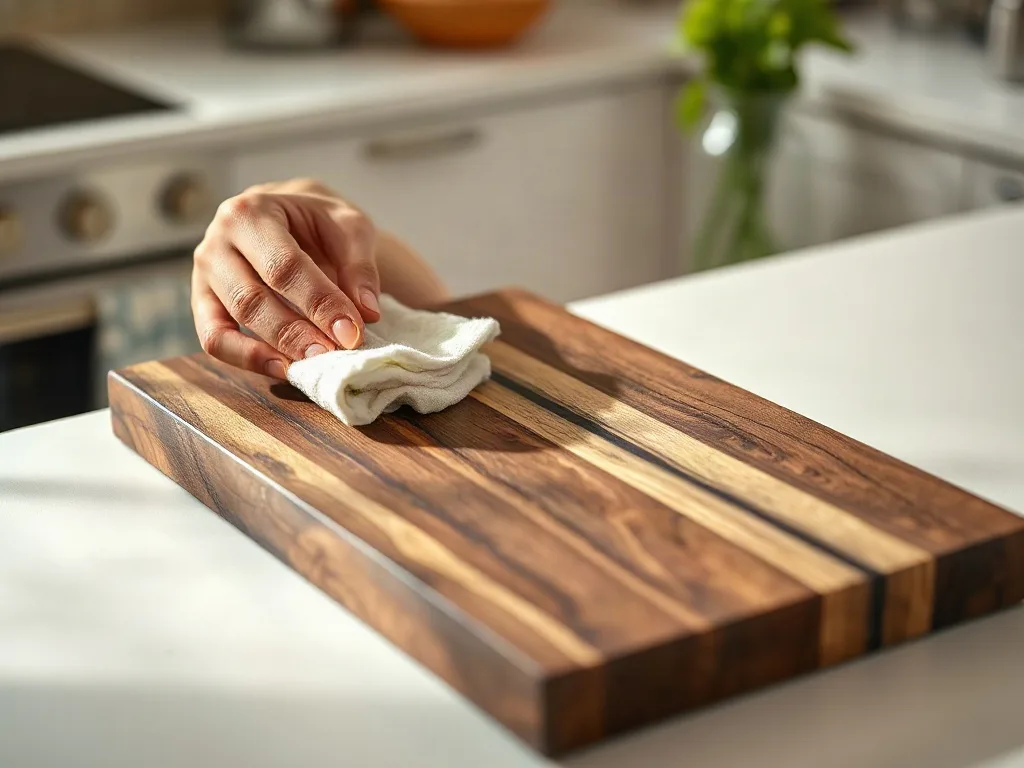
Keeping a cutting board in top condition is one of the simplest ways to protect the quality of your food and the longevity of your kitchen tools. A well‑maintained board resists bacteria, prevents unwanted flavors from transferring between ingredients, and stays flat and stable for precise knife work. Whether you prefer a classic maple slab, a dense bamboo surface, or a modern composite, the core principles of cleaning, sanitizing, oiling, and storage remain the same. This guide walks you through every step, from daily wipe‑downs to deep seasonal treatments, so you can confidently prep everything from raw chicken to ripe tomatoes without worry.
Key takeaways
- Hand wash wooden boards with mild soap and hot water, avoiding the dishwasher to prevent warping and cracking.
- Sanitize boards weekly using salt and lemon or food-safe chemical solutions to eliminate bacteria from deep knife grooves.
- Apply food-grade mineral oil monthly to prevent wood from drying out and absorbing odors or food stains.
- Store wooden boards vertically in a well-ventilated area to ensure air circulation and prevent moisture buildup.
- Replace boards when they develop deep, unfixable grooves or persistent odors that signify potential bacterial harborage.
Why Cutting Board Care Matters
Food safety experts agree that a cutting board can become a hidden reservoir for pathogens if it is not cleaned properly. Microscopic grooves created by knives trap moisture and food particles, creating an environment where bacteria such as Salmonella and E. coli can survive for hours or even days. Beyond health concerns, a neglected board develops deep cuts that dull knives faster, warps under heat, and absorbs strong odors that linger in subsequent dishes. Investing a few minutes each day in proper maintenance eliminates these risks and saves money by extending the board’s usable life.
In addition to safety, a clean board improves the cooking experience. A smooth surface lets a chef’s knife glide effortlessly, producing uniform slices that cook evenly. When a board is well‑oiled, it resists staining from beet juice, turmeric, or tomato sauce, keeping the kitchen looking tidy. The habit of regular care also reinforces good kitchen hygiene overall, encouraging cooks to wash hands, sanitize surfaces, and store tools correctly.
Choosing the Right Board Material
Wood, bamboo, plastic, and composite each have distinct maintenance needs. Hardwood boards such as maple, walnut, or cherry are prized for their self‑healing fibers; shallow cuts close up over time, reducing bacterial harborage. Bamboo is harder than most hardwoods, which makes it more resistant to deep scoring but also more prone to splintering if not oiled regularly. High‑density polyethylene plastic boards are dishwasher safe and non‑porous, yet they develop deep grooves that are difficult to clean once they appear. Composite boards blend wood fibers with resin, offering a balance of knife friendliness and durability, but they still benefit from periodic oiling.
When selecting a board, consider the primary tasks you perform. A thick end‑grain maple board excels at heavy chopping and can double as a serving platter. A thin plastic board is convenient for quick tasks and can be color‑coded to prevent cross‑contamination. If you prefer a single board for everything, a medium‑thick edge‑grain walnut board offers a good compromise. Remember that the material dictates the cleaning agents you can safely use; harsh bleach can degrade wood fibers, while abrasive scouring pads can scratch plastic surfaces.
Daily Cleaning Routine
After each use, scrape off excess food with a bench scraper or the back of a knife. Rinse the board under hot running water, then apply a few drops of mild dish soap. Using a soft sponge or a dedicated brush, scrub the entire surface, paying special attention to knife grooves. Rinse thoroughly to remove all soap residue, because leftover detergent can degrade wood oils and leave a film on plastic. Pat the board dry with a clean towel and stand it upright on a rack to air‑dry completely before storing.
For wooden and bamboo boards, avoid soaking them or placing them in a dishwasher. Prolonged exposure to water causes swelling, cracking, and eventual warping. If a board feels damp after the towel dry, let it rest in a well‑ventilated area for at least an hour. Plastic and composite boards can tolerate a brief soak in hot, soapy water, but they should still be dried promptly to prevent water spots and microbial growth in any remaining crevices.
Deep Cleaning and Sanitizing
Once a week, or after preparing raw meat, poultry, or fish, give the board a deeper sanitization. For wood and bamboo, sprinkle coarse salt over the surface, then rub with half a lemon cut side down. The abrasive salt lifts embedded particles while the citric acid provides natural antimicrobial action. Let the mixture sit for five minutes, then rinse with hot water and dry as usual. This method avoids harsh chemicals that can strip protective oils.
Plastic and composite boards can be sanitized with a solution of one tablespoon unscented chlorine bleach per gallon of water. Submerge the board for two minutes, then rinse thoroughly. Alternatively, a spray of three percent hydrogen peroxide followed by a vinegar rinse (applied sequentially, not mixed) offers a non‑bleach option. After any chemical sanitization, allow the board to air‑dry completely. For all materials, a final pass with a food‑grade mineral oil wipe helps restore moisture balance, especially on wood.
Oiling and Conditioning Wooden Boards
Wood fibers lose natural oils through washing and exposure to air, leading to dryness, cracking, and increased porosity. Food‑grade mineral oil is the standard conditioner because it is odorless, colorless, and does not go rancid. Apply a generous amount to a clean, dry board, spreading it evenly with a lint‑free cloth. Let the oil soak for at least four hours, preferably overnight, then wipe off any excess. Repeat this process monthly for heavy‑use boards, or quarterly for occasional use.
For added protection, blend mineral oil with beeswax in a 4:1 ratio to create a board cream. The wax forms a thin barrier that repels water and reduces staining. Warm the mixture gently until melted, stir, then apply as you would plain oil. This treatment is especially valuable for end‑grain boards that absorb liquid quickly. Avoid using vegetable or olive oils, as they can become sticky and develop off‑flavors over time.
Preventing Cross‑Contamination
Color‑coding boards is a simple visual system that reduces the risk of transferring pathogens from raw protein to ready‑to‑eat foods. Assign a red board for raw meat, a yellow board for poultry, a green board for vegetables, and a blue board for fish. If you only have one board, clean and sanitize it thoroughly between tasks, using the deep‑cleaning methods described above. Additionally, keep a separate board for bread and other low‑risk items to avoid unnecessary wear on your primary prep surface.
When handling multiple ingredients, organize your workflow so that you prep vegetables first, then proteins. This order minimizes the number of times you need to sanitize the board. Use a clean towel or paper towel to wipe the board between steps if a full wash isn’t practical, but remember that a quick wipe does not replace proper washing. Store raw proteins on the lowest shelf of the refrigerator to prevent drips onto other foods, and always wash hands after touching raw meat before touching the board again.
Storing Boards to Extend Life
Proper storage prevents warping, cracking, and accidental damage. Store wooden and bamboo boards vertically on a rack with enough space for air circulation around each face. Laying a damp board flat traps moisture against the countertop, encouraging mold and warping. If space is limited, a wall‑mounted magnetic strip holds boards securely while keeping them dry. Plastic and composite boards can be stacked, but place a clean towel between each to avoid scratching.
Avoid storing boards near heat sources such as stoves, ovens, or dishwashers. Excessive heat dries out wood and can cause plastic to warp. In humid climates, a dehumidifier in the pantry helps maintain a stable environment. Periodically inspect boards for deep cracks, splinters, or permanent stains; these are signs that the board may need replacement rather than further repair.
When to Replace a Cutting Board
Even with meticulous care, every cutting board reaches a point where it no longer provides a safe, functional surface. Deep grooves that cannot be smoothed by sanding, persistent odors that survive sanitizing, and cracks that trap moisture are clear indicators. For wood boards, if the surface feels rough after sanding or if the board flexes noticeably under pressure, it’s time for a new one. Plastic boards that develop a network of deep cuts should be retired, as they harbor bacteria that cleaning cannot reach.
Consider repurposing an old board for non‑food tasks such as a craft surface or a garage workbench, but do not use it for food preparation. When purchasing a replacement, invest in a quality board that matches your cooking style; a well‑chosen board treated with the routines outlined here will serve you for many years, making the initial cost worthwhile.
Frequently Asked Questions
- How often should I oil my wooden cutting board?
- Oil a new board daily for the first week, then monthly for regular use. Heavy daily chopping may require bi‑weekly oiling, while occasional use can stretch to quarterly.
- Can I put a wooden cutting board in the dishwasher?
- No. The high heat and prolonged moisture cause warping, cracking, and loss of protective oils. Hand wash only.
- What is the best way to remove strong odors like garlic or fish?
- Sprinkle baking soda on the board, rub with a lemon half, let sit ten minutes, then rinse and dry. Follow with a light mineral oil wipe.
- Is it safe to use bleach on a bamboo board?
- Bleach can degrade bamboo fibers. Use the salt‑lemon method or a hydrogen peroxide spray instead.
- When should I sand a wooden board?
- Sand only when deep cuts create a rough surface that cannot be smoothed by oiling alone. Use fine‑grit sandpaper, then re‑oil thoroughly.
Related posts:
 White Sneaker Cleaning Hack
 Creating a Plastic-Free Home
 Creative Salad Board Ideas
 DIY Natural Cleaning Products with Essential Oils
 The Only Way to Cut Cauliflower That Actually Makes Sense
 Should You Wash Avocados?
 How to Safely Clean Your Yoga Equipment
 The Gross Truth About How Often You Should Really Clean Your Fridge