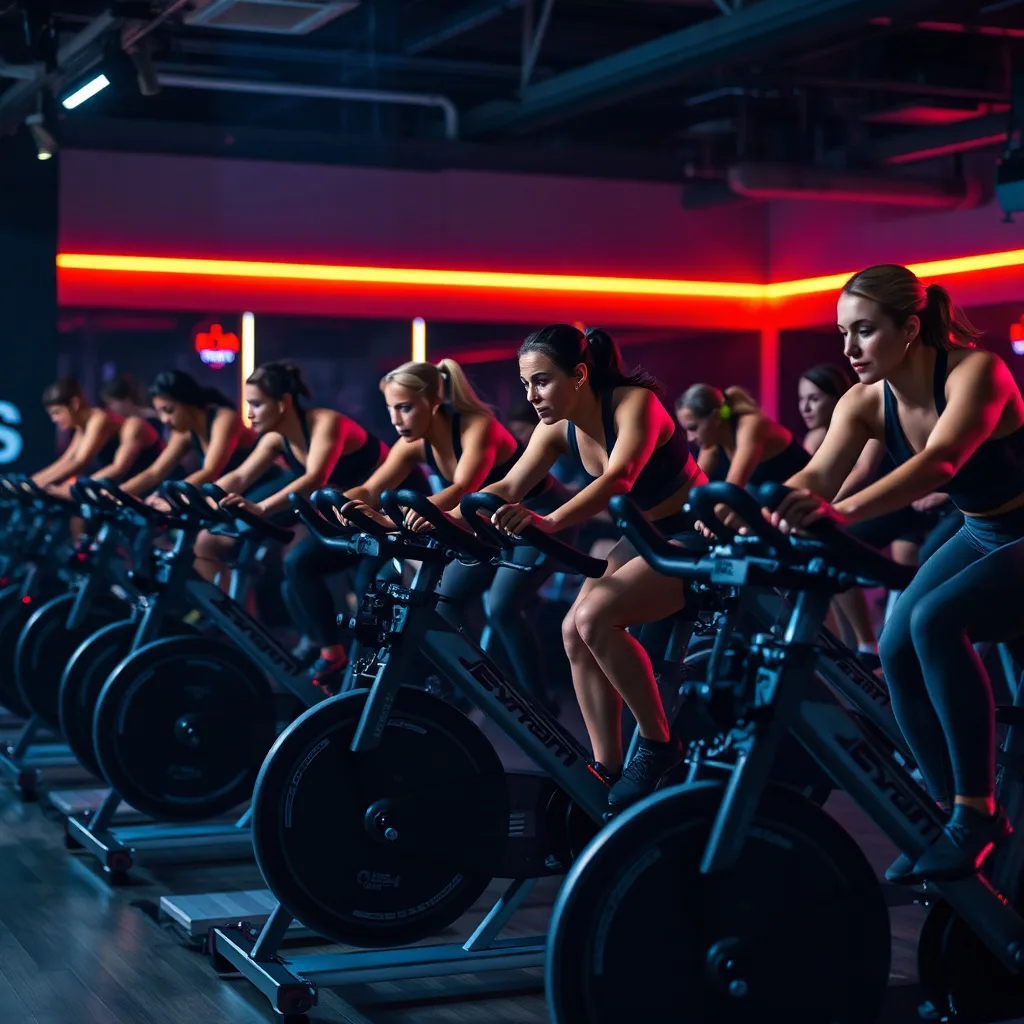
The modern fitness landscape has shifted dramatically over the last two decades, moving away from the monolithic, one-size-fits-all gym memberships of the 1990s toward specialized, high-energy “boutique” experiences. At the forefront of this revolution is CycleBar, a brand that has transformed the simple act of riding a stationary bike into a curated, immersive event. By blending high-intensity interval training (HIIT) with a club-like atmosphere, CycleBar has not just grown; it has expanded into a fitness empire that defines the intersection of wellness and entertainment.
Key takeaways
- Focus on experience and emotional connection rather than just equipment to drive member loyalty.
- Utilize standardized franchising models to ensure consistent brand quality across diverse geographic locations.
- Integrate performance tracking technology to provide objective data that encourages member progress and retention.
- Create a communal environment that serves as a social hub or third place to differentiate from home fitness.
CycleBar’s growth is not an accident of timing, but rather a result of a meticulously engineered business model that prioritizes the emotional connection between the rider and the brand. While traditional gyms focus on the equipment, CycleBar focuses on the experience. This shift in perspective—from selling access to machines to selling a feeling of empowerment and community—has allowed the brand to scale rapidly across diverse markets, appealing to a wide demographic of fitness enthusiasts who crave more than just a workout.
The Foundation of the Boutique Cycling Model
To understand CycleBar’s expansion, one must first understand the “boutique” philosophy. Unlike a traditional health club where a spin class is an amenity among many, CycleBar studios are dedicated solely to the ride. This specialization allows for a level of environmental control that is impossible in a general gym setting. From the dim lighting and neon accents to the high-fidelity sound systems that make the bass vibrate in your chest, every element is designed to remove the distractions of the outside world.
The core of the CycleBar experience is the “Ride.” It is designed to be an escape. By stripping away the clinical feel of a gym and replacing it with a sensory-rich environment, CycleBar taps into the psychological need for “flow state”—that moment where the challenge of the exercise perfectly matches the skill of the participant, and time seems to disappear. This emotional hook is what turns a first-time visitor into a lifelong member, providing the stable customer base necessary for aggressive geographic expansion.
Furthermore, the boutique model allows for premium pricing. Because the value proposition is an experience rather than just utility, customers are willing to pay a higher price per class. This higher average revenue per user (ARPU) provides the capital needed to fund the opening of new studios and invest in high-end equipment and talent.
The Franchise Engine: Scaling with Precision
The rapid proliferation of CycleBar locations is driven by a sophisticated franchising model. Rather than relying solely on corporate-owned studios, which would require massive capital expenditures and slow down growth, CycleBar empowers local entrepreneurs to bring the brand to their own communities. This decentralized growth strategy allows the company to scale at a pace that would be impossible for a centrally managed chain.
However, the secret to their success isn’t just in the number of franchises, but in the standardization of the experience. A rider should feel the same energy, hear the same quality of music, and receive the same level of coaching whether they are in a studio in Florida or one in California. CycleBar achieves this through rigorous operational manuals and centralized support systems. This “plug-and-play” approach reduces the risk for the franchisee and ensures brand consistency for the consumer.
Strategic franchising also allows CycleBar to penetrate “lifestyle hubs”—affluent suburbs and urban centers where the target demographic already spends their time. By partnering with local owners who understand the nuances of their specific neighborhood, CycleBar can tailor its local marketing efforts while maintaining the global prestige of the brand.
The Psychological Power of Music and Atmosphere
Music is not just a background element at CycleBar; it is the primary driver of the workout. The expansion of the brand has relied heavily on the science of auditory stimulation. The instructors curate playlists that follow a specific emotional arc, starting with a gradual build-up, peaking with high-intensity sprints, and concluding with a mindful cool-down. This alignment of physical effort with musical tempo (BPM) helps riders push past their perceived limits.
This “party-like” atmosphere transforms exercise from a chore into a social event. When a rider is immersed in a dark room with pulsing lights and a driving beat, the social anxiety often associated with fitness is diminished. The anonymity of the dim lighting allows individuals to push themselves without feeling judged, while the collective energy of the room creates a sense of shared struggle and triumph.
For the business, this atmosphere creates a powerful competitive advantage. While a home bike can provide the same resistance and heart-rate tracking, it cannot replicate the collective energy of thirty people riding in unison to a curated soundtrack. This “communal euphoria” is a key driver of member retention and is the primary reason why CycleBar continues to attract users even in an era of digital fitness.
Technology Integration and Performance Tracking
As CycleBar expanded, it integrated technology to bridge the gap between the physical ride and the desire for measurable progress. The introduction of performance tracking—such as heart rate monitoring and power metrics—turned the subjective feeling of a “hard workout” into objective data. This gamification of fitness encourages riders to compete not only with others but with their own past performances.
The use of a dedicated app for booking classes, tracking attendance, and managing memberships has streamlined the user journey. In the boutique world, friction is the enemy of growth. By making the booking process seamless, CycleBar removes the barriers to entry. Furthermore, the data collected through these platforms allows the company to analyze peak attendance times, popular instructors, and member churn rates, allowing for data-driven decisions regarding studio scheduling and marketing.
Practical example: A member who sees their average power output increasing over a six-week period is far more likely to renew their membership than someone who simply “feels” like they are getting fitter. By quantifying the results, CycleBar provides a tangible return on investment for the member’s time and money.
Community Building as a Growth Strategy
At its core, CycleBar’s empire is built on the concept of the “tribe.” The brand recognizes that people do not just join a gym for the equipment; they join for the people. By fostering a culture of inclusivity and celebration, CycleBar creates a social ecosystem that makes it difficult for members to leave.
The role of the instructor is pivotal here. CycleBar instructors are more than just fitness coaches; they are community leaders and motivational speakers. They learn the names of the riders, celebrate their milestones, and create a welcoming environment for newcomers. This personal connection transforms a transactional relationship (paying for a class) into a relational one (being part of a community).
To further this community bond, studios often host themed rides, charity events, and social mixers. When a member’s social circle is centered around the studio, the gym becomes a “third place”—a social environment separate from the two usual social environments of home and the workplace. This deep integration into the user’s social life is the ultimate form of customer loyalty.
Navigating the Pivot: Studios vs. Home Fitness
The rise of connected home fitness, led by companies like Peloton, presented a significant challenge to the boutique studio model. Many predicted that the convenience of riding in one’s living room would render the studio obsolete. However, CycleBar’s expansion continued because it recognized that home fitness and studio fitness serve two different psychological needs.
Home fitness is about efficiency and convenience; studio fitness is about connection and energy. CycleBar positioned itself not as a competitor to the home bike, but as a complementary experience. Many riders now use a hybrid approach: riding at home during the work week for maintenance and visiting the studio on weekends for the high-energy, communal experience.
By embracing this hybrid reality, CycleBar avoided a direct war of convenience and instead doubled down on the one thing a screen cannot provide: human presence. The brand’s ability to pivot its messaging from “the best place to ride” to “the best place to connect” allowed it to survive the home-fitness boom and emerge stronger.
Strategic Location Selection and Market Penetration
p>
The physical expansion of CycleBar is guided by a strict set of criteria for location selection. The brand does not simply open studios in any available space; it targets “lifestyle centers”—mixed-use developments that combine shopping, dining, and entertainment. This ensures that the studio is located where the target demographic is already spending their leisure time.
By placing studios next to high-end coffee shops, athleisure boutiques, and healthy eateries, CycleBar embeds itself into a broader “wellness circuit.” A customer might go for a morning ride, grab a latte next door, and then shop for new leggings—all within the same block. This synergy increases the visibility of the brand and attracts a steady stream of organic foot traffic.
Additionally, CycleBar employs a “cluster strategy.” Instead of spreading studios too thinly across a state, they often build clusters of studios in a specific metropolitan area. This increases brand awareness within that region and allows for easier sharing of resources and instructors between locations, creating a dominant presence in a local market.
Training the Next Generation of Instructors
A fitness empire is only as strong as its frontline staff. Because the instructor is the face of the brand, CycleBar has invested heavily in a standardized training pipeline. Ensuring that a new instructor in a new city can deliver the “CycleBar experience” requires a blend of technical fitness knowledge and performance art training.
Instructors are trained not only on how to lead a safe and effective workout but also on how to “read the room.” They are taught how to use their voice to motivate, how to time their cues to the music, and how to build rapport with diverse groups of people. This focus on the “soft skills” of coaching is what separates a CycleBar instructor from a generic gym trainer.
By creating a clear career path for instructors—from new hires to master trainers—CycleBar maintains a high level of motivation and professionalism within its staff. This investment in human capital ensures that as the empire expands, the quality of the product does not dilute, preventing the brand erosion that often plagues rapidly growing franchises.
The Future Outlook: Evolution of Boutique Fitness
Looking forward, CycleBar’s expansion is likely to evolve toward a more holistic approach to wellness. The boutique industry is moving toward “multi-modality” centers, where members can access different types of workouts under one roof. While CycleBar’s core identity is cycling, the integration of recovery services, such as stretching or infrared saunas, represents the next logical step in their growth.
Furthermore, the integration of AI and advanced biometrics will likely play a larger role. Imagine a ride where the lighting and music automatically adjust in real-time based on the average heart rate of the room, or where a rider receives a personalized post-ride recovery plan based on their power output. By continuing to innovate at the intersection of technology and human emotion, CycleBar can maintain its edge in an increasingly crowded market.
The ultimate lesson of CycleBar’s expansion is that success in the modern fitness industry requires more than just a good workout; it requires the creation of a culture. By selling a sense of belonging and a high-octane escape, CycleBar has built more than just a series of studios—it has built a lifestyle brand that resonates with the human desire for connection and achievement.
Diversifying Revenue Through Lifestyle Retail
While the core of CycleBar’s revenue is derived from membership tiers and class packs, the brand has strategically expanded into high-margin retail to deepen its presence in the customer’s daily life. This transition from a service provider to a lifestyle brand is achieved through the curation of branded apparel and wellness accessories. By selling the “look” of the ride, CycleBar transforms its members into walking billboards, extending the brand’s reach far beyond the studio walls.
The retail strategy is not merely about selling t-shirts; it is about psychological alignment. When a rider purchases a branded leggings set or a high-performance water bottle, they are investing in their identity as a “CycleBar rider.” This creates a positive feedback loop: the more a member wears the gear, the more committed they feel to the community, which in turn increases their membership retention rate. To optimize this, studios often utilize a “limited drop” model for certain apparel lines, creating a sense of urgency and exclusivity that mirrors the trends seen in high-end streetwear.
An edge case in this retail model is the management of small-footprint studios. Since real estate in premium lifestyle centers is expensive, CycleBar maximizes every square inch. This often involves integrating digital kiosks or QR-code-based shopping that allows riders to browse the full catalog on their phones and have items delivered home, blending the physical boutique experience with e-commerce efficiency to avoid the overhead of massive on-site inventories.
B2B Expansion and Corporate Wellness Partnerships
To move beyond the volatility of individual consumer spending, CycleBar has aggressively pursued B2B (business-to-business) growth. By partnering with local corporations to offer wellness packages, the brand secures a predictable stream of high-volume traffic. These partnerships typically manifest as corporate memberships or “company ride-offs,” where a business pays for a block of classes to encourage employee health and team building.
The value proposition for the corporate partner is the “third place” effect. Companies recognize that providing employees with access to a high-energy, social environment like CycleBar reduces burnout and increases morale more effectively than a generic gym stipend. For CycleBar, this provides a low-cost acquisition channel; instead of spending marketing dollars to attract one person at a time, a single corporate contract can bring dozens of new riders into the studio simultaneously.
A practical example of this is the “Executive Morning Ride,” where studios coordinate specific time slots for employees of a nearby tech hub or financial district. This not only fills the studio during off-peak hours but also creates a networking ecosystem within the ride, making the studio an indispensable part of the local professional landscape. The transition from a B2C focus to a hybrid B2B/B2C model provides the financial stability necessary to weather economic downturns that might otherwise affect discretionary spending on luxury fitness.
Optimizing the Customer Lifecycle: Acquisition to Advocacy
The expansion of the CycleBar empire relies on a meticulously mapped customer journey designed to convert a curious passerby into a brand evangelist. This lifecycle begins with the “First Ride Free” or heavily discounted introductory offer, which serves as a low-friction entry point. The goal of this first interaction is not immediate profit, but the creation of an emotional “peak experience” that triggers a desire for return.
Once a rider is in the door, the focus shifts to the conversion funnel. CycleBar utilizes automated email and SMS sequences that trigger based on the rider’s attendance patterns. For example, if a new rider attends three classes in their first two weeks, they are identified as a “high-intent” user and are targeted with a limited-time offer to upgrade to a monthly membership. This data-driven approach ensures that the sales pitch happens at the moment of maximum psychological receptivity.
The final stage of the lifecycle is the transition from member to advocate. CycleBar incentivizes this through referral programs where existing members receive credits or rewards for bringing in friends. This turns the customer base into a decentralized sales force. When a member refers a friend, the new user arrives with a pre-established trust in the brand, significantly increasing the likelihood of long-term retention. The edge case here is the “churn risk”—when a regular member stops attending. CycleBar counters this by using “we miss you” campaigns tailored to the specific instructors the member previously favored, leveraging the personal bond to bring the rider back.
Operational Resilience and Facility Logistics
Behind the neon lights and high-energy music lies a complex operational framework designed to handle the physical toll of high-intensity cycling. The expansion of a studio empire requires solving the “unsexy” problems of facility management, such as HVAC load and equipment depreciation. Because thirty people exercising at maximum effort generate an immense amount of heat and humidity, CycleBar studios require specialized industrial-grade ventilation systems that exceed standard commercial building codes.
Equipment maintenance is another critical pillar of operational resilience. A single malfunctioning bike during a peak-hour class can disrupt the energy of the entire room and damage the brand’s premium image. To prevent this, CycleBar implements a preventative maintenance schedule where bikes are audited for belt tension, pedal stability, and resistance calibration on a weekly basis. This ensures that the physical product remains as polished as the marketing.
Furthermore, the brand must navigate the complexities of commercial lease negotiations in high-traffic areas. To mitigate the risk of skyrocketing rents, CycleBar often seeks “percentage rent” agreements or long-term locks that allow them to scale their presence in a neighborhood without being priced out by the very gentrification their presence helps accelerate. This strategic approach to real estate ensures that the empire’s growth is sustainable and not just a result of temporary market bubbles.
Strategic Demographic Segmentation and Programming
To maximize studio utilization, CycleBar does not treat its audience as a monolith. Instead, it employs strategic demographic segmentation to fill the studio throughout the day. This involves tailoring the “vibe” and timing of classes to match the lifestyles of different user groups. For instance, the 6:00 AM slots are often designed for the “high-performance professional,” featuring fast-paced, efficiency-driven rides with a focus on power metrics and a high-energy start to the workday.
Conversely, mid-day and early afternoon slots are programmed to appeal to stay-at-home parents or remote workers. These rides may lean more heavily into the “escape” and “stress relief” aspects of the experience, with playlists that emphasize emotional release over raw performance. By diversifying the programming, CycleBar avoids the common boutique pitfall of having “dead zones” in the schedule, ensuring a consistent revenue stream from 6:00 AM to 9:00 PM.
An interesting edge case is the adaptation to Gen Z preferences. While Millennials were drawn to the “tribe” and “status” of boutique fitness, Gen Z often prioritizes authenticity and mental health. In response, some studios have integrated more “mindful riding” segments—incorporating breathwork and slower, intentional movements into the ride. This allows CycleBar to evolve its product offering to capture a younger demographic without alienating the core member base that prefers the high-octane intensity.
Competitive Differentiation in the Boutique Ecosystem
In a market crowded with competitors like SoulCycle and OrangeTheory, CycleBar maintains its empire by carving out a specific niche: the intersection of athletic performance and club-like entertainment. While some competitors lean heavily into the “spiritual” or “dance” aspects of cycling, CycleBar differentiates itself by emphasizing the HIIT (High-Intensity Interval Training) framework. This positions the brand as a more “result-oriented” choice for those who want the energy of a boutique studio but the measurable progress of a sports training facility.
This differentiation is reinforced through the specific way instructors are coached. While a “spiritual” ride might focus on metaphors and emotional breakthroughs, a CycleBar ride focuses on the synergy between the beat of the music and the physical resistance of the bike. The use of the “Ride’s” specific structure—warm-up, intervals, and cool-down—creates a predictable yet challenging framework that appeals to the logic-driven fitness enthusiast.
Frequently Asked Questions
1. How does a CycleBar class differ from a traditional gym spin class?
CycleBar differs primarily through its immersive environment and specialized focus. While gym spin classes are often held in brightly lit rooms with general equipment, CycleBar uses a “boutique” approach with dim lighting, high-end sound systems, and a curated atmosphere designed to mimic a club. Additionally, the instructors are specifically trained in motivational coaching and music synchronization, making the experience more about emotional engagement and community than just cardiovascular exercise.
2. Why is the franchise model so effective for CycleBar’s expansion?
The franchise model allows for rapid scaling by leveraging the capital and local market knowledge of independent entrepreneurs. It reduces the financial risk for the corporate entity while ensuring that the brand can enter new markets quickly. Because CycleBar provides a highly standardized operational blueprint, franchisees can launch studios with a proven system, ensuring that the customer experience remains consistent regardless of the location.
3. Can I get the same results from a CycleBar studio as I would from a home bike?
Physiologically, you can achieve similar caloric burn and cardiovascular improvements on a high-quality home bike. However, the “results” at CycleBar include psychological and social benefits that home fitness cannot replicate. The collective energy of a group (the Kohler Effect) often pushes individuals to work harder than they would alone. Moreover, the community support and professional coaching provide accountability and motivation that are often missing in a solo home environment.
4. How does CycleBar ensure quality control across hundreds of different studios?
Quality control is maintained through a combination of standardized instructor training, centralized brand guidelines, and member feedback loops. All instructors must undergo a rigorous certification process to ensure they can deliver the brand’s specific style of coaching. Additionally, the corporate office provides ongoing support and audits to ensure that studio operations, cleanliness, and the overall “vibe” meet the empire’s global standards.
5. I am a beginner; is CycleBar’s high-energy environment intimidating?
While the lights and music are intense, CycleBar is designed to be inclusive. Because the room is dim, beginners can find their rhythm without feeling the pressure of being watched. Instructors are trained to provide modifications for all fitness levels, allowing riders to adjust the resistance on their own bikes to match their current ability. Most studios also offer a welcoming orientation for first-timers to ensure they feel comfortable with the equipment before the music starts.
Related posts:
 The Rise of Boutique Fitness
 IMAX Indoor Cycling Is the Immersive Fitness Trend Taking Over Gyms
 Finding Cheap Workout Classes
 Go Recess: The OpenTable of Boutique Fitness Booking?
 Peloton’s new NYC studio has tons of space for bikes, video production, and lounging
 Spring Fever: LA’s Hottest New Boutique Fitness Studios Taking Over 2018
 Top Boutique Fitness Studios of 2016
 The Boutique Fitness Platform That’s Changing How Studios Operate