
The relationship between what we eat and how we feel has become increasingly clear through scientific research. The DASH diet, originally developed to combat hypertension, has emerged as a potential dietary approach that may influence mental health, particularly depression. Understanding this connection offers valuable insight for those seeking comprehensive approaches to emotional well-being.
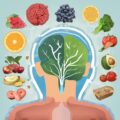
Depression affects millions of people worldwide, and while traditional treatments remain essential, the role of nutrition in mental health continues to gain recognition. The DASH diet’s emphasis on whole foods, fruits, vegetables, and balanced nutrition aligns with emerging research on the gut-brain connection and inflammation’s role in mood disorders.
Understanding the DASH Diet Framework
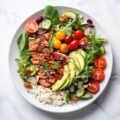
The Dietary Approaches to Stop Hypertension (DASH) diet was initially created by the National Institutes of Health to help lower blood pressure without medication. This eating plan emphasizes vegetables, fruits, whole grains, lean proteins, and low-fat dairy products while limiting sodium, saturated fats, and added sugars.
A typical DASH diet pattern includes 4-5 servings of vegetables daily, 4-5 servings of fruits, 6-8 servings of whole grains, 2-3 servings of low-fat dairy, and limited amounts of lean meat, poultry, and fish. Nuts, seeds, and legumes appear several times weekly. The diet restricts sodium to 2,300 milligrams or less per day, with an optional lower target of 1,500 milligrams.
What distinguishes DASH from other dietary approaches is its foundation in clinical research and its balanced, sustainable nature. Rather than eliminating entire food groups, it emphasizes nutrient-dense choices and portion awareness. This balanced approach makes it accessible for long-term adherence, which matters significantly when considering dietary interventions for chronic conditions like depression.
The Science Connecting Diet and Depression
Research has identified several biological pathways through which diet influences mental health. Inflammation plays a central role in this relationship. Chronic low-grade inflammation has been observed in individuals with depression, and certain dietary patterns either promote or reduce inflammatory processes in the body.
The gut microbiome represents another crucial connection. The bacteria living in our digestive system produce neurotransmitters, including serotonin, which regulates mood. Approximately 90 percent of the body’s serotonin is produced in the gut. Dietary choices directly influence the composition and health of these microbial communities.
Oxidative stress, which occurs when harmful molecules called free radicals overwhelm the body’s antioxidant defenses, has also been linked to depression. Diets rich in antioxidants from fruits and vegetables may help counter this oxidative damage. Additionally, specific nutrients like omega-3 fatty acids, B vitamins, magnesium, and zinc play direct roles in brain function and mood regulation.
Studies examining dietary patterns rather than isolated nutrients have found that people who follow diets similar to DASH or the Mediterranean diet report lower rates of depression. While these are observational findings and cannot prove causation, they suggest meaningful associations worth exploring.
Research Evidence on DASH Diet and Mental Health
Several research studies have examined the DASH diet’s relationship with depression and mental health outcomes. A 2018 study published in the journal Psychiatry Research found that individuals who closely followed the DASH diet had lower odds of developing depression compared to those whose eating patterns diverged significantly from DASH principles.
Another study following nearly 1,000 adults over several years found that those with greater adherence to DASH-style eating patterns showed reduced risk of depression onset. The protective effect appeared strongest among those who maintained consistent dietary habits over time.
Research has also examined the DASH diet’s impact on existing depressive symptoms. While findings remain preliminary, some studies suggest that adopting a DASH-style eating pattern may contribute to modest improvements in mood scores, particularly when combined with other lifestyle modifications like regular physical activity.
It’s important to note that these studies typically examine associations rather than proving direct causation. Depression is a complex condition influenced by genetics, life circumstances, brain chemistry, and numerous other factors. Diet represents one modifiable element within this multifaceted picture, not a standalone solution.
Key Nutrients in DASH That May Support Mood
The DASH diet naturally provides several nutrients that research has linked to mental health. Folate, found abundantly in leafy greens, legumes, and fortified grains emphasized in DASH, participates in neurotransmitter synthesis. Low folate levels have been associated with depression in some studies.
Magnesium, present in nuts, seeds, whole grains, and leafy vegetables, plays a role in nervous system regulation. Some research suggests that magnesium deficiency may contribute to anxiety and depression, though more research is needed to establish clear therapeutic benefits from supplementation.
The omega-3 fatty acids found in fish, which DASH encourages consuming twice weekly, have been studied extensively for their potential mood benefits. These fats are structural components of brain cells and influence inflammatory processes. While findings are mixed, some evidence suggests omega-3s may have modest antidepressant effects, particularly as a complementary approach.
B vitamins, particularly B6, B12, and folate, are involved in producing neurotransmitters like serotonin and dopamine. The DASH diet’s emphasis on whole grains, lean proteins, and vegetables helps ensure adequate intake of these vitamins. Vitamin D, while not directly emphasized in DASH guidelines, is often discussed alongside mood health; incorporating fortified dairy products and fatty fish supports adequate levels.
Antioxidants from colorful fruits and vegetables may protect brain cells from oxidative damage. Berries, citrus fruits, dark leafy greens, and other produce central to DASH provide compounds like vitamin C, vitamin E, and various phytochemicals with antioxidant properties.
Practical Implementation for Mental Health Benefits
Transitioning to a DASH-style eating pattern for potential mental health benefits requires practical, sustainable strategies. Start by gradually increasing vegetable and fruit intake rather than attempting an overnight overhaul. Adding one additional serving of vegetables to lunch and dinner creates meaningful change without overwhelming your routine.
Meal planning helps maintain consistency, which matters when exploring dietary interventions for mood. Dedicate time weekly to plan meals that incorporate DASH principles, focusing on variety to ensure broad nutrient intake. Batch cooking staples like brown rice, quinoa, or roasted vegetables makes weekday meals easier to assemble.
Replace refined grains with whole grain alternatives progressively. Swap white rice for brown rice, choose whole wheat bread instead of white, and explore ancient grains like farro or bulgur. These changes increase fiber, B vitamins, and minerals that may support mental health.
Incorporate fatty fish like salmon, mackerel, or sardines twice weekly. If fresh fish isn’t accessible or affordable, canned options provide similar nutritional benefits. For those who don’t eat fish, discuss omega-3 sources or supplements with a healthcare provider.
Reduce sodium gradually by cooking more meals at home where you control salt levels. Use herbs, spices, citrus, and vinegar to add flavor without sodium. Read labels on packaged foods and choose lower-sodium options when available.
Stay hydrated with water, herbal tea, or other unsweetened beverages. Limit sugary drinks, which may negatively impact mood through blood sugar fluctuations and provide empty calories that displace nutrient-dense options.
Integrating DASH With Comprehensive Depression Care
While dietary changes may support mental health, they should complement rather than replace evidence-based depression treatments. If you’re experiencing depression, continue working with mental health professionals and follow prescribed treatment plans. Nutritional approaches work best as part of a comprehensive strategy.
Communicate with your healthcare team about dietary changes you’re considering. Some medications interact with certain foods or nutrients, and your doctor can provide personalized guidance. A registered dietitian with mental health expertise can help tailor DASH principles to your specific needs, preferences, and health conditions.
Track not just what you eat but also your mood, energy levels, and sleep quality. This information helps identify patterns and whether dietary changes correlate with improvements in your well-being. Be patient, as dietary interventions typically require weeks or months to show potential effects on mood.
Combine DASH dietary principles with other lifestyle factors that support mental health. Regular physical activity, adequate sleep, stress management practices, and social connection all interact with nutrition to influence depression. An integrated approach addresses multiple contributing factors simultaneously.
If depression symptoms worsen or you experience thoughts of self-harm, seek immediate professional help. Dietary changes, while potentially beneficial, cannot substitute for professional mental health care when clinical intervention is needed.
Challenges and Realistic Expectations
Adopting the DASH diet presents practical challenges that deserve acknowledgment. Fresh produce can be expensive, particularly for certain fruits and vegetables. Frozen and canned options without added sodium or sugar provide affordable, nutritious alternatives with long shelf life.
Time constraints make meal preparation difficult for many people. Simple approaches like sheet pan dinners with vegetables and lean protein, slow cooker meals, or vegetable-rich soups can align with DASH principles while requiring minimal active cooking time.
Social situations may present challenges when you’re following specific dietary guidelines. Rather than rigid adherence, aim for consistency most of the time while allowing flexibility for occasions when perfect adherence isn’t feasible. Overall dietary patterns matter more than individual meals.
Set realistic expectations about dietary changes and mental health. If nutrition influenced depression significantly, dietary interventions alone would constitute standard treatment. While promising, current evidence suggests modest potential benefits rather than dramatic transformations. View DASH as one supportive element in a broader approach to well-being.
Individual responses to dietary changes vary considerably. Some people may notice improvements in mood, energy, or mental clarity, while others may not perceive significant changes. Genetic factors, gut microbiome composition, existing nutrient status, and numerous other variables influence individual outcomes.
Building Sustainable Habits for Long-Term Success
Sustainable dietary changes require strategies that fit your life rather than forcing your life to fit a diet. Identify DASH-aligned foods you genuinely enjoy rather than forcing yourself to eat foods you dislike. If you hate kale, choose spinach, collards, or other nutrient-dense vegetables you prefer.
Create an environment that supports your goals. Stock your kitchen with DASH-friendly staples, keep prepared vegetables visible in the refrigerator, and store less nutritious options out of immediate sight. Environmental design powerfully influences eating behavior.
Find DASH-friendly versions of favorite dishes rather than abandoning foods you love. Enjoy pizza with whole wheat crust, vegetable toppings, and moderate cheese. Make tacos with lean protein, abundant vegetables, and whole grain tortillas. Adapting rather than eliminating maintains satisfaction and sustainability.
Build a support system around your dietary goals. Share meals with family or friends interested in healthier eating, join online communities focused on DASH or mental health nutrition, or work with a registered dietitian for personalized guidance and accountability.
Celebrate non-scale victories like improved energy, better sleep, or feeling more emotionally stable. When exploring dietary approaches for mental health, these quality-of-life measures often matter more than weight changes or strict adherence metrics.
The Inflammatory Pathway: How DASH Diet Components Reduce Brain Inflammation
p>Chronic inflammation in the brain represents one of the most significant biological mechanisms linking diet to depression. Unlike acute inflammation that helps healing, persistent low-grade inflammation damages neural tissue and disrupts neurotransmitter function. The DASH diet’s composition directly addresses inflammatory processes through multiple complementary mechanisms.
The diet’s emphasis on potassium-rich foods like bananas, sweet potatoes, spinach, and white beans helps regulate inflammatory signaling. Potassium works in opposition to sodium at the cellular level, and the DASH diet’s high potassium-to-sodium ratio (approximately 4,700 mg potassium to 2,300 mg sodium daily) creates an anti-inflammatory internal environment. This ratio matters more than absolute amounts of either mineral in isolation.
Polyphenols from berries, dark leafy greens, and whole grains act as signaling molecules that reduce inflammatory markers like C-reactive protein and interleukin-6, both elevated in depression. Blueberries contain anthocyanins that cross the blood-brain barrier and accumulate in brain regions governing mood and memory. A single cup of mixed berries provides hundreds of milligrams of these compounds, creating measurable reductions in oxidative stress within hours.
The fiber content in DASH—typically 25-30 grams daily from whole grains, vegetables, and fruits—feeds beneficial gut bacteria that produce short-chain fatty acids like butyrate. These fatty acids strengthen the intestinal barrier, preventing inflammatory compounds from entering circulation and reaching the brain. When gut permeability increases, bacterial endotoxins trigger systemic inflammation that manifests as depressive symptoms in susceptible individuals.
Omega-3 fatty acids from fish displace omega-6 fatty acids in cell membranes, fundamentally altering how cells respond to inflammatory signals. The modern Western diet typically provides an omega-6 to omega-3 ratio of 15:1 or higher, whereas human physiology evolved with ratios closer to 2:1. DASH eating patterns naturally improve this ratio by reducing processed oils high in omega-6 while increasing fish consumption. This shift doesn’t eliminate inflammation but moderates its intensity and duration.
Conversely, foods restricted on DASH—processed meats, refined carbohydrates, and trans fats—actively promote inflammatory cascades. Processed meats contain advanced glycation end products (AGEs) that bind to cellular receptors and trigger inflammatory gene expression. A single serving of bacon or sausage can elevate inflammatory markers for hours. By minimizing these foods while maximizing anti-inflammatory options, DASH creates a consistent physiological environment more conducive to stable mood.
Blood Sugar Regulation and Its Direct Effects on Mood Stability
Blood glucose fluctuations exert immediate and profound effects on emotional state, energy levels, and cognitive function. The DASH diet’s structure naturally stabilizes blood sugar through its emphasis on complex carbohydrates, fiber, and balanced macronutrient distribution at each meal.
When blood sugar drops rapidly after a high-glycemic meal, the body releases cortisol and adrenaline to mobilize stored glucose. These stress hormones produce anxiety, irritability, and difficulty concentrating—symptoms that overlap significantly with depression. People experiencing these physiological stress responses multiple times daily develop a baseline state of heightened arousal that exhausts regulatory systems over time.
The glycemic index of DASH meals remains moderate to low due to fiber content that slows carbohydrate absorption. A breakfast of steel-cut oats with walnuts and berries releases glucose gradually over hours, whereas a breakfast of white toast with jam creates a sharp spike followed by a crash within 90 minutes. This difference affects not just immediate mood but also brain-derived neurotrophic factor (BDNF) levels, a protein essential for neural plasticity and resilience against depression.
Protein intake distributed throughout the day—a natural consequence of DASH meal planning—provides amino acids for neurotransmitter synthesis while further moderating glucose response. A lunch combining chickpeas, vegetables, and quinoa delivers tyrosine and tryptophan alongside complex carbohydrates, creating optimal conditions for dopamine and serotonin production. The timing matters: neurotransmitter synthesis requires both precursor amino acids and the insulin response triggered by carbohydrates to facilitate amino acid transport across the blood-brain barrier.
People with insulin resistance, where cells become less responsive to insulin’s signals, often experience mood disturbances even before developing diabetes. The DASH diet improves insulin sensitivity through weight management, increased fiber intake, and reduced refined carbohydrates. Studies show improved insulin sensitivity correlates with reduced depressive symptoms independent of weight loss, suggesting direct metabolic benefits for brain function.
The absence of added sugars and sugar-sweetened beverages in DASH prevents the reward system dysregulation associated with frequent sugar consumption. Regular sugar intake desensitizes dopamine receptors, requiring progressively larger amounts to achieve satisfaction—a pattern neurologically similar to substance dependence. Breaking this cycle through DASH adherence allows dopamine signaling to normalize, which may improve motivation and pleasure response, both typically impaired in depression.
Micronutrient Synergy: Why Whole Foods Outperform Supplements
The DASH diet delivers micronutrients in combinations that supplements cannot replicate. This synergy occurs because nutrients interact within foods and during digestion in ways that enhance absorption, utilization, and biological effects relevant to mental health.
Vitamin C from bell peppers and citrus fruits increases iron absorption from plant sources like lentils and spinach. Iron deficiency anemia produces fatigue, cognitive impairment, and depressive symptoms clinically indistinguishable from major depression. A DASH meal combining iron-rich beans with vitamin C-rich tomatoes and peppers delivers both nutrients simultaneously, maximizing iron uptake. Taking iron supplements without addressing dietary context often proves less effective and causes gastrointestinal side effects that reduce adherence.
Fat-soluble vitamins A, D, E, and K require dietary fat for absorption. The DASH diet includes moderate amounts of healthy fats from nuts, seeds, olive oil, and fish, ensuring these vitamins reach circulation. A salad with carrots (vitamin A), spinach (vitamin K), and almonds (vitamin E) dressed with olive oil provides all necessary components for optimal absorption. Eating these same foods separately or taking isolated supplements yields inferior results.
Magnesium and B vitamins work together in hundreds of enzymatic reactions. Magnesium activates vitamin B6, which then participates in converting tryptophan to serotonin. Whole grains in DASH provide both nutrients in appropriate ratios, whereas supplements typically provide high doses of single nutrients that may create imbalances. Excessive B6 supplementation without adequate magnesium can actually impair rather than enhance neurotransmitter synthesis.
Phytonutrients demonstrate synergistic effects impossible to achieve through supplementation. Lycopene from tomatoes works synergistically with vitamin E from almonds and monounsaturated fats from olive oil to reduce oxidative stress. The combined antioxidant effect exceeds the sum of individual components because these compounds regenerate each other after neutralizing free radicals, extending their protective duration.
The food matrix itself influences nutrient delivery. Whole grains contain the bran, germ, and endosperm together, providing fiber, minerals, and phytonutrients in biological packaging that regulates absorption rates. Refined grains or isolated supplements bypass these natural regulatory mechanisms, potentially overwhelming metabolic pathways or passing through unabsorbed. Nutrient density from whole foods ensures steady nutrient delivery matched to physiological capacity for utilization.
Circadian Rhythm Regulation Through DASH Eating Patterns
The timing and composition of meals influence circadian rhythms, which govern sleep-wake cycles, hormone secretion, and mood regulation. DASH diet implementation can either support or disrupt these biological rhythms depending on meal timing and consistency.
Eating regular meals at consistent times each day synchronizes peripheral clocks in organs throughout the body with the master circadian pacemaker in the brain. This synchronization matters for depression because circadian disruption independently predicts mood disorders. A DASH breakfast within an hour of waking provides glucose and amino acids that signal daytime metabolic activity, suppressing melatonin and promoting alertness.
Tryptophan availability for serotonin synthesis varies throughout the day based on competing amino acids from protein intake. DASH meals naturally balance protein with carbohydrates, and consuming slightly higher carbohydrate proportions at dinner may facilitate tryptophan entry into the brain during evening hours. This supports serotonin conversion to melatonin, promoting sleep onset. Poor sleep quality directly worsens depression, creating a vicious cycle that proper meal timing can help interrupt.
The DASH diet’s limitation of caffeine from excessive coffee or energy drinks prevents circadian phase delays. While moderate coffee consumption aligns with DASH principles, excessive caffeine—particularly after midday—blocks adenosine receptors that normally promote sleep pressure accumulation. People with depression often self-medicate fatigue with caffeine, inadvertently worsening sleep quality and perpetuating daytime exhaustion.
Late-night eating, especially of high-glycemic foods, disrupts metabolic rhythms and impairs next-day glucose regulation. DASH meal planning typically concentrates calories earlier in the day, with lighter evening meals. This pattern aligns with chronobiology research showing superior metabolic responses to identical meals consumed at breakfast versus dinner. Breakfast’s larger proportion of whole grains and fruits in DASH naturally supports this beneficial distribution.
Seasonal variation in food availability historically influenced human circadian adaptation. While modern food systems provide year-round access to all foods, some evidence suggests seasonal eating patterns support circadian health. DASH’s emphasis on diverse fruits and vegetables encourages exploring seasonal produce, which may provide nutrient profiles particularly suited to seasonal physiological needs. Winter squash and root vegetables provide different phytonutrient profiles than summer berries and stone fruits, potentially supporting seasonal metabolic adjustments.
Social and Behavioral Dimensions of DASH Diet Adherence
The psychological and social aspects of following DASH significantly influence both adherence and mental health outcomes beyond direct nutritional effects. Understanding these dimensions helps maximize the diet’s potential benefits for depression.
Food preparation itself provides structure, purpose, and accomplishment—elements often lacking during depressive episodes. Planning a week’s meals, shopping for ingredients, and preparing DASH-aligned dishes creates concrete, achievable goals that build self-efficacy. The sensory engagement of cooking—chopping vegetables, smelling herbs, tasting dishes—provides present-moment focus that interrupts rumination, a cognitive pattern maintaining depression.
Sharing DASH meals with others addresses social isolation that exacerbates depression. Inviting family or friends for a DASH-style dinner creates connection opportunities while normalizing healthier eating patterns. Social eating triggers oxytocin release and activates reward circuits in ways that solitary eating does not. Even when depression reduces appetite or interest in food, social meal contexts may preserve adequate nutritional intake.
The learning curve of adopting DASH provides cognitive engagement and skill development. Researching recipes, learning about nutrition, and developing cooking techniques activate brain regions often underactive in depression. Mastering new skills builds competence and counters the helplessness and worthlessness common in depressive thinking. Tracking progress and noticing improvements—whether in cooking ability, dietary adherence, or mood—reinforces behavioral change through positive feedback.
However, dietary changes can also trigger perfectionism, guilt, or anxiety, particularly in individuals prone to these patterns. An all-or-nothing approach where any deviation feels like failure undermines both adherence and mental health. Flexibility within DASH guidelines—understanding that 80% adherence provides most benefits—prevents the rigid thinking that worsens anxiety and depression. Framing dietary choices as self-care rather than restriction or punishment maintains positive psychological associations.
Financial concerns about DASH diet costs deserve honest acknowledgment. While processed foods often appear cheaper per calorie, DASH-aligned staples like dried beans, frozen vegetables, canned fish, and bulk whole grains provide excellent nutrition at low cost. Community resources like food banks increasingly stock these items. Addressing practical barriers honestly, without minimizing difficulties, builds trust and identifies realistic solutions rather than abandoning beneficial changes.
Cultural food traditions might seem incompatible with DASH, but most cuisines have traditional dishes aligning with DASH principles. Mediterranean, Asian, Latin American, and Middle Eastern cuisines feature legumes, whole grains, vegetables, and moderate lean proteins. Adapting DASH to cultural contexts maintains food’s emotional and social meanings while gaining nutritional benefits. A registered dietitian with cultural competence can help identify these alignments rather than suggesting wholesale dietary replacement.
Personalization Strategies: Tailoring DASH for Individual Depression Profiles
Depression manifests differently across individuals, and DASH diet implementation should account for symptom-specific challenges and co-occurring conditions that influence both adherence and effectiveness.
Atypical depression features increased appetite and carbohydrate cravings rather than appetite loss. For these individuals, DASH’s structure particularly helps by providing satisfying, nutrient-dense carbohydrates that reduce cravings for refined sugars. Emphasizing the heartier DASH components—sweet potatoes, whole grain bread, brown rice—addresses comfort food desires while maintaining nutritional quality. Portion awareness matters more than restriction, as adequate complex carbohydrates prevent the deprivation that triggers binge eating.
Melancholic depression often includes early morning waking and complete appetite loss. Here, DASH adaptation focuses on nutrient density in smaller portions. Smoothies combining fruits, vegetables, nut butter, and dairy pack DASH nutrients into easily consumed forms when solid food feels unmanageable. Protein-rich options like Greek yogurt with berries require less preparation during low-energy periods while preventing nutritional deficiency that worsens depression.
Co-occurring anxiety may complicate DASH adherence through fear of food-related decisions or perfectionism about dietary rules. For these individuals, simplified meal templates—like building lunches from a grain, protein, and two vegetables—reduce decision fatigue while maintaining nutritional adequacy. Pre-portioned containers eliminate anxiety about appropriate serving sizes. Exposure to dietary variety happens gradually rather than immediately mastering DASH’s full scope.
Bipolar disorder requires special consideration because rapid weight changes from mood episodes complicate dietary interventions. During manic phases, appetite may decrease while activity increases; during depressive phases, the opposite occurs. DASH’s balanced approach helps moderate these swings, but meal timing and composition may need adjustment during different mood states. Working with both psychiatric and nutrition professionals ensures dietary changes support rather than complicate mood stabilization.
Medication side effects significantly influence DASH feasibility. Many antidepressants cause weight gain, dry mouth, or altered taste perception. DASH helps manage weight through its nutrient density and reasonable portions, but expectations should account for medication effects. Dry mouth makes eating difficult; emphasizing hydrating DASH foods like melons, cucumbers, and broths addresses this while maintaining nutrition. Taste changes may require flavor enhancement through herbs and spices rather than salt.
Digestive issues complicate adherence when increasing fiber intake, a central DASH component. Gradual increases—adding 3-5 grams of fiber weekly rather than jumping from 10 to 30 grams immediately—allows gut adaptation. Choosing soluble fiber sources like oats and cooked vegetables initially, then progressing to raw vegetables and higher-fiber grains, reduces bloating and discomfort. Adequate hydration becomes essential when fiber intake increases, as fiber requires water to provide digestive benefits.
Age-related factors modify DASH implementation. Older adults may need higher protein proportions within DASH to preserve muscle mass, while adolescents require adequate calories for growth alongside DASH’s nutritional quality. Pregnancy and breastfeeding increase nutrient needs that DASH can meet with appropriate portion adjustments. Life stage considerations ensure DASH supports rather than compromises overall health while addressing depression.
Frequently Asked Questions
Can the DASH diet replace antidepressant medication?
No, the DASH diet should not replace prescribed antidepressant medication or professional mental health treatment. While research suggests dietary patterns may influence depression risk and symptoms, current evidence does not support using diet as a standalone treatment for clinical depression. If you’re taking medication for depression, continue your prescribed regimen and discuss any dietary changes with your healthcare provider. Consider DASH as a complementary approach that may support overall well-being alongside evidence-based treatments. Never discontinue psychiatric medication without medical supervision.
How long does it take to notice mental health benefits from the DASH diet?
The timeline for potential mental health benefits from dietary changes varies considerably among individuals. Some people report improved energy or mood within a few weeks, while others may not notice changes for several months. Research studies examining diet and depression typically assess outcomes over months to years rather than days or weeks. The gut microbiome, which influences mental health, may begin changing within days of dietary modifications but requires weeks to months for substantial shifts. Approach dietary changes with patience and focus on consistent adherence rather than expecting rapid results. Track your mood, energy, and other relevant measures to identify gradual patterns over time.
Is the DASH diet suitable for vegetarians or vegans?
Yes, the DASH diet can be adapted for vegetarians and vegans. The standard DASH plan includes animal products but emphasizes plant foods, making vegetarian adaptation straightforward. Replace meat, poultry, and fish with legumes, tofu, tempeh, and other plant proteins. Ensure adequate protein intake by including beans, lentils, nuts, seeds, and whole grains throughout the day. Vegans should pay particular attention to vitamin B12, which naturally occurs primarily in animal products; fortified foods or supplements become essential. Consider omega-3 sources like ground flaxseed, chia seeds, or algae-based supplements to replace fish. A registered dietitian can help ensure your plant-based DASH plan meets all nutritional needs.
What foods should I avoid on the DASH diet for mental health?
The DASH diet limits rather than completely eliminates foods. Reduce sodium by limiting processed foods, canned soups, deli meats, and salty snacks. Minimize added sugars from sugary beverages, desserts, and sweetened products, as blood sugar fluctuations may affect mood. Limit saturated fats from fatty meats, full-fat dairy, and tropical oils. Reduce alcohol consumption, as excessive alcohol intake can worsen depression and interfere with sleep quality. Rather than focusing on restriction, emphasize adding nutrient-dense foods like vegetables, fruits, whole grains, and lean proteins. This positive framing makes dietary changes more sustainable and enjoyable.
Should I take supplements in addition to following the DASH diet?
Whether to take supplements depends on your individual nutritional status, dietary intake, and health conditions. A well-planned DASH diet provides most nutrients from whole foods, which is generally preferable to supplementation. However, certain situations may warrant supplements: vitamin D if you have limited sun exposure or live in northern latitudes; vitamin B12 if you follow a vegan diet; omega-3s if you don’t consume fish regularly; or specific nutrients if blood tests reveal deficiencies. Before starting supplements, consult with a healthcare provider or registered dietitian who can assess your needs through dietary analysis and potentially lab testing. Some supplements interact with medications, including antidepressants, making professional guidance important. Focus first on dietary improvements, then address specific gaps identified through proper assessment.