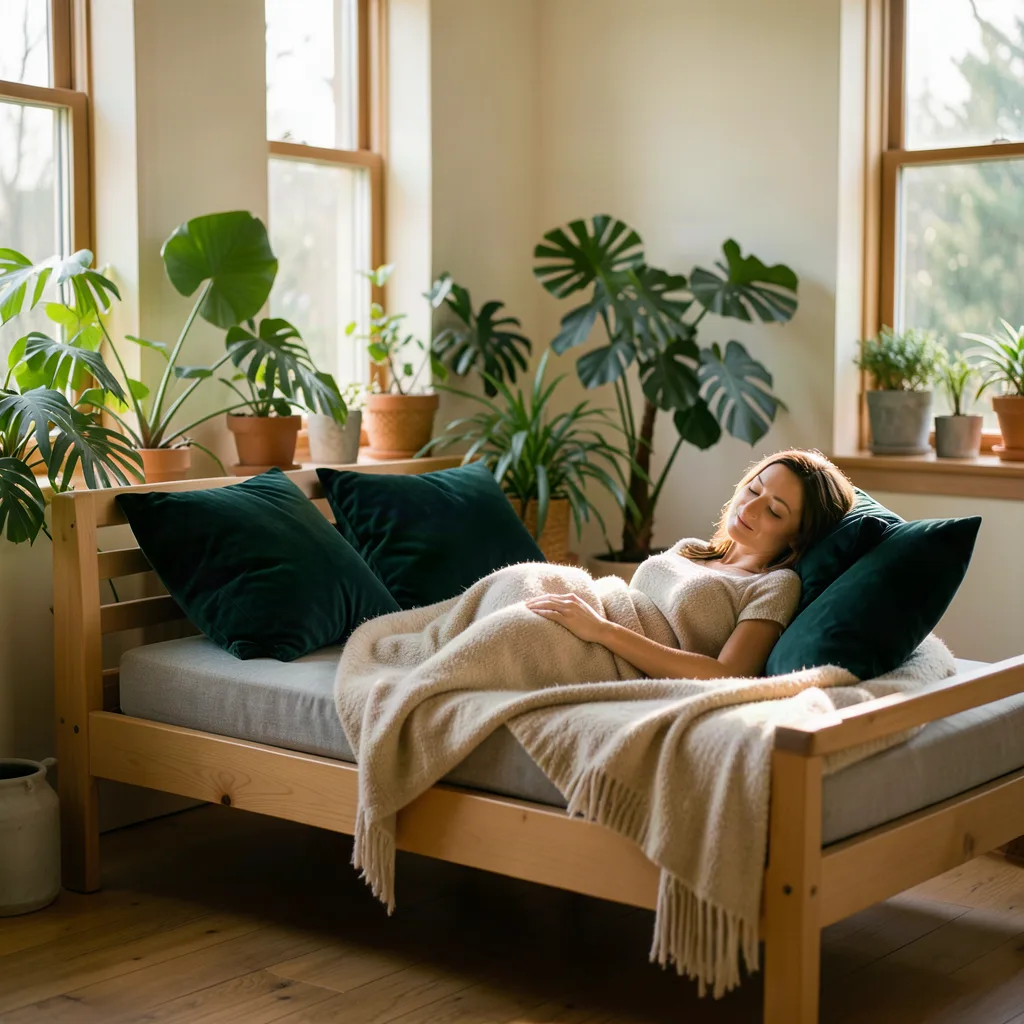
In the frantic pace of the modern world, the afternoon nap has transitioned from a childhood requirement to a coveted luxury of adulthood. It is a quiet rebellion against the cult of constant productivity, a momentary pause that allows the mind to reset and the body to recover. While a quick snooze on the sofa is functional, there is an emerging design movement dedicated to the art of the intentional rest: the daybed sanctuary. Pinterest, the digital hearth of home inspiration, has become a repository for these “swoon-worthy” spots, showcasing everything from sun-drenched window nooks to suspended porch swings that invite the gentle lull of sleep. Creating a dedicated space for rest is not merely an exercise in interior design; it is a commitment to self-care and a recognition that our environments profoundly influence our ability to relax.
Key takeaways
- Use a standard twin-size mattress instead of thin foam to ensure proper spinal support and comfort during naps.
- Separate your nap area from your primary bed to maintain the psychological distinction between daytime and nighttime sleep.
- Select warm 2700K lighting or smart bulbs with sunset modes to signal the brain to wind down for rest.
- Choose durable, antimicrobial fabrics like linen or UV-resistant textiles for outdoor daybeds to ensure hygiene and longevity.
- Ensure built-in nooks are at least 30 to 38 inches wide to provide enough space for an adult.
The allure of the daybed lies in its versatility. It exists in the liminal space between a sofa and a bed, offering a place to read, reflect, or drift off without the formality of retreating to the bedroom. This distinction is important for the psychology of sleep; by keeping the primary bed strictly for nighttime rest, a daybed becomes a designated zone for the restorative “power nap.” In this guide, we will explore the most captivating daybed trends currently taking the design world by storm, providing practical advice on how to curate your own haven of tranquility, regardless of your home’s size or architectural style.
The Anatomy of the Perfect Daybed: Form Meets Function
Before diving into aesthetics, it is essential to understand the structural elements that make a daybed truly comfortable. Unlike a standard sofa, which is designed for upright sitting, a daybed must provide the depth and support necessary for horizontal relaxation. The foundation of any great daybed is the mattress. While many commercial daybeds come with thin foam pads, those seeking a truly “swoon-worthy” experience often opt for a standard twin-size mattress. This allows for the use of high-quality memory foam or hybrid coils, ensuring that your afternoon rest doesn’t result in a stiff neck or back pain.
The frame itself serves as the skeletal support and the primary stylistic statement. Traditional wooden frames offer a sense of warmth and permanence, often featuring three sides that create a cozy, enclosed feeling. Metal frames, on the other hand, can provide a lighter, more airy silhouette, perfect for smaller rooms where you want to maintain a sense of visual flow. When choosing a frame, consider the height. A lower-profile daybed feels more like a lounge or a “pit” sofa, which can feel more grounded and relaxing, whereas a higher frame allows for under-bed storage or a trundle, making it a practical choice for multi-functional guest rooms.
Support is another critical factor. Ensure the daybed uses a sturdy slat system or a solid platform. If the slats are too far apart, the mattress will sag over time, compromising both the look and the comfort of the piece. For those building custom nooks, the integration of the frame into the architecture of the room—such as a built-in bench between two bookshelves—creates a seamless look that feels intentional and luxurious.
Bohemian Bliss: Rattan, Textiles, and Earthy Textures
One of the most enduringly popular daybed styles on Pinterest is the Bohemian, or “Boho,” aesthetic. This style prioritizes natural materials and a “more-is-more” approach to textiles, creating a space that feels lived-in, warm, and deeply personal. Rattan and wicker are the hallmarks of this look. A vintage-inspired rattan daybed with its intricate weaving and organic curves immediately softens a room, bringing in an element of the outdoors.
To achieve this look, layering is key. Start with a neutral base—perhaps a linen mattress cover in oatmeal or cream—and then layer on the personality. Think mudcloth pillows, Moroccan-inspired pom-pom blankets, and a sheepskin rug draped over one corner. The goal is to create a tactile experience where every surface invites touch. Incorporating greenery is also vital; a large fiddle-leaf fig or a cascading pothos plant placed near the daybed enhances the “jungle bungalow” vibe and improves air quality, which can lead to a more refreshing nap.
Color palettes in Boho sanctuaries usually lean toward earth tones: terracotta, sage green, mustard yellow, and deep ochre. These colors are psychologically grounding, helping to lower the heart rate and prepare the mind for rest. Lighting should be soft and diffused; a woven pendant light or a series of amber-toned fairy lights can provide a magical, twilight atmosphere even in the middle of the day.
Modern Minimalist Retreats: The Power of Clean Lines
For those who find clutter distracting, the modern minimalist daybed offers a serene alternative. This style is characterized by its lack of ornamentation and its focus on high-quality materials and precise geometry. A minimalist daybed often features a sleek, low-profile wooden platform or a slim black metal frame. There are no ruffles or extra cushions here; instead, the focus is on the beauty of the structure itself.
In a minimalist nap spot, the color palette is typically monochromatic. Shades of grey, charcoal, and crisp white create a visual “quiet” that allows the brain to switch off from the overstimulation of daily life. The mattress cover should be perfectly tailored, often in a heavy-weight cotton or a sophisticated wool blend. Rather than a mountain of pillows, choose two or three oversized bolsters or square cushions in the same fabric as the mattress for a streamlined, architectural look.
The placement of a minimalist daybed is crucial. It often works best when positioned against a bare wall or under a large, unobstructed window. The absence of surrounding “noise” makes the daybed the focal point of the room, signaling that this is a place for one thing only: rest. To keep the space functional without adding clutter, consider a simple wall-mounted sconce for reading and a small, floating shelf to hold a single glass of water or a book.
Outdoor Oasis: Porch Swings and Garden Daybeds
There is perhaps no better way to nap than with the sound of rustling leaves and the feeling of a gentle breeze. Outdoor daybeds have become a staple of high-end landscape design, turning porches, decks, and even remote corners of the garden into luxury retreat zones. The most popular iteration on social media is the hanging porch swing daybed. Suspended by heavy ropes or chains, these oversized swings provide a gentle rhythmic motion that is scientifically proven to help humans fall asleep faster and achieve deeper rest.
When designing an outdoor nap spot, durability is as important as comfort. Use “dry-fast” foam for the mattress, which is designed to allow water to drain through quickly, preventing mold and mildew. Fabrics must be UV-resistant and water-repellent; brands like Sunbrella offer high-end textiles that feel like indoor linen but can withstand the elements. To make the space feel truly “swoon-worthy,” add a sheer mosquito net draped over the frame. Not only does this provide a sense of privacy and romance, but it also serves the practical purpose of keeping buzzing insects away from your slumber.
Consider the orientation of your outdoor daybed. Positioning it to catch the morning sun can be wonderful for a late-morning doze, but for afternoon naps, you will likely want deep shade. A pergola with climbing vines like jasmine or wisteria can provide natural shade and a heavenly scent that enhances the relaxation experience. If you don’t have a covered porch, a freestanding daybed with its own canopy can create a similar sense of enclosure and protection.
The Built-In Nook: Maximizing Small Spaces and Window Seats
Not everyone has the floor space for a freestanding daybed, which is why the built-in nook is such a popular solution in Pinterest-inspired homes. These are often tucked into underutilized spaces: under a staircase, in a wide hallway, or most commonly, as an extension of a window sill. A window seat daybed offers the best of both worlds—a cozy, enclosed feeling combined with a view of the outside world.
To make a built-in nook feel like a true daybed rather than just a bench, ensure it is at least 30 to 38 inches wide. Anything narrower will feel cramped for an adult. Custom-cut foam is usually required for these spaces; look for high-density upholstery foam and have a custom cover made with a long zipper for easy removal and washing. Because nooks are often surrounded by walls on three sides, they naturally feel like a “cocoon.” You can enhance this by lining the interior walls with soft wallpaper, wood paneling, or even upholstered fabric panels.
Storage is the hidden superpower of the built-in daybed. Deep drawers beneath the mattress can hold extra blankets, pillows, or seasonal items, making this a highly efficient use of square footage. For a cohesive look, paint the base of the daybed the same color as the surrounding walls or cabinetry, allowing it to blend seamlessly into the room’s architecture until it’s time for a nap.
Styling Your Daybed for Maximum Comfort and Visual Appeal
Once the frame and mattress are in place, the styling process begins. This is where you can truly express your personality and ensure the daybed is as comfortable as it is beautiful. The “Rule of Three” is a helpful guide for pillow arrangement: start with two large “Euro” shams against the back or wall, add two standard sleeping pillows for actual head support, and finish with a decorative lumbar pillow or a round bolster. This creates depth and makes the daybed look inviting rather than flat.
Texture layering is the secret to that “Pinterest look.” Mix and match materials to create visual interest. For example, if you have a smooth cotton mattress cover, add a chunky knit throw and a velvet pillow. The contrast between the matte cotton, the heavy yarn, and the shimmering velvet adds a sense of luxury. Don’t forget the “throw”—a blanket casually draped over one corner suggests that someone has just stepped away and will be back shortly, giving the space a lived-in, welcoming feel.
Consider the functional accessories as well. A small side table or a C-table that slides over the edge of the mattress is essential for holding a cup of tea or a phone. If the daybed is used for reading, a task light with a warm bulb is a must. Finally, think about the floor. A soft rug placed directly in front of the daybed ensures that the first thing your feet touch when you wake up is something warm and soft, preventing a jarring transition back to reality.
Transforming a Spare Room into a Dedicated Nap Sanctuary
If you are fortunate enough to have an extra room, consider moving away from the traditional “guest bedroom” layout. Often, guest rooms sit empty for 90% of the year. By installing a daybed instead of a standard queen bed, you can transform the room into a daily-use sanctuary—a library, a meditation room, or a dedicated nap zone—while still maintaining the ability to host overnight guests.
In a dedicated sanctuary, you can control the sensory environment more effectively. Install blackout curtains or high-quality Roman shades to block out the harsh afternoon sun. Use a white noise machine or a small tabletop fountain to mask the sounds of traffic or household activity. Scent also plays a major role in relaxation; a reed diffuser with lavender, sandalwood, or chamomile can signal to your brain that it is time to decompress.
The decor in this room should be intentionally sparse to promote mental clarity. Choose a few pieces of art that evoke a sense of peace—perhaps a landscape or an abstract piece in cool tones. By removing the “office” or “storage” elements often found in spare rooms, you create a psychological boundary. When you enter this room, your only job is to rest. This level of intentionality can significantly improve the quality of your sleep and your overall sense of well-being.
Maintenance and Longevity: Keeping Your Nap Spot Fresh
A daybed is a high-traffic piece of furniture, and maintaining it is essential for both hygiene and aesthetics. Because daybeds are often used without traditional top sheets, the mattress cover and decorative pillows come into direct contact with skin and hair. Choose fabrics that are durable and easy to clean. Linen is a fantastic choice as it is naturally antimicrobial and becomes softer with every wash. Performance fabrics, often used in high-end upholstery, are also excellent for resisting stains and odors.
Vacuum your daybed mattress and the surrounding frame once a week to remove dust and allergens. If you have pets who enjoy the nap spot as much as you do, consider using a washable coverlet that can be easily tossed in the machine. Rotate the mattress every few months to ensure even wear, especially if you tend to sit or lay in the same spot every day. If the daybed is near a window, be mindful of sun fading; using UV-protective window film or rotating the cushions can help maintain the vibrancy of the fabric.
Finally, don’t forget to fluff. Decorative pillows and bolsters can become compressed over time. A quick daily fluffing keeps the daybed looking like the “swoon-worthy” spot you intended it to be. By treating your daybed with the same care as your primary bed, you ensure that it remains a beautiful and inviting part of your home for years to come. Investing in rest is never a waste, and a well-maintained daybed is the ultimate tool for achieving a more balanced, peaceful lifestyle.
Lighting the Slumber: Orchestrating the Perfect Ambience
While the existing article touches on soft lighting, the science of the afternoon nap requires a deeper look at how light spectra influence our ability to drift off and, more importantly, how we wake up. On Pinterest, the most successful nap spots utilize “layered lighting” that mimics the natural progression of the sun. For a truly restorative experience, consider the Kelvin scale. Daytime bulbs are often 5000K, which mimics bright sunlight and suppresses melatonin. For a daybed sanctuary, you should aim for bulbs in the 2700K range. These emit a warm, amber glow that signals to the brain that it is time to wind down, without the jarring transition of total darkness.
Smart lighting has revolutionized the daybed experience. Programmable bulbs can be set to a “sunset” mode, where the light slowly dims over twenty minutes, easing you into a nap. Conversely, a “sunrise” feature can gently increase light intensity at the end of your scheduled rest, preventing the dreaded “nap hangover” caused by waking up abruptly in a dark room. For window-side daybeds, the use of sheer linen cafe curtains allows for a beautiful diffusion of natural light, creating a dappled effect that feels like resting under a leafy canopy. This soft filtration is essential for those who find blackout curtains too claustrophobic but still want to reduce the glare of the high afternoon sun.
Edge cases, such as basement daybeds or rooms with north-facing windows that receive little natural light, require a different approach. In these spaces, “up-lighting”—placing a small canister light on the floor behind the daybed frame—can create a soft, ethereal glow that bounces off the walls, making the space feel larger and less subterranean. Avoid overhead recessed lighting at all costs; looking directly into a bright ceiling fixture while lying on your back is the antithesis of relaxation. Instead, focus on low-level light sources that sit below eye level when you are reclined.
The Cottagecore Sanctuary: Florals, Linens, and Nostalgic Comfort
While Bohemian and Minimalist styles dominate many feeds, the “Cottagecore” or “Grandmillennial” aesthetic offers a distinct, nostalgic take on the daybed that is currently surging in popularity. This style is about romanticizing the rural lifestyle and embracing a sense of “cluttered comfort.” The centerpiece of a Cottagecore nap spot is often a vintage iron bed frame, preferably with chipped white paint or a brass finish. These frames have a visual lightness that works beautifully in sunrooms or guest cottages.
To achieve this look, look for textiles that feature ditsy floral prints, toile de Jouy, or delicate gingham. The key is to mix patterns in a way that feels accidental rather than curated. A ruffled bedskirt is a hallmark of this style, hiding the utilitarian legs of the frame and providing a soft, flowing silhouette. Unlike the heavy mudcloth of the Boho look, Cottagecore relies on breathable, lightweight fabrics like cotton lawn and vintage lace. A handmade quilt, perhaps one with a history or a “shabby chic” appeal, should be draped over the mattress to provide a sense of home-spun warmth.
Accessorizing a Cottagecore daybed involves bringing in elements of the English countryside. A small wooden stool used as a side table can hold a vase of freshly cut sweet peas or dried lavender. Wall decor might include pressed botanical frames or a vintage cuckoo clock. This aesthetic appeals to the desire for a simpler time, creating a psychological escape as much as a physical one. It is particularly effective for those who use their daybed as a primary reading nook, as the soft textures and floral surroundings provide a perfect backdrop for getting lost in a classic novel.
Ergonomic Alignment: Beyond Aesthetics to Physical Restoration
A swoon-worthy nap spot must be more than just a pretty picture; it must support the body’s physiology. The way you arrange your pillows can significantly impact the quality of your spinal alignment during a nap. For back sleepers, a common issue with daybeds is the lack of a slight incline. Using a wedge pillow hidden beneath a decorative sham can provide a 15-degree elevation, which is beneficial for those who suffer from acid reflux or sinus congestion. This subtle lift makes the nap feel more like a luxury spa treatment and less like a quick collapse on the sofa.
Side sleepers, on the other hand, require specific bolster placement to prevent hip and shoulder strain. A long, cylindrical bolster placed along the back of the daybed serves a dual purpose: it provides a soft “wall” to lean against and can be pulled down to use as a body pillow. Placing this bolster between the knees keeps the hips square, preventing the lower back from twisting during sleep. For the head, the existing article mentions standard pillows, but for true ergonomic bliss, a contoured memory foam pillow that fits inside a decorative linen case is the gold standard. It provides the necessary neck support that soft, decorative throw pillows often lack.
Consider also the “Zero Gravity” position, which involves elevating the legs slightly above the heart. This can be achieved on a daybed by placing a firm rectangular bolster under the knees. This position reduces pressure on the spine and improves circulation, making even a twenty-minute power nap feel incredibly refreshing. When styling the daybed, these functional pillows can be hidden behind larger, more aesthetic “Euro” shams, ensuring the look remains Pinterest-perfect while the functionality remains top-tier.
Seasonal Metamorphosis: Adapting Your Daybed for Year-Round Comfort
A common mistake in daybed design is keeping the same textiles year-round. To maintain the “swoon-worthy” status, your nap sanctuary should evolve with the seasons. During the summer months, the focus should be on heat dissipation. Swap out standard mattress protectors for cooling bamboo covers or those infused with phase-change materials (PCM) that absorb and release heat to keep you at an optimal temperature. Replace heavy throws with a single-layer Turkish towel or a lightweight muslin brandish. These materials are highly absorbent and feel cool against the skin, making them perfect for those humid July afternoons.
As the temperature drops, the daybed should undergo a “hygge” transformation. This is the time to introduce high-TOG (Thermal Overall Grade) blankets. A weighted blanket, often filled with glass beads or heavy cotton loops, is a fantastic addition for winter napping. The deep pressure stimulation provided by a weighted blanket can reduce anxiety and facilitate a faster transition into deep sleep. Layer this with a faux-fur throw or a chunky wool cable-knit blanket to create a nest-like environment. The mattress cover can also be swapped for a flannel or velvet version to provide immediate warmth upon lying down.
Don’t forget the impact of scent and humidity in seasonal transitions. In the winter, a small, sleek humidifier placed near the daybed can prevent the dry air from irritating your throat and skin during a nap. Conversely, in the summer, a high-quality oscillating fan with a “breeze” mode can mimic the feeling of an open window, even in a closed room. By treating the daybed as a living, changing part of the home, you ensure that it remains the most comfortable spot in the house regardless of the weather outside.
Acoustic Softening: Creating a Soundproof Cocoon in Open Spaces
In many modern homes, daybeds are located in open-concept living areas or wide hallways where noise from the kitchen or television can easily disrupt a nap. Creating an acoustic “cocoon” is essential for a truly peaceful spot. On Pinterest, you will often see daybeds backed by large tapestries or heavy drapery. This isn’t just for visual warmth; heavy fabrics act as sound absorbers, reducing the echo and ambient noise within the nook. Velvet, in particular, has a high Noise Reduction Coefficient (NRC), making it an ideal choice for daybed curtains or wall-mounted upholstered panels.
If your daybed is positioned in a corner, consider the “corner effect” of sound. Sound waves tend to bounce and amplify in 90-degree angles. To mitigate this, you can use acoustic art—canvases that look like standard paintings but are filled with sound-dampening foam. Placing a thick, high-pile rug (like a plush shag or a dense wool Persian) under the daybed is another critical step. The rug absorbs vibrations from footsteps and prevents sound from bouncing off hard flooring surfaces.
For those who need absolute silence, the integration of technology can help without breaking the aesthetic. High-end daybed setups often include a small, hidden shelf for a white noise machine that offers “pink noise” or “brown noise” settings, which are deeper and more soothing than the standard static of white noise. If the daybed is a built-in nook, lining the interior with cork wallpaper provides a subtle, organic texture that is naturally sound-absorbent. These layers of acoustic protection ensure that even if the rest of the house is bustling, your nap sanctuary remains a silent island of calm.
Curating the Tech-Free Perimeter: The Nap Tray and Beyond
A significant trend in intentional rest is the creation of a “Digital Detox” zone around the daybed. To make your nap spot truly swoon-worthy, it should be a place where the phone is intentionally excluded. A dedicated “nap tray” is a beautiful and functional way to enforce this. This can be a small marble or wooden tray that sits on a nearby side table, specifically designed to hold everything you need for a rest: a pair of silk eye masks, a small bottle of essential oil, a glass of water, and perhaps a physical book or journal. By placing your phone in a different room and only bringing the tray to the daybed, you create a powerful psychological ritual.
The eye mask is a small but vital component. Pinterest-inspired nooks often feature masks made of mulberry silk or weighted velvet, which provide a gentle pressure on the eyelids that can help lower the heart rate. Some even come with removable lavender sachets for an added aromatherapy benefit. Alongside the tray, consider an analog clock. The ticking of a traditional clock can provide a rhythmic, hypnotic sound that aids in falling asleep, and it removes the temptation to check a digital screen for the time, which would expose you to sleep-disrupting blue light.
To further define the tech-free perimeter, consider the “charging station” placement. Ensure there are no visible charging cables near the daybed. If you must have a lamp, use one with a physical switch rather than a smart-app control to keep your hands off your device. This physical separation from the digital world allows the mind to decompress fully, turning a simple afternoon nap into a deep mental reset that is increasingly rare in our hyper-connected lives.
The DIY Transformation: Elevating Basic Frames to Designer Status
You don’t need a custom-built architectural nook or a designer price tag to achieve a Pinterest-worthy daybed. Many of the most popular “hacks” involve taking a basic, mass-produced twin bed frame and giving it a high-end makeover. One of the most effective DIY upgrades is the addition of cane webbing to a standard wooden frame. By soaking rolls of cane webbing and stapling them to the back and side panels of a simple frame, you can create a high-end, “urban outfitter” look for a fraction of the cost. This adds texture and a mid-century modern flair that feels very current.
Another popular DIY approach is the “upholstered wall” look. If you have a simple platform daybed without a backrest, you can create the illusion of a built-in piece by mounting large, upholstered foam panels directly to the wall behind it. These can be made using plywood, upholstery foam, and a fabric of your choice—velvet for luxury, or a heavy linen for a more relaxed vibe. This not only provides the necessary back support for sitting but also frames the daybed, making it feel like a deliberate architectural feature rather than a bed pushed against a wall.
Frequently Asked Questions
What is the difference between a daybed and a sofa bed?
The primary difference lies in the design and the mattress. A daybed is essentially a bed frame that is designed to look and function like a sofa during the day; it typically uses a standard twin mattress and does not require any folding or unfolding. A sofa bed (or sleeper sofa) has a hidden mattress tucked inside the frame that must be pulled out or unfolded for use. Daybeds are generally considered more comfortable for daily napping because they use real mattresses rather than the thin, folding mattresses found in most sofa beds.
Can I use a regular twin mattress on any daybed frame?
Most standard daybed frames are designed to fit a standard twin mattress (38 inches by 75 inches). However, some modern or European-style daybeds may have slightly different dimensions. It is always important to check the manufacturer’s specifications before purchasing a mattress. Additionally, consider the thickness of the mattress; a very thick pillow-top mattress might sit too high on the frame, obscuring the backrest and making it less comfortable to sit on like a sofa.
How do I make a daybed look like a sofa and not just a bed in the living room?
The key to making a daybed look like a sofa is the use of “back” support. Since a twin mattress is much deeper than a standard sofa seat, you need to use large pillows or bolsters to create a shallower seating area. Using a consistent fabric for the mattress cover and the back cushions creates a unified look. Additionally, choosing a frame with three sides (a back and two arms) helps define the piece as a sofa. Avoid using traditional bed pillows in the front; instead, use decorative throw pillows of varying sizes and textures.
Are outdoor daybeds difficult to maintain?
Outdoor daybeds require more maintenance than indoor ones, but with the right materials, they are very manageable. The key is using weather-resistant fabrics (like acrylic-dyed textiles) and open-cell foam that doesn’t trap moisture. During extreme weather or winter months, it is best to store the cushions indoors or in a weatherproof deck box. Regularly hosing down the frame and spot-cleaning the cushions will keep the spot looking fresh. Using a fitted outdoor furniture cover when the daybed is not in use is the best way to prolong its life.
Is a daybed a good idea for a small studio apartment?
Yes, a daybed is one of the best furniture choices for a studio apartment. It serves as your primary sofa for entertaining and your primary bed for sleeping, saving a significant amount of floor space. To make it work in a studio, choose a daybed with built-in storage underneath to hold your bedding during the day. Opting for a more structured, modern design can help the piece feel more like a piece of living room furniture rather than a bed, maintaining a sophisticated look for your entire living space.
Related posts:
 Nap Bars: Is Sleeping Your Way to Wellness the Next Big Thing
 Pillow Talk: The Perfect Number for Better Sleep
 Sleep Science: Should You Really Be Flipping Your Mattress
 Why Taking Career Naps Makes Sense
 Sustainable Products: Avocado Green’s Eco-Friendly (and Comfy!) Mattress
 The Ultimate Guide to Bed-in-a-Box Mattresses
 Best Mattresses for Couples
 Best Memorial Day Mattress Deals