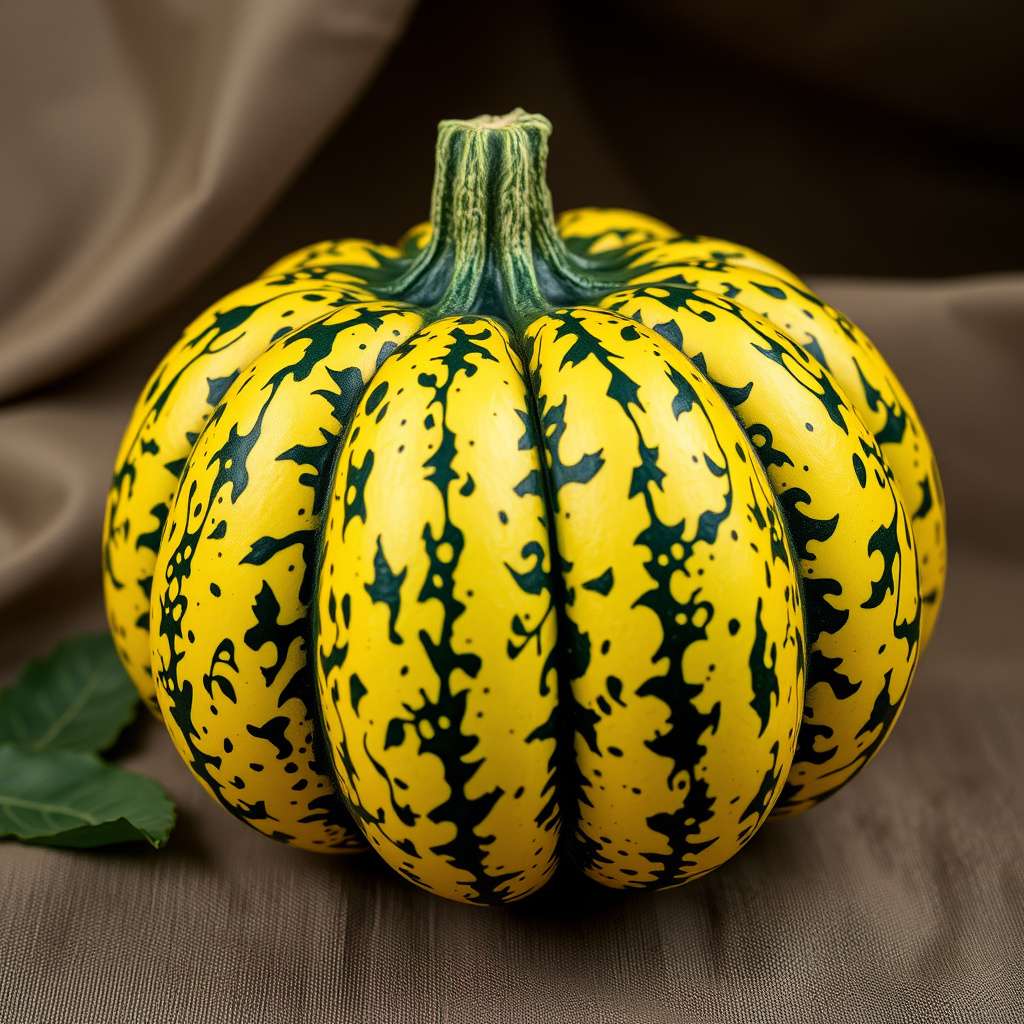
Delicata squash might be the most underrated winter squash in your produce aisle. With its creamy texture, naturally sweet flavor, and edible skin that eliminates the tedious peeling required by butternut or acorn squash, delicata deserves a permanent spot in your fall and winter cooking rotation. This humble oblong squash, striped with green and cream, transforms into something truly special when treated with the right techniques and complementary ingredients.
Understanding Delicata Squash and Its Unique Qualities
Delicata squash (Cucurbita pepo) earned its name from its delicate, thin skin that sets it apart from its hard-shelled cousins. Unlike butternut or Hubbard squash, delicata skin softens beautifully during cooking, becoming tender enough to eat alongside the flesh. This characteristic alone makes it a weeknight dinner hero, cutting prep time significantly.
The flesh of delicata squash offers a unique consistency somewhere between creamy sweet potatoes and fluffy chestnuts. Its natural sweetness leans toward brown sugar and honey notes, with a subtle nuttiness that pairs well with both savory and sweet preparations. When roasted, the sugars caramelize along the edges, creating slightly crispy surfaces that contrast with the tender interior.
Nutritionally, delicata provides impressive benefits without excessive calories. One cup of cooked delicata contains approximately 40 calories, generous amounts of vitamin A, vitamin C, potassium, and dietary fiber. The orange-yellow flesh indicates the presence of beta-carotene, an antioxidant that supports eye health and immune function. Unlike more starchy winter squash varieties, delicata has a lower carbohydrate content, making it suitable for those monitoring their intake.
The season for delicata runs from late summer through early winter, with peak availability in October and November. When shopping, look for squash that feels heavy for its size with firm, unblemished skin. The green stripes should be vibrant, not faded or brown. Avoid any with soft spots or mold. Stored in a cool, dry place, whole delicata keeps for several weeks, though its thin skin means it doesn’t store as long as thicker-skinned varieties.
Essential Preparation Techniques
Proper preparation elevates delicata from good to exceptional. Start by washing the squash thoroughly under running water, using your fingers or a soft brush to remove any dirt from the ridges. Even though you’ll be cooking and eating the skin, cleaning ensures no grit ends up in your final dish.
Trim about half an inch from each end to create flat surfaces, then cut the squash in half lengthwise. This reveals the seed cavity, which you’ll need to scoop out. A regular spoon works well, though a grapefruit spoon with serrated edges makes quick work of the stringy bits clinging to the flesh. Don’t discard those seeds; they roast beautifully and make a crunchy garnish or snack.
Slicing delicata requires attention to uniformity. For roasting, cut the halved squash into half-moon shapes between a quarter and half inch thick. Consistent thickness ensures even cooking, preventing some pieces from burning while others remain underdone. For stuffing, leave the squash halves intact and par-cook them before adding your filling.
A sharp chef’s knife makes clean cuts through the squash, including the ridges where dull blades tend to slip. If the squash feels particularly hard, try microwaving it whole for 30 to 45 seconds to soften the skin slightly before cutting. Always cut away from your body and keep fingers clear of the blade path.
Roasting for Maximum Flavor Development
Roasting brings out the best in delicata squash, concentrating its natural sugars and creating textural contrast. The high, dry heat of the oven caramelizes the surfaces while keeping the interior moist and tender.
Preheat your oven to 425°F (220°C). This temperature hits the sweet spot for browning without burning. While the oven heats, toss your sliced delicata with olive oil, coating each piece thoroughly. Use about one tablespoon of oil per medium squash. The fat conducts heat, promotes browning, and helps any seasonings adhere to the surface.
Season generously before roasting. Sea salt is essential, but beyond that, the possibilities span multiple flavor directions. For a classic approach, try fresh black pepper and dried sage. Warm spices like cinnamon, nutmeg, or cardamom complement the squash’s sweetness. For a savory angle, garlic powder, smoked paprika, and cumin create depth. A touch of maple syrup or honey enhances caramelization while echoing the squash’s natural sweetness.
Arrange the slices in a single layer on a rimmed baking sheet. Overcrowding creates steam, which prevents browning and leads to soggy results. If necessary, use two baking sheets or roast in batches. Flip the slices halfway through cooking, which typically takes 20 to 25 minutes total. You’re looking for golden-brown edges and tender flesh that yields easily to a fork.
For extra crispy results, let the roasted squash cool slightly on the baking sheet. The residual heat continues to evaporate moisture, concentrating the texture. Serve warm, or let cool completely for salads and grain bowls where you want the pieces to hold their shape.
Creating a Delicata Squash Masterpiece Main Dish
The true magic of delicata emerges when you build a composed dish around it. A masterpiece preparation combines the roasted squash with complementary flavors, varied textures, and thoughtful presentation. Consider this template your foundation for endless variations.
Start with a base layer that provides substance and absorbs flavors. Cooked grains like farro, quinoa, or wild rice offer nutty contrast to the sweet squash. Lentils bring earthiness and protein. A bed of bitter greens such as radicchio, frisée, or massaged kale adds brightness and visual appeal. For something more indulgent, creamy polenta or a parsnip purée creates luxurious comfort.
Layer your roasted delicata over the base, allowing some pieces to overlap for visual interest. The warm squash against cool grains creates temperature contrast that elevates the eating experience. If serving family-style, arrange the squash in rows or a spiral pattern for a presentation that impresses without excessive effort.
Add protein to transform this into a complete meal. Crispy chickpeas roasted alongside the squash provide plant-based protein and satisfying crunch. Slices of grilled chicken or seared tempeh work beautifully. For special occasions, consider topping with crispy pancetta or prosciutto, letting the salty meat balance the squash’s sweetness. A poached or fried egg transforms a lighter version into brunch fare.
The finishing elements make this dish memorable. A drizzle of tahini dressing, balsamic glaze, or maple-mustard vinaigrette ties the components together. Fresh herbs like parsley, cilantro, or chives add brightness. Toasted nuts or seeds contribute crunch. Consider a sprinkle of feta, goat cheese, or shaved Parmesan for salty, tangy notes. Pomegranate seeds or dried cranberries provide jewel-like color and bursts of tartness.
Global Flavor Inspirations
Delicata squash’s mild, sweet flavor makes it remarkably adaptable to cuisines from around the world. Exploring these variations keeps your cooking exciting and introduces new flavor combinations.
For a Mediterranean-inspired preparation, toss roasted delicata with olive oil, lemon zest, and dried oregano before baking. Serve over herbed couscous with crumbled feta, toasted pine nuts, and a dollop of tzatziki or labneh. The tangy dairy and bright lemon cut through the squash’s richness while herbs echo the region’s sunny flavors.
Middle Eastern flavors pair exceptionally well with delicata. Season the squash with za’atar, sumac, and a touch of allspice before roasting. Serve over spiced lentils with a drizzle of tahini-lemon sauce, fresh mint, and pomegranate seeds. The combination of warm spices, creamy tahini, and tart pomegranate creates layers of flavor that complement the sweet squash.
Asian-inspired preparations highlight delicata’s versatility. Toss slices with sesame oil, soy sauce, and grated ginger before roasting. Serve over coconut rice with sautéed bok choy, sliced scallions, and a drizzle of sriracha mayo or ponzu sauce. A sprinkle of black sesame seeds adds visual contrast and nutty flavor.
For Latin American flair, season with ancho chili powder, ground cumin, and a touch of smoked paprika. Serve with black beans, fresh cilantro, pickled red onions, and queso fresco. A squeeze of lime brightens the dish, while warm corn tortillas allow diners to create their own tacos. The combination of smoky spices, creamy beans, and sweet squash satisfies deeply.
Stuffed Delicata Squash Variations
Stuffing delicata squash transforms it into an elegant main course that looks impressive but comes together with minimal effort. The natural boat shape of halved squash cradles fillings beautifully, making each serving feel special.
Begin by par-cooking the squash halves. Roast them cut-side down at 400°F for about 15 minutes, just until the flesh begins to soften but still holds its shape. This ensures the squash cooks completely without the filling becoming overdone. Alternatively, microwave the halves cut-side up for 4 to 5 minutes.
The filling options span from simple to elaborate. A hearty grain stuffing combines cooked quinoa or wild rice with sautéed onions, celery, herbs, and dried cranberries. For a meat-based filling, brown ground turkey or lamb with aromatics, then mix with cooked rice and pine nuts. Vegetarian versions might include lentils, mushrooms, and spinach bound with a bit of egg or cheese.
Fill the par-cooked squash halves generously, mounding the filling slightly above the rim. Return to the oven and bake at 375°F for 20 to 25 minutes, until the filling is heated through and the squash is completely tender. A sprinkle of cheese during the last 5 minutes creates a golden, melted topping.
Consider the sauce or garnish as the finishing touch. A drizzle of herb oil, balsamic reduction, or yogurt sauce adds moisture and complexity. Fresh herbs, microgreens, or edible flowers elevate the presentation for dinner parties or holiday meals.
Sweet Applications and Dessert Possibilities
While delicata shines in savory preparations, its natural sweetness also makes it suitable for desserts and breakfast dishes. These applications might surprise those who only know winter squash as a dinner vegetable.
For a simple sweet preparation, roast delicata slices with butter, brown sugar, and cinnamon. The result resembles candied sweet potatoes but with a lighter, more refined sweetness. Serve alongside roast pork or turkey for a holiday side dish that bridges savory and sweet.
Delicata squash purée can replace pumpkin or sweet potato in many dessert recipes. Steam or roast the squash until completely tender, then blend until smooth. Use this purée in pies, custards, or quick breads. The flavor is milder than pumpkin, with caramel notes that pair well with warm spices like ginger, cloves, and allspice.
For breakfast, top roasted delicata rounds with Greek yogurt, a drizzle of maple syrup, and a sprinkle of granola and chopped pecans. The combination of warm squash, cool yogurt, and crunchy toppings creates a satisfying morning meal. Alternatively, fold squash purée into oatmeal along with cinnamon and a splash of cream.
Squash doughnuts and muffins benefit from delicata’s moisture and sweetness. The purée keeps baked goods tender while reducing the need for added fat and sugar. A squash spice cake with cream cheese frosting makes an unexpected but delightful autumn dessert.
Storage, Meal Prep, and Leftover Ideas
Understanding how to store delicata squash properly extends its usefulness and reduces food waste. Both whole and prepared squash have different storage requirements that maximize their lifespan.
Whole delicata squash stores best in a cool, dry, well-ventilated area with temperatures between 50°F and 60°F. A basement, garage, or pantry shelf often provides suitable conditions. Avoid refrigerating whole squash, as the cold temperature accelerates deterioration. Check stored squash weekly for soft spots or mold, and use any showing signs of aging first. Properly stored, whole delicata keeps for three to four weeks.
Once cut, raw delicata requires refrigeration. Wrap cut pieces tightly in plastic wrap or store in an airtight container for up to five days. Cooked delicata also refrigerates well, keeping for four to five days in sealed containers. For longer storage, freeze roasted slices or purée in freezer bags for up to six months.
Meal prep becomes simple with delicata. Roast a large batch on Sunday, then incorporate it into meals throughout the week. Add cold slices to salads and grain bowls. Warm them in a skillet with eggs for breakfast. Toss into soups during the last few minutes of cooking. Puree into a sauce for pasta or a base for curries.
Transform leftovers into entirely new dishes. Blend roasted delicata with broth and aromatics for a silky soup. Fold diced squash into frittatas or breakfast hashes. Layer into sandwiches with greens and cheese. The mild flavor adapts to almost any cuisine or preparation, making it a versatile ingredient to keep on hand.
Pairing Delicata with Seasonal Ingredients
The autumn and winter harvest offers natural partners for delicata squash that extend far beyond the obvious choices. Understanding these seasonal relationships opens up creative possibilities for dishes that feel grounded in the time of year.
Apples and pears reach their peak alongside delicata, and their tart-sweet balance plays beautifully against the squash’s milder sweetness. Firm varieties like Honeycrisp, Pink Lady, or Bosc pears hold their shape when roasted alongside the squash, creating a side dish where fruit and vegetable blur traditional boundaries. Toss wedges of apple with the squash during the last 15 minutes of roasting, seasoned with sage and a touch of maple syrup. The apples caramelize and soften while maintaining enough structure to provide textural contrast.
Persimmons offer an unexpected but rewarding pairing. Fuyu persimmons, the squat, firm variety, can be sliced and roasted similarly to delicata. Their honey-like sweetness intensifies with heat, and their faint spiciness echoes the warm spices often used with winter squash. Hachiya persimmons, which must be fully ripened to a jelly-like consistency before eating, can be blended into a glaze or sauce that drizzles over roasted squash with striking color and concentrated flavor.
Winter greens provide essential contrast to delicata’s sweetness. Radicchio’s bitter notes and vibrant magenta color create visual and flavor drama when tossed warm with roasted squash. The heat slightly wilts the leaves while leaving them with enough structure to contribute crunch. Endive, escarole, and chicories all perform similarly, their bitterness acting as a palate cleanser between bites of the rich, sweet squash. Dress these combinations with a sherry vinaigrette or aged balsamic to bridge the bitter and sweet elements.
Root vegetables roasted alongside delicata create layered earthiness. Parsnips, with their sweet, nutty profile, roast at a similar rate when cut to match the squash’s thickness. Carrots bring bright color and an additional layer of sweetness that complements without competing. Celery root offers a savory, herbal counterpoint that grounds the sweeter elements. Toss all three with delicata for a root medley that showcases the best of fall and winter produce in a single pan.
Cranberries, both fresh and dried, provide essential acidity to cut through delicata’s richness. Fresh cranberries burst during roasting, creating tart pockets that surprise the palate. Dried cranberries rehydrate when mixed with warm squash, their chewiness adding another textural element. For a sauce that bridges sweet and savory, cook fresh cranberries with maple syrup and a cinnamon stick until they burst, then spoon over roasted delicata as a relish that works equally well alongside roast chicken or on a grain bowl.
Mastering Texture Contrast in Every Bite
Great dishes succeed not just through flavor but through careful attention to texture. Delicata squash, with its naturally creamy interior and potential for crispy edges, provides an excellent foundation for building texturally complex plates.
The crunch element requires thoughtful consideration. Toasted nuts bring fat and protein alongside their texture, with each variety offering distinct characteristics. Walnuts contribute earthiness and a slightly bitter edge that balances sweet squash. Pecans lean sweeter, with buttery notes that echo the squash’s natural profile. Hazelnuts, with their skins still on, provide a more assertive crunch and a flavor that pairs particularly well with sage and brown butter. Pistachios offer vibrant color and a more delicate crunch, working well in Middle Eastern-inspired preparations with tahini and pomegranate.
Seeds offer similar textural benefits with different nutritional profiles. Pumpkin seeds, especially when seasoned with spices before toasting, bring an autumnal coherence to delicata dishes. Sunflower seeds provide a milder flavor that doesn’t compete with other elements. Hemp seeds require no toasting and add a subtle nuttiness along with complete protein. For maximum impact, combine multiple crunchy elements: a sprinkle of toasted pumpkin seeds and chopped pecans over a warm squash salad creates layers of texture that keep each bite interesting.
Crispy toppings require attention to timing. Add them at the last moment to preserve their texture. If preparing components ahead, store crunchy elements separately in airtight containers at room temperature. Even toasted nuts stored properly begin to soften after a few days, so toast small batches frequently for the best results.
Creamy elements create their own textural contrast against the squash’s tender flesh. A dollop of yogurt, crème fraîche, or labneh cooled slightly but not cold from the refrigerator provides temperature contrast alongside its silky consistency. Avocado slices or a lime-spiked avocado crema bring a different kind of richness that works particularly well in Latin American-inspired preparations. Soft cheeses like burrata or stracciatella can be torn over warm squash, the heat gently melting the exterior while leaving a cool, creamy center.
The interplay of warm and cool temperatures often goes overlooked but significantly impacts the eating experience. Room temperature or slightly warm squash allows the flavors to express themselves more fully than hot-from-the-oven squash, where heat can mute subtle flavor notes. A dish that combines warm roasted delicata with cool, crisp greens and room temperature grains offers a temperature gradient that keeps the palate engaged.
Troubleshooting Common Cooking Challenges
Even experienced cooks encounter challenges with delicata squash, but most problems have straightforward solutions once you understand the underlying causes.
Uneven cooking plagues many roasted squash dishes. The natural shape of delicata, with its thicker ends and narrower middle, means uniform slices cook at different rates. Combat this by cutting slices from the middle slightly thinner than slices from the ends. Alternatively, cut the squash into rounds rather than half-moons, which creates more consistent thickness across each piece. If you notice some pieces browning faster than others during roasting, rearrange them on the baking sheet, moving the outer pieces toward the center where heat is more intense and vice versa.
The skin occasionally remains tough even after proper roasting, usually due to the squash’s maturity. Late-season delicata, stored for weeks before purchase, develops slightly tougher skin than freshly harvested specimens. If you encounter this, peel the squash after roasting—the skin separates more easily from cooked flesh than raw. For raw squash with noticeably thick skin, a quick pass with a vegetable peeler removes the outermost layer while leaving most of the skin intact.
Browning without caramelization often indicates excess moisture. Pat the sliced squash dry with clean kitchen towels before tossing with oil. This removes surface moisture that creates steam in the oven. Similarly, avoid washing the squash after slicing, as water trapped in the seed cavity can spread to the flesh. If your squash seems particularly wet after cutting, let the slices air-dry on a clean towel for 15 minutes before seasoning.
Seasoning that falls off during roasting or serving indicates insufficient oil or improper technique. The oil creates the adhesive surface that holds salt and spices in place. Toss squash with oil first, coating thoroughly, then add seasonings and toss again. For spices that tend to fall off, try mixing them with a small amount of oil to create a paste that clings better to the squash surface.
Overcooked squash that falls apart when handled usually results from either cutting pieces too thin or roasting too long. Quarter-inch slices work for applications where you want crisp chips, but half-inch slices maintain their structure better for most dishes. Check the squash at 18 minutes rather than waiting the full 25, especially if your oven runs hot. The squash is done when a fork slides easily through the thickest part but still meets slight resistance.
Bitter flavors occasionally develop, particularly near the stem end of older squash. This compounds, called cucurbitacins, develop as a defense mechanism in stressed plants. Taste a small piece of raw squash before cooking; if it tastes bitter, that squash should be discarded rather than cooked, as the bitterness intensifies with heat. This is rare in commercially grown delicata but worth checking, especially with farm stand or homegrown squash.
Advanced Techniques Beyond Basic Roasting
While roasting remains the most popular preparation, delicata responds beautifully to other cooking methods that yield different textures and flavor profiles.
Glazing on the stovetop creates a lacquered exterior that roasting alone cannot achieve. Cut squash into half-inch rounds, then cook in a large skillet with butter and a splash of water or broth. Cover initially to steam the squash tender, then uncover and raise the heat to evaporate the liquid. Add maple syrup, honey, or brown sugar during this final stage, swirling the pan as the sugar caramelizes and coats each slice. The result is a sticky, glossy finish with concentrated sweetness and a texture somewhere between roasted and candied.
Grilling introduces smoky depth that pairs particularly well with delicata’s natural sweetness. Slice the squash lengthwise into planks rather than half-moons—this provides more surface area for grill contact and easier handling. Brush with oil and grill over medium heat, moving pieces as needed to prevent burning where flames lick through the grate. The char marks contribute not just visual appeal but actual flavor compounds created when sugars meet high heat. Finish with a squeeze of lime and fresh herbs to cut through the smoke.
Steaming preserves delicata’s delicate flavor without the caramelization that roasting produces. This method works particularly well when you plan to purée the squash for soups, sauces, or baking. Steam peeled, seeded chunks for 15 to 20 minutes until completely tender. The resulting purée has a cleaner, sweeter flavor than roasted squash, making it ideal for delicate desserts where caramel notes might overwhelm other ingredients.
Tempura-style frying transforms delicata into something entirely different: a crispy, light appetizer or garnish. Cut very thin slices—eighth inch or thinner—using a mandoline for consistency. Dip in tempura batter and fry at 375°F until pale golden, working in small batches to maintain oil temperature. Drain briefly and serve immediately with a dipping sauce. The thin slices cook through almost instantly, creating delicate chips with a creamy interior that melts on the tongue.
Pressure cooking offers a hands-off method for achieving tenderness quickly. Place seeded halves in a pressure cooker with a cup of liquid, cook on high pressure for 5 to 7 minutes, then quick-release. The squash emerges tender enough to scoop from the skin for purée. This method excels when you need squash purée in a hurry for soup, pie, or baby food.
Raw preparations, while less common, have their place. Shave very young, fresh delicata paper-thin on a mandoline, then dress immediately with vinaigrette to slightly soften the texture. Toss with bitter greens, shaved Parmesan, and toasted walnuts for a fall salad that showcases the squash’s crisp, fresh character. This works best with early-season squash before the skin has thickened.
Nutritional Strategies and Dietary Adaptations
Delicata squash fits naturally into many dietary patterns, but understanding how to maximize its nutritional benefits and adapt recipes for specific needs ensures everyone at your table can enjoy it.
Low-glycemic preparations focus on pairing the squash with protein, fat, and fiber to slow sugar absorption. Roast delicata with plenty of olive oil and serve alongside protein-rich foods like legumes, eggs, or lean meats. The fat content matters—about a tablespoon of oil per medium squash provides the fat needed to blunt the glycemic response while supporting the absorption of fat-soluble vitamins A and E. Adding vinegar or lemon juice to the dish may further moderate blood sugar impact, as some research suggests acetic acid slows gastric emptying.
Keto adaptations require modifying the natural serving size, as delicata contains more carbohydrates than non-starchy vegetables. A half-cup serving fits within most keto meal plans when balanced with higher-fat accompaniments. Focus on preparations that add fat: brown butter and sage, heavy cream in a purée, or a topping of cheese and nuts. Skip sweet glazes and dried fruits in favor of savory seasonings and leafy greens.
Whole30 and paleo diets embrace delicata as a nutrient-dense carbohydrate source. Avoid sweeteners even in small amounts, instead letting the squash’s natural sweetness shine. Ghee, coconut aminos, and compliant bacon can add the richness these diets emphasize. For paleo variations, skip dairy-based toppings in favor of coconut yogurt or tahini-based sauces.
FODMAP considerations come into play for those managing digestive issues. Delicata squash is considered low FODMAP in typical serving sizes of about a half cup. However, large portions may trigger symptoms in sensitive individuals. Avoid pairing with high-FODMAP ingredients like garlic and onion in the same dish—infuse oil with these aromatics instead, removing the solids before cooking. Maple syrup, often paired with squash, is low FODMAP in small amounts, while honey is not.
Allergen-free adaptations focus on identifying hidden triggers in common accompaniments. Nut-free versions replace walnut or pecan toppings with toasted pumpkin seeds or sunflower seeds. Dairy-free preparations skip cheese toppings in favor of nutritional yeast for umami or simply rely on the squash’s natural richness. Gluten-free needs rarely come into play with plain squash, but stuffing recipes require attention—use certified gluten-free grains and breadcrumbs to avoid cross-contamination.
Baby-led weaning parents find delicata an excellent first food. The soft, cooked texture poses minimal choking hazard when squash is cut into strips a baby can grasp. The mild, sweet flavor tends to appeal to developing palates. Serve plain roasted slices without added salt or sweeteners for babies under one year, introducing simple seasonings gradually as the child grows.
Maximizing Value and Reducing Food Waste
Every part of delicata squash offers culinary potential beyond the obvious flesh. Learning to use the entire squash reduces waste and often yields the most flavorful components.
The seeds deserve more attention than they typically receive. After scooping from the squash, separate them from the fibrous strings—a bowl of water helps loosen the pulp, with seeds floating to the surface for easy collection. Pat dry and toss with olive oil and seasonings before roasting. Beyond basic salt, try smoked paprika and cumin for a smoky snack, or cinnamon and a touch of maple for a sweet treat. Roast at 325°F for 15 to 20 minutes, stirring occasionally, until golden and crispy. Properly dried and stored seeds keep for weeks in an airtight container.
The strings and pulp from the seed cavity, often discarded, contribute flavor and body to stocks and soups. Simmer them along with vegetable scraps or chicken bones for a deeply colored, flavorful broth. The natural sugars in the strings caramelize slightly during roasting, adding complexity to the final stock. Strain and use as a base for squash soup or risotto.
Skin that peels off during cooking—sometimes the outermost layer separates after roasting—needn’t go to waste. These crisp pieces can be seasoned and returned to a low oven to create delicate chips. Alternatively, blitz them in a food processor and add to bread dough or cracker recipes for flecks of color and squash flavor.
Ends and trimmings from cutting accumulate quickly during prep. Rather than discarding them, roast alongside your main pieces. These smaller bits cook faster and can be removed early to use as taste-testers or blended into sauces. Alternatively, freeze them in a bag with other vegetable scraps for future stock-making.
Overripe or partially spoiled squash that’s past its prime for roasting can still yield useful products. Cut away any soft or moldy sections, then roast or steam the remaining firm flesh. This is ideal for purée that will be used in baked goods, where appearance matters less than flavor. The purée freezes well and thaws quickly for spontaneous baking projects.
Peels, if you choose to remove them despite the edible skin, make an excellent addition to vegetable broth. Their color deepens the broth while their subtle flavor complements other aromatics. Alternatively, dehydrate peels in a low oven or food dehydrator until completely crisp, then grind into a powder. This squash powder adds nutrition and flavor to smoothies, oatmeal, or baked goods as a natural flavoring and colorant.
Frequently Asked Questions
Do I really need to remove the seeds from delicata squash?
Yes, you should remove the seeds and fibrous strings from the cavity before cooking, but don’t throw them away. Like pumpkin seeds, delicata seeds can be cleaned, tossed with oil and salt, and roasted at 325°F for 15 to 20 minutes until crispy. They make an excellent garnish for the finished dish or a nutritious snack on their own.
Why is my roasted delicata squash soggy instead of crispy?
Sogginess usually results from one of three issues: overcrowding the pan, not using enough oil, or roasting at too low a temperature. Arrange slices in a single layer with space between them, use enough oil to coat each piece thoroughly, and roast at 425°F. Also, avoid flipping the slices too early; letting them develop a crust on one side before turning helps create crispy edges.
Can I eat delicata squash raw?
While technically edible raw, delicata squash isn’t particularly enjoyable uncooked. The texture is hard and the flavor lacks the sweetness that develops through cooking. If you want to use raw winter squash, consider shaving very thin slices with a mandoline for a salad, but delicata really shines after roasting, steaming, or sautéing.
Is delicata squash the same as sweet potato?
No, they’re entirely different plants. Sweet potatoes are root vegetables in the morning glory family, while delicata is a winter squash related to zucchini and pumpkins. Delicata has a lighter, less starchy texture than sweet potato, with a more delicate sweetness. Nutritionally, sweet potatoes contain more carbohydrates and vitamin A, while delicata is lower in calories and carbs.
What can I substitute for delicata squash in recipes?
If delicata isn’t available, butternut squash makes the closest substitute, though you’ll need to peel it first. Acorn squash works well for stuffing recipes. Sweet potatoes can work in roasted applications, though they require slightly longer cooking time. For most recipes, any winter squash can substitute, but you’ll lose the convenience of edible skin that makes delicata special.
Related posts:
 The Art of Coffee Roasting: Uncovering the Secrets Behind a Perfect Cup
 Butternut Squash Fries That Taste Better Than the Real Thing
 Healthy Butternut Squash Recipes
 Acorn Squash Nutrition Facts and Health Benefits
 Vegetarian Main Dishes for Thanksgiving
 Make-Ahead Vegan Savory Breakfast Jars
 Toxic Squash Syndrome: When Vegetables Attack
 Delicata Squash Vegan Doughnuts