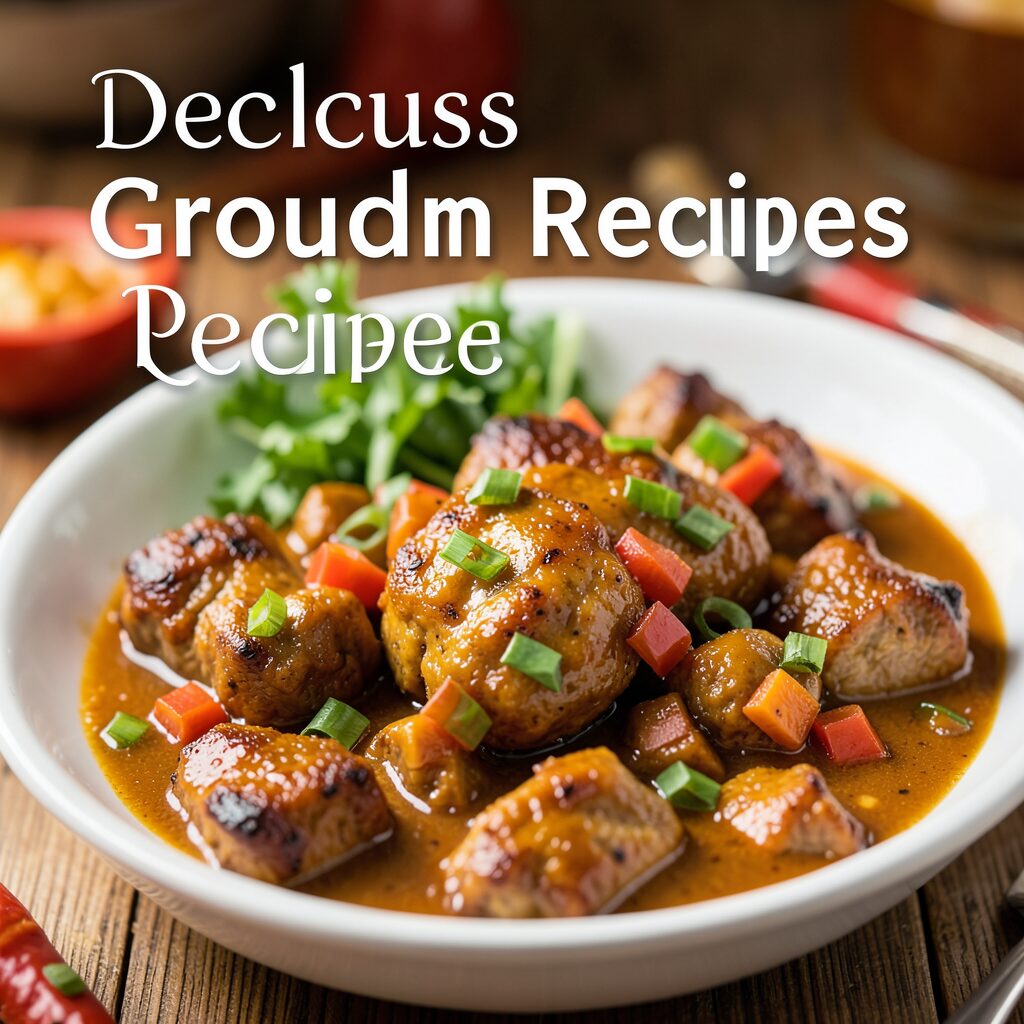
Ground chicken is one of the most versatile and practical proteins available to home cooks. It’s leaner than ground beef, more affordable than many cuts of poultry, and works seamlessly in everything from weeknight dinners to meal prep containers. Whether you’re looking to reduce red meat consumption, manage your grocery budget, or simply add variety to your rotation, ground chicken deserves a permanent spot in your kitchen arsenal.
The beauty of ground chicken lies in its neutral flavor profile. It takes on seasonings beautifully, works across multiple cuisines, and cooks quickly without requiring special skills or equipment. Unlike whole chicken breasts that can dry out easily, ground chicken stays moist when handled correctly and absorbs sauces and marinades effectively. This guide explores practical recipes and techniques that will help you build confidence working with this ingredient and create meals your family will genuinely enjoy.
Choosing and Storing Ground Chicken
Ground chicken quality varies significantly depending on what parts of the bird are included in the mix. Packages labeled “ground chicken” typically contain breast and thigh meat combined, offering a good balance between lean protein and flavor. Ground chicken breast alone tends to be drier and less forgiving in cooking, while packages labeled “ground chicken thighs” deliver more moisture and richness but higher fat content.
When shopping, look for packages that feel cold to the touch and show a sell-by date at least several days in the future. The color should be pale pink or white; gray tones indicate oxidation and older product. Buy from busy sections of the meat counter where inventory turns quickly.
Store ground chicken on the lowest shelf of your refrigerator to prevent any drips onto other foods. It will keep for one to two days this way. For longer storage, freeze it in its original packaging or transfer it to freezer bags, removing as much air as possible. Ground chicken freezes well for up to three months, though using it within two months delivers better texture and flavor. Thaw frozen ground chicken in the refrigerator overnight rather than at room temperature to minimize bacterial growth.
Mediterranean Ground Chicken Bowls
These vibrant bowls combine seasoned ground chicken with fresh vegetables and tahini dressing for a complete meal that feels restaurant-quality but comes together in under 30 minutes.
Brown one pound of ground chicken in a large skillet over medium-high heat, breaking it into small pieces as it cooks. This takes about five to seven minutes. Once the chicken is fully cooked through and no pink remains, add two teaspoons of dried oregano, one teaspoon of garlic powder, half a teaspoon of cumin, salt, and pepper. Stir to combine and let the spices warm for about 30 seconds until fragrant.
While the chicken cooks, prepare your components: dice two large tomatoes, slice one cucumber, crumble feta cheese, and arrange handfuls of fresh spinach or arugula in bowls. For the tahini dressing, whisk together three tablespoons of tahini, juice from one lemon, two minced garlic cloves, three tablespoons of water, and salt to taste. The dressing should pour easily; add more water if needed.
Divide the cooked chicken among bowls, arrange your vegetables around it, drizzle with tahini dressing, and top with additional feta and a handful of kalamata olives. This recipe makes four generous servings and actually improves over one to two days of refrigeration as flavors meld, making it excellent for meal prep.
Asian-Inspired Ground Chicken Lettuce Wraps
Lettuce wraps offer a fun, interactive way to serve ground chicken that works equally well for family dinner or casual entertaining. They’re naturally low-carb, naturally gluten-free, and require minimal cooking equipment.
Heat two tablespoons of sesame oil in a large wok or skillet over medium-high heat. Add one pound of ground chicken and cook until no pink remains, breaking it into very small pieces as it cooks, about six to eight minutes. Add three minced garlic cloves, one tablespoon of minced fresh ginger, and cook for one minute until fragrant.
Stir in four tablespoons of low-sodium soy sauce, two tablespoons of rice vinegar, one tablespoon of honey, and one teaspoon of sriracha or other hot sauce. Cook for two minutes, then add eight ounces of finely diced mushrooms and one cup of shredded cabbage. Continue cooking until the vegetables soften slightly, about three to four minutes.
Transfer the mixture to a serving bowl and arrange butter lettuce or iceberg lettuce leaves on a platter alongside. Garnish the chicken filling with sliced green onions and sesame seeds. Diners spoon the filling into lettuce leaves and add additional toppings like cilantro, sriracha mayo, or crispy chow mein noodles as desired. This recipe serves four and requires fewer than 20 minutes of active cooking time.
Italian Ground Chicken Meatballs
Homemade meatballs consistently outperform frozen versions and taste dramatically better than fast food alternatives. They freeze beautifully, making them perfect for building a homemade freezer stash.
Combine one pound of ground chicken with half a cup of Italian breadcrumbs, one egg, one-third cup of grated Parmesan cheese, four minced garlic cloves, two teaspoons of dried Italian seasoning, half a teaspoon of salt, and quarter teaspoon of black pepper in a large bowl. Mix gently with your hands until just combined; overworking the mixture produces dense, tough meatballs.
Roll the mixture into 16 balls, each about the size of a walnut. Heat two tablespoons of olive oil in a large skillet over medium-high heat. Working in batches to avoid crowding, brown the meatballs on all sides, about eight to ten minutes total per batch. They don’t need to be fully cooked at this stage.
Transfer the meatballs to a pot containing 24 ounces of marinara sauce and simmer on low heat for 15 minutes to finish cooking and allow flavors to meld. Serve over pasta, with crusty bread for dunking, or tucked into sub rolls with melted mozzarella. Uncooked meatballs freeze beautifully; cook directly from frozen by adding five extra minutes to the final simmering time.
Spiced Ground Chicken Tacos
Homemade taco seasoning delivers better flavor and contains far less sodium than packaged versions. These tacos come together in 15 minutes, making them ideal for busy weeknight dinners.
Combine one tablespoon of chili powder, one teaspoon of cumin, one teaspoon of smoked paprika, half a teaspoon of garlic powder, half a teaspoon of onion powder, quarter teaspoon of cayenne pepper, one teaspoon of salt, and half a teaspoon of black pepper in a small bowl.
Heat one tablespoon of olive oil in a large skillet over medium-high heat. Add one and a half pounds of ground chicken and cook until no pink remains, breaking it into small pieces as it cooks. Add the spice mixture and three-quarters cup of water, stirring well to coat all the chicken. Simmer for five minutes, allowing the sauce to thicken slightly and the spices to fully bloom.
Serve the seasoned chicken in warm corn or flour tortillas alongside your choice of toppings: shredded cabbage, diced tomatoes, diced red onion, fresh cilantro, lime wedges, diced avocado, and Greek yogurt or sour cream for creaminess. This recipe feeds four with minimal prep work and maximum customization.
Ground Chicken and Vegetable Stir-Fry
Stir-fries showcase ground chicken’s ability to absorb flavors while cooking quickly. This technique adapts easily to whatever vegetables you have on hand or prefer eating.
Prepare all ingredients before you begin cooking, as stir-fries move quickly. Dice one pound of ground chicken into small, uniform pieces. Slice one medium bell pepper, one cup of broccoli florets, one cup of snap peas, and one small zucchini into uniform sizes for even cooking.
Heat one and a half tablespoons of neutral oil in a large wok or skillet over high heat until just beginning to smoke. Add the chicken and cook, stirring frequently, until cooked through, about five to six minutes. Transfer to a plate.
Add the remaining half tablespoon of oil to the same skillet. Add the vegetables in order of cooking time—start with broccoli and bell pepper, which need three to four minutes, then add snap peas and zucchini for the final two minutes. The vegetables should be tender-crisp, not soft.
Return the chicken to the skillet. Add a sauce made from three tablespoons of soy sauce, one tablespoon of rice vinegar, one tablespoon of honey, one teaspoon of sesame oil, and two minced garlic cloves. Toss everything together and cook for one minute to warm through. Serve over rice with a sprinkle of sesame seeds. This recipe serves four and comes together in approximately 20 minutes.
Ground Chicken and Vegetable Soup
Homemade soup is one of the most economical ways to feed your family while delivering genuine comfort and nutrition. This versatile base accepts seasonal vegetables beautifully.
Heat one tablespoon of olive oil in a large pot over medium-high heat. Add one diced onion, three diced carrots, and three diced celery stalks. Cook, stirring occasionally, until softened, about five to six minutes. Add four minced garlic cloves and cook for one minute more.
Add one pound of ground chicken, breaking it into small pieces as it browns, about five to six minutes. Pour in six cups of chicken broth and bring to a boil. Add two cups of diced tomatoes (fresh or canned), one bay leaf, two teaspoons of dried Italian seasoning, and salt and pepper to taste.
Reduce heat and simmer for 15 minutes. Add two cups of chopped spinach and one cup of small pasta or rice, and continue simmering until the pasta is tender and the spinach wilts, about eight to ten minutes. Remove the bay leaf before serving. This recipe makes eight servings and freezes beautifully for up to three months.
Ground Chicken Burger
Ground chicken burgers offer a lighter alternative to beef while maintaining satisfying texture and flavor. The key to preventing dry burgers lies in using the right meat blend and avoiding overworking the mixture.
Combine one and a half pounds of ground chicken with one quarter cup of finely diced onion, two minced garlic cloves, one egg, one-third cup of Italian breadcrumbs, two tablespoons of grated Parmesan cheese, one teaspoon of Worcestershire sauce, half a teaspoon of salt, and quarter teaspoon of black pepper.
Gently form the mixture into four thick patties, about one inch thick. Make a small indent in the center of each patty with your thumb; this prevents them from puffing and drying out during cooking.
Heat two tablespoons of olive oil in a large skillet over medium-high heat. Cook the burgers for five to six minutes per side until an instant-read thermometer inserted into the thickest part reaches 165°F. Avoid pressing down on the burgers while cooking, which squeezes out flavorful juices.
Toast your buns lightly and spread with your choice of condiments. Toppings like lettuce, tomato, pickles, and avocado work beautifully. These burgers maintain better texture than many commercially prepared versions and introduce no mysterious ingredients or preservatives.
Ground Chicken Curry
Curry brings wonderful aromatic warmth and complexity to ground chicken without requiring obscure ingredients. This recipe uses supermarket staples and comes together in 30 minutes.
Heat two tablespoons of olive oil in a large skillet or Dutch oven over medium heat. Add one diced onion and cook until softened, about four minutes. Add four minced garlic cloves, one tablespoon of minced fresh ginger, and one tablespoon of curry powder, stirring constantly for one minute to bloom the spices.
Increase heat to medium-high and add one and a half pounds of ground chicken, breaking it into small pieces as it browns, about six to eight minutes. Stir in one can of coconut milk (about 13 ounces), one cup of chicken broth, one tablespoon of lime juice, one tablespoon of fish sauce, and two cups of fresh spinach.
Bring to a gentle simmer and cook until spinach wilts and flavors meld, about five to eight minutes. Taste and adjust seasoning with additional lime juice, salt, or more curry powder as desired. Serve over white rice or cauliflower rice with fresh cilantro and additional lime wedges on the side. This recipe serves four and delivers restaurant-quality flavor at a fraction of restaurant prices.
Troubleshooting Common Ground Chicken Issues
Understanding common challenges helps you develop intuition about cooking with this ingredient. If your ground chicken turns out dry, the most likely culprit is overcooking. Use a meat thermometer and remove ground chicken from heat the moment it reaches 165°F internally. Overcooking by even a minute or two noticeably impacts texture.
Ground chicken that falls apart excessively during cooking typically indicates underseasoning or an egg-to-meat ratio that’s too low. Adding binding ingredients like breadcrumbs and eggs helps hold the meat together. If your chicken seems bland despite adequate seasoning, it may benefit from brining for 30 minutes before cooking, which helps the meat retain moisture and absorb flavors more effectively.
If your ground chicken develops a gray, unappetizing color during storage, this is oxidation rather than spoilage. You can minimize this by storing it in airtight containers or vacuum-sealed bags. If you notice any sour smell, sliminess, or other signs of deterioration, discard the meat.
Meal Prep and Freezing Strategies
Ground chicken freezes successfully and becomes a time-saving asset in your kitchen when prepped strategically. Brown one to two pounds of ground chicken with basic seasonings, cool it completely, then divide into portions in freezer bags. Label with the date and cooking method. Frozen cooked ground chicken keeps for up to three months.
Alternatively, freeze uncooked meatballs or burger patties on a baking sheet before transferring to freezer bags. These cook directly from frozen with just five extra minutes of cooking time.
For quick weeknight meals, freeze portions of sauced dishes like curry or meatballs in marinara. Thaw overnight in the refrigerator and reheat gently on the stovetop or in the microwave.
Building Flavor Through Proper Browning Techniques
The initial browning stage determines whether your ground chicken develops real depth or remains one-dimensional. Most home cooks rush this step, but taking time to build a flavorful foundation transforms the entire dish. The key is understanding how to balance moisture and heat to develop a savory crust while keeping the meat tender underneath.
Start with a skillet large enough that the ground chicken forms a single layer without crowding. Crowded pans steam the meat rather than brown it, trapping moisture and preventing the development of fond—those flavorful browned bits stuck to the pan bottom that become sauce foundations. A 12-inch skillet works well for one pound of ground chicken. Resist the urge to stir immediately. Let the meat sit undisturbed for two to three minutes over medium-high heat. This contact with the hot pan surface creates the Maillard reaction, the chemical process that builds savory, complex flavors.
Once you begin stirring, break the chicken into small, uniform pieces using a wooden spoon or meat masher. Some cooks prefer pieces the size of peas; others like slightly larger chunks. Consistency matters more than exact size. Continue cooking without stirring constantly—let each batch of newly exposed meat make contact with the pan for 30 to 60 seconds before stirring again. This repeated contact with heat builds more flavor development than constant stirring.
The rendered fat from the chicken becomes part of your flavor base. If your chicken is very lean and seems dry, add a tablespoon of oil midway through cooking to provide the medium that carries flavors and prevents sticking. When the chicken is fully cooked through with no pink remaining and most pieces show light browning, you’ve reached the optimal point. At this stage, aromatics like garlic and ginger go in next, blooming in the residual heat and fat for just 30 to 60 seconds before adding liquids or other components. This brief cooking time awakens their essential oils without letting them burn or turn bitter.
Creating Moisture-Rich Preparations Without Added Fat
Ground chicken’s reputation for dryness stems partly from its lower fat content compared to ground beef, but several techniques maintain succulence without relying on excessive oil or butter. Understanding how moisture moves through meat during cooking helps you apply these methods strategically across different recipes.
Brining ground chicken before cooking is one of the most effective techniques for home cooks. Dissolve one tablespoon of salt in one cup of water, then submerge ground chicken in this solution for 30 minutes. The salt denatures muscle proteins, allowing them to retain water during cooking. After brining, pat the chicken dry before browning to ensure proper surface browning. This 30-minute step is especially valuable in applications where browning alone provides minimal sauce, like burger patties or meatballs.
Binding ingredients like eggs, breadcrumbs, and grated cheese serve double duty. They hold meat together structurally while also retaining moisture throughout cooking. Recipes that call for breadcrumbs typically specify between one-quarter and one-third cup per pound of meat. This ratio provides structure without making the final product dense or bread-heavy. Soaking breadcrumbs in milk before mixing with ground chicken creates even more moisture retention. Use two tablespoons of milk per one-quarter cup of breadcrumbs, letting them sit for five minutes before combining with meat.
Incorporating grated vegetables like zucchini, mushrooms, or grated onion introduces moisture while adding nutritional value and subtle flavor complexity. These vegetables release water during cooking, which distributes through the meat. Start by adding one-quarter cup of finely grated vegetable per pound of ground chicken. Too much can make the mixture mushy and difficult to shape into patties or meatballs. Squeeze excess liquid from grated vegetables using paper towels before mixing to maintain proper texture.
Cream-based or tomato-based sauces maintain moisture exceptionally well. When ground chicken is cooked in marinara, curry sauce, or creamy preparations, the surrounding liquid prevents the meat from drying out even if slightly overcooked. This is why meatballs simmered in sauce taste consistently better than dry-cooked ground chicken. Similarly, ground chicken in soups or braised dishes benefits from this protective moisture environment.
Seasoning Depth: Beyond Basic Salt and Pepper
Ground chicken’s neutral flavor profile is its greatest asset, but realizing this potential requires thoughtful seasoning that builds layers rather than relying on single dominant flavors. Understanding how different seasonings behave during cooking helps you construct preparations with genuine complexity and balance.
Acid plays a crucial but often overlooked role in seasoning ground chicken dishes. A squeeze of fresh lemon juice, a splash of vinegar, or a spoonful of yogurt brightens flavors and prevents dishes from tasting flat or one-dimensional. Add acid in two stages: a small amount during cooking to bloom spices, and another addition just before serving to refresh and enliven the finished dish. This technique applies across cuisines—Mediterranean dishes benefit from lemon or red wine vinegar, Asian preparations from rice vinegar or lime juice, and Latin-inspired dishes from lime or citrus.
Aromatic bases built from onions, garlic, ginger, and other alliums form the foundation for most flavorful ground chicken preparations. These ingredients should be cooked until softened and fragrant before adding the chicken, not simultaneously. Pre-cooking aromatics develops their flavors more fully. A common ratio is one medium onion, three to four garlic cloves, and one tablespoon of minced ginger per pound of ground chicken. Cooking this mixture over medium heat for four to five minutes until the onion softens creates the flavor platform that everything else builds upon.
Umami-rich ingredients like fish sauce, soy sauce, miso paste, Worcestershire sauce, and tomato paste deepen savory character without making dishes taste fishy or overly salty when used judiciously. A single tablespoon of fish sauce in an Asian ground chicken dish adds complexity that most diners won’t identify as fish flavor but will recognize as “something that makes this taste really good.” Similarly, one teaspoon of miso paste stirred into the final stages of cooking adds savory depth to soups or sauces. Start conservatively with these potent ingredients and taste as you go.
Spice blooming is the practice of cooking ground or whole spices in oil or fat before adding liquid ingredients. This process extracts essential oils from spices and distributes them evenly through the dish. When preparing ground chicken curry, toast curry powder in oil for 30 to 60 seconds before adding the chicken. When making tacos, the brief cooking of spice mixtures in the rendered chicken fat ensures the spices disperse throughout rather than settling to the bottom. This step takes minimal time but produces noticeably better flavor distribution than simply stirring dry spices into cooked meat.
Textural Contrast and Component Building
Ground chicken dishes achieve their greatest appeal when they incorporate multiple textures rather than remaining uniform throughout. Building dishes with contrasting elements transforms them from simple to memorable, and this principle applies across cuisines and cooking styles.
Crispy components provide textural interest and break up the soft, uniform consistency that ground chicken can develop. Crispy fried onions stirred into Asian ground chicken preparations just before serving add crunch and visual appeal. Toasted breadcrumb toppings scattered over Mediterranean bowls provide textural contrast and another flavor dimension. Crispy bacon bits mixed into ground chicken tacos or scattered over burgers add saltiness and crunch. Even toasted nuts—pine nuts for Mediterranean preparations, cashews for Asian dishes, or pecans for Southwestern flavors—contribute crunch and textural sophistication.
Fresh herbs and raw components balance cooked flavors and add bright notes. When serving ground chicken dishes, reserve some fresh cilantro, basil, or parsley to scatter over the top rather than cooking all herbs into the dish. These raw additions provide aroma and fresh flavor that cooking diminishes. Similarly, raw diced onion, sliced radish, or crispy fried shallots add sharpness and textural contrast to bowls or plated preparations.
Sauce consistency affects perceived texture throughout a dish. A thick sauce that clings to ground chicken creates one eating experience, while a thinner, brothier sauce creates another. In Asian preparations, balance the sauce so it coats the chicken without pooling at the bottom of the bowl. In Mediterranean preparations, a looser sauce of olive oil and lemon juice creates a different sensation than a thick tomato-based sauce. Consider your preferred eating experience when adjusting sauce ratios—thicker sauces work better on rice, while thinner sauces pair better with vegetables or wraps.
Textural elements incorporated during cooking versus added at the end serve different purposes. Mushrooms or zucchini cooked into a ground chicken mixture become soft and integrate into the overall texture. The same vegetables diced raw and served alongside provide contrast and freshness. Consider both approaches when building dishes—some recipes benefit from entirely integrated components, while others gain from keeping elements separate until serving.
Adapting Ground Chicken to Dietary Restrictions and Preferences
Ground chicken’s versatility extends to accommodating various dietary needs and preferences, from low-carb and ketogenic approaches to whole-food and plant-forward modifications. Understanding how to adjust recipes for these contexts prevents ground chicken from becoming a limited ingredient.
Low-carb and ketogenic preparations emphasize ground chicken’s lean protein while minimizing starchy components. Replace rice or pasta bases with cauliflower rice, zucchini noodles, or simply increase vegetable portions. In tacos, use lettuce wraps or portobello mushroom caps instead of tortillas. For bowls, load half the container with cooked greens and vegetables rather than grains. The ground chicken preparation itself requires no modification; only the accompaniments change. Sauces remain the same, though thicker cream-based sauces work particularly well with low-carb approaches, providing satiety and richness that offset reduced starch.
Whole-food interpretations of ground chicken recipes eliminate processed binders and seasonings in favor of whole ingredients. Replace breadcrumbs in meatballs with finely grated mushrooms or zucchini. Use fresh herbs instead of dried seasoning mixes. Make your own curry paste from ginger, garlic, and spices rather than relying on jarred versions. This approach requires slightly more time but delivers cleaner flavors and ingredients you can pronounce. Many classic ground chicken recipes adapt beautifully to whole-food approaches with minimal modification.
Stretching ground chicken with plant-based additions—finely minced mushrooms, walnuts, or lentils—extends servings while maintaining satisfying texture and reducing environmental impact. Replace up to 25 percent of ground chicken with finely processed mushrooms in meatballs, burgers, or tacos. The umami flavors of mushrooms complement chicken beautifully, and the mixture becomes more flavorful rather than diminished. Cooked lentils work similarly in Mediterranean or Indian preparations, adding fiber and creating a more substantial texture without making dishes taste heavy.
For those reducing sodium, avoid store-bought seasoning mixes and build flavor through other means. Increase aromatics like garlic and ginger, use more acid and umami sources like fish sauce or miso at reduced quantities, and incorporate fresh herbs generously. Cook with adequate fat so flavors distribute properly without relying on salt alone. Many recipes in the existing article can be adapted by reducing or eliminating added salt and relying on the natural sodium in ingredients like soy sauce or cheese, then adjusting to taste at the end.
Ground Chicken in Unexpected Applications
Beyond obvious directions like tacos, meatballs, and stir-fries, ground chicken integrates into less obvious preparations that expand your cooking repertoire and prevent this ingredient from becoming predictable or boring.
Stuffed vegetables—bell peppers, zucchini boats, tomatoes, or acorn squash halves—provide elegant presentations suitable for dinner parties while using straightforward cooking techniques. Brown one pound of ground chicken with sautéed onions and garlic, combine with cooked rice, fresh herbs, and cheese, then stuff into halved vegetables. Arrange in a baking dish, cover with sauce or additional cheese, and bake at 375°F for 20 to 30 minutes until vegetables are tender and filling is heated through. This approach works equally well for weeknight dinners or entertaining, and the recipe scales easily.
Empanadas and hand pies transform ground chicken into portable meals perfect for lunch boxes or entertaining. Prepare seasoned ground chicken filling, cool it completely, enclose in pastry (store-bought or homemade), brush with egg wash, and bake until golden. Ground chicken’s mild flavor pairs beautifully with Latin seasonings like cumin and chili, and the filling’s neutral character accepts regional variations from European to Middle Eastern to Asian traditions.
Ground chicken transforms into surprisingly effective dumplings and gyoza. Mix with ginger, garlic, green onions, and soy sauce, enclose in wonton or gyoza wrappers, then steam or pan-fry until golden. The neutral flavor works beautifully with Asian seasonings, and homemade versions far exceed frozen supermarket alternatives in flavor and texture.
Sauce-based preparations like ground chicken bolognese deliver complex flavor through long, slow simmering that builds depth impossible to achieve in quicker preparations. Brown ground chicken, then simmer in tomato sauce with finely minced vegetables, stock, and aromatics for 45 minutes to an hour, allowing flavors to meld and develop richness. Serve over pasta or polenta for comfort-food appeal with genuine sophistication.
Breakfast preparations integrate ground chicken into morning routines through scrambles, breakfast tacos, or breakfast sausage-style preparations seasoned with sage, fennel, and black pepper. A quick-cooked ground chicken scramble with vegetables and cheese delivers satisfying protein without relying on traditional pork sausage, opening options for those avoiding pork or seeking variety.
Flavor Building Through Technique Combinations
The most memorable ground chicken dishes result not from single techniques but from combining multiple approaches to build complexity. Understanding how techniques work together allows you to create original preparations with genuine depth rather than merely following recipes.
Consider a complete preparation flow: Start with properly browned ground chicken that develops fond on the pan bottom. Build an aromatic base by cooking onions, garlic, and ginger until softened and fragrant. Add spices and bloom them in the rendered chicken fat. Deglaze the pan with acid—vinegar, wine, or citrus juice—to dissolve the fond and incorporate its concentrated flavors. Add protein-rich umami elements like soy sauce or tomato paste. Finish with fresh herbs added at the end and crunchy textural elements for contrast. This progression, applied across cuisines with different specific ingredients, produces preparations with professional-quality depth.
Layering flavors across multiple additions rather than combining everything at once ensures each component registers distinctly. When preparing Asian ground chicken, add soy sauce partway through cooking rather than at the end, allowing it to concentrate and deepen as the dish continues cooking. Add lime juice just before serving, providing brightness that fresh-squeezed juice contributes. This timing creates a finished dish with multiple flavor layers that reveal themselves as you eat.
Building heat and depth through slow spice development differs markedly from adding ground spices all at once. When curry powder or chili powder go into oil or fat and cook for 60 seconds, their essential oils distribute evenly and develop dimension that seems to appear gradually as you eat. The same amount of spice added directly to liquid without blooming tastes flat and one-dimensional by comparison. This technique applies broadly—toast spices in fat before adding other components whenever possible.
Strategic use of stock or broth, particularly homemade or bone broth versions, builds savory background notes that make dishes taste more substantial and developed than those prepared with water or vegetable broth. Using stock specifically in the first liquid addition captures more flavor from browning and deglazing, then creates the base for developing depth as the dish cooks.
Frequently Asked Questions
Q: Is ground chicken healthier than ground beef?
Ground chicken is typically leaner and lower in saturated fat than ground beef, making it a good choice for those managing cholesterol or calories. A 3-ounce serving of 93% lean ground beef contains approximately 175 calories and 10 grams of fat, while the same serving of ground chicken contains approximately 150 calories and 7 grams of fat. That said, ground beef contains more iron and B vitamins. The “healthiest” option depends on your individual nutritional goals and dietary needs. Both can be part of a balanced diet.
Q: Can I substitute ground chicken for ground beef in recipes?
Direct substitution usually works, though the result will be leaner and slightly less flavorful. Ground beef’s higher fat content contributes moisture and taste, so compensate by adding a bit more oil to the pan, incorporating sauces more generously, or mixing in ingredients like cheese, nuts, or breadcrumbs for richness. Ground chicken works beautifully in tacos, meatballs, burgers, soups, and stir-fries with minor adjustments. It’s less successful in applications where you want heavy browning or caramelization, as the lower fat content makes this more difficult.
Q: How do I know when ground chicken is fully cooked?
The most reliable method is using an instant-read meat thermometer. Ground chicken should reach 165°F internally. Visually, fully cooked ground chicken shows no trace of pink throughout and appears opaque and whitish-tan in color. If you don’t have a thermometer, err on the side of cooking slightly longer rather than shorter, as undercooked chicken presents a food safety risk.
Q: What’s the difference between ground chicken and ground turkey?
Ground turkey is typically leaner than ground chicken and has a slightly stronger, more gamey flavor. Ground chicken from a mix of breast and thigh is slightly more versatile and forgiving in most applications. Ground turkey works well in similar recipes but benefits even more from added moisture through sauces, binding ingredients, and oil. Price often differs seasonally, making one a better value at different times of year. Both are poultry proteins that cook quickly and absorb seasonings effectively.
Q: How long does cooked ground chicken last in the refrigerator?
Properly stored cooked ground chicken keeps in an airtight container in the refrigerator for three to four days. Dishes containing ground chicken like soups, curries, and sauced preparations also keep three to four days. Always store cooked chicken on a lower shelf than raw ingredients to prevent cross-contamination. When in doubt about freshness, discard it. Freezing extends storage to three months.
Related posts:
 Understanding Mediterranean Cuisine
 Perfect Somen Noodles Recipe
 Fall Cauliflower Recipes You’ll Love
 The Ultimate Green Soup Recipe for Detox and Health
 The One-Ingredient Swap That Makes Any Salad Dressing Healthier
 Garlic’s Secret Weapon: Alliinase for Boosting Health Benefits
 Easy Trader Joe’s Dinner Ideas
 Keto Mexican Night: Cauliflower Enchiladas That Actually Taste Amazing