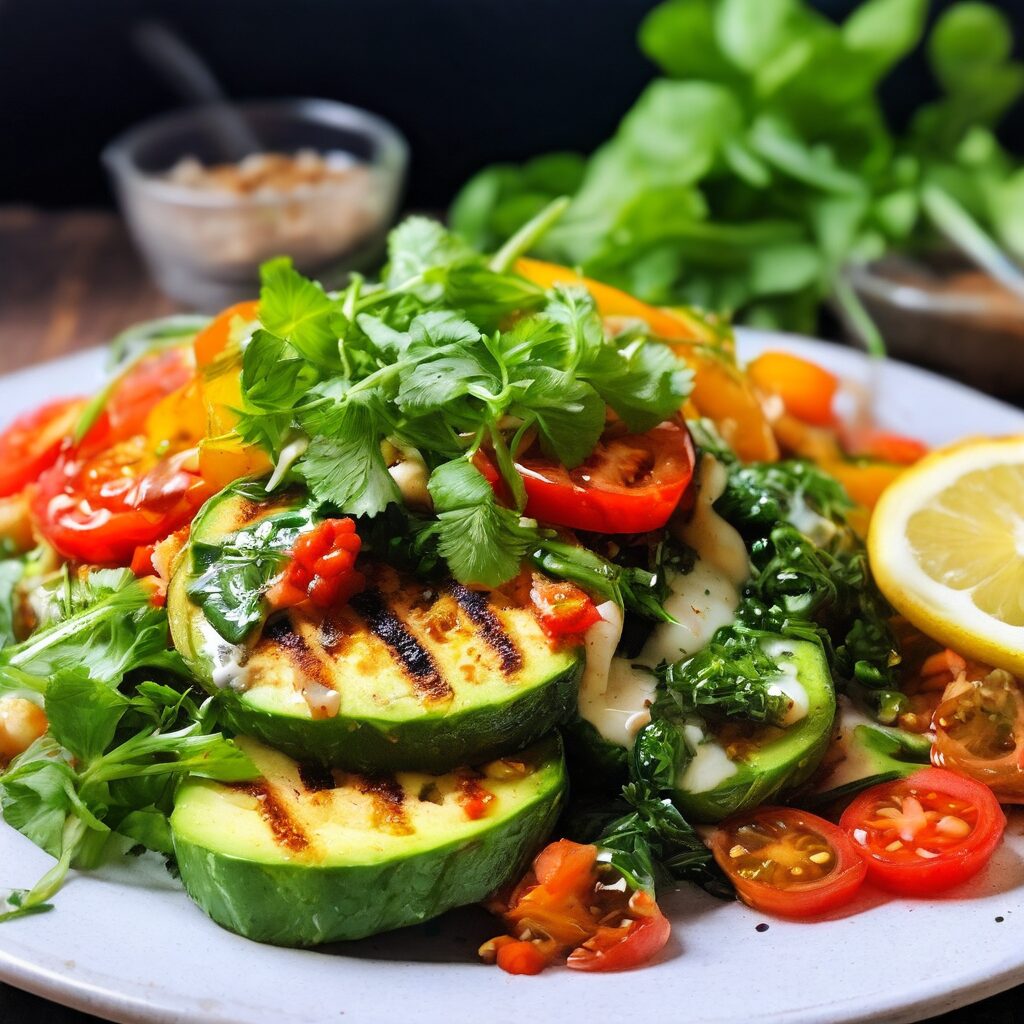
Summer is the perfect time to enjoy fresh, vibrant vegetables and make the most of the season’s bounty. Whether you’re a dedicated vegetarian or simply looking to incorporate more plant-based meals into your diet, these delicious summer vegetarian dinners are sure to satisfy. From hearty salads to grilled delights, there’s something for everyone to enjoy on meatless nights.
1. Grilled Vegetable Kebabs
Grilling isn’t just for meat! These colorful vegetable kebabs are a hit at any summer gathering. Simply skewer your favorite vegetables, such as bell peppers, zucchini, cherry tomatoes, and red onions. Brush them with olive oil, sprinkle with salt, pepper, and your favorite herbs, and grill until tender and slightly charred. Serve with a side of quinoa or couscous for a complete meal.
2. Quinoa Salad with Avocado and Black Beans
This refreshing quinoa salad is packed with protein and healthy fats, making it a satisfying and nutritious dinner option. Cook quinoa according to package instructions and let it cool. Toss with diced avocado, black beans, corn, cherry tomatoes, red onion, and cilantro. Dress with a lime vinaigrette made from lime juice, olive oil, garlic, and cumin. This salad is perfect for a light dinner on a hot summer night.
3. Zucchini Noodles with Pesto
For a low-carb, gluten-free dinner, try zucchini noodles topped with fresh basil pesto. Use a spiralizer to create zucchini noodles, or ‘zoodles.’ Sauté the zoodles in a bit of olive oil until just tender. Toss with homemade or store-bought pesto and top with cherry tomatoes and a sprinkle of Parmesan cheese. This dish is light, flavorful, and perfect for summer.
4. Stuffed Bell Peppers
Stuffed bell peppers are a classic vegetarian dinner that’s both filling and versatile. Cut the tops off bell peppers and remove the seeds. Fill them with a mixture of cooked rice, black beans, corn, diced tomatoes, and seasonings like cumin, chili powder, and garlic. Top with shredded cheese and bake until the peppers are tender and the cheese is melted and bubbly. Serve with a side salad for a complete meal.
5. Caprese Stuffed Portobello Mushrooms
These Caprese stuffed portobello mushrooms are a delicious and elegant dinner option. Remove the stems from large portobello mushrooms and brush them with olive oil. Fill each mushroom with a slice of fresh mozzarella, a slice of tomato, and a basil leaf. Drizzle with balsamic glaze and bake until the cheese is melted and the mushrooms are tender. Serve with a side of crusty bread to soak up the delicious juices.
6. FAQ
What are some good vegetarian protein sources?
Some excellent vegetarian protein sources include beans, lentils, tofu, tempeh, chickpeas, quinoa, nuts, seeds, and dairy products like Greek yogurt and cheese.
Can these recipes be made vegan?
Yes, most of these recipes can be easily adapted to be vegan. Simply substitute any dairy ingredients with plant-based alternatives, such as vegan cheese or yogurt.
How can I make sure my vegetarian meals are balanced?
To ensure your vegetarian meals are balanced, include a variety of vegetables, protein sources, whole grains, and healthy fats. This will help you get all the necessary nutrients.
Are these recipes suitable for meal prep?
Many of these recipes can be prepared ahead of time and stored in the fridge for a few days. For example, the quinoa salad and stuffed bell peppers can be made in advance and enjoyed throughout the week.
What are some tips for grilling vegetables?
When grilling vegetables, make sure to cut them into even pieces so they cook evenly. Brush them with olive oil to prevent sticking and season with salt, pepper, and your favorite herbs. Grill over medium heat until tender and slightly charred.
Chilled Summer Soups and Savory Gazpachos
When the thermometer climbs into the high eighties and nineties, the last thing anyone wants is a steaming bowl of stew. This is where the art of the chilled soup becomes a dinner-time savior. While many are familiar with the traditional tomato-based gazpacho, the world of cold soups offers a vast landscape of flavors that are both hydrating and surprisingly filling. A Spanish-style Ajo Blanco, or white gazpacho, is a sophisticated alternative. It utilizes a base of blanched almonds, garlic, and bread soaked in water, blended until silky smooth with high-quality extra virgin olive oil and a splash of sherry vinegar. The result is a creamy, ivory-colored soup that is traditionally topped with green grapes or slices of honeydew melon to provide a sweet, juicy contrast to the nutty, pungent base.
For those seeking a more vibrant, garden-fresh profile, a cucumber and avocado soup provides a lush texture without the need for heavy cream. By blending English cucumbers (which have thinner skins and fewer seeds) with ripe avocados, lime juice, and a handful of fresh mint or dill, you create a meal that feels like a spa treatment in a bowl. To make this a substantial dinner, consider the “garnish-heavy” approach. Instead of just sipping the liquid, top your bowl with a mound of protein-rich chickpeas roasted until crunchy, a dollop of Greek yogurt, and a sprinkle of toasted sunflower seeds. This adds the necessary bite and satiety required for a main course.
An edge case to consider when making cold soups is the “mute” effect of refrigeration. Cold temperatures dull the perception of salt and acid. When you taste your soup at room temperature, it might seem perfectly seasoned, but after two hours in the fridge, it may taste flat. Always perform a final seasoning check right before serving, adding an extra squeeze of lemon or a pinch of sea salt to wake up the flavors. Furthermore, the texture of gazpacho can be adjusted to your preference; some prefer a rustic, chunky consistency achieved by finely dicing the vegetables by hand, while others prefer the refined, velvety texture that only a high-speed blender and a fine-mesh strainer can provide.
Elevating Stone Fruits in Savory Main Courses
Summer is the only time of year when peaches, nectarines, plums, and apricots reach their peak sugar content and aromatic potential. While these are often relegated to desserts, they possess a natural acidity and structural integrity that makes them spectacular in savory vegetarian dinners. A standout dish for a mid-summer evening is grilled halloumi paired with charred peaches. Halloumi, a Cypriot cheese with a high melting point, can be sliced and placed directly on the grill grates. When paired with peach halves that have been caramelized over the flame, the saltiness of the cheese cuts through the honeyed sweetness of the fruit. Serve this over a bed of wild arugula tossed in a simple balsamic reduction to create a meal that hits every part of the palate.
Nectarines also work beautifully in savory grain bowls. Consider a base of pearled farro—which has a delightful chewy texture—mixed with sliced nectarines, thinly shaved fennel, and toasted walnuts. The fennel provides a licorice-like crunch that prevents the fruit from feeling too dessert-like. To tie it together, a dressing made from white miso, honey, and apple cider vinegar adds an earthy umami depth. This type of dish is an excellent example of how to use fruit as a primary structural component of a meal rather than just an accent.
When working with stone fruits in savory contexts, the level of ripeness is critical. For grilling or sautéing, you actually want fruit that is slightly under-ripe or “firm-ripe.” If a peach is too soft, it will disintegrate on the grill and turn into a jammy mess. Look for fruit that gives just slightly when pressed near the stem but still feels solid. If you find yourself with overripe fruit, don’t despair; instead of grilling it, blend it into a spicy fruit salsa with jalapeños, red onion, and lime juice to serve over crispy pan-fried tempeh or black bean cakes. This versatility ensures that no matter the state of your produce, it can find a home on the dinner table.
Plant-Based Protein Mastery: Marinades for Tofu and Tempeh
While vegetables are the stars of summer, achieving a truly satisfying vegetarian dinner often requires a concentrated protein source. Tofu and tempeh are the workhorses of the meatless kitchen, but they are frequently misunderstood or under-seasoned. To make them grill-ready and flavorful enough to stand alone as a main, the preparation must begin hours before the meal. For tofu, the “freeze and thaw” method is a game-changer for summer textures. Freezing a block of extra-firm tofu causes the water inside to expand into ice crystals; when thawed and pressed, those crystals leave behind a sponge-like network of pockets that soak up marinades far more effectively than fresh tofu.
A Mediterranean-inspired marinade of lemon zest, dried oregano, crushed garlic, and plenty of olive oil can transform tofu into something reminiscent of feta or grilled chicken. Once marinated, the tofu can be sliced into thick “steaks” and grilled. To prevent sticking—a common frustration—ensure the grill is incredibly hot and well-oiled, and resist the urge to move the tofu for at least four to five minutes. This allows a crust to form, which naturally releases from the grates. For tempeh, which has a naturally nutty and slightly bitter fermented flavor, a quick ten-minute steam before marinating opens up its pores and mellows the bitterness. A smoky BBQ marinade using liquid smoke, maple syrup, and smoked paprika works wonders here, creating a hearty, chewy main that pairs perfectly with classic summer sides like coleslaw or corn on the cob.
Edge cases often involve the marinade’s sugar content. If your marinade contains a lot of honey, agave, or sugar, it will burn quickly on the grill. In these instances, use a two-stage cooking process: grill the protein with a minimal amount of oil and salt first to get the char, and then brush on the sugary marinade during the final two minutes of cooking. This “glazing” technique provides all the flavor without the charred, bitter aftertaste of burnt sugar. These high-protein mains turn a light vegetable dinner into a robust meal that will satisfy even the most dedicated meat-eaters at the table.
Heirloom Tomato Galettes and Rustic Summer Tarts
There is perhaps no vegetable more iconic to summer than the heirloom tomato. While they are stunning in a simple Caprese, baking them into a rustic galette elevates them to a centerpiece-worthy dinner. A galette is essentially a free-form tart, making it much less intimidating than a traditional pie. The key to a successful tomato galette lies in moisture management. Heirloom tomatoes are incredibly juicy, and if you place them directly onto pastry, you will end up with a soggy bottom. To avoid this, slice your tomatoes, salt them liberally, and let them sit on paper towels for at least 20 minutes. This draws out the excess water, concentrating the tomato flavor and protecting the crust.
The base of the galette can be spread with a thin layer of herbed ricotta, goat cheese, or even a vegan cashew cream. This acts as a moisture barrier and adds a creamy element to balance the acidity of the tomatoes. Fold the edges of a buttery, flaky pastry over the perimeter of the tomatoes, brush with an egg wash (or almond milk for a vegan version), and bake until the crust is deep golden brown. The result is a visually stunning dish that captures the essence of the season. For an added layer of flavor, sprinkle the top with fresh thyme or a drizzle of hot honey immediately after removing it from the oven.
If you’re short on time, store-bought puff pastry is a perfectly acceptable shortcut that yields professional-looking results. Just be sure to prick the center of the pastry with a fork (docking) to prevent it from rising too much under the tomatoes. For an edge case, if you find your tomatoes are particularly acidic, a very thin layer of caramelized onions placed underneath the cheese can provide a natural sweetness that rounds out the dish. These tarts serve well at room temperature, making them ideal for outdoor dining where food might sit out for a while.
Global Cold Noodle Bowls for High-Heat Days
When the humidity is high, a cold noodle bowl offers a refreshing yet filling dinner option that draws on flavors from across the globe. Unlike the zucchini noodles mentioned previously, using grain-based noodles like Japanese soba (buckwheat), Vietnamese rice vermicelli, or even chilled Italian spaghetti provides a different kind of satisfaction. Soba noodles, with their earthy flavor and high fiber content, are particularly well-suited for a cold preparation. After boiling, it is crucial to rinse them under cold running water while rubbing them gently with your hands to remove the excess starch. This prevents them from becoming a gummy mass and ensures each strand remains distinct.
A classic summer preparation involves tossing these chilled noodles with a spicy peanut or tahini sauce. To keep the meal light and seasonal, load the bowl with “matchstick” vegetables: julienned carrots, radishes, snap peas, and purple cabbage. The contrast between the soft noodles and the crunchy vegetables is the hallmark of a great cold bowl. For a Vietnamese-inspired approach, create a “Bun Chay” bowl. Use thin rice noodles and top them with crispy fried tofu, pickled daikon and carrots, fresh cilantro, and a generous amount of mint. Instead of the traditional fish-sauce-based dressing, use a mixture of lime juice, soy sauce, water, sugar, and minced Thai chilies (Nuoc Cham Chay).
One trick for these bowls is to keep the components separate if you aren’t eating immediately. If the noodles sit in the dressing for too long, they will absorb all the liquid and lose their texture. For meal-preppers, this means packing the dressing in a small side container. An edge case for these dishes is the addition of fruit—adding thinly sliced mango or pineapple to a spicy cold noodle bowl can provide a tropical flair that complements the heat of the chilies and the richness of a nut-based sauce. These bowls are infinitely customizable and serve as a great way to use up whatever small amounts of vegetables are lingering in your crisper drawer.
The Versatility of Summer Corn: Beyond the Cob
Corn is often treated as a side dish, but with a little creativity, it can easily become the star of a vegetarian dinner. One of the most luxurious ways to enjoy summer corn is by making a “sweet corn polenta” or corn porridge. By grating fresh corn kernels off the cob and simmering them with a little bit of butter and water (or vegetable stock), the natural starches in the corn create a creamy, porridge-like consistency without any cornmeal or heavy cream. This can be topped with a sauté of wild mushrooms, leeks, and a poached egg for a decadent, farm-to-table dinner that feels incredibly special.
Another way to center a meal around corn is through the lens of Mexican street corn, or Elote. You can transform these flavors into a hearty “Esquites” salad by sautéing corn kernels until they are slightly charred, then mixing them with cotija cheese (or crumbled feta), lime juice, chili powder, and a touch of mayonnaise or Greek yogurt. To turn this into a full meal, fold in black beans and serve the mixture inside charred corn tortillas or over a bed of shredded romaine lettuce. The smokiness of the charred corn provides a depth of flavor that mimics the satisfaction of grilled meats.
A pro tip for working with fresh corn: don’t throw away the cobs! Even after the kernels are removed, the cobs are full of flavor and “corn milk.” You can simmer the bare cobs in water for 20 minutes to create a quick corn stock, which can then be used as the liquid base for a summer risotto or a light corn chowder. This zero-waste approach ensures you get every bit of sweetness out of your summer haul. When choosing corn, look for husks that are bright green and damp; if the husks are drying out or turning yellow, the sugars in the corn have likely already begun converting to starch, resulting in a less sweet and more mealy texture.
Whipped Feta and Labneh Boards as Substantial Dinners
The “butter board” trend has evolved into something much more practical for a vegetarian dinner: the whipped cheese board. By blending feta cheese with a bit of Greek yogurt and lemon juice, or by using thick, strained labneh, you create a creamy, salty canvas that can be topped with an array of roasted and raw summer vegetables. This style of eating is perfect for long, casual summer evenings where the goal is to graze rather than sit down to a formal plate. To make this a substantial dinner, the toppings are key. Think beyond the cracker; use warm, grilled pita bread, sourdough slices, or even roasted fingerling potatoes as the primary dipping vehicles.
Top your whipped feta with a warm mixture of cherry tomatoes that have been burst in a pan with olive oil, garlic, and balsamic vinegar. The warm, acidic tomatoes melting into the cold, salty cheese is a revelation. You can also add toasted pine nuts, a drizzle of za’atar-infused oil, and a handful of fresh parsley. For a different flavor profile, try topping labneh with roasted beets, honey-drizzled pistachios, and fresh mint. The earthiness of the beets and the creaminess of the labneh provide a balance of flavors that is both sophisticated and deeply satisfying.
Related posts:
 Vegetable-Rich Dinner Ideas
 Easy Trader Joe’s Dinner Ideas
 Corn Song-Inspired Wellness Products
 These Ready-to-Cook Zoodles and Veggie Noodles Are a Dinner Game-Changer
 Healthy French Cookout Ideas
 Perfect Somen Noodles Recipe
 High-Protein Foods That Pack a Serious Nutritional Punch
 15-Minute Dairy-Free Dinner Ideas