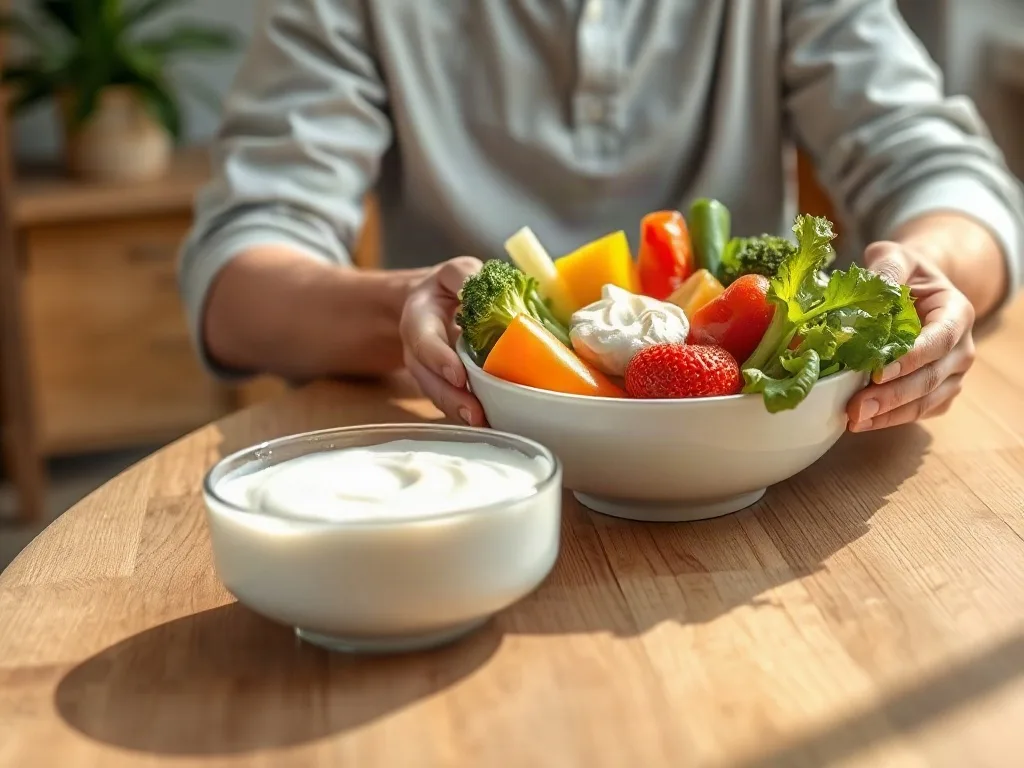
For years, we’ve understood depression as a condition rooted in the brain, shaped by life experiences, genetics, and brain chemistry. But a quiet revolution in medical science is redirecting our attention—downward. A growing body of compelling research is revealing an intimate, two-way conversation between your gut and your brain, suggesting that the state of your digestive system may profoundly influence your mood, stress resilience, and even your risk for depression. This isn’t just about “feeling” butterflies in your stomach; it’s about a complex biological dialogue where gut health can act as a powerful lever for mental well-being.
Key takeaways
- Aim for 30 grams of diverse plant fiber daily to feed beneficial bacteria and produce neuroprotective short-chain fatty acids.
- Incorporate one or two daily servings of unpasteurized fermented foods like kefir or sauerkraut to increase microbial diversity.
- Reduce ultra-processed foods and refined sugars to prevent gut lining permeability and systemic inflammation linked to depressive symptoms.
- Practice diaphragmatic breathing and maintain consistent sleep cycles to regulate the vagus nerve and microbial circadian rhythms.
- Boost butyrate production by consuming resistant starches like cooled potatoes to support brain-derived neurotrophic factor and neuron growth.
This connection, often called the gut-brain axis, represents one of the most exciting frontiers in holistic health. By exploring it, we can move beyond a singular focus on the mind and begin to support mental wellness through the nurturing of our body’s internal ecosystem. This article will delve into the science behind the depression and gut health link, explain the key players (like your microbiome), and provide you with actionable, evidence-based strategies to cultivate a gut environment that supports a happier, more resilient mind.
The Gut-Brain Axis: Your Body’s Superhighway of Communication
Think of the gut-brain axis as a dedicated, high-speed communication network linking your central nervous system (your brain and spinal cord) with your enteric nervous system (the vast network of neurons lining your gastrointestinal tract). This connection isn’t metaphorical; it’s physical and biochemical. The primary communication channels are:
- The Vagus Nerve: This is the main information superhighway, a long cranial nerve that transmits signals bidirectionally between the gut and the brain. Up to 90% of the fibers in the vagus nerve carry information from the gut to the brain, telling it about inflammation, nutrient status, and microbial activity.
- The Immune System: Your gut houses about 70% of your body’s immune cells. When the gut lining becomes permeable (“leaky gut”) or is inflamed due to dysbiosis (a microbial imbalance), immune cells release inflammatory cytokines. These molecules can cross into the bloodstream, reach the brain, and trigger neuroinflammation, which is strongly linked to depressive symptoms.
- Gut Microbes and Neurotransmitters: Your gut bacteria are prolific chemists. They produce a vast array of neuroactive compounds, including an estimated 90% of your body’s serotonin—a key neurotransmitter regulating mood, sleep, and appetite. They also produce gamma-aminobutyric acid (GABA, which calms anxiety), dopamine, and short-chain fatty acids (SCFAs) that have anti-inflammatory effects on the brain.
In essence, your gut is constantly sending status reports to your brain. A healthy, balanced gut tends to send signals of calm and balance. A distressed, inflamed gut can send signals of alarm and inflammation, which the brain may interpret or manifest as anxiety, low mood, or brain fog.
Dysbiosis and Inflammation: The Root of the Problem
Dysbiosis refers to an imbalance in the gut microbiota, where harmful bacteria, yeasts, or other microbes outnumber the beneficial ones. This imbalance can be caused by a diet high in processed foods and sugar, chronic stress, overuse of antibiotics, lack of sleep, and environmental toxins.
When dysbiosis occurs, several problematic things happen:
- Increased Intestinal Permeability (Leaky Gut): The tight junctions between the cells lining your gut wall can loosen, allowing undigested food particles, bacterial toxins (like LPS), and other pro-inflammatory substances to “leak” into your bloodstream.
- Systemic Inflammation: The immune system mounts a response to these foreign invaders, leading to chronic, low-grade inflammation throughout the body. As mentioned, this inflammation can directly affect brain function.
- Altered Neurotransmitter Production: A skewed microbial population may produce fewer beneficial metabolites like SCFAs and may not support optimal production of serotonin and GABA.
Numerous studies have found distinct differences in the gut microbiomes of individuals with depression compared to healthy controls. While we can’t yet say a specific microbiome causes depression, the association is strong and consistent: depression is often accompanied by reduced microbial diversity and an overabundance of pro-inflammatory species.
Serotonin: More Than a Brain Chemical
The revelation that most serotonin is made in the gut, not the brain, is pivotal. Gut-derived serotonin doesn’t directly cross the blood-brain barrier to lift mood. Instead, it plays crucial roles in gut motility, digestion, and bone density. However, its production is a bellwether for gut health. The precursor to serotonin is an amino acid called tryptophan.
Here’s the critical link: in a state of gut inflammation, the body’s metabolic pathways can shift. Instead of converting tryptophan into serotonin, inflammation can shunt tryptophan down a different pathway (the kynurenine pathway), leading to the production of neurotoxic compounds that are implicated in depression. Therefore, a healthy gut ensures tryptophan is available and used to support both gut serotonin and, indirectly (via other mechanisms), brain serotonin balance.
Actionable Step 1: Nourish Your Microbiome with Fiber
The most powerful tool you have to shape your gut microbiome is your diet. Beneficial gut bacteria thrive on specific types of fiber that you cannot digest, known as prebiotics. Feeding these bacteria helps them multiply and produce those beneficial SCFAs.
Practical Guidance: Aim for at least 30 grams of fiber daily from a wide variety of plant sources. Don’t just focus on leafy greens; diversity is key.
- Great Prebiotic Foods: Garlic, onions, leeks, asparagus, Jerusalem artichokes, dandelion greens, underripe bananas, oats, apples (with skin), flaxseeds, and chicory root.
- Example Day: Breakfast could be oatmeal with flaxseed and a chopped apple. Lunch might be a large salad with mixed greens, asparagus, and chickpeas. Dinner could feature a roasted chicken with a side of sautéed garlic, onions, and leeks.
Increase fiber intake gradually to allow your gut to adjust, and drink plenty of water.
Actionable Step 2: Incorporate Fermented Foods (Probiotics)
While prebiotics are food for good bacteria, probiotics are the live beneficial bacteria themselves. Regularly consuming fermented foods can help introduce and support diverse strains in your gut.
Practical Guidance: Include one or two servings of fermented foods in your daily diet. Opt for traditionally fermented, unpasteurized versions when possible, as pasteurization kills the live cultures.
- Options to Try: Unsweetened yogurt or kefir, raw sauerkraut, kimchi, miso, tempeh, kombucha (watch for sugar content), and certain pickles (fermented in brine, not vinegar).
- Simple Integration: Add a tablespoon of sauerkraut to your lunch plate, have a small glass of kefir as a snack, or use miso paste to flavor soups and dressings.
Note: If you have histamine intolerance or certain immune conditions, some fermented foods may be problematic. Start slowly and observe your reactions.
Actionable Step 3: Reduce Inflammatory Drivers
To calm gut inflammation and support a healthy microbiome, it’s just as important to remove what harms it as it is to add what helps it.
Practical Guidance: For a period of 4-6 weeks, consider reducing or eliminating:
- Ultra-Processed Foods & Refined Sugars: These can feed harmful bacteria and yeast (like Candida) and promote inflammation.
- Industrial Seed Oils: High intake of oils like soybean, corn, and sunflower oil (high in omega-6 fatty acids) can promote an inflammatory state. Opt for olive oil, avocado oil, or coconut oil instead.
- Excessive Alcohol: Alcohol can damage the gut lining and alter the microbiome.
- Artificial Sweeteners: Some studies suggest sweeteners like aspartame and sucralose may negatively impact gut bacteria.
This isn’t about perfection or lifelong deprivation. It’s a strategic reset to reduce the inflammatory load on your gut and allow beneficial bacteria to regain footing.
Actionable Step 4: Manage Stress for Your Gut’s Sake
Chronic stress isn’t just a psychological experience; it’s a physical one that directly hits your gut. Stress hormones like cortisol can slow digestion, alter gut motility, decrease blood flow to the intestines, and change the composition of your microbiome, reducing beneficial bacteria.
Practical Guidance: Integrate daily stress-modulating practices that activate the parasympathetic nervous system (the “rest and digest” state).
- Diaphragmatic Breathing: Spend 5 minutes, twice a day, breathing deeply into your belly. This directly stimulates the vagus nerve.
- Mindful Movement: Gentle walks in nature, yoga, tai chi, or stretching can lower cortisol without being overly strenuous.
- Prioritize Sleep: Poor sleep disrupts the gut microbiome. Aim for 7-9 hours of quality sleep per night in a dark, cool room.
Think of stress management as a non-negotiable supplement for your gut health.
When to Seek Professional Guidance
While dietary and lifestyle changes are powerful, they are part of a holistic approach, not a replacement for professional care. If you are experiencing symptoms of depression, it is essential to consult with a healthcare provider—a doctor, psychiatrist, or therapist.
You may want to seek out a functional medicine doctor, a naturopath, or a registered dietitian who is knowledgeable about the gut-brain axis. They can help with:
- Ordering comprehensive stool tests to assess your microbiome diversity, presence of pathogens, and markers of inflammation or digestion.
- Guiding you through a targeted elimination diet (like a low-FODMAP diet for IBS) if needed.
- Recommending specific, high-quality probiotic or prebiotic supplements based on your individual test results and symptoms.
- Coordinating care with your mental health professional for an integrated treatment plan.
Never stop taking prescribed psychiatric medication without the direct supervision of your prescribing doctor.
The Path Forward: A Holistic View of Mental Wellness
The connection between depression and gut health empowers us with a more expansive view of mental well-being. It moves us from asking “What’s wrong with my brain?” to “What’s happening in my whole body?” This perspective is one of self-compassion and agency. By nourishing your gut with diverse fibers, incorporating fermented foods, reducing inflammatory inputs, and managing stress, you are sending consistent, nurturing signals to your brain along the gut-brain axis.
Healing is rarely linear, and what works for one person may differ for another. The goal is not to find a single “magic bullet” but to build a sustainable, layered practice of self-care that honors this profound biological connection. Your gut is a garden; tend to it with patience and consistency, and you may find that the landscape of your mind becomes a more peaceful and resilient place to inhabit.
The Role of Butyrate and Short-Chain Fatty Acids in Neuroprotection
While the existing article mentions short-chain fatty acids (SCFAs) as anti-inflammatory compounds, their specific neuroprotective mechanisms deserve deeper exploration. Butyrate, the most studied SCFA, functions as more than just an anti-inflammatory agent—it acts as a histone deacetylase inhibitor (HDACi), directly influencing gene expression in brain cells. When gut bacteria ferment dietary fiber, they produce butyrate, which can cross the blood-brain barrier and upregulate brain-derived neurotrophic factor (BDNF), a protein crucial for neuron growth, synaptic plasticity, and cognitive function. Clinically, depressed individuals often show reduced BDNF levels, and certain antidepressant treatments work by increasing BDNF production. Thus, maintaining robust butyrate production through adequate fiber intake supports neurogenesis and may enhance the brain’s intrinsic repair mechanisms. For those struggling with “treatment-resistant” depression, optimizing butyrate levels through targeted prebiotic fibers like resistant starch from cooled potatoes, green bananas, or specially formulated supplements could represent an adjuvant strategy. However, butyrate production depends on specific bacterial strains like Faecalibacterium prausnitzii and Roseburia spp., whose abundance can be diminished by chronic antibiotic use or low-fiber diets. Practical steps to boost butyrate include consuming 1-2 tablespoons of raw potato starch daily (start with ½ teaspoon to avoid bloating), incorporating more legumes and whole grains, and considering a butyrate supplement like sodium butyrate under professional guidance, especially if digestive issues limit fiber tolerance.
Circadian Rhythms and the Gut-Brain Dialogue
The gut microbiome exhibits diurnal fluctuations, synchronizing its activity with the host’s circadian clock. Disruption of sleep-wake cycles, as seen in shift work, jet lag, or chronic insomnia, can desynchronize microbial rhythms, reducing diversity and promoting dysbiosis. This creates a bidirectional loop: poor sleep alters the gut community, and the resulting dysbiosis can impair sleep quality by affecting serotonin and melatonin metabolism. Specifically, gut bacteria help convert tryptophan not only into serotonin but also eventually into melatonin, the sleep-regulating hormone. When dysbiosis shifts tryptophan toward the kynurenine pathway, both serotonin and melatonin production may suffer, exacerbating sleep disturbances common in depression. To realign this cycle, consider time-restricted eating—confining all food intake to a 10-12 hour window each day (e.g., 8 a.m. to 6 p.m.). This practice reinforces circadian signals to gut microbes, improving their rhythmicity. Additionally, exposure to morning sunlight helps regulate the central circadian clock in the hypothalamus, which then coordinates gut rhythms via autonomic nerves. For those with nocturnal eating habits, gradually shifting the last meal earlier by 30 minutes every few days can reset microbial timing without drastic change. Avoiding late-night sugary snacks is particularly important, as they can feed microbes that thrive out of sync, producing metabolites that disrupt sleep architecture.
The Impact of Environmental Toxins on Gut Integrity and Mood
Beyond diet and stress, environmental pollutants can silently undermine gut health and contribute to depressive pathophysiology. Common culprits include glyphosate (a herbicide residue on conventional produce), bisphenol-A (BPA from plastic containers), and heavy metals like lead and mercury. These toxins can damage tight junction proteins in the intestinal lining, exacerbating leaky gut, while also acting as endocrine disruptors that alter stress hormone regulation. Glyphosate, for instance, inhibits the shikimate pathway in plants—and incidentally in beneficial gut bacteria like Lactobacillus and Bifidobacterium—reducing their abundance and diversity. To mitigate exposure, prioritize organic versions of the “Dirty Dozen” produce (strawberries, spinach, kale, etc.), use glass or stainless-steel containers for food storage, and install a quality water filter to remove heavy metals and chlorine, which can also harm gut flora. Incorporating detox-supportive foods like cilantro, cruciferous vegetables (broccoli, cauliflower), and fermented beverages such as kombucha (which contains gluconic acid that can chelate some toxins) may aid elimination. However, in cases of suspected high toxic burden (e.g., living in industrial areas, history of extensive dental amalgams), working with a functional medicine practitioner for targeted testing and guided detoxification is advisable, as aggressive interventions without professional oversight can mobilize toxins and worsen symptoms temporarily.
Individualized Approaches: Genomics and Microbial Enterotypes
Not all guts respond identically to the same interventions, due to genetic variations and baseline microbial “enterotypes.” For example, individuals with a Bacteroides-dominant enterotype may metabolize fiber differently from those with a Prevotella-dominant profile, affecting SCFA production. Likewise, genetic polymorphisms in the MTHFR gene can impair folate metabolism, influencing neurotransmitter synthesis and the body’s ability to manage inflammation, thereby modulating the gut-brain axis. Those with the MTHFR C677T variant, present in a significant portion of the population, might benefit from methylated B vitamins (methylfolate, methylcobalamin) to support methylation pathways that regulate mood and gut lining repair. Personalized microbiome testing (via companies like Viome, Thorne, or practitioner-ordered tests from Diagnostic Solutions or Genova) can identify specific dysbiotic patterns, pathogen overgrowths, and metabolic deficiencies, allowing for tailored probiotic and prebiotic recommendations. For instance, someone with high levels of methane-producing archaea (Methanobrevibacter smithii) might experience constipation and depressive symptoms; here, a probiotic containing Lactobacillus reuteri or a prokinetic herb like ginger could be more effective than a generic probiotic blend. Understanding one’s unique profile transforms gut-brain healing from a generic protocol into a precision strategy.
The Vagus Nerve in Practice: Beyond Breathing Exercises
While diaphragmatic breathing stimulates the vagus nerve, other evidence-based techniques can further enhance vagal tone, improving gut-brain signaling. Vagal tone, measured by heart rate variability (HRV), correlates with emotional regulation and resilience—low HRV is common in depression. Practices like humming or chanting (which vibrate the vocal cords and activate vagal fibers), cold exposure (a brief cold shower or face immersion), and even laughter can increase vagal activity. For example, humming for 5-10 minutes daily, perhaps during a shower or commute, creates oscillations that synchronize heart rate and breathing, promoting parasympathetic dominance. Additionally, targeted electrical vagus nerve stimulation (VNS), available via FDA-approved devices for treatment-resistant depression, works by directly sending mild pulses to the nerve, reducing inflammation and modulating neurotransmitter release. Non-invasive transcutaneous VNS devices (applied to the ear) are emerging as accessible tools for home use, though consultation with a healthcare provider is recommended. For those without devices, gentle self-massage of the carotid sinus area on the neck (with light pressure only) or gargling vigorously with water can engage vagal branches. Integrating these “vagal workouts” into daily routines strengthens the primary conduit through which gut health influences mood.
Navigating Food Sensitivities and Elimination Diets Safely
Undiagnosed food sensitivities can perpetuate gut inflammation and neuroinflammation, yet navigating elimination diets requires caution to avoid nutritional deficiencies or disordered eating patterns. Common triggers beyond the usual suspects (gluten, dairy) include nightshades (tomatoes, peppers, eggplants), eggs, and even some high-histamine foods like aged cheeses and fermented products (paradoxically, items often recommended for gut health). Symptoms of sensitivity may be delayed up to 72 hours, making them tricky to self-identify. A structured approach involves keeping a detailed food-mood-symptom journal for two weeks, then systematically eliminating one potential trigger group for 3-4 weeks while monitoring mood, energy, and digestive changes. Reintroduction should be deliberate: consume a modest portion of the food and observe reactions over the next three days. For individuals with complex symptoms, a guided elimination diet like the Autoimmune Protocol (AIP) or a low-histamine diet may be appropriate, but preferably under a dietitian’s supervision to ensure adequate intake of calories, protein, and micronutrients like calcium and B12. Remember, elimination is diagnostic, not permanent—the goal is to identify personal triggers, heal the gut, and then potentially reintroduce some foods once tolerance improves.
The Gut-Brain Axis Across the Lifespan: From Infancy to Aging
The gut-brain connection evolves throughout life, offering intervention opportunities at each stage. In infancy, mode of delivery (vaginal vs. cesarean) and breastfeeding practices seed the initial microbiome, influencing neurodevelopment and later mental health risk. Children born via C-section miss exposure to the maternal vaginal microbiome, potentially receiving instead hospital-environment microbes; this can be mitigated by vaginal seeding (under medical guidance) and probiotic supplementation with strains like Lactobacillus rhamnosus GG, shown to reduce anxiety-like behaviors in children. During adolescence, dietary shifts toward processed foods and increased stress can precipitate dysbiosis coinciding with the onset of mood disorders. Emphasizing fiber-rich snacks and fermented foods in teen diets, alongside stress-reduction techniques, could serve as preventive mental health measures. In aging, microbiome diversity naturally declines, often accompanied by increased intestinal permeability and inflammation (“inflammaging”), which may contribute to late-life depression and cognitive decline. Strategies for older adults include prioritizing protein-rich fermented foods like yogurt or kefir to combat sarcopenia, incorporating polyphenol-rich foods (berries, dark chocolate, green tea) that support microbial diversity, and addressing age-related reductions in stomach acid (which can lead to bacterial overgrowth) with digestive enzymes or betaine HCl supplements if indicated by a professional. Recognizing these lifespan nuances allows for age-tailored gut-brain support.
Frequently Asked Questions (FAQ)
1. Can improving my gut health cure my depression?
Improving gut health is best viewed as a powerful foundational strategy within a comprehensive treatment plan, not a standalone cure. For some individuals with mild symptoms rooted in inflammation or dysbiosis, dietary and lifestyle changes may lead to significant improvement. For others with moderate to severe depression, it should complement conventional treatments like therapy and medication. Think of it as building a more fertile soil in which other treatments can take deeper root and be more effective.
2. How long does it take to see changes in mood after improving gut health?
The timeline varies significantly. Some people report noticing improvements in energy, digestion, and mood within a few weeks of consistent dietary changes. However, more substantial shifts in microbiome composition and reduction of chronic inflammation can take 3 to 6 months of dedicated effort. The key is consistency. Your gut microbiome and intestinal lining need time to repair and rebalance.
3. Are probiotic supplements better than fermented foods?
Not necessarily. They serve different purposes. Fermented foods offer a diverse array of live cultures and their natural metabolites in a food matrix, which can be more nourishing to the existing gut ecosystem. Probiotic supplements contain specific, high-dose strains targeted for particular functions (e.g., a specific strain for IBS). For general maintenance, a daily serving of fermented foods is excellent. A targeted probiotic supplement can be beneficial under the guidance of a professional, especially after antibiotic use or for specific digestive issues.
4. Could my antidepressant be affecting my gut health?
Emerging research suggests that some antidepressant medications (SSRIs) may have antimicrobial properties and can alter the gut microbiome. This is an active area of study. The impact varies by individual and medication. It’s crucial to discuss any concerns with your prescribing doctor. Do not stop or change your medication based on this information alone. The decision should weigh the proven mental health benefits of the medication against potential gut side effects, managed collaboratively with your healthcare team.
5. I have IBS and depression. Is this connection especially relevant for me?
Absolutely. The overlap between Irritable Bowel Syndrome (IBS), anxiety, and depression is very high, often called the “brain-gut disorder” loop. Stress and emotion can trigger IBS symptoms, and the visceral pain and disruption of IBS can exacerbate anxiety and low mood. Addressing the gut-brain axis is therefore central to managing both conditions. A low-FODMAP diet, under the guidance of a dietitian, along with gut-healing protocols and stress management, can be particularly effective for this group.
Related posts:
 The Tiny Organisms Living On You
 Meet Your Second Brain: The Nervous System in Your Belly You Never Knew Existed
 The Gut-Brain Highway: How Your Stomach Controls Your Mood
 Fermented Foods for Gut Health
 Fiber for Healthy Aging: Nourishing Your Body as You Grow Older
 New Mom, New Science: How Your Gut Health Could Be the Key to Beating Postpartum Blues
 Gut Health for Longer Life
 Managing Fiber Intake with IBS