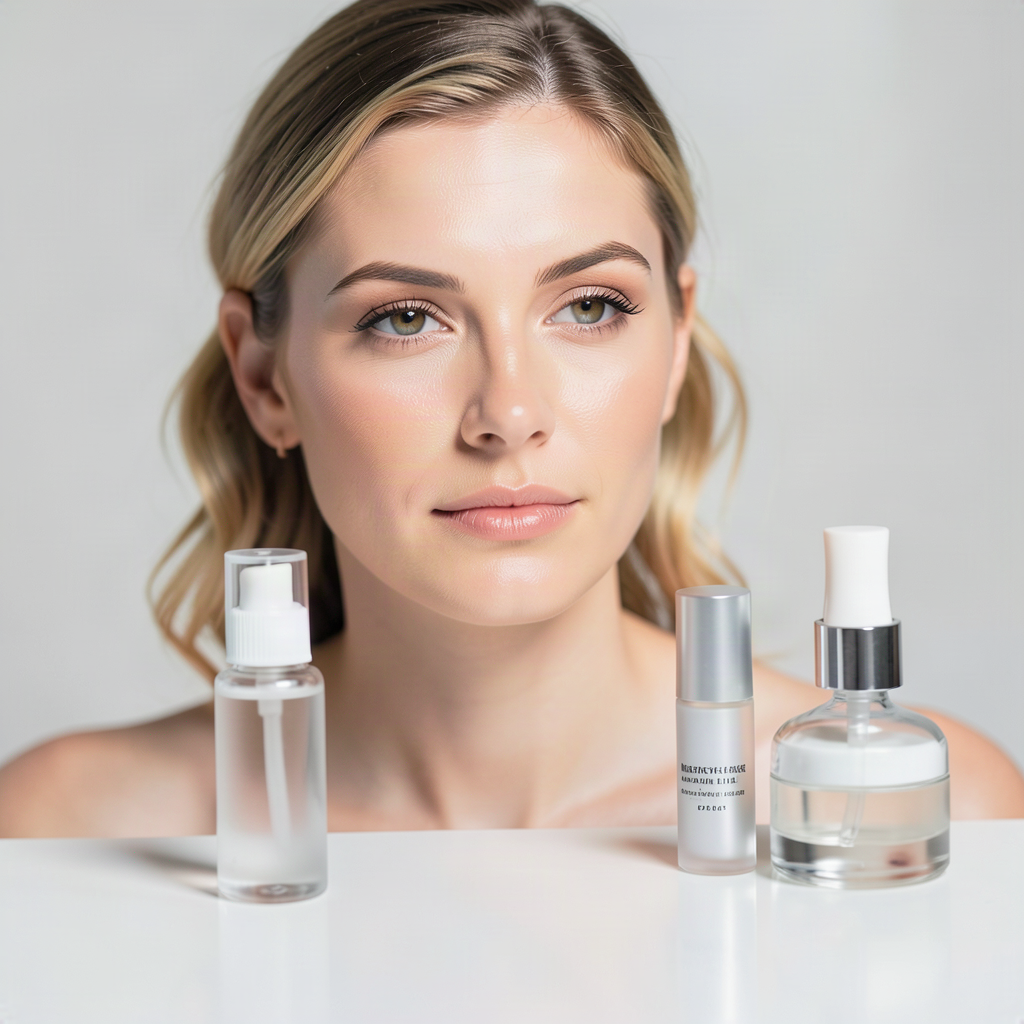
Achieving a radiant, healthy complexion is rarely about a single miracle product; instead, it is about the strategic application of active ingredients while your body undergoes its natural nightly repair cycle. During sleep, your skin’s blood flow increases, and the production of collagen accelerates, making the evening hours the most critical time to address concerns like dullness, fine lines, and uneven texture. Dermatologists consistently emphasize that the right combination of night creams and serums can transform your skin by locking in moisture and delivering targeted treatments exactly when they are most effective.
Understanding the Science of Nocturnal Skin Repair
Your skin follows a circadian rhythm, much like the rest of your body. During the day, the skin is primarily in a defensive state, shielding itself from UV radiation, pollution, and oxidative stress. As night falls, the skin shifts into a recovery mode. The rate of transepidermal water loss (TEWL) increases at night, meaning your skin loses moisture more rapidly while you sleep. This is why night creams are typically formulated to be thicker and more occlusive than daytime lotions—they are designed to create a barrier that prevents this moisture loss while delivering heavy-hitting active ingredients.
The Role of Retinoids for Cellular Turnover
Retinoids, including prescription-strength tretinoin and over-the-counter retinol, remain the gold standard in dermatology for anti-aging and skin renewal. These vitamin A derivatives work by accelerating cell turnover, which helps shed dead skin cells and stimulates the production of collagen and elastin. When choosing a retinol, beginners should look for lower concentrations or encapsulated formulas, which release the active ingredient slowly to minimize irritation. Apply a pea-sized amount to clean, dry skin, and always follow with a hydrating moisturizer to support the skin barrier.
Hyaluronic Acid and Humectants for Deep Hydration
While retinoids address texture, humectants are the backbone of a glowing complexion. Hyaluronic acid is a powerful humectant capable of holding up to 1,000 times its weight in water. By pulling moisture from the environment into the skin, it plumps up fine lines and creates a dewy, youthful appearance. For those living in drier climates or using air conditioning, layering a hyaluronic acid serum under a richer night cream creates a “moisture sandwich” that keeps the skin hydrated throughout the entire night.
Peptides for Structural Support
If your skin is showing signs of sagging or loss of firmness, peptides should be a staple in your evening routine. Peptides are short chains of amino acids that serve as the building blocks of proteins like collagen and elastin. By signaling your skin to produce more of these structural proteins, peptide serums can help improve skin elasticity over time. Unlike retinoids, peptides are generally non-irritating and can be safely used every night, making them an excellent choice for those with sensitive skin who want to see visible improvements in tone and resilience.
Navigating the Efficacy of Alpha Hydroxy Acids (AHAs) and Exfoliants
While retinoids manage long-term cellular turnover, chemical exfoliants like glycolic, lactic, and mandelic acid offer immediate surface-level radiance by dissolving the intercellular glue that traps dull, dead skin cells. For those struggling with uneven texture or congestion, incorporating an AHA treatment two to three times a week can significantly amplify the efficacy of subsequent serums. Glycolic acid, with its small molecular size, penetrates deeply, whereas lactic acid serves as both an exfoliant and a humectant, making it ideal for those with dehydrated skin. Always approach nighttime exfoliation with caution; over-exfoliating can compromise the acid mantle, leading to sensitivity rather than the desired glow. If you notice persistent redness or a stinging sensation upon application of your moisturizer, reduce frequency immediately to allow the barrier to recover.
The Importance of Occlusives and ‘Slugging’ for Barrier Integrity
Sometimes, the most effective ‘night cream’ is a simple occlusive agent applied as the final step of your routine. Occlusives like petrolatum, squalane, or ceramide-rich balms work by physically sealing in the hydration provided by your serums, preventing the transepidermal water loss that peaks during the deepest hours of sleep. The practice of ‘slugging’—applying a thin layer of a petroleum-based ointment over your moisturizer—is particularly transformative for those with compromised skin barriers or dry, flaky patches. However, if you are acne-prone, opt for non-comedogenic occlusives like rosehip oil or squalane, which provide the same protective benefits without clogging pores. This final “sealing” step ensures that your active ingredients, such as retinoids or peptides, remain concentrated on the skin rather than evaporating into the pillowcase.
Incorporating Antioxidants Beyond the Morning Routine
While Vitamin C is traditionally championed as a daytime staple, certain antioxidants are exceptionally beneficial at night to mitigate the lingering effects of oxidative stress accumulated throughout the day. Resveratrol, ferulic acid, and green tea polyphenols work to neutralize free radicals that may still be active in the skin post-sun exposure. Applying these in the evening serves as a secondary defense layer, particularly for individuals living in high-pollution urban environments. When layering, consider a serum that combines multiple antioxidants to create a synergistic effect. These ingredients do not interfere with cellular repair; rather, they provide the necessary ‘calm’ that allows the skin to focus its energy on rejuvenation rather than inflammation management.
Botanical Oils and Lipid-Replenishing Serums
As we age, the skin’s natural lipid production declines, leading to a loss of suppleness and a dull, papery texture. Nighttime is the optimal window to replenish these lipids using botanical oils such as argan, marula, or jojoba, which mimic the skin’s natural sebum. Unlike heavy creams, these oils are lipophilic, allowing them to penetrate the stratum corneum and deliver fatty acids that soften the skin overnight. For those with combination skin, applying a few drops of a lightweight oil mixed into your night cream can provide a customized experience, balancing hydration without feeling overly greasy. Look for cold-pressed, unrefined oils to ensure the preservation of essential fatty acids and antioxidants, which are often degraded during heat-intensive extraction processes.
The Role of pH-Balanced Cleansing in Nighttime Prep
The success of your night cream is inherently tied to the state of your skin before application. Using a high-pH, stripping cleanser can disrupt the skin’s acid mantle, making it difficult for subsequent products to absorb correctly or causing irritation when active ingredients are applied. Dermatologists recommend a pH-balanced, gentle cleanser that removes impurities, SPF, and pollutants without leaving the skin feeling ‘squeaky clean’ or tight. If you wear heavy makeup or mineral sunscreen, double cleansing—starting with an oil-based balm followed by a water-based cleanser—is non-negotiable. This ensures that no residue remains to block the absorption of your evening serums, allowing your skin to fully utilize the reparative ingredients you apply afterward.
Managing ‘Retinoid Purge’ and Sensitivity Thresholds
A common hurdle when starting high-potency night treatments is the ‘adjustment period,’ often characterized by mild flaking, redness, or a temporary increase in breakouts known as a purge. This is not necessarily an allergic reaction but a sign that the skin is accelerating its renewal process. To mitigate this, dermatologists often suggest the ‘sandwich method’: apply a thin layer of moisturizer, wait for it to absorb, apply your retinol, and then follow with another layer of moisturizer. This buffers the active ingredient, slowing its absorption and reducing the likelihood of irritation. If your skin feels particularly sensitive, prioritize ‘rest nights’ where you omit all actives and focus solely on barrier-repairing ingredients like ceramides, panthenol, and colloidal oatmeal to calm the skin and restore its resilience.
Targeting Pigmentation with Niacinamide and Vitamin C
Evening out skin tone is a common goal for many seeking a “glowing” look. Niacinamide, or Vitamin B3, is a versatile ingredient that regulates oil production, minimizes the appearance of pores, and reduces redness. It is also highly effective at brightening dark spots when used
Related posts:
 Beauty Treatments That Work While You Sleep
 Proper Use of Exfoliating Mitts
 The Best Natural Tools for Silky Smooth Skin
 Foundation’s Impact on Skin
 Spring Awakening: The Hydrating Serums Your Winter Skin Is Craving
 Rael and Good Chemistry Advanced Antioxidant Serum Review
 Proper Order of Skincare Application
 The Best Toners for Acne-Prone Skin That Won’t Strip Your Face