
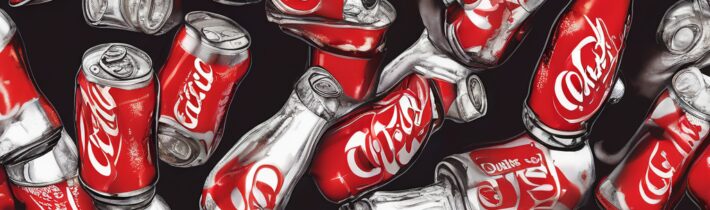
The Allure of Diet Coke: More Than Just a Beverage
We’ve all been there. That familiar hiss as you crack open a can of Diet Coke, the fizzy bubbles tickling your nose, and that first refreshing sip that seems to instantly perk you up. For millions around the world, Diet Coke isn’t just a drink – it’s a daily ritual, a comfort, and for some, a full-blown addiction. But why? What is it about this zero-calorie carbonated beverage that has us coming back for more, sometimes to our detriment?
This article aims to explore the phenomenon of Diet Coke addiction with compassion and understanding. We’ll delve into the reasons behind its popularity, the potential health impacts, and most importantly, how we can approach this habit with kindness towards ourselves and others.
Understanding the Appeal: Why Diet Coke?
Diet Coke’s appeal goes beyond its crisp, bubbly taste. For many, it represents a guilt-free indulgence in a world where we’re constantly bombarded with messages about healthy eating and cutting calories. Here are some reasons why Diet Coke has become such a staple:
- Zero calories: In a calorie-conscious society, Diet Coke offers a sweet treat without the caloric guilt.
- Caffeine boost: Many rely on Diet Coke for a quick energy hit, especially as an alternative to coffee.
- Habit and routine: For some, drinking Diet Coke is deeply ingrained in daily routines, offering comfort and familiarity.
- Social acceptance: Unlike many other addictive substances, Diet Coke is socially acceptable and widely available.
The Science Behind the Addiction
While Diet Coke doesn’t contain sugar, it does contain artificial sweeteners and caffeine, both of which can be mildly addictive. The combination of these ingredients can create a cycle of craving and reward in the brain, similar to other addictive substances, albeit to a lesser degree.
Caffeine, in particular, can lead to physical dependence. Regular consumption can result in tolerance, meaning you need more to achieve the same effect. When you don’t get your usual “fix,” you might experience withdrawal symptoms like headaches or irritability.
Moreover, the act of drinking Diet Coke often becomes a habit, intertwined with daily activities or emotions. This psychological dependence can be just as powerful as any physical addiction.
Potential Health Impacts: A Balanced View
While Diet Coke is often marketed as a healthier alternative to regular soda, excessive consumption may have some health implications. It’s important to approach this information with balance and without judgment:
- Dental health: The acidity in Diet Coke can contribute to tooth enamel erosion over time.
- Bone health: Some studies suggest a potential link between high consumption of carbonated beverages and decreased bone density, though more research is needed.
- Metabolic changes: While not conclusive, some research indicates that artificial sweeteners might affect gut bacteria and potentially impact metabolism.
- Caffeine-related effects: Excessive caffeine intake can lead to sleep disturbances, increased anxiety, and other side effects in some individuals.
It’s crucial to remember that moderation is key, and the occasional Diet Coke is unlikely to cause significant harm for most people.
Breaking the Cycle: Compassionate Approaches to Cutting Back
If you’re concerned about your Diet Coke consumption, remember that change doesn’t have to be drastic or punitive. Here are some gentle ways to approach reducing your intake:
- Mindful consumption: Pay attention to when and why you reach for Diet Coke. Is it thirst, habit, or an emotional trigger?
- Gradual reduction: Slowly decrease your intake over time rather than quitting cold turkey.
- Find alternatives: Experiment with other beverages like flavored sparkling water or herbal teas.
- Address underlying needs: If you’re using Diet Coke for energy, consider other ways to boost your vitality, like improving sleep or exercise.
- Practice self-compassion: Be kind to yourself. Change is a process, and it’s okay to have setbacks.
Embracing Balance: A Healthier Relationship with Diet Coke
For many, completely eliminating Diet Coke might not be necessary or desirable. The goal is to find a balance that works for you. This might mean limiting consumption to certain times or occasions, or simply being more mindful of your intake.
Remember, there’s no one-size-fits-all approach. What matters is that you feel good about your choices and that they align with your overall health and wellbeing goals.
FAQ: Addressing Common Questions About Diet Coke Addiction
1. Is Diet Coke actually addictive?
While not addictive in the same way as drugs or alcohol, Diet Coke can create a mild physical and psychological dependence due to its caffeine content and the habitual nature of consumption.
2. Can drinking Diet Coke lead to weight gain?
There’s no direct evidence that Diet Coke causes weight gain. However, some studies suggest that artificial sweeteners might influence appetite and cravings in some individuals.
3. How much Diet Coke is too much?
There’s no definitive answer, as tolerance varies. However, most health professionals recommend limiting caffeine intake to 400mg per day for adults, which is roughly 4-5 cans of Diet Coke.
4. Are there any benefits to drinking Diet Coke?
Diet Coke can be a low-calorie alternative to sugary drinks and may help some people manage their calorie intake. It also provides hydration, although water is always the best choice for hydration.
5. How can I stop craving Diet Coke?
Cravings can be managed by staying hydrated, finding alternative beverages, addressing stress or emotional triggers, and gradually reducing intake. Remember, it’s okay to enjoy Diet Coke in moderation if it doesn’t negatively impact your health or wellbeing.
In conclusion, while Diet Coke addiction is a real phenomenon for many, it’s important to approach it with understanding and compassion. Whether you choose to cut back, quit, or simply be more mindful of your consumption, the key is to make choices that support your overall health and happiness. Remember, you’re not alone in this journey, and it’s okay to seek support if you need it. Here’s to finding balance and joy in our daily habits, one sip at a time.
Related posts:
 Genes, Addiction and Personality Gap Study
 Breaking Social Media Scrolling Addiction
 Understanding Addiction
 Evolution in Addiction Recovery: Changes & Rehab Innovations
 Collectively Learning About Psychological Trauma in Addiction and Recovery
 Older Persons & Opioid Addiction
 How Caffeine Affects Your Skin
 How Different Caffeine Types Affect You