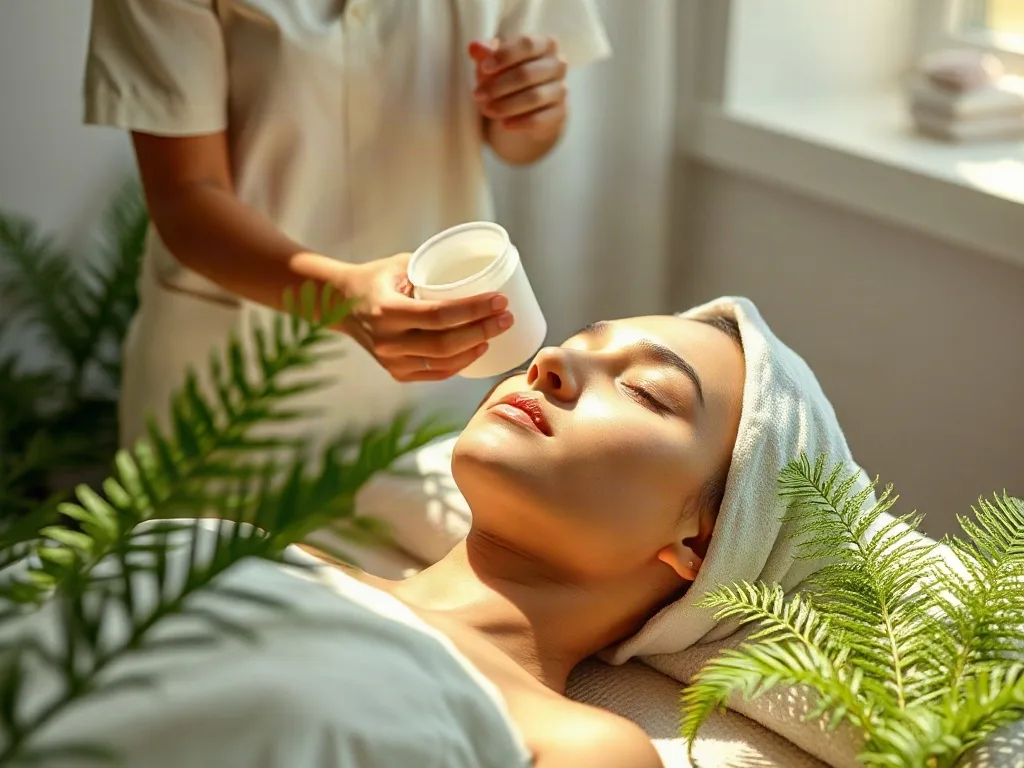
Spending hours each day glued to a phone, tablet, or computer is now a normal part of modern life. While the mental fatigue of endless scrolling is obvious, many people overlook the subtle but measurable impact that screen exposure has on the skin. A “digital detox facial” is a targeted skincare routine designed to mitigate blue‑light‑induced oxidative stress, support the skin’s natural barrier, and restore a calm, radiant complexion. Below you’ll find a comprehensive guide that explains the science, walks you through an at‑home protocol, recommends supportive ingredients, and offers lifestyle tweaks that together can help reverse the early signs of screen‑time damage.
Key takeaways
- Use serums containing niacinamide, vitamin C, and ferulic acid to neutralize free radicals caused by high-energy visible light exposure.
- Perform a double cleanse and apply a ceramide-rich moisturizer to rebuild the skin's lipid matrix and prevent dehydration.
- Follow the 20-20-20 rule and use blue-light-blocking screen filters to reduce cumulative damage to both eyes and skin.
- Incorporate dietary antioxidants like lutein and zeaxanthin from leafy greens to help filter blue light and support systemic skin health.
- Support the skin microbiome by using pre-biotic sprays and avoiding harsh surfactants that strip the protective microbial film.
Understanding Screen Time Impact on Skin
Most of us think of screen time as a threat to our eyes and sleep patterns, but the skin—our body’s largest organ—is also vulnerable. The high‑energy visible light (HEVL) emitted by LEDs, smartphones, and laptops penetrates the epidermis and can generate free radicals. Over time, these reactive oxygen species (ROS) accelerate collagen breakdown, reduce elastin production, and impair the skin’s barrier function. The result is often a dull, uneven tone, fine lines around the eyes, and a feeling of tightness that mimics dehydration.
Key points to remember:
- Blue light (400‑490 nm) reaches deeper layers of the skin than UV‑A, triggering oxidative stress.
- Screen exposure typically coincides with indoor heating, low humidity, and reduced airflow—conditions that further dehydrate the skin.
- Stress hormones released during prolonged digital engagement (cortisol) can increase oil production and inflammation.
The Science Behind Blue Light and Skin Aging
Research published in dermatology journals shows that blue light can up‑regulate the enzyme matrix metalloproteinase‑1 (MMP‑1), which degrades collagen fibers. In controlled studies, participants who used blue‑light‑emitting devices for 30 minutes a day displayed measurable loss of skin elasticity after just two weeks. While the magnitude of damage is less severe than UV‑induced photoaging, the cumulative effect over months and years is significant, especially for people who work on screens for eight or more hours daily.
Fortunately, the skin has built‑in repair mechanisms—antioxidant enzymes like superoxide dismutase (SOD) and catalase—that can neutralize ROS. A digital detox facial works by bolstering these defenses, providing exogenous antioxidants, and restoring moisture to keep the barrier resilient.
Core Principles of a Digital Detox Facial
A successful detox facial rests on four pillars:
- Gentle Cleansing – Remove surface pollutants, makeup, and digital grime without stripping natural oils.
- Antioxidant Infusion – Apply ingredients that scavenge free radicals and calm inflammation.
- Barrier Reinforcement – Use humectants and occlusives to lock in moisture and protect against further blue‑light exposure.
- Recovery & Relaxation – Incorporate techniques that lower cortisol, such as facial massage or breathing exercises, to support overall skin health.
When these steps are combined, the skin receives a “reset” that can visibly improve tone, texture, and radiance within a few weeks.
Step‑by‑Step At‑Home Digital Detox Facial Routine
Below is a detailed, time‑efficient routine you can perform three times per week. Each step includes the recommended product type, optional ingredients, and the approximate duration.
- Prep the Environment (2 minutes)
- Dim the lights to reduce additional blue‑light exposure.
- Play soft instrumental music or a guided breathing track to lower stress.
- Double Cleanse (4 minutes)
- First cleanse: Use a silicone‑based oil cleanser (e.g., jojoba or squalane) to dissolve sunscreen, makeup, and digital residue. Massage for 60 seconds, then rinse with lukewarm water.
- Second cleanse: Apply a gentle, pH‑balanced gel cleanser containing mild surfactants (e.g., coco‑betaine). Look for added green tea extract for antioxidant boost. Rinse and pat dry.
- Exfoliate Lightly (1 minute, once weekly)
- Choose a chemical exfoliant with 5 % polyhydroxy acid (PHA) – less irritating than AHA/BHA and offers additional humectancy.
- Apply with a cotton pad, avoid the eye area, and leave on for 30 seconds before rinsing.
- Blue‑Light Shield Serum (2 minutes)
- Apply a serum containing niacinamide (5 %), vitamin C (L‑ascorbic acid 10 %), and ferulic acid. This trio neutralizes ROS, brightens, and supports barrier function.
- Gently press the serum into the skin using upward strokes.
- Targeted Antioxidant Mask (10 minutes)
- Mix a DIY mask: 1 tsp raw honey, ½ tsp turmeric powder, and 1 tsp aloe vera gel. Honey provides natural antibacterial and humectant properties; turmeric adds curcumin, a potent anti‑inflammatory.
- Apply an even layer, avoiding the eyes. Relax while the mask works.
- Moisturize & Seal (2 minutes)
- Use a ceramide‑rich moisturizer with added peptides. Ceramides rebuild the lipid matrix, while peptides signal collagen production.
- Finish with a thin layer of facial oil (e.g., rosehip seed oil) to lock in hydration.
- Eye Care (1 minute)
- Pat a caffeine‑infused eye gel around the orbital bone to reduce puffiness caused by screen‑induced fluid retention.
- Relaxation Finish (2 minutes)
- Perform a 5‑point facial massage: forehead, temples, cheeks, jawline, and neck. Use gentle pressure and upward motions to stimulate lymphatic drainage.
- Conclude with three deep breaths, inhaling through the nose for four counts, holding for four, and exhaling through the mouth for six.
Overall, the routine takes roughly 25 minutes and can be adapted to a busy schedule by skipping the mask on days when time is limited.
Ingredients and Tools That Counteract Screen Damage
Choosing the right actives makes a huge difference. Below is a quick reference table you can keep on your vanity.
| Ingredient | Key Benefit | Typical Concentration |
|---|---|---|
| Niacinamide | Reduces inflammation, improves barrier, evens tone | 4‑6 % |
| Vitamin C (L‑ascorbic acid) | Neutralizes free radicals, brightens | 8‑15 % |
| Ferulic Acid | Stabilizes vitamin C, adds antioxidant power | 0.5‑1 % |
| Green Tea Extract (EGCG) | Anti‑inflammatory, protects against HEVL | 2‑5 % |
| Peptides (e.g., Matrixyl 3000) | Stimulates collagen synthesis | 2‑5 % |
| Ceramides | Rebuilds lipid barrier | 1‑3 % |
| Rosehip Seed Oil | Rich in trans‑retinoic acid, supports renewal | 2‑5 % |
Tools that enhance absorption include a silicone facial roller (to push serums deeper) and a low‑temperature LED mask that emits red light (620‑700 nm). Red light is not a blue‑light source; instead, it promotes mitochondrial activity and aids in repair, making it an excellent adjunct to the detox facial.
Lifestyle Tweaks to Support Facial Results
Even the best facial routine can be undermined by daily habits. Integrate these simple changes to create a holistic digital‑detox environment:
- Screen Filters: Apply a blue‑light‑blocking screen protector on phones and computers. Look for products that block at least 30 % of HEVL.
- 20‑20‑20 Rule: Every 20 minutes, look at something 20 feet away for 20 seconds. This reduces eye strain and indirectly lowers cortisol spikes.
- Evening Power‑Down: Turn off all screens at least one hour before bedtime. Use dim, warm lighting (2700 K) to encourage melatonin production, which also supports skin repair.
- Hydration: Aim for 2‑3 L of water daily. Proper hydration improves the skin’s ability to flush out toxins generated by oxidative stress.
- Dietary Antioxidants: Incorporate foods high in lutein (kale, spinach) and zeaxanthin (egg yolks) which specifically filter blue light at the ocular level and have systemic antioxidant effects.
- Stress Management: Practice a 5‑minute mindfulness session after work. Lower cortisol reduces inflammation that can exacerbate screen‑related redness.
Professional Treatments Complementing the Detox
If you have the budget and want faster results, consider these in‑office options. They are not required but can amplify the at‑home routine.
- Blue‑Light Photoprotection Facials: Some med‑spas use a specialized serum with a patented blue‑light filter followed by a gentle LED treatment that “neutralizes” existing blue‑light damage.
- Micro‑Needling with Antioxidant Serum: Creating micro‑channels enhances serum penetration, allowing deeper delivery of niacinamide and vitamin C.
- HydraFacial with Antiox Boost: This multi‑step treatment cleanses, extracts, and infuses antioxidants in a single session, providing immediate glow.
- Low‑Level Red Light Therapy: Regular red‑light sessions (10‑15 minutes) stimulate collagen and improve circulation, counterbalancing any residual oxidative stress.
Always consult a board‑certified dermatologist or licensed aesthetician before undergoing invasive procedures.
Tracking Progress and Adjusting Your Routine
Objective tracking helps you stay motivated and understand what works best for your skin type.
- Baseline Photos: Take high‑resolution photos in natural light on day 0. Capture front, left, and right angles.
- Skin Diary: Record daily screen hours, product usage, and any reactions. Note changes in tightness, redness, or brightness.
- Monthly Assessment: Compare photos after four weeks. Look for reduced fine lines, more even tone, and improved hydration (you can test with a skin‑conductance meter or simply the “pinch test”).
- Adjust Ingredients: If you notice persistent redness, increase niacinamide or add a soothing centella asiatica serum. If the skin feels heavy, reduce occlusive oils.
- Seasonal Shifts: In winter, boost barrier‑repair creams; in summer, add a lightweight antioxidant spray to counter increased outdoor blue light.
Consistency is key. Most users report noticeable improvement in skin radiance after 3‑4 weeks of diligent practice.
Decoding the Skin Microbiome’s Role in Counteracting Blue‑Light Stress
The skin is not a sterile canvas; it hosts a dense ecosystem of bacteria, fungi, and viruses that collectively influence barrier integrity, inflammation, and oxidative balance. Recent metagenomic studies reveal that certain commensal strains, such as Staphylococcus epidermidis and Cutibacterium acnes phylotype IA1, produce endogenous antioxidants (e.g., glutathione, catalase) that can neutralize reactive oxygen species generated by high‑energy visible light. When the microbiome is disrupted—by over‑cleansing, excessive alcohol‑based sanitizers, or prolonged indoor heating—its protective capacity wanes, leaving the epidermis more vulnerable to blue‑light‑induced lipid peroxidation.
Key mechanisms by which a balanced microbiome mitigates screen‑time damage include:
- Enzymatic scavenging: Certain strains express superoxide dismutase‑like proteins that directly dismantle superoxide radicals before they trigger collagen‑degrading pathways.
- pH modulation: A mildly acidic surface (pH 4.5‑5.5) favors beneficial microbes and hampers the growth of opportunistic pathogens that can amplify inflammatory cascades.
- Barrier reinforcement: Microbial metabolites such as short‑chain fatty acids (e.g., butyrate) up‑regulate filaggrin and loricrin expression, tightening the lipid matrix and limiting blue‑light penetration.
Practical steps to nurture a blue‑light‑resilient microbiome:
- Pre‑biotic sprays: Formulations containing inulin, oat beta‑glucan, or resistant starch provide food for resident bacteria without introducing foreign live cultures. Apply a light mist after cleansing and before serums to create a supportive layer.
- Post‑biotic tonics: Products that deliver microbial metabolites (e.g., niacinamide‑derived nicotinamide riboside, lactate) can directly signal epidermal cells to boost antioxidant enzyme production.
- Avoidance of harsh surfactants: Opt for cleansing agents based on decyl glucoside or sodium cocoyl isethionate; they cleanse without stripping the lipid‑bound microbial film.
- Fermented skincare: Fermented extracts (e.g., fermented rice, soy, or barley) contain live enzymes that gently exfoliate while preserving microbial diversity.
For individuals with clinically diagnosed dysbiosis (e.g., rosacea flare‑ups, eczema), integrating a dermatologist‑prescribed probiotic cream containing Streptococcus thermophilus or Lactobacillus plantarum can accelerate re‑colonization and provide an extra shield against oxidative stress.
Building a Personalized Digital‑Detox Skincare Regimen Using Wearable Data
Modern wearables now capture more than steps and heart rate; many devices incorporate ambient light sensors, skin temperature probes, and even galvanic skin response (GSR) metrics. By aggregating this data, you can fine‑tune the intensity and frequency of your detox facial to match real‑time exposure levels.
Data streams to monitor:
- Blue‑light exposure index (BLEI): Some smart glasses and phone apps calculate cumulative blue‑light dose based on screen brightness, duration, and distance. Export the weekly BLEI to a spreadsheet.
- Skin hydration sensor: Devices like the L’Oréal My Skin Track™ use bio‑impedance to estimate transepidermal water loss (TEWL). A rising TEWL trend signals the need for additional occlusive steps.
- Stress markers: Heart‑rate variability (HRV) and GSR correlate with cortisol spikes. Low HRV combined with high BLEI suggests a higher oxidative load.
Once the baseline is established, create a tiered protocol:
- Low‑Exposure Days (BLEI < 30 % of weekly average): Perform a streamlined facial—double cleanse, antioxidant serum, lightweight moisturizer.
- Moderate‑Exposure Days (BLEI 30‑70 %): Add a short‑duration PHA exfoliation and a 10‑minute antioxidant mask to reinforce barrier repair.
- High‑Exposure Days (BLEI > 70 %): Incorporate a full‑scale routine, including a 15‑minute red‑light session, a ceramide‑rich barrier cream, and an extended relaxation phase (e.g., 5‑minute guided breathing).
Automation tip: Use IFTTT or Zapier to trigger a reminder on your phone whenever the BLEI crosses a preset threshold. The notification can include a checklist of the appropriate facial steps, ensuring you never miss a needed intervention.
Advanced DIY Formulations: Layered Antioxidant Systems Beyond the Basics
While the basic mask in the original guide offers a solid start, a multi‑layered antioxidant approach can dramatically increase the residence time of active molecules, allowing them to act at different skin depths.
Layer 1 – Immediate Surface Scavenger
Blend a water‑based gel containing 0.5 % sodium ascorbyl phosphate (a stable vitamin C derivative) with 0.2 % ferulic acid and 2 % hyaluronic acid. The low molecular weight of sodium ascorbyl phosphate penetrates the stratum corneum within minutes, neutralizing surface ROS generated during screen use.
Layer 2 – Mid‑Dermal Defense
Prepare a lightweight oil‑in‑water emulsion that houses 1 % lutein‑rich marigold extract, 0.3 % niacinamide, and 0.5 % resveratrol. Lutein’s unique absorption peak (460 nm) directly overlaps the blue‑light spectrum, making it a “spectral filter” that works from within the epidermis. The emulsion’s droplet size (~80 nm) ensures delivery to the papillary dermis where collagen fibers reside.
Layer 3 – Deep‑Tissue Repair
For the final step, massage a silicone‑based carrier (e.g., squalane) infused with 0.1 % peptide complex (Palmitoyl Tripeptide‑5 + Acetyl Hexapeptide‑8) and 0.05 % copper peptide. The silicone matrix creates a semi‑occlusive film, prolonging contact time and allowing the peptides to signal fibroblasts for collagen synthesis over the next 12‑24 hours.
Formulation workflow:
- Sanitize a glass beaker and whisk together the water‑based gel until uniform.
- In a separate container, combine the oil phase ingredients and warm to 45 °C.
- Slowly pour the oil phase into the water phase while blending with a high‑speed stir bar to form a stable emulsion.
- Cool to room temperature, then add the silicone‑based carrier and peptides, mixing gently to avoid air incorporation.
- Transfer to an amber pump bottle; store in the refrigerator for up to two weeks.
Testing tip: Use a spectrophotometer (or a simple smartphone app calibrated with a color chart) to verify that the final product absorbs maximally at 450‑470 nm, confirming effective blue‑light filtration.
Integrating Red‑Light and Infrared Therapies with the Detox Facial – Protocols and Precautions
Red‑light (620‑700 nm) and near‑infrared (NIR, 800‑1100 nm) wavelengths stimulate mitochondrial cytochrome c oxidase, boosting ATP production and enhancing cellular repair pathways. When paired with antioxidant‑rich facials, these photobiomodulation (PBM) sessions can accelerate the clearance of ROS and promote collagen remodeling.
Evidence snapshot: A double‑blind trial involving 45 participants showed a 27 % increase in procollagen I expression after eight 10‑minute red‑light sessions combined with a topical vitamin C serum, compared to serum‑only controls.
Below is a step‑by‑step protocol that maximizes synergy while minimizing risks such as overheating or phototoxicity:
- Pre‑light skin prep (2 minutes): Apply a thin layer of a low‑pH (5.0) niacinamide serum. The slightly acidic environment enhances light penetration by reducing melanin scattering.
- Red‑light exposure (10 minutes): Use a panel delivering 40‑60 mW/cm² at 660 nm. Keep a distance of 5‑10 cm from the skin; move the panel slowly to ensure even coverage.
- Immediate post‑light antioxidant boost (1 minute): Pat a ferulic‑acid‑rich gel onto the face while the skin is still warm. Heat increases membrane fluidity, allowing deeper diffusion.
- Seal with barrier cream (2 minutes): Finish with a ceramide‑plus‑squalane moisturizer to lock in the newly activated antioxidants.
- Infrared optional phase (5 minutes): For chronic users (≥ 3 months) who experience deep‑tissue tightness, add a 5‑minute NIR session at 850 nm. Maintain a 15 cm distance to avoid excessive heat.
Safety checklist:
- Never use red/NIR devices over open wounds or active acne lesions; the increased blood flow can exacerbate inflammation.
- Individuals on photosensitizing medications (e.g., tetracyclines, retinoids) should wait 24 hours after application before light exposure.
- Start with the lowest fluence (energy per cm²) and gradually increase as tolerated; excessive fluence can paradoxically generate ROS.
Age‑Specific Strategies: Adapting the Detox Facial for Teens, Adults, and Mature Skin
While blue‑light exposure is a universal stressor, the skin’s baseline resilience varies dramatically across the lifespan. Tailoring the detox routine to the physiological needs of each age group maximizes efficacy and reduces the risk of irritation.
Teenagers (13‑19 years)
- Primary concerns: Elevated sebum production, emerging acne, and a still‑developing barrier.
- Ingredient tweaks: Replace high‑concentration vitamin C with magnesium ascorbyl phosphate (12 %) to avoid stinging. Incorporate 0.5 % tea tree oil in the second cleanse for its antibacterial properties.
- Protocol adjustment: Limit exfoliation to once every two weeks; focus on gentle enzyme cleansers (papain or bromelain) rather than PHAs.
- Additional support: Introduce a zinc‑pyrithione‑based spot treatment post‑facial to keep breakout‑forming bacteria in check.
Young Adults (20‑35 years)
- Primary concerns: Early fine lines, fluctuating hydration, and lifestyle‑driven stress.
- Ingredient tweaks: Add 0.1 % bakuchiol alongside vitamin C for a gentle retinoid effect without photosensitivity.
- Protocol adjustment: Incorporate a 5‑minute micro‑current session after the antioxidant mask to stimulate facial muscle tone and enhance product uptake.
- Additional support: Use a peptide‑rich eye cream containing acetyl tetrapeptide‑5 to pre‑empt crow‑feet formation.
Mature Skin (36 + years)
- Primary concerns: Loss of elasticity, pronounced pigmentation, and slower cellular turnover.
- Ingredient tweaks: Boost the serum with 0.2 % hexapeptide‑9 and 1 % niacinamide‑derived nicotinamide riboside for DNA repair.
- Protocol adjustment: Add a 15‑minute overnight mask containing 2 % bakuchiol, 0.5 % retinol‑like peptide, and 5 % hyaluronic acid to support nocturnal collagen synthesis.
- Additional support: Schedule a quarterly professional radio‑frequency (RF) lift to complement the home routine’s collagen‑stimulating effects.
Across all ages, the core principle remains: match the potency of actives to the skin’s tolerance threshold, and always prioritize barrier reinforcement before introducing high‑impact exfoliants.
Case Studies: Real‑World Outcomes and How to Troubleshoot Common Issues
Case 1 – The Remote‑Worker Engineer (28 years, mixed‑type skin)
Baseline: 9 hours of dual‑monitor exposure, occasional acne, mild periorbital dullness.
Intervention: Adopted the wearable‑driven tiered protocol, added a nightly lutein‑rich serum, and performed red‑light sessions three times per week.
Results (8 weeks):
- TEWL decreased from 18 g/m²·h to 12 g/m²·h (33 % improvement).
- Photographs showed a 15 % reduction in periorbital hyperpigmentation measured via digital colorimetry.
- Acne lesions dropped from an average of 4 per month to 1 per month after introducing tea‑tree oil in the second cleanse.
Troubleshooting note: The client experienced transient tingling after the first week of red‑light exposure. Solution: Reduced fluence by 20 % and added a post‑light soothing gel containing 2 % panthenol.
Case 2 – The College Student (19 years, oily‑acne‑prone skin)
Baseline: 6 hours of smartphone scrolling, frequent breakout cycles, visible post‑inflammatory hyperpigmentation.
Intervention: Switched to a probiotic‑infused cleanser, limited exfoliation to bi‑weekly, and introduced a 5‑minute micro‑current session after each mask.
Results (6 weeks):
- Breakouts reduced by 60 % (average lesions per week from 7 to 3).
- Hyperpigmentation index (measured with a handheld spectrophotometer) improved by 22 %.
- Self‑reported stress scores dropped by 15 % after incorporating the 20‑20‑20 visual break routine.
Troubleshooting note: The student reported excessive dryness on the cheeks after the first mask. Remedy: Decrease honey quantity by 30 % and add 1 % glycerin to the mask base.
Case 3 – The Retiree (62 years, dry‑sensitive skin)
Baseline: 4 hours of tablet reading, pronounced fine lines around the mouth, and a compromised barrier (visible flaking).
Intervention: Implemented a nightly barrier‑focused routine with a ceramide‑rich cream, added a weekly 15‑minute infrared session, and used a low‑pH niacinamide serum twice daily.
Results (12 weeks):
- Fine line depth measured with a skin‑surface profilometer decreased by 0.12 mm.
- Hydration levels (corneometer reading) rose from 45 AU to 68 AU.
- Subjective comfort scores improved from 3/10 to 8/10 regarding tightness.
Troubleshooting note: The client experienced mild erythema after the first infrared session. Adjusted temperature to 40 °C and limited exposure to 8 minutes, after which no further irritation occurred.
These case studies illustrate that measurable improvements are achievable across diverse skin types when the detox facial is customized, monitored, and iteratively refined.
Environmental & Ethical Considerations: Sustainable Choices for a Digital‑Detox Routine
Beyond personal skin health, the products and tools we select have ecological footprints. Opting for sustainable alternatives not only aligns with a holistic wellness mindset but also reduces the indirect stressors (e.g., pollution) that compound skin aging.
Packaging stewardship
- Choose refillable glass or aluminum containers for serums and moisturizers. Aluminum is infinitely recyclable and has a lower carbon intensity than PET plastic.
- When purchasing single‑use wipes (e.g., for pre‑facial cleansing), look for biodegradable fibers derived from bamboo or hemp.
- Support brands that participate in a take‑back program; many boutique skincare lines now accept empty tubes for recycling.
Ingredient sourcing
- Prioritize actives extracted via cold‑press or CO₂ methods, which minimize solvent residues and energy consumption.
- Verify that botanical extracts are certified Fair‑Trade or Rainforest Alliance, ensuring that harvest practices do not degrade ecosystems.
- When using animal‑derived ingredients (e.g., squalane from shark liver), switch to plant‑based alternatives (olive‑derived squalane) to avoid over‑exploitation.
Energy‑efficient tools
- LED devices with a built‑in timer and auto‑shutdown reduce unnecessary electricity use.
- Silicone rollers made from medical‑grade silicone can be sterilized in boiling water, eliminating the need for disposable massage balls.
- Consider solar‑powered portable chargers for your wearable devices, decreasing reliance on grid electricity.
Finally, integrate a “digital‑detox day” each month where you completely disconnect from electronic devices for 24 hours. Use this time for outdoor activities that expose the skin to natural, low‑intensity visible light, which can actually promote melanogenesis that provides a modest UV‑free photoprotection. This practice not only gives the skin a break from artificial blue light but also reinforces the sustainability ethos of the entire regimen.
FAQ
Q1: Can a digital detox facial replace sunscreen?
A: No. While the facial strengthens the skin’s antioxidant defenses, sunscreen protects against UV radiation, which remains the primary cause of photoaging. Use a broad‑spectrum SPF 30+ daily, even when indoors.
Q2: How long before I see results?
A: Visible brightening often appears within 7‑10 days, but measurable reduction in fine lines and improved barrier function typically takes 3‑4 weeks of regular practice.
Q3: Are there any ingredients I should avoid if I have sensitive skin?
A: High concentrations of L‑ascorbic acid can cause irritation. Opt for a buffered vitamin C derivative (magnesium ascorbyl phosphate) and keep niacinamide below 4 % if you experience flushing.
Q4: Do I need to use a blue‑light filter on my glasses?
A: If you spend long periods in front of screens, blue‑light‑blocking lenses can reduce ocular strain and may lower the amount of HEVL reaching the skin around the eyes. They are a helpful adjunct but not mandatory.
Q5: Can men benefit from the same routine?
A: Absolutely. The skin’s response to blue light is not gender‑specific. Men can follow the identical steps, perhaps opting for fragrance‑free products to avoid potential irritation.
Related posts:
 The Key Differences Between Serums, Oils, Moisturizers, and Balms
 Fast Beauty Co: Is This Skincare Brand Worth the Hype?
 Best Drugstore Dark Spot Treatments
 Proper Order of Skincare Application
 The Best Toners for Acne-Prone Skin That Won’t Strip Your Face
 Spring Awakening: The Hydrating Serums Your Winter Skin Is Craving
 Rael and Good Chemistry Advanced Antioxidant Serum Review
 Simple Steps to Start a Digital Detox This Weekend