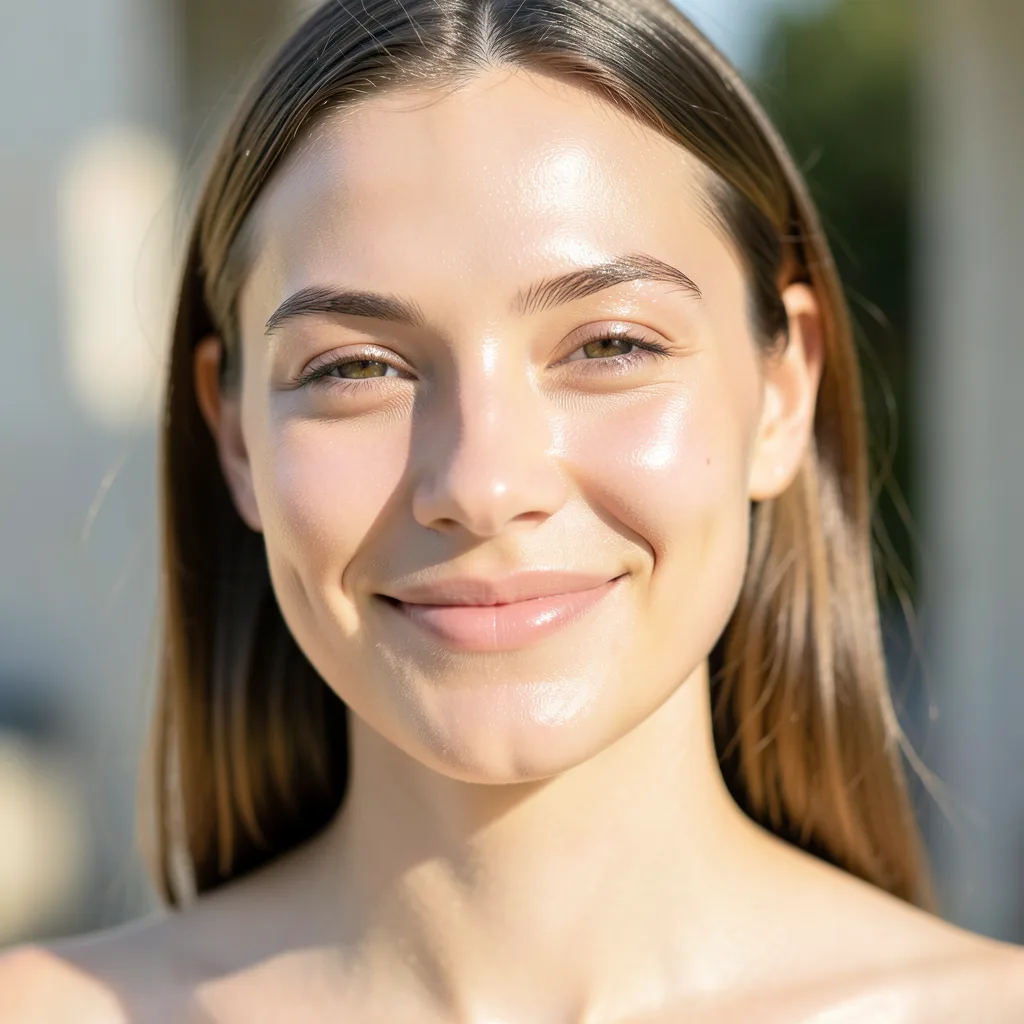
When you think of a flawless complexion, the first image that often comes to mind is a perfectly blended foundation. Yet, many skin‑care enthusiasts and makeup lovers are discovering that a foundation‑free routine can feel lighter, more breathable, and just as polished. This article explores a range of foundation alternatives— from tinted moisturizers to strategic skincare techniques— that help you achieve a smooth, radiant look without the heaviness of traditional base makeup. Each method is broken down with practical steps, product suggestions, and tips for tailoring the approach to different skin types and occasions.
Key takeaways
- Use tinted moisturizers or BB creams for light coverage that allows your natural skin texture to remain visible.
- Apply color-correcting serums before tinting to neutralize redness, sallowness, or dullness for a more uniform base.
- Incorporate light-diffusing primers or mineral powders to blur imperfections and control shine without heavy pigment.
- Prioritize skin health through regular exfoliation, hydration, and daily broad-spectrum sun protection for a natural glow.
- Customize coverage by thinning high-pigment concealers with hydrating serums for a lightweight, professional-grade finish.
1. Tinted Moisturizers: Hydration Meets Light Coverage
A tinted moisturizer blends the moisturizing benefits of a daily lotion with a sheer wash of color. It evens tone while allowing your natural skin texture to shine through. Look for formulas that contain skin‑loving ingredients like hyaluronic acid, niacinamide, or botanical extracts.
- How to apply: After cleansing and applying your serum, dispense a pea‑sized amount onto the back of your hand. Use a damp makeup sponge or fingertips to press the product onto your skin, focusing on areas that need extra evening.
- Choosing the right shade: Test the product on your jawline in natural light. The ideal tint should melt into your skin, disappearing within seconds.
- Best for: Normal to dry skin that craves moisture and a subtle glow.
2. BB & CC Creams: Multi‑Tasking Powerhouses
BB (beauty balm) and CC (color‑correcting) creams originated from Korean skincare and have become global staples. They typically offer light to medium coverage, SPF, and added skin‑care benefits such as antioxidant protection or brightening agents.
- Layering technique: Apply a thin layer, blend, then add a second layer only where needed (e.g., around the nose or under the eyes).
- Targeted correction: CC creams are formulated to neutralize redness or sallowness, making them ideal for uneven tone.
- Best for: Combination skin that wants a balance of coverage and treatment.
3. Skincare‑Infused Primers: A Subtle Blur Without Pigment
Primers are often overlooked as a base‑only solution, but many modern primers contain blurring polymers and light‑diffusing pigments that smooth the skin’s appearance. When paired with a light moisturizer, they can create a “no‑makeup” finish that looks polished.
- Application tip: Warm a small amount between your fingertips and press onto high‑porosity zones (T‑zone, cheeks) before moisturizing.
- Ingredient focus: Look for primers with silica, squalane, or pearlized microspheres for a natural radiance.
- Best for: Oily or acne‑prone skin that needs oil control and a soft focus effect.
4. Color‑Correcting Serums: Treat Before You Tint
Before you think about any tinted product, addressing discoloration at the serum level can dramatically improve the final look. Green serums calm redness, lavender neutralizes yellow tones, and peach or orange correctors brighten dullness.
- How to use: Apply a thin layer of the appropriate correcting serum after cleansing and before moisturizer. Allow it to absorb for 30 seconds.
- Layering strategy: Follow with a sheer tinted moisturizer to lock in the corrected tone.
- Best for: Skin with persistent redness, post‑inflammatory hyperpigmentation, or uneven undertones.
5. Mineral Powder Foundations: Light‑Dusting for a Velvet Finish
While still a form of foundation, mineral powders differ from liquid foundations in texture and coverage. A light dusting can set the skin, reduce shine, and provide a soft, airbrushed look without feeling heavy.
- Application method: Use a fluffy brush to sweep a thin layer over the face, focusing on the T‑zone. Press the powder into the skin with a denser brush for longer wear.
- Ingredient note: Choose talc‑free formulas with zinc oxide or titanium dioxide for added sun protection.
- Best for: Those who love a matte finish but dislike the cakey feel of traditional liquid foundations.
6. Skincare‑First Approach: Exfoliation, Hydration, and Sun Protection
Often the most effective way to achieve flawless skin without makeup is to prioritize skin health. Regular exfoliation removes dead cells, hydration plumps the surface, and sunscreen prevents new discoloration.
- Exfoliation schedule: Use a gentle chemical exfoliant (AHA/BHA) 2–3 times per week. Avoid physical scrubs that can cause micro‑tears.
- Hydration routine: Layer a hyaluronic‑acid serum, followed by a moisturizer suited to your skin type. Seal with a light facial oil if needed.
- Sun protection: Apply a broad‑spectrum SPF 30 or higher every morning, reapplying after swimming or heavy sweating.
7. Strategic Highlighting & Contouring Without Base
Even without a traditional base, you can shape your features using highlighters, bronzers, and subtle shading. These products add dimension, making the skin appear smoother and more even.
- Highlight placement: Apply a cream or liquid highlighter to the high points of the face—cheekbones, bridge of the nose, brow bone—using a fingertip or small brush.
- Bronzing technique: Sweep a matte bronzer along the perimeter of the face (hairline, jawline) to create a natural sun‑kissed contour.
- Blend quickly: Since you’re working on bare skin, blend within seconds to avoid streaks.
8. DIY Natural Tints: Food‑Based Color for a Fresh Look
If you prefer an all‑natural route, certain kitchen ingredients can provide a fleeting tint while delivering skin‑care benefits. Beet juice, cocoa powder, and turmeric can be mixed with a carrier like aloe gel or rose water.
- Beet‑root glow: Combine 1 tsp beet juice with 2 tsp aloe gel. Apply with a brush for a rosy flush that fades after a few hours.
- Cocoa bronzer: Mix ½ tsp cocoa powder with a few drops of jojoba oil. Use sparingly on the outer cheeks for a warm undertone.
- Turmeric brightener: Blend ¼ tsp turmeric with 1 tsp honey and a dash of lemon juice. Apply to areas with dullness, then wipe off after 10 minutes.
9. Makeup‑Free Confidence: Mindset and Routine Adjustments
Transitioning away from foundation can feel like a shift in identity for some. Building confidence in your natural skin involves both practical habits and mental framing.
- Morning affirmation: Spend a minute each morning acknowledging one feature you love about your skin.
- Skin‑care journaling: Track how your skin responds to new products. Note improvements in texture, hydration, or radiance.
- Gradual transition: Start by using a tinted moisturizer a few days a week, then increase frequency as you feel comfortable.
1. Layered Tint Technique: Combining Multiple Light‑Coverage Products for Custom Coverage
When you want a finish that feels like skin but still needs a bit more camouflage than a single tinted moisturizer can give, think of your base as a modular system. By layering two or three ultra‑light products—such as a sheer tint, a skin‑tone corrector, and a finish‑enhancing serum—you can dial in exactly the opacity you need without ever reaching the weight of a traditional foundation.
- Step‑by‑step stack:
- Start with a hydration primer that contains a light‑diffusing polymer (e.g., silicone‑based “blur” agents). Apply a thin veil with fingertips, focusing on high‑oil zones.
- Add a color‑balancing serum that targets your primary concern (green for redness, lavender for sallowness, peach for dullness). Pat it in gently; the serum should sit just beneath the surface, not form a film.
- Finish with a tinted balm that matches your skin tone within one shade. Use a damp beauty sponge to press the product, not rub, so the layers meld seamlessly.
- Why it works: Each product stays in its optimal skin‑care zone—primer on the stratum corneum, serum in the epidermal layer, tint on the surface—allowing the skin to breathe while still achieving a uniform hue.
- Edge cases:
- For very oily skin, replace the tinted balm with a mineral‑infused setting spray that contains silica. The spray adds a whisper of tint while locking shine.
- For extremely dry patches, mix a drop of a lightweight facial oil into the tinted balm before application. The oil creates a dewy micro‑film that prevents flaking.
Experiment with the order of layers. Some users find that applying the tint first, then a blurring serum, yields a softer “airbrushed” look because the serum can diffuse the color rather than the reverse.
2. Technology‑Driven Alternatives: Light‑Reflecting Microcapsules and Skin‑Perfecting Serums
Advances in cosmetic science have produced products that manipulate light at a microscopic level, creating the illusion of an even complexion without pigment. Two main technologies dominate this space: light‑reflecting microcapsules and peptide‑rich skin‑perfecting serums.
- Light‑Reflecting Microcapsules:
These are tiny glass‑like spheres (often made from silica or mica) that sit on the skin’s surface and scatter incoming light. When formulated in a serum or lotion, they produce a subtle radiance that masks minor discoloration.
- Application tip: Dispense 2‑3 drops onto the palm, warm between fingers, and press onto the face. Avoid rubbing, as friction can break the capsules and cause a glittery finish.
- Best for: Photographers, video‑call professionals, and anyone who wants a “screen‑ready” glow without makeup.
- Skin‑Perfecting Peptide Serums:
Peptides such as palmitoyl tripeptide‑5 and acetyl hexapeptide‑8 stimulate collagen synthesis and improve micro‑circulation. Over 4‑6 weeks, the skin’s texture becomes smoother, reducing the need for pigment‑based coverage.
- Routine integration: Use the serum at night after cleansing. Follow with a lightweight moisturizer that contains niacinamide for barrier support.
- Edge case: If you have sensitive skin, start with a serum containing less than 2% peptide concentration and patch test for 48 hours.
Combine the two: apply a peptide serum first, let it absorb for 5 minutes, then seal with a microcapsule‑infused morning lotion. The result is a skin surface that both reflects light and gradually improves its own texture.
3. Sustainable & Clean Beauty Options: Eco‑Friendly Foundation‑Free Solutions
Many consumers now consider the environmental impact of their beauty routine as important as the aesthetic outcome. Below are three categories of sustainable alternatives that keep the planet in mind while delivering a flawless look.
- Zero‑Waste Tinted Balms:
These come in biodegradable bamboo jars or refillable glass pots. Formulations often use plant‑derived pigments (e.g., beetroot powder, iron oxides from natural clays) and avoid synthetic dyes.
- Example brand: “EarthGlow” offers a 10‑ml refill cartridge made from recycled aluminum. One cartridge lasts roughly 30 days with daily use.
- Tip for longevity: Store the balm in a cool, dark drawer to prevent pigment oxidation.
- Waterless Skincare Sprays:
By eliminating water, these sprays reduce the carbon footprint associated with transport and packaging. They typically contain a blend of botanical oils, botanical extracts, and micro‑pearls for a soft focus effect.
- Application method: Hold the spray 20 cm from the face, mist lightly, and allow to air‑dry. The micro‑pearls settle into skin crevices, creating a “blur” without a film.
- Upcycled Ingredient Bases:
Some innovators harvest by‑products from food production—such as rice bran oil, coffee grounds, or grape seed pomace—and turn them into skin‑brightening balms. These ingredients bring antioxidants while keeping waste streams low.
- Case study: “ReVive” uses coffee‑ground exfoliants mixed with a lightweight oat‑based gel to give a subtle bronzed tint that fades naturally within 4‑6 hours.
When choosing sustainable alternatives, look for certifications such as “Leaping Bunny” (cruelty‑free), “COSMOS‑Organic”, and packaging symbols indicating recyclable or compostable materials.
4. Professional‑Grade Alternatives: Using Color‑Correcting Concealers as Standalone Bases
Makeup artists often keep a palette of high‑pigment concealers for spot treatment, but those same formulas can double as a lightweight base when applied strategically across the entire face. Because concealers are formulated for high coverage, they can be thinned to a sheer veil that still offers corrective power.
- Choosing the right concealer:
Pick a cream‑based concealer with a silicone‑rich base (e.g., dimethicone) for a smooth glide. Avoid oil‑heavy formulas, which can cause separation when diluted.
- Dilution technique:
- Dispense a pea‑size amount onto the back of your hand.
- Add 2‑3 drops of a hydrating serum (hyaluronic acid or glycerin works well).
- Mix with the tip of a brush until the consistency resembles a light cream.
- Apply with a stippling brush, using a “press‑and‑roll” motion for even distribution.
- Color‑specific uses:
- Green concealer neutralizes facial redness; perfect for rosacea‑prone skin. Apply a thin layer on the cheeks and nose, then blend outward.
- Peach/orange concealer brightens deep‑set hollows and under‑eye darkness on medium‑to‑dark skin tones.
- Lavender concealer lifts sallow or yellow undertones in fair skin.
- Edge case handling:
If you have very oily skin, set the thinned concealer with a translucent powder containing silica. For extremely dry patches, finish with a light facial oil (e.g., squalane) to prevent the product from “caking”.
Professional makeup artists also recommend a “two‑tone” approach: use a slightly lighter shade on the high points of the face and a marginally deeper shade on the perimeters. This creates a natural dimension without the need for separate contour products.
5. Adapting to Different Climates: How Temperature and Humidity Influence Your Foundation‑Free Look
Environmental conditions can dramatically alter the performance of light‑coverage products. Understanding how heat, cold, and humidity affect texture helps you maintain a flawless finish all day.
- High Humidity (70%+):
Moisture in the air can cause products with high water content to become tacky. Opt for oil‑based or silicone‑based tints that repel moisture. A lightweight facial oil mixed with a tinted balm creates a “sweat‑proof” veil.
- Practical tip: Keep a small blotting paper on hand and gently press (don’t rub) any shine before it spreads.
- Dry, Low‑Humidity Environments (e.g., heated offices, winter climates):
Air‑dry conditions can make sheer products appear patchy as they absorb moisture from the skin. Counteract this by adding a humectant‑rich moisturizer (containing glycerin or propylene glycol) underneath the tint.
- Edge case: If you experience “mask‑like” flakiness, incorporate a thin layer of a barrier‑repair cream containing ceramides before the tinted product.
- Extreme Heat (above 30 °C / 86 °F):
Heat accelerates the breakdown of emulsions, causing separation. Choose formulas that list “thermal‑stable” or “heat‑resistant” polymers (e.g., acrylates copolymer) in the ingredient list.
- Travel hack: Store your tinted balm in a small insulated pouch or a cooler bag when moving between air‑conditioned interiors and outdoor heat.
- Cold Conditions (below 10 °C / 50 °F):
Cold can thicken creams, making them harder to spread evenly. Warm the product between your palms for 10‑15 seconds before application. This also activates any light‑diffusing pigments.
By adjusting product type, texture, and application temperature, you can preserve a natural, flawless appearance regardless of the weather.
6. Age‑Specific Strategies: Tailoring Foundation‑Free Routines for Teens, 30s, 40s+, and Mature Skin
Skin changes throughout life, and a one‑size‑fits‑all approach rarely works. Below are age‑targeted recommendations that respect hormonal shifts, collagen loss, and lifestyle factors.
- Teens (13‑19):
Acne and excess sebum are common. Focus on oil‑controlling tints that contain salicylic acid or tea‑tree oil. Use a breathable, non‑comedogenic primer that also offers a mild mattifying effect.
- Example routine: Cleanser → Niacinamide serum → Mattifying primer → Green‑tinted serum (for occasional redness) → Sheer tinted balm.
- 20s‑30s (early adulthood):
Skin is generally resilient but may show early signs of dehydration. Opt for hydrating tints enriched with ceramides and antioxidants (vitamin C, green tea).
- Edge case: If you work long hours under fluorescent lighting, add a low‑level SPF (15‑20) in your tinted product to guard against indoor UV exposure.
- 40s‑50s (mid‑life):
Fine lines and loss of elasticity become more noticeable. Choose a tinted serum that contains peptides (e.g., Matrixyl) and a light‑refining silicone blend. Apply with a silicone brush to smooth over fine lines without dragging the skin.
- Pro tip: Use a “spot‑blur” technique—apply a tiny dab of a high‑coverage correcting concealer only on deep nasolabial folds, then blend outward with a damp sponge.
- 60+ (mature skin):
Skin barrier function diminishes, and dryness is prevalent. Prioritize ultra‑moisturizing tints that incorporate squalane, oat extract, and a modest amount of mineral SPF. Avoid any matte‑finish powders that can emphasize texture.
- Application nuance: Use a fingertip pat‑in method rather than a brush; the warmth of the hand helps the product meld into the skin, reducing the risk of “caking”.
Regardless of age, the underlying principle remains the same: treat the skin first, then add the lightest possible veil that meets your coverage goal. By aligning product choice with the physiological needs of each life stage, you preserve skin health while still achieving a polished, foundation‑free appearance.
FAQ
Q1: Will a tinted moisturizer provide enough coverage for acne scars?
A: Tinted moisturizers offer sheer to light coverage, so they may not fully mask deep scars. Pairing a tinted moisturizer with a targeted color‑correcting serum (e.g., green for redness) can improve appearance, but for heavier concealment you might still need a separate concealer applied only where needed.
Q2: Can mineral powder foundations cause breakouts?
A: Mineral powders that are talc‑free and contain non‑comedogenic ingredients are generally safe for acne‑prone skin. However, any product that sits on the skin’s surface can trap oil if not removed properly, so a thorough cleanse each night is essential.
Q3: How often should I exfoliate if I’m relying on a foundation‑free routine?
A: For most skin types, 2–3 times per week with a mild AHA/BHA is sufficient. Over‑exfoliation can compromise the skin barrier, leading to dryness or increased sensitivity, which defeats the goal of a natural, flawless look.
Q4: Are DIY food‑based tints safe for sensitive skin?
A: Natural ingredients can still cause irritation, especially if you have allergies. Always perform a patch test on the inner forearm before applying to the face. Discontinue use if redness, itching, or swelling occurs.
Q5: Do I still need sunscreen if I’m not wearing foundation?
A: Absolutely. Sunscreen protects against UV‑induced discoloration and texture changes, regardless of makeup use. A broad‑spectrum SPF 30+ should be part of every morning routine, even on makeup‑free days.
Related posts:
 Foundation’s Impact on Skin
 The Tinted Lip Balm Trend Taking Over Beauty
 Proper Order of Skincare Application
 YSL Nu Skin Tint Review
 The Key Differences Between Serums, Oils, Moisturizers, and Balms
 Spring Awakening: The Hydrating Serums Your Winter Skin Is Craving
 ILIA’s New True Skin Serum Foundation Review
 Natural Face Sunscreens Guide