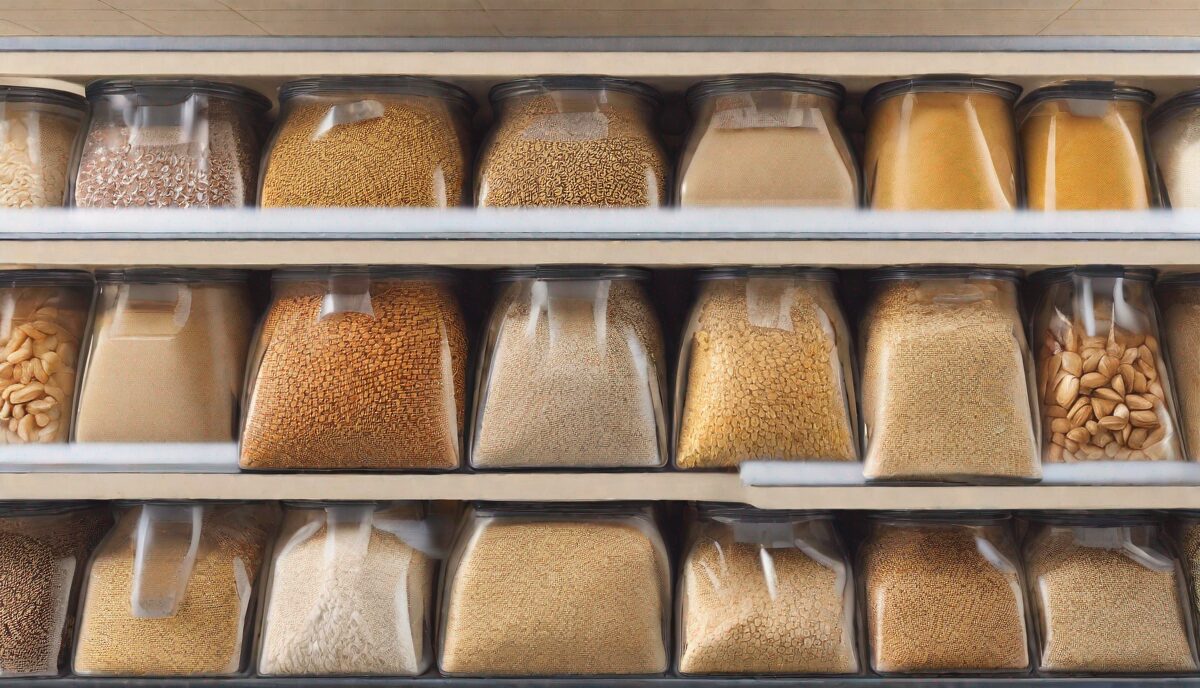
The Importance of Grains in a Healthy Diet
Grains like rice, wheat, oats, and corn provide essential nutrients for good health. When stored properly, they can have a long shelf life, making them a smart staple to keep on hand.
How Long Do Grains Last?
When stored in a cool, dark, dry place in an airtight container, most grains can last 6-12 months past their printed expiration dates. Whole grains like brown rice and whole wheat flour tend to have shorter shelf lives around 6 months. Processed grains like white rice can last up to a year.
Extending Grain Shelf Life
Freezing grains can expand their shelf lives considerably. Stored at 0°F, grains can last 1-2 years in the freezer before seeing a decline in quality.
Recognizing Spoiled Grains
Signs that grains have spoiled include unpleasant odors, presence of insects, changes in texture, and visible mold. Always discard spoiled grains.
Proper Grain Storage
To get the most shelf life from grains:
- Store in airtight containers in a cool, dry, dark place.
- Keep stored grains away from heat, light, and moisture.
- Don’t keep grains in the refrigerator unless freezing.
The Science of Grain Rancidity and Oxidation
While the existing guidelines provide a solid foundation for storage, understanding the chemical processes behind spoilage helps in making better preservation decisions. The primary culprit in the degradation of grains—particularly whole grains—is lipid oxidation. Whole grains contain the germ, which is rich in unsaturated fats. When these fats are exposed to oxygen, they undergo a chemical reaction that produces peroxides and eventually aldehydes and ketones, which are responsible for the characteristic “cardboard” or “sour paint” smell of rancid grain.
This process is accelerated by heat and light. In white rice or pearled barley, the bran and germ have been removed, leaving behind the starchy endosperm. Because the endosperm is low in fats, these refined grains are significantly less prone to rancidity. However, they are still susceptible to enzymatic degradation. Enzymes naturally present in the grain remain active even after harvest; over time, these enzymes break down starches into simpler sugars, which can eventually lead to a stale flavor profile and a loss of the grain’s ability to fluff up properly when cooked. For example, aged basmati rice is often preferred for its texture, but there is a fine line between ‘aged’ and ‘oxidized.’ In a home setting, if your brown rice smells like old crayons, the oxidation has progressed to a point where the nutritional value of the fatty acids has been lost, and the flavor will likely ruin your dish.
Strategic Pest Mitigation: Beyond Basic Containers
The presence of insects is often cited as a sign of spoilage, but many consumers do not realize that the larvae are often already present in the grain when it is purchased. Weevils and Indian meal moths are the most common culprits. To prevent a full-blown infestation that can spread to your entire pantry, a proactive ‘quarantine’ method is highly effective. When you bring home a new bag of grain, seal it in a heavy-duty freezer bag and place it in the freezer for at least 96 hours. This temperature drop is sufficient to kill eggs and larvae that might be dormant in the grain.
Once the grain is cleared, the choice of container becomes paramount. While the original article mentions airtight containers, the material of the container matters for pest prevention. Many plastic bags and thin-walled plastic containers can actually be breached by the mandibles of certain larvae. Glass jars with gasket seals or heavy-duty BPA-free HDPE (High-Density Polyethylene) buckets are the gold standard. If you are storing grains in a garage or basement, be aware that rodents can chew through standard plastic bins; in these environments, secondary containment in metal galvanized cans provides an extra layer of security. Additionally, avoid the common mistake of ‘topping off’ old grain with new grain. This practice can trap older, potentially infested material at the bottom of the container, creating a breeding ground that compromises the fresh batch.
Long-Term Preservation with Oxygen Absorbers and Mylar
For those looking to store grains for five to twenty years—often referred to as ‘deep pantry’ or ‘prepper’ storage—standard airtight containers are insufficient because they still trap a significant amount of ambient oxygen. To achieve true long-term stability, many experts recommend the use of Mylar bags in conjunction with oxygen absorbers (OA). Mylar is a metalized polyester film that acts as a superior gas barrier compared to standard plastics. When you place grain inside a Mylar bag, add a properly sized oxygen absorber (usually 300cc to 500cc for a one-gallon bag), and heat-seal the top, the iron powder inside the absorber reacts with the trapped oxygen, effectively reducing the internal atmosphere to less than 0.01% oxygen.
This anaerobic environment does more than just prevent rancidity; it also serves as a biological kill-switch. Most grain pests and aerobic molds cannot survive or reproduce without oxygen. It is important to note that oxygen absorbers should only be used with ‘dry’ grains that have a moisture content of 10% or less. Using them with moist items can create a risk of botulism, though this is rarely an issue with commercially dried grains like wheat berries, white rice, or corn. When the oxygen is absorbed, the bag may take on a ‘vacuum-packed’ appearance, but the primary goal is the chemical removal of oxygen, not necessarily the physical vacuum.
Shelf-Life Variations Across Pseudo-Grains and Ancient Varieties
Not all grains are created equal when it comes to the ticking clock of the pantry. Pseudo-grains like quinoa, amaranth, and buckwheat have unique compositions that affect their longevity. Quinoa, for instance, is coated in saponins—natural compounds that act as a bitter deterrent to pests in the wild. While most commercial quinoa is pre-washed, any residual saponins can actually help slightly in deterring insects, but the high protein and fat content in quinoa means it will go rancid faster than white rice. Expect quinoa to maintain peak quality for about 8 to 12 months in a cool pantry.
Ancient grains like farro (emmer), spelt, and einkorn are often sold as ‘whole berries’ or ‘groats.’ Because these grains have not been hybridized as extensively as modern wheat, their outer husks are often tougher, providing a bit more natural protection against moisture. However, once the outer hull is ‘pearled’ (scraped away to reduce cooking time), the shelf life drops significantly. If you are buying ‘pearled farro,’ treat it like brown rice and aim to use it within 6 months. If you are buying ‘whole grain farro,’ it can last several years if kept in a stable environment. Buckwheat is particularly sensitive; buckwheat groats can develop a very strong, unpleasant ‘musty’ flavor if exposed to even slight humidity, so they should always be prioritized for the tightest-sealing glass containers in your collection.
The Flour Factor: How Milling Accelerates Spoilage
The transition from a whole grain to a flour is the most significant event in the timeline of spoilage. When a grain is milled, its surface area increases exponentially, exposing every molecule of the internal oils to oxygen. This is why a wheat berry can remain viable for 30 years in ideal conditions, while whole wheat flour may begin to taste bitter in as little as 3 months. The friction of the milling process also generates heat, which can kickstart the oxidation process before the flour even hits the bag.
If you prefer the nutritional benefits of whole-grain flours but struggle with the short shelf life, consider ‘staging’ your storage. Store the majority of your supply as whole berries and invest in a home grain mill to grind only what you need for a week of baking. If you must buy pre-ground flour in bulk, the freezer is no longer optional; it is a necessity. Cold temperatures significantly slow down the enzymatic activity that causes the ‘off’ flavors in whole-grain flours. For white all-purpose flour, the risks are lower, but it can still absorb odors from the environment. Flour is hygroscopic, meaning it pulls moisture and smells from the air. If stored next to onions or cleaning supplies in a paper bag, your biscuits will eventually taste like those items. Always transfer flour from its original paper packaging to a non-porous container like glass or high-quality plastic.
Navigating Moisture and Humidity in Grain Storage
While heat is a concern, moisture is the absolute enemy of grain longevity. Grains are harvested at a specific moisture percentage (usually between 10% and 12%) to ensure they are shelf-stable. If the ambient humidity in your storage area is high, the grains will absorb that moisture from the air. Once the moisture content of the grain rises above 13-14%, the risk of mold growth—including dangerous mycotoxins like aflatoxin—increases dramatically. This is particularly common with corn and cornmeal, which are more susceptible to certain fungal strains.
In humid climates, using desiccant packs (silica gel) can be a helpful addition to your storage containers. These packs do not remove oxygen, but they do pull excess moisture from the air inside the jar. You can also monitor the health of your grains by looking for ‘clumping.’ If you shake a jar of grain and it doesn’t flow freely, or if grains are sticking to the sides of the glass, it is a sign that moisture has entered the container. This grain should be used immediately or checked thoroughly for the faint, fuzzy growth of mold. In extreme cases, high moisture can lead to fermentation, which produces a sweet, wine-like, or vinegary smell. If you detect any hint of fermentation in your dry grains, they must be discarded, as this indicates significant microbial activity.
Assessing and Utilizing Aging Grains in the Kitchen
Just because a grain has passed its ‘best by’ date doesn’t mean it’s useless, provided there are no signs of mold or pests. However, older grains undergo physical changes that require adjustments in the kitchen. As grains age, they lose their internal moisture and their starch structures toughen. This often means that ‘old’ rice or ‘old’ beans will require more liquid and a longer cooking time than fresh ones. If you find that your rice is still crunchy after the standard 20-minute simmer, it likely needs an extra quarter-cup of water and an additional 5 to 10 minutes of steaming.
For grains that are slightly stale but not yet rancid, toasting can be a transformative technique. Dry-roasting grains in a skillet for 3-5 minutes before adding liquid can mask ‘flat’ flavors and bring out a nutty aroma that compensates for the loss of freshness. This works exceptionally well for oats, quinoa, and millet. If you have flour that is nearing the end of its life but hasn’t gone bitter, use it in recipes with strong flavors—like gingerbread, spice cakes, or sourdough—where the complexity of the other ingredients can overshadow the lack of flour vibrancy. However, always perform a ‘hot water test’ if you are unsure: mix a small spoonful of the grain or flour with boiling water and sniff the steam. The heat will amplify any hidden rancid or musty odors, giving you a clear indication of whether the batch is fit for consumption or destined for the compost bin.
Frequently Asked Questions
How long do grains last at room temperature?
Most grains can last 6-12 months at room temperature stored properly in airtight containers in a cool, dry, dark place.
Do grains go bad?
Yes, grains can spoil over time, especially if not stored properly. Signs include mold, unpleasant odors, insects, and texture changes.
How can you tell if grains are spoiled?
Look for visible mold, unpleasant sour odors, the presence of insects, and significant changes in appearance and texture. Discard immediately if any signs of spoilage.
Should grains be kept in the fridge or freezer?
For short term storage, a cool pantry is best. For extended storage, the freezer is preferred over the fridge. Most grains last 1-2 years frozen vs. 6-12 months in the pantry.
What happens if you eat expired grains?
Eating spoiled grains can cause foodborne illness. However, grains stored properly in airtight containers are generally still safe to eat for a few months after the printed expiration date on the package.
Related posts:
 Guilt-Free Cinnamon Roll Recipe
 Does Flour Go Bad? Shelf Life and Storage Tips
 The Foolproof Method for Perfect Rice Every Time
 One Pan Wonder: The Fried Rice Recipe That Will Change Your Meal Prep Game
 NYC’s Healthiest Bakeries
 Rice Revealed: Is This Pantry Staple Actually Good for You
 Candice Kumai’s Healthy Turmeric Fried Rice Recipe
 Essential Vegan Pantry Staples Every Plant-Based Kitchen Needs