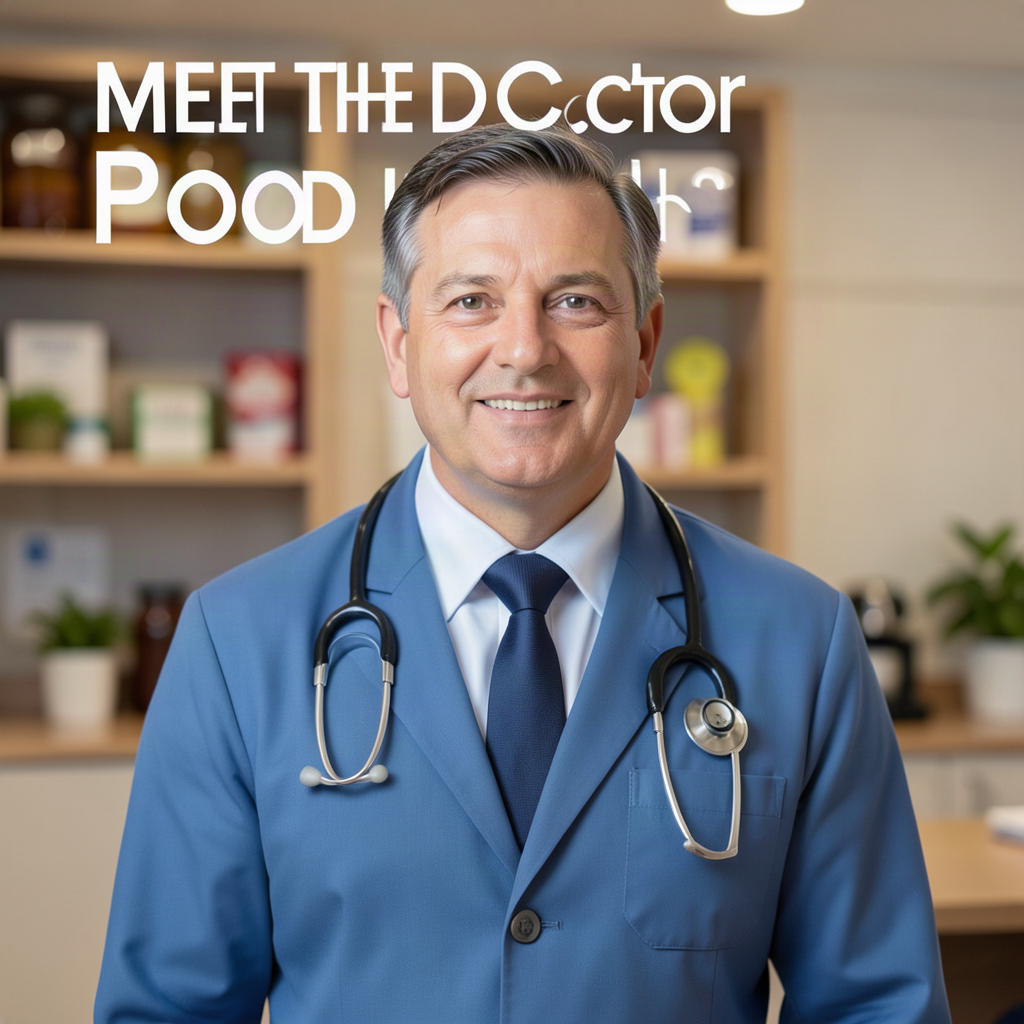
For many of us, a doctor’s visit ends with a prescription slip and a trip to the pharmacy. But what if your prescription was a recipe? What if your treatment plan included shopping for seasonal produce instead of waiting for a drug to take effect? A growing movement in medicine is turning this ‘what if’ into reality, with physicians who see food as fundamental pharmacology.
This isn’t about vague wellness advice; it’s a clinical discipline called culinary medicine. It bridges the gap between nutritional science and the practical art of cooking, applied directly to preventing, managing, and sometimes even reversing chronic disease. Imagine a doctor who can diagnose your hypertension and then teach you how to roast vegetables with herbs to reduce your salt intake effectively. That’s the core of this practice.
What is Culinary Medicine, Exactly?
Culinary medicine is an evidence-based field that helps people use food to achieve specific health outcomes. It’s not a replacement for all pharmaceuticals but a powerful, often first-line, tool. The principle is simple: food contains bioactive compounds that directly influence our physiology—everything from inflammation and blood sugar to gut microbiome composition and gene expression.
Doctors trained in this discipline don’t just say, “Eat more vegetables.” They provide actionable, personalized culinary guidance. They might analyze a patient’s typical meals, identify barriers like time or cost, and co-create a “food prescription”—a detailed plan that could include specific recipes, cooking techniques, and even grocery store navigation tips. The goal is to make the healthiest choice the easiest and most delicious choice.
The Science Behind Food as Medicine
The evidence supporting this approach is robust and growing. Consider a few conditions:
- Type 2 Diabetes: Studies like the Diabetes Remission Clinical Trial (DiRECT) have shown that structured, food-based weight management programs can put diabetes into remission in a significant portion of participants, a outcome once thought impossible without ongoing medication.
- Heart Disease: The landmark PREDIMED trial demonstrated that a Mediterranean diet—rich in olive oil, nuts, fruits, and vegetables—could reduce major cardiovascular events by roughly 30% compared to a low-fat diet.
- Hypertension: The Dietary Approaches to Stop Hypertension (DASH) diet is as effective as some first-line medications for lowering blood pressure, with no side effects.
- Mental Health: Emerging research in nutritional psychiatry points to diets high in whole foods (like the Mediterranean diet) being associated with a lower risk of depression and anxiety.
Food works on a systems level. Anti-inflammatory compounds in berries and leafy greens can quiet systemic inflammation. Fiber feeds beneficial gut bacteria, which produce metabolites that influence everything from immunity to mood. The right fats can improve cell membrane fluidity and hormone function.
Meet the Practitioners: Doctors in the Kitchen
Dr. Robert Graham, an internist and co-founder of FRESH Medicine in New York, embodies this shift. His practice includes a “Teaching Kitchen” where patients learn to cook. He might see a patient with high cholesterol and, alongside discussing statins, prescribe a week of meals featuring oats, almonds, and fatty fish, complete with easy-to-follow recipes.
Another pioneer, Dr. John La Puma, runs the CHEF Clinic in California. He conducts cooking classes for patients with diabetes, obesity, and heart disease, showing them how to prepare meals that actively manage their conditions. “We’re not anti-medication,” he often says. “We’re pro-food. Sometimes, the right food means you need less medication, or none at all.”
These doctors often collaborate with dietitians, chefs, and health coaches, creating a multidisciplinary team focused on culinary literacy as a core clinical skill.
A Day on a “Food Prescription” Plan
What does this look like in practice? Let’s follow a hypothetical patient, Maria, diagnosed with prediabetes.
- Initial Consultation: Her doctor reviews her labs, her typical 24-hour diet recall, and discusses her lifestyle, cooking skills, and food budget.
- The Prescription: Instead of a drug, Maria receives a one-page “Rx” that reads: “Rx: Plate Method. ½ plate non-starchy vegetables, ¼ plate lean protein, ¼ plate high-fiber starch. Daily. # of meals: 3. Refills: Unlimited.” She also gets a handout on identifying added sugars on food labels and three simple recipes for sheet-pan dinners.
- The Follow-up: Two weeks later, Maria returns. They download data from her continuous glucose monitor (a tool often used) and review a food diary with photos. They troubleshoot the spike she saw after a breakfast muffin and brainstorm a quick, savory oatmeal recipe with eggs and spinach for the next week.
The focus is on iterative, practical learning, not perfection.
Why Isn’t This Standard Practice?
Despite the evidence, significant barriers exist. Traditional medical education dedicates scant hours to nutrition. A typical visit lasts 15 minutes, leaving little time for detailed dietary counseling. Insurance reimbursement for “food medicine” consultations is inconsistent and often non-existent, making it hard for doctors to sustainably offer this service.
There’s also a cultural bias toward technological intervention. A pill feels like a precise, modern solution, while dietary change feels old-fashioned and imprecise. Changing this mindset requires a fundamental shift in how we view healthcare—from a disease-treatment system to a health-creation system.
How to Find a Culinary Medicine Doctor or Program
You might not find a “culinary medicine” specialist in every town yet, but you can seek out this approach:
- Search Professional Directories: Look for physicians board-certified in Lifestyle Medicine (through the American Board of Lifestyle Medicine). Many have culinary medicine training.
- Ask Your Current Doctor: Inquire if they incorporate nutrition counseling or can refer you to a registered dietitian who focuses on cooking and practical meal planning.
- Hospital-Affiliated Programs: Many leading medical centers, like the Cleveland Clinic and Stanford, now have integrative medicine or wellness centers that include teaching kitchens and culinary medicine classes.
- Community Resources: Look for “teaching kitchen” programs at community centers, YMCAs, or non-profits. While not run by an MD, they often use curriculum developed by medical institutions.
Starting Your Own Kitchen Pharmacy: Five Essential Staples
You don’t need a formal prescription to begin. Stocking your kitchen with foundational, versatile ingredients is a powerful first step.
- Extra Virgin Olive Oil: A source of anti-inflammatory monounsaturated fats and antioxidants. Use for dressings, low-temperature sautéing, and finishing dishes.
- Canned Legumes (Lentils, Chickpeas, Black Beans): An excellent source of plant-based protein and fiber, which stabilizes blood sugar and promotes satiety. Rinse to reduce sodium.
- Frozen Berries and Leafy Greens: Nutritionally comparable to fresh, often more affordable, and reduce food waste. Add berries to oatmeal; toss greens into soups, stews, and smoothies.
- Whole Intact Grains: Oats, quinoa, farro, and brown rice. Their fiber and complex carbohydrates provide sustained energy and feed a healthy gut microbiome.
- Aromatic Alliums and Herbs: Onions, garlic, ginger, and herbs like rosemary, thyme, and oregano. They add deep flavor without salt and are packed with phytonutrients.
Navigating the Hype: Food is Not a Magic Bullet
As this movement gains popularity, it’s crucial to maintain a balanced perspective. Food is profoundly powerful, but it is not a cure-all. Someone with Type 1 diabetes will always need insulin. A severe bacterial infection requires antibiotics. Culinary medicine is about empowerment, not a rejection of conventional medicine.
Be wary of any practitioner or program that promises to “cure” a serious condition with food alone or asks you to abandon prescribed medications without close supervision by your medical team. The safest approach is integrative—using food as a core foundational therapy alongside, and in communication with, other necessary treatments.
The Future of Prescription Pads
The future is promising. Medical schools are slowly integrating teaching kitchens into their curricula. Pilot programs like “Produce Prescriptions” and “Farmacy” initiatives are emerging, where doctors can give vouchers for fruits and vegetables at farmers’ markets. Technology, from meal-planning apps that sync with electronic health records to AI-powered recipe generators for specific conditions, is on the horizon.
The ultimate goal is a healthcare system where a doctor asks not just, “What medication do you need?” but also, “What do you have in your refrigerator, and how can we make it work for your health?” It’s a return to the root of medicine: using the most natural tools available to help the body heal itself.
Decoding the Culinary Medicine Consultation: What Really Happens Behind the Scenes
While many patients imagine culinary medicine visits involve simply swapping pills for recipes, the actual clinical process is far more nuanced and data-driven. Practitioners follow structured assessment protocols that go well beyond traditional nutrition counseling. The initial evaluation typically includes a detailed dietary recall analysis using specialized software that tracks micronutrient gaps, inflammatory food patterns, and eating frequency windows. Many clinics now employ continuous glucose monitors (CGMs) not just for diabetics but for metabolic health patients, generating ambulatory data that reveals how individual meals affect blood sugar stability.
The “food prescription” itself is often coded using standardized frameworks like the International Classification of Diseases (ICD) with Z-codes for health counseling, creating documentation that bridges clinical nutrition with insurance billing systems. For example, a patient with hypertension might receive Z71.3 (Dietary counseling and surveillance) alongside their ICD-10 code for essential hypertension. The most advanced practitioners create personalized “nutrient maps” that overlay laboratory findings (like hs-CRP for inflammation or HbA1c for glucose control) with specific food compounds known to modulate those biomarkers. This creates a targeted intervention strategy where patients understand not just “what” to eat but “why” specific foods address their unique physiological imbalances.
The Laboratory Connection: How Bloodwork Guides Food Choices Beyond Basic Nutrition
Culinary medicine physicians interpret standard lab panels through a functional nutrition lens, extracting insights most conventional doctors overlook. Consider a complete blood count (CBC): While typically reviewed for anemia or infection, culinary practitioners might examine red blood cell distribution width (RDW) as a potential marker of nutrient deficiencies affecting cell maturation. Similarly, basic metabolic panels provide more than kidney function data—sodium-potassium ratios can inform vegetable-to-fruit balance recommendations, while bicarbonate levels might indicate metabolic acidosis from excessive animal protein consumption.
The most sophisticated applications involve advanced testing rarely ordered in primary care. Organic acid tests can reveal mitochondrial dysfunction that responds to specific nutrients like alpha-lipoic acid or CoQ10 found in spinach and organ meats. Genetic polymorphisms revealed through pharmacogenomic testing might indicate whether a patient is a “slow methylator” requiring more leafy greens rich in folate and betaine. Even inflammatory markers like interleukin-6 or tumor necrosis factor-alpha can guide anti-inflammatory food prescriptions—patients with elevated IL-6 might receive specific guidance on increasing omega-3 fatty acids from sardines and walnuts while reducing omega-6 sources from processed seed oils.
Real-world case: A 52-year-old woman presents with fatigue and brain fog. Standard labs show borderline low ferritin but normal hemoglobin. Her culinary medicine physician orders additional tests revealing low serum copper and ceruloplasmin, explaining why iron supplementation alone failed. The prescription includes daily pumpkin seeds (copper-rich) alongside vitamin C-rich bell peppers to enhance iron absorption, while avoiding excessive zinc from supplements that can worsen copper deficiency. This precision approach—connecting dots between lab values, food chemistry, and symptoms—represents culinary medicine’s evolution beyond generic “eat healthy” advice.
Beyond the Mediterranean Diet: Evidence-Based Eating Patterns for Specific Conditions
While the Mediterranean diet remains the most researched eating pattern, culinary medicine practitioners deploy a sophisticated toolbox of evidence-based dietary approaches tailored to pathology. For autoimmune conditions like rheumatoid arthritis or lupus, the autoimmune protocol (AIP) diet serves as a therapeutic elimination and reintroduction framework, systematically removing potential trigger foods like nightshades, grains, and legumes before methodically testing tolerance. Patients receive detailed guidance on alternative nutrient sources—teaching them how to obtain resistant starch from plantains instead of grains, or how to use bone broth for collagen support during gut healing phases.
Neurological conditions benefit from specialized approaches often overlooked in mainstream discussions. The MIND diet (Mediterranean-DASH Intervention for Neurodegenerative Delay) combines elements from both eating patterns with specific emphasis on berries for anthocyanins and leafy greens for folate and vitamin K. Parkinson’s patients might receive guidance on timing protein consumption to optimize levodopa medication absorption while maintaining muscle mass. Those with migraine disorders learn to identify and avoid dietary triggers like aged cheeses (tyramine), processed meats (nitrates), and artificial sweeteners (aspartame) while incorporating magnesium-rich foods like almonds and spinach that modulate neuronal excitability.
Even mental health applications extend beyond generalized recommendations. The SMILES trial demonstrated that a modified Mediterranean diet improved depression scores more than social support alone. Culinary medicine practitioners build on this by personalizing approaches—patients with anxiety and high cortisol might receive prescriptions for adaptogen-rich foods like ashwagandha-infused soups alongside magnesium glycinate from pumpkin seeds. Those with attention deficits benefit from tyrosine-rich foods (eggs, cheese) consumed strategically before cognitively demanding tasks to support dopamine production. This condition-specific precision transforms food from general wellness support to targeted neurological intervention.
The Gut-Brain-Axis Kitchen: Culinary Strategies for Microbiome and Mental Health
The most cutting-edge culinary medicine work occurs at the intersection of gastroenterology, psychiatry, and immunology through focused modulation of the gut microbiome. Practitioners don’t simply recommend “fiber”—they differentiate between soluble and insoluble types, and more importantly, between fermentable fibers that serve as prebiotics for specific bacterial strains. Resistant starch from cooled potatoes or green bananas feeds Bifidobacteria, while inulin from Jerusalem artichokes and garlic promotes Lactobacillus growth. Patients with IBS receive tailored FODMAP reintroduction protocols that identify personal tolerance thresholds while maintaining microbial diversity.
Advanced culinary techniques maximize microbial benefits while minimizing symptoms. Patients learn to soak and sprout legumes and grains to reduce phytic acid and FODMAP content while preserving prebiotic fibers. They’re taught fermentation basics—how to make simple sauerkraut that provides Lactobacillus strains different from commercial varieties, or how to prepare fermented oats that increase GABA content for anxiety relief. The kitchen becomes a microbiome laboratory where cooking methods directly influence bacterial outcomes: pressure cooking beans reduces galactooligosaccharides that cause bloating while preserving protein and mineral content; roasting vegetables creates prebiotic compounds like fructooligosaccharides not present in raw versions.
Psychobiotic applications represent the frontier. Patients with mood disorders receive “bacterial strain-specific” food prescriptions: Lactobacillus rhamnosus GG from certain fermented dairy may reduce anxiety-like behaviors, prompting inclusion of specific yogurts; Bifidobacterium longum 1714’s cognitive benefits might guide inclusion of foods promoting its growth. Even timing matters—consuming prebiotic-rich foods in the evening may enhance sleep through butyrate production and melatonin synthesis pathways. This microbial precision transforms the kitchen from mere meal preparation space to a targeted therapeutic environment cultivating both physical and mental health through strategic food preparation.
Food Pharmacology: Understanding Nutrient-Drug Interactions and Synergies
Culinary medicine’s most clinically sophisticated dimension involves navigating the complex interface between dietary compounds and pharmaceutical agents. Practitioners maintain detailed knowledge of cytochrome P450 enzyme modulation by food constituents—grapefruit’s furanocoumarins inhibiting CYP3A4 metabolism of statins and calcium channel blockers; cruciferous vegetables inducing CYP1A2 affecting clozapine and theophylline; St. John’s wort in teas inducing CYP3A4 reducing oral contraceptive efficacy. This knowledge extends beyond avoidance strategies to therapeutic applications: turmeric’s curcumin may enhance antidepressant effects through MAO inhibition pathways, while black pepper’s piperine increases bioavailability of both curcumin and certain medications.
Strategic food timing around medication administration creates powerful synergies. Statin patients might consume oats with their evening dose to leverage beta-glucan’s cholesterol-lowering effects alongside the drug’s HMG-CoA reductase inhibition. Metformin users benefit from timing complex carbohydrate consumption to leverage the drug’s AMPK activation alongside food’s glucose modulation. Warfarin patients receive detailed education on consistent vitamin K intake from leafy greens—not avoidance—to maintain stable INR levels while obtaining cardiovascular benefits from nitrates and polyphenols in those same vegetables.
Perhaps most innovatively, culinary medicine practitioners develop “food bridge” strategies when patients resist or cannot tolerate medications. A hypertensive patient averse to ACE inhibitors might receive a detailed protocol combining celery seed (phthalides), beetroot juice (nitrates), hibiscus tea (anthocyanins), and potassium-rich white bean purees—all with mechanisms parallel to pharmaceutical pathways. While never presented as equivalent substitutes, these food-based approaches provide interim options while building therapeutic alliance, sometimes reducing required medication doses through additive effects. This pharmacologically-informed culinary practice represents medicine’s ultimate integration—where food compounds and pharmaceuticals are understood as operating on shared physiological pathways with opportunities for synergy rather than competition.
The Economics of Eating Well: Culinary Medicine’s Solutions for Financial Constraints
Critics often dismiss food-as-medicine approaches as privileged interventions, but sophisticated culinary medicine directly addresses socioeconomic barriers through innovative practical strategies. Bulk procurement systems connect patients with community-supported agriculture (CSA) programs offering sliding scale payments, while teaching “whole vegetable” cooking that utilizes beet greens, carrot tops, and broccoli stems typically discarded. Patients learn nutrient preservation techniques that maximize value: steaming rather than boiling vegetables retains water-soluble vitamins; cooking tomatoes with olive oil increases lycopene bioavailability; soaking grains reduces cooking time and fuel costs.
Prescription produce programs have evolved beyond simple farmers’ market vouchers. Some clinics partner with local pharmacies to dispense “farmacy boxes” tailored to specific conditions—a hypertension box might contain beetroot, celery, garlic, and hibiscus tea with preparation instructions; a diabetes box features bitter melon, cinnamon, fenugreek seeds, and high-fiber legumes. These are often covered through Medicaid demonstration projects or private grant funding, creating sustainable models for food-insecure populations. Digital tools complement these efforts: apps identify seasonal produce peaks when prices drop 40-60%, while recipe generators create meal plans based on discounted “manager’s special” proteins and imperfect produce.
The most economically innovative approaches repurpose food industry byproducts into therapeutic ingredients. Whey protein from cheese production becomes base for metabolic smoothies; spent grain from breweries transforms into high-fiber baking flour; citrus peels from juice operations are dried for polyphenol-rich teas. Patients participate in “rescue cooking” workshops where they transform these low-cost ingredients into medicinal foods, simultaneously addressing budget constraints and reducing food waste. This practical focus on accessibility distinguishes evidence-based culinary medicine from boutique wellness approaches, ensuring therapeutic nutrition reaches populations most burdened by chronic disease yet often excluded from integrative health conversations.
Culinary Literacy Across the Lifespan: Age-Specific Food Medicine Applications
Food as medicine manifests differently across developmental stages, requiring age-tailored culinary strategies often overlooked in generalized approaches. Pediatric culinary medicine addresses unique developmental windows: introducing bitter vegetables during the “flavor window” between 4-7 months can establish lifelong preferences; leveraging food neophobia periods (typically ages 2-6) through repeated exposure paired with positive associations; and addressing adolescent nutritional gaps exacerbated by growth spurts and social eating patterns. Children with ADHD receive “protein-forward” breakfast strategies to support dopamine synthesis before school, while picky eaters undergo systematic desensitization through cooking participation that increases vegetable acceptance by 40-60%.
Geriatric applications confront age-related physiological changes with culinary solutions. Sarcopenia prevention involves leucine-rich food combinations (whey with lentils) timed around resistance exercise; dysphagia management transforms nutrient-dense foods into safe textures using hydrocolloids and gelling techniques; age-related macular degeneration protocols emphasize specific carotenoid ratios (lutein to zeaxanthin 5:1) achieved through precise combinations of kale, corn, and eggs. Cognitive decline interventions extend beyond general Mediterranean diet recommendations to include specific mushroom varieties (lion’s mane for nerve growth factor stimulation), anthocyanin-rich berries for hippocampal protection, and medium-chain triglycerides from coconut for alternative brain fuel during glucose hypometabolism.
Even pregnancy and postpartum periods benefit from targeted culinary interventions often missing from standard prenatal care. First-trimester nausea management through ginger protocol (1g daily in tea or crystallized form); gestational diabetes prevention through resistant starch optimization (cooled potatoes, green bananas); postpartum thyroid support through selenium-rich Brazil nuts and iodine from seaweed; lactation enhancement through galactagogue foods (oats, fenugreek, dark beer) prepared in nutrient-dense formats. These life-stage specific applications demonstrate culinary medicine’s precision—moving beyond one-size-fits-all nutrition to address physiological changes with targeted food-based strategies that evolve across the human lifespan.
Frequently Asked Questions (FAQ)
Q1: Is “food as medicine” just for wealthy people who can afford organic groceries?
A: Absolutely not. While food accessibility is a major systemic issue, the principles of culinary medicine are based on affordable staples like beans, lentils, oats, frozen vegetables, and in-season produce. A core part of the practice is working within a patient’s budget. Many programs actively focus on food insecurity and teach cost-effective cooking techniques (batch cooking, using scraps for broth) to make healthy eating achievable for all.
Q2: Will my insurance pay for visits to a culinary medicine doctor?
A: It depends. Some insurance plans may cover visits coded under “preventive medicine counseling” or “nutritional counseling” for a specific diagnosis (like diabetes). However, coverage is inconsistent. It’s best to contact your insurance provider and the doctor’s office directly to verify benefits. Many practitioners operate on a direct-pay or membership model due to these reimbursement challenges.
Q3: Can food really replace my medication?
A: Never stop or reduce prescribed medication on your own. For some conditions, like early-stage hypertension or prediabetes, dietary changes under medical supervision may reduce or even eliminate the need for medication over time. For other conditions, medication remains essential. The decision to adjust medication must always be made collaboratively with your prescribing doctor, who can monitor your progress through labs and vitals.
Q4: I’m not a good cook. Is this approach still for me?
A: Yes! Culinary medicine is not about being a gourmet chef. It’s about mastering a handful of fundamental, simple techniques: steaming vegetables, cooking a pot of beans, roasting a piece of fish or chicken, and assembling balanced bowls. Many programs start with “no-cook” or “minimal-cook” recipes. The focus is on building confidence and basic skills, one simple recipe at a time.
Q5: How is this different from seeing a registered dietitian (RD/RDN)?
A: It’s highly complementary. Registered dietitians are the gold-standard experts in medical nutrition therapy. A culinary medicine physician often works in tandem with an RD. The unique angle of the culinary medicine MD is that they can diagnose medical conditions, interpret complex lab results, prescribe medication if needed, and integrate the dietary plan directly into your overall medical treatment plan from a physician’s perspective. Think of the RD as the master nutrition strategist and the culinary medicine doctor as the lead physician who integrates that strategy into your total care.
Related posts:
 Auriculotherapy Explained
 Cancer Risk Factors for Endometriosis Patients
 Vegan vs Plant-Based: Which is Healthier?
 DASH Diet’s Impact on Depression
 Pegan Diet Explained: The Paleo-Vegan Hybrid Taking Over
 The Game-Changing 50 Percent Rule That Makes Eating Vegetables Effortless
 Polyphenol Power: The Antioxidant-Rich Foods Your Body Is Craving
 Dog Food Rotation Guide