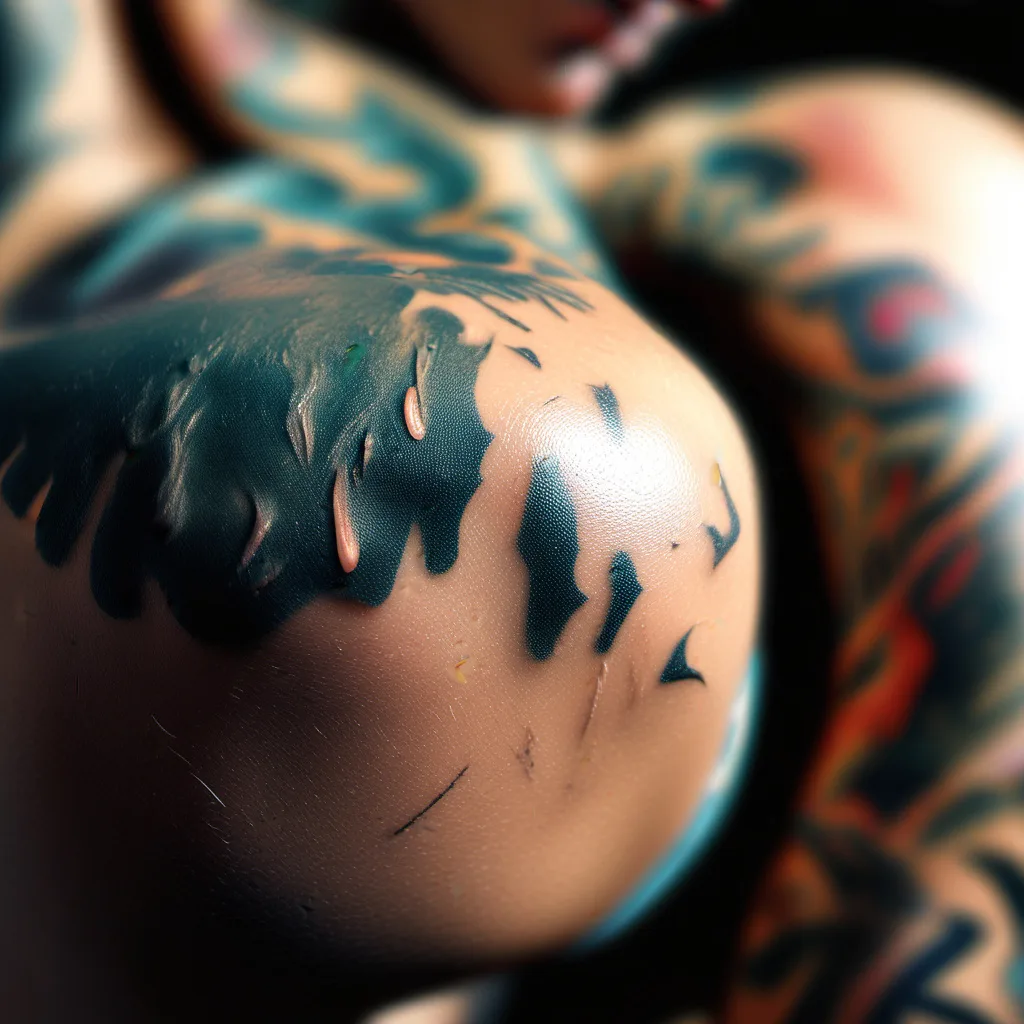
When you first get a tattoo, the excitement is often followed by a careful after‑care routine. Most people know to keep the fresh ink clean, moisturised, and out of direct sunlight. But what about the inevitable sweat that comes with a workout, a hot day, or even a nervous presentation? Does sweat actually damage a tattoo, or is it just another myth in the sea of tattoo‑care advice? In this article we consulted board‑certified dermatologists and seasoned tattoo artists to separate fact from fiction, and we give you clear, actionable steps to protect your ink while staying active.
How Tattoos Heal: The Basics of Ink and Skin
Understanding whether sweat can harm a tattoo starts with the healing process. When a needle deposits pigment into the dermis (the second layer of skin), the body responds like it would to any minor wound: inflammation, clotting, and then tissue regeneration. The first two weeks are critical – the skin forms a thin scab that protects the underlying pigment. After the scab falls off, new epidermal cells continue to grow, and the ink settles permanently in the deeper dermal layer.
Key points to remember:
- The epidermis (outermost layer) is constantly shedding; the pigment stays in the relatively stable dermis.
- During the first 24‑48 hours the tattoo is essentially an open wound.
- Complete healing can take 4‑6 weeks, though the surface may feel normal much sooner.
Any external factor that interferes with this natural cascade – excessive moisture, friction, or harsh chemicals – has the potential to delay healing or affect colour retention.
What Sweat Is Made Of and How It Interacts With Skin
Sweat is primarily water (99%) with small amounts of electrolytes (sodium, potassium, chloride), urea, lactate, and trace minerals. Its primary function is thermoregulation, but it also plays a role in the skin’s microbiome. When sweat reaches the skin surface it evaporates, leaving behind a thin film of salts and proteins.
In a healthy, intact epidermis this salty residue is harmless and is usually wiped away by a towel or shower. However, on a fresh tattoo the same film can:
- Increase local humidity, softening the scab and making it more prone to premature removal.
- Create a slightly acidic environment that may irritate sensitive skin.
- Provide a medium for bacteria if the area is not cleaned promptly.
These effects are most relevant during the first week after inking, when the skin barrier is still compromised.
Common Myths About Sweat and Tattoo Damage
There are three persistent myths you’ll encounter on forums and social media:
- “Sweat will blur the lines of a new tattoo.” In reality, blurring occurs when pigment is lifted out of the dermis – a process more closely linked to improper after‑care (scrubbing, picking) than to sweat alone.
- “You must avoid any exercise for a month.” Moderate activity is usually safe after the initial 24‑48 hour window, provided the tattoo is covered and cleaned afterward.
- “Sweat causes infections in tattoos.” Infections are rare and typically arise from introduced bacteria, not from sweat itself. Proper hygiene mitigates the risk.
Dispelling these myths helps you make informed decisions without unnecessarily limiting your lifestyle.
Expert Opinions: Dermatologists on Sweat and Ink
Dr. Maya Patel, a board‑certified dermatologist who specialises in cosmetic skin procedures, explains: “During the acute phase of tattoo healing, the skin barrier is open. Anything that keeps the area overly moist – including a heavy sweat layer – can slow re‑epithelialisation. The recommendation is to gently pat the area dry and apply a thin layer of fragrance‑free ointment after cleaning. Once the scab has fallen off, normal sweating does not affect pigment stability.”
Dr. Patel also notes that patients with eczema or hyperhidrosis (excessive sweating) should discuss tailored after‑care plans, because their skin may stay moist longer than average.
Expert Opinions: Professional Tattoo Artists on Aftercare and Sweat
James “Ink” Morales, a veteran tattoo artist with 15 years of studio experience, shares his routine: “I always tell clients to keep the fresh tattoo clean and to avoid submerging it in water for the first 48 hours. After that, a light workout is fine as long as they cover the area with a breathable, non‑stick bandage and wash it with mild soap afterward. The biggest mistake I see is letting the tattoo stay damp for hours – that can cause the scab to soften and peel unevenly, which looks like colour loss but is actually surface irritation.”
Morales adds a practical tip for gym‑goers: “Use a clean, cotton‑based headband or wristband to absorb sweat away from the tattoo. It’s cheap, reusable, and keeps the ink from sitting in a salty film for too long.”
Practical Tips to Protect Your Tattoo While Sweating
Below is a step‑by‑step guide you can follow whether you’re hitting the treadmill, hiking a trail, or simply walking in summer heat.
- Wait the first 24‑48 hours. Keep the tattoo uncovered only when you are in a clean environment. During this period, avoid any activity that will cause profuse sweating.
- Use breathable protection. After the initial period, cover the tattoo with a sterile, non‑stick gauze (e.g., Tegaderm) if you anticipate heavy perspiration. The film should be breathable to prevent maceration.
- Pat, don’t rub. After a sweaty session, gently pat the area with a clean towel. Rubbing can lift the scab or irritate the fresh skin.
- Clean promptly. Use lukewarm water and a fragrance‑free, mild liquid soap. Wash for 20‑30 seconds, rinse, and gently blot dry.
- Re‑apply after‑care ointment. Once the skin is dry, apply a thin layer of a recommended ointment (e.g., Aquaphor or a tattoo‑specific product). Avoid thick layers that trap moisture.
- Hydrate your skin. Keeping the overall skin hydrated helps the barrier repair faster. Drink plenty of water and use a fragrance‑free moisturizer on surrounding skin, not directly on the tattoo until it’s fully healed.
- Choose clothing wisely. Tight, synthetic fabrics can trap sweat against the tattoo. Opt for loose, natural fibres like cotton or bamboo during the healing window.
By integrating these steps into your routine, you minimise the chance that sweat will interfere with the healing process.
When to Seek Professional Advice: Signs of Trouble
Most post‑tattoo irritation resolves with proper care, but certain signs warrant a prompt visit to a dermatologist or your tattoo artist:
- Excessive redness or swelling lasting more than 48 hours. A mild pinkness is normal; persistent inflammation may indicate an infection or allergic reaction.
- Yellow or green discharge. Pus is a clear sign of bacterial involvement and should be evaluated.
- Severe itching that leads to scratching. This can remove scabs prematurely and cause pigment loss.
- Unusual colour changes. If the ink appears significantly faded or blotchy within the first week, it may be a reaction to a product rather than sweat.
If any of these symptoms appear, clean the area gently, stop using any topical products, and contact a healthcare professional. Early intervention reduces the risk of scarring and preserves tattoo quality.
Long‑Term Care: Maintaining Tattoo Vibrancy Beyond the Healing Phase
Once the tattoo is fully healed (typically 4‑6 weeks), sweat no longer poses a direct threat to pigment stability. However, long‑term skin health still influences how colours age over years.
- Sun protection. Ultraviolet (UV) radiation breaks down pigment molecules. Apply a broad‑spectrum SPF 30+ sunscreen to the tattoo whenever you’ll be outdoors for more than 15 minutes.
- Moisture balance. Even after healing, extremely dry skin can cause flaking that makes a tattoo look dull. Use a lightweight, fragrance‑free lotion daily.
- Regular gentle exfoliation. Once a week, a mild chemical exfoliant (e.g., lactic acid 5%) can remove dead cells without abrasive scrubbing, helping colours stay crisp.
- Avoid chronic excessive sweating. While not damaging per se, constant high humidity can accelerate skin aging, which indirectly affects tattoo appearance.
- Annual skin checks. A dermatologist can monitor any changes in pigment or skin health, especially for larger pieces that cover extensive areas.
These habits support both your overall skin wellness and the longevity of your artwork.
Sweat‑Rich Zones: How Tattoo Location Influences After‑Care
Not every part of the body sweats at the same rate, and that fact reshapes the after‑care playbook. Areas such as the upper back, shoulders, chest, inner thighs, and the soles of the feet sit directly above dense clusters of eccrine and apocrine glands. When a fresh tattoo lands in one of these “sweat‑rich zones,” the micro‑environment around the ink can change dramatically within minutes of a workout or a hot shower.
Why location matters: The skin on the back and chest is relatively thick, which can tolerate a thin layer of moisture without immediate maceration. In contrast, the inner wrist or the ankle has thinner epidermis and less subcutaneous fat, making the scab more vulnerable to swelling and premature detachment. The soles of the feet experience constant pressure and friction, so sweat combined with shoe movement can act like a slow‑acting sandpaper on the healing surface.
Practical adjustment per zone:
- Upper back & shoulders: After the first 48 hours, a breathable, self‑adhesive film (e.g., a medical‑grade silicone sheet) works well because it shields the tattoo from sweat while allowing oxygen exchange. Replace the film every 12 hours to prevent a humid pocket.
- Inner arm and forearm: These areas are often exposed to the flexion of elbows. Use a thin, moisture‑wicking sleeve made from bamboo‑viscose blend; it pulls sweat away from the skin while staying flexible enough not to pull at the scab.
- Chest and abdomen: Heat from core muscles during cardio can cause deep‑seated perspiration that seeps through clothing. A loose, cotton‑linen undershirt that can be swapped mid‑session reduces the risk of a saturated fabric sitting against the ink.
- Inner thigh and groin: Friction from clothing seams is a hidden hazard. Apply a hypoallergenic, non‑stick dressing (e.g., a silicone gel pad) before slipping into breathable athletic shorts. The pad should be trimmed to avoid covering too much surrounding skin, which could trap sweat.
- Ankles and feet: For tattoos on the ankle or foot, consider a waterproof, low‑adhesive bandage that can be removed for a quick rinse after a run. Follow with a light dab of a petroleum‑free ointment; the extra barrier prevents shoe‑induced abrasion.
These location‑specific tactics keep the delicate balance between moisture control and oxygen flow, two variables that are often at odds in the healing process.
Ink Chemistry Meets Perspiration: Color Stability Across Different Pigments
Ink is not a monolithic substance; it is a cocktail of metallic salts, organic dyes, and carrier fluids. Each pigment reacts uniquely to the salty residue left by sweat. Understanding these reactions helps you anticipate which colors might need extra vigilance during the first week.
Black and gray inks are typically carbon‑based or iron oxide based. They are chemically inert to sodium chloride, meaning the salt film from sweat does not cause immediate fading. However, black ink can appear dull if the scab swells and lifts, exposing a thin layer of epidermis that scatters light.
Red pigments (often derived from cinnabar or azo compounds) are more reactive. High salt concentrations can accelerate the breakdown of certain organic reds, leading to a subtle shift toward orange if the area stays moist for more than 12 hours. Artists often advise a slightly longer “dry‑cover” period for fresh reds placed on the forearm or calf.
Blue and green inks usually contain copper‑based complexes. Copper is susceptible to oxidation, and sweat’s slightly acidic pH can catalyze this process. The result is a faint desaturation that becomes noticeable once the tattoo is fully healed. To mitigate, use a pH‑balanced after‑care lotion (pH 5.5‑6.0) that neutralizes the acidic environment.
UV‑reactive inks (the inks that glow under black light) contain fluorescent organic compounds. These are the most moisture‑sensitive because the fluorophores can leach out of the dermal matrix if the scab remains overly hydrated. A practical rule: keep UV‑ink tattoos completely dry for at least 10 days, and avoid prolonged exposure to steam rooms.
When you know the pigment composition of your tattoo, you can tailor the after‑care schedule. For example, a client with a multicolored sleeve that includes a lot of red and UV‑reactive spots might be instructed to keep the entire arm covered with a breathable film for the first 72 hours, then switch to a light cotton wrap for the next 48 hours before returning to normal routine.
Athlete‑Focused Strategies: Integrating Tattoo Care into High‑Intensity Training
Competitive athletes and weekend warriors alike often wonder whether a new tattoo will compromise performance or vice‑versa. The answer hinges on timing, equipment, and post‑session hygiene.
Timing the ink: If you know a major tournament or marathon is on the horizon, aim to get the tattoo at least six weeks before the event. This window allows the dermal remodeling phase to settle, reducing the chance that sweat‑induced maceration will interfere with the final pigment lock‑in.
Equipment modifications:
- Weight‑lifting belts and wrist wraps: These items press directly against the skin. For a fresh tattoo on the lower back, use a silicone‑lined belt that creates a barrier without sticking to the scab.
- Running shoes: Moisture‑wicking insoles (e.g., charcoal‑infused) pull sweat away from the foot, keeping a tattoo on the arch drier than it would be with standard foam insoles.
- Cycling shorts: Choose a pair with a built‑in chamois that is removable and washable. A fresh chamois can be swapped after each ride to prevent a salty film from lingering on a thigh tattoo.
Post‑session protocol for athletes:
- Immediately after the workout, remove any compression gear that is in contact with the tattoo.
- Take a lukewarm shower (no hotter than 38 °C) and use a fragrance‑free, antimicrobial liquid soap. Focus on the tattooed area for 30 seconds, then rinse thoroughly.
- Pat the area dry with a disposable, lint‑free wipe. Avoid using a shared towel that may harbor gym‑borne bacteria.
- Apply a thin layer of a silicone‑based gel (e.g., a tattoo‑specific silicone ointment). Silicone creates a semi‑occlusive layer that repels sweat while still allowing vapor transmission.
- Re‑dress with a breathable, antimicrobial dressing if the next training session is within two hours.
Case study: A 28‑year‑old CrossFit athlete received a 12 inch forearm piece 10 days before a regional competition. By using a silicone‑gel dressing during the first 48 hours, then switching to a lightweight cotton arm sleeve for the remaining sessions, the athlete reported no scab softening, no colour loss, and completed the competition without any skin irritation.
Climate Considerations: Managing Tattoos in Humid vs. Arid Environments
Geography adds a hidden layer of complexity to tattoo after‑care. Humidity, temperature swings, and air quality can each influence how sweat behaves on healing skin.
High‑humidity climates (e.g., tropical coasts, rainforests):
- Ambient moisture can keep the skin surface wet for hours after sweating stops, extending the maceration window.
- To counteract, schedule a “dry‑reset” every 4‑6 hours: remove any covering, gently pat the tattoo dry, and re‑apply a thin ointment before resealing.
- Consider using a portable, battery‑powered dehumidifier in your bedroom during the first two weeks. Even a modest reduction from 85 % to 60 % relative humidity can halve the time the scab stays hydrated.
Arid climates (e.g., desert cities, high‑altitude regions):
- Low humidity accelerates transepidermal water loss, which can cause the scab to dry out and crack, creating tiny fissures that act like entry points for bacteria.
- Combat this by applying a slightly richer emollient (e.g., a shea‑butter‑based cream) every 8 hours, focusing on the perimeter of the tattoo where the skin is most prone to cracking.
- When training outdoors, wear a wide‑brimmed hat or a UV‑protective neck gaiter to reduce both sun exposure and wind‑driven drying.
Temperature extremes also affect sweat composition. In hot environments, sweat becomes more dilute, while in cooler, high‑altitude settings it concentrates with higher salt content. This means that in a mountain resort, a tattoo may be exposed to a more corrosive salty film even with modest perspiration. A quick rinse with lukewarm water after a ski day can neutralize the concentrated salts.
By aligning your after‑care routine with the climate you live in, you can pre‑empt the most common moisture‑related pitfalls.
Medical Conditions and Medications: Tailoring Sweat Management for Sensitive Skin
Underlying health issues can turn a routine after‑care plan into a high‑stakes operation. Below are three common scenarios where sweat management needs a bespoke approach.
1. Diabetes mellitus: Elevated blood glucose impairs wound healing by reducing collagen synthesis and impairing neutrophil function. For a diabetic client, the scab may take longer to mature, meaning it remains vulnerable to maceration for up to 14 days. Recommendations:
- Extend the breathable‑film phase by an extra 48 hours beyond the usual schedule.
- Use a glucose‑monitoring schedule that includes a post‑exercise reading; hyperglycemia after a workout can exacerbate inflammation.
- Apply a silver‑nanoparticle‑infused ointment (prescribed by a dermatologist) that offers antimicrobial protection without the dryness of alcohol‑based products.
2. Autoimmune skin disorders (e.g., psoriasis, vitiligo): These conditions often involve an overactive immune response that can cause the scab to lift prematurely or trigger a Koebner phenomenon, where new lesions appear at sites of trauma. For tattoos placed on a psoriasis‑prone area:
- Delay the tattoo placement until the skin has been stable for at least three months.
- After the tattoo, keep the area covered with a non‑adhesive silicone sheet for the first week, then transition to a hydrocolloid dressing that maintains a moist but not wet environment.
- Coordinate with a dermatologist to possibly prescribe a low‑dose topical calcineurin inhibitor (e.g., tacrolimus) around the tattoo periphery to dampen the immune flare.
3. Medications that affect sweating or skin integrity:
- Beta‑blockers can reduce sweat output, leading to a drier healing surface. Paradoxically, the lack of moisture may cause the scab to become brittle. Counteract with a light, fragrance‑free moisturizer applied twice daily.
- Systemic steroids delay collagen formation, extending the window during which sweat can cause maceration. In this case, use a breathable, semi‑occlusive dressing for the full 10‑day period and avoid any high‑intensity activity for the first week.
- Anticholinergic drugs (used for overactive bladder) reduce sweat, which can be beneficial for tattoo healing but may lead to increased skin temperature. Keep the tattooed area slightly cooler with a fan or cool compresses.
Each medical scenario requires a dialogue between the tattoo artist, the client, and a healthcare professional. Documenting the chosen after‑care modifications in a written plan helps ensure consistency across all parties.
Post‑Healing Maintenance: Preventing Long‑Term Sweat‑Related Discoloration
Even after the scab has fallen off and the epidermis looks normal, the dermal matrix continues to remodel for months. During this phase, sweat can still influence the visual uniformity of the tattoo, especially in high‑frequency sweat zones.
1. Periodic “sweat‑reset” sessions: Every 2‑3 months, schedule a short routine where you gently cleanse the tattoo with a pH‑balanced cleanser, pat dry, and apply a thin layer of a silicone‑gel barrier. This practice removes any accumulated salt crystals that may have settled into the superficial dermis over time.
2. Targeted moisturisation: Use a moisturizer that contains ceramides and hyaluronic acid. Ceramides rebuild the lipid barrier, while hyaluronic acid attracts water without over‑hydrating the area. Apply only to the tattooed skin, avoiding surrounding areas that could trap sweat against the ink.
3. Sweat‑resistant sunscreen formulations: Traditional sunscreens can melt into sweat, creating a greasy film that obscures colour. Look for mineral‑based (zinc oxide or titanium dioxide) sunscreens labeled “sweat‑resistant” or “sport‑grade.” Reapply every 80 minutes during intense activity, not just every two hours.
4. Light‑exercise conditioning: Low‑impact activities such as yoga or pilates generate less sweat but keep circulation high, which supports collagen turnover. Incorporating these sessions on days when the tattoo feels slightly itchy can reduce the urge to scratch, preserving pigment.
5. Monitoring for subtle colour shift: After the first year, some clients notice a faint “salt‑line” along the edges of a large piece, especially if the tattoo spans the back or chest where sweat accumulates. This line is a thin band of slightly desiccated dermis. A quick corrective step involves a professional touch‑up with a diluted pigment to blend the line back into the surrounding area.
6. Lifestyle adjustments for chronic hyperhidrosis: For individuals who sweat profusely year‑round, consider clinical interventions such as botulinum toxin injections in the affected area. While this is a medical decision, reducing sweat output can dramatically improve long‑term tattoo vibrancy.
By integrating these maintenance habits into a regular skin‑care schedule, you safeguard the artwork against the slow, cumulative effects of sweat that can otherwise become noticeable only after many years.
FAQ
1. Can a single intense workout ruin a fresh tattoo?
It won’t “ruin” the tattoo if you follow the after‑care steps: cover the area, wipe away sweat promptly, and re‑apply ointment. The biggest risk is allowing the tattoo to stay damp for an extended period, which can soften the scab and cause uneven peeling.
2. Should I avoid sauna or steam rooms while my tattoo heals?
Yes. The high humidity and heat keep the skin moist for longer than normal sweating, which can delay the formation of a stable scab. Wait until the scab has naturally fallen off (usually after 7‑10 days) before using these facilities.
3. I have hyperhidrosis. Does that mean I can’t get a tattoo?
Not necessarily. People with excessive sweating can still get tattoos, but they should discuss a customised after‑care plan with both their tattoo artist and dermatologist. Options may include longer periods of breathable covering and more frequent cleaning.
4. Is it safe to apply an alcohol‑based sanitizer on a sweaty tattoo?
Alcohol can be overly drying and may irritate the healing skin. Use a mild soap and water instead; if you need an antiseptic, choose a fragrance‑free, non‑alcoholic option recommended by a healthcare professional.
5. Will sweat affect the colour of a healed tattoo?
Once fully healed, normal perspiration does not alter pigment. Long‑term colour fading is primarily driven by UV exposure, skin aging, and lifestyle factors like smoking, not by sweat.
Related posts:
 Proper Order of Skincare Application
 Understanding Tattoo Pain Levels
 Understanding Made-to-Fade Tattoos
 Vaseline Benefits: The Ultimate Skin Care Secret
 The Slow Beauty Movement’s Secret Hydration Recipes
 Get Inked in Style: Top Tips for Finding Your Perfect Tattoo Artist
 Foundation’s Impact on Skin
 Microshading helped me feel more confident without having to fill in my sparse eyebrows daily