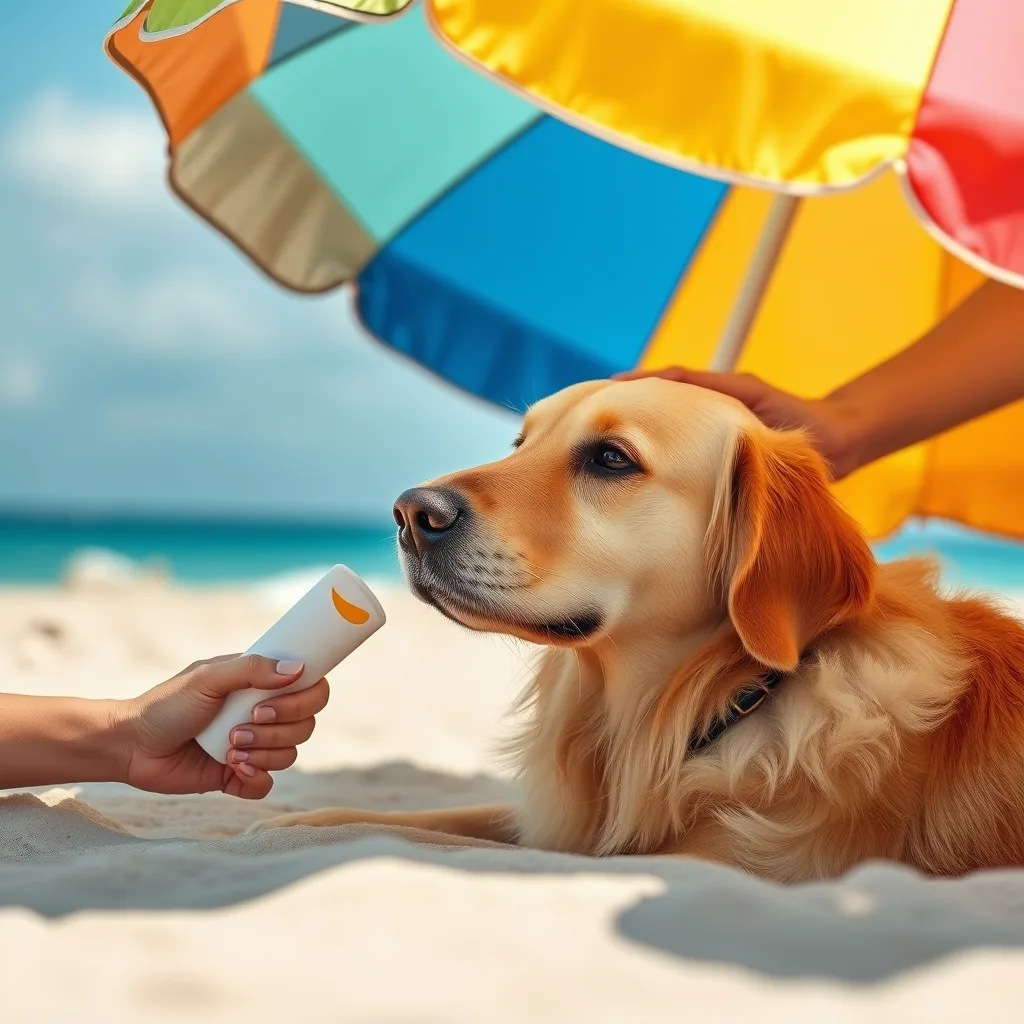
When you think about protecting yourself from the sun, sunscreen, hats, and shade are the first things that come to mind. Many pet owners overlook the fact that their four‑legged companions are equally vulnerable to ultraviolet (UV) radiation. Yes, your dog can get sunburned, and the consequences can range from uncomfortable redness to serious skin damage. This article explains why dogs get sunburned, which dogs are at highest risk, how to recognize the early signs, and most importantly, how to keep your pup safe while still enjoying sunny days together.
Key takeaways
- Schedule outdoor exercise during cooler early morning or late evening hours to avoid peak UV intensity.
- Apply pet-specific, broad-spectrum sunscreen to vulnerable areas like the nose, ears, and belly 15 minutes before sun exposure.
- Use protective clothing, such as sun shirts, and provide portable shade like umbrellas or tents at parks and beaches.
- Monitor your dog for redness, swelling, or excessive scratching and consult a veterinarian if blisters or open sores appear.
Understanding Sunburn in Dogs
Sunburn is an inflammatory response of the skin to excessive UV exposure. In dogs, the condition manifests as erythema (redness), swelling, and in severe cases, blistering or ulceration. The underlying mechanism mirrors that in humans: UVB rays damage the DNA of skin cells, prompting an immune response that leads to the characteristic redness and pain.
While dogs have fur that provides a natural barrier, the protection is not uniform. Areas with thin or no hair—such as the nose, ears, belly, and around the eyes—receive the most direct exposure. Moreover, dogs with light‑colored or thin coats have less melanin, the pigment that absorbs UV radiation, making them more prone to burns.
Which Breeds Are Most Susceptible
Not all dogs face the same level of risk. Certain breeds and coat types make sunburn more likely:
- Light‑colored breeds: Dalmatians, Boxers, and Greyhounds often have thin, short coats that offer limited UV shielding.
- Hairless or partially hairless dogs: Chinese Crested, Xoloitzcuintli (Mexican Hairless), and some Terrier varieties expose large skin surfaces.
- Dogs with thin fur on the ears and face: French Bulldogs, Pugs, and Boston Terriers have prominent ears and facial skin that can burn quickly.
- Senior dogs: Aging reduces skin elasticity and the ability to repair UV damage, increasing susceptibility.
Even if your dog does not belong to one of these categories, it can still develop sunburn if it spends prolonged periods in direct sunlight.
Signs Your Dog Is Getting Sunburned
Detecting sunburn early can prevent more serious complications. Look for the following indicators after your dog has been outdoors for an extended time:
- Redness or pinkness on the nose, ears, or belly.
- Swelling or puffiness, especially around the eyes.
- Dry, flaky skin that may peel like sunburned human skin.
- Excessive licking or scratching of the affected area.
- Signs of pain, such as whimpering when the area is touched.
- In severe cases, blister formation or open sores.
If you notice any of these symptoms, move your dog to a shaded area immediately, apply cool (not icy) compresses, and consider contacting your veterinarian.
How UV Rays Affect Canine Skin
UV radiation is divided into three bands: UVA, UVB, and UVC. The Earth’s atmosphere blocks most UVC, while UVA and UVB reach the surface. UVA penetrates deeper into the dermis, contributing to premature skin aging, while UVB primarily damages the epidermis, causing the acute redness of sunburn.
In dogs, repeated UV exposure can lead to chronic changes, such as:
- Hyperpigmentation (darkening) or hypopigmentation (lightening) of the skin.
- Development of actinic keratoses—precancerous lesions that may evolve into squamous cell carcinoma, especially on the nose and eyelids.
- Accelerated loss of fur in the affected area.
Because dogs cannot verbalize discomfort, owners must rely on visual cues and preventive habits.
Everyday Prevention Strategies
Keeping your dog safe from sunburn does not require a radical lifestyle change. Simple, consistent habits can dramatically reduce risk:
- Schedule walks during cooler hours: Aim for early morning or late evening when UV intensity is lowest (generally before 10 a.m. and after 4 p.m.).
- Provide ample shade: When you’re at the park or beach, bring a portable canopy or set up a pop‑up tent. Even a large beach umbrella can protect a lounging dog.
- Use protective clothing: Dog‑specific sun shirts, lightweight rash guards, or even a simple t‑shirt can shield vulnerable skin without overheating.
- Apply pet‑safe sunscreen: Choose a broad‑spectrum sunscreen formulated for animals (see the next section for product tips). Apply a thin layer to the nose, ears, and any exposed skin 15–30 minutes before heading outside.
- Limit time on reflective surfaces: Sand, water, and concrete reflect UV rays, intensifying exposure. Keep beach play sessions short and alternate with shaded rest periods.
- Hydrate regularly: Adequate water intake helps maintain skin elasticity and supports the body’s natural repair processes.
By integrating these steps into your routine, you can enjoy outdoor activities without compromising your dog’s skin health.
Choosing the Right Sun Protection Products
Not all sunscreens are safe for dogs. Human formulations often contain ingredients like zinc oxide, parabens, or essential oils that can be toxic if ingested or cause skin irritation.
When selecting a product, consider the following criteria:
- Broad‑spectrum protection: The label should indicate protection against both UVA and UVB rays.
- Pet‑specific formulation: Look for “for dogs,” “pet‑safe,” or “veterinarian‑recommended” on the packaging.
- Non‑greasy, quick‑dry texture: Dogs dislike sticky residues that can mat fur.
- Re‑application guidelines: Most sunscreens need re‑application every 2–3 hours, especially after swimming or heavy sweating.
Popular, vet‑approved options include:
- Petkin Natural Sunscreen Spray – a zinc‑oxide based spray that is water‑resistant for up to 80 minutes.
- Doggles Sunblock Lotion – a fragrance‑free lotion with SPF 30, ideal for noses and paw pads.
- All‑Paws SPF 15 Spray – a lightweight mist that works well on short‑haired breeds.
Always perform a patch test on a small area of skin before full application. If redness or itching develops, discontinue use and consult your veterinarian.
Safe Outdoor Practices for Dogs
Beyond sunscreen, adopting a holistic approach to outdoor safety protects your dog’s skin and overall well‑being:
- Use a dog‑friendly beach mat: A UV‑reflective mat keeps your dog off hot sand, reducing both burn risk and paw pad injuries.
- Monitor temperature: If the ground feels too hot for a bare human foot, it’s likely scorching for your dog’s paws.
- Carry a canine first‑aid kit: Include sterile gauze, a mild antiseptic, and a cooling gel (e.g., aloe‑based, pet‑safe) for immediate treatment of minor burns.
- Gradual acclimation: If your dog is new to sunny environments, start with short, shaded sessions and slowly increase exposure time.
- Mind the wind: A gentle breeze can help evaporate sweat and keep the skin cooler, but strong winds may increase the risk of sand or debris irritating the skin.
These practices complement sunscreen use and help prevent both acute and chronic skin issues.
When to Seek Veterinary Care
Most mild sunburns can be managed at home, but certain situations warrant professional evaluation:
- Blistering or open sores that bleed or ooze.
- Severe swelling around the eyes or nose that impairs vision or breathing.
- Signs of infection—redness spreading, pus, or an unpleasant odor.
- Persistent licking or chewing of the burned area despite your attempts to distract the dog.
- Any indication that your dog is in significant pain (whimpering, reluctance to move, or guarding the area).
A veterinarian may prescribe topical antibiotics, pain relievers, or a protective bandage. In rare cases where chronic UV exposure has led to precancerous lesions, a biopsy and surgical removal may be recommended.
Assessing the UV Index for Dogs
While most pet owners rely on intuition—”it feels hot, so I’ll keep my dog in the shade”—the science of ultraviolet radiation offers a more precise way to gauge risk. The UV Index (UVI) is a standardized scale ranging from 0 (no UV) to 11+ (extreme). In human dermatology, a UVI of 3 or higher is considered a threshold for sunscreen use; for dogs, the threshold is slightly lower because many breeds lack the protective melanin that humans possess. A practical rule of thumb is to treat any UVI of 2 or above as a signal to begin protective measures for vulnerable canines.
Several free smartphone apps (e.g., UVLens, WeatherBug, or the National Weather Service’s own portal) provide real‑time UVI readings based on your GPS location. When planning a day out, check the forecast an hour before departure and note the predicted peak UVI. If the forecast lists a peak of 5, plan walks for early morning or late afternoon, and be prepared to apply a pet‑safe sunscreen to exposed skin before the sun reaches its apex.
For owners who prefer a low‑tech approach, a simple visual cue works: if the shadow cast by a vertical object (like a fence post) is shorter than the object itself, the UVI is likely 3 or higher. However, this method does not account for reflective surfaces, which can amplify UV exposure even when the direct sun is weak. In mountainous regions or at high altitudes, the atmosphere is thinner, allowing roughly 10‑15% more UV radiation per 1,000 feet of elevation. Adjust your protective plan accordingly; a UVI of 2 at sea level may feel like a UVI of 3 at 5,000 feet.
Another useful metric is the Sun Protection Factor (SPF) recommendation for dogs. While SPF labels are designed for humans, the underlying principle—how long a skin surface can stay in the sun before burning—applies to dogs as well. If the UVI is 4, a sunscreen with SPF 15 theoretically allows a dog to stay in the sun 15 times longer than without protection. In practice, you should still limit exposure to short intervals and reapply every 2–3 hours, especially after swimming or heavy panting.
Finally, consider the time of day in relation to the dog’s routine. Many working dogs are accustomed to a mid‑day walk; shifting that walk to 8 a.m. or 6 p.m. can reduce UV exposure by up to 70% while still meeting exercise needs. By integrating UVI checks into your pre‑outdoor checklist, you transform a vague sense of “hot” into a concrete, repeatable safety protocol.
Seasonal & Geographic Factors That Influence Canine Sun Exposure
Sunburn is not a summer‑only problem. In high‑latitude locations, winter sunlight can be deceptively strong because the angle of the sun is lower, but snow acts as a perfect reflector, bouncing up to 80% of UV rays back toward the ground. This phenomenon, known as “albedo,” means that a dog playing in a snowfield can receive as much UV radiation as it would on a sunny beach. To protect a sled dog or a winter‑hiking companion, apply sunscreen to the nose, ears, and paw pads before heading out, and bring a portable shade tent even on clear, cold days.
Conversely, in tropical regions near the equator, UV intensity remains high year‑round, and the distinction between “summer” and “winter” blurs. In these zones, the daily UVI often exceeds 8, and protective measures become a daily habit rather than a seasonal precaution. For owners living in such climates, investing in a lightweight, breathable sun shirt for the dog is worthwhile, as it can be worn year‑round without causing overheating.
Altitude is another geographic variable. For every 1,000 feet of elevation gain, UV radiation increases by roughly 10–12%. A dog that spends weekends at a mountain cabin at 7,000 feet will experience UV levels comparable to a sea‑level location with a UVI two points higher. This is why many mountain‑area veterinarians recommend SPF 30 or higher for dogs that frequent alpine trails.
Urban environments introduce reflective surfaces such as glass windows, metal rooftops, and concrete. While these materials do not reflect UV as efficiently as water or snow, they can still increase exposure by 10–20% when a dog is walking along a paved promenade. If you frequent city parks with large glass pavilions or metal sculptures, be mindful of the additional reflected UV and consider brief shade breaks every 20–30 minutes.
Lastly, humidity and cloud cover play nuanced roles. Thin, high clouds can actually increase UV exposure by scattering rays, a phenomenon known as “cloud enhancement.” A partly cloudy day with a UVI of 5 may feel milder than a clear day, but the UV dose can be comparable. Therefore, never rely solely on visual cues like cloudiness; always verify the UVI reading.
DIY Pet‑Safe Sunscreen Recipes and Their Proper Use
Commercial pet sunscreens are convenient, but they can be pricey for owners who need to treat multiple dogs or who prefer a natural approach. A well‑formulated homemade sunscreen can be just as effective when prepared with safe, non‑toxic ingredients. Below is a tested, veterinarian‑approved recipe that provides broad‑spectrum protection without the risk of harmful additives.
- Ingredients:
- 1/4 cup zinc oxide (non‑nano, uncoated) – the active UV‑blocking agent.
- 2 tablespoons coconut oil – serves as a carrier and offers mild moisturizing properties.
- 1 tablespoon sheep’s milk powder – adds a soothing, skin‑friendly base.
- 5 drops lavender essential oil (optional, for scent) – use sparingly, as some dogs are sensitive.
- Procedure:
- In a double‑boiler, melt the coconut oil until fully liquid.
- Stir in the zinc oxide powder slowly, ensuring no clumps form. The mixture should turn a milky white color.
- Add the sheep’s milk powder and continue stirring until the texture is smooth and spreadable.
- If using lavender oil, add it now and mix thoroughly.
- Transfer the blend to a clean, airtight glass jar. Store in a cool, dark place; the product remains stable for up to three months.
- Application Guidelines:
- Apply a thin layer to the dog’s nose, ears, and any exposed skin 15 minutes before sun exposure.
- Reapply every 2–3 hours, or after swimming or heavy panting.
- Perform a patch test on a small area of skin 24 hours before full use; if redness or itching occurs, discontinue the recipe.
Edge Cases: Dogs with a history of zinc sensitivity should avoid this recipe and rely on a commercial, zinc‑oxide‑free formulation. Similarly, puppies under eight weeks of age have thinner skin barriers and may absorb topical agents more readily; consult a veterinarian before applying any sunscreen, homemade or commercial.
While DIY sunscreens can be cost‑effective, they lack the rigorous testing and SPF labeling required for precise protection. Use them as a supplemental measure when commercial options are unavailable, and always pair them with shade, clothing, and limited exposure.
Managing Sun Exposure for Dogs with Medical Conditions
Some dogs have underlying health issues that amplify the dangers of UV radiation. Understanding these conditions helps owners tailor a sun‑protection plan that goes beyond the generic advice covered earlier.
- Photosensitivity from Medications: Certain drugs—such as phenothiazine‑based anti‑itch medications, tetracycline antibiotics, and some chemotherapy agents—can make a dog’s skin unusually sensitive to UV light. Owners should check the medication leaflet for “photosensitivity” warnings and, if present, treat the dog as if it were at a higher UVI threshold (e.g., consider any UVI above 1 as risky). In such cases, a full‑body sun shirt and a higher SPF sunscreen (SPF 30‑50) are advisable.
- Atopic Dermatitis and Allergic Skin: Dogs with chronic skin inflammation often have compromised barrier function, making them more prone to burns and secondary infections. Use fragrance‑free, hypoallergenic sunscreens and avoid products containing essential oils unless specifically labeled as safe for allergic dogs.
- Pre‑Existing Skin Cancer or Precancerous Lesions: For dogs that have previously been diagnosed with squamous cell carcinoma or actinic keratoses, UV protection becomes a lifelong necessity. In addition to daily sunscreen, schedule regular veterinary skin checks and consider protective garments that cover the entire torso, not just the typical “hot spots.”
- Post‑Surgical Recovery: After surgeries involving skin flaps or grafts—particularly on the limbs, ears, or abdomen—the new tissue is extremely vulnerable. Keep the dog indoors or in a shaded enclosure for at least two weeks, and use a breathable, waterproof bandage that also blocks UV rays. Some veterinary clinics provide UV‑blocking dressings specifically for post‑op care.
- Autoimmune Disorders (e.g., Lupus): Autoimmune skin diseases can cause heightened sensitivity to environmental triggers, including UV light. Dogs with lupus should have a strict sun‑avoidance regimen, similar to human patients, with indoor play, UV‑blocking clothing, and daily sunscreen applications.
Practical Example: Bella, a 7‑year‑old Boxer on phenobarbital for seizure control, began developing red patches on her nose after summer walks. Her veterinarian identified medication‑induced photosensitivity and recommended a pet‑specific SPF 40 sunscreen, a lightweight UV‑blocking vest, and a strict schedule of walks before 9 a.m. Within two weeks, the redness subsided, illustrating how condition‑specific adjustments can prevent a minor burn from becoming a chronic issue.
Key Takeaway: Always consult your veterinarian when your dog is on medication, has a chronic skin condition, or has a history of skin cancer. A personalized sun‑safety plan can be the difference between a brief discomfort and a serious health complication.
Behavioral Training to Encourage Shade‑Seeking and Self‑Protection
Even the best‑planned sunscreen routine can fail if a dog repeatedly darts into direct sunlight out of excitement or instinct. Teaching a dog to recognize and move toward shade on its own adds a layer of autonomous protection that works especially well during long hikes or beach trips where owners may be occupied.
Step‑by‑Step Training Protocol:
- Introduce the Cue: Choose a simple verbal cue such as “shade” or “cool”. While the dog is on a leash in a sunny, open area, point to a nearby shaded spot (under a tree, a canopy, or a portable tent) and say the cue. When the dog moves toward the shade, reward immediately with a high‑value treat and enthusiastic praise.
- Reinforce Consistency: Repeat the cue‑and‑reward sequence multiple times in the same location until the dog begins to associate the word with the action of seeking shade, even without a treat present.
- Generalize the Behavior: Practice in varied environments—parks, beaches, hiking trails—using the same cue. If the dog hesitates, gently guide it toward the nearest shade while maintaining the cue. Over time, the dog will learn that “shade” means any cool, protected area, not a specific tree.
- Incorporate a Physical Marker: Some owners find success using a brightly colored bandana tied to a portable shade pole. When the bandana is visible, the dog learns to associate the visual marker with a safe spot.
- Fade Out Treats Gradually: Transition from food rewards to verbal praise and petting. This ensures the behavior persists even when treats are not available, such as during a spontaneous beach romp.
Edge Cases: Dogs with a high prey drive may ignore shade cues if a squirrel or rabbit is in sight. In these scenarios, combine the shade cue with a short “leave it” command to break the focus on the prey and redirect attention to the protected area.
Training Tips for Specific Breeds:
- Short‑haired breeds (e.g., Greyhounds): They often seek cooler ground, so pair the shade cue with a command to lie down on a cool mat.
- Hairless breeds (e.g., Xoloitzcuintli): Use a lightweight, breathable blanket as a portable shade; train the dog to crawl onto it on cue.
- Senior dogs: Their mobility may be limited, so place shade structures within a short radius of their usual walking path and use a gentle leash tug to guide them.
By embedding shade‑seeking into a dog’s repertoire, owners reduce reliance on constant monitoring and create a self‑regulating safety net, especially during long outdoor excursions.
Travel and Outdoor Adventures: Sun Protection on the Road
Family vacations, weekend camping trips, and road‑trip roadways introduce new variables that can increase a dog’s UV exposure. A comprehensive travel checklist ensures that sun protection remains consistent, regardless of the destination.
Pre‑Trip Planning:
- Research the destination’s UV Index for the dates of travel using a reliable weather service. High‑altitude mountain resorts, desert parks, and coastal beaches often have elevated UV levels.
- Pack a dedicated “sun‑safety kit” that includes pet‑specific sunscreen, a foldable UV‑blocking sun shirt, a portable shade tent, and a cooling gel for emergency relief.
- Identify shade‑rich rest stops along your route. Many state parks have picnic shelters that can double as temporary shade for your dog.
In‑Vehicle Protection: While the car’s windows filter some UV radiation, they do not block all UVB rays. If your dog rides in the back seat, consider using a UV‑blocking window film or a reflective sunshade. Keep the interior temperature below 85°F (29°C) to prevent overheating, which can exacerbate skin irritation.
On‑Site Sun Management:
- Camping: Set up a canopy or tarp with a reflective underside to create a cool zone. Ground‑level UV can be intense on sand or gravel, so place a UV‑reflective mat under the dog’s sleeping pad.
- Hiking: Apply sunscreen to vulnerable areas before the trail, and bring a small spray bottle for re‑application at rest points. Use a lightweight, breathable gaiter that covers the front legs and paws, shielding them from reflected sunlight off rocks.
- Boating: Water reflects up to 80% of UV rays. Provide a shaded deck area or a UV‑blocking canopy, and apply a water‑resistant sunscreen that stays effective for at least 80 minutes of exposure.
Emergency Measures: If you notice signs of sunburn while away from home—redness, swelling, or a dog licking a particular spot—immediately move the animal to shade, apply a cool compress, and use a pet‑safe aloe‑based gel to soothe the skin. Keep a small first‑aid kit with sterile gauze and an antibiotic ointment in case minor abrasions develop.
Case Study: Max, a 4‑year‑old French Bulldog, accompanied his owners on a week‑long coastal road trip. The family used a portable UV‑blocking tent at each beach stop, applied a broad‑spectrum SPF 30 sunscreen to his nose and ears each morning, and re‑applied after every swim. They also equipped the car with a UV‑filter film on the rear windows. By the end of the trip, Max showed no signs of sunburn, demonstrating how a systematic, travel‑focused approach can maintain skin health even in high‑UV environments.
In summary, integrating sun protection into travel logistics—through research, packing, vehicle modifications, and on‑site strategies—ensures that adventure and skin safety go hand in hand for every canine companion.
FAQ
Q1: Can I use regular human sunscreen on my dog?
A: Generally, no. Human sunscreens often contain ingredients that are unsafe if licked or ingested. Choose a product specifically labeled as pet‑safe or consult your veterinarian for a recommendation.
Q2: How often should I reapply sunscreen on my dog?
A: Reapply every 2–3 hours, especially after swimming, shaking off water, or heavy sweating. Some products list a longer interval; always follow the manufacturer’s guidance.
Q3: Is a tan on a dog a sign of a sunburn?
A: A tan can indicate increased melanin production as a protective response, but it does not guarantee safety. Even a tanned dog can develop sunburn on thin‑skinned areas. Monitor for redness and discomfort regardless of coat color.
Q4: Do indoor dogs need sunscreen?
A: Typically, indoor dogs are not at risk unless they are taken outside for extended periods in direct sunlight. If you plan a beach day, hike, or long walk, apply sunscreen to vulnerable spots before heading out.
Q5: Can sunburn lead to skin cancer in dogs?
A: Chronic UV exposure can increase the risk of certain skin cancers, such as squamous cell carcinoma, especially on the nose, eyelids, and ears. Regular skin checks and preventive measures are the best defense.
Related posts:
 The Best Sunscreens for Sensitive Skin, According to Dermatologists
 Trader Joe’s Sunscreen Review
 Paws and Wellness: Meet Instagram’s Healthiest and Cutest Canine Influencers
 UV Index Tracking with Apple Watch
 Natural Face Sunscreens Guide
 Stylish Dog Beds That Won’t Ruin Your Home Decor
 Luxury Hotels That Pamper Your Pet as Much as They Pamper You
 Dog Food Rotation Guide