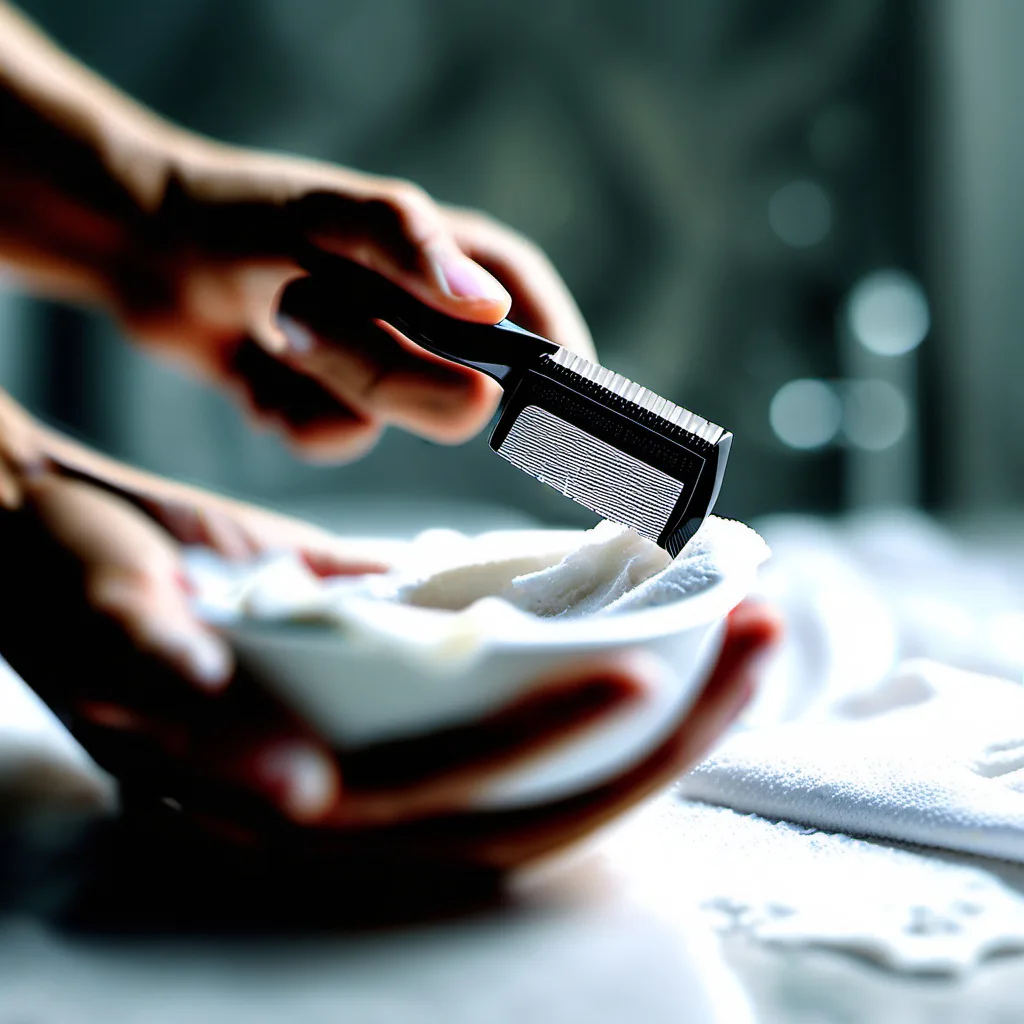
Deciding how to manage pubic hair is a deeply personal choice. Whether you prefer to go completely bare, keep things neatly trimmed, or embrace a natural look, the priority should always be the health and comfort of your skin. The pelvic region is home to some of the most sensitive skin on the body, featuring a high density of nerve endings and a unique microbiome. Because of this sensitivity, improper hair removal techniques can lead to a host of uncomfortable issues, including razor burn, painful ingrown hairs, folliculitis, and even minor infections.
Key takeaways
- Shave in the direction of hair growth using a sharp, clean razor to minimize irritation and ingrown hairs.
- Soften hair with a warm bath for ten minutes and gently exfoliate before starting any hair removal process.
- Avoid using depilatory creams or chemical exfoliants on mucosal tissue or the inner labia to prevent chemical burns.
- Apply fragrance-free moisturizer and wear breathable cotton underwear after grooming to protect the sensitive skin barrier.
- Use salicylic acid to clear follicles or warm compresses to treat existing ingrown hairs without picking the skin.
This guide is designed to navigate the various methods of pubic hair removal with compassion and accuracy. We will explore the pros and cons of each approach, provide step-by-step instructions for the best results, and offer expert advice on maintaining skin integrity. By understanding the science of hair growth and the needs of your skin, you can make informed decisions that leave you feeling confident and comfortable in your own body.
The Anatomy of Pubic Hair and Skin
Before diving into removal methods, it is helpful to understand why pubic hair exists and how the skin in this area differs from the rest of your body. Pubic hair serves several biological functions: it acts as a protective barrier against friction during physical activity, helps trap pheromones, and provides a cushion for the sensitive underlying tissue. The skin in the pubic region is thinner than the skin on your arms or legs and is often subject to more moisture and heat due to clothing and anatomy.
The hair follicles in this area are typically coarser and more prone to curling. This curl is a primary reason why ingrown hairs are so common in the bikini zone; as the hair grows back, it is more likely to curve back into the skin rather than growing straight out of the pore. Additionally, the area is rich in apocrine sweat glands, which can contribute to a more humid environment where bacteria can thrive if the skin barrier is compromised during grooming.
The Art of Shaving: Precision and Protection
Shaving remains the most popular method of pubic hair removal due to its convenience and low cost. However, it is also the method most likely to cause immediate irritation if done incorrectly. To achieve a smooth shave without the dreaded red bumps, you must treat it as a multi-step ritual rather than a quick chore.
Step 1: Preparation is Key. Never shave dry skin. Start by soaking in a warm bath or shower for at least five to ten minutes. This softens the hair and opens the follicles. Use a gentle, pH-balanced cleanser to remove any oils or bacteria from the surface.
Step 2: Exfoliation. Gently exfoliate the area using a soft washcloth or a very mild chemical exfoliant (like a low-percentage salicylic acid wash). This removes dead skin cells that could clog your razor and helps lift flat-lying hairs.
Step 3: Choose the Right Tools. Avoid using the same razor you use for your legs. A fresh, sharp blade is essential. Many experts recommend a single or double-blade razor for the pubic area rather than five-blade versions, as fewer blades mean less friction and a lower chance of scraping away the top layer of skin. Always use a high-quality, fragrance-free shaving cream or gel to provide a protective barrier.
Step 4: Technique Matters. Shave in the direction of hair growth (with the grain) to minimize irritation. While shaving against the grain provides a closer finish, it significantly increases the risk of ingrown hairs. Use short, light strokes and rinse the blade frequently. Pull the skin taut with your free hand to create a flat surface.
Step 5: Post-Shave Care. Rinse the area with cool water to soothe the skin and close the pores. Pat—don’t rub—the area dry with a clean towel. Apply a fragrance-free, hypoallergenic moisturizer or a specialized post-shave oil containing soothing ingredients like jojoba or tea tree oil (diluted) to maintain the skin barrier.
Waxing and Sugaring: The Longevity Route
If you are looking for results that last longer than a few days, mechanical epilation methods like waxing and sugaring are excellent choices. These methods remove the hair from the root, meaning it takes much longer to grow back, and over time, the hair may even become finer and softer.
Waxing involves applying heated or cold wax to the skin, which adheres to the hair and is then pulled away quickly. Professional waxing is highly recommended for the pubic area, as estheticians are trained to handle the difficult angles and sensitive tissue. There are two main types: hard wax, which hardens on the skin and is removed without strips, and soft wax, which requires a cloth or paper strip. Hard wax is generally preferred for the bikini area as it only adheres to the hair, not the skin, reducing trauma.
Sugaring is an ancient method that has seen a massive resurgence. It uses a paste made of sugar, lemon, and water. Unlike wax, the sugar paste is applied against the grain and removed in the direction of hair growth. This technique is often touted as being less painful than waxing and less likely to cause hair breakage, which leads to fewer ingrowns. Because the paste is water-soluble, cleanup is easy, and it is usually applied at room temperature, eliminating the risk of burns.
For both methods, maintenance is vital. You must wait for the hair to be about a quarter-inch long (the size of a grain of rice) before your next session. Between appointments, regular exfoliation is necessary to ensure the new, finer hairs can break through the skin surface easily.
Long-Term Solutions: Laser Hair Removal and IPL
For those seeking a more permanent reduction in hair growth, laser hair removal and Intense Pulsed Light (IPL) are the gold standards. These treatments work by targeting the melanin (pigment) in the hair follicle. The light energy is converted to heat, which damages the follicle and inhibits future growth.
Laser Hair Removal is typically performed in a clinical setting. It uses a concentrated beam of light. It is most effective on individuals with dark hair and light skin, though advancements in technology (such as the Nd:YAG laser) have made it safe and effective for deeper skin tones as well. A series of 6 to 10 sessions is usually required to achieve significant results, as the laser only affects hairs in the active growth phase.
IPL (Intense Pulsed Light) is often available in at-home devices. While less powerful than professional lasers, IPL can be effective for maintenance and gradual reduction. However, users must be extremely cautious with at-home devices in the pubic region. Always follow the manufacturer’s guidelines and perform a patch test to avoid burns or hyperpigmentation.
The primary benefits of these methods are the eventual elimination of daily grooming and the total eradication of razor burn and ingrown hairs. The downside is the upfront cost and the time commitment required for multiple sessions.
Depilatory Creams and Epilators: What to Know
Depilatory creams and mechanical epilators offer middle-ground solutions, but they come with specific warnings for the pelvic area.
Depilatory Creams work by using chemicals (usually calcium thioglycolate or potassium hydroxide) to break down the keratin bonds in the hair, allowing it to be wiped away. While they provide a smooth result that lasts slightly longer than shaving, these chemicals can be extremely harsh. The vulvar tissue is highly absorbent; therefore, these creams should *never* be used on the inner labia or mucosal tissue. If you choose this method, look for formulas specifically labeled for “sensitive areas” and always perform a 24-hour patch test on a small area of your leg first.
Epilators are handheld devices with multiple tiny tweezers that mechanically pull hairs out by the root. While effective, using an epilator in the pubic region can be quite painful due to the density of the hair and the sensitivity of the skin. If you choose to epilate, it is best to do so after a warm shower and on hair that has been trimmed short. This method is best suited for the bikini line rather than the full pubic mound.
Preventing and Treating Ingrown Hairs
Ingrown hairs (pseudofolliculitis barbae) occur when a hair curls back and grows into the skin, or when dead skin clogs a follicle, forcing the hair to grow sideways. They appear as small, red, often painful bumps and can sometimes become infected.
Prevention: The best defense is a combination of proper technique and consistent skin care. Exfoliate two to three times a week using a chemical exfoliant like lactic acid or salicylic acid, which helps keep the follicles clear without the abrasive friction of physical scrubs. Keeping the skin hydrated is also crucial; dry skin is less pliable, making it harder for hair to emerge.
Treatment: If you do get an ingrown hair, resist the urge to squeeze or pick at it, as this can lead to scarring and infection. Instead, apply a warm compress for ten minutes several times a day to draw the hair to the surface. You can use a sterile needle or tweezers to gently lift the hair loop *if* it is visible on the surface, but do not dig into the skin. If a bump becomes excessively swollen, hot to the touch, or begins to drain pus, consult a healthcare provider, as you may need a topical or oral antibiotic.
The Importance of Hygiene and Skin Health
Regardless of your chosen removal method, maintaining the health of the pubic area is paramount. The goal is to support the skin’s natural barrier and maintain its slightly acidic pH (usually between 3.8 and 4.5). Harsh soaps, scented products, and aggressive scrubbing can disrupt this balance, leading to yeast infections or bacterial vaginosis.
When grooming, always use clean tools. If you use a reusable razor, store it in a dry place—not in the shower—to prevent bacterial growth and rusting. After any hair removal, wear loose-fitting, breathable cotton underwear. Synthetic fabrics like polyester or nylon can trap heat and moisture against the freshly sensitized skin, increasing the risk of irritation and breakouts.
Furthermore, listen to your body. If you notice persistent redness, itching, or unusual discharge after grooming, it may be a sign that your chosen method is too aggressive for your skin type. Sometimes, giving the skin a “rest period” of several weeks can allow the barrier to heal and the hair growth cycle to reset.
Trimming: The Low-Maintenance Alternative
For many, the best approach to “down there care” isn’t total removal, but simple maintenance. Trimming the hair with electric trimmers or safety scissors is the safest way to groom. It significantly reduces the risk of skin trauma, ingrown hairs, and infections because the hair is cut above the skin line rather than at or below it.
Modern electric trimmers often come with guards that allow you to choose the exact length you prefer. This method is ideal for those with highly sensitive skin or those prone to chronic folliculitis. It provides a neat, groomed appearance without the high-maintenance aftercare required by shaving or waxing. When trimming, ensure your tools are disinfected with isopropyl alcohol before and after each use, and always trim on dry hair for the most even results.
Actionable Guidance for Your Grooming Routine
To summarize, a successful pubic hair removal routine should look like this:
- Day Before: Gently exfoliate the area to prep the skin.
- Day Of: Soften the hair with warm water, use a clean tool, and use a protective lubricant (shaving cream or gel).
- Immediate Post-Care: Cool the skin and apply a soothing, fragrance-free moisturizer.
- Daily Maintenance: Wear breathable fabrics and keep the area dry.
- Weekly Maintenance: Continue gentle exfoliation (starting 48 hours after removal) to prevent ingrowns.
By following these steps, you respect the delicate nature of your body while achieving your desired aesthetic. Remember that there is no “right” way to look; the only right way is the one that makes you feel healthy and comfortable.
Navigating the Stubble Phase: Comfort Strategies Between Sessions
For those who choose methods like waxing or sugaring, the “in-between” phase—the period where hair is too short to be removed but long enough to be felt—can be a source of significant physical discomfort. As hair begins to emerge from the follicle, the blunt ends created by previous shaving or the natural tapered ends of new growth can cause intense itching and prickly sensations against the inner thighs and underwear. Managing this phase requires a shift from removal to intensive softening.
To mitigate the prickle, incorporate a dedicated pubic hair oil into your daily routine. Unlike standard body lotions, which may contain heavy waxes that can clog pores, specialized oils using grape seed, jojoba, or clary sage are designed to soften the hair shaft itself. When the hair is softer, it bends more easily against the skin rather than poking it, which drastically reduces the urge to scratch. Additionally, consider the role of friction. During the regrowth phase, the skin is more prone to mechanical irritation. Switching to seamless, moisture-wicking underwear or using a specialized anti-chafe balm on the inner creases of the legs can prevent the hair from catching on fabric and causing micro-trauma to the skin surface.
Targeted Chemical Exfoliation: Beyond the Basics
While the existing guide mentions exfoliation, achieving professional-grade results requires a deeper understanding of the specific acids used in the pelvic region. Not all exfoliants are created equal, and the thin skin of the pubic mound requires a nuanced approach. Salicylic acid (a BHA) is oil-soluble, meaning it can penetrate deep into the follicle to dissolve the sebum and debris that trap hairs. This makes it the gold standard for those prone to deep, painful “cysts” or true ingrowns. However, because it can be drying, it should be used sparingly—perhaps only twice a week.
Conversely, Alpha Hydroxy Acids (AHAs) like lactic acid or mandelic acid work on the skin’s surface. Mandelic acid, derived from bitter almonds, has a larger molecular size than glycolic acid, meaning it penetrates the skin more slowly and is far less likely to cause irritation in sensitive zones. It is particularly effective for those who experience “strawberry skin” or follicular congestion. When applying these acids, the “rule of the labia” is paramount: never apply chemical exfoliants to the inner labia or anywhere the skin transitions into mucosal tissue. Stick to the mons pubis and the bikini line. If you are using a leave-on treatment, wait at least 15 minutes before dressing to ensure the product has absorbed and won’t be wiped away by your clothing.
Addressing Post-Inflammatory Hyperpigmentation (PIH) and Dark Spots
One of the most common yet rarely discussed side effects of frequent hair removal is Post-Inflammatory Hyperpigmentation (PIH). This occurs when the skin produces excess melanin in response to the trauma of shaving, waxing, or an infected ingrown hair. Over time, this can lead to a mottled or darkened appearance in the bikini area. Treating this requires patience and the use of tyrosinase inhibitors—ingredients that slow down the production of pigment.
Look for serums containing niacinamide, azelaic acid, or stable forms of Vitamin C (such as tetrahexyldecyl ascorbate). Niacinamide is particularly beneficial as it also strengthens the skin barrier and reduces redness. Azelaic acid is a powerhouse for this region because it is both anti-inflammatory and antimicrobial, making it excellent for treating the dark spot and the lingering bacteria from an ingrown hair simultaneously. Avoid using strong bleaching agents like hydroquinone without medical supervision, as these can cause paradoxical darkening or extreme irritation on the delicate pubic skin. For those who enjoy sunbathing or use tanning beds, remember that UV exposure will darken these spots significantly; if you are wearing a high-cut swimsuit, apply a mineral-based SPF 30 to the bikini line to prevent PIH from becoming permanent.
Hormonal Influences and the Menstrual Cycle
Your endocrine system plays a massive role in both the success of hair removal and your pain threshold. Many individuals find that their skin is significantly more sensitive in the three to five days leading up to and during their menstrual cycle. During this time, the body’s inflammatory response is heightened, making waxing or even a close shave feel much more painful than it would during the follicular phase (the week after your period). If you are booking a professional appointment, timing it for the week after your period can result in a much more comfortable experience.
Furthermore, hormonal conditions such as Polycystic Ovary Syndrome (PCOS) can lead to hirsutism, or excess hair growth in the pubic and abdominal regions. In these cases, hair is often thicker and the growth cycle is faster, which may make traditional methods like shaving feel futile. For those managing hormonal hair growth, laser hair removal is often the most effective route, but it must be paired with a medical consultation to address the underlying hormonal imbalance. Additionally, as we age and estrogen levels drop during perimenopause and menopause, the skin in the vulvar area becomes thinner and loses elasticity (atrophy). During this stage, aggressive waxing can actually cause skin lifting or tearing. Switching to a high-quality electric trimmer or a very gentle sugaring technique is often recommended to protect the integrity of the maturing skin.
Grooming for the Active Lifestyle: Gym and Pool Hygiene
For athletes, swimmers, and fitness enthusiasts, pubic hair removal introduces specific challenges related to sweat, chlorine, and bacteria. When you exercise, the friction of movement combined with sweat creates a “pressure cooker” environment in the pelvic region. If you have shaved recently, the salt in your sweat can cause immediate stinging and contribute to folliculitis—an infection of the hair follicles that looks like small white-headed pimples.
To prevent this, avoid hair removal immediately before a workout. Ideally, give your skin at least 24 hours to recover and for the pores to close. If you are a swimmer, the chlorine in pools can be incredibly drying, while the bacteria in hot tubs can lead to “hot tub folliculitis.” Before entering the water, apply a thin layer of a barrier balm or plain petrolatum to the bikini line to act as a shield. After your workout or swim, it is vital to change out of damp leggings or swimsuits immediately. Cleanse the area with a pH-balanced, syndet (synthetic detergent) bar rather than traditional soap, which can be too alkaline and strip the skin’s protective acid mantle, leaving it vulnerable to the bacteria found in gym environments.
Inclusive Grooming: Anatomical Considerations for All Bodies
Pubic hair removal is not a one-size-fits-all endeavor, and different anatomical structures require different safety protocols. For those with scrotal skin, the tissue is exceptionally thin, highly vascularized, and prone to folding. Shaving this area requires a steady hand and usually a dedicated safety razor with a guard; never use a depilatory cream here, as the risk of chemical burns is extremely high due to the skin’s permeability. Trimming is almost always the safest recommendation for this specific anatomy to avoid painful nicks that can bleed profusely.
For those with significant skin folds or higher body weights, moisture management is the primary concern. Skin-on-skin friction (intertrigo) can cause the skin to become raw and inflamed, making any form of hair removal dangerous. In these cases, using a cornstarch-free body powder or a specialized anti-friction cream after grooming can help keep the area dry and prevent the “chafing-rash-infection” cycle. It is also helpful to use a handheld mirror and a high-intensity light source to ensure you can see all angles, reducing the risk of accidental cuts in areas where visibility is limited. Regardless of gender or anatomy, the goal remains the same: minimizing the disruption of the skin barrier while achieving the desired aesthetic.
Professional Standards: How to Vet Your Esthetician
If you decide to move from DIY methods to professional services, your safety depends entirely on the technician’s hygiene standards. A professional environment should be clinical in its cleanliness. The most critical red flag to watch for in a waxing studio is “double-dipping.” This occurs when a technician dips the wooden spatula back into the pot of wax after it has touched your skin. This practice can spread bacteria, fungi, and viruses (including HPV and molluscum contagiosum) between clients. A reputable esthetician will use a fresh spatula for every single application of wax.
Frequently Asked Questions
Is it normal for the pubic area to itch after shaving?
Yes, itching is a very common side effect of shaving. It usually occurs because the razor has created micro-tears in the skin or because the hair is starting to grow back and its sharp, cut edge is rubbing against the skin. To minimize this, ensure you are using a sharp blade and a moisturizing shave cream. Applying a light, soothing oil or aloe vera gel after shaving can also help calm the itch. If the itching is accompanied by a rash or discharge, it may indicate a different issue like a fungal infection or contact dermatitis.
How long should I wait between waxes?
Typically, you should wait 4 to 6 weeks between waxing appointments. This allows the hair to reach the necessary length (about 1/4 inch) for the wax to grip it effectively. It also gives your skin ample time to recover. If you wax too frequently, you risk traumatizing the skin; if you wait too long, the hair may become more difficult and painful to remove.
Can I remove pubic hair while pregnant?
Yes, it is generally safe to remove pubic hair during pregnancy, but there are a few things to keep in mind. Increased blood flow to the pelvic region can make the skin more sensitive and prone to bruising or swelling, especially during waxing. As your belly grows, visibility becomes an issue, increasing the risk of nicks if you are shaving yourself. Many people switch to professional waxing or simple trimming during the later stages of pregnancy for safety and ease.
What is the difference between a Bikini Wax and a Brazilian Wax?
A standard Bikini Wax removes hair from the sides and the top of the pubic area—essentially anything that would be visible outside a standard swimsuit bottom. A Brazilian Wax goes further, removing all hair from the front, back, and everything in between (including the labia and perianal area). Some people choose to leave a small “landing strip” or triangle in the front with a Brazilian, but the defining characteristic is the removal of hair from the more intimate undersides.
How can I tell if an ingrown hair is infected?
A normal ingrown hair will look like a small red bump, perhaps with a visible hair trapped underneath. Signs of infection include the bump getting significantly larger, the area feeling hot to the touch, throbbing pain, or the presence of yellow or green pus. If you see red streaks radiating from the bump or if you develop a fever, seek medical attention immediately, as these can be signs of a more serious infection like cellulitis.
Related posts:
 Common Shaving Mistakes
 Is Waxing Your Butt Safe? Pros, Cons, and Alternatives
 Embracing Arm Hair: Body Positivity Movement
 Laser Hair Removal for Dark Skin: Debunking Myths and Sharing Success Stories
 Two-Piece Perfection: Finding Your Ideal Bikini Match
 Banish Razor Bumps with These Expert-Approved Tips
 The Smooth Truth: Your Guide to Confident Grooming Down There
 Pubic Hair Waxing and Health