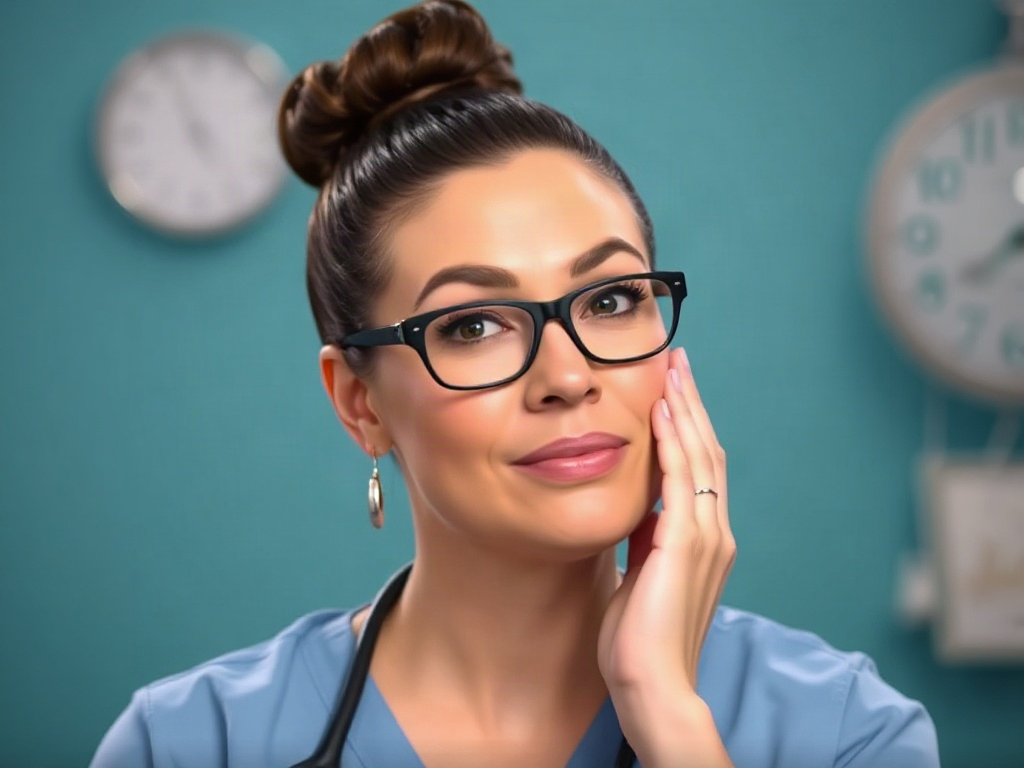
For years, dermatological procedures were shrouded in mystery, relegated to sterile clinics and rarely discussed in polite company. That changed dramatically when Dr. Sandra Lee, known globally as Dr. Pimple Popper, brought the realities of skin health into the living rooms of millions. Her television show has become a cultural phenomenon, straddling the line between medical education and visceral entertainment. But beyond the viral clips of extractions, what is the true impact of this show on how we perceive our skin?
The Rise of Dermatological Entertainment
The success of the Dr. Pimple Popper television franchise is rooted in a unique combination of psychology and biology. Humans have a natural, evolutionary curiosity toward bodily functions, and for many, watching extractions triggers a sense of relief or “satisfying” completion. However, the show does more than satisfy curiosity; it normalizes skin conditions that many people spend years hiding. By showcasing patients with lipomas, steatocystomas, and severe acne, the program highlights that these issues are not signs of poor hygiene or moral failing, but rather common medical conditions.
Understanding the Patient Experience
One of the most compassionate aspects of the show is its focus on the patient journey. Many participants live with large growths or chronic skin conditions for decades, often facing social isolation or professional challenges because of their appearance. The show provides a platform where these individuals feel seen and validated. By documenting the consultation, the surgery, and the emotional post-operative reveal, the audience witnesses the profound psychological relief that comes with addressing a long-standing physical burden.
The Science Behind the Skin
While the show is often categorized as reality television, it serves an important educational purpose. Dr. Lee frequently explains the biological nature of the growths she removes. Whether it is a pilar cyst, which is typically found on the scalp, or a dilated pore of Winer, viewers learn about the anatomy of the skin. This educational layer helps demystify dermatology, encouraging viewers to seek professional help for their own skin concerns rather than attempting risky “bathroom surgery” that could lead to infection or scarring.
The Psychology of the Pop
Why are we so obsessed with these videos? Psychologists suggest that the “pop” phenomenon provides a controlled outlet for stress. For some, watching a high-stress medical procedure in the safety of their home allows them to experience a “fight or flight” response without actual danger. This can be strangely calming. Furthermore, the completion of the extraction—the removal of the blockage—offers a visual metaphor for “cleaning up” a messy situation, which can be mentally soothing for viewers who struggle with anxiety or a need for order.
Dispelling Myths About Acne and Hygiene
One of the most persistent myths in skincare is that acne and cysts are the result of dirty skin or poor habits. Dr. Pimple Popper consistently dismantles this narrative. By showing patients who maintain rigorous hygiene routines but still suffer from genetic conditions or hormonal imbalances, the show fosters empathy. It teaches viewers that skin is an organ, subject to the same health fluctuations as the heart or lungs, and that it deserves medical respect rather than shame.
When to See a Professional
The show serves as a powerful reminder of the limitations of home care. Many viewers might be tempted to squeeze their own blemishes, but the show frequently demonstrates how deep-seated cysts or complex skin growths require specialized tools, sterile environments, and medical training to remove safely. The recurring message is clear: if a lesion is persistent, growing, or painful, it is time to consult a board-certified dermatologist. Professional intervention prevents the spread of bacteria and ensures that a benign growth is not something more serious, like a skin cancer.
The Ethics of Medical Reality TV
While the show is popular, it is not without its critics regarding the ethics of showcasing medical procedures for entertainment. However, the production team maintains a focus on patient consent and dignity. The show emphasizes that these patients are not just “cases” to be solved, but human beings with stories. By centering the human narrative, the show elevates the content from mere shock value to a genuine exploration of how physical appearance impacts our quality of life and sense of self.
The Future of Dermatological Awareness
As the show continues, its legacy will likely be a more informed public. We are moving toward a culture where skin conditions are discussed with the same openness as dental health or eye care. This shift reduces the stigma surrounding dermatological visits and encourages proactive health management. When people feel comfortable seeking help for a simple cyst, they are also more likely to schedule the annual skin cancer screenings that save lives.
Diagnostic Nuances: Beyond the Surface
While the show often focuses on the climactic moment of extraction, the behind-the-scenes diagnostic process is a masterclass in clinical observation. Dr. Lee frequently utilizes tools like the dermatoscope, a handheld device that allows for magnified, polarized light examination of skin lesions. This tool is critical for distinguishing between a benign epidermoid cyst and more concerning pathologies like basal cell carcinoma or dermatofibrosarcoma protuberans. By educating the audience on the visual cues—such as the presence of a central punctum in a cyst versus the telangiectasia (visible blood vessels) common in malignant growths—the show empowers viewers to recognize when a “pimple” might actually be a sign of a deeper medical issue. This technical detail serves as a vital safeguard, teaching viewers that not every lump is benign, and that professional diagnostic imaging and biopsies are the gold standard for patient safety.
The Complexity of Cyst Sac Removal
A recurring technical challenge highlighted in the series is the necessity of total sac excision. Many home-remedy enthusiasts fail to realize that a cyst is not merely a collection of debris, but a biological “bag” lined with epithelial cells. If the lining remains, the cyst will inevitably recur. The show meticulously demonstrates the delicate dissection required to tease the sac away from surrounding adipose tissue or muscle fascia. This specific procedural detail is crucial for viewers to understand why “popping” at home is fundamentally different from a medical excision. By showing the meticulous suturing and the removal of the entire wall, the show underscores the importance of anatomical precision, which prevents the chronic, recurring inflammation that often drives patients to seek help in the first place.
The Role of Local Anesthesia and Pain Management
One of the most under-discussed aspects of the program is the pharmacological management of patient comfort. The show provides a realistic look at the administration of local anesthetics like lidocaine, explaining why the initial injection is often the most uncomfortable part of the procedure. By demystifying the needle stick, the show helps alleviate “white coat syndrome” in viewers who may be fearful of dermatological appointments. Furthermore, the show highlights the use of sterile field protocols—draping, skin cleansing with chlorhexidine or iodine, and the use of surgical-grade scalpels—which contrasts sharply with the unhygienic nature of bathroom extractions. This reinforces the necessity of a sterile environment to prevent secondary staphylococcal infections, which can turn a minor skin issue into a systemic health emergency.
Managing Expectations for Post-Procedural Healing
The narrative arc of the show often concludes with the patient’s immediate relief, but it subtly introduces the reality of the healing process. Viewers are exposed to the importance of wound care, including the use of pressure dressings, the necessity of keeping surgical sites dry, and the potential for scarring. By showing the follow-up visits, the show manages public expectations regarding cosmetic outcomes. It highlights that while a large lipoma might be gone, the skin may require time, scar revision, or specific silicone-based treatments to reach an aesthetic baseline. This transparency is vital for viewers who might otherwise expect a “magic fix” and be disappointed by the natural, albeit manageable, reality of surgical healing.
The Intersection of Dermatology and Mental Health
The series frequently touches upon the intersection of dermatology and psychological well-being, specifically in the context of body dysmorphic tendencies or the social anxiety caused by visible skin conditions. When Dr. Lee addresses a patient’s emotional weight, she is practicing a form of “psychodermatology.” This sub-specialty acknowledges that the skin is our primary interface with the world; when that interface is altered by significant growths or chronic acne, the impact on self-esteem is profound. By validating these emotional struggles, the show encourages a holistic view of healthcare, where the physician treats not just the lesion, but the person living behind it. This emotional component is a critical takeaway for the audience, fostering a more compassionate societal attitude toward visible skin differences.
Navigating Insurance and Medical Accessibility
A subtle but significant angle the show addresses is the administrative side of dermatology. Many patients featured are struggling with the financial burden of procedures that insurance may deem “cosmetic” rather than “medically necessary.” The show brings awareness to the frustrating bureaucracy of healthcare, where a large, painful, or movement-restricting growth might be categorized as aesthetic. By highlighting these struggles, the show contributes to a broader conversation about medical necessity versus elective procedures. It provides a platform for patients to advocate for their health, showing that skin conditions that impact daily functioning—such as the inability to wear clothes comfortably or the constant risk of infection—should be prioritized by health systems, not minimized due to rigid coding definitions.
The Evolution of Surgical Instrumentation
For the technically inclined viewer, the show serves as a showcase for modern surgical instrumentation. From the use of electrocautery to minimize bleeding to the application of specific types of sutures—such as buried absorbable sutures for tension reduction and superficial monofilament sutures for cosmetic closure—the show provides a crash course in surgical technique. This exposure demystifies the “how-to” of skin surgery, moving the conversation away from the “ick factor” and toward an appreciation for the skill and training required of a board-certified dermatologist. It reinforces the notion that dermatology is a surgical specialty, one requiring steady hands, deep anatomical knowledge, and a commitment to minimizing collateral tissue damage, which is a far cry from the amateurish techniques often seen in viral, non-medical online videos.
Surgical Precision: The Anatomy of an Extraction
Beyond the visceral reactions, the show serves as an unintentional masterclass in surgical anatomy. Viewers are often treated to the meticulous layering of skin, revealing the distinction between the epidermis, dermis, and subcutaneous fat. By showcasing the careful dissection required to avoid damaging underlying nerves or major blood vessels, the program highlights the high-stakes environment of minor surgery. This technical focus helps the audience appreciate the sheer manual dexterity required to perform a punch excision or a full-thickness removal. When Dr. Lee navigates around sensitive areas like the nasolabial fold or the orbital rim, it serves as a silent lesson in why anatomical knowledge is the bedrock of dermatology, effectively distinguishing professional care from the dangerous guesswork of amateur popping.
The Role of Histopathology in Patient Care
A critical component of the show that often goes unnoticed by the casual viewer is the mandatory submission of tissue for histopathological analysis. Every specimen removed, regardless of its seemingly benign appearance, is sent to a laboratory for microscopic evaluation. This segment of the clinical process is vital; it underscores that a diagnosis cannot be made by sight alone. By reinforcing that even a garden-variety cyst could harbor unexpected findings—such as atypical cells or rare inflammatory markers—the show promotes a culture of medical rigor. It teaches the audience that the “pop” is merely the first step, and the definitive “answer” comes from the pathologist’s slide, a crucial layer of safety that home-remedy proponents entirely lack.
Addressing the Scarring and Aesthetic Outcome
While the “before and after” reveals are designed for television drama, they also provide a realistic look at the long-term reality of surgical scarring. The show frequently discusses the tension lines of the skin (Langer’s lines) and how incisions are planned to minimize visibility. By demonstrating the use of various closure techniques—such as the subcuticular stitch or the “dog-ear” correction—the program demystifies the cosmetic aftermath of surgery. This is particularly important for viewers who fear that seeking treatment for a large growth will result in a disfiguring scar. Seeing the progression from fresh sutures to a faded line months later provides a sense of reassurance that modern dermatological surgery is as much about aesthetic preservation as it is about health restoration.
The Pharmacology of Dermatology
The program often highlights the specific pharmacological agents used in the clinic, moving beyond the mere mention of anesthesia. Viewers gain insight into the use of epinephrine, which is frequently mixed with lidocaine to induce vasoconstriction. This clinical nuance—explaining that the medication is used to reduce bleeding and prolong the anesthetic effect—is a fascinating look into the “why” behind the clinical procedure. It transforms the procedure from a “pop” into a calculated medical event. Furthermore, the occasional discussion of post-operative antibiotics or topical treatments for wound healing provides a comprehensive view of the patient’s lifecycle, reinforcing that successful surgery is only one part of a multi-faceted healing strategy.
The Impact of Social Media and Digital Community
The rise of the Dr. Pimple Popper franchise is inextricably linked to the digital age, where niche interests find global communities. The program has successfully leveraged social media platforms to foster a community of “popaholics” who share tips, photos, and personal stories. However, this community also acts as a peer-support network for those suffering from skin-related conditions. By creating a space where people can discuss their “bumps and lumps” without judgment, the digital footprint of the show has effectively reduced the stigma that once kept patients from seeking help. This transition from a lonely, shameful experience to a shared, validated one is perhaps the most significant cultural impact of the show’s digital presence.
Navigating the Complexity of Rare Dermatological Syndromes
Periodically, the show features patients with complex genetic conditions, such as Steatocystoma Multiplex or Gardner Syndrome. These episodes are instrumental in demonstrating that some skin issues are symptomatic of systemic health concerns. By presenting these cases, the show encourages viewers to look at the “big picture” of their health. It highlights that a dermatologist is often the first line of defense in identifying underlying genetic disorders that require a multidisciplinary approach involving endocrinologists, oncologists, or geneticists. This elevates the show’s educational value, transforming it from a program about “zits” into a gateway for understanding the complex interplay between skin health and internal medicine.
Frequently Asked Questions
1. Why is it dangerous to pop cysts or pimples at home? Attempting to pop deep-seated cysts or aggressive acne at home can push bacteria deeper into the dermis, causing a more severe infection, permanent scarring, or even systemic issues if the infection spreads. Dermatologists use sterile equipment and appropriate anesthesia to ensure the entire sac of a cyst is removed, preventing recurrence.
2. Does watching these videos indicate a psychological issue? No. For the vast majority of viewers, this is simply a form of entertainment that provides a sensory or emotional release. It is a common human reaction to be fascinated by medical procedures, provided it does not interfere with daily functioning or become an obsession.
3. How does Dr. Lee decide which cases to feature? The show looks for a variety of conditions that are both visually interesting and educational. They prioritize patients who are willing to share their stories and who have conditions that clearly demonstrate the importance of professional dermatological care.
4. Is the show an accurate representation of a typical dermatology practice? While the show focuses on the most dramatic and rare cases, the medical standards and the approach to patient care reflect real dermatological practices. However, most daily dermatological work involves routine skin checks, eczema management, and cosmetic procedures, which are less “dramatic” but equally vital.
5. Can I use the show to diagnose my own skin conditions? Absolutely not. While the show is educational, it is not a substitute for a professional diagnosis. Skin conditions can look similar but require vastly different treatments. Always consult a board-certified dermatologist for any concerns regarding growths, rashes, or persistent acne.
Related posts:
 Caring for Fibroids: Understanding and Managing the Condition
 Mind-Skin Connection: Psychodermatology Insights
 Face Sculpting Methods Guide
 New Tool Detects Melanoma Through Temperature
 Why Diversity in Dermatology Matters for People of Color
 Understanding Ovarian Cysts
 Beyond Clear Lenses: Exploring the Latest Innovations in Cataract Surgery
 ACL Injury Surgery: What You Need to Know