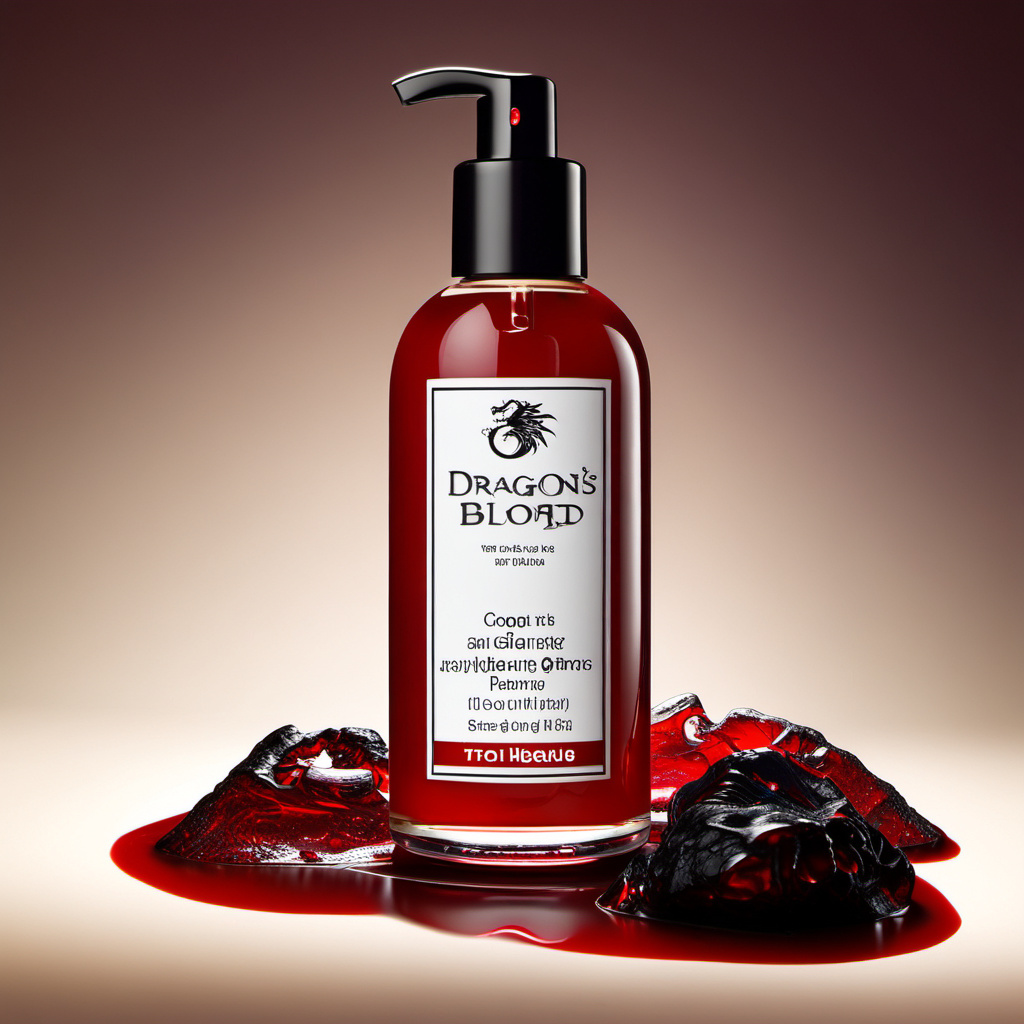
Nature offers remarkable solutions for common beauty concerns, and few ingredients have captured modern attention quite like Dragon’s Blood extract. Despite its dramatic name, this crimson-hued sap comes from the Croton lechleri tree, native to the Amazon rainforest. Indigenous communities have used this botanical treasure for centuries to treat wounds, protect skin, and promote healing. Today, Dragon’s Blood extract is finding its way into serums, creams, and hair treatments worldwide, backed by emerging research that validates many traditional uses.
Key takeaways
- Apply Dragon's Blood serums to create a protective barrier and reduce inflammation from conditions like eczema or psoriasis.
- Use scalp treatments containing the extract to soothe irritation, manage dandruff, and smooth hair cuticles to reduce frizz.
- Choose products listing Croton lechleri that use standardized extracts to ensure a consistent concentration of active healing compounds.
- Perform a patch test before use and be aware the resin's natural red pigment may temporarily stain skin or fabric.
What Is Dragon’s Blood Extract and Where Does It Come From
Dragon’s Blood extract is a red resin harvested from the Croton lechleri tree, which grows primarily in the Amazon regions of Peru, Ecuador, and Colombia. When the tree bark is cut, it secretes a deep red sap that darkens as it dries. This sap has been used traditionally by indigenous peoples for wound healing, gastrointestinal issues, and as a protective barrier for skin.
The primary active compound responsible for its benefits is called SP-303, also known as crofelemer. This proanthocyanidin oligomer has been studied for its ability to form protective films on mucous membranes and skin. The extract also contains taspine, an alkaloid that may support tissue repair, along with flavonoids, phenols, and other antioxidants that contribute to its therapeutic properties.
Commercial Dragon’s Blood products typically process the raw resin into standardized extracts that preserve the beneficial compounds while ensuring purity and consistency. Sustainable harvesting practices have become increasingly important as demand grows, with ethical brands working directly with indigenous communities to protect both the trees and traditional knowledge.
How Dragon’s Blood Benefits Skin Health
The skin benefits of Dragon’s Blood extract stem from its unique combination of anti-inflammatory, antimicrobial, and film-forming properties. When applied topically, the extract creates a breathable barrier that helps protect compromised skin while allowing it to heal naturally.
Research suggests that Dragon’s Blood can help reduce inflammation by modulating the body’s inflammatory response. A study published in the Journal of Ethnopharmacology found that the extract demonstrated significant anti-inflammatory activity, which may explain its traditional use for irritated or damaged skin. This makes it particularly relevant for people dealing with conditions like eczema, psoriasis, or general skin sensitivity.
The antimicrobial properties of Dragon’s Blood have been documented in multiple studies. The extract has shown activity against various bacteria and fungi, which supports its traditional use for wound care. For minor cuts, scrapes, and abrasions, applying a product containing Dragon’s Blood may help prevent infection while creating a protective seal over the wound.
Antioxidant protection is another key benefit. The flavonoids and phenolic compounds in Dragon’s Blood help neutralize free radicals caused by UV exposure, pollution, and other environmental stressors. This antioxidant activity may help prevent premature aging and support overall skin health when used consistently as part of a skincare routine.
Dragon’s Blood for Hair and Scalp Care
While skin benefits dominate the conversation, Dragon’s Blood extract also offers advantages for hair and scalp health. The same film-forming and healing properties that benefit skin can help address common scalp concerns and improve hair appearance.
Scalp inflammation is at the root of many hair problems, from dandruff to excessive shedding. Dragon’s Blood’s anti-inflammatory properties may help calm an irritated scalp, creating a healthier environment for hair growth. Products formulated with Dragon’s Blood can be particularly helpful for those with sensitive scalps or conditions like seborrheic dermatitis.
The extract’s antimicrobial action may also help address fungal or bacterial issues that contribute to dandruff and scalp odor. By creating a protective barrier on the scalp, Dragon’s Blood helps maintain moisture balance while keeping potential pathogens in check.
For hair strands themselves, Dragon’s Blood can provide a smoothing effect. The resinous compounds can coat the hair shaft, temporarily sealing the cuticle and reducing frizz. This can make hair appear shinier and feel smoother without the heavy buildup associated with some synthetic styling products. Hair serums and leave-in treatments containing Dragon’s Blood extract are becoming increasingly available for those wanting to incorporate this ingredient into their hair care routine.
Science-Backed Properties and Research Findings
Understanding the science behind Dragon’s Blood helps explain its effectiveness and guides appropriate use. Several key studies have illuminated how this traditional remedy works on a cellular level.
The wound-healing properties of Dragon’s Blood have been the subject of scientific investigation. A study in the International Journal of Cosmetic Science demonstrated that a Dragon’s Blood extract formulation accelerated wound healing compared to a control group. Researchers attributed this effect to the extract’s ability to support collagen production and tissue regeneration.
Crofelemer, the primary active compound, has received FDA approval as a prescription medication for certain gastrointestinal conditions under the brand name Mytesi. This approval required extensive clinical trials, validating the extract’s safety profile and biological activity. While the approved use is for HIV-associated diarrhea, the research confirms that the compound has meaningful effects on epithelial tissue, which lines both the digestive tract and the skin.
Research on the antioxidant capacity of Dragon’s Blood shows significant free-radical scavenging activity. In vitro studies have demonstrated that the extract can protect skin cells from oxidative damage, which is a primary driver of visible aging. This antioxidant protection works synergistically with the extract’s anti-inflammatory properties to support overall skin health.
It’s worth noting that most research has been conducted on specific standardized extracts rather than raw resin or unregulated products. This is why choosing quality products from reputable manufacturers matters for achieving consistent results.
Choosing Quality Dragon’s Blood Products
Not all Dragon’s Blood products are created equal. The extraction method, sourcing practices, and formulation quality all affect how well a product will work. Understanding what to look for helps consumers make informed choices.
Standardization is crucial. Quality products will specify the percentage of active compounds or use a patented, standardized extract. Some manufacturers use a proprietary extraction process that concentrates the beneficial proanthocyanidins while removing impurities. Look for products that mention specific standardization on their labels or websites.
Sustainable and ethical sourcing matters for both environmental and quality reasons. The Croton lechleri tree is not endangered, but increasing demand requires responsible harvesting. Brands that work directly with indigenous communities and practice fair trade are more likely to offer authentic, high-quality extracts. Certifications like Fair Trade or direct partnerships with Amazonian cooperatives can indicate responsible sourcing.
Product formulation affects absorption and efficacy. Dragon’s Blood extract works best in leave-on products like serums, creams, and balms rather than wash-off products. The extract needs time to form its protective film and deliver benefits to the skin or scalp. Water-based serums may absorb more quickly, while oil-based formulations can provide additional moisturizing benefits.
Check ingredient lists for the Latin name Croton lechleri or Sangre de Drago, the traditional Spanish name. Products that only list vague terms like “botanical extract” without specifying the source may contain minimal active ingredients. Reputable brands are transparent about their sourcing and extraction methods.
How to Incorporate Dragon’s Blood Into Your Routine
Adding Dragon’s Blood extract to an existing skincare or haircare routine requires some consideration of timing, compatibility, and personal needs. Here are practical approaches for different goals.
For general skin health and anti-aging benefits, apply a Dragon’s Blood serum after cleansing and before moisturizing. The extract works well with other antioxidants like vitamin C and can be used both morning and evening. During the day, always follow with sunscreen, as no antioxidant replaces the need for sun protection.
For irritated or compromised skin, look for balms or creams with a higher concentration of Dragon’s Blood. Apply to clean, dry skin and allow the product to absorb fully before applying other products. The film-forming properties work best when the extract is applied directly to skin without other products underneath.
For scalp care, massage a Dragon’s Blood scalp treatment into the scalp before shampooing, or use a leave-in scalp serum after washing. Weekly treatments may be sufficient for maintenance, while more frequent application could help address specific concerns. Pay attention to how your scalp responds and adjust frequency accordingly.
Dragon’s Blood is generally well-tolerated, but as with any new skincare ingredient, patch testing is recommended. Apply a small amount to the inner forearm and wait 24 hours to check for any adverse reaction before applying to the face or scalp. Those with known allergies to plants in the Euphorbiaceae family should exercise particular caution.
Potential Side Effects and Precautions
While Dragon’s Blood extract has a long history of safe use, understanding potential risks helps ensure positive experiences. Most people tolerate topical application well, but some considerations apply.
Skin sensitivity can occur with any botanical ingredient. Some individuals may experience redness, itching, or irritation, particularly if they have sensitive skin or allergies to similar plants. Discontinuing use if irritation develops is the appropriate response. Those with multiple plant allergies should consult a dermatologist before trying new botanical extracts.
Pregnant and breastfeeding individuals should exercise caution with any new skincare ingredient. While no specific contraindications exist for topical Dragon’s Blood use during pregnancy, the limited research on this population suggests consulting a healthcare provider before adding new botanical products to a routine.
Dragon’s Blood can temporarily stain skin and fabric due to its deep red color. This staining typically fades from skin within a few hours and is not harmful. Being mindful of this characteristic when applying the product and allowing it to absorb before dressing or lying on light-colored fabrics can prevent unwanted staining.
Oral use of Dragon’s Blood requires different considerations than topical use. While traditional medicine includes internal applications, this should only be done under the guidance of a qualified healthcare provider. The FDA-approved use of crofelemer for specific medical conditions is distinct from casual oral use of the raw extract or unregulated supplements.
Dragon’s Blood Extract Formulation Types and Their Best Uses
Understanding the different formulation types helps in selecting the right product for specific concerns. Dragon’s Blood extract appears in several delivery systems, each with distinct advantages depending on whether the goal is wound healing, anti-aging, scalp treatment, or daily maintenance.
Serums represent the most concentrated delivery method for Dragon’s Blood. These lightweight, fast-absorbing formulations typically contain between 1-5% standardized extract and are designed to penetrate quickly into the skin. Water-based serums work well for oily and combination skin types, as they deliver active compounds without adding excess oil. The rapid absorption makes serums ideal for layering under moisturizers and sunscreen during daytime routines. For those seeking maximum potency, serums offer the most efficient way to deliver Dragon’s Blood’s active compounds to deeper skin layers.
Creams and lotions provide a more emollient option that combines Dragon’s Blood with moisturizing ingredients. These formulations are particularly beneficial for dry or mature skin that requires both treatment and hydration. The occlusive nature of creams helps lock in the extract’s film-forming compounds, extending their protective effects. Night creams containing Dragon’s Blood can work over several hours to support skin repair processes that occur during sleep. Those with eczema or psoriasis often find cream formulations more comfortable on compromised skin barriers.
Balms and ointments offer the highest concentration of Dragon’s Blood and create the most occlusive barrier. These semi-solid formulations are ideal for targeted application on specific areas such as cuts, scrapes, insect bites, or patches of irritated skin. The thick consistency means balms stay in place longer, providing sustained contact between the extract and the affected area. For wound care, balms can effectively seal minor injuries while the antimicrobial and healing properties go to work. However, balms may be too heavy for large areas or for use on the face for those prone to clogged pores.
Scalp treatments and hair serums represent a growing category of Dragon’s Blood products. These formulations are typically lighter than facial products to avoid weighing hair down while still delivering therapeutic benefits to the scalp. Leave-in scalp serums can be applied directly to the scalp using a dropper, allowing precise application without affecting hair appearance. Pre-shampoo scalp treatments offer a more intensive option, with the extract working for 15-30 minutes before being rinsed away during washing.
Sheet masks and treatment patches provide an intensive, single-use application method. Pre-soaked masks containing Dragon’s Blood extract deliver a high concentration of active ingredients during a 15-20 minute treatment session. Hydrocolloid patches infused with the extract can be applied to blemishes or small wounds, creating a protective environment while delivering targeted treatment. These formats work well as weekly boosters or for addressing specific flare-ups.
Combining Dragon’s Blood With Complementary Ingredients
While Dragon’s Blood extract offers significant benefits on its own, strategic combination with other ingredients can enhance its effects or address additional concerns simultaneously. Understanding these synergies helps in building more effective skincare and haircare routines.
Vitamin C and Dragon’s Blood create a powerful antioxidant duo. Both ingredients neutralize free radicals through different mechanisms, providing broader protection against environmental damage. Vitamin C’s ability to brighten skin and support collagen production complements Dragon’s Blood’s film-forming and healing properties. When using both, apply vitamin C serum first to allow maximum penetration, followed by Dragon’s Blood to create a protective barrier. This combination works particularly well in morning routines to defend against daily UV and pollution exposure.
Hyaluronic acid pairs naturally with Dragon’s Blood for comprehensive hydration. While Dragon’s Blood forms a protective film on the skin surface, hyaluronic acid draws moisture into the deeper layers. This combination addresses both water retention and barrier protection simultaneously. For dehydrated skin showing signs of both moisture loss and environmental damage, layering a hydrating serum under a Dragon’s Blood cream can address multiple concerns in one routine.
Niacinamide (vitamin B3) enhances the anti-inflammatory benefits of Dragon’s Blood. Both ingredients help calm irritated skin and support barrier function, making them useful together for sensitive or rosacea-prone skin. Niacinamide also helps regulate sebum production and minimize pore appearance, concerns that Dragon’s Blood alone may not address. The two ingredients are generally compatible for simultaneous use without interference.
For hair and scalp applications, combining Dragon’s Blood with scalp-supporting ingredients can enhance results. Peppermint oil stimulates circulation to hair follicles, potentially supporting growth when paired with Dragon’s Blood’s calming properties. Salicylic acid in low concentrations can help clear scalp buildup before Dragon’s Blood application, allowing better penetration of the extract’s active compounds. Biotin and other B vitamins in scalp serums may work synergistically with Dragon’s Blood to support overall scalp health.
Certain combinations warrant caution. Strong exfoliants like high-percentage glycolic acid may compromise the film-forming barrier that Dragon’s Blood creates. Retinoids, while not incompatible, may be best used at different times of day to allow each ingredient to function optimally. Those incorporating Dragon’s Blood into an existing routine with multiple actives should introduce it gradually and observe how the skin responds to the new combination.
Traditional Preparation Methods vs. Modern Extraction
The journey from tree to bottle involves significant processing decisions that affect the final product’s properties. Both traditional preparation methods and modern extraction techniques have merit, and understanding the differences helps consumers choose products aligned with their values and needs.
Traditional harvesting begins with making diagonal cuts in the Croton lechleri bark, typically early in the morning when sap flow is highest. The red resin that flows from these cuts is collected in containers and allowed to thicken naturally. Indigenous healers often use this raw sap directly, applying it to wounds or diluting it with water for other uses. In its traditional form, the sap contains the full spectrum of plant compounds in their natural ratios, preserved without chemical processing. Some artisanal products still use this minimally processed approach, marketing it as wild-harvested or raw Dragon’s Blood.
Modern extraction methods aim to standardize and concentrate the beneficial compounds while removing impurities, potential contaminants, and compounds that might cause irritation. Solvent extraction using food-grade ethanol is common, producing a concentrated tincture that can be further refined. This method preserves both water-soluble and alcohol-soluble compounds, maintaining a broad spectrum of activity. More advanced techniques include supercritical CO2 extraction, which avoids solvent residues and can selectively target specific compound classes.
Standardization represents a key difference between traditional and modern approaches. A standardized extract guarantees a specific percentage of marker compounds, typically proanthocyanidins. This consistency allows for more predictable dosing and reliable results batch after batch. Traditional preparations vary naturally based on the tree’s age, growing conditions, harvest timing, and other factors. Some users prefer this natural variation, believing it provides a more complete range of plant compounds, while others prioritize the consistency of standardized extracts.
Quality control also differs significantly. Modern facilities test for microbial contamination, heavy metals, and pesticide residues that might be present in raw materials. Traditional preparations rely on the healer’s knowledge and the assumption that trees growing in pristine rainforest environments produce clean resin. As demand increases and supply chains lengthen, the quality controls of modern processing become more important for ensuring safety.
For skincare applications, both approaches have merit. Those seeking the most authentic experience may prefer products made from raw or minimally processed resin, available from specialty suppliers and some artisan skincare lines. Those prioritizing consistency, safety testing, and guaranteed potency may prefer standardized extracts from established manufacturers. Some brands now offer both options, allowing consumers to choose based on their preferences.
Seasonal and Environmental Factors Affecting Dragon’s Blood Quality
The quality and composition of Dragon’s Blood extract can vary based on environmental factors during the tree’s growth and harvest timing. Understanding these variables helps explain why some products may work differently than others and highlights the importance of sustainable sourcing practices.
Regional variations in Croton lechleri trees produce resin with slightly different compound profiles. Trees growing in different parts of the Amazon basin encounter varying soil compositions, rainfall patterns, and altitudes, all of which influence the plant’s chemistry. Peruvian Dragon’s Blood has become particularly prized, with some studies suggesting it may have higher concentrations of certain active compounds compared to trees from other regions. However, variations also occur within regions, making batch testing important for consistent products.
Seasonal timing affects sap composition and yield. Trees typically produce more resin during the rainy season when sap flow increases, but the concentration of active compounds may actually be higher during drier periods when the tree is under mild stress. Some sustainable harvesting operations time their collection to maximize beneficial compounds rather than simply maximizing volume. This attention to timing represents an area where traditional knowledge and modern analysis converge.
Post-harvest handling significantly impacts final product quality. Dragon’s Blood sap begins to oxidize and polymerize once exposed to air, which can alter its properties. Traditional users often apply the fresh sap directly, before significant degradation occurs. For commercial products, stabilizing the resin quickly after harvest helps preserve the active compounds. Some manufacturers add antioxidants or process the resin under inert atmosphere to minimize oxidation. Cold processing methods help preserve heat-sensitive compounds that might be degraded by traditional sun-drying.
Climate change poses challenges for Dragon’s Blood sourcing. Shifting rainfall patterns in the Amazon affect both tree health and resin production. Extended droughts can stress trees and reduce sap yield, while increased flooding can damage root systems. Responsible sourcing operations monitor these environmental factors and adapt harvesting practices accordingly. Some companies are investing in research on cultivated Croton lechleri to reduce pressure on wild populations and provide more controlled growing conditions.
Storage conditions after processing also matter for product quality. Dragon’s Blood products should be kept away from direct light and excessive heat, which can degrade the active compounds over time. Quality products typically come in opaque or amber containers to protect against light exposure. Checking expiration dates and storing products properly helps ensure they maintain their effectiveness throughout their usable life.
Application Techniques for Maximum Benefit
Proper application technique can significantly affect how well Dragon’s Blood products work. Beyond simply applying the product, factors like skin preparation, timing, and layering sequence all influence the extract’s ability to deliver its benefits.
Skin preparation sets the foundation for effective treatment. Cleansing removes dirt, oil, and product residue that might interfere with absorption. For those using Dragon’s Blood for wound healing, gentle cleaning of the affected area with mild soap and water before application helps prevent trapping bacteria under the protective film. On intact skin, using a toner after cleansing can help adjust skin pH to optimize absorption of the extract’s water-soluble compounds. However, avoid applying Dragon’s Blood immediately after strong astringents or exfoliants, as these can temporarily compromise the skin barrier.
Application method varies by formulation type. Serums should be applied to slightly damp skin, which helps spread the product evenly and enhances absorption. Using 2-3 drops for the face is typically sufficient; more product does not necessarily mean better results. Gently pressing the serum into the skin rather than rubbing helps the active compounds penetrate without causing friction. For creams, warming a small amount between fingertips before application helps the product spread more easily and ensures even coverage.
For targeted wound care, the technique becomes more specific. Clean the wound thoroughly before applying Dragon’s Blood balm or ointment directly to the affected area. Allow the product to dry for 2-3 minutes to form its protective film before covering with a bandage if needed. Reapply after bathing or if the film becomes damaged. The visible red color of the film provides an indicator of coverage, though it will fade as it dries completely.
Scalp application requires different considerations. Sectioning hair allows direct access to the scalp, ensuring the product reaches the skin rather than coating hair strands. Using a dropper applicator provides precise delivery without waste. For leave-in treatments, applying to damp hair after washing helps distribute the product while the scalp is clean and receptive. Pre-shampoo treatments can be applied to dry hair and scalp, massaged in for 5-10 minutes, then washed out thoroughly to prevent buildup.
Timing within a routine affects outcomes. For daytime use, Dragon’s Blood should be applied after water-based products but before heavier creams and sunscreen. This positioning allows the extract to form its protective barrier close to the skin surface. At night, Dragon’s Blood can be applied as one of the later steps to create a protective, healing environment while sleeping. The extended contact time during sleep can enhance the regenerative benefits.
Frequency of application should match the concern being addressed. For acute issues like minor wounds or irritation, applying 2-3 times daily provides sustained support during healing. For general anti-aging and maintenance, once or twice daily application is typically sufficient. Scalp treatments may only need weekly application for maintenance, though more frequent use can address active concerns. Monitoring skin or scalp response over 2-3 weeks provides guidance on optimal frequency for individual needs.
Addressing Specific Skin Conditions With Dragon’s Blood
Beyond general skin health, Dragon’s Blood extract may offer particular benefits for specific dermatological concerns. Understanding how to apply it for various conditions helps users get targeted results.
Eczema and atopic dermatitis involve compromised skin barrier function and chronic inflammation. Dragon’s Blood’s film-forming properties can help support the damaged barrier while its anti-inflammatory action may reduce the redness and itching associated with these conditions. For eczema-prone skin, cream or balm formulations work better than light serums, as they provide additional occlusion and moisture support. Apply to affected areas after bathing while skin is still slightly damp to help lock in moisture. Those using prescription treatments for eczema should consult their dermatologist before adding Dragon’s Blood to ensure compatibility with their treatment plan.
Psoriasis presents different challenges, with thickened, scaly plaques resulting from accelerated skin cell turnover. The anti-inflammatory properties of Dragon’s Blood may help calm the immune response driving this excess production. Some users report that regular application helps reduce scaling and improve plaque appearance over time. For psoriasis, more concentrated products applied consistently may yield better results. However, psoriasis is a complex condition requiring comprehensive management, and Dragon’s Blood should be viewed as a complementary approach rather than a primary treatment.
Post-procedure skin benefits from Dragon’s Blood’s wound-healing properties. After chemical peels, laser treatments, or microneedling, the skin is temporarily compromised and requires enhanced protection during recovery. The extract’s ability to form a breathable barrier while supporting tissue repair makes it useful during healing phases. However, always follow the specific aftercare instructions provided by the treating practitioner, as some procedures require specific products or have restrictions on what can be applied during certain recovery stages.
Radiation dermatitis, a common side effect of cancer radiation therapy, involves significant skin inflammation and barrier disruption. Some cancer centers have explored using Dragon’s Blood preparations to help manage this side effect, with preliminary reports suggesting it may help soothe affected skin. Anyone undergoing cancer treatment should discuss any new skincare products with their oncology team before use, as certain ingredients may interfere with treatment or not be appropriate for their specific situation.
Diabetic skin concerns present another potential application. People with diabetes often experience impaired wound healing and increased susceptibility to skin infections. Dragon’s Blood’s combination of antimicrobial activity and wound-healing support could theoretically help address minor skin issues before they become serious. However, people with diabetes should approach any wound with caution and consult healthcare providers for anything beyond very minor cuts or scrapes, as diabetic wounds can escalate quickly without proper medical attention.
Perioral dermatitis, characterized by small red bumps around the mouth, responds differently to treatments and can sometimes worsen with heavy or occlusive products. For this condition, light Dragon’s Blood serums may be better tolerated than balms or heavy creams. The anti-inflammatory properties might help calm the characteristic redness, but given the condition’s sensitivity, patch testing and careful monitoring are especially important. Those with perioral dermatitis should ideally work with a dermatologist, as the condition often requires specific prescription treatments to resolve.
Sustainability and Ethical Sourcing Considerations
As Dragon’s Blood gains popularity, questions about sustainability and ethical sourcing become increasingly important. The Croton lechleri tree is not currently endangered, but responsible harvesting practices ensure it remains a viable resource for future generations while supporting the communities who have been its traditional stewards.
Sustainable harvesting involves making careful cuts in the bark that allow the tree to heal and continue producing sap. Experienced harvesters know how much resin to collect from each tree without causing lasting damage. Overharvesting, particularly from immature trees, can stress or kill the trees and reduce future yields. Some operations now cultivate Croton lechleri specifically for resin production, reducing pressure on wild populations. While some argue that wild-harvested resin has superior properties, properly managed cultivation can provide consistent quality while protecting natural ecosystems.
Fair trade practices ensure that indigenous communities benefit from the commercialization of their traditional knowledge. Many Amazonian communities have used Dragon’s Blood for generations, and ethical companies establish direct purchasing relationships that provide fair compensation. Beyond fair pricing, some companies support community development projects, healthcare access, and education initiatives. Certifications like Fair For Life or direct trade statements on product packaging can help consumers identify products that prioritize ethical sourcing.
The relationship between traditional knowledge and commercial development raises important questions about benefit sharing. Indigenous communities developed the uses for Dragon’s Blood over centuries, yet often receive minimal benefit when companies commercialize products based on this knowledge. Some organizations work to address this imbalance through benefit-sharing agreements and community partnerships. Consumers interested in supporting indigenous rights can research companies’ sourcing practices and choose those with transparent, equitable relationships with source communities.
Environmental impact extends beyond the trees themselves to the broader rainforest ecosystem. Responsible operations minimize damage to surrounding vegetation during harvest and avoid practices that contribute to deforestation. Some sourcing operations actively participate in rainforest conservation efforts, recognizing that protecting the habitat protects the resource. The increasing value of Dragon’s Blood actually provides an economic incentive to preserve rainforest rather than clear it for other uses, potentially contributing to conservation when managed properly.
Consumers can evaluate sustainability by looking for specific indicators on product packaging and company websites. Information about harvest practices, community partnerships, and environmental commitments provides insight into sourcing ethics. Certifications from recognized organizations offer third-party verification of sustainability claims. When such information is absent, consumers can contact companies directly to inquire about their sourcing practices. Supporting responsible producers helps shift the market toward more sustainable and ethical practices across the industry.
Frequently Asked Questions About Dragon’s Blood Extract
Is Dragon’s Blood extract safe for all skin types?
Dragon’s Blood extract is generally suitable for most skin types, including sensitive skin, due to its anti-inflammatory and gentle properties. However, individuals with specific plant allergies, particularly to plants in the Euphorbiaceae family, should patch test carefully or consult a dermatologist. The extract’s film-forming and antimicrobial properties make it especially beneficial for compromised or irritated skin, though those with very oily skin may prefer lighter formulations.
How long does it take to see results from using Dragon’s Blood?
Timeline for visible results depends on the specific concern being addressed. For minor wounds and irritation, many users report improvement within a few days of consistent application. Anti-aging and skin texture benefits typically become noticeable after several weeks of regular use, as the antioxidant and collagen-supporting properties require time to affect skin structure. Consistency is key for achieving optimal results with any skincare ingredient.
Can Dragon’s Blood extract help with acne?
The antimicrobial and anti-inflammatory properties of Dragon’s Blood may be beneficial for some types of acne, particularly inflammatory lesions. The extract’s ability to form a protective barrier can help shield blemishes while they heal. However, Dragon’s Blood is not a primary acne treatment and should not replace proven acne therapies. Those with persistent or severe acne should work with a dermatologist to develop an appropriate treatment plan.
Does Dragon’s Blood really come from dragons?
Despite its dramatic name, Dragon’s Blood comes entirely from plants, specifically the Croton lechleri tree. The name refers to the deep red color of the sap, which resembles the mythical blood of dragons from folklore. Various plants throughout history have been called Dragon’s Blood, including Dracaena and Daemonorops species, but the Croton lechleri variety is the most studied for skincare applications and the source of most modern beauty products.
Can I use Dragon’s Blood with other active skincare ingredients?
Dragon’s Blood extract is generally compatible with other skincare ingredients and can be incorporated into routines containing antioxidants, peptides, and hydrating ingredients. It pairs particularly well with other anti-inflammatory and antioxidant compounds. When using with strong actives like retinoids or exfoliating acids, applying Dragon’s Blood in a separate step or at a different time of day may help maximize benefits without interference. As always, introduce new products gradually to monitor skin response.
Related posts:
 Living Proof Scalp Treatment Review
 Hair Accessory Hygiene: The Gross Truth About Dirty Hair Ties
 Ancient Beauty Secrets: The Ayurvedic Hair Mask Recipe That Delivers Results
 Removing Scalp Buildup
 Should You Wash Your Hair After Every Gym Session?
 Best Scalp Scrubs Review
 Zoe Kravitz’s Coconut Oil Hair Care Secret
 Reducing Hair Wash Frequency