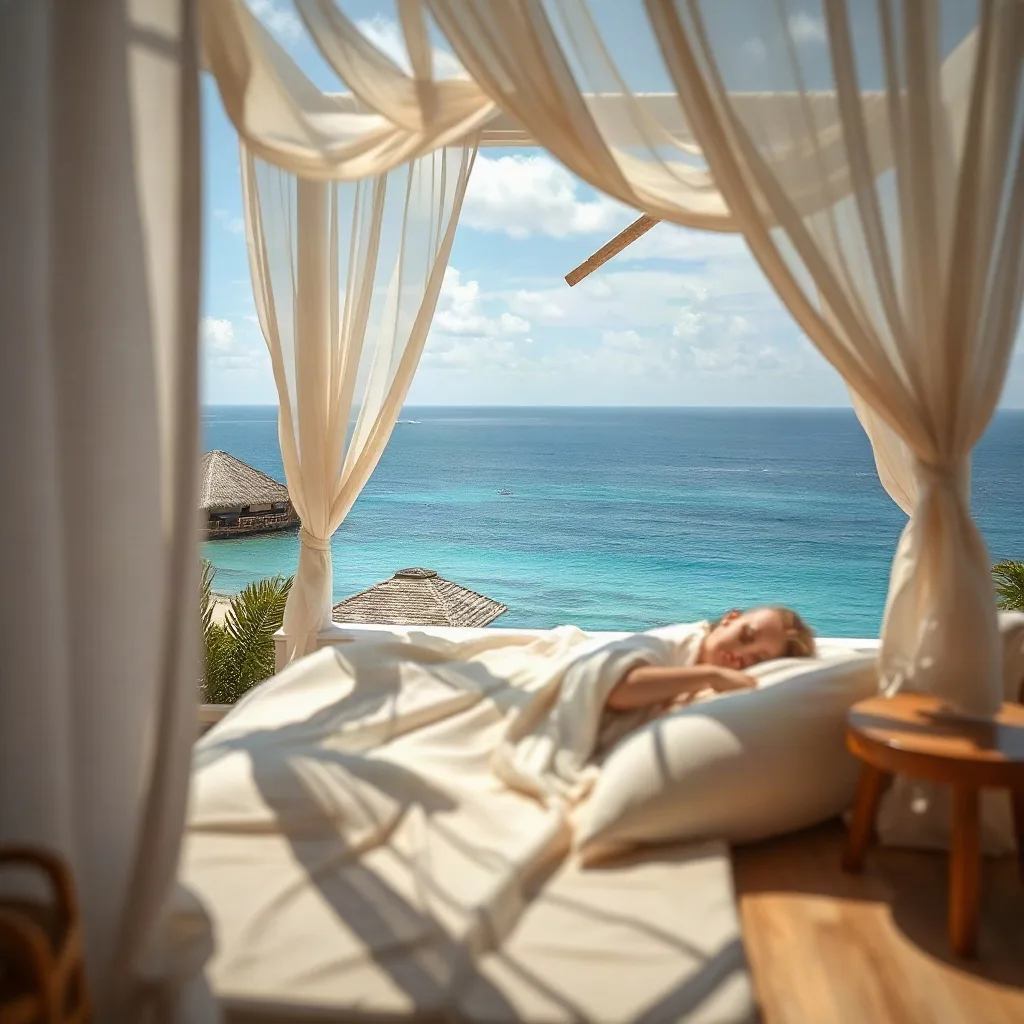
Travelers are increasingly looking for trips that prioritize restorative rest over sightseeing marathons. A sleep vacation blends comfortable accommodations, quiet environments, and wellness programming designed to reset circadian rhythms and reduce chronic fatigue. This guide explores why sleep tourism is booming, highlights standout destinations across continents, and offers practical steps for planning a trip that leaves you genuinely refreshed.
Why Sleep Tourism Is Growing
Modern life bombards us with artificial light, constant notifications, and irregular schedules. Research from sleep science centers shows that even a single week of consistent darkness, cool temperatures, and limited screen exposure can improve sleep efficiency by up to fifteen percent. Hotels and resorts have responded by creating rooms with blackout glazing, sound‑masking systems, and aromatherapy diffusers. Wellness brands now market packages that include guided meditation, circadian lighting, and nutrition plans tailored to melatonin production. The result is a niche market where the primary metric of success is how well guests sleep, not how many landmarks they photograph.
Top European Sleep Sanctuaries
Scandinavia leads the way with properties that embrace the concept of hygge and the long winter nights. In Sweden, the Icehotel in Jukkasjärvi offers suites carved from ice and snow, maintaining a constant sub‑zero temperature that encourages deep slow‑wave sleep. Guests receive thermal sleeping bags and can participate in aurora‑watching sessions that double as natural light therapy. In Finland, the Kakslauttanen Arctic Resort provides glass igloos where the night sky becomes a ceiling, allowing the body to synchronize with natural light cycles. Further south, Portugal’s Alentejo region hosts boutique farms that combine organic meals, silent walking trails, and rooms equipped with adjustable circadian lighting panels. Each location emphasizes minimal electronic interference, offering lockable device storage at reception.
Asian Retreats Designed for Deep Rest
Japan’s ryokan tradition already centers on restful rituals: tatami flooring, futon bedding, and onsen baths. Modern extensions like Hoshinoya Kyoto integrate these elements with sleep‑science consultants who personalize pillow firmness, room temperature, and pre‑bedtime tea blends. In Bali, the Como Shambhala Estate offers a Sleep Well program that includes sunrise yoga, magnesium‑rich meals, and nightly sound baths using crystal bowls. Thailand’s Kamalaya Koh Samui provides a dedicated Sleep Enhancement suite equipped with a white‑noise generator, blackout curtains, and a personalized sleep diary reviewed by a wellness coach each morning. These retreats often limit Wi‑Fi to communal areas, encouraging a digital sunset well before bedtime.
North American Wilderness Lodges for Quiet Nights
The vast forests of Canada and the United States host lodges that turn isolation into a sleep asset. In British Columbia, the Nimmo Bay Wilderness Resort accessible only by floatplane offers cabins with no artificial lighting beyond low‑lux amber LEDs. Guests follow a schedule aligned with sunrise and sunset, and the kitchen serves meals rich in tryptophan and complex carbohydrates. In Colorado, the Dunton Hot Springs property blends historic mining cabins with geothermal pools; the mineral water promotes muscle relaxation, while the high altitude encourages deeper breathing patterns. Both locations provide guided night‑sky astronomy sessions that double as low‑light exposure therapy, reinforcing natural melatonin release.
Southern Hemisphere Hideaways
New Zealand’s South Island features the Blanket Bay lodge on Lake Wakatipu, where floor‑to‑ceiling windows frame the Southern Alps and the night sky is free from light pollution. The lodge’s Sleep Suite includes a custom mattress, a pillow menu, and a pre‑sleep ritual kit containing lavender mist, a weighted blanket, and a short guided meditation audio. In Australia, the Southern Ocean Lodge on Kangaroo Island offers suites with automated blackout blinds that close at sunset, a sound‑masking system that mimics ocean waves, and a nutrition program focused on omega‑3 fatty acids known to support sleep architecture. Both properties limit guest capacity to preserve silence.
How to Choose the Right Sleep Destination for You
Start by identifying your primary sleep disruptors. If noise is the issue, prioritize properties with sound‑masking technology and remote locations. If light exposure is the problem, seek rooms with total blackout capabilities and circadian lighting that mimics sunrise. Consider the climate: cooler environments generally support deeper sleep, but personal comfort matters. Review the wellness menu — does the resort offer sleep‑focused nutrition, guided relaxation, or access to a sleep specialist? Finally, evaluate travel logistics; a long haul flight with multiple time‑zone changes can offset the benefits of a sleep‑centric stay. Opt for destinations reachable within a reasonable travel window or plan a few buffer days for gradual adjustment.
Practical Tips for Maximizing Rest on Vacation
- Pack a personal sleep kit: eye mask, earplugs, a small travel‑size white‑noise device, and a familiar pillowcase.
- Set devices to night‑mode at least two hours before the local bedtime and store them outside the bedroom.
- Follow the resort’s suggested wind‑down schedule; many programs include a warm bath, light stretching, and a caffeine‑free herbal tea.
- Hydrate early in the day and limit fluid intake after early evening to reduce nocturnal awakenings.
- Use the morning light exposure offered by the property — whether a sunrise walk or a light‑therapy lamp — to anchor your circadian rhythm.
Building a Sleep‑Friendly Itinerary
Design each day around three pillars: light, movement, and nutrition. Begin with gentle exposure to natural light within thirty minutes of waking; a short walk or balcony stretch works well. Schedule low‑intensity activity such as yoga, tai chi, or a guided nature walk mid‑morning to boost adenosine buildup. Lunch should feature protein, complex carbs, and magnesium‑rich greens. Reserve the early afternoon for a brief nap of no more than twenty minutes if the program allows. As evening approaches, transition to dim lighting, avoid heavy meals, and engage in a relaxation practice — meditation, journaling, or a warm soak. End the day with a consistent lights‑out time, even on weekends, to reinforce the new rhythm.
Pre‑Trip Sleep Preparation: Aligning Your Rhythm Before You Depart
Begin the reset at least seven days before departure. Shift your bedtime and wake time by fifteen minutes each day toward the target schedule of the destination. Morning light is the strongest zeitgeber; spend twenty minutes outdoors or under a 10,000‑lux light box within thirty minutes of waking. Evening light should be dimmed — use amber bulbs or blue‑blocking glasses after sunset. Meal timing follows the same principle: eat breakfast within an hour of rising, keep lunch protein‑rich, and finish dinner at least three hours before the new bedtime. Limit caffeine after 14:00 and avoid alcohol after 18:00. A short 20‑minute nap early afternoon can reduce sleep pressure without fragmenting night sleep. For travelers crossing more than three time zones, a low‑dose melatonin (0.5 mg) taken 30 minutes before the desired sleep time on the first two nights can accelerate adaptation. Edge cases: night‑shift workers should invert the protocol — advance the schedule by thirty minutes daily and use bright light at the start of their “night” shift. Parents traveling with children can synchronize the whole family by applying the same light‑meal‑activity routine, but keep nap windows age‑appropriate. A printable checklist with daily light exposure, meal windows, and supplement timing helps maintain consistency.
- Day ‑7 to ‑1: shift schedule 15 min earlier each day
- Morning: 20 min bright light, protein breakfast
- Evening: dim lights, blue‑blockers, light dinner
- Optional: 0.5 mg melatonin first two nights at destination
Sleep‑Focused Transportation: Minimizing Disruption en Route
Transportation choices can either preserve or erase the gains from pre‑trip preparation. When flying, select a flight that lands in the morning local time; this lets you capture natural light immediately. Choose a window seat on the side opposite the sun to control light exposure. Wear noise‑cancelling headphones and a contoured eye mask from boarding. Compression socks reduce leg swelling and improve venous return, which supports deeper sleep on long hauls. Hydrate steadily — 150 ml water per hour — but stop large volumes two hours before landing to limit nighttime bathroom trips. If the flight exceeds eight hours, schedule a 90‑minute “core sleep” window aligned with the destination night; use a travel pillow that supports the cervical curve. For train travel, book a private cabin with blackout curtains and a temperature‑controlled berth; the gentle rocking can enhance slow‑wave sleep. Road trips benefit from a pre‑planned rest stop every three hours: a 10‑minute walk, light stretch, and a protein snack keep adenosine building without causing fatigue. Private charter or business‑class pods with lie‑flat seats provide the most controllable environment, but the cost may be prohibitive. Edge case: travelers with obstructive sleep apnea should bring a portable CPAP with a battery pack approved for airline use; confirm power outlet compatibility ahead of time.
- Morning arrival flights + window seat opposite sun
- Noise‑cancelling headphones, contoured eye mask
- Compression socks, steady hydration
- 90‑min core sleep window on >8 h flights
- Private train cabin or scheduled road stops
Budget‑Friendly Sleep Retreats: Quality Rest Without the Premium Price Tag
Restorative sleep does not require a five‑star price tag. University‑affiliated sleep labs in the United States, Canada, and Europe occasionally open their facilities for short‑stay “sleep camps” where participants receive polysomnography feedback, CBT‑I workshops, and a controlled light‑dark environment for $150‑$250 per night. In Portugal’s Alentejo region, several agro‑tourism farms offer dormitory‑style rooms with blackout curtains, communal kitchens, and guided sunrise walks for under €80 per night. Mexico’s Baja California hosts eco‑lodges that combine temazcal sweat ceremonies with magnesium‑rich meals; a three‑night package averages $120 per night including transport from the nearest airport. In the United States, the “Sleep Pod” network in major cities provides capsule‑style pods with active noise masking, temperature control, and a 30‑minute guided meditation app — rates start at $45 per night. DIY retreats are another lever: rent a quiet Airbnb with blackout blinds, bring a portable white‑noise machine, and follow a self‑designed schedule using free circadian‑light apps. Edge cases: shared‑bathroom facilities can introduce nighttime noise; request a room far from common areas or bring high‑quality earplugs. Some budget sites lack on‑site nutritionists; pre‑pack magnesium glycinate, tart‑cherry concentrate, and herbal tea bags to replicate the meal plan. Always verify cancellation policies — many low‑cost programs have strict 48‑hour windows.
- University sleep labs: $150‑$250/night with CBT‑I
- Alentejo agro‑farms: €80/night, blackout curtains
- Baja eco‑lodges: $120/night, temazcal + magnesium meals
- Urban sleep pods: $45/night, noise masking
- DIY Airbnb + portable gear
Specialized Programs for Shift Workers, Athletes, and Chronic Conditions
One‑size‑fits‑all sleep vacations rarely address the nuanced needs of shift workers, elite athletes, or guests with medical sleep disorders. A growing number of resorts now partner with occupational‑health physicians to design “circadian reset” weeks for rotating‑shift employees. These programs front‑load bright‑light therapy during the first three days, then taper to dim‑light evenings while providing timed melatonin and strategic napping windows that mimic the worker’s upcoming schedule. Athletes benefit from recovery‑focused stays that integrate sleep‑stage monitoring, protein‑timed nutrition, and contrast‑water therapy; the Dunton Hot Springs property, for example, offers a “Performance Sleep” package with daily HRV tracking and a sports‑nutritionist consult. For chronic insomnia, some clinics embed CBT‑I therapists on‑site, delivering daily 45‑minute sessions alongside the resort’s wind‑down rituals. Sleep‑apnea guests can access on‑site CPAP titration nights, with a respiratory therapist adjusting pressures in real time. Anxiety‑related sleep disruption is addressed through guided somatic‑experiencing workshops, low‑dose adaptogen teas, and a “digital sunset” policy enforced by lockable device lockers. Edge cases: guests on anticoagulants must coordinate any contrast‑water therapy with their physician; those with severe PTSD may need a trauma‑informed therapist rather than a generic wellness coach. Always request a pre‑arrival health questionnaire so the program can be customized before you land.
- Shift‑worker circadian reset: bright light + timed melatonin
- Athlete performance sleep: HRV, protein timing, contrast water
- Insomnia CBT‑I on‑site daily sessions
- Apnea CPAP titration with respiratory therapist
- Anxiety program: somatic workshops, adaptogen teas
Integrating Wearable Sleep Tech and AI Coaching Into Your Stay
Modern wearables — Oura Ring, Whoop Strap, Apple Watch, Garmin — generate nightly metrics that can be leveraged by resort staff for real‑time coaching. Before arrival, export a 14‑day baseline CSV and share it with the wellness team; many properties now have a secure portal for this data. During the stay, the coach reviews sleep‑stage percentages, HRV trends, and respiratory rate each morning, then adjusts room temperature, light intensity, and the evening wind‑down script accordingly. AI‑driven apps such as SleepScore or Rise Science can ingest the same feed and push micro‑recommendations — e.g., “increase magnesium by 200 mg tonight” or “delay caffeine cutoff by 30 minutes”. Privacy is paramount: confirm the resort’s data‑handling policy, request on‑device processing where possible, and delete the shared file after checkout. Edge cases: data overload can cause “orthosomnia” — obsessive focus on perfect scores — so set a weekly review cadence rather than daily alerts. Battery life on multi‑day hikes may limit continuous tracking; a portable solar charger ensures uninterrupted capture. For guests without wearables, the resort can loan a validated actigraphy wristband for the duration of the program.
- Export 14‑day baseline CSV, share via secure portal
- Morning coach review: sleep stages, HRV, respiratory rate
- AI app micro‑recommendations (magnesium, caffeine timing)
- Privacy: on‑device processing, delete after stay
- Guard against orthosomnia with weekly review cadence
Sustaining the Gains: Post‑Vacation Habits and Home Environment Upgrades
The true test of a sleep vacation is whether the improvements survive the return to daily life. Start with a 30‑day “maintenance protocol” that mirrors the resort’s three pillars — light, movement, nutrition — but scaled to home constraints. Install a programmable circadian lighting system (e.g., Philips Hue with sunrise simulation) in the bedroom; set it to 2,700 K at wake, 6,500 K at midday, and 1,800 K after 20:00. Replace the mattress if it exceeds seven years; a medium‑firm hybrid with zoned support replicates the resort’s custom mattress feel. Add a weighted blanket (7‑10 % of body weight) and a pillow menu — memory foam, latex, down — to reproduce the pillow‑selection experience. Keep a sleep diary (paper or app) for the first two weeks, noting bedtime, wake time, subjective quality, and any deviations. Schedule a 15‑minute morning walk within 30 minutes of rising, even on weekends, to anchor the rhythm. Re‑introduce the resort’s magnesium‑rich dinner template: salmon, quinoa, steamed spinach, and a tart‑cherry reduction. If jet lag re‑appears after a subsequent trip, repeat the pre‑trip light‑meal shift for three days before departure. Edge case: shift‑workers returning to rotating rosters should negotiate a “fixed‑anchor” day each week where the light‑movement‑nutrition routine is non‑negotiable, creating a stable reference point. A follow‑up video call with the resort’s sleep coach at day 14 and day 30 can troubleshoot regressions and adjust the home protocol.
- Programmable circadian lighting: 2,700 K → 6,500 K → 1,800 K
- Mattress replacement if >7 years; medium‑firm hybrid
- Weighted blanket 7‑10 % body weight, pillow menu
- 14‑day sleep diary + 15‑min morning walk
- Magnesium‑rich dinner template, repeat pre‑trip shift for future travel
Frequently Asked Questions
What is a sleep vacation?
A sleep vacation is a travel experience designed primarily to improve sleep quality. It combines accommodations optimized for darkness, quiet, and temperature control with wellness programming such as circadian lighting, guided relaxation, and nutrition plans that support melatonin production.
Do I need a sleep specialist to benefit?
Not necessarily. Many resorts employ wellness coaches trained in sleep hygiene who can tailor the environment and schedule to your needs. If you have a diagnosed sleep disorder, consulting a specialist before travel can help you choose a program that complements medical treatment.
How long should a sleep vacation last?
Research suggests a minimum of five nights allows the body to adjust to a new light‑dark cycle and begin repaying sleep debt. Longer stays of seven to ten days provide deeper consolidation of new habits.
Can I bring my own sleep technology?
Yes. Most properties welcome personal devices such as white‑noise machines, smart sleep trackers, or specialized pillows. Check with the resort ahead of time to ensure compatibility with room electrical standards.
Will a sleep vacation cure chronic insomnia?
A sleep vacation can significantly improve sleep quality and teach habits that support long‑term rest, but it is not a substitute for clinical treatment of chronic insomnia. It works best as part of a comprehensive plan that may include cognitive behavioral therapy for insomnia, medical evaluation, and ongoing lifestyle changes.
Related posts:
 Can Your Sleep Supplement Double as a Fountain of Youth?
 Do You Really Need Less Sleep as You Age?
 Carillon Miami Resort Review
 The Hidden Magnesium Power of Avocados Will Blow Your Mind
 Why Coffee and Magnesium Are the Power Couple Your Body Needs
 How to Improve Your Sleep Quality at Night
 Turkey Day Slumber: Bedroom Inspiration for the Ultimate Food Coma
 Three Scientific Reasons to Become a Morning Person