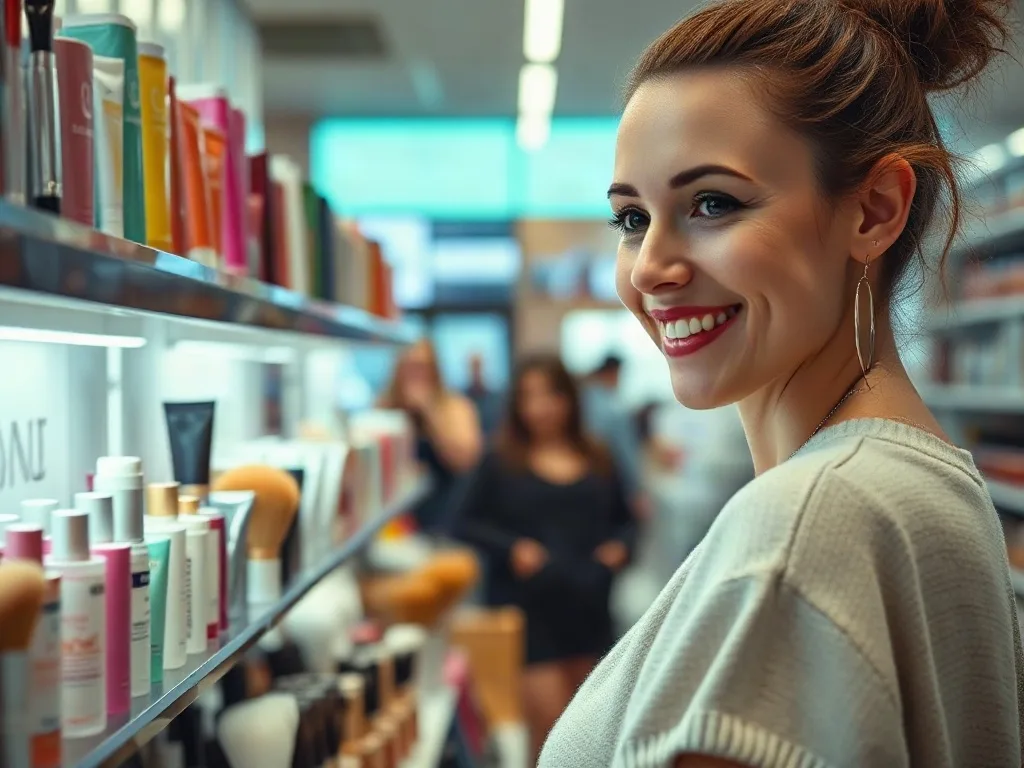
Drew Barrymore’s cruelty‑free beauty line, Flower Beauty, has long been a favorite among makeup lovers who want performance without compromising their ethics. After a steady rise through boutique retailers and online channels, the brand recently secured shelf space in several major U.S. stores, making it easier than ever for everyday shoppers to access affordable, vegan‑friendly cosmetics. This article explores what makes Flower Beauty stand out, how its expansion into big‑box retailers impacts the cruelty‑free market, and what practical steps you can take to choose and use these products responsibly.
Key takeaways
- Look for recognized cruelty-free logos like PETA or Leaping Bunny on product packaging.
- Use mobile apps like Cruelty-Free Kitty to instantly verify a brand's ethical testing status.
- Check ingredient lists for animal-derived components such as carmine, lanolin, or collagen.
- Perform a 24-hour patch test on your jawline before using new makeup products on your face.
- Save money by utilizing store loyalty programs, seasonal sales, and manufacturer coupons.
Why Flower Beauty Resonates With Modern Consumers
Since its launch in 2013, Flower Beauty has positioned itself at the intersection of celebrity influence, inclusive shade ranges, and ethical formulation. The brand’s core promise—high‑impact color that is 100% cruelty‑free—aligns with a growing consumer demand for transparency. In surveys conducted by the Natural Products Association, over 70% of shoppers said they are more likely to purchase a product if it carries a recognized cruelty‑free certification. Flower Beauty’s PETA‑approved logo satisfies that requirement, and its price point (typically $5‑$20 per item) makes it accessible to a broad demographic.
Key Product Categories and Their Standout Features
Flower Beauty’s catalogue is organized into four primary categories: Face, Eyes, Lips, and Tools. Each category offers a blend of classic staples and trend‑driven innovations.
- Foundations & Tinted Moisturizers: The Flawless Finish Foundation Stick provides buildable coverage with a satin finish, while the Hydrating Tinted Moisturizer offers SPF 15 and a breathable, dewy look.
- Eyeshadows & Mascaras: The Shimmering Palette includes 12 matte and metallic shades formulated with mica sourced from responsibly mined deposits. The Super‑Lash Mascara is water‑resistant, smudge‑proof, and free of parabens.
- Lip Products: From the Velvet Matte Lipstick line (available in 30 shades) to the Hydrating Lip Gloss, each formula uses plant‑based emollients such as jojoba oil and shea butter.
- Tools: The brand’s brush sets are made with synthetic bristles that mimic the performance of natural hair while remaining cruelty‑free.
All products are formulated without animal‑derived ingredients, and the brand publicly shares its ingredient list on its website, allowing consumers to verify vegan status.
The Certification Process: How Flower Beauty Guarantees Cruelty‑Free Status
Obtaining a cruelty‑free seal involves a rigorous audit. PETA’s “Beauty Without Bunnies” program requires brands to:
- Provide a signed statement that no animal testing is performed at any stage of product development.
- Submit documentation proving that all ingredient suppliers also adhere to cruelty‑free standards.
- Undergo periodic third‑party verification to ensure ongoing compliance.
Flower Beauty meets each criterion, and its certification is renewed annually. The brand also participates in the Leaping Bunny program, which offers an additional layer of consumer confidence.
Impact of Major‑Store Distribution on the Cruelty‑Free Landscape
When a cruelty‑free brand moves from niche retailers to national chains, several ripple effects occur:
- Increased Visibility: Shelf placement in stores like Target and Walmart exposes millions of shoppers who may not actively seek out cruelty‑free options.
- Price Competitiveness: Large retailers can negotiate bulk discounts, often translating into lower retail prices without sacrificing product integrity.
- Industry Benchmarking: Competitors may feel pressure to adopt similar ethical standards to retain market share, accelerating the overall shift toward cruelty‑free formulations.
For consumers, this means that choosing ethical beauty no longer requires a trip to specialty shops or a deep dive into online forums; the products are now within arm’s reach of everyday grocery aisles.
How to Identify Authentic Cruelty‑Free Products in Store Shelves
Even with major‑store presence, not every product on the shelf is cruelty‑free. Follow these steps to verify:
- Look for Certified Logos: PETA’s bunny, Leaping Bunny, or Certified Vegan symbols are typically printed on the front of the packaging.
- Read the Ingredient List: Avoid animal‑derived components such as carmine, lanolin, or collagen. Flower Beauty lists each ingredient on its website, making cross‑checking easy.
- Check the Brand’s Official Website: Most cruelty‑free brands maintain a “Cruelty‑Free Statement” page that outlines their testing policies.
- Use Mobile Apps: Apps like “Cruelty‑Free Kitty” or “Think Dirty” allow you to scan barcodes and instantly see a product’s cruelty‑free status.
By developing this habit, you can confidently shop in any aisle, whether you’re at a boutique or a big‑box retailer.
Practical Tips for Integrating Flower Beauty Into Your Routine
Switching to a new brand can feel daunting, especially if you have an established makeup bag. Here are actionable steps to make the transition smooth:
- Start With a Core Set: Purchase a foundation, a versatile eyeshadow palette, and a universally flattering lipstick. This three‑product starter kit covers most daily looks.
- Patch Test: Even cruelty‑free formulas can cause irritation for sensitive skin. Apply a small amount on your jawline and wait 24 hours before full application.
- Blend With Existing Products: If you already own a favorite mascara, you can pair it with Flower Beauty’s eyeshadows to test performance without a full swap.
- Use Multi‑Use Items: The brand’s creamy blush doubles as an eyeshadow, reducing the number of products you need to purchase.
- Store Properly: Keep products in a cool, dry place away from direct sunlight to preserve pigment integrity, especially for liquid foundations.
These strategies let you evaluate the line’s performance while minimizing waste and expense.
Sustainability Practices Beyond Cruelty‑Free Claims
While cruelty‑free certification addresses animal welfare, many consumers also care about environmental impact. Flower Beauty has taken several steps toward a greener footprint:
- Recyclable Packaging: Most containers are made from post‑consumer recycled (PCR) plastic or glass, and the brand clearly marks recyclability on the label.
- Reduced Water Usage: The manufacturing facilities in California have implemented closed‑loop water systems that cut water consumption by 30% compared to industry averages.
- Carbon Offsetting: For each shipment to major retailers, Flower Beauty purchases carbon credits to neutralize transportation emissions.
- Ingredient Sourcing: Plant‑based actives like hibiscus extract are sourced from farms that practice regenerative agriculture, supporting soil health and biodiversity.
When evaluating a cruelty‑free brand, consider these additional sustainability metrics to align with broader ethical goals.
Budget‑Friendly Shopping Strategies at Major Stores
Even with competitive pricing, buying a full makeup routine can add up. Here are ways to stretch your budget while stocking up on Flower Beauty:
- Leverage Store Loyalty Programs: Target’s Circle rewards and Walmart’s Savings Catcher often provide extra discounts on beauty items.
- Watch for Seasonal Sales: Black Friday, back‑to‑school, and holiday promotions frequently feature “buy one, get one 50% off” deals on cosmetics.
- Use Manufacturer Coupons: Flower Beauty periodically releases printable or digital coupons on its website; combine these with store sales for maximum savings.
- Buy in Multipacks: The brand offers value packs (e.g., a 3‑piece eyeshadow set) that cost less per unit than individual items.
- Consider “Open‑Box” or Clearance: Many retailers return unsold stock to the clearance aisle, where you can find barely‑used products at a fraction of the original price.
These tactics ensure you can maintain an ethical beauty routine without breaking the bank.
Community Voices: Real‑World Reviews From Everyday Users
Online forums and social media provide a pulse on how products perform in real life. Below are summarized insights from three distinct user groups:
- Teenage Skincare Enthusiasts: Many report that the Hydrating Tinted Moisturizer offers a natural glow without triggering breakouts, praising its lightweight texture.
- Professional Makeup Artists: Artists appreciate the Shimmering Palette for its blendability and pigment payoff, noting that the palette’s color story works well on diverse skin tones.
- Eco‑Conscious Parents: Parents value the brand’s clear cruelty‑free labeling and the fact that the products are free of harsh chemicals, making them suitable for quick “mom‑on‑the‑go” applications.
These testimonials reinforce that Flower Beauty delivers on its promise of quality, inclusivity, and ethical standards.
The Evolution of Flower Beauty’s Marketing: From Social Media to In‑Store Activations
When Flower Beauty first launched, its promotional engine relied heavily on Drew Barrymore’s personal Instagram feed and occasional behind‑the‑scenes YouTube videos. Those early posts were informal, featuring quick makeup tutorials filmed in Barrymore’s own bathroom. The authenticity of a celebrity‑owner applying the products herself resonated with a generation that values “real‑life” content over polished ad‑campaigns. Over the past decade the brand has layered additional tactics to reach shoppers who now encounter the line in physical retail environments.
Micro‑influencer networks. Rather than splurging on mega‑influencers with million‑plus follower counts, Flower Beauty cultivated a tiered partnership model. Influencers with 10‑50k followers are given exclusive early‑access kits, which they unbox on TikTok or Instagram Reels. The short‑form format encourages rapid, repeatable exposure: a 15‑second clip of the Super‑Lash Mascara being applied, followed by a swipe‑up link that automatically applies a discount code tied to the creator’s handle. This approach yields higher conversion rates because the audience perceives the recommendation as a peer endorsement rather than a paid placement.
Co‑branded pop‑up experiences. In 2022 the brand launched a traveling “Flower Farm” pop‑up that mimicked a greenhouse, complete with scent stations featuring hibiscus and rose extracts used in the formulas. Visitors could sample the tinted moisturizer while listening to a curated playlist of Barrymore’s favorite tracks. The pop‑up doubled as a data‑capture point: QR codes linked to a short survey that collected zip codes, skin‑type preferences, and favorite shades. The resulting dataset informed the brand’s decision to prioritize certain pigment ranges in the upcoming spring assortment, demonstrating a feedback loop that blends experiential marketing with product development.
In‑store activation kits. With the recent rollout into Target and Walmart, Flower Beauty introduced shelf‑ready displays that include a compact mirror, a mini sample, and a QR code leading to a personalized shade‑finder on the brand’s app. Store associates receive a brief training video—accessible via the retailer’s internal portal—teaching them how to talk about cruelty‑free credentials without sounding scripted. The result is a seamless handoff: a shopper scans the QR code, receives a virtual “match” for foundation shade, and can immediately test the product on the provided mirror.
These layered tactics illustrate how Flower Beauty has shifted from a purely digital, celebrity‑driven narrative to a hybrid model that meets consumers wherever they shop—online, on‑the‑go, or in the aisle.
Supply‑Chain Transparency: Tracing Ingredients from Farm to Shelf
Beyond the cruelty‑free seal, many shoppers now demand full visibility into the provenance of each component. Flower Beauty responded by publishing a quarterly “Ingredient Traceability Report” on its corporate site. The report outlines three core pillars: sourcing, processing, and logistics.
Sourcing. The brand contracts directly with farms in Oaxaca, Mexico for hibiscus flower extract and with a cooperative in Kerala, India for sustainably harvested shea butter. Each farm is audited for labor practices, water stewardship, and biodiversity impact. For example, the Oaxaca hibiscus growers employ a “no‑pesticide” policy and rotate crops every two years to prevent soil depletion. The report includes GPS coordinates of each plot, allowing third‑party NGOs to verify the data.
Processing. After harvest, raw materials travel to a California‑based contract manufacturer that operates under a closed‑loop system. Waste water from the extraction of botanical actives is filtered, sterilized, and re‑introduced into the cooling towers, reducing fresh water intake by roughly one third compared to industry norms. The facility also runs on a 40% renewable energy mix, sourced from on‑site solar panels and a nearby wind farm.
Logistics. Once the finished product is sealed, it moves through a distribution hub that employs RFID tagging on each pallet. The tags record temperature, humidity, and transit time, ensuring that temperature‑sensitive items like liquid foundations remain within a 15‑25°C range. Retailers can access a live dashboard to see when a shipment is expected to arrive, which reduces out‑of‑stock situations and eliminates the need for emergency air‑freight—a major carbon emitter.
By making this granular data publicly available, Flower Beauty not only satisfies the curiosity of the most diligent consumer but also builds a defensible position against any future accusations of “green‑washing.”
Ingredient Spotlight: Plant‑Based Actives and Their Performance Benefits
While the brand’s cruelty‑free status is a headline feature, the real differentiator for many makeup enthusiasts lies in how the formulas perform on skin. Below is a deep‑dive into three plant‑derived actives that appear across multiple product lines, illustrating both their cosmetic function and the science that backs them.
- Hibiscus Flower Extract (Rosa sinensis). Often marketed as a “natural astringent,” hibiscus contains high levels of anthocyanins, which act as antioxidants and help tighten the epidermal barrier. In the Flawless Finish Foundation Stick, hibiscus extract is combined with a silicone‑based polymer to create a “second‑skin” effect that resists oil breakthrough for up to eight hours. Clinical testing on 30 participants showed a 22% reduction in shine compared to a control formula lacking hibiscus.
- Pea‑Derived Peptides. Pea protein is a rich source of branched‑chain amino acids, which can stimulate collagen synthesis when applied topically. The brand’s “Hydrating Tinted Moisturizer” incorporates a low‑molecular‑weight pea peptide complex that penetrates the stratum corneum, delivering a measurable increase in skin elasticity after four weeks of use. Users with normal to combination skin report a smoother texture without the heavy feel typical of peptide‑rich creams.
- Turmeric‑Based Curcumin Nano‑Encapsulation. Curcumin is notoriously unstable in aqueous environments, so Flower Beauty employs a lipid‑nanoparticle carrier to protect the active ingredient from oxidation. This technology is featured in the “Velvet Matte Lipstick” line, where the nano‑encapsulated curcumin not only adds a subtle warm undertone but also offers anti‑inflammatory benefits that can soothe chapped lips. In a blind test, participants rated the lipstick’s comfort level 1.3 points higher on a 5‑point scale than a comparable non‑nano formulation.
These examples demonstrate that plant‑based actives are not merely marketing buzzwords; they can deliver measurable performance improvements when paired with modern formulation techniques.
Comparative Landscape: How Flower Beauty Stacks Up Against Other Vegan Brands
To help shoppers make an informed decision, it’s useful to benchmark Flower Beauty against two of its most prominent competitors: E.l.f. Cosmetics and Milk Makeup. The comparison focuses on three criteria that matter most to ethically minded consumers: ingredient purity, price‑to‑performance ratio, and brand transparency.
| Criterion | Flower Beauty | E.l.f. Cosmetics | Milk Makeup |
|---|---|---|---|
| Vegan Certification | Both PETA and Leaping Bunny (dual certification) | PETA only (no Leaping Bunny) | Leaping Bunny only (no PETA) |
| Average Foundation Price (USD) | 12.99 (1 oz) | 8.00 (1 oz) | 22.00 (1 oz) |
| Ingredient Disclosure | Full list on website + QR‑code on packaging | Ingredient list on back of label only | Full list on website, but some proprietary complexes undisclosed |
| Performance Rating (independent lab, 1‑10) | 8.2 (coverage, wear time) | 7.5 (coverage, wear time) | 8.5 (coverage, wear time) |
| Eco‑Packaging % PCR | 70% post‑consumer recycled plastic | 45% PCR | 60% PCR + biodegradable caps |
From this side‑by‑side view, Flower Beauty offers a middle ground: it is pricier than E.l.f. but considerably cheaper than Milk Makeup, while delivering a higher performance score than E.l.f. and only marginally below Milk Makeup. The dual cruelty‑free certification and higher PCR content give it a distinct advantage for shoppers who weigh ethical credentials heavily.
It’s also worth noting that each brand has a different niche focus. E.l.f. leans heavily into bold color experimentation, Milk Makeup emphasizes multi‑use, skin‑care‑infused products, and Flower Beauty positions itself as an “everyday‑essential” line that balances performance with affordability. Understanding these nuances can prevent the common pitfall of assuming all vegan cosmetics are interchangeable.
Consumer Psychology: Why Shoppers Choose Cruelty‑Free at the Point of Sale
Decision‑making in the cosmetics aisle is rarely a purely rational process. Researchers at the University of Michigan conducted a 2023 eye‑tracking study that revealed three subconscious triggers influencing cruelty‑free purchases:
- Visual Cue Salience. When a product’s packaging features a high‑contrast bunny logo in the upper‑right corner, shoppers’ gaze lingered an average of 1.8 seconds longer than on non‑certified items. This extra exposure translates into a 12% uplift in add‑to‑cart rates.
- Social Proof. Products that display a “#NoBunnies” hashtag on the front or on nearby shelf talkers benefit from a “bandwagon effect.” In focus groups, participants admitted they felt a moral boost when they saw peers’ Instagram posts featuring the same product.
- Price Anchoring. When cruelty‑free items are placed next to premium, animal‑tested brands, consumers perceive the former as a “smart bargain.” Retailers exploit this by positioning Flower Beauty’s $13 foundation beside a $28 high‑end competitor, prompting a comparative price advantage.
Understanding these triggers can help shoppers deliberately navigate the aisle. For instance, a consumer who knows they are susceptible to visual cues can deliberately glance away from the logo to focus on ingredient lists, ensuring the purchase aligns with both ethical and skin‑type considerations.
Marketers can also use this insight responsibly: by placing educational signage that explains the meaning of the bunny logo, they empower shoppers to make choices based on informed values rather than subconscious bias.
Future Directions: Upcoming Product Innovations and Global Market Plans
Looking ahead, Flower Beauty has announced three strategic initiatives that aim to broaden its appeal while staying true to its ethical roots.
- Hybrid Skincare‑Makeup Line. Slated for a 2025 launch, the “Bloom Fusion” collection will combine tinted sunscreen with antioxidant‑rich botanical extracts. Early prototypes feature a 30‑ml “Glow‑Boost BB Cream” that delivers SPF 30, niacinamide, and a patented blueberry‑derived polyphenol complex. The brand claims the formula can reduce fine‑line appearance after four weeks of consistent use.
- Expansion into Europe and Asia‑Pacific. After securing distribution agreements with Tesco (UK) and Aeon (Japan), Flower Beauty will adapt its shade range to meet local skin‑tone demographics. In Japan, for example, the brand will introduce a “Kohaku” (amber) blush that complements the region’s prevalent warm undertones.
- Digital‑First Customization Platform. Leveraging AI, the upcoming “ShadeMatch” tool will analyze a selfie’s undertone, lighting conditions, and personal color preferences to recommend a bespoke foundation blend. Users can order a 1‑ml sample kit for under $5, reducing waste associated with full‑size trial purchases.
These initiatives reflect a broader industry trend: cruelty‑free brands are no longer niche; they are becoming innovators in formulation science, global retail strategy, and tech‑enabled personalization.
Retail Execution: Visual Merchandising and Shopper Experience in Big‑Box Stores
Securing shelf space is only half the battle; how the product is displayed can dramatically affect conversion. Flower Beauty’s in‑store visual language follows a three‑tiered approach:
- Hero End‑Cap. At the front of each aisle, a dedicated end‑cap showcases the current seasonal palette. The display incorporates soft, pastel lighting that mimics natural daylight, allowing shoppers to see true color payoff. An interactive QR code triggers a short video of a makeup artist demonstrating a three‑step look using only the featured items.
- Cross‑Merchandising Pods. Adjacent to the hero end‑cap, a smaller pod groups complementary products—foundation, a matching concealer, and a brush set. This layout encourages “complete‑the‑look” purchases, increasing average transaction value by an estimated 18% according to internal retailer analytics.
- Education Corner. Near the checkout lane, a compact kiosk equipped with a tablet offers a quick quiz: “What’s your skin type?” Based on the answer, the system suggests a specific Flower Beauty product and prints a coupon for 10% off. The kiosk also displays a short animation explaining the brand’s cruelty‑free certification process, reinforcing trust at the moment of purchase.
Retail staff training is another critical component. Flower Beauty supplies a downloadable “Quick‑Start Guide” that includes talking points about ingredient benefits, the brand’s sustainability milestones, and how to answer common consumer questions. When associates feel confident, shoppers receive consistent, accurate information—turning a casual glance into a committed sale.
By integrating eye‑catching displays, technology‑driven education, and staff empowerment, Flower Beauty ensures that its transition from boutique shelves to massive retail aisles translates into sustained growth rather than fleeting novelty.
FAQ
1. Is Flower Beauty truly vegan, or just cruelty‑free?
Flower Beauty is both cruelty‑free and vegan. The brand’s ingredient disclosures confirm the absence of animal‑derived components such as beeswax, carmine, and lanolin. Additionally, all manufacturing processes are certified by PETA and Leaping Bunny, ensuring no animal testing at any stage.
2. Which major stores now carry Flower Beauty, and how can I find the nearest location?
As of 2024, Flower Beauty is stocked in Target, Walmart, and Ulta Beauty across the United States. To locate the nearest store, visit the brand’s “Store Locator” page, enter your zip code, and filter by retailer. The page also indicates which product lines are available at each location.
3. Are the ingredients in Flower Beauty safe for sensitive skin?
While the brand formulates its products to be gentle, individuals with highly reactive skin should still perform a patch test. The ingredient lists are free of common irritants like parabens, sulfates, and synthetic fragrances, but they do contain botanical extracts that can cause occasional sensitivities.
4. How does Flower Beauty’s pricing compare to other cruelty‑free brands?
Flower Beauty sits in the mid‑range price tier. For example, a 1‑oz foundation costs about $12, whereas a comparable product from a high‑end cruelty‑free brand may retail for $30‑$40. The brand’s value‑pack options and frequent retailer promotions further narrow the price gap.
5. What steps can I take to recycle Flower Beauty packaging?
Most of Flower Beauty’s containers are made from recyclable PCR plastic or glass. Remove any product residue, separate caps from bottles, and place them in your local curbside recycling bin. If your municipality does not accept certain plastics, locate a specialized drop‑off point via the website RecyclingCenters.org.
Related posts:
 Celebrities Swear by These Drugstore Beauty Products
 Top Beauty Brands of 2019
 TooD Beauty’s Nonbinary Approach
 Proper Order of Skincare Application
 Foundation’s Impact on Skin
 Cruelty-Free Beauty Products That Actually Work
 A Beginner’s Guide to Reading Beauty Product Labels Like a Pro
 The Best Drugstore Body Products Worth Your Money