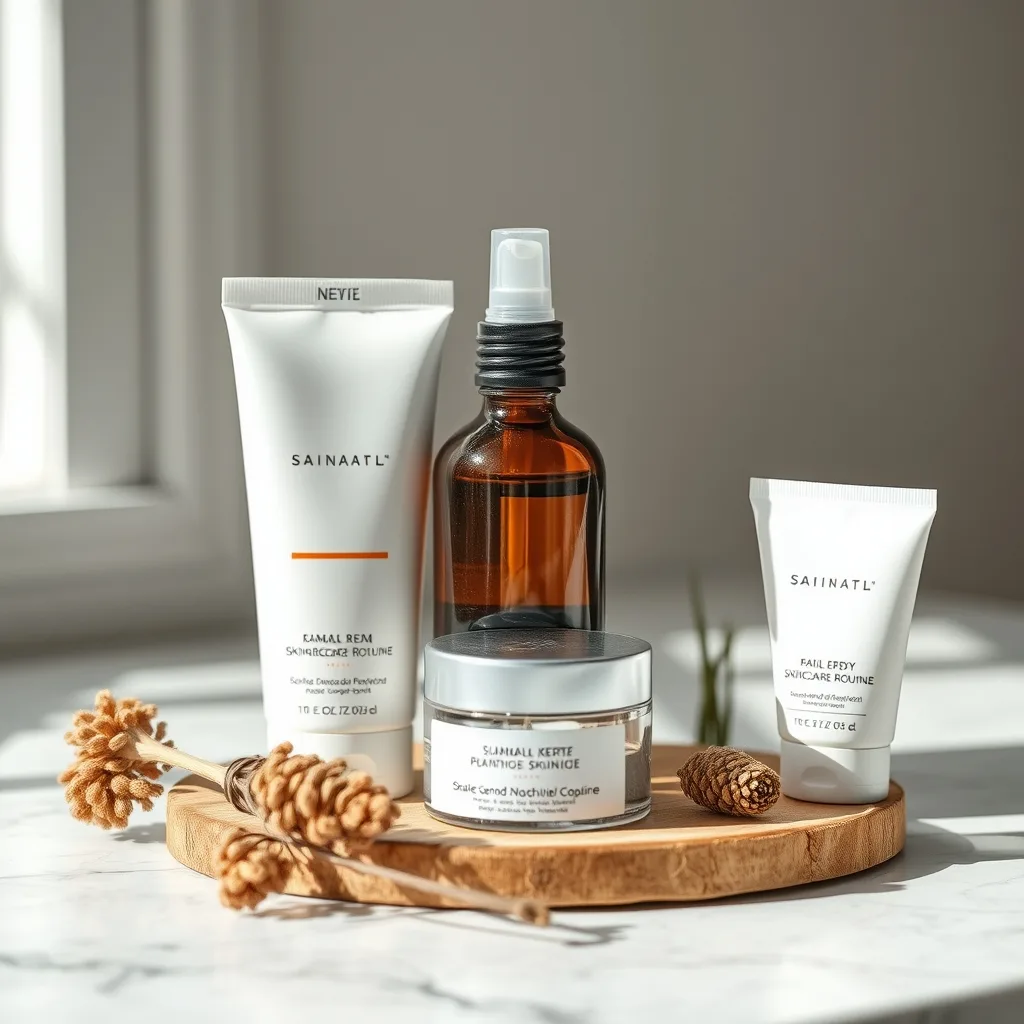
Living in a dry climate challenges the skin’s natural barrier because low humidity pulls moisture from the outermost layers. This article explains why the environment matters and gives a step by step routine that you can start today.
Understanding How Dry Air Affects Skin
When the air holds little water vapor the epidermis loses transepidermal water at an accelerated rate. The result is a feeling of tightness, flaking, and increased sensitivity. Research shows that barrier lipids become disorganized after prolonged exposure to arid conditions, making the skin more prone to irritation and fine lines. Recognizing these changes helps you choose products that replenish lipids rather than merely adding surface water.
Core Hydration Principles for Arid Environments
Effective hydration in a dry climate rests on three pillars: gentle cleansing, layered moisture, and occlusion. First, use a cleanser that respects the acid mantle; harsh surfactants strip the very lipids you need. Second, apply a humectant such as hyaluronic acid or glycerin while the skin is still damp to draw water into the stratum corneum. Third, seal that hydration with an occlusive agent like ceramides, squalane, or a light oil. This three step approach mimics the skin’s own lipid barrier and reduces water loss throughout the day.
Building a Morning Routine
Start with a splash of lukewarm water followed by a sulfate free cream cleanser. Pat the face dry leaving a thin film of moisture. Apply a few drops of a hyaluronic acid serum, then a lightweight moisturizer that contains ceramides and niacinamide. Finish with a broad spectrum SPF 30 or higher; mineral formulas with zinc oxide are less likely to sting sensitive, dehydrated skin. Reapply sunscreen every two hours if you spend time outdoors.
Building an Evening Routine
Evening care focuses on repair. Begin with the same gentle cleanser to remove sunscreen and pollutants. While the skin is still damp, layer a richer serum that includes peptides or ceramides. Follow with a thicker night cream or a sleep mask that provides occlusion for six to eight hours. If you use retinoids, introduce them slowly and buffer with moisturizer to avoid barrier disruption in an already dry environment.
Choosing the Right Cleanser
Look for cleansers labeled cream, milk, or balm. Ingredients such as oat extract, aloe vera, and glycerin indicate a barrier friendly formula. Avoid foaming gels that list sodium lauryl sulfate or alcohol denat in the first five ingredients. A quick test: after rinsing, your skin should feel soft, not squeaky clean. If it feels tight, switch to a more emollient option.
Selecting Moisturizers and Occlusives
Daytime moisturizers can be lighter; seek lotions with hyaluronic acid, glycerin, and a modest amount of dimethicone for a silky finish. Nighttime products benefit from richer textures: look for shea butter, squalane, ceramide complexes, and cholesterol. Layering a facial oil over your cream adds an extra seal without clogging pores, especially if the oil is non comedogenic like rosehip or jojoba.
Sun Protection in Low Humidity
UV radiation reflects off dry surfaces such as sand and concrete, intensifying exposure. Choose a sunscreen that offers both UVA and UVB coverage and contains antioxidants like vitamin E to counteract free radicals generated by the sun. Mineral sunscreens sit on top of the skin and are less likely to cause stinging on compromised barriers. Apply a generous quarter teaspoon for the face and neck, and don’t forget the ears and the back of the hands.
Lifestyle Habits That Support Skin Barrier
Hydration starts from within. Aim for at least two liters of water daily, and incorporate omega three rich foods such as salmon, walnuts, and flaxseed. Use a humidifier in the bedroom to raise indoor humidity to 40 to 50 percent. Limit hot showers to ten minutes and pat skin dry instead of rubbing. Avoid over exfoliating; once a week with a mild polyhydroxy acid is sufficient for most dry climate dwellers.
Seasonal and Altitude Adjustments for Dry Climates
When the calendar shifts from summer to winter the absolute humidity can drop another ten to fifteen percent even in regions that are already arid. This means the same routine that feels comfortable in July may leave the barrier under‑hydrated by December. A practical rule is to increase the occlusive layer by one step each season: swap a lightweight lotion for a cream that contains a higher percentage of ceramides or add a thin veil of squalane oil after the moisturizer.
At high altitude the lower atmospheric pressure accelerates transepidermal water loss, so a barrier serum with ectoine or trehalose can be applied before the humectant step to stabilize lipids. Monitor the skin’s tactile feedback; a persistent tight feeling after the morning routine signals that the occlusion level needs to be raised.
Spring often brings wind‑driven dust that can micro‑abrade the stratum corneum. Incorporate a gentle polyhydroxy acid once every ten days to polish away dead cells without compromising the lipid matrix. Follow the exfoliation with a ceramide‑rich mask for twenty minutes to replenish the barrier before the day’s exposure.
Summer heat combined with low humidity creates a paradox: sweat evaporates instantly, pulling water from the skin while the air remains dry. Use a water‑gel essence that contains glycerin and beta‑glucan immediately after cleansing, then lock it in with a light silicone‑free fluid that includes dimethicone alternatives such as caprylyl glycol.
Autumn is the ideal window to introduce a richer night cream that contains cholesterol, phytosphingosine, and a low dose of niacinamide. The cooler evenings reduce the risk of occlusion‑induced breakouts while the barrier rebuilds during the longer sleep cycle.
If you travel between sea level and mountain locations within a single week, pack a travel‑size barrier serum and a miniature occlusive balm. Apply the serum on the plane where cabin humidity can dip below ten percent, then seal with the balm before landing to prevent the sudden humidity shift from stripping moisture.
Targeted Barrier Repair Protocols for Compromised Skin
Conditions such as eczema, rosacea, and post‑procedure sensitivity demand a stricter hierarchy of ingredients. Start each session with a pH‑balanced, non‑ionic cleanser that contains oat kernel extract and a touch of allantoin; this removes residue without triggering the inflammatory cascade.
Immediately after patting dry, apply a sterile hydrogel that delivers a 2% concentration of hyaluronic acid cross‑linked with glycerin. The cross‑linking slows evaporation, giving the compromised stratum corneum a sustained water reservoir for up to six hours.
Layer a barrier‑repair serum that combines ceramides NP, AP, and EOP in a 3:1:1 molar ratio, plus 0.5% phytosphingosine. Clinical data show this blend restores lamellar organization within forty‑eight hours when used twice daily.
For rosacea‑prone skin, add a low‑dose azelaic acid (10%) in a gel base after the barrier serum. The anti‑inflammatory action reduces erythema while the surrounding occlusion prevents the typical stinging associated with acidic actives in dry air.
Post‑laser or micro‑needling patients should avoid retinoids for at least two weeks. Instead, use a peptide complex containing copper tripeptide‑1 and palmitoyl tripeptide‑5 to stimulate collagen without compromising the newly formed barrier.
Seal the regimen with a semi‑occlusive balm that blends shea butter, squalane, and a 1% concentration of bisabolol. Apply a thin layer; excess occlusion can trap heat and worsen rosacea flushing.
Re‑evaluate after fourteen days. If the skin feels supple and the tightness score on a visual analogue scale drops below three, maintain the protocol. If irritation persists, step down to a single ceramide cream and consult a dermatologist for prescription barrier agents.
Advanced Layering Techniques: Serums, Essences, Facial Oils, and Occlusive Masks
The classic three‑step routine can be expanded into a five‑layer cascade that maximizes water binding and lipid replenishment without overwhelming the skin. Begin with a hydrating essence that contains fermented rice water and panthenol; the low molecular weight allows rapid penetration while the fermentation by‑products support the microbiome.
Follow with a targeted humectant serum. A 1% hyaluronic acid combined with 0.5% polyglutamic acid creates a synergistic gel network that holds up to five times more water than hyaluronic acid alone. Apply while the essence is still tacky to lock the moisture gradient.
Next, introduce a treatment serum. For anti‑aging, a 0.3% retinaldehyde encapsulated in liposomes delivers retinoid benefits with minimal irritation. For brightening, a 5% niacinamide plus 2% tranexamic acid blend addresses hyperpigmentation triggered by UV reflection off dry surfaces.
Seal the active layer with a facial oil that mimics the skin’s own sebum profile. A blend of jojoba ester, rosehip seed oil, and a touch of squalane provides linoleic acid for barrier fluidity and antioxidants for free‑radical quenching. Press the oil in with warm palms to enhance absorption.
Finish with an occlusive sleep mask two to three nights per week. Look for a formula that contains a ceramide complex, cholesterol, and a breathable film former such as hydrogenated polyisobutene. The mask creates a micro‑climate that reduces nocturnal transepidermal water loss by up to thirty percent.
Edge case: oily‑skin types in desert climates may fear breakouts from heavy occlusion. In this scenario, replace the sleep mask with a lightweight gel‑cream that contains a high percentage of glycerin and a silicone‑free film former like polyacrylate‑13. The result is occlusion without comedogenicity.
Morning after a mask night, cleanse with a micellar water that respects the acid mantle, then resume the standard three‑step routine. The periodic deep‑occlusion cycle prevents the barrier from adapting to a single level of hydration, keeping lipid synthesis responsive.
Indoor Environment Engineering: Humidifiers, Air Purifiers, Water Quality, and Temperature Control
Ambient humidity is only one variable; the quality of the air you breathe and the water you wash with also dictate barrier health. A bedroom humidifier set to maintain 45% relative humidity should be paired with a HEPA filter to remove particulate matter that can settle on the skin and trigger micro‑inflammation.
Hard water leaves calcium and magnesium deposits that bind to surfactant residues, increasing the perception of tightness after rinsing. Install a point‑of‑use shower filter that reduces mineral content by at least 80%. If a filter is not feasible, finish each rinse with a splash of distilled water to chelate residual ions.
Temperature swings between heating and cooling cycles create a “thermal shock” for the stratum corneum. Program the thermostat to change no more than two degrees per hour, and keep nighttime temperature between 18 and 20 Celsius. This stabilizes the lipid phase transition temperature, reducing micro‑cracks that accelerate water loss.
Air purifiers with activated carbon remove volatile organic compounds from cleaning products and off‑gassing furniture. VOCs can oxidize surface lipids, weakening the barrier. Run the purifier on low continuously; the white noise also supports deeper sleep, indirectly benefiting skin repair.
Consider a desktop humidifier for office spaces where central HVAC drives humidity below 20%. A compact ultrasonic unit with a built‑in hygrometer can maintain a personal micro‑environment of 40% around the face, especially useful during video calls where mask‑free exposure is prolonged.
Monitor indoor humidity with a calibrated hygrometer placed at face height, not near the floor. Data logs over a week reveal patterns—such as a post‑shower spike followed by a rapid decline—that inform when to boost humidifier output or apply a quick facial mist.
Edge case: in regions where winter heating is radiant (e.g., underfloor), the floor surface can become a heat sink that draws moisture from the lower legs. Apply a richer body butter containing urea 5% and ceramides to the calves and ankles before bed to counteract the localized dehydration.
Nutrition, Supplements, and Systemic Hydration Beyond Water Intake
While two liters of water daily is a baseline, the skin’s lipid synthesis depends on specific nutrients that are often low in modern diets. Omega‑3 fatty acids from algae oil provide eicosapentaenoic and docosahexaenoic acids that incorporate into phospholipid bilayers, improving fluidity and reducing transepidermal water loss.
Ceramide precursors such as sphingosine and phytosphingosine are not abundant in food, but supplementing with a 200 mg phytoceramide complex derived from wheat germ has been shown in double‑blind trials to increase skin hydration by 22% after eight weeks.
Vitamin E (mixed tocopherols) and vitamin C (liposomal) work synergistically to protect barrier lipids from oxidative peroxidation caused by UV‑reflected radiation. A daily dose of 400 IU vitamin E and 500 mg vitamin C supports the antioxidant network without the pro‑oxidant risk of high‑dose isolated ascorbic acid.
Zinc gluconate (15 mg) and selenium (55 µg) act as cofactors for superoxide dismutase and glutathione peroxidase, enzymes that neutralize reactive oxygen species generated by dry‑air‑induced inflammation. Take them with a meal containing healthy fat to enhance absorption.
Collagen peptides (10 g hydrolyzed type I/III) provide glycine, proline, and hydroxyproline, the building blocks for dermal extracellular matrix. While they do not directly hydrate the epidermis, a firmer dermis reduces the mechanical stress that can micro‑tear the barrier during facial expressions.
Polyphenol‑rich foods—green tea, pomegranate, and dark chocolate (≥70% cacao)—deliver catechins and ellagic acid that inhibit matrix metalloproteinases. Incorporate two servings daily; the effect compounds over months, making the skin more resilient to low‑humidity stress.
Edge case: individuals on diuretic medication for hypertension may experience systemic dehydration despite adequate fluid intake. Coordinate with a physician to adjust electrolyte balance, and add a potassium‑rich snack (banana, avocado) to support cellular water retention.
Travel and On‑the‑Go Rescue Kit for Arid Environments
Airplane cabins, hotel rooms, and desert excursions each present unique humidity challenges. A compact kit that fits in a carry‑on can prevent the cumulative barrier erosion that turns a short trip into a week of flaking.
Include a 15 ml bottle of a pH‑balanced micellar cleansing water with chamomile extract. Use it to remove sunscreen and pollutants without needing a sink; the no‑rinse formula respects the acid mantle when water quality is unknown.
Pack a 10 ml hyaluronic acid serum (1% cross‑linked) in a dropper. Apply three drops to damp skin every four hours during flight; the low‑molecular‑weight fraction penetrates quickly, while the cross‑linked fraction creates a surface reservoir.
A 5 ml ceramide‑rich barrier cream (ceramides 3%, cholesterol 1%, fatty acids 1%) serves as the occlusive step. Its tube format avoids spillage and complies with liquid limits. Reapply after each hand‑washing episode, which is frequent in transit.
Add a single‑use hydrogel mask infused with ectoine and trehalose. Use it on the first night in a hotel where the HVAC may be set to 15% humidity. The mask delivers a 30‑minute intensive occlusion that jump‑starts barrier recovery.
Carry a mineral sunscreen stick (SPF 40, zinc oxide 12%) for quick touch‑ups on the nose, ears, and back of hands. The stick format eliminates the need for a separate bottle and reduces the risk of leakage.
Finally, a 30 ml electrolyte powder (sodium, potassium, magnesium) to dissolve in water ensures systemic hydration when potable water is scarce. Sip throughout the day; the electrolytes improve cellular water uptake more efficiently than plain water alone.
Edge case: high‑altitude trekking (>3000 m) adds cold‑induced vasoconstriction to the dryness equation. Layer a thin balm containing beeswax and ceramide NP over the barrier cream before donning a buff; the wax creates a wind‑proof seal without clogging pores.
Special Considerations: Men’s Shaving, Makeup, Lip/Eye Care, and Body Skin in Low Humidity
Shaving in a dry climate removes the topmost corneocytes along with the lipid film, leaving a raw surface that loses water rapidly. Pre‑shave, apply a warm, damp towel for two minutes, then massage a glycerin‑rich shaving cream that contains aloe vera and a low percentage of stearic acid. Shave with a single‑blade safety razor to minimize micro‑trauma.
Post‑shave, rinse with cold water, pat dry, and immediately apply an alcohol‑free aftershave balm containing ceramides, bisabolol, and 0.5% hyaluronic acid. This restores the barrier before the skin can sense tightness.
Makeup wearers should choose a hydrating primer with a silicone‑free base (e.g., dimethicone‑free polymethylsilsesquioxane) and a foundation that lists glycerin and squalane in the first five ingredients. Set with a fine mist of thermal water rather than a powder, which can settle into micro‑cracks and accentuate flaking.
The vermillion border of the lips lacks sebaceous glands, making it the first site of visible dehydration. Use a balm that combines lanolin, ceramide NP, and a touch of menthol (≤0.1%) for a cooling sensation without irritation. Reapply after meals and before bed.
Peri‑ocular skin is ten times thinner than facial skin. A dedicated eye cream with 0.5% caffeine, 1% niacinamide, and a ceramide complex reduces puffiness while reinforcing the lipid barrier. Apply with the ring finger using a gentle tapping motion to avoid mechanical stress.
Body skin, especially on the shins, forearms, and heels, experiences the same low‑humidity physics. After showering, while the skin is still damp, slather a urea 10% lotion topped with a shea butter occlusive. For cracked heels, occlude with cotton socks overnight after a 20% urea cream; the occlusion drives the keratolytic action deeper.
Edge case: individuals with facial hair (beard, mustache) should treat the underlying skin with a lightweight beard oil that contains argan oil, ceramide AP, and a drop of vitamin E. Massage the oil into the skin beneath the hair nightly; the hair shafts then act as a natural barrier that slows evaporative loss.
Frequently Asked Questions
Q: How often should I moisturize in a dry climate? A: Apply moisturizer at least twice daily, morning and night, and reapply after washing your face or when skin feels tight.
Q: Can I use a gel moisturizer instead of a cream? A: Gel formulas provide water but lack occlusion; they work well layered under a richer cream or oil for lasting barrier support.
Q: Is a humidifier necessary if I live in a desert? A: A bedroom humidifier raises overnight humidity, reducing transepidermal water loss while you sleep and improving overall skin comfort.
Q: What ingredients should I avoid when my skin feels irritated? A: Steer clear of alcohol denat, fragrance, high concentrations of alpha hydroxy acids, and physical scrubs until the barrier recovers.
Q: How long before I see improvement in dryness? A: Consistent barrier focused care typically shows visible softness within two to four weeks, though individual response varies.
Related posts:
 Inside Alessandra Ambrosio’s Beauty Cabinet Secrets
 The Key Differences Between Serums, Oils, Moisturizers, and Balms
 The Best Toners for Acne-Prone Skin That Won’t Strip Your Face
 Best Hydrating Masks for Air Travel
 Spring Awakening: The Hydrating Serums Your Winter Skin Is Craving
 Supergoop’s Hydra Ceramide Boost
 The Slow Beauty Movement’s Secret Hydration Recipes
 Proper Order of Skincare Application