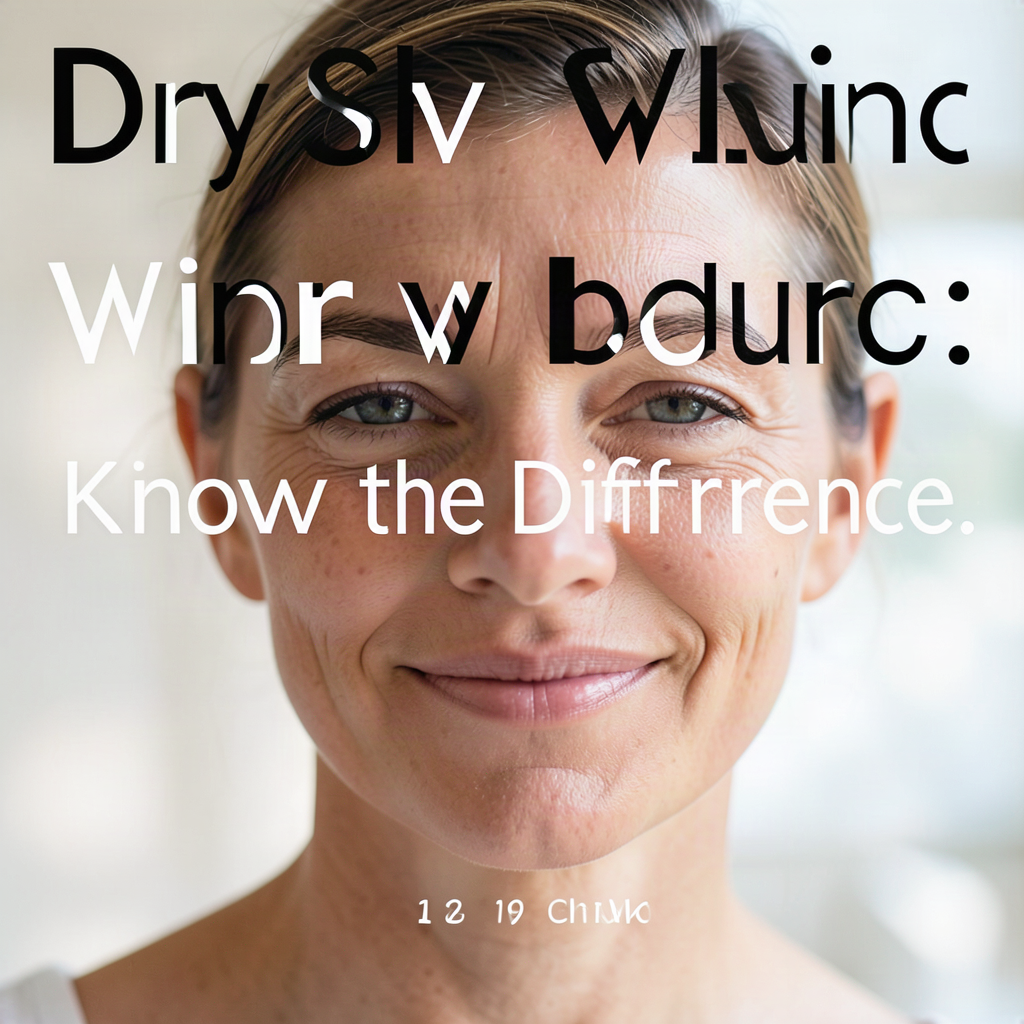
As the temperature drops and the breeze turns into a biting chill, our skin often bears the brunt of the changing seasons. Many of us have experienced that uncomfortable sensation of tightness, redness, or flaking after a day spent outdoors or even just a week of running the heater at full blast. However, not all winter skin irritation is created equal. Understanding the nuances between chronic dry skin and acute windburn is essential for choosing the right treatments and preventing long-term damage to your cutaneous barrier.
While they may look similar at a glance, dry skin and windburn have different origins and require distinct approaches to healing. Dry skin, or xerosis, is often a persistent state caused by environmental factors or genetics, whereas windburn is a specific type of irritation resulting from physical exposure to harsh winds. This guide will delve deep into the science of your skin barrier, the symptoms that set these conditions apart, and the actionable steps you can take to maintain a radiant, healthy complexion regardless of the weather forecast.
Understanding Dry Skin (Xerosis): Causes and Characteristics
Dry skin is a condition characterized by a lack of sufficient moisture in the epidermis, the outermost layer of the skin. While some individuals are genetically predisposed to dry skin, it is frequently exacerbated by environmental factors. In the winter, the humidity levels both indoors and outdoors plummet. Cold air holds less moisture than warm air, and indoor heating systems further strip the air of humidity, leading to a process known as Transepidermal Water Loss (TEWL).
TEWL occurs when the water content inside your skin evaporates into the dry atmosphere. When this happens consistently, the skin’s natural lipid barrier—composed of ceramides, cholesterol, and fatty acids—becomes compromised. Without these essential fats to seal in moisture, the skin loses its elasticity and smoothness. You might notice your skin looking dull, feeling rough to the touch, or exhibiting fine lines that seem to disappear once a moisturizer is applied.
Common triggers for general dry skin include long, hot showers which strip away natural oils, the use of harsh soaps containing sulfates, and aging, as our skin naturally produces less oil over time. Unlike windburn, dry skin usually develops gradually and affects larger areas of the body, such as the legs, arms, and trunk, rather than just the exposed skin on the face or hands.
What Exactly is Windburn?
Windburn is often misunderstood. For a long time, many believed it was actually a form of sunburn that occurred on cloudy, windy days. While UV rays can certainly contribute to skin damage in the winter, windburn is its own distinct phenomenon. It is essentially a physical irritation and dehydration of the skin caused by prolonged exposure to cold, dry wind.
When high-velocity wind hits your skin, it physically strips away the thin layer of oil (sebum) that protects your skin surface. This oil is your first line of defense; once it is gone, the wind begins to dry out the skin cells themselves at an accelerated rate. This causes the blood vessels at the surface to dilate, leading to the characteristic redness and burning sensation. In essence, windburn is a form of contact dermatitis or a mechanical injury to the skin barrier.
Windburn typically appears on the most exposed parts of the body: the cheeks, the bridge of the nose, the lips, and the tops of the hands. It happens relatively quickly—sometimes after just an hour of skiing, hiking, or walking in a gusty city. The sensation is often described as a “sting” or a “burn,” which is more acute than the general “itch” associated with standard dry skin.
Key Differences in Symptoms: How to Tell Them Apart
Distinguishing between the two is the first step toward relief. Here are the primary symptomatic differences to look for:
- Texture and Appearance: Dry skin often looks ashy, flaky, or scaly. You might see a “crackled” appearance, similar to a dry riverbed. Windburn, conversely, looks intensely red or flushed, almost like a heat rash or a mild sunburn. The skin may feel swollen or “plumped” with inflammation rather than just flat and dry.
- The Sensation: Dry skin is primarily itchy. When you move, your skin might feel “too small” for your body, creating a sensation of tightness. Windburn feels hot. It stings when you touch it, and even applying a standard lotion might cause a temporary burning sensation that you don’t typically experience with simple dry skin.
- Onset and Duration: Dry skin is a slow burn; it builds up over days or weeks of cold weather. Windburn is an event-based injury. You go for a walk in the wind, and you come back with a red face. Windburn usually heals within a few days if treated properly, whereas dry skin requires a consistent change in routine to manage throughout the season.
- Location: As mentioned, dry skin can be anywhere. Windburn is strictly limited to where the wind hit you. If your shins are flaky but your face is red and stinging, you are likely dealing with dry skin on your legs and windburn on your face.
The Science of the Skin Barrier
To treat both conditions effectively, we must understand the skin barrier, also known as the stratum corneum. Think of your skin barrier as a brick wall. The skin cells (corneocytes) are the bricks, and the lipids (oils) are the mortar. When this wall is intact, it keeps pathogens out and moisture in.
In the case of dry skin, the “mortar” is thinning out everywhere, allowing moisture to leak out slowly. In the case of windburn, the wind acts like a pressure washer, physically blasting away the mortar and damaging the bricks on the front line. Both conditions result in a “leaky” barrier, but the mechanism of damage dictates the recovery process. For dry skin, you need to replenish the mortar. For windburn, you need to soothe the inflammation first and then rebuild the structure.
Understanding this helps in choosing ingredients. If you have windburn, your skin is in a state of trauma. Using heavy exfoliants or active ingredients like retinol will only further damage the “bricks.” If you have dry skin, gentle exfoliation might actually help by removing the dead, scaly cells so that your moisturizer can penetrate more effectively.
Immediate Care for Windburned Skin
If you have come indoors and realized your face is red, stinging, and windburned, your priority is to calm the inflammation. Treat windburn similarly to how you would treat a first-degree burn.
1. Cool it down: Use a cool (not ice-cold) compress to take the heat out of the skin. Avoid hot water at all costs, as this will further strip the remaining oils and increase pain. 2. Simplify your routine: For the next 48 to 72 hours, stop using any “active” skincare. This includes Vitamin C serums, AHAs, BHAs, and retinoids. These ingredients are too aggressive for compromised skin. 3. Use a gentle cleanser: Switch to a soap-free, non-foaming cream cleanser. Foaming agents (surfactants) can be too harsh for windburned skin. 4. Apply a thick occlusive: This is the time for products containing petrolatum, dimethicone, or shea butter. These ingredients create a physical shield over the skin, doing the job that your stripped natural oils can no longer do. 5. Hydrate from within: Drink plenty of water to help your body repair the damaged tissue from the inside out.
Long-term Strategies for Chronic Dry Skin
Managing chronic dry skin requires a lifestyle overhaul rather than a quick fix. Because the cause is often environmental and persistent, your solutions must be consistent.
Start with your environment. Investing in a high-quality cool-mist humidifier for your bedroom can make a massive difference. By keeping the indoor humidity between 40% and 60%, you significantly reduce the amount of moisture the air steals from your skin while you sleep. Additionally, keep your showers short (under 10 minutes) and use lukewarm water. Hot water is a major culprit in dissolving the skin’s natural protective fats.
When it comes to products, look for the “Big Three” of hydration: humectants, emollients, and occlusives. Humectants (like hyaluronic acid and glycerin) pull water into the skin. Emollients (like ceramides and squalane) fill the gaps between skin cells to make the surface smooth. Occlusives (like lanolin or plant oils) seal everything in. A good winter moisturizer should ideally contain all three. Apply your moisturizer to damp skin immediately after bathing to “trap” that surface water into your pores.
Prevention Tactics for Outdoor Enthusiasts
Prevention is always more effective than treatment, especially for those who enjoy winter sports or outdoor activities. If you know you will be facing high winds and cold temperatures, take these proactive steps:
- The Physical Barrier: This is your most effective tool. Use a silk or fleece neck gaiter, a scarf, and a hat. If you are skiing or snowboarding, high-quality goggles protect the sensitive skin around the eyes from wind-induced dehydration.
- The “Slugging” Technique: Before heading out into the wind, apply a thin layer of a petrolatum-based ointment over your moisturizer. This creates an impermeable barrier that the wind cannot penetrate, preserving your natural oils.
- Don’t Forget SPF: Snow reflects up to 80% of UV radiation, meaning you are getting hit with sun from above and below. Sunburn can mimic and exacerbate windburn. Use a moisturizing sunscreen with at least SPF 30 every single day, even if it is cloudy.
- Lip Care: The skin on your lips is incredibly thin and lacks oil glands. Use a beeswax or petrolatum-based lip balm frequently. Avoid flavored balms, as they may encourage you to lick your lips, which leads to “lick-eczema” and further drying.
When to See a Dermatologist
Most cases of dry skin and windburn can be managed at home with over-the-counter products and lifestyle adjustments. However, there are times when professional intervention is necessary. If your skin is cracking and bleeding, you are at risk for a secondary bacterial infection. Look for signs of infection such as yellow crusting, pus, or increasing warmth and swelling.
If you find that your “dry skin” is actually localized in red, itchy patches that don’t respond to heavy moisturizing, you might be dealing with nummular eczema or psoriasis, both of which require specific medical treatments like topical steroids or calcineurin inhibitors. Furthermore, if your windburn doesn’t show signs of improvement after four or five days of gentle care, a dermatologist can ensure there isn’t an underlying condition, like rosacea, being triggered by the weather.
Finally, if you experience extreme pain or blistering, seek medical attention. Severe windburn can sometimes hide deeper tissue damage, especially in extreme sub-zero temperatures where frostnip might also be a concern.
Advanced Ingredient Selection for Barrier Repair and Protection
While the existing discussion on humectants, emollients, and occlusives provides a solid foundation, choosing the right specific ingredients within these categories can drastically accelerate the healing of windburn or the management of chronic dryness. For windburn, which is essentially an inflammatory response to physical trauma, look for Madecassoside (derived from Centella Asiatica). This compound is prized in dermatological circles for its ability to suppress cytokine production, the chemical signals that tell your skin to stay red and inflamed. Applying a balm containing Madecassoside immediately after wind exposure can truncate the inflammatory phase of windburn, preventing the secondary peeling that often follows.
For chronic dry skin, the focus shifts to Niacinamide (Vitamin B3). Niacinamide is a powerhouse because it doesn’t just add moisture; it stimulates the skin’s natural production of ceramides. If your skin is genetically predisposed to xerosis, your body may not be producing enough of the ‘mortar’ mentioned earlier. By incorporating a 5% Niacinamide serum under your moisturizer, you are essentially giving your skin the blueprints to repair its own barrier over time. Another critical ingredient is Panthenol (Pro-Vitamin B5). Panthenol is unique because it acts as both a humectant and an emollient. It has a low molecular weight, allowing it to penetrate deeper into the stratum corneum than heavy occlusives, making it ideal for the ‘tight’ sensation associated with deep dehydration.
Edge cases often involve sensitivity to common ‘healing’ ingredients. For example, while Urea is a gold-standard keratolytic for extremely dry, scaly skin on the body, it should be avoided on windburned faces. Urea works by breaking down protein (keratin) in the skin to encourage shedding; on a windburn, which is already a ‘raw’ injury, Urea can cause intense stinging and chemical irritation. Conversely, Colloidal Oatmeal is an FDA-recognized skin protectant that is exceptionally safe for both conditions. It contains avenanthramides, which are potent antioxidants that specifically target the itch-scratch cycle of dry skin and the burning sensation of wind-chafed cheeks.
The Impact of Hard Water and Cleansing Chemistry
Often overlooked in the battle against winter skin issues is the chemistry of the water we use to wash our faces. Hard water—water with high concentrations of minerals like calcium and magnesium—can be devastating for someone already struggling with dry skin or windburn. These minerals react with the fatty acids in soaps to create a ‘scum’ or precipitate that doesn’t rinse away easily. This residue sits on the skin, clogging pores and acting as a constant irritant that further degrades the lipid barrier. If you notice your skin feels particularly ‘squeaky’ or tight after washing, the alkalinity of your water might be the culprit.
To mitigate this, individuals with chronic dry skin should consider Micellar Water or Oil Cleansers. Micellar water uses tiny clusters of molecules (micelles) that lift dirt and oil without requiring the high-friction scrubbing or heavy rinsing that hard water demands. For those with windburn, an oil-based cleanser is often the gentlest option. Because ‘like dissolves like,’ a cleansing oil can remove sunscreen and environmental pollutants without stripping away the precious remaining sebum that the wind hasn’t already claimed. Look for oils high in linoleic acid, such as evening primrose or grapeseed oil, which help to replenish the skin’s lipid profile during the cleansing process.
Furthermore, the pH of your cleanser is paramount. The skin’s natural pH is slightly acidic, typically around 4.7 to 5.75. Many traditional bar soaps are highly alkaline (pH 9-10). When you use an alkaline cleanser on windburned skin, you neutralize the ‘acid mantle,’ a fine, slightly acidic film on the skin’s surface that acts as a barrier to bacteria. A compromised acid mantle leads to increased TEWL and makes the skin more susceptible to the ‘stinging’ sensation when other products are applied. Always opt for ‘pH-balanced’ synthetic detergents (syndets) during the winter months to ensure you aren’t undoing your moisturizing efforts at the sink.
Internal Hydration and the Role of Dietary Lipids
The advice to ‘drink more water’ is common, but for skin health, the *quality* of your internal lipids is often more important than the *quantity* of water you consume. The skin’s ability to retain moisture is dictated by the strength of the lipid barrier, which is built from the fats we ingest. If you are dealing with chronic xerosis, increasing your intake of Omega-3 and Omega-6 fatty acids can have a measurable impact on skin suppleness. These essential fatty acids are integrated into the cell membranes of the epidermis, helping to create a more fluid and resilient barrier that is less likely to crack under the pressure of cold winds.
Sources like fatty fish, walnuts, and flaxseeds provide the building blocks for these lipids. Additionally, Gamma-Linolenic Acid (GLA), found in borage oil or evening primrose oil supplements, has been shown in clinical studies to reduce TEWL in patients with compromised barriers. While topical application is beneficial, systemic support ensures that the new skin cells being formed in the deeper layers of the dermis are ‘born’ with a healthy lipid profile before they ever reach the surface.
Vitamin D also plays a crucial role in the skin’s immune function and barrier repair. In the winter, when sun exposure is low, many people become Vitamin D deficient. This deficiency can lead to a slower rate of skin cell turnover and a weakened defense against environmental stressors like windburn. While it won’t fix a windburn overnight, maintaining adequate Vitamin D levels through diet or supplementation ensures that your skin’s regenerative processes are functioning at peak capacity, allowing you to bounce back from weather-induced damage much faster than someone with a deficiency.
Nighttime Recovery: The Golden Window for Skin Healing
Your skin’s physiology changes significantly when you sleep. During the night, skin cell regeneration speeds up, and the skin’s temperature rises slightly, which increases its permeability. This is a double-edged sword: while it means your skin is more receptive to healing ingredients, it also means that Transepidermal Water Loss (TEWL) peaks during the overnight hours. For someone with dry skin or windburn, waking up with a face that feels like parchment is a sign that the nighttime routine is insufficient.
To maximize this ‘golden window,’ the order of application is vital. Start with a hydrating mist or a toner containing Glycerin to dampen the skin. Follow this with a serum rich in Hyaluronic Acid, which can hold 1,000 times its weight in water. However, a common mistake is stopping there. In a dry bedroom, Hyaluronic Acid can actually pull moisture *out* of your skin if there is no humidity in the air. You must seal it in with a lipid-rich cream containing Ceramides. For windburn specifically, adding a ‘sleeping mask’ or a thin layer of an ointment containing Cica (Centella Asiatica) can provide an extra layer of protection against the drying effects of indoor heating.
Consider the environment of your bedroom beyond just the humidifier. If you use a cotton pillowcase, it may be absorbing the expensive creams you apply and wicking moisture away from your face. Switching to a silk or specialized synthetic satin pillowcase can reduce this absorption and minimize the friction on wind-sensitized skin. Friction is a form of mechanical stress; for a face already stinging from windburn, the abrasive texture of high-thread-count cotton can be enough to trigger further redness and prevent the barrier from sealing properly overnight.
Differentiating Weather-Induced Irritation from Rosacea Flare-ups
A significant challenge in treating winter skin is that windburn and dry skin often mimic or trigger Rosacea, a chronic inflammatory skin condition. Many people treat ‘windburn’ for weeks only to find the redness never fades. If your redness is persistent, concentrated in the ‘butterfly’ pattern across the nose and cheeks, and accompanied by visible tiny blood vessels (telangiectasia), you may be dealing with Rosacea triggered by the cold, rather than a simple windburn.
The distinction is critical because the treatments differ. While heavy occlusives like petrolatum are excellent for windburn, they can sometimes be too ‘trapping’ for Rosacea-prone skin, potentially leading to heat retention that exacerbates vascular flushing. If you have Rosacea, the ‘sting’ of the wind isn’t just physical damage; it’s a neurological and vascular overreaction. In these cases, using anti-redness ingredients like Azelaic Acid (prescribed or over-the-counter at 10%) can help. Azelaic acid is a dicarboxylic acid that reduces the activity of cathelicidins, proteins in the skin that are overproduced in Rosacea patients and lead to inflammation.
Another tell-tale sign of Rosacea versus windburn is the presence of ‘flushing’ triggers. If your redness intensifies significantly after drinking a hot beverage, eating spicy food, or moving from the cold outdoors into a warm room, it points toward a vascular issue rather than a purely mechanical windburn. In such scenarios, the focus should be on ‘calming’ the blood vessels with cool temperatures and avoiding vasodilators, whereas windburn care focuses almost entirely on ‘rebuilding’ the lost oil layer and soothing the surface-level trauma.
The Influence of Clothing Materials on Skin Friction and Dehydration
We often focus on the face, but the body experiences its own version of wind-induced trauma through the clothing we wear. A phenomenon known as ‘Winter Itch’ (Asteatotic Eczema) is frequently caused by a combination of dry air and the mechanical irritation of heavy winter fabrics. Wool, while excellent for insulation, has microscopic scales that can catch on dry skin cells, pulling them away and creating micro-tears in the barrier. This is why your legs might feel intensely itchy after a day in wool trousers or thermal leggings.
To prevent this, the ‘layering’ rule applies to your skin as much as your clothes. Before putting on abrasive winter fabrics, apply a body lotion with Alpha-Hydroxy Acids (AHAs) like Lactic Acid. While this might seem counterintuitive, Lactic Acid is a unique AHA that also acts as a humectant. It helps to gently dissolve the ‘crackled’ top layer of dry skin so that it doesn’t snag on your clothing, while simultaneously increasing the skin’s moisture-holding capacity. If you have windburn on your neck or wrists, ensure that the layer of clothing in direct contact with the skin is made of silk, bamboo, or high-quality pima cotton. These fibers are smoother at a microscopic level and won’t exacerbate the physical ‘burn’ of the wind.
Additionally, be mindful of ‘moisture-wicking’ synthetic fabrics. While these are great for high-intensity exercise because they move sweat away from the body, they can be *too* effective for someone with dry skin. If you aren’t sweating, these fabrics can begin to wick away the skin’s natural moisture, contributing to dehydration. For casual outdoor walks, natural fibers that allow for some moisture retention near the skin surface are often a better choice for maintaining the integrity of the body’s cutaneous barrier.
Strategic Product Layering: The ‘Wait Time’ and Order of Operations
The efficacy of your skincare routine for windburn and dry skin is largely determined by the timing and order of application. The ‘3-minute rule’ is a cornerstone of dermatological care: you must apply your primary moisturizing layer within three minutes of exiting the shower or washing your face. This ‘traps’ the hydration in the skin before the dry winter air can cause it to evaporate. However, there is a more advanced technique involving ‘Wait Times’ for specific ingredients.
When treating windburn, if you apply a heavy occlusive (like a thick ointment) over a damp face without an intervening humectant, you might actually trap heat and bacteria, which can be uncomfortable. The ideal sequence is: 1. Hydrating Mist (water/glycerin), 2. Treatment Serum (Niacinamide or Panthenol), 3. Emollient Cream (Ceramides/Fatty Acids), and finally, 4. Occlusive Balm (Petrolatum/Squalane). Wait about 30 to 60 seconds between each layer. This allows the smaller molecular weight ingredients (serums) to penetrate the skin’s surface before the larger molecular weight ingredients (heavy creams and oils) create a seal that prevents further penetration.
Frequently Asked Questions
1. Can you get windburn and sunburn at the same time?
Yes, and it is actually quite common. Because windburn and sunburn both cause redness and stinging, they are often confused. In snowy environments, the UV reflection increases the risk of sunburn, while the cold air causes windburn. Using a broad-spectrum SPF provides a physical layer of protection against the wind while chemically protecting against UV rays.
2. How long does it typically take for windburn to heal?
With proper care, mild windburn usually heals within 2 to 4 days. The redness will fade first, followed by a period where the skin might flake slightly as the damaged top layer sheds. If you continue to expose the skin to wind without protection, the healing process will be significantly delayed.
3. Is Vaseline or Aquaphor better for treating these conditions?
Both are excellent occlusives. Pure Vaseline (petrolatum) is often recommended for very sensitive or windburned skin because it has zero additives and is unlikely to cause a reaction. Aquaphor contains petrolatum but also includes lanolin and panthenol, which can be extra soothing and hydrating for general dry skin, though some people are sensitive to lanolin.
4. Why does my skin feel itchy when I come inside from the cold?
This is often due to the rapid change in temperature. When you enter a warm building, your blood vessels dilate quickly. This increase in blood flow, combined with the dryness of the skin, can trigger the release of histamines, leading to that itchy, tingly sensation. Moisturizing before you enter or leave a building can help stabilize the skin.
5. Can chronic dry skin make me more susceptible to windburn?
Absolutely. If your skin is already dry, your natural lipid barrier is already compromised. This means you have less “mortar” to protect your skin from the mechanical force of the wind. People with dry skin types should be twice as diligent about applying protective barriers before heading outdoors in winter weather.
Related posts:
 Spring Awakening: The Hydrating Serums Your Winter Skin Is Craving
 The Best Toners for Acne-Prone Skin That Won’t Strip Your Face
 Dry Skin Don’ts: The Ingredients Making Your Moisture Problems Worse
 Foundation’s Impact on Skin
 The Best Cold Brew Coffee Makers for a Refreshing Drink
 Proper Order of Skincare Application
 Proper Use of Exfoliating Mitts
 The Slow Beauty Movement’s Secret Hydration Recipes