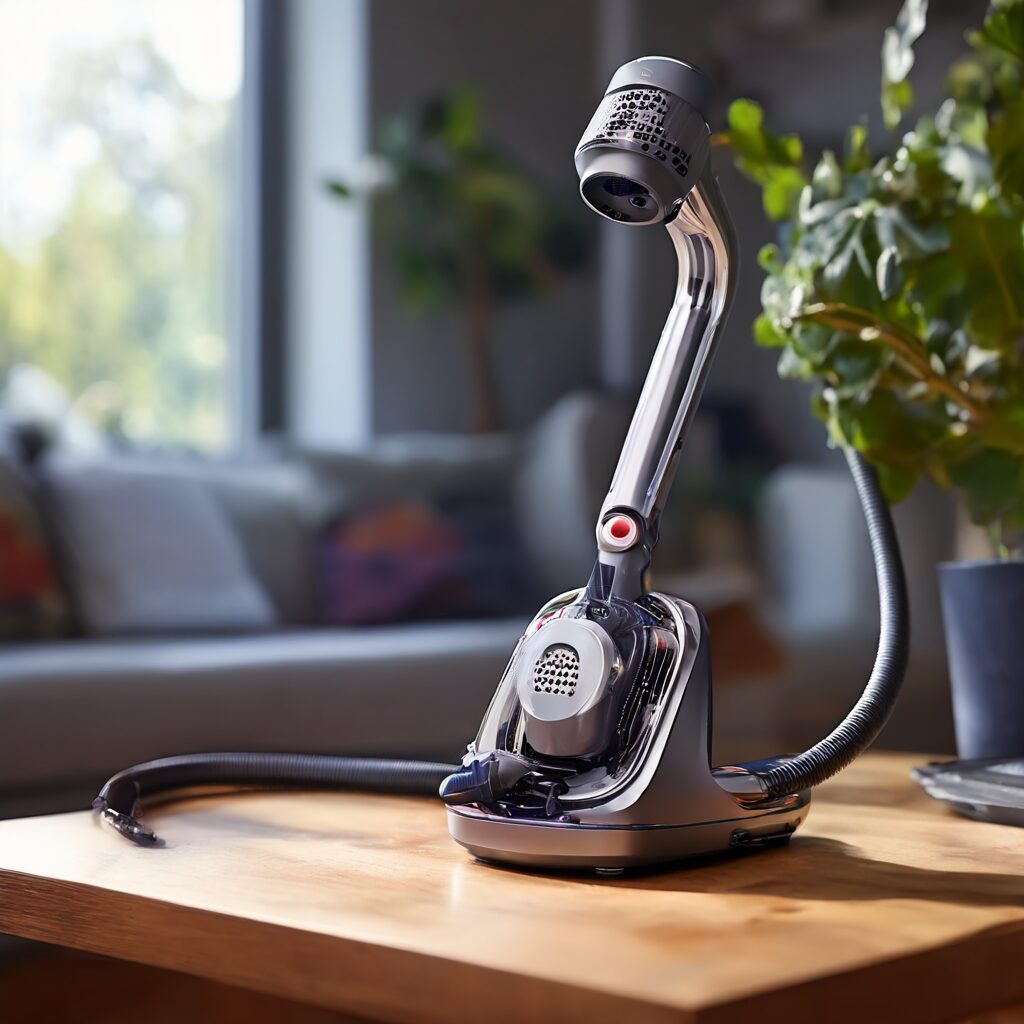
Introduction to Dyson Micro
In the world of vacuum cleaners, Dyson has consistently been a name synonymous with quality and innovation. Their latest offering, the Dyson Micro, is no exception. This compact vacuum cleaner is designed to deliver powerful cleaning performance in a lightweight, easy-to-handle package.
Key takeaways
- Maintain suction power by emptying the dustbin after each use and cleaning the HEPA filter monthly.
- Ensure the HEPA filter is fully dry for 24 hours after washing to prevent motor damage.
- Use the Micro for daily maintenance rather than heavy-duty deep cleaning to prolong the motor's lifespan.
- Clear brush bar debris and avoid high-pile rugs to optimize performance on hard floor attachments.
Features of Dyson Micro
The Dyson Micro is packed with features that make it a standout choice for anyone looking for a high-performing, compact vacuum cleaner. Some of the key features include:
- Compact and Lightweight: Weighing just under 2 kg, the Dyson Micro is incredibly easy to maneuver and store.
- Powerful Suction: Despite its small size, the Dyson Micro offers impressive suction power, capable of tackling dirt and debris on various surfaces.
- Advanced Filtration: The vacuum cleaner is equipped with a HEPA filter that captures 99.97% of particles as small as 0.3 microns, ensuring cleaner air in your home.
- Versatile Attachments: The Dyson Micro comes with a range of attachments to help you clean different areas, from carpets to hard floors and even tight spaces.
Why Choose Dyson Micro?
Choosing the right vacuum cleaner can be a daunting task, but the Dyson Micro simplifies the decision. Here are some reasons why it stands out:
- Ease of Use: Its lightweight design and ergonomic handle make cleaning less of a chore.
- Effective Cleaning: The powerful suction and advanced filtration ensure that your home is not just clean, but also free of allergens and pollutants.
- Durability: Built with high-quality materials, the Dyson Micro is designed to last, providing reliable performance for years to come.
- Compact Storage: Its small size means it can be easily stored in a closet or cupboard without taking up much space.
How to Maintain Your Dyson Micro
Proper maintenance is key to keeping your Dyson Micro in top condition. Here are some tips to help you maintain your vacuum cleaner:
- Regularly Empty the Bin: Make sure to empty the dustbin after each use to maintain optimal suction power.
- Clean the Filter: The HEPA filter should be cleaned every month to ensure it continues to capture allergens effectively.
- Check for Blockages: Periodically check the attachments and hose for any blockages that might impede performance.
- Store Properly: Store the vacuum in a dry place to prevent any damage to the electronics or motor.
Customer Reviews
Here’s what some customers have to say about the Dyson Micro:
“The Dyson Micro is a game-changer! Its lightweight design makes it so easy to use, and the suction power is phenomenal.”
– Jane D.
“I love how compact and powerful this vacuum cleaner is. It’s perfect for my small apartment.”
– Mike T.
Optimizing Battery Life for Daily Maintenance
While the 20-minute runtime is sufficient for quick touch-ups, maximizing this window requires a strategic approach to cleaning. To get the most out of your Dyson Micro, avoid leaving the unit on the charger indefinitely, as modern lithium-ion batteries perform best when they are allowed to cycle. If you are cleaning a larger space, tackle the high-traffic zones first to ensure the most power-hungry areas are addressed while the battery is at its peak. Furthermore, if you notice the suction power dropping, resist the urge to switch the vacuum to ‘Max’ mode immediately. Instead, prioritize clearing the brush bar of hair and debris, which often creates unnecessary resistance that forces the motor to draw more current, effectively shortening your cleaning session.
Mastering the Fluffy Optic Cleaner Head
The Micro’s specialized cleaner head is engineered specifically for hard floors, utilizing soft nylon and anti-static carbon fiber filaments. To get the best results, avoid using this head on high-pile rugs, as the delicate bristles can become matted and lose their efficiency. When navigating around furniture, use the “wrist-flick” technique; because the Micro is so lightweight, you can pivot the head with minimal effort. If you find the head isn’t picking up larger debris like cereal or cat litter, try lifting the front of the vacuum slightly as you pass over the mess; this allows the debris to be pulled into the intake rather than being pushed forward by the front seal of the cleaner head.
Advanced Filtration and Air Quality Management
The HEPA filtration system is the silent workhorse of the Dyson Micro, but its efficacy depends entirely on the seal integrity. When reassembling the machine after a filter wash, ensure the filter is 100% dry—usually requiring a full 24 hours in a well-ventilated area. Using a damp filter can cause musty odors and, more importantly, can trigger the machine’s safety sensors to shut down the motor to prevent water damage to the electronics. For households with heavy dander or fine construction dust, consider vacuuming the exterior of the filter housing with another vacuum or compressed air once a month to prevent micro-particles from caking onto the filter mesh, which can restrict airflow and cause the motor to overheat.
Navigating Tight Spaces and Elevated Surfaces
The true utility of the Dyson Micro shines when you convert it into a handheld unit. To clean ceiling fans, curtain rods, or high bookshelves, attach the extension wand directly to the handheld body. Because the center of gravity is located near the handle, you can reach overhead without the significant wrist fatigue associated with heavier, top-heavy models. For tight crevices—like between couch cushions or behind radiators—use the combination crevice tool. Pro tip: if you are dealing with pet hair embedded in upholstery, use a rhythmic, short-stroke motion rather than a long, sweeping drag; the rapid, repeated suction pulses are far more effective at lifting hair out of fabric weaves than a single long pass.
Troubleshooting Performance Hiccups
Even the most reliable vacuum can occasionally experience a drop in performance. Before assuming the battery is failing, perform a ‘flow-path check.’ Start by removing the wand and checking the intake port on the main unit; if suction is strong there, the blockage is in the wand or the head. If suction is weak at the intake, the issue is likely a clogged cyclone chamber. You can often clear minor obstructions in the cyclone by gently tapping the bin over a trash receptacle or using a long, non-metallic tool to dislodge packed debris. Always ensure the bin lid clicks shut firmly; even a microscopic gap in the seal can cause a massive loss in vacuum pressure, as the system relies on a consistent vacuum seal to move air through the filtration stack.
Ergonomics and Storage Considerations
The Micro’s minimal footprint makes it an ideal candidate for “hidden” storage solutions. Instead of keeping it in a utility closet, consider mounting the wall dock inside a pantry or near a kitchen baseboard. This keeps the unit accessible for the inevitable kitchen spill, which is where this model truly excels. From an ergonomic standpoint, the trigger-less operation (if your specific sub-model features a toggle switch) or the balanced handle design allows for “two-handed” operation. If you have mobility concerns, try holding the wand with one hand while supporting the weight of the motor near the handle with the other; this distributes the weight across your forearm, making the Micro feel virtually weightless during longer cleaning sessions.
Understanding the Limitations of a Sub-2kg Vacuum
It is important to manage expectations regarding what a compact vacuum can handle. The Dyson Micro is a precision tool, not a heavy-duty shop vac. It is not designed for deep-cleaning shag carpets or heavy-duty post-renovation cleanup. If you attempt to pick up large, heavy screws or wet debris, you risk damaging the delicate internal fan blades. By viewing the Micro as a “daily maintenance” tool—designed to handle the light, frequent dusting and crumb pickup that keeps a home looking pristine—you will extend the lifespan of the motor significantly. Reserve the deep-cleaning for larger, corded appliances, and let the Micro handle the “micro” messes that make a house feel lived-in.
FAQ
1. How long does the battery last on the Dyson Micro?
The Dyson Micro offers up to 20 minutes of fade-free suction on a full charge.
2. Can the Dyson Micro be used on all floor types?
Yes, the Dyson Micro comes with attachments suitable for various floor types, including carpets, hardwood, and tile.
3. How often should I replace the HEPA filter?
The HEPA filter should be replaced every 6-12 months, depending on usage.
4. Is the Dyson Micro noisy?
No, the Dyson Micro operates at a lower noise level compared to many other vacuum cleaners.
5. Does the Dyson Micro come with a warranty?
Yes, the Dyson Micro comes with a 2-year warranty covering parts and labor.
Conclusion
The Dyson Micro is a compact yet powerful vacuum cleaner that offers excellent performance for its size. Whether you live in a small apartment or need a lightweight option for quick cleanups, the Dyson Micro is an excellent choice. With its advanced features and ease of use, it’s no wonder that it’s becoming a popular choice among consumers.
Related posts:
 DIY Natural Cleaning Products with Essential Oils
 New Dyson Airwrap Features
 Samsung’s Jet 90 Cordless Vacuum: Powerful Cleaning Without the Hassle
 Is the Dyson Supersonic Hair Dryer Worth the Splurge?
 Dyson V11 Outsize Vacuum Review
 Dyson V15 Detect: The Ultimate Cleaning Companion for Your Home
 Dyson Airwrap Blowout Tips
 Dyson Is Collaborating With An Actual Hospital To Bring Wellness Tech Into Your Home