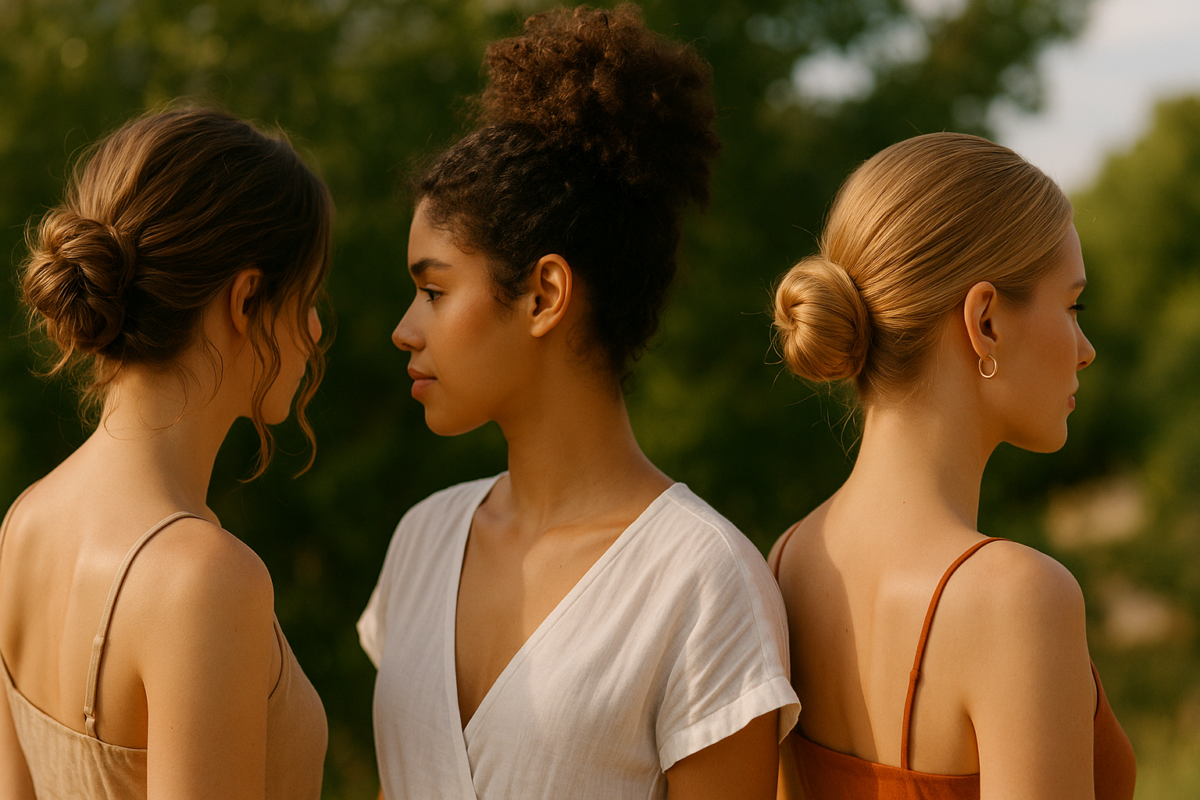
When the thermometer begins to climb and the humidity reaches that familiar summer peak, the last thing anyone wants is a heavy mane of hair clinging to the back of their neck. Summer is a season of liberation, outdoor adventures, and sun-soaked afternoons, but for those with medium to long hair—or even those with shorter, textured cuts—the heat can present a significant styling challenge. Finding easy summer updos that are not only functional but also stylish and compassionate toward your hair’s health is the key to enjoying the season with confidence.
This guide is designed to be your comprehensive resource for navigating summer hair styling. We recognize that hair is a deeply personal part of our identity, and the way we choose to wear it can influence how we feel throughout the day. Whether you are heading to a professional meeting in a sweltering city, chasing children at the park, or enjoying a quiet evening by the coast, these updos are curated to provide relief from the heat while celebrating your natural texture. From the finest strands to the densest coils, there is a way to sweep your hair up that feels effortless and looks intentional.
Preparing Your Hair for Summer Styling
Before diving into specific styles, it is essential to understand that summer hair care begins with preparation. The combination of UV rays, chlorine from pools, salt from the ocean, and constant perspiration can strip hair of its natural oils, making it brittle and difficult to style. To ensure your updos look their best and stay secure, you must prioritize hydration and protection.
Start by incorporating a lightweight, UV-protectant leave-in conditioner into your routine. This acts as a barrier against the sun’s drying effects. For those with fine hair, look for water-based sprays that won’t weigh your strands down. If you have thicker or coarser hair, a cream-based formula will help manage frizz before you even begin styling. When your hair is properly hydrated, it possesses more elasticity, which means it is less likely to snap or break when you are pulling it into a bun or braid.
Another crucial preparatory step is the use of texture. Clean, slippery hair is often the enemy of a long-lasting updo. If you have just washed your hair, consider using a sea salt spray or a dry shampoo to add some “grip.” This provides the friction necessary for bobby pins and elastics to stay in place. For those with curly or coily hair, styling on “day two” or “day three” hair often yields the best results, as the natural oils help define the shape of the updo and minimize flyaways.
The Classic Messy Bun: Reimagined for All Textures
The messy bun is perhaps the most iconic summer hairstyle, but it is often misunderstood as a “lazy” option. When executed with a bit of technique, the messy bun can be sophisticated enough for a garden wedding or a brunch date. The key is adapting the method to your specific hair type to ensure it doesn’t look flat or fall apart by noon.
For Fine Hair: The challenge with fine hair is creating the illusion of volume. Start by flipping your head upside down and gathering your hair at the crown. Instead of a single twist, use a donut-style hair form or a small scrunchie to create a base. Wrap your hair loosely around the base and secure with U-shaped pins rather than tight bobby pins. This allows the hair to look fuller and more airy. Pull out a few face-framing tendrils and gently tug at the loops of the bun to expand them.
For Thick and Heavy Hair: The main issue here is gravity. To prevent your bun from sliding down, use the “double elastic” method. Secure your hair into a high ponytail first using a sturdy, non-snag elastic. Then, split the ponytail into two sections, twist them around each other, and coil them around the base. Secure with several large hairpins. This two-step process distributes the weight of the hair more evenly against your scalp, preventing headaches and ensuring the style lasts all day.
For Curly and Coily Hair: Embrace your natural volume. Instead of trying to smooth the hair down, use a wide-tooth comb or your fingers to gather the hair at the top of your head. Secure loosely with a silk scrunchie—this prevents the “indent” that traditional elastics leave and protects your curl pattern. Let the ends of your curls spill out over the top for a “pineapple” effect that is both functional and beautiful.
Braided Crowns and Halo Braids: Elegance for Long Hair
When you have significant length, a braided crown is the ultimate way to get every single strand off your neck while looking incredibly polished. This style is surprisingly sturdy and can often last for two days, making it perfect for camping trips or weekend getaways where styling time is limited.
To achieve a classic halo braid, start by parting your hair down the center into two equal sections. Create two low Dutch braids (where the strands are crossed under rather than over) starting from the nape of the neck and moving toward the front. Once you have two long braids, wrap them over the top of your head, overlapping the ends. Tuck the ends underneath the braids and secure them with pins. The Dutch braid technique is superior for summer because it sits on top of the hair, creating a 3D effect that looks more intricate and allows for better airflow to the scalp.
If you find a full crown too difficult, try the “braided headband” approach. Take a small section of hair from behind one ear, braid it to the end, and sweep it across the top of your head like a headband, pinning it behind the opposite ear. This keeps the hair out of your face while allowing the rest of your hair to be tied back in a simple low bun. It adds a touch of romantic detail to an otherwise basic look.
Chic Solutions for Short Hair: Bobs and Lobs
Many people believe that updos are reserved for those with long hair, but having a bob or a lob (long bob) doesn’t mean you have to suffer through the heat with hair on your neck. The secret to short hair updos is the use of “micro-movements” and strategic pinning.
One of the most effective styles for short hair is the “multi-bun” or “stacked bun” look. If your hair isn’t long enough to reach into one single ponytail at the crown, divide your hair horizontally into three sections. Create a small bun with the top section, another in the middle, and a third at the nape of the neck. This creates a mohawk-like silhouette that is very trendy and ensures that those shorter hairs at the base of your neck are securely tucked away.
Another option is the “twist and pin.” Starting from the front of your face, take small sections of hair and twist them backward toward the center of your head, securing each section with a bobby pin. Continue this all the way around until all the hair is gathered at the back. This creates a textured, gathered look that mimics a full updo. Use decorative pins or small floral clips to hide the mechanics of the style and add a summery touch.
High-Impact Updos for Curly and Coily Hair
Summer is the perfect time to celebrate the natural architecture of curly and coily hair. Because textured hair has inherent volume and “grip,” it can hold shapes that straight hair simply cannot. One of the most effective and protective styles for the summer is the “High Puff” or “Afro Puff.”
To achieve a sleek high puff, apply a botanical gel or a nourishing edge control to your hairline. Use a soft-bristle brush to smooth the hair upward toward the crown. Use a long shoelace or a specialized puff cuff to secure the hair. The beauty of this style is that it keeps the hair off the neck while allowing the curls to breathe and expand at the top. It is a regal, cooling style that works for both casual and formal settings.
For those looking for something more structured, Bantu knots are an excellent choice. Not only are they a stunning cultural statement, but they also serve as a heatless styling method. By sectioning the hair and twisting it into small knots across the head, you keep the scalp cool and protected. When you eventually take the knots down, you are left with beautiful, defined curls—making it a “two-for-one” style that transitions perfectly from a day at the beach to a summer evening out.
The Sleek High Pony: Tips for a Polished Finish
While a ponytail might seem basic, a “sleek” high pony is a deliberate style that requires a bit of finesse to survive the humidity. This look is ideal for those who want a sporty yet sophisticated appearance. The key to a sleek ponytail in the summer is moisture management and tension.
Start by applying a smoothing serum or a light hair oil to damp hair. Blow-dry the hair in the direction of the ponytail (upward and backward). Once dry, use a fine-tooth comb to gather the hair at the highest point of your head. To get that ultra-smooth finish, use a small amount of pomade or hair wax around the hairline to lay down flyaways. Secure the ponytail with a bungee-style hair elastic; these allow you to control the tension without pulling too hard on the hair follicles, which can cause breakage.
To elevate the look, take a small sliver of hair from the underside of the ponytail and wrap it around the elastic to hide it. Secure the end with a small pin tucked underneath. This small detail transforms a gym ponytail into a high-fashion updo. If your hair is prone to frizzing in the heat, finish with a light-hold, humidity-resistant hairspray. This creates a flexible shield that keeps the style looking sharp even when the air is thick with moisture.
The Modern French Twist and Low Chignon
For professional environments or formal summer events like weddings, a French twist or a low chignon offers a timeless elegance. The modern version of these styles is less about stiff perfection and more about soft, touchable texture.
To create a modern French twist, gather your hair at the nape of your neck as if making a low ponytail. Begin twisting the hair upward. As you twist, the hair will naturally want to coil against your head. Tuck the ends into the fold of the twist and secure with several large hairpins along the seam. The trick to making this look modern is to leave the top slightly loose and allow a few wisps of hair to fall around the ears. This prevents the style from looking too severe or “dated.”
A low chignon is equally versatile. Secure your hair in a low ponytail, then loop the hair through the elastic but stop halfway to create a small bun. Take the remaining “tail” of the hair and wrap it around the base. This creates a knot-like appearance that is very chic. Because it sits at the nape of the neck, it is a great option for wearing with sun hats, as the hat can sit comfortably on top of the head without disturbing the style. This is the ultimate “beach-to-dinner” transition look.
Accessorizing Your Summer Updo
Accessories are the secret weapon of summer hair styling. They not only add a pop of color and personality to your look but can also serve a functional purpose by hiding pins or securing unruly layers. This summer, several trends are dominating the scene: silk scarves, oversized claw clips, and decorative pearls.
Silk Scarves: A silk or satin scarf is a multi-functional tool. You can weave it into a braid for added thickness and a bohemian vibe, or wrap it around the base of a bun to add a touch of vintage glamour. More importantly, silk is gentle on the hair, reducing friction and helping to maintain moisture levels. If you’re spending the day in the sun, a scarf tied over the top of your head can also protect your scalp from sunburn.
Claw Clips: The 90s revival has brought back the claw clip, and for good reason. It is perhaps the easiest way to put your hair up without using damaging elastics. For a quick summer updo, simply twist your hair and clip it to the back of your head. Look for clips with a matte finish or in tortoiseshell patterns for a more sophisticated aesthetic. Ensure the clip is the right size for your hair density—larger, sturdier clips for thick hair and smaller, more delicate ones for fine hair.
Decorative Pins: If you are wearing a simple bun or twist, adding a few pearl-encrusted or gold-toned bobby pins can instantly elevate the look. Place them in a cluster or a linear row for a modern, intentional feel. This is a great way to make a five-minute hairstyle look like it took much longer.
Maintaining Hair Health During the Summer Months
No matter how beautiful your updo is, it will only look as good as the hair underneath. Summer styling should always be paired with a dedicated health routine. One of the most important things you can do is to avoid using heat tools whenever possible. Since the sun is already providing plenty of heat, give your hair a break from flat irons and curling wands. Embrace air-drying and use the updos mentioned above to work with your natural texture.
Detangling is another area where many people accidentally damage their hair. In the summer, hair is often tangled from wind, salt, or chlorine. Never rush the detangling process. Use a wide-tooth comb or a specialized detangling brush, and always start from the ends, working your way up to the roots. Use a detangling spray or a bit of coconut oil to provide slip. This prevents the snapping and split ends that can make updos look frizzy and unkempt.
Finally, consider a weekly deep conditioning treatment. Look for ingredients like shea butter, argan oil, or aloe vera to replenish the moisture lost to the summer elements. If you spend a lot of time in the water, rinse your hair with fresh water before and after swimming. Saturating your hair with fresh water first prevents it from absorbing as much salt or chlorine, keeping your strands healthier and more manageable for all your summer styling needs.
The Art of the Wet-Look Updo for Coastal Days
Summer often finds us transitioning directly from a dip in the ocean or pool to a social gathering. Rather than fighting the dampness with a blow dryer, the wet-look updo embraces moisture, turning it into a high-fashion editorial statement. This style is particularly effective for those with thick or unruly hair that tends to expand as it dries. By styling the hair while it is saturated, you bypass the frizz-prone drying phase entirely.
To achieve a sophisticated wet-look bun, start by applying a generous amount of a nourishing hair mask or a silicone-free glossing cream from roots to ends. This serves a dual purpose: it provides the ‘wet’ aesthetic while deep-conditioning your strands under the heat of the sun. Use a fine-tooth comb to create a deep side part, which adds an element of structural formality. Gather the hair at the nape of the neck and twist it into a tight, compact coil. Secure it with a transparent elastic or several U-shaped pins. The result is a sleek, glass-like finish that looks intentional and polished.
For those with shorter hair, the wet-look can be adapted into a slicked-back ‘tucked’ style. Comb your damp hair straight back away from the forehead, applying a firm-hold gel to the sides to keep them flat against the scalp. Tuck the lengths behind your ears and secure the very ends with small bobby pins hidden beneath the top layers. This creates a faux-hawk or ‘pixie-back’ effect that keeps the hair entirely off the face and neck, providing maximum cooling without requiring the length for a traditional bun.
Sculpted Slick-Backs: Mastering the Wax Stick and Boar Bristle Combo
The ‘clean girl’ aesthetic has popularized the ultra-smooth, mid-height bun, but achieving this look in 90-degree weather requires more than just a hair tie. The secret to a sculptural updo that won’t sprout flyaways the moment you step outside is the combination of a wax-based styling stick and a natural boar bristle brush. Unlike plastic bristles, boar bristles are densely packed and can smooth the hair down to the cuticle level, distributing natural oils and styling products evenly.
Begin by sectioning your hair into two parts: the front frame (from the ears forward) and the back section. Secure the back section into a ponytail at your desired height first. This allows you to focus on the tension of the base without worrying about the front layers. Once the base is secure, apply a wax stick directly to the front sections, swiping in the direction of the ponytail. Use the boar bristle brush to sweep these sections back, joining them into the existing ponytail. This two-step process prevents the ‘lumpy’ look that often occurs when trying to gather all the hair at once.
For an edge case like extremely oily scalps, avoid applying wax directly to the roots. Instead, use a light-hold hairspray on the brush itself before smoothing. This provides enough tack to hold the style without adding weight or grease. If you have a receding hairline or thinning patches, you can use a root touch-up powder or a matte eyeshadow that matches your hair color to gently fill in the scalp area before the final smoothing. This creates a dense, uniform look that enhances the sculptural quality of the updo.
High-Performance Styles for Active Summer Adventures
Standard updos often fail during high-intensity activities like beach volleyball, trail running, or hiking. The constant movement and perspiration can cause even the tightest bun to sag. For these scenarios, the ‘Bubble Braid’ or the ‘Stacked Security Braid’ offers a level of durability that traditional styles lack. These are not just aesthetic choices; they are mechanical solutions to the problem of hair weight and movement.
To create a high-performance bubble braid, start with a high ponytail secured with a ‘bungee’ elastic for maximum tension. Every two to three inches down the length of the ponytail, place another small, clear elastic. After each elastic is placed, gently pull the hair between the two bands outward to create a ‘bubble.’ This structure is superior to a standard braid because if one section loosens, the others remain anchored. It also prevents the hair from tangling in the wind, a common issue during boating or cycling.
For those with very long, heavy hair, the ‘Double Dutch Bun’ is the gold standard for security. Part the hair down the middle and create two Dutch braids (crossing strands under) from the hairline all the way to the nape. Once you reach the nape, join the two braids into a single ponytail and then twist that into a bun. By anchoring the hair to the scalp through the braiding process, you distribute the weight across the entire head rather than just at the crown. This prevents the ‘ponytail headache’ and ensures that no matter how much you move, the hair stays locked in place.
Integrating Textiles: Advanced Scarf and Ribbon Weaving
While the existing article touches on accessories, there is a more technical way to use textiles to support and enhance summer updos. Instead of simply tying a scarf around a finished bun, you can weave the fabric into the hair’s structure. This is an excellent technique for those with fine hair who want to add significant volume without using heavy extensions or hairpieces.
Start by choosing a long, thin silk scarf or a wide chiffon ribbon. Fold it in half and loop it around the base of a ponytail. Divide your ponytail into two sections, and treat the two ends of the scarf as a third section. Proceed to create a standard three-strand braid, incorporating the fabric as you go. The friction of the fabric against the hair prevents the braid from sliding out, and the added bulk makes the resulting bun look twice as large. When you reach the end, use the remaining fabric to tie a small bow or tuck the ends into the base of the bun.
For an elegant evening variation, try the ‘Ribbon-Laced French Twist.’ As you gather your hair into the vertical twist, lay a ribbon along the length of the hair. As you roll the hair inward, the ribbon becomes partially visible through the folds, creating a peek-a-boo effect of color and texture. This works exceptionally well with metallic ribbons for summer weddings or linen ribbons for a more rustic, Mediterranean vibe. The fabric also acts as a cushion for your hairpins, giving them something to ‘bite’ into, which is vital for those with very soft or slippery hair textures.
Strategic Volume for Humid Environments
Humidity is the primary antagonist of the summer updo, often causing hair to either go flat or expand into an undefined cloud. To maintain a specific shape, you must use ‘strategic volume’—creating lift in areas that won’t be affected by moisture while compressing areas that are prone to frizz. This is achieved through internal scaffolding, such as back-combing and the use of volumizing powders.
Volumizing powders, often referred to as ‘texture dust,’ are silica-based products that provide an incredible amount of grip. Apply the powder directly to the roots at the crown before you begin styling. Use your fingertips to massage it in, which creates a ‘velcro’ effect. When you pull your hair back into a mid-height chignon, the crown will retain its lift even if the air is heavy with moisture. This prevents the ‘flat-head’ look that can make updos appear unbalanced.
Another technique for humid weather is the ‘Internal Braid Scaffold.’ If you are creating a large, voluminous bun, first create a small, tight braid using a hidden section of hair in the center of where the bun will sit. Coil this small braid into a tiny, flat ‘pancake’ and pin it securely. Then, wrap the rest of your hair around this anchor. This internal structure gives you a firm base to pin into, ensuring that the larger, more decorative outer layers don’t collapse when the humidity begins to weigh down the strands. It’s a professional trick used for red-carpet events that translates perfectly to the sweltering heat of August.
The “Awkward Length” Survival Guide: Updos for Growing Hair
The transition from a bob to a shoulder-length cut is notoriously difficult in the summer, as the hair is often too short for a single ponytail but long enough to be incredibly hot on the neck. The solution lies in ‘zonal styling,’ where you treat different areas of the head as independent units. This allows you to get every hair up without needing a uniform length across the entire scalp.
The ‘Double-Tiered Pony’ is a lifesaver for this hair stage. Divide the hair into a top half and a bottom half. Secure the top half into a small ponytail at the crown. Then, gather the bottom half—including those short, stubborn hairs at the nape—and bring them up to join the first ponytail. Secure them both together with a second elastic. This ‘piggyback’ method ensures that the shorter bottom layers are pulled upward and secured by the longer top layers, preventing them from falling out throughout the day.
If your hair is still too short for the tiered pony, the ‘Vertical Twist Row’ is a chic alternative. Similar to a French twist but executed in smaller sections, you take three vertical columns of hair. Twist the left column toward the center and pin; twist the right column toward the center and pin; finally, twist the middle section over the previous two. This creates a textured, pleated look that mimics a sophisticated updo but only requires three or four inches of hair length to execute. Use matte-finish bobby pins that match your hair color to keep the look seamless and professional.
Nighttime Preservation: Extending the Life of Your Summer Styles
Summer schedules are often packed, and sometimes you need an updo to last from a Saturday morning brunch through a Sunday afternoon garden party. Preserving an updo overnight requires a shift from ‘styling’ to ‘engineering.’ The goal is to minimize friction and prevent the ‘crush’ factor that happens during sleep. This is especially important for braided styles and intricate twists that take longer to create.
The most effective method for preserving a high updo is the ‘Pineapple and Silk’ technique. If your style is gathered at the crown, loosely wrap a silk scarf around the sides and back of your head, leaving the top open. This protects the ‘slicked’ parts of the style from rubbing against the pillow. If you are wearing a braided crown, use a silk bonnet. The key is to ensure the bonnet is large enough that it doesn’t compress the braids, which can cause them to look fuzzy by morning.
Frequently Asked Questions
1. How can I make my updo stay in place all day in high humidity?
To combat humidity, the foundation is key. Start with an anti-humidity spray or a light-hold gel on damp hair. When styling, use “locking” techniques: when inserting a bobby pin, catch a small amount of hair, turn the pin in the opposite direction, and push it into the bulk of the style. This creates a mechanical lock that is much stronger than just sliding a pin in. Also, avoid touching your hair throughout the day, as the oils and moisture from your hands can break down the style.
2. Is it safe to put my hair up every day during the summer?
While updos are great for cooling, wearing your hair in the same tight style every day can lead to “traction alopecia” or breakage at the site of the elastic. To prevent this, vary the placement of your updos—wear a high bun one day and a low twist the next. Use soft accessories like silk scrunchies or claw clips instead of thin rubber bands, and never pull your hair so tight that it feels painful or causes tension on your scalp.
3. My hair is very fine and slippery; how do I get it to hold a braid?
Fine hair needs texture to hold a braid. Before you begin braiding, apply a volumizing mousse or a texturizing powder to the lengths of your hair. You can also try “pancaking” your braid: once the braid is secured, gently pull at the outer edges of each loop to widen it. This makes the braid look thicker and helps the strands interlock more securely. Finishing with a bit of hairspray before you pancake can also provide extra grip.
4. What is the best updo for protecting hair while swimming?
The best protective style for swimming is a tight, high bun or a single French braid. This minimizes the surface area of the hair exposed to chlorine or salt water and prevents the hair from tangling while you move in the water. For extra protection, coat your hair in a leave-in conditioner or a small amount of coconut oil before putting it up; this creates a hydrophobic barrier that repels pool chemicals.
5. How can I refresh an updo for an evening event without washing my hair?
To transition an updo from day to night, start by using a dry shampoo at the roots to absorb any perspiration and add volume. If you had a simple bun, take it down, shake out the waves created by the twist, and re-style into a more polished version like a French twist. Add a statement accessory, like a jeweled clip or a silk ribbon, and use a small amount of shine spray to give the hair a healthy, evening-ready glow.
Related posts:
 Blow Drying Hair Without Damage: Expert Tips
 The Half-Ponytail Updo Celebrities Can’t Stop Wearing This Season
 Trending Feminist Pins for Winter
 Step-by-Step Braided Hairstyle Videos That Anyone Can Master
 Ballerina Braid Bun Tutorial
 How to French Braid Your Own Hair
 The Return of Silk Scrunchies
 The Claw Clip Craze: TikTok’s Favorite Hair Accessory