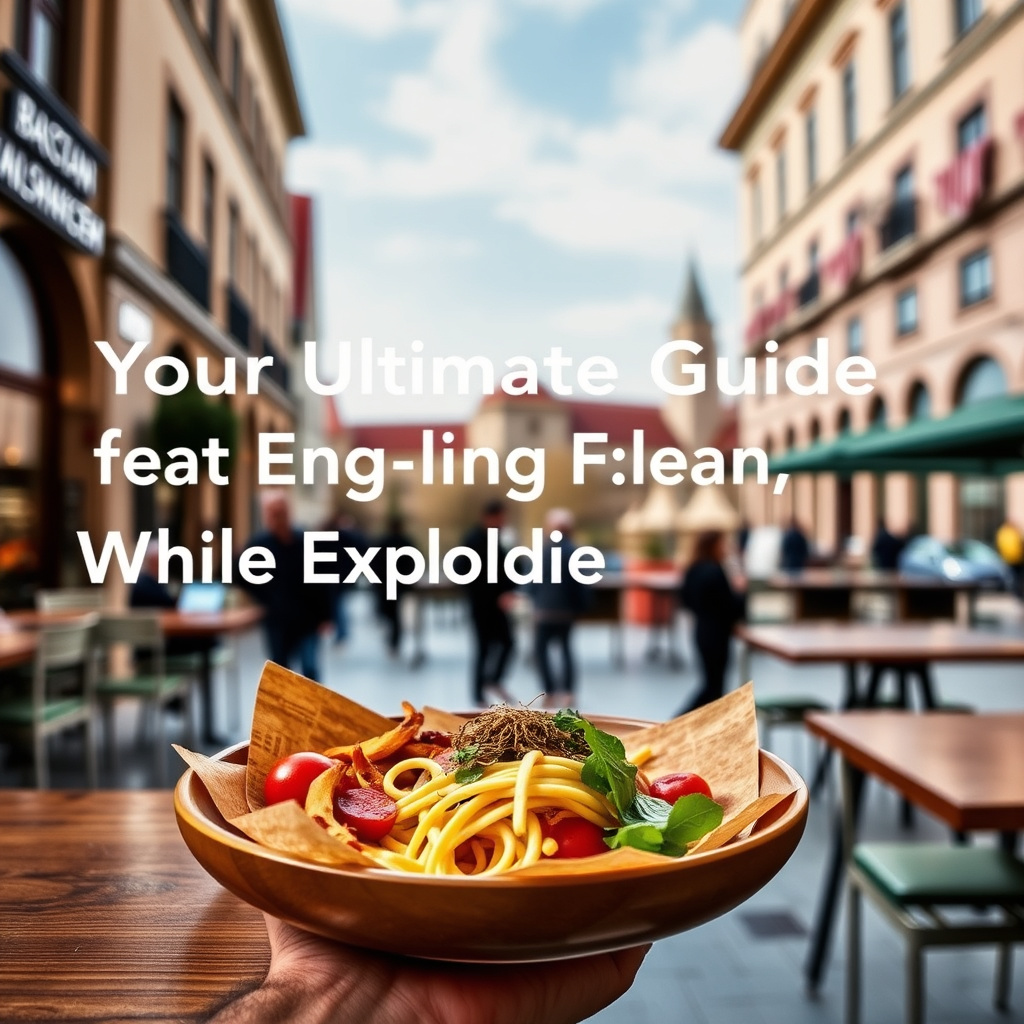
Munich, the capital of Bavaria, is world-renowned for its hearty culinary traditions: think crispy pork knuckle, buttery pretzels, and robust, malty beers. While these staples are a delight for many, visitors aiming to maintain a clean eating lifestyle—prioritizing whole, unprocessed foods and nutrient-dense ingredients—might initially feel overwhelmed by the abundance of heavy comfort food. Fortunately, Munich has undergone a quiet revolution. From vibrant farmers’ markets to innovative plant-forward bistros, the city offers an incredible landscape for travelers dedicated to their health goals.
Understanding the Clean Eating Philosophy in a Traditional City
Clean eating is not about deprivation; it is about choosing foods in their most natural state. In Munich, this means shifting your focus from the deep-fried, heavy cream-based dishes toward the region’s exceptional seasonal produce. Bavaria is an agricultural powerhouse, boasting high-quality grains, root vegetables, and fresh dairy. By focusing on “farm-to-table” establishments, you can enjoy the local culture without compromising your nutritional standards. The key is to look for menus that emphasize organic (Bio) certifications, which are widely respected and easily identifiable throughout the city.
Navigating Munich’s Vibrant Farmers’ Markets
The most authentic way to eat clean in Munich is to shop where the locals do. The Viktualienmarkt is the crown jewel of Munich’s food scene. While it attracts tourists, it remains a vital source of fresh goods for residents. Visit early in the morning to find stalls overflowing with seasonal berries, crisp apples, fresh herbs, and local honey. Avoid the pre-prepared snack kiosks and instead create your own picnic. Pick up some fresh goat cheese, a handful of walnuts, and a selection of raw vegetables. This approach allows you to control exactly what goes into your body while enjoying the atmosphere of the city square.
Smart Dining Strategies at Traditional Brauhauses
You do not have to skip the iconic Munich beer garden experience to eat clean. Brauhauses are surprisingly accommodating if you know how to order. Most traditional menus feature a section for salads and lighter fare. Look for “Salatteller” (salad plates) and ensure you ask for the dressing on the side—often, German dressings are heavy on sugar or mayonnaise. Pair a large mixed salad with a grilled fish dish or a side of steamed vegetables. When it comes to the beer, remember that moderation is the heart of any health-conscious lifestyle. Opt for a smaller glass or a “Radler” (a mix of beer and sparkling water) to stay hydrated while soaking in the social environment.
The Rise of Plant-Based and Raw Food Cafes
Over the last decade, Munich has seen a surge in dedicated vegan and raw-food cafes, particularly in the trendy Glockenbachviertel and Maxvorstadt districts. These establishments are havens for those seeking clean protein sources like quinoa, lentils, and chickpeas, rather than processed meat products. Many of these cafes prioritize organic ingredients and avoid refined sugars entirely. Searching for “Bio-Cafes” on local mapping apps will lead you to hidden gems that serve vibrant smoothie bowls, sprouted grain breads, and cold-pressed juices, providing the perfect fuel for a long day of sightseeing.
Mastering the Art of Healthy Breakfasts
Breakfast is often the most challenging meal for travelers, as hotel buffets are frequently laden with processed pastries and sugary cereals. To stay on track, seek out local bakeries that offer “Vollkornbrot” (whole grain bread). Unlike the fluffy white rolls, authentic Vollkornbrot is dense, fiber-rich, and made with minimal processing. Pair your bread with fresh quark (a high-protein dairy product similar to Greek yogurt) and seasonal fruit. By starting your day with fiber and protein, you maintain steady energy levels, reducing the likelihood of impulsive snacking as you explore the city.
Hydration and the Quality of Alpine Water
One of Munich’s greatest health assets is its tap water. Sourced directly from the Bavarian Alps, Munich’s water is among the cleanest and highest quality in Europe. There is no need to purchase bottled water, which often comes in plastic containers that contribute to waste. Carry a reusable stainless steel water bottle and refill it throughout the day. Staying hydrated is essential when walking the city’s cobblestone streets, and it is the simplest, most effective way to support your metabolism and keep your energy high while traveling.
Healthy Snacking on the Go
Sightseeing often leads to the “hunger trap,” where you find yourself reaching for whatever is most convenient. In Munich, avoid the ubiquitous pretzel stands if you are trying to minimize refined flour intake. Instead, look for stalls selling roasted nuts (mandeln) or fresh fruit. Many small grocery stores like Denns BioMarkt or Alnatura are scattered throughout the city. These organic supermarkets are your best friends; they offer pre-cut fruit, raw nuts, seeds, and healthy protein bars that are free from artificial additives. Keep a small bag of these in your daypack to ensure you have a nutritious option whenever hunger strikes.
Balancing Indulgence with Intentionality
Eating clean while traveling is a practice of balance, not perfection. You are in Munich, a city with a rich history and culture, and part of that experience involves tasting local specialties. The goal is to be intentional. If you decide to enjoy a slice of traditional Apfelstrudel, consider it a conscious choice rather than a mindless habit. Balance an indulgent meal with a lighter, plant-heavy meal later in the day. By practicing mindful eating, you can enjoy the culinary treasures of Bavaria while still feeling vibrant, energized, and connected to your health goals throughout your trip.
Harnessing the Power of Seasonal “Saisonkarte” Menus
One of the most effective strategies for clean eating in Munich is to prioritize restaurants that feature a “Saisonkarte,” or seasonal menu. German culinary culture is deeply rooted in the agricultural calendar, and establishments that follow this rhythm almost always serve fresher, more nutrient-dense food. When you walk into a restaurant, ignore the static, laminated menu and look for the chalkboard or insert featuring seasonal specials. In the spring, this might mean white asparagus (Spargel); in the autumn, it could be wild mushrooms (Pilze) or pumpkin. By choosing these items, you are naturally aligning your diet with what the local soil is producing, which minimizes the need for long-distance transport and chemical preservation. These dishes are typically prepared simply—steamed or lightly sautéed—to highlight the natural flavor of the produce, making them the gold standard for a clean-eating traveler.
Navigating the “Bio-Markt” Ecosystem Beyond Grocery Shopping
While grocery stores like Denns and Alnatura are excellent for stocking your hotel room, they also serve as high-quality fast-casual dining hubs. Most of these locations feature a “Mittagstisch” (lunch table) or a self-service salad bar that is often superior to many sit-down restaurants. These bars are meticulously labeled for allergens and dietary preferences, making it easy to spot hidden sugars or unnecessary additives. When building your lunch bowl, prioritize the “Rohkost” (raw food) section, which often features shredded beet, carrot salads with lemon-based dressings, and sprouted lentils. Unlike typical restaurant sides, these are almost exclusively dressed in high-quality cold-pressed oils and apple cider vinegar, providing a clean, anti-inflammatory boost of energy without the heavy post-meal slump associated with typical Bavarian pub food.
The “Brotzeit” Strategy: Building a Nutrient-Dense Picnic
The traditional Bavarian “Brotzeit” (literally “bread time”) is a cultural staple, but it can be easily adapted into a clean-eating masterpiece. Instead of the standard white bread and fatty sausages, curate your own version using the incredible variety of artisanal goods found at local farmers’ markets. Seek out “Dinkelbrot” (spelt bread) or “Roggenvollkornbrot” (whole grain rye), both of which have a lower glycemic index and higher fiber content than standard wheat rolls. Pair these with “Obatzda” made from low-fat quark or a high-quality goat cheese, and add a side of radishes, cucumbers, and tomatoes. This approach allows you to engage in the quintessential Munich pastime of outdoor eating while strictly controlling the quality of your fats, proteins, and carbohydrates. It is the ultimate way to enjoy the city’s parks, such as the Englischer Garten, without sacrificing your metabolic health.
Maximizing Protein Intake via Regional Dairy and Legumes
Protein is often the hardest macronutrient to source cleanly when traveling, as restaurant menus focus heavily on breaded meats (Schnitzel) or cured sausages. To bridge this gap, look for the term “Quark” on menus and in supermarkets. This fresh, fermented dairy product is a protein powerhouse that is ubiquitous in Bavaria. It is significantly lower in fat than heavy creams and provides a probiotic benefit that supports gut health during travel. If you are strictly plant-based, seek out menus featuring “Linsen” (lentils) or “Kichererbsen” (chickpeas). Many modern Bavarian kitchens are now incorporating these into traditional vegetable soups, turning a light starter into a satiating, protein-rich main course. Always ask if the soup is thickened with flour (Mehl) or cream, as simple vegetable broths are the cleanest option for an evening meal.
Strategic Hydration: Herbal Teas and Infusions
While the beer culture in Munich is legendary, the city also boasts a sophisticated tea culture that is often overlooked by travelers. If you are looking for a break from caffeine or alcohol, visit one of the many “Teeladen” (tea shops) scattered throughout the city center. Ask for “Kräutertee” (herbal tea) made from local Alpine herbs like peppermint, chamomile, or wild mountain flowers. These infusions are not only hydrating but also provide digestive support, which is particularly helpful if you have been experimenting with different local foods. In cafes, instead of ordering sugary sodas or juices, opt for “Sprudelwasser mit Zitrone” (sparkling water with fresh lemon). The sparkling water in Germany is of exceptional quality, and the addition of fresh lemon provides a natural electrolyte boost that keeps you refreshed while navigating the city’s expansive museum districts.
The Art of the “Ohne” Request: Customizing Your Order
Mastering the language of dietary customization is essential for the clean eater in Munich. The word “ohne” (without) will become your best friend. If you are ordering a fish dish that usually comes with a heavy butter sauce, simply say “Bitte ohne Soße” (please without sauce). If a salad arrives with a pre-mixed dressing that looks suspicious, you can request “Essig und Öl separat” (vinegar and oil separately), allowing you to dress the salad yourself. Most Munich waiters are accustomed to these requests, especially in the more progressive neighborhoods like Haidhausen or Schwabing. Do not feel intimidated by the traditional nature of the service; if you are polite and clear, the kitchen will almost always prioritize your request, ensuring that your meal remains as close to its natural, unprocessed state as possible.
Leveraging the “Mittagstisch” for Nutrient-Dense Midday Fuel
In Munich, the concept of Mittagstisch—the set lunch menu—is a cultural institution that can be a goldmine for the clean eater. Instead of ordering à la carte, which can lead to larger portions and hidden calorie density, the Mittagstisch offers a fixed, often smaller, curated plate. To eat clean, look for establishments that advertise a “vegetarische Option” (vegetarian option) or a “Tagesgericht” (dish of the day) that features a protein, a grain, and a vegetable component. By opting for these mid-day specials, you benefit from the kitchen’s focus on efficiency and fresh, daily-procured ingredients. Avoid the heavy meat-stew options often featured here and instead scan for lentil soups, roasted root vegetable platters, or fresh fish dishes, which are frequently the healthiest items on the menu due to their quick turnover time in the kitchen.
Understanding the “Bio-Siegel” and Quality Labeling
When shopping or dining, keep an eye out for the hexagonal green-and-white Bio-Siegel. This official German organic seal is strictly regulated, ensuring that food products meet European Union organic farming standards, which prohibit synthetic fertilizers and genetically modified organisms. Beyond the seal, look for the term “aus der Region” (from the region) on menus. This indicates that the ingredients were sourced from within Bavaria, significantly reducing the carbon footprint and ensuring the produce was harvested at peak ripeness. Prioritizing these two labels—the Bio-Siegel for production quality and “aus der Region” for freshness—is the most reliable way to navigate the menu or grocery aisle without needing to scrutinize every ingredient label.
Embracing the “Rohkost” Culture for Anti-Inflammatory Benefits
Munich has a surprisingly robust Rohkost (raw food) culture that goes beyond simple salads. In many modern bistros, you will find “Rohkost-Salate” that incorporate fermented vegetables, such as sauerkraut, shredded carrots, or beet salads, which provide essential probiotics for gut health during travel. Unlike standard restaurant sides, these fermented options are rarely sweetened and are almost always dressed in cold-pressed, unrefined oils. Integrating these into your daily routine helps combat the inflammation often caused by the sedentary nature of travel or the occasional indulgence in richer, heavier local foods. If you are dining at a traditional establishment, asking for a side of “Sauerkraut ohne Speck” (sauerkraut without bacon) is an excellent way to get a dose of clean, fiber-rich, and gut-healthy food that is authentically Bavarian.
Managing Travel Fatigue with “Heilpflanzen” Infusions
Travelers often experience physical fatigue and digestive sluggishness, which can be mitigated by the German tradition of Heilpflanzen (medicinal herbs). Instead of reaching for a second cup of coffee, which can spike cortisol levels and lead to an energy crash, visit a local Apotheke (pharmacy) or a high-end Teeladen to purchase loose-leaf infusions. Look for Fenchel-Anis-Kümmel (fennel, anise, and caraway) blends, which are widely considered the gold standard for digestive comfort in Germany. Brewing a cup of this in your hotel room after a heavy dinner or using it as a midday refresher is a simple, effective, and entirely natural way to maintain metabolic balance and keep your digestive system functioning smoothly while you traverse the city.
The Art of the “Dinkel” (Spelt) Substitution
Wheat sensitivity is a common concern for clean eaters, and luckily, Munich is an epicenter for the use of Dinkel (spelt). Spelt is an ancient grain that is often easier to digest than modern hybrid wheat and contains a higher protein profile. When visiting local bakeries or ordering bread at a restaurant, specifically ask for Dinkelbrot or Dinkelgebäck. Many of the city’s more artisanal bakeries have shifted away from refined white flour in favor of these heritage grains. By making this simple substitution, you can still participate in the German bread culture—which is central to the social experience of dining—without the inflammatory response often associated with processed, high-gluten wheat products.
Strategic Use of “Bio-Cafes” as Co-Working and Refuel Hubs
If your trip involves catching up on emails or planning your next day, avoid the generic chain coffee shops. Instead, seek out Bio-Cafes in districts like Maxvorstadt. These spaces are specifically designed to cater to a demographic that values health and sustainability. Unlike standard cafes that rely on sugary syrups and heavy pastries, these venues almost universally offer “Hafermilch” (oat milk) or “Mandelmilch” (almond milk) as alternatives to dairy. They also provide a quiet, ambient environment where you can enjoy a bowl of warm porridge topped with seasonal fruit or a salad of sprouted greens. These cafes serve as a “third space” where you can recharge your body and your devices, ensuring that your downtime contributes to your health goals rather than hindering them.
Frequently Asked Questions
1. Can I find gluten-free options easily in Munich? Yes, Munich is very allergy-aware. Most cafes and restaurants label their menus clearly, and the term “glutenfrei” is widely understood. You will find many bakeries that offer gluten-free bread and cakes, especially in the central districts.
2. Are organic foods expensive in Munich? While organic (Bio) products are generally priced higher than conventional goods, they are very accessible. Shopping at organic supermarkets like Alnatura or Denns is cost-effective if you focus on whole foods like seasonal vegetables, grains, and legumes rather than packaged processed health foods.
3. How can I identify a healthy restaurant from the outside? Look for signs that say “Bio” or “Vegetarisch” (vegetarian). Additionally, restaurants that display a seasonal menu (Saisonkarte) are generally more likely to source fresh, whole ingredients rather than relying on frozen or pre-packaged items.
4. Is it considered rude to ask for modifications to a dish in a German restaurant? Generally, no. While traditional service is efficient and sometimes brisk, most servers are happy to accommodate requests like “dressing on the side” or “no sauce” if you are polite. Using simple German phrases like “ohne Soße” (without sauce) is always appreciated.
5. What is the best way to find healthy, locally-sourced meals? Utilize the “Bio-Siegel” (the German organic seal) when looking at menus or shop windows. Additionally, apps like HappyCow are excellent for finding plant-based and health-conscious eateries in Munich, often featuring reviews from other travelers with similar dietary preferences.
Related posts:
 Nap Revolution: NYC’s Sleep Café Is Making Rest Trendy Again
 Why Avocado Toast Dominated Breakfast Trends in 2017
 Vancouver Health Travel Guide
 A Guide to Clean Wine at Thrive Market
 High-Protein Foods That Pack a Serious Nutritional Punch
 4 Glow-Boosting Products to Shop From W3LL People Before They Sell Out
 The 2018 Dirty Dozen List That Will Change How You Shop for Produce
 Pegan Diet Explained: The Paleo-Vegan Hybrid Taking Over