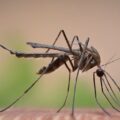
The gentle hum of summer, the warmth of the sun on your skin, the laughter of loved ones filling the air – these are the cherished moments that make spending time outdoors so invaluable. Yet, for many, these idyllic scenes are often marred by the unwelcome intrusion of mosquitoes. These tiny insects aren’t just a nuisance; they can disrupt our peace, leave itchy bites, and even transmit diseases, turning potential joy into discomfort and worry. But what if you could reclaim your outdoor sanctuary, enjoying nature’s embrace without the constant swatting and anxiety?
This comprehensive guide is crafted with compassion and understanding, offering you a roadmap to effective outdoor mosquito protection. We believe that everyone deserves to experience the profound benefits of fresh air, sunshine, and green spaces without fear. From simple personal strategies to advanced environmental controls, we’ll explore a holistic approach that empowers you to create a safer, more enjoyable outdoor environment for yourself, your family, and your community. Let’s transform your outdoor living into a haven of peace and well-being.
Understanding the Enemy: Why Mosquitoes Love Your Outdoors
To effectively protect ourselves, it’s helpful to understand our tiny adversaries. Mosquitoes are more than just bothersome; they are highly adaptable creatures whose life cycle and habits make them persistent guests in our outdoor spaces. Knowing their preferences is the first step in creating a defense strategy that truly works.
- Water is Life: The most crucial element for mosquito breeding is standing water. Even a bottle cap full of water can serve as a nursery for hundreds of larvae. Puddles, clogged gutters, bird baths, old tires, neglected pet bowls, and even plant saucers are prime locations for them to lay their eggs.
- Shade and Shelter: Adult mosquitoes prefer cool, humid, and shaded areas during the day. Dense vegetation, tall grass, and cluttered outdoor spaces provide ideal resting spots, protecting them from the sun and wind.
- Peak Activity Hours: While some species are active during the day, most mosquitoes are most aggressive at dawn and dusk. These are the times when they are actively seeking a blood meal.
- Attraction Factors: Mosquitoes are attracted to carbon dioxide (which we exhale), body heat, lactic acid, and certain scents from our skin. This explains why some people seem to be ‘mosquito magnets.’
By understanding these fundamental aspects of mosquito behavior, we can begin to strategically address their presence, not just react to their bites.
First Line of Defense: Personal Protection Strategies
Your personal choices play a significant role in minimizing mosquito encounters. These are the immediate, proactive steps you can take to shield yourself and your loved ones while enjoying the outdoors.
Choosing the Right Repellent: Your Invisible Shield
Insect repellents are your most direct line of defense. The key is to choose an effective one and apply it correctly.
- DEET (N,N-Diethyl-meta-toluamide): Highly effective and widely recommended by health organizations. It comes in various concentrations; higher concentrations offer longer protection. It’s safe when used as directed, even for children over two months old (consult your pediatrician).
- Picaridin: A synthetic compound that is also highly effective and often preferred for its lighter feel and lack of plastic-dissolving properties. It’s suitable for various skin types and ages.
- Oil of Lemon Eucalyptus (OLE) / PMD: A plant-based option that offers comparable protection to lower concentrations of DEET. It’s derived from the lemon eucalyptus tree and is a good choice for those seeking natural alternatives. Note: Pure lemon eucalyptus essential oil is not the same as OLE/PMD and is not recommended as a repellent.
- Other Natural Options: While essential oils like citronella, lavender, and peppermint are often marketed as repellents, their effectiveness and duration of protection are generally much lower than EPA-registered products. If you choose these, be prepared for frequent reapplication.
Application Tips: Always follow label instructions. Apply repellent to exposed skin and clothing, avoiding eyes and mouth. Reapply as needed, especially after swimming or sweating. When using sunscreen, apply sunscreen first, then repellent.
Protective Clothing and Timing
- Cover Up: Opt for long-sleeved shirts, long pants, and socks when spending time in mosquito-prone areas. Light-colored clothing may be less attractive to mosquitoes than dark colors.
- Treat Clothing: For extended outdoor activities, consider treating clothing and gear with permethrin. This insecticide binds to fabric and remains effective through several washes, offering an extra layer of protection. Do not apply permethrin directly to skin.
- Strategic Timing: If possible, limit outdoor activities during peak mosquito hours (dawn and dusk). If you must be out, ensure you’re well-protected.
Transforming Your Yard: Environmental Control Measures
Beyond personal protection, creating a less hospitable environment for mosquitoes in your own backyard is incredibly effective. This involves a compassionate approach to your landscape, understanding how small changes can make a big difference.
- Eliminate Standing Water: The Golden Rule: This is the single most impactful action you can take.
- Weekly Checks: Walk around your property at least once a week. Empty and scrub bird baths, pet water bowls, and plant saucers.
- Clear Gutters: Ensure gutters are free of leaves and debris so water can drain properly.
- Tidy Up: Remove old tires, buckets, toys, and tarps that can collect water. Turn over wheelbarrows and wading pools when not in use.
- Maintain Ponds/Water Features: For decorative ponds, consider adding mosquito fish (Gambusia affinis) or using BTI (Bacillus thuringiensis israelensis) dunks, a natural larvicide that targets mosquito larvae without harming other wildlife.
- Maintain Your Landscape:
- Mow Regularly: Keep your lawn mowed short and trim dense vegetation, especially around outdoor seating areas. This reduces resting spots for adult mosquitoes.
- Prune Shrubs and Trees: Thin out overgrown bushes and trees to improve air circulation and reduce shaded, humid areas where mosquitoes thrive.
- Strategic Planting (with realistic expectations): While no plant will completely repel mosquitoes from your yard, some may offer a slight deterrent effect when crushed or in very dense plantings. Examples include citronella grass, marigolds, lavender, and catnip. They are best used as part of a multi-faceted approach, not as a standalone solution.
- Harness the Wind: Mosquitoes are weak fliers. Placing outdoor fans strategically around your patio or deck can create a ‘wind barrier’ that makes it difficult for them to land on you. This is a simple, chemical-free solution for immediate relief.
Advanced Solutions: Technology and Professional Help
For those facing significant mosquito challenges or seeking more comprehensive solutions, technology and professional services offer additional layers of protection.
- Mosquito Traps: Various traps are available that use CO2, heat, and attractants to lure and capture mosquitoes. While they can reduce local populations, their effectiveness varies, and they are typically most beneficial when used as part of a broader control strategy. Position them away from your main gathering areas to draw mosquitoes away.
- Barrier Sprays (Professional & DIY): Professional pest control services can apply barrier sprays to your yard, targeting foliage where mosquitoes rest. These treatments typically last for several weeks. There are also DIY barrier spray products available for homeowners. When considering these, inquire about the active ingredients and ensure they are applied responsibly, minimizing impact on beneficial insects like pollinators. Always prioritize the safety of children, pets, and local wildlife.
- Misting Systems: For continuous, automated protection, misting systems can be installed around the perimeter of your property. These systems release a fine mist of insecticide at timed intervals. While highly effective, they represent a significant investment and require careful consideration regarding environmental impact and safety.
- Screened-in Structures: The simplest and most effective ‘advanced’ solution for an outdoor living space is often a physical barrier. Screened porches, gazebos, or patio enclosures provide a complete sanctuary from mosquitoes, allowing you to enjoy the outdoors without any chemical intervention.
Natural & Eco-Friendly Approaches for a Balanced Ecosystem
For those committed to sustainable living and nurturing a harmonious environment, integrating natural and eco-friendly practices into your mosquito protection plan is a compassionate choice. These methods often work with nature, rather than against it.
- Encourage Natural Predators: Foster a backyard ecosystem that welcomes mosquito predators.
- Bats: A single bat can consume hundreds of mosquitoes in an hour. Consider installing bat houses in a safe, undisturbed location.
- Birds: Many bird species, including purple martins and swallows, feed on flying insects. Provide bird baths and native plants to attract them.
- Dragonflies and Damselflies: Both adult and larval dragonflies are voracious mosquito predators. Creating a healthy aquatic environment (without standing water) can encourage them.
- BTI (Bacillus thuringiensis israelensis): As mentioned earlier, BTI is a naturally occurring bacterium that specifically targets mosquito and black fly larvae. It’s safe for humans, pets, and other wildlife, making it an excellent choice for treating standing water that cannot be easily emptied (e.g., rain barrels, ornamental ponds).
- DIY Essential Oil Sprays (with caution): While pure essential oils generally offer limited and short-lived protection, some people prefer to create their own sprays using blends like citronella, lemongrass, eucalyptus, and peppermint. Always dilute essential oils with a carrier oil (like jojoba or almond oil) or witch hazel before applying to skin, and perform a patch test to check for sensitivities. Remember, these are not EPA-registered and may require very frequent reapplication.
- Permeable Landscaping: Improve drainage in your yard by adding permeable pavers or rain gardens. These features allow water to soak into the ground rather than pooling, reducing potential breeding sites.
Embracing the Outdoors Safely: A Holistic Approach
Ultimately, effective outdoor mosquito protection isn’t about a single magic bullet; it’s about adopting a thoughtful, multi-faceted approach. It’s about empowering yourself with knowledge and tools to create a space where you feel safe, comfortable, and free to enjoy the abundant gifts of nature.
By consistently implementing personal protection strategies, diligently managing your immediate environment, and considering advanced or eco-friendly solutions where appropriate, you can significantly reduce mosquito populations and their impact on your life. Imagine evenings spent under the stars, vibrant garden parties, or serene moments of quiet reflection, all without the irritating buzz and bite.
Embrace these strategies not as chores, but as acts of self-care and care for your loved ones. Reclaim your outdoor sanctuary, knowing that you’ve taken compassionate and effective steps to ensure that your time in nature is truly joyful, healthful, and undisturbed. Your peace of mind and the beauty of the outdoors await.
Frequently Asked Questions About Outdoor Mosquito Protection
Here are some common questions to help you further refine your mosquito protection strategy:
Q1: Is DEET safe for children and pregnant women?
A1: Yes, when used according to label instructions, DEET is considered safe and effective by health organizations like the CDC and EPA for children over two months old and pregnant women. Always choose the lowest concentration that provides adequate protection for the duration of your outdoor activity, and avoid applying it to a child’s hands or near their eyes/mouth.
Q2: What are the most effective natural alternatives to chemical repellents?
A2: The most effective EPA-registered plant-based repellent is Oil of Lemon Eucalyptus (OLE) or its synthetic version, PMD. It offers protection comparable to lower concentrations of DEET. Other essential oils like citronella, lavender, and peppermint can provide some very short-term deterrence, but their effectiveness is generally much lower and requires frequent reapplication compared to OLE/PMD, DEET, or Picaridin.
Q3: How often should I reapply mosquito repellent?
A3: The frequency of reapplication depends on the repellent’s active ingredient and concentration, as well as factors like sweating and swimming. Always follow the specific instructions on the product label. Generally, repellents with higher concentrations offer longer protection, but reapplication every few hours is a good rule of thumb for most outdoor activities.
Q4: Do citronella candles or plants really keep mosquitoes away from an entire area?
A4: While citronella candles and plants release some mosquito-repelling compounds, their effectiveness in clearing an entire outdoor area is very limited. The concentration of the active ingredients released is usually too low to create a significant protective zone. They might offer a very small, localized deterrent effect, but they are not a reliable standalone solution for comprehensive protection.
Q5: Besides itchy bites, what are the other risks associated with mosquitoes?
A5: Beyond the immediate discomfort of itchy bites, mosquitoes are vectors for several serious diseases. In various parts of the world, and increasingly in some regions, they can transmit illnesses such as West Nile Virus, Zika Virus, Dengue Fever, Chikungunya, and Malaria. Protecting yourself from mosquito bites is therefore a crucial step in safeguarding your overall health and well-being.