Plastic has become so woven into daily life that most households barely notice the volume they generate each week. From food packaging to personal‑care bottles, the cumulative impact on landfills, oceans, and even indoor air quality is significant. The good news is that reducing household plastic does not require a complete lifestyle overhaul; it starts with awareness, a few strategic swaps, and consistent habits that involve every family member. This guide walks you through practical, evidence‑based steps to cut plastic waste at home while keeping convenience and comfort intact.
Key takeaways
- Conduct a one-week waste audit to identify the primary sources of plastic in your home.
- Replace single-use items like water bottles and food wrap with durable glass, metal, or silicone alternatives.
- Shop at bulk bins and prioritize brands that use cardboard, glass, or metal packaging.
- Use microfiber-catching laundry bags or filters to prevent synthetic clothing fibers from entering the water system.
Understand Your Plastic Footprint
Begin by conducting a simple audit. For one week, collect every piece of plastic that enters your home — grocery bags, produce wrap, yogurt cups, shampoo bottles, cleaning‑product containers, and even the plastic lining inside cereal boxes. Sort them into categories: single‑use packaging, durable containers, and hidden plastics like synthetic fibers in clothing. Weigh or count each category to see where the bulk lies. Many families discover that kitchen packaging and bathroom bottles dominate the total. Write down the numbers; they become a baseline for measuring progress and a motivator for targeted changes.
Swap Single‑Use Plastics for Reusables
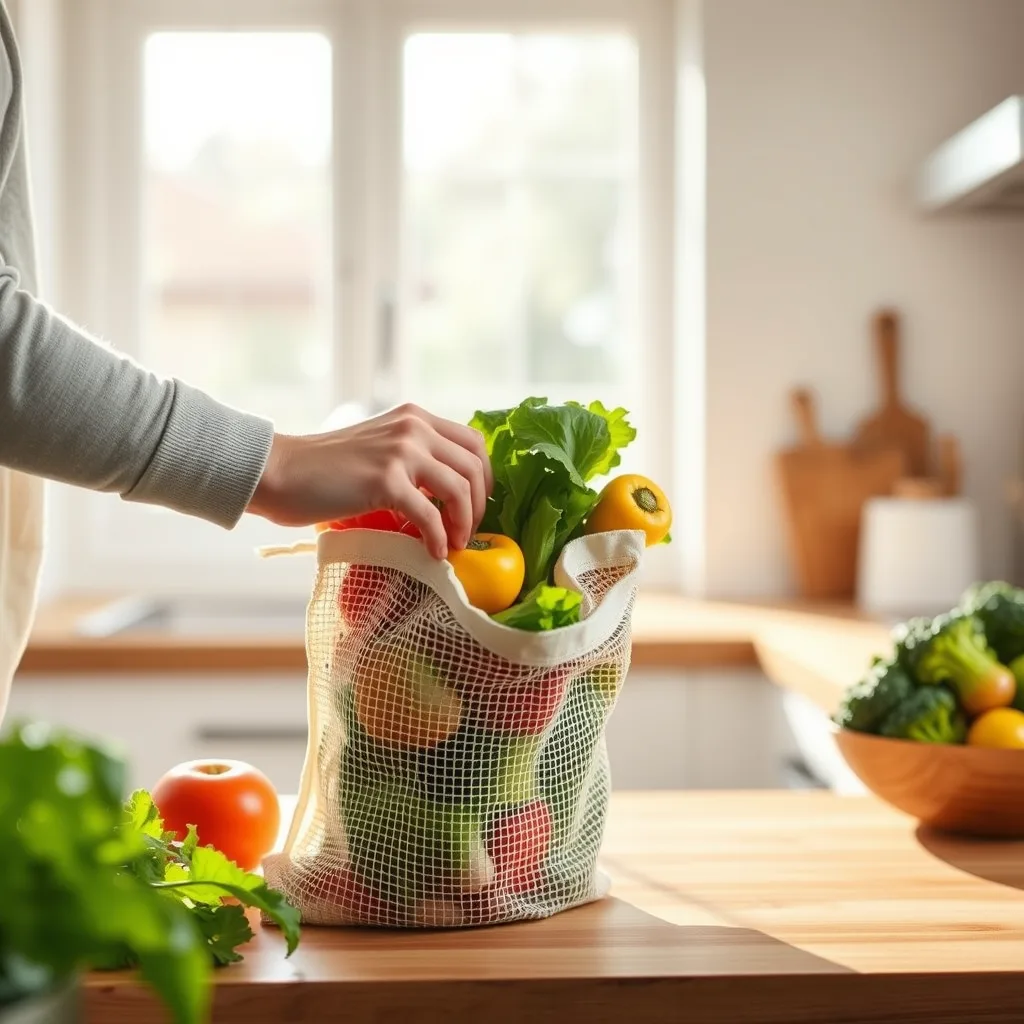
Replace the most frequent disposable items with durable alternatives. Invest in a set of stainless‑steel or glass water bottles, a few insulated coffee tumblers, and a stack of silicone food‑storage bags. Keep a reusable produce bag in each car and a compact tote by the front door for spontaneous grocery trips. For sandwiches and snacks, use beeswax wraps or cloth snack pouches instead of zip‑top bags. When ordering takeout, ask the restaurant to skip plastic cutlery and bring your own bamboo set. These swaps eliminate dozens of single‑use pieces each month and quickly become second nature.
Choose Plastic‑Free Packaging When Shopping
Shopping habits drive a large portion of household plastic. Prioritize stores that offer bulk bins for grains, nuts, legumes, and spices; bring your own jars or cloth bags to fill them. Select fresh produce that is sold loose rather than pre‑bagged. When buying packaged goods, favor brands that use cardboard, glass, or metal containers. Many dairy producers now offer milk in returnable glass bottles, and some condiment makers ship in reusable jars. If a plastic‑free option isn’t available, consider making the product at home — homemade yogurt, nut butter, or salad dressing cuts both packaging and additives.
Rethink Kitchen Storage and Food Prep
The kitchen is a hotspot for hidden plastic. Replace plastic wrap with silicone stretch lids or reusable beeswax covers. Store leftovers in glass containers with snap‑on lids; they are microwave‑safe, dishwasher‑safe, and free of chemical leaching. Use stainless‑steel or bamboo utensils instead of plastic spatulas and tongs. For freezer storage, opt for heavy‑duty freezer bags made from PEVA or silicone, which can be washed and reused dozens of times. When meal‑prepping, portion food into mason jars — they stack neatly, keep contents visible, and eliminate the need for disposable portion cups.
Transform Bathroom and Personal Care Routines
Bathrooms often harbor a surprising amount of plastic: shampoo bottles, toothpaste tubes, deodorant sticks, and disposable razors. Switch to solid shampoo and conditioner bars wrapped in paper, or refill stations that let you top up a durable aluminum bottle. Choose toothpaste in a metal tube or a toothpaste tab that you keep in a small glass jar. Bamboo toothbrushes replace plastic handles, and safety razors made of stainless steel eliminate the need for cartridge heads. For cotton rounds, opt for reusable organic‑cotton pads that can be washed with laundry. These changes reduce waste and often improve product performance.
Reduce Plastic in Cleaning and Laundry
Conventional cleaning products arrive in single‑use spray bottles and thick plastic jugs. Make your own all‑purpose cleaner using vinegar, water, and a few drops of essential oil; store it in a refillable glass spray bottle. Purchase laundry detergent in cardboard boxes or as concentrated strips that dissolve in water, eliminating bulky plastic jugs. Use wool dryer balls instead of single‑use dryer sheets. For scrubbing, choose natural fiber brushes (coconut‑coir, tampico) over plastic‑bristled ones. Refill stations for dish soap and hand soap are increasingly common at zero‑waste shops and even some supermarkets.
Engage the Whole Household in Plastic‑Free Habits
Sustainable change sticks when everyone participates. Turn the audit into a family game: each member tracks their personal plastic count and competes to lower it week over week. Assign age‑appropriate tasks — kids can rinse and sort recyclables, teens can research plastic‑free brands, adults can manage bulk‑shopping trips. Create a visible “plastic‑free station” in the kitchen with reusable bags, jars, and a checklist of daily swaps. Celebrate milestones with a plastic‑free picnic or a DIY upcycling project. Shared ownership builds accountability and makes the transition feel like a collective adventure rather than a chore.
Track Progress and Celebrate Milestones
Data keeps motivation high. After the initial audit, repeat the count monthly and plot the results on a simple chart on the fridge. Note which categories dropped the most and where new plastic crept in (e.g., a new snack brand). Set realistic targets — perhaps a 30 % reduction in single‑use packaging within six months. When you hit a goal, reward the household with an experience rather than a material gift: a hike, a cooking class, or a movie night with homemade popcorn in a reusable bowl. Document the journey in a journal or blog; sharing successes inspires friends and creates a ripple effect beyond your own walls.
Tackle Plastic in Textiles and Laundry Microfibers
Synthetic clothing such as polyester, nylon, and acrylic sheds microscopic fibers every wash cycle. Studies estimate a single load can release hundreds of thousands of microfibers that travel through wastewater treatment plants and into rivers and oceans. To cut this hidden plastic stream, start by auditing your wardrobe: separate natural‑fiber items (cotton, linen, wool, hemp) from synthetics. Prioritize wearing natural fibers for everyday use and reserve synthetics for activities where performance matters, like swimwear or technical outerwear.
Invest in a microfiber‑catching laundry bag or a washing‑machine filter designed to trap fibers before they exit the drain. Brands such as Guppyfriend and Cora Ball have independent test data showing 70‑90 % capture rates. If a filter is not feasible, wash synthetic loads less frequently, use cold water, and select a gentle cycle — both reduce fiber shedding. When possible, line‑dry clothes; tumble drying adds mechanical agitation that liberates more fibers.
Edge case: performance gear that must stay synthetic (e.g., waterproof shells). For these, consider a dedicated wash bag and a post‑wash rinse in a basin where you can collect and dispose of the captured fibers in the trash rather than the drain. Another edge case is household textiles like fleece blankets and microfiber cleaning cloths. Replace them with cotton or bamboo alternatives, or use a reusable microfiber‑catching pouch when laundering them.
Finally, extend the life of every garment. Repair small tears, repurpose worn‑out items as cleaning rags, and donate usable pieces. A longer garment lifespan means fewer new synthetic purchases and fewer wash cycles overall, compounding the microfiber reduction.
Reduce Plastic Waste from Pet Care and Household Animals
Pet food bags, litter liners, toy packaging, and grooming products are often overlooked sources of household plastic. Begin by measuring the weekly volume: count empty kibble bags, used litter boxes, and disposable poop bags. Many pet owners find that food packaging alone accounts for 30‑40 % of their pet‑related plastic.
Switch to bulk or refillable pet food options. Several specialty stores and co‑ops now offer kibble and freeze‑dried raw in large paper sacks or reusable bins. Bring your own clean, food‑grade containers (stainless steel or BPA‑free plastic) to fill. For wet food, choose brands that use metal cans or glass jars; the metal can be recycled indefinitely, and glass jars can be repurposed for storage.
Cat litter is a major plastic culprit when sold in plastic jugs or lined boxes. Opt for litter sold in paper bags or compostable packaging, and consider plant‑based litters (pine, wheat, corn) that can be composted where municipal facilities accept them. If you use a liner, replace the single‑use plastic tray liner with a reusable silicone mat that can be washed and reused.
Poop bags are typically thin polyethylene. Certified compostable bags made from cornstarch or PBAT break down in industrial composters, but most home compost piles lack the heat needed. The most reliable low‑plastic route is a reusable silicone or stainless‑steel scoop paired with a small, lidded metal bucket for waste transport to a designated pet‑waste composting service or municipal green bin.
Toys and grooming tools often come in blister packs. Choose durable toys made from natural rubber, hemp rope, or untreated wood. For grooming, a bamboo brush and a metal nail clipper eliminate plastic handles. When a plastic toy inevitably breaks, check if the manufacturer offers a take‑back program; some brands recycle old toys into new products.
Edge case: prescription pet medications that arrive in plastic vials. Ask the veterinarian if a compounding pharmacy can provide the medication in a glass bottle or if a larger multi‑dose vial reduces the number of containers. For flea‑treatment spot‑ons, some brands now offer refillable applicators.
Plastic‑Free Strategies for Home Office, School Supplies, and Digital Devices
Home offices and school stations accumulate plastic in the form of pen bodies, binder covers, printer cartridges, cable ties, and packaging for electronics. Conduct a quick inventory: count disposable pens, plastic‑cased notebooks, single‑use sticky‑note pads, and the plastic wrap around new cables or chargers.
Replace disposable pens with refillable metal or wooden fountain pens, or opt for a high‑quality rollerball that accepts standard ink cartridges. For pencils, choose wooden or recycled‑paper barrels. Notebooks with recycled‑paper covers and spiral bindings made of metal eliminate the need for plastic‑coated covers. Sticky notes are available in paper‑only pads with a water‑based adhesive; avoid the plastic‑film backing found on many brands.
Printer cartridges are a high‑volume waste stream. Many manufacturers run take‑back programs that refurbish cartridges; enroll and schedule regular returns. Alternatively, invest in a refillable ink tank system (continuous ink supply) that uses bulk ink bottles — often glass or metal — reducing cartridge waste by >90 %.
Cable management can be plastic‑free: use Velcro‑style fabric ties, reusable silicone cable organizers, or simple twist ties made from coated wire. When purchasing new electronics, request minimal packaging or select retailers that ship in recycled‑cardboard boxes with paper‑based cushioning. Keep the original boxes for future moves or resale; they are sturdy and reusable.
School supplies for children: choose metal lunch containers, cloth snack bags, and stainless‑steel water bottles instead of single‑use plastic bags and bottles. Many schools now accept “zero‑waste” lunch kits; coordinate with teachers to create a classroom collection point for reusable utensils and containers.
Edge case: specialized lab or art materials that only come in plastic (e.g., certain resin kits). In those cases, buy the smallest viable quantity, store leftovers in airtight glass jars, and explore community‑share programs where hobbyists exchange excess supplies.
Seasonal and Celebration‑Specific Plastic Reduction Tactics
Holidays, birthdays, and seasonal events generate spikes in plastic waste — gift wrap, disposable tableware, party favors, and decorative items. Plan ahead by creating a reusable celebration kit: fabric gift bags, cloth napkins, stainless‑steel cutlery, and a set of durable plates and cups that can be washed and stored for the next occasion.
For gift wrapping, use furoshiki (Japanese wrapping cloths), reusable cotton bags, or repurposed maps and newspaper. Avoid metallic or glitter‑coated paper, which contains plastic film and cannot be recycled. If you receive wrapped gifts, carefully unwrap and save the paper for future use; many communities have “wrap‑swap” events after major holidays.
Party favors often come as small plastic trinkets. Replace them with edible treats in paper cones, seed packets, or DIY craft kits that use natural materials (e.g., wooden beads, wool felt). For children’s birthdays, consider a “experience” gift — a voucher for a local museum, a cooking class, or a nature hike — eliminating physical waste entirely.
Seasonal decorations: choose natural elements (pinecones, dried citrus slices, branches) over plastic ornaments. If you prefer lights, select LED strings with a durable, non‑plastic coating and store them carefully to avoid breakage. For outdoor events, rent reusable tableware from a local party‑supply library rather than buying disposable sets.
Edge case: fireworks and sparklers produce plastic‑coated debris. If local regulations allow, attend a community display instead of purchasing personal fireworks. For Halloween, opt for costume pieces made from fabric or cardboard; avoid cheap plastic masks and props that are discarded after one night.
Track the plastic saved per event by weighing the waste before and after the celebration. Over a year, the cumulative reduction can be substantial, and the data reinforces the habit for future gatherings.
Navigating Refill Networks, Community Bulk Buying, and Local Policy
Refill stations and bulk‑buying cooperatives are expanding, but accessibility varies. Start by mapping all refill points within a 20‑mile radius: zero‑waste shops, grocery stores with bulk aisles, farmers‑market vendors offering refillable jars, and community‑supported agriculture (CSA) pick‑up sites that provide reusable containers.
Join or start a neighborhood bulk‑buying group. Pool orders for staples like rice, beans, oats, and nuts to meet minimum‑order thresholds for wholesale packaging (often paper sacks). Rotate the responsibility of picking up the bulk order and redistributing into members’ reusable containers. This reduces individual trips, lowers cost per pound, and cuts packaging waste dramatically.
Engage with local policy: attend city council or waste‑management board meetings to advocate for extended producer responsibility (EPR) laws that require manufacturers to fund collection and recycling of their packaging. Support ordinances that ban single‑use plastic bags, polystyrene foam, and plastic straws, and that mandate refill‑station infrastructure in new commercial developments.
Leverage digital tools: apps like “RefillMyBottle” or “Zero Waste Home” locate nearby refill stations, track personal container inventory, and send reminders when a staple runs low. Some municipalities offer incentive programs — rebates for purchasing reusable containers or discounts at participating stores.
Edge case: rural areas with no physical refill shops. In these settings, coordinate a monthly “refill caravan” where a volunteer drives to the nearest bulk supplier, fills a large set of containers, and distributes them at a community hub (library, church hall). Alternatively, subscribe to a mail‑order refill service that ships bulk goods in returnable, insulated boxes; the boxes are collected on the next delivery.
Document your community’s progress: keep a shared spreadsheet of plastic weight avoided, cost savings, and policy wins. Publicly sharing results (with permission) can inspire neighboring towns and create a regional movement toward systemic plastic reduction.
Advanced Food Preservation Techniques That Eliminate Packaging
Beyond reusable containers, mastering preservation methods lets you buy fresh, unpackaged produce in bulk and store it long‑term without plastic. Canning, fermenting, dehydrating, and vacuum sealing in reusable glass jars are four pillars.
Water‑bath canning works for high‑acid foods (tomatoes, fruit, pickles). Use Mason jars with two‑piece metal lids; the lids are single‑use but the jars and bands are indefinite. For low‑acid foods (beans, meats, soups), a pressure canner is required. Invest in a quality pressure canner (e.g., 23‑quart) and follow USDA‑tested recipes to ensure safety. The upfront cost is offset by eliminating dozens of metal cans and plastic pouches each year.
Fermentation creates probiotic‑rich foods (sauerkraut, kimchi, kombucha) using only salt, water, and vegetables. A ceramic crock or a wide‑mouth glass jar with an airlock lid (silicone or stainless steel) keeps the process anaerobic without plastic wrap. Fermented foods last months in a cool pantry, reducing the need for refrigerated, plastic‑packaged condiments.
Dehydrating extends the shelf life of fruits, vegetables, herbs, and even cooked meals. A low‑temperature dehydrator (95‑115 °F) or an oven set to its lowest setting with the door ajar works. Store dried goods in airtight glass jars with oxygen absorbers (food‑grade iron packets) for up to a year. This replaces snack bags, freeze‑dried packets, and plastic‑wrapped dried herbs.
Vacuum sealing with a chamber sealer and reusable silicone bags or glass jars removes air without single‑use plastic bags. Chamber sealers can seal liquids and moist foods, making them ideal for soups, sauces, and marinated proteins. The silicone bags are dishwasher‑safe and can be reused hundreds of times.
Edge case: limited kitchen space. Prioritize the method that matches your most‑purchased bulk items. If you buy large quantities of tomatoes, canning yields the greatest packaging savings. If you have a garden surplus of herbs, dehydrating is space‑efficient. Combine methods seasonally: ferment in spring, can in summer, dehydrate in autumn, vacuum‑seal meats in winter.
Frequently Asked Questions
How do I handle plastic packaging that seems unavoidable, like medication bottles?
Some medical packaging is regulated for safety and cannot be eliminated. Focus on the plastics you can control — food, cleaning, personal care — and recycle the unavoidable items according to local guidelines. Ask your pharmacist if a glass‑bottle alternative exists for any prescription.
Are biodegradable plastics a good substitute?
Biodegradable plastics often require industrial composting facilities that most municipalities lack. They can still fragment into microplastics in home compost or landfill. Prioritize reusable, non‑plastic materials first; treat biodegradable options as a last resort.
What’s the most cost‑effective way to start reducing plastic?
Begin with the highest‑volume, lowest‑cost swaps: reusable shopping bags, a stainless‑steel water bottle, and bulk‑bin shopping for staples. These changes require minimal upfront investment and deliver immediate waste reduction.
Can I really make a difference as a single household?
Yes. The average household generates several hundred pounds of plastic waste annually. Cutting even a fraction reduces demand for virgin plastic production, lowers carbon emissions, and signals market preference for sustainable packaging. Collective action amplifies impact.
How do I keep the momentum going after the initial enthusiasm fades?
Build habits into routines rather than relying on willpower. Schedule a weekly “plastic check‑in” during a regular family meeting, rotate responsibility for bulk‑shopping trips, and periodically introduce a new challenge — like a month without plastic wrap — to keep the process fresh and engaging.
Related posts:
 The Right Way to Store Water Bottles for Maximum Hygiene and Freshness
 Simple Ways to Reduce Waste Production in Your Daily Life
 Practical Methods for Reducing Household Waste
 Creating a Plastic-Free Home
 Simple Methods to Reduce Household Waste
 Second Life Magic: Turn Finished Candles Into Morning Coffee Companions
 New York’s Plastic Bag Ban Is Finally Here and It’s Going to Change Everything
 How to Transition to a Zero Waste Lifestyle